Looking Up a Bernese Mountain Dog on the OFA Website
Bringing a Bernese Mountain Dog into your life is an incredible joy, but it's also a significant commitment, especially when it comes to their health. One of the biggest worries many prospective owners face is ensuring their future furry family member comes from healthy lines, and sifting through breeder claims can feel overwhelming. This guide is all about cutting through the noise and showing you exactly how to use the Orthopedic Foundation for Animals (OFA) website to verify health clearances, giving you peace of mind and helping you make an informed decision for your Bernese.
Why OFA Clearances Matter for Bernese Mountain Dogs
It’s no secret that Bernese Mountain Dogs, for all their gentle giant charm, can be prone to certain health issues. As responsible owners and breeders, our goal is always to minimize suffering and maximize the time we have with these wonderful dogs. This is precisely where OFA clearances come into play. They aren't just fancy certificates; they're a critical tool in the fight against inherited diseases.
Think of it this way: when you're buying a car, you want to see its service history, right? You want to know it's been maintained, that potential problems were addressed, and that it's built to last. OFA clearances are essentially that service history for a Bernese Mountain Dog's skeletal and other systems. They provide an objective, third-party evaluation of a dog's orthopedic health, primarily focusing on hips and elbows, which are notorious trouble spots for large breeds. For Berners, in particular, Joint Disease in a Hundred Pound Bernese Mountain Dog is a very real concern, with issues like hip and elbow dysplasia being prevalent. Without these clearances, you're essentially buying blind, hoping for the best but without any solid data to back it up. Responsible breeders don't just hope; they test.
Understanding Inherited Conditions
Bernese Mountain Dogs can inherit a predisposition to several conditions. Hip and elbow dysplasia are at the top of the list. Hip dysplasia, for instance, is a genetic condition where the ball and socket joint of the hip doesn't fit together properly. Over time, this can lead to painful arthritis, lameness, and a significantly reduced quality of life. Elbow dysplasia is a similar issue affecting the elbow joint. While genetics play a huge role, environmental factors like rapid growth and improper nutrition in puppyhood can exacerbate these issues. Early screening helps breeders make informed decisions about which dogs to breed, aiming to reduce the incidence of these painful conditions in future generations. It's a continuous, often challenging, effort.
The Breeder's Role in Health Screening
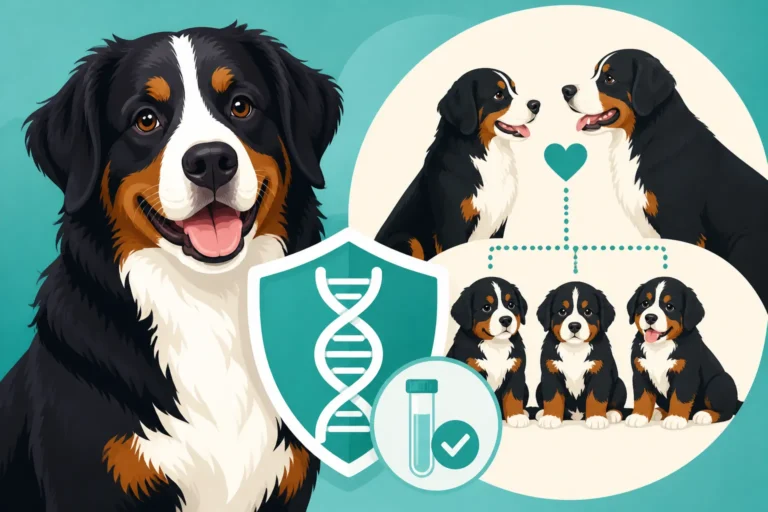
A truly dedicated Bernese Mountain Dog breeder will invest time, money, and emotional energy into health screening their breeding stock. They aren't just breeding two beautiful dogs; they are consciously trying to produce puppies with the best possible genetic health. This means submitting their dogs for OFA evaluations for hips, elbows, eyes, and heart. They might also do additional genetic testing for conditions like Degenerative Myelopathy (DM) or Von Willebrand Disease (vWD). These tests provide a detailed picture of a dog's health status and its genetic predisposition to certain diseases. When a breeder shows you an OFA certificate, they're not just showing you a piece of paper; they're showing you proof of their commitment to the health of their puppies and the future of the breed. It’s about transparency and accountability in an industry where both are absolutely vital.
Navigating the OFA Website: Your Step-by-Step Guide
Alright, let's get down to brass tacks. You've found a breeder, you're looking at a potential puppy, and now you want to verify their claims. The OFA website is your best friend here. It's a publicly accessible database where you can look up registered dogs and their health clearances. It can feel a little intimidating at first, but I promise, it's straightforward once you know the ropes.
How to Search the OFA Database
First things first, head over to the OFA website. You'll usually find a "Search Database" link prominent on their homepage. Click on that, and you'll be taken to the search page. The most common and reliable ways to search are by:
- Registered Name: This is usually the easiest if you have it. Most reputable breeders will provide the full registered names of the sire (father) and dam (mother) of a litter. Type the full name into the search box, being mindful of correct spelling.
- Registration Number: If you have the AKC (or other registry) number, that works too. This is a unique identifier for the dog.
- Breed: You can also search by breed alone, but this will bring up every Bernese Mountain Dog in the database, which can be a lot to sift through! It's better to narrow it down if you can.
Once you hit search, you'll get a list of results. Click on the individual dog's name to view their complete OFA record. This record will list all the health clearances that have been publicly recorded for that specific dog. Sometimes, a dog might have had tests done but the results weren't submitted or weren't "clear," so they might not appear. This is why it's crucial to always ask the breeder for proof of any clearance they claim. For instance, if a breeder tells you "all my dogs have great hips," but you can't find them on OFA, that's a red flag. When considering pet insurance like Healthy Paws, having documented OFA clearances can sometimes be beneficial, as they show a commitment to health.
Understanding the OFA Codes and Results
Once you're on a dog's individual page, you'll see a table listing various tests and their results. Here's a breakdown of what you'll typically encounter and what they mean for your Bernese:
- Hip Dysplasia: This is probably the most critical one for Berners.
- Excellent, Good, Fair: These are passing grades, with Excellent being the best. These dogs are considered suitable for breeding from an orthopedic standpoint.
- Borderline: This means there are some changes, but not enough to definitively diagnose dysplasia. The recommendation is often to re-evaluate at a later date. A breeder using a Borderline dog might have valid reasons, but it warrants a deeper discussion.
- Mild, Moderate, Severe: These are dysplastic grades. Dogs with these ratings should not be bred, as they are affected by the condition.
- Elbow Dysplasia:
- Normal: This is what you want to see. The elbows are free of dysplasia.
- Grade I, II, or III Dysplasia: These indicate increasing severity of elbow dysplasia. Again, dogs with any grade of dysplasia should not be bred.
- Cardiac Evaluation:
- Normal: This indicates no congenital heart disease was found at the time of examination. Look for a cardiologist's sign-off, especially for a large breed like the Berner. Heart Screening for a Bernese Mountain Dog is a critical step.
- Eye Certification (CERF/OFA Eye):
- Normal: Means the dog's eyes were free of observable inherited eye disease at the time of examination. This is usually done annually. Eye Conditions in a Bernese Mountain Dog can sometimes be insidious.
- Patella Evaluation (Kneecaps): Less common in Bernese than some smaller breeds, but still valuable.
- Normal: Patellas are stable.
- Grade 1, 2, 3 Luxation: Indicates varying degrees of kneecap instability.
It’s about more than just seeing "Normal" or "Good" on one test. You want to see a comprehensive set of clearances, appropriate for the dog's age, and ideally, for both parents.
Deciphering OFA Results and What They Mean for a Bernese Mountain Dog
Understanding the individual results is one thing, but putting them into context for a Bernese Mountain Dog is another. This breed faces specific challenges, and knowing what to look for on an OFA report can guide your decision-making.
The Ideal Bernese Mountain Dog OFA Profile
When you're looking at a prospective Bernese Mountain Dog parent's OFA page, here's what an ideal profile would generally include:
- Hips: "Good" or "Excellent" is the gold standard. "Fair" is also a passing grade, but many breeders strive for Good or Excellent.
- Elbows: "Normal" is the only acceptable passing grade here. Any grade of dysplasia means the dog should not be bred.
- Eyes: "Normal" from an annual eye exam by a board-certified veterinary ophthalmologist. This is often listed as "OFA Eye" or "CERF."
- Cardiac: "Normal" cardiac certification by a board-certified veterinary cardiologist. A general vet check isn't sufficient for breeding clearances.
- Degenerative Myelopathy (DM): While not an OFA certification in the same way hips are, OFA does record DM genetic test results. You ideally want to see "Clear" (N/N) or at least "Carrier" (N/A) if bred to a "Clear" dog. Never breed two carriers together, as this can produce "At-Risk" puppies. This test is vital for Berners given the prevalence of The SOD1 Test for a Bernese Mountain Dog.
- Von Willebrand Disease (vWD): Another genetic test that OFA will record. You want "Clear" results here (Type I for Berners). The Clotting Fault Bernese Mountain Dogs Carry is something every owner should be aware of, and genetic testing helps prevent it.
You're looking for evidence of The Four OFA Clearances on a Bernese Mountain Dog as a minimum baseline. A complete set of passing clearances for hips, elbows, eyes, and heart shows a comprehensive approach to health. Don't be afraid to ask the breeder for clarification on any result you see, or don't see, on the OFA database. A transparent breeder will welcome your questions. Knowing about potential health predispositions can also influence your choices when buying products; for example, if you know a dog's lineage might have hip concerns, you might prioritize a joint-supportive food available through retailers like Chewy.
Limitations and What OFA Doesn't Tell You
While OFA is an invaluable resource, it's not the be-all and end-all of health screening. There are a few key limitations to remember:
- Age Requirements: Dogs must be at least 24 months old for their final hip and elbow evaluations. So, you won't find final clearances for puppies or very young adults. Temporary preliminary evaluations can be done younger, but they are not final.
- Not All Conditions: OFA primarily focuses on orthopedic and some other structural conditions. It doesn't cover everything. For instance, cancer is a huge concern in Bernese Mountain Dogs, and there's no single OFA test for it. The Cancer That Kills Half of All Bernese Mountain Dogs is a grim reality, and breeders should track longevity in pedigrees to try and improve outcomes.
- Voluntary Submission: Breeders submit results voluntarily. If a dog has failed clearances, a less scrupulous breeder might simply choose not to submit them to the public database. This is why always asking for the actual certificates, or verifying through direct contact with the testing veterinarian if possible, is critical.
- Genetic vs. Environmental: OFA clearances reflect the phenotype (what the dog looks like physically) at the time of the X-ray, not just the genotype (the underlying genetics). While genetics play a huge role, environmental factors can influence the expression of these traits.
It's also crucial to remember that a clearance is a snapshot in time. A "Normal" heart exam at age two doesn't guarantee the dog won't develop an issue later in life. However, it significantly reduces the risk of inherited congenital conditions. Thinking ahead, if you have a Bernese with a known genetic predisposition for certain issues, you might consult with a fresh food provider like Ollie to tailor their diet for optimal health and support.
Beyond OFA: Other Health Considerations for a Bernese Mountain Dog
While the OFA website is an indispensable tool for verifying certain health clearances, a comprehensive understanding of Bernese Mountain Dog health goes further. This breed faces a range of concerns that aren't addressed by standard OFA certifications, requiring a deeper dive into genetic testing and pedigree research.
The Importance of Genetic Testing
For Bernese Mountain Dogs, several genetic tests are crucial and often recorded alongside OFA clearances, or found in other databases. These tests identify specific gene mutations that can lead to debilitating diseases.
- Degenerative Myelopathy (DM): This is a progressive neurological disease that affects the spinal cord, leading to weakness, loss of coordination, and eventually paralysis of the hind limbs. It's heartbreaking to witness. The SOD1 Test for a Bernese Mountain Dog can identify if a dog is Clear, a Carrier, or At-Risk. Responsible breeding practices dictate that an "At-Risk" dog should not be bred, and "Carriers" should only be bred to "Clear" dogs to avoid producing affected offspring. Understanding these results is paramount.
- Von Willebrand Disease (vWD): This is an inherited bleeding disorder. Affected dogs can have prolonged bleeding after injury or surgery. It's vital to know a dog's status, especially before any surgical procedures like spaying or neutering. What Von Willebrand Disease Means for a Bernese Mountain Dog outlines the severity and impact of this condition. A genetic test can determine if a dog is Clear, a Carrier, or Affected.
These genetic tests are often conducted via a simple cheek swab or blood sample and provide definitive results. Always ask breeders for these genetic test results in addition to their OFA clearances.
Cancer and Longevity Research
Cancer is, unfortunately, a significant concern for Bernese Mountain Dogs, making it one of the leading causes of death in the breed. Conditions like Histiocytic Sarcoma are particularly aggressive. There isn't a single genetic test that clears a dog of all cancer risk, but responsible breeders do their best to mitigate it by carefully researching pedigrees for longevity and incidence of cancer in immediate relatives.
This is where databases like the Berner-Garde Database become incredibly valuable. Berner-Garde is a comprehensive, open database maintained by the Bernese Mountain Dog Club of America, where breeders and owners can submit health information, pedigree data, and even causes of death. While not an "official clearance" site like OFA, it provides a crucial historical record of health and longevity in specific lines. Searching Berner-Garde can give you insight into how long the ancestors of a puppy lived and what they died from, which is vital information when considering Whether Cancer Is Bred Into the Bernese Mountain Dog. While no breeder can guarantee a dog won't get cancer, those who track and use this data are actively trying to improve the breed's health.
Comprehensive Health Screening Table for Bernese Mountain Dogs
To summarize the key health screenings and their importance for Bernese Mountain Dogs:
| Condition | Type of Test | Ideal Result / Description | Why It Matters for Bernese |
|---|---|---|---|
| Hip Dysplasia | OFA Radiograph | Good or Excellent. Fair is passing but not ideal. | Very common orthopedic issue in large breeds, leading to pain and arthritis. Crucial for mobility and quality of life. |
| Elbow Dysplasia | OFA Radiograph | Normal (Grade 0). | Another common orthopedic issue, often leading to forelimb lameness and arthritis. |
| Eye Conditions | OFA Eye (CERF) | Normal on annual examination by a board-certified veterinary ophthalmologist. | Screens for inherited eye diseases like progressive retinal atrophy or cataracts, which can impair vision or lead to blindness. |
| Cardiac Health | OFA Cardiac | Normal on examination by a board-certified veterinary cardiologist. | Screens for congenital heart defects that could impact a dog's health and lifespan. |
| Degenerative Myelopathy (DM) | Genetic Test (DNA) | Clear (N/N) or Carrier (N/A) if bred to a Clear dog. Never breed two carriers. | Devastating neurological disease affecting the spinal cord; genetic testing prevents affected offspring. |
| Von Willebrand Disease (vWD) | Genetic Test (DNA) | Clear (Type I for Berners). | Inherited bleeding disorder; important for preventing excessive bleeding during surgery or injury. |
| Longevity/Cancer History | Pedigree Research / Berner-Garde Database | Research parents, grandparents, and siblings for age at death and cause of death. Aim for lines with consistent longevity and lower cancer incidence. | Cancer is the leading cause of death for Bernese Mountain Dogs. While no single test exists, responsible breeders track and select for healthier, longer-lived lines to improve the breed's overall health. |
Choosing a Bernese Mountain Dog is an emotional decision, but it's also a deeply responsible one. While the OFA website is a vital first step in your research, remember to look beyond it. Combine OFA clearances with genetic test results and thorough pedigree research, especially regarding longevity and cancer rates. Ask your breeder open-ended questions about their health philosophy and what they do to ensure healthy puppies. An educated owner is a dog's best advocate, and by doing your homework, you're setting your new Berner up for the healthiest, happiest life possible.
Disclaimer
This article is for general informational purposes only and does not constitute professional advice. Laws, prices and regulations vary by location and change over time. Consult a qualified professional for guidance on your specific situation.