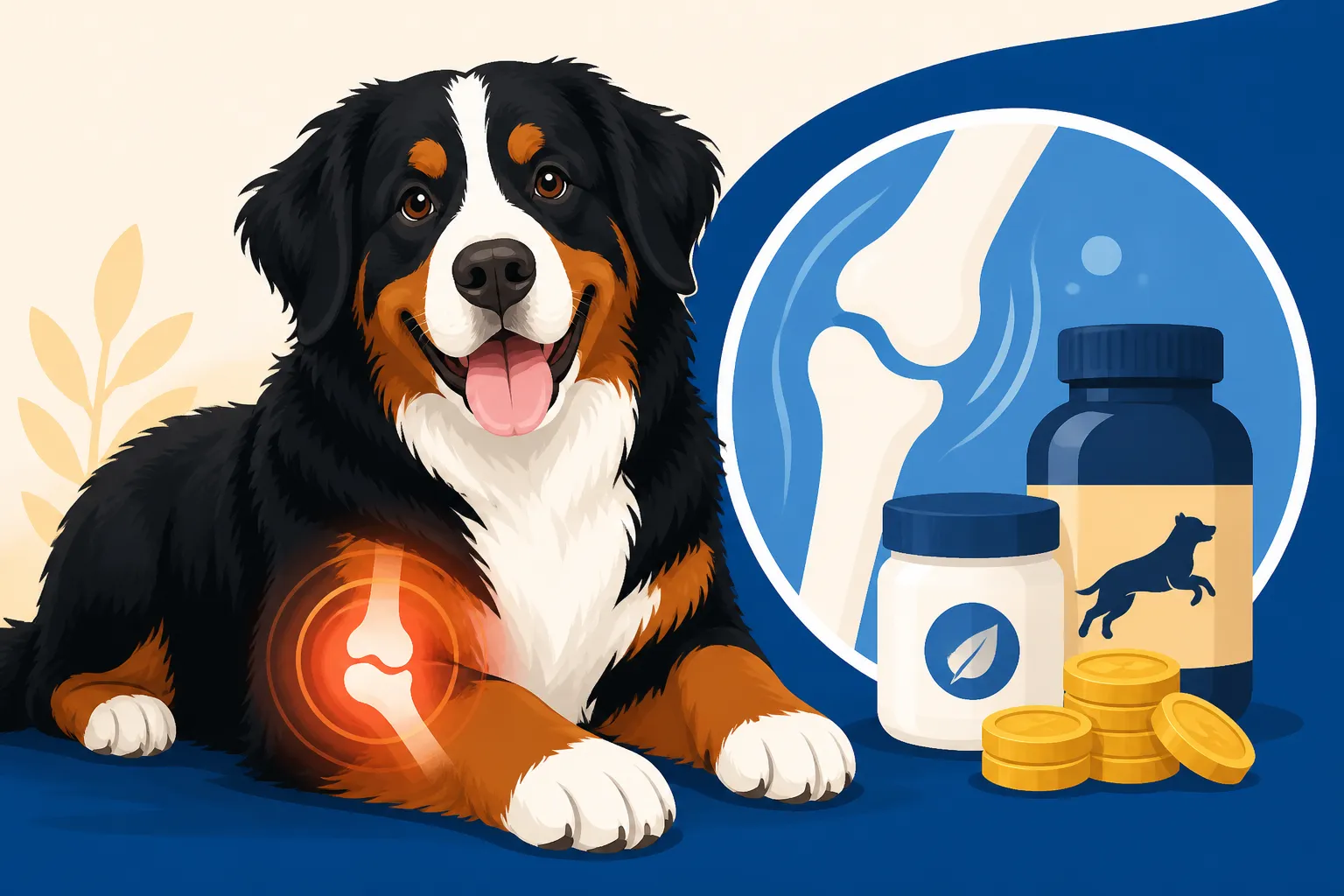
Joint Supplement Costs for a Bernese Mountain Dog
Bringing a Bernese Mountain Dog into your life is an absolute joy, but it also comes with a deep responsibility, especially when it comes to their unique health needs. Many Berner parents find themselves grappling with the question of how to best support their big, beautiful dog's joints as they age, and often, joint supplements come up as a potential solution. This guide aims to demystify the joint supplement market, helping you understand not just what these products are, but also the real costs involved in providing this ongoing support for your beloved Bernese.
Why Joint Supplements Are Often a Lifeline for Bernese Mountain Dogs
Berners are magnificent dogs, but their large size and predispositions make them particularly susceptible to joint issues. It's a heartbreaking reality for many owners, and proactive care, including the consideration of joint supplements, often becomes a significant part of their long-term health plan.
Understanding the Berner's Unique Joint Challenges
If you've spent any time researching Bernese Mountain Dogs, you've likely come across discussions about hip and elbow dysplasia. These are not just scary terms; they represent real, often painful conditions that can significantly impact a Berner's quality of life. Because they grow so rapidly and carry such substantial weight – often well over 100 pounds – their joints undergo immense stress from puppyhood onward. This inherent vulnerability means that for many Bernese, joint health isn't a "wait and see" situation, but rather one that requires thoughtful management from a relatively young age. You can read more about these pervasive issues in Joint Disease in a Hundred Pound Bernese Mountain Dog.
Imagine a four-year-old Berner, full of life and joy, suddenly struggling to get up from a comfortable nap, or hesitating before jumping into the car. These subtle signs can be the early whispers of joint discomfort. The unfortunate truth is that a significant number of Bernese Mountain Dogs will face some form of joint degradation in their lifetime, with conditions like Hips That Fail Under a Bernese Mountain Dog's Weight being particularly prevalent. Owners often feel a deep sense of helplessness as they watch their once-agile companions slow down, making the exploration of supportive care options like joint supplements feel incredibly urgent.
The Role of Key Ingredients: Glucosamine, Chondroitin, and Beyond
So, what exactly are these joint supplements, and how do they purport to help? At their core, many popular joint supplements for dogs contain ingredients like glucosamine and chondroitin. Glucosamine is often lauded for its potential to help repair and maintain cartilage, the cushioning tissue between bones. Chondroitin, on the other hand, is believed to improve the elasticity and water retention of cartilage, essentially helping it act as a better shock absorber. While the scientific community sometimes debates the full extent of their efficacy, many veterinarians and owners report noticeable improvements in comfort and mobility for dogs receiving these supplements.
Beyond these two cornerstone ingredients, you'll often find other beneficial compounds. MSM (Methylsulfonylmethane) is a sulfur compound thought to have anti-inflammatory properties, potentially reducing pain and swelling in affected joints. Omega-3 fatty acids, like EPA and DHA, sourced from fish oil, are also incredibly popular for their powerful anti-inflammatory effects, which can benefit not just joints but also skin and coat health. When considering a joint supplement, understanding these core ingredients helps you gauge the potential benefits for your individual dog, especially when combined with your vet's advice on Whether Glucosamine Helps a Bernese Mountain Dog or Whether Omega Oils Do Anything for a Berner's Coat.
Deconstructing the Cost: What Influences Bernese Mountain Dog Joint Supplement Prices
It's no secret that caring for a large breed like a Bernese Mountain Dog comes with a higher price tag in many aspects, and joint supplements are no exception. The costs can vary wildly, leaving many owners feeling overwhelmed and unsure of where to invest their hard-earned money.
Ingredient Quality, Sourcing, and Formulation
Just like with human supplements, not all dog joint supplements are created equal. The quality of the ingredients plays a huge role in the final price. Products boasting "human-grade" ingredients or those with patented, highly bioavailable formulations often come with a premium. Why? Because the purity, potency, and absorbability of these ingredients can impact how effective the supplement might be. A generic glucosamine product might be cheaper upfront, but if your Berner's body can't effectively utilize the ingredients, then it's not truly saving you money in the long run.
Think about the source too. Brands that are transparent about where they source their glucosamine (often from shellfish) or fish oil (for Omega-3s) and provide third-party testing for purity and contaminants often instill more confidence, but this transparency and quality control adds to their production costs. You'll find a wide array of options when browsing a large pet retailer like Chewy, from budget-friendly options to premium brands. It really comes down to balancing your budget with the confidence you have in a product's integrity and potential efficacy, always in consultation with your vet.
Dosage Requirements for a Hundred-Pound Dog
This is where the "large breed" factor really hits your wallet. A tiny Chihuahua might need a quarter of a chew or a small sprinkle of powder, and a single container of supplements could last them for months. A Bernese Mountain Dog, on the other hand, easily weighing in at over 100 pounds, will require a significantly higher dose to achieve the desired therapeutic effect. This means you'll be going through those containers much faster.
If a typical supplement recommends one chew per 25 pounds of body weight, your 100-pound Berner needs four chews a day. That small container of 60 chews that might last a medium-sized dog a month and a half will only last your Berner 15 days. This rapid consumption rate means that the monthly cost for a Bernese Mountain Dog can be two, three, or even four times higher than for a smaller dog. It's a critical point to consider when budgeting for your Berner's care, and something that factors into the overall financial commitment, alongside things like The Daily Ration a Hundred Pound Berner Gets for their regular meals.
Form Factor: Chews, Powders, Liquids, and Their Price Tags
Joint supplements come in a variety of forms, and each has its own advantages and corresponding price point.
- Chews: These are often the most popular due to their palatability and ease of administration. Many Berners will gobble them down like treats. However, chews often contain inactive ingredients for flavor and texture, and their per-dose cost can sometimes be higher than other forms.
- Powders: Powders are versatile. They can be sprinkled directly over food, making it easy to adjust dosage or hide them in a favorite meal. They can sometimes be more cost-effective per dose than chews, as they contain fewer fillers. However, some dogs might be picky about the texture or taste.
- Liquids: Liquid supplements offer excellent absorption and are easy to mix into food or administer directly with a dropper or syringe. They can be a good option for extremely picky eaters or dogs with dental issues that make chewing difficult. Prices can vary widely, but they generally fall in a similar range to powders.
Here's a quick comparison of the common supplement forms:
| Form Factor | Typical Convenience | Average Monthly Cost Range (for a large Berner) | Notes |
|---|---|---|---|
| Chews | Very High | Moderate to High | Palatable, easy to give, but often higher per-dose cost and more fillers. |
| Powders | High | Low to Moderate | Versatile, good for mixing with food, often more cost-effective. |
| Liquids | High | Moderate | Excellent absorption, easy for picky eaters, can be precise with dosing. |
This table provides a general overview, but remember that specific brand choices, ingredient concentrations, and purchasing locations will significantly affect actual prices.
Navigating the Market: Where to Buy and What to Expect from Your Budget
Once you've decided which type of supplement might be best for your Bernese, the next step is figuring out where to buy it and how to fit it into your budget. This can be as varied as the supplements themselves.
Online Retailers vs. Veterinary Clinics vs. Pet Stores
You have a few main avenues when it comes to purchasing joint supplements for your Berner. Each has its pros and cons regarding price, selection, and convenience:
- Online Retailers: Websites like Chewy, Amazon, or the direct websites of supplement manufacturers often offer the most competitive pricing and the widest selection. You can easily compare brands, read reviews, and often take advantage of subscription discounts. This is a popular choice for many Berner owners due to the convenience of doorstep delivery, especially when you're managing regular purchases for a large dog.
- Veterinary Clinics: Your vet clinic might carry a select range of professional-grade supplements. While these might be slightly more expensive than online options, the benefit is that they are veterinarian-approved, and you get direct guidance on dosage and suitability for your dog's specific health profile. This can be especially reassuring when dealing with a breed as prone to joint issues as the Bernese.
- Local Pet Stores: Larger pet store chains and independent boutiques also carry a variety of joint supplements. Prices here tend to be somewhere between online retailers and vet clinics. The advantage is being able to see products in person and get advice from store staff, though their knowledge might not be as specialized as a veterinarian's.
It’s worth noting that pet insurance, such as policies from providers like Healthy Paws, typically covers unexpected illnesses and accidents, but generally doesn't cover routine supplements or preventive care like joint supplements unless prescribed for a diagnosed condition and explicitly included in your plan. This means the cost of joint supplements usually comes directly out of your pocket, making budget-conscious purchasing even more important.
Subscription Services and Bulk Buying Opportunities
For a large dog that will be on joint supplements long-term, consistency is key, and so is finding ways to manage the recurring expense. Many online retailers and even some direct-to-consumer brands offer subscription services. These often come with a percentage discount on each order, saving you a bit of money over time and ensuring you never run out. Given how quickly a Berner goes through supplements, these small savings can really add up.
Bulk buying is another excellent strategy. If you find a brand that works well for your Berner and your vet approves, purchasing larger containers or multiple units at once can often reduce the per-dose cost. Just make sure to check expiration dates and proper storage to maintain potency. Managing these costs is an ongoing process, much like planning for What a Month of Food for a Bernese Mountain Dog or other regular expenses. Finding ways to be smart with your purchases can free up funds for other important aspects of their care, like ensuring they maintain a healthy weight (refer to Taking Ten Pounds Off a Bernese Mountain Dog) to further ease strain on their joints.
Considering the Long-Term Investment
It's easy to look at the monthly cost of joint supplements and feel a pinch, but it's important to view this expense as a long-term investment in your Bernese Mountain Dog's comfort and mobility. While supplements aren't a cure-all, many owners find that consistent use can help slow the progression of joint issues, reduce pain, and extend the period of active, comfortable life for their Berner.
The alternative can sometimes be more expensive interventions down the line, such as prescription pain medications, anti-inflammatory drugs, or even costly surgeries if joint degradation becomes severe. Investing in quality supplements, along with other supportive care, might reduce the need for these more aggressive (and costly) treatments. The goal is to maximize their comfort and mobility for as long as possible, preventing or delaying the need for extensive Palliative Care for a Bernese Mountain Dog. While no supplement guarantees a specific outcome, the potential for an improved quality of life is often why many Berner owners commit to this ongoing expense, hoping to proactively manage conditions and understand Whether Any Supplement Slows a Bernese Mountain Dog's Joints.
Making an Informed Decision for Your Berner's Joint Health
Deciding on the right joint supplement for your Bernese Mountain Dog involves more than just picking a product off the shelf. It requires careful consideration, professional advice, and a commitment to their overall well-being.
Consulting Your Veterinarian
This cannot be stressed enough: always, always consult your veterinarian before starting any new supplement regimen for your Bernese Mountain Dog. They know your dog's individual health history, current condition, and potential predispositions better than anyone. Your vet can provide guidance on appropriate dosages for a dog of your Berner's size and weight, recommend specific brands or ingredients, and advise on any potential interactions with other medications your dog might be taking. They can also help you differentiate between products that are merely "nice to have" versus those that might offer significant therapeutic benefits for your particular dog.
Regular veterinary check-ups are already a cornerstone of good Berner ownership, with advice on Seeing the Vet Twice a Year With a Berner being crucial. During these visits, you can discuss your concerns about joint health, potential signs of discomfort, and whether a joint supplement is a suitable addition to their care plan. They might even suggest specific tests, like those included in The Bernese Mountain Dog Health Panel, to get a clearer picture of your dog's joint status.
Evaluating Efficacy and Reading Labels
With so many joint supplements on the market, it's easy to feel overwhelmed. When you're comparing products, become a savvy label reader. Look for:
- Active Ingredients and Concentrations: Ensure the product clearly lists the amounts of glucosamine, chondroitin, MSM, or Omega-3s per dose. Some cheaper products might have very low concentrations, making them less effective for a large dog.
- Quality Certifications: Look for seals of approval from reputable organizations like the National Animal Supplement Council (NASC) in the US, which indicates the product meets certain quality control standards.
- Third-Party Testing: Some brands voluntarily submit their products for independent testing to verify ingredient purity and concentration. This provides an extra layer of assurance.
- Reviews and Testimonials (with a grain of salt): While anecdotal evidence shouldn't replace vet advice, reading reviews from other large dog owners can give you an idea of palatability and general satisfaction.
Be wary of products that make extravagant claims or promise "miracle cures." Joint supplements are generally about support and maintenance, not instant fixes.
Beyond Supplements: A Holistic Approach
While joint supplements can be a valuable tool, they are just one piece of the puzzle when it comes to managing your Bernese Mountain Dog's joint health. A holistic approach that integrates several key strategies will always yield the best results:
- Weight Management: This is perhaps the single most impactful factor. Every extra pound your Berner carries puts immense strain on their joints. Maintaining a lean body condition is paramount. Discuss ideal weight goals with your vet and ensure your Berner is not overweight, as even a few pounds can make a huge difference. You can learn more about this in Whether a Lean Bernese Mountain Dog Lives Longer.
- Appropriate Exercise: While vigorous, high-impact activities should be limited, consistent, moderate exercise like leash walks and swimming helps build and maintain muscle mass around the joints, providing natural support.
- Orthopedic Bedding: Provide a high-quality orthopedic bed that supports your Berner's large frame and cushions their joints while they rest. This is especially important for older dogs or those with diagnosed joint issues. Consider investing in Orthopedic Beds Sized for a Bernese Mountain Dog early on.
- Non-Slip Flooring: Slippery floors can be incredibly challenging for dogs with joint issues, leading to falls and further injury. Consider rugs or runners in high-traffic areas.
- Balanced Nutrition: Feeding a high-quality, complete, and balanced diet appropriate for large breeds is fundamental. Some premium dog food brands, like Ollie, focus on fresh, human-grade ingredients which contribute to overall health and can sometimes include ingredients that support joint health, though they aren't a substitute for targeted supplements if needed.
By combining carefully chosen joint supplements with these essential care practices, you can create a robust support system that truly benefits your Bernese Mountain Dog's long-term joint health and overall well-being.
Disclaimer
This article is for general informational purposes only and does not constitute professional advice. Laws, prices and regulations vary by location and change over time. Consult a qualified professional for guidance on your specific situation.