Whether a Bernese Mountain Dog Enjoys Pulling
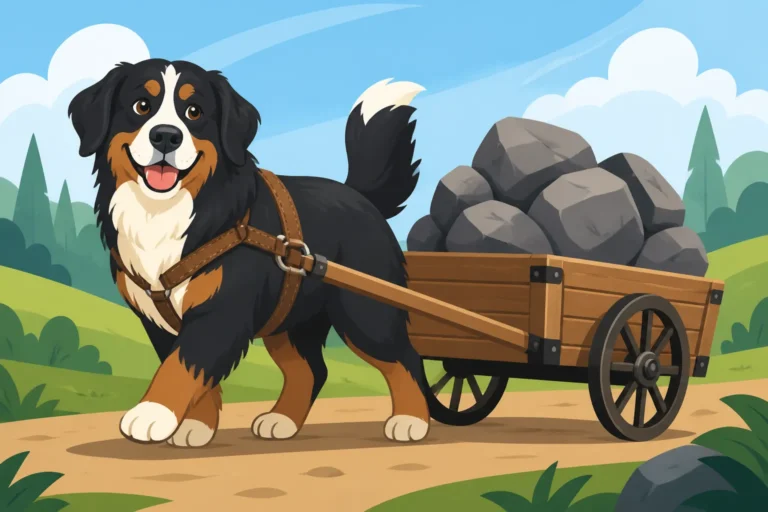
It's a common sight in photos, isn't it? A magnificent Bernese Mountain Dog, looking regal and proud, pulling a cart, perhaps with children or a basket of flowers. You see that image and naturally wonder if your own big, beautiful Berner would enjoy such an activity. The truth is, while pulling is deeply ingrained in their history, whether your Bernese Mountain Dog genuinely enjoys it is a nuanced question, and this guide will explore what makes a Berner a happy carting companion.
The Bernese Mountain Dog's Innate Drive to Work
Bernese Mountain Dogs were, for centuries, the reliable, strong working dogs of the Swiss Alps. They weren't just pretty faces; they had jobs to do, jobs that involved pulling. It's completely understandable to wonder if this inherent drive still exists, and if tapping into it would enrich your Berner's life. Many owners feel a strong desire to honor their dog's heritage, to give them a purpose beyond being a beloved family pet. It’s not just about a cute picture; it’s about providing mental and physical stimulation that aligns with their breed.
Historical Roots in Draft Work
Imagine a small Swiss farm high in the mountains, a long time ago. These weren't vast, industrial operations. Families relied on every able body, human and animal, to get by. That sturdy Bernese Mountain Dog wasn't just guarding the homestead; it was also the primary mode of transport for milk cans, produce, and tools from the farm down to the market. They were the original "utility vehicles," dependable and strong. This wasn't a hobby for them; it was their livelihood, deeply woven into their daily routine. They learned to navigate tricky terrain, remain calm in busy village squares, and handle various loads.
This history isn't just a fun fact; it speaks volumes about their genetic predisposition. When you see a Berner take to pulling, often with surprisingly little fuss, it's not always just good training. It's that echo of generations of working ancestors surfacing. They have the physical build – the powerful shoulders, the strong hindquarters – and often, the mental fortitude for the task. It's a connection to their past that many owners find incredibly rewarding to explore. This kind of work can fulfill a deep, almost instinctual need for some Berners.
The Desire for a "Job"
Beyond simple physical activity, many Bernese Mountain Dogs thrive on having a "job." This doesn't mean they need to be hauling lumber every day. It simply means they benefit from a task, a routine, and a sense of purpose. Think about it: a dog that feels useful is often a happier, more well-adjusted dog. For some Berners, this "job" might be being a therapy dog, for others, it's excelling in obedience. For many, however, the idea of draft work resonates most strongly with their heritage and physical capabilities.
This desire for a job often manifests as an eagerness to please, a focused attention during training, and a certain calm confidence once they understand what's expected of them. If your Berner loves to carry things in their mouth, or naturally leans into a harness, these could be subtle indicators of an innate pull drive waiting to be channeled. It's about engagement, about giving their intelligent minds and powerful bodies something meaningful to do. Providing them with a structured activity like pulling can prevent boredom and destructive behaviors that often stem from a lack of mental and physical outlet.
Getting Started: Training and Equipment Considerations
Deciding to introduce your Bernese Mountain Dog to pulling is an exciting step, but it requires thoughtful preparation. It's not just about strapping a cart on and going; proper training and the right equipment are paramount to ensuring your Berner not only can pull, but genuinely enjoys it and remains safe. Rushing this process can lead to frustration for both of you, and potentially physical strain for your dog.
The Right Age and Physical Readiness
One of the most crucial aspects of introducing draft work is ensuring your Bernese Mountain Dog is physically mature enough. Berners are large breed dogs, and their bones and joints take a long time to fully develop. Starting too early can lead to serious and irreversible orthopedic damage. Most experts recommend waiting until a Bernese Mountain Dog is at least two years old, sometimes even older, before engaging in any significant weight-pulling activities. Even then, the loads should start very light and gradually increase. Before you begin, a full vet check-up is highly advisable to confirm there are no underlying joint issues. You'll want to avoid complications like Joint Disease in a Hundred Pound Bernese Mountain Dog or Hips That Fail Under a Bernese Mountain Dog's Weight.
The "age" isn't just about physical maturity; it's also about mental maturity. A younger Berner might be easily distracted, making training more challenging and less enjoyable for them. An adult Berner typically has better focus and a more settled temperament, which are essential for learning complex tasks like carting. Remember, this isn't a race; it's a journey. Patience and a slow, steady approach will pay dividends in the long run for your dog's health and enthusiasm. Consider a conversation with your vet about The Age a Bernese Mountain Dog Should Be X-Rayed before embarking on serious draft work.
Essential Equipment: Harnesses and Carts
Having the correct equipment is non-negotiable for safe and enjoyable pulling. The most important piece is a properly fitted draft harness. This is not your everyday walking harness. A draft harness is specifically designed to distribute weight evenly across your dog's chest and shoulders, preventing pressure on their neck, throat, or spine. An ill-fitting harness can cause pain, chafing, and even long-term injury. Many reputable draft equipment manufacturers offer guides for measuring your dog to ensure a perfect fit. You can often find high-quality harnesses and entry-level carts on platforms like Amazon, but always prioritize fit and material over price.
Beyond the harness, you'll need a cart. For beginners, a lightweight training cart is ideal. It allows your dog to get accustomed to the sensation of shafts around them and something rolling behind them, without the added stress of a heavy load. As your Berner progresses, you can look into sturdier carts capable of carrying more weight, should you wish to participate in competitive draft events. Remember, the goal is comfort and safety, not just getting the job done. Think of it as investing in your Berner's well-being and enjoyment. For more on this, you might explore Choosing a Cart That Fits a Bernese Mountain Dog.
Here's a quick comparison of basic equipment needs:
| Equipment Type | Purpose | Key Considerations |
|---|---|---|
| Draft Harness | Distributes pulling weight evenly | Proper fit (no rubbing, allows full movement), durable materials |
| Shafts | Connects harness to cart | Length appropriate for dog's size, sturdy but lightweight |
| Cart/Wagon | The item being pulled | Start light, stable, easy to maneuver, appropriate size for dog |
| Leash/Lines | For guiding and control | Strong, comfortable grip, suitable length for handler |
| Weight | For training or competition | Start with very light loads, gradually increase, secure |
Positive Reinforcement Training Techniques
Bernese Mountain Dogs, with their sensitive and willing nature, respond best to positive reinforcement. Harsh corrections or force will not only make them dislike pulling, but can also damage your relationship. The key is to make every step of the training process fun and rewarding. Break down the task into tiny, achievable steps. Start by just having them wear the harness, then attach the shafts without the cart, then introduce the empty cart, and so on. Reward profusely with treats, praise, and play. Programs like BAXTER & Bella offer online resources that can be invaluable for understanding positive reinforcement techniques for various canine activities, including foundational obedience that underpins specialized work like draft training.
Focus on building confidence. If your Berner shows any hesitation, go back a step. Make it a game, something they look forward to. Teach them verbal cues like "hike" (go forward), "whoa" (stop), "gee" (right), and "haw" (left). Consistency is key. Short, frequent training sessions are far more effective than long, infrequent ones. Your Berner's enjoyment hinges on feeling successful and understood, not coerced. This foundational approach is detailed further in Training a Bernese Mountain Dog Without Breaking It.
Signs a Bernese Mountain Dog Enjoys Pulling
So, once you've started the journey, how do you know if your Berner truly enjoys pulling? It's not like they can tell you in words, right? But dogs, especially Berners, are masters of non-verbal communication. Paying close attention to their body language and behavior before, during, and after a session will give you all the clues you need.
Eagerness and Enthusiasm
A Bernese Mountain Dog that enjoys pulling will often show clear signs of eagerness even before the harness comes out. Do they perk up when you pick up the draft harness? Do they wag their tail excitedly when you go near the cart? Many enthusiastic draft dogs will practically dance with anticipation, nudging the harness or cart, indicating they're ready to go. When you ask them to "hike," they should move forward willingly, with a purposeful stride, rather than being dragged or hesitant. Their tail might be held in a relaxed, happy curve, and their ears might be forward and attentive.
During the actual pulling, a happy Berner will maintain a steady pace, often looking back at you for reassurance or praise, their eyes bright and engaged. They might even emit little huffs of enjoyment. This isn't just about obedience; it's about active participation. If your dog seems to plod along, head down, or if you constantly have to coax them, it might be a sign they're not fully invested or that something is making the experience less pleasant. Remember, What a Bernese Mountain Dog Will Actually Work For is often praise and connection, not just treats.
Relaxed Body Language and Focus
A dog that's truly enjoying an activity will display relaxed, fluid body language. Their muscles won't be tense or stiff. Their mouth might be slightly open in a relaxed "smile," perhaps with a soft pant, indicating comfortable exertion rather than stress. Their ears will be attentive but not pinned back in fear or stress. A focused Berner will pay attention to your commands, looking to you for direction, rather than constantly scanning the environment for an escape route or showing signs of anxiety like lip-licking or excessive yawning.
Consider the difference between a dog who is simply tolerating a task and one who is truly engaged. The latter will move with purpose and grace, their large body flowing with the movement of the cart. They won't pull to the side or try to lag behind. They might even display a specific "work gait" – a rhythmic, powerful trot that looks effortless. This relaxed focus is key; it means they are comfortable, confident, and finding satisfaction in their work. This is the kind of engagement you want to see, not just compliance.
Post-Activity Contentment
The aftermath of a pulling session is just as telling as the lead-up. A Berner who has enjoyed their work will often seem content, happy, and pleasantly tired. They might seek out a cozy spot for a nap, but they won't appear overly exhausted, stressed, or reluctant to engage with you. They should still be eager for a treat or a cuddle. If your dog seems withdrawn, panting excessively long after the work, or shows any signs of lameness or soreness, these are red flags that the activity might have been too much, or not enjoyable for them.
A truly happy draft dog will often greet the next opportunity to pull with renewed enthusiasm. It becomes a highlight of their week or day. If, however, your Berner starts to hide when the harness comes out, or actively tries to avoid the activity, it's a clear signal that they are not enjoying it, and it's time to re-evaluate your approach, the equipment, or perhaps even the activity itself. Your Bernese Mountain Dog's well-being and happiness should always be the top priority. Think about how fast a Bernese Mountain Dog should grow and apply that same patient, steady growth to their training.
Benefits Beyond Enjoyment: Physical and Mental Health
Beyond the sheer pleasure your Bernese Mountain Dog might derive from pulling, engaging in draft work offers a host of tangible benefits for their overall physical and mental health. It’s an activity that, when done correctly, supports their natural inclinations and strengthens their bond with you.
Strengthening and Conditioning
Draft work is an excellent form of exercise for a well-conditioned Bernese Mountain Dog. It builds muscle, improves stamina, and helps maintain a healthy weight, all of which are crucial for a large breed prone to joint issues. Controlled pulling exercises strengthen the core, back, and leg muscles without the high impact of activities like jumping or prolonged running on hard surfaces. This muscle development can actually provide better support for their joints, potentially mitigating some of the risks associated with their size. However, it is vital to remember to build up their fitness gradually. Just as you wouldn't expect a human to run a marathon without training, a Berner needs a structured conditioning program. Building a Bernese Mountain Dog's Fitness for Draft Work is a slow, steady process.
Moreover, the consistent, rhythmic motion of pulling can improve their overall coordination and balance. As they learn to maneuver the cart, they become more aware of their body in space, which is valuable for a large dog. This strengthening and conditioning contribute not just to their performance in draft work, but to their quality of life, helping them navigate their daily world with greater ease and fewer aches. It's about providing them with functional fitness that supports their natural sturdy build.
Mental Stimulation and Confidence Building
One of the often-underestimated benefits of draft work is the immense mental stimulation it provides. Pulling isn't just about brute force; it requires focus, problem-solving, and responsiveness to commands. Your Berner needs to navigate obstacles, maintain a steady pace, and understand directional cues. This mental engagement is incredibly enriching and can prevent boredom, which often leads to undesirable behaviors around the house. When a dog's mind is actively challenged, they often come home more settled and content.
Successfully completing tasks, even simple pulling exercises, also builds immense confidence in your Bernese Mountain Dog. They learn that they are capable, that they can understand and perform complex commands, and that they are part of a team with you. This boosted confidence can spill over into other areas of their life, making them more resilient, less prone to anxiety in new situations, and generally more self-assured. It reinforces their bond with you as a trusted leader and partner. A confident Bernese Mountain Dog is a joy to live with.
Deepening the Bond Between Dog and Owner
Perhaps one of the most beautiful outcomes of engaging in activities like draft work is the profound deepening of the bond between you and your Bernese Mountain Dog. When you work together as a team, relying on each other, communicating through subtle cues and shared understanding, that connection grows exponentially. Your Berner learns to trust your guidance, and you learn to read their signals, understanding their motivations and capabilities. This shared experience creates a unique partnership. This active collaboration can be deeply rewarding.
The time spent training and working together is quality time, away from the distractions of daily life. It’s an opportunity to truly connect, to speak a common language of intention and action. The pride you feel in their accomplishments, and the obvious joy they feel in working alongside you, solidify that special relationship. Many owners find that participating in draft work, or even just regular carting practice, transforms their relationship with their Berner into something even more meaningful, echoing the historical partnership these dogs shared with their human companions in the Swiss valleys. It’s about building a partnership, not just ownership. The Running Costs of a Hundred Pound Bernese Mountain Dog can be significant, but the emotional return on investment from a strong bond is priceless.
Deciding if Pulling is Right for Your Berner
It’s clear that draft work can be incredibly rewarding, but it’s not for every Bernese Mountain Dog, nor every owner. Making an informed decision means honestly assessing your dog’s individual temperament, physical condition, and your own commitment. The goal is always the dog's well-being and happiness.
Assessing Your Dog's Temperament
While the breed generally has an inherent willingness to please, individual Bernese Mountain Dogs have distinct personalities. Some are natural "workers," eager to engage and focused on tasks. Others might be more laid-back, preferring cuddles on the couch to active work. Does your Berner show a natural curiosity and desire to participate when you're doing activities? Are they generally resilient and not easily flustered by new sights or sounds? A dog that is easily stressed, overly timid, or prone to extreme shyness might find the pressure of pulling a cart, especially in public or new environments, to be overwhelming rather than enjoyable.
Consider their sensitivity. Berners are known for being soft. The Bernese Mountain Dog That Quits After One Correction is a real phenomenon. If your dog gets easily discouraged, a demanding activity like draft work, with its need for precision and focus, might not be the best fit without a truly patient and understanding trainer. You want a dog that is enthusiastic, not one that is simply enduring the activity to please you, or worse, because they are afraid of disappointing you. Their joy should be evident in their body language.
Owner Commitment and Resources
Draft work isn't just a casual stroll; it requires a significant commitment from the owner. This includes time for consistent training, often several short sessions a week, building up skills and stamina. It also requires an investment in proper, well-fitting equipment. Beyond that, you'll need access to safe, appropriate spaces for practice, whether that's your own property, a quiet park, or a local draft club. Organizations like the Bernese Mountain Dog Club of America (BMDCA) often have regional chapters that offer training events and support, which can be invaluable resources.
Furthermore, you must be committed to your dog's safety and well-being above all else. This means knowing when to stop, when to take a break, and when to reduce the load. It means always observing their physical condition and being vigilant for any signs of discomfort. If you're short on time, patience, or resources, forcing the issue won't be fair to your Berner. There are many other wonderful ways to bond and exercise a Bernese Mountain Dog; pulling is just one option, and it's okay if it's not the right one for you both. Understanding What Draft Work Costs a Bernese Mountain Dog Owner involves more than just money; it's a significant time commitment as well.
Alternatives if Pulling Isn't a Fit
If, after careful consideration, you decide that draft work isn't the ideal fit for your Bernese Mountain Dog, don't despair! There are countless other activities that can provide excellent physical and mental stimulation, and deepen your bond. Long, leisurely walks in varied environments, exploring new trails, or even structured leash manners practice can be wonderful. Your dog might enjoy obedience classes, trick training, or even becoming a therapy dog if they have the right temperament, offering comfort and joy to others.
Interactive puzzle toys, scent work games around the house or yard, and regular play sessions with appropriate toys can also keep their minds sharp and bodies active. The key is to find something that your individual Berner genuinely enjoys and that fits into your lifestyle. The bond you share is the most important thing, and that can be strengthened in a myriad of ways beyond pulling a cart. Whether it’s Tracking With a Bernese Mountain Dog or just enjoying quiet time together, your Berner's happiness comes first.
Disclaimer
This article is for general informational purposes only and does not constitute professional advice. Laws, prices and regulations vary by location and change over time. Consult a qualified professional for guidance on your specific situation.