What Histiocytic Sarcoma Does Inside a Bernese Mountain Dog
One of the most heartbreaking realities of loving a Bernese Mountain Dog is facing their predisposition to certain aggressive cancers, especially Histiocytic Sarcoma. When your beloved Berner receives this devastating diagnosis, it's natural to feel overwhelmed and perhaps even confused about what's actually happening inside their precious body. This guide will walk you through the insidious ways Histiocytic Sarcoma impacts a Bernese Mountain Dog, explaining its progression and the devastating effects it can have.
Understanding the Aggressive Nature of Histiocytic Sarcoma
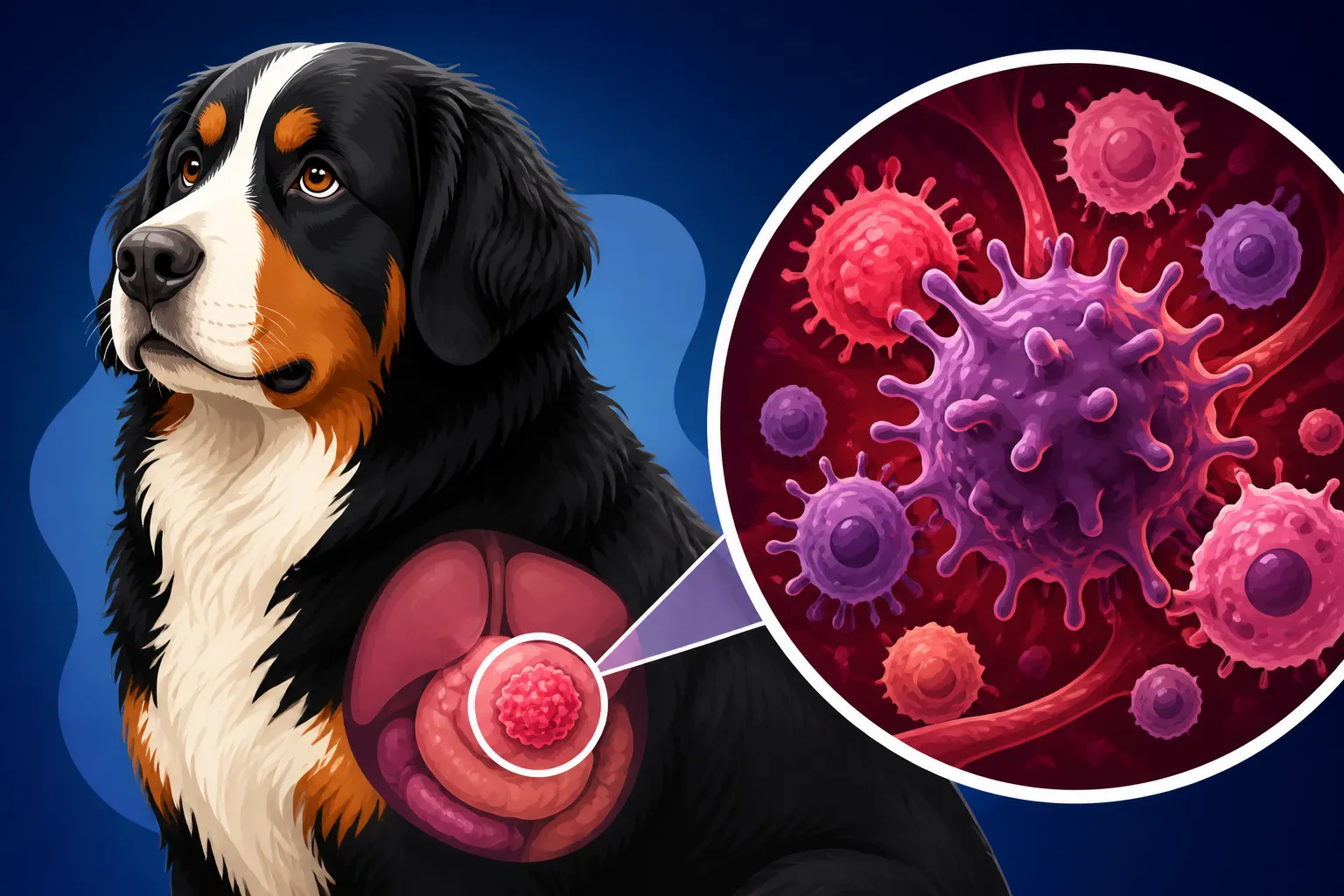
Histiocytic Sarcoma, often abbreviated as HS, isn't just "cancer" in a general sense; it's a specific type of malignancy that arises from histiocytes, which are immune cells involved in detecting and destroying foreign invaders or damaged cells in the body. In Bernese Mountain Dogs, these cells can turn rogue, multiplying uncontrollably and invading healthy tissues. It's particularly aggressive in Berners, often appearing suddenly and progressing rapidly, leaving many owners feeling blindsided and helpless. This isn't a slow-growing tumor you can just "watch." It's a stealthy, fast-moving adversary that demands immediate attention once suspected. Many owners often find themselves asking, "What Histiocytic Sarcoma Does Inside a Bernese Mountain Dog" because the signs can be so vague initially.
The Microscopic Beginning: Cells Gone Rogue
At its core, Histiocytic Sarcoma begins with a single, abnormal histiocyte cell that loses its normal regulatory mechanisms. Instead of performing its vital immune functions, it starts to divide without control. These cancerous cells then spread, not just locally, but often through the bloodstream and lymphatic system to distant organs. Unlike some other cancers that might remain localized for a period, HS in Berners has a notorious reputation for being highly metastatic, meaning it loves to travel. This is one of the primary reasons it's so challenging to treat effectively; by the time it's diagnosed, it might already have tiny, undetectable colonies forming elsewhere in the body. This rapid dissemination is a key factor in The Cancer That Kills Half of All Bernese Mountain Dogs.
The Two Main Forms: Localized and Disseminated
Histiocytic Sarcoma generally presents in two forms: localized and disseminated (or systemic). A localized form means the cancer starts in one primary site, like the spleen, lung, or a limb bone. While initially contained, even localized HS has a very high tendency to metastasize quickly if not aggressively treated. The more common and devastating form in Berners is disseminated HS. This means the cancer cells are already widespread throughout the body at diagnosis, often affecting multiple organs simultaneously. Imagine tiny, invisible seeds scattered everywhere, each one capable of sprouting into a full-blown tumor. This widespread nature is a significant challenge for veterinarians and oncologists, as treating one obvious tumor doesn't address the hidden microscopic spread.
Common Sites of Invasion and Their Impact
Histiocytic Sarcoma doesn't pick and choose its targets randomly; there are certain organs and tissues it tends to invade with alarming frequency in Bernese Mountain Dogs. Understanding these common sites can help owners recognize potential symptoms sooner and advocate for thorough diagnostics. It's truly a brutal disease because it can impact so many vital systems, leading to a wide array of symptoms that can initially be mistaken for other, less serious conditions.
Spleen and Liver: The Silent Invaders
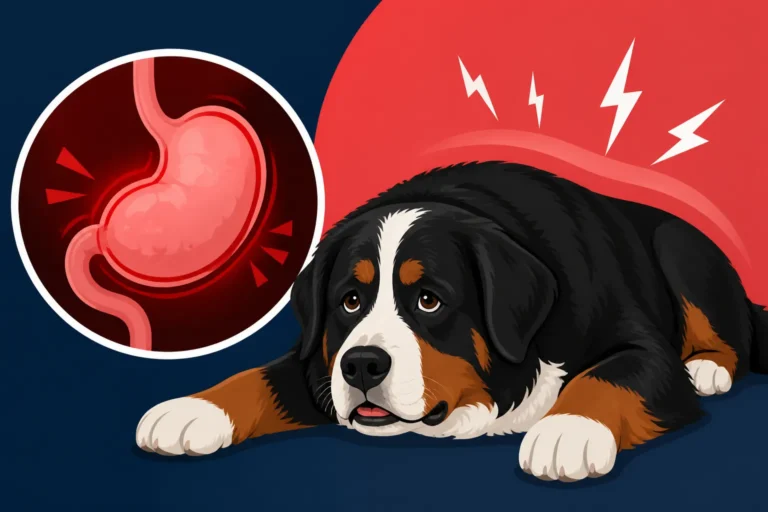
The spleen and liver are frequently hit by Histiocytic Sarcoma. The spleen, a crucial part of the immune system, can develop large masses that might initially go unnoticed until they cause significant enlargement or even rupture, leading to acute, life-threatening internal bleeding. Signs might be vague: a loss of appetite, lethargy, or a distended abdomen. Similarly, the liver, responsible for countless metabolic functions, can be riddled with cancerous lesions. When the liver is affected, your Berner might show signs like jaundice (yellowing of gums and eyes), increased thirst, vomiting, or diarrhea. The insidious part is that the liver has a large reserve capacity, so symptoms often don't appear until a significant portion of the organ is already compromised. Early detection can be incredibly difficult for these internal organs, often only found during a routine check-up or when the dog is already feeling quite unwell. This is why paying attention to The First Signs of Histiocytic Sarcoma in a Bernese Mountain Dog is so critical.
Lungs: Breathing Difficulties and Coughing
When Histiocytic Sarcoma spreads to the lungs, it can manifest as solitary nodules or multiple widespread lesions. These tumors interfere with the lungs' ability to properly exchange oxygen and carbon dioxide. As a result, affected Berners may develop a persistent cough, increased respiratory effort, or exercise intolerance. You might notice they get winded much faster during walks or even struggle to breathe while resting. This can be especially distressing to witness, as it directly impacts their comfort and quality of life. The severity of these respiratory symptoms often corresponds to the extent of lung involvement.
Bones and Joints: Painful Limping and Lameness
One of the most common initial presentations of Histiocytic Sarcoma, especially in a localized form, is lameness. The cancer can invade the long bones of the limbs (appendicular HS) or even the joints, leading to significant pain and swelling. Owners might first notice a subtle limp that progressively worsens, often misinterpreted as arthritis or a minor sprain. However, unlike typical orthopedic issues, HS-related lameness often doesn't respond well to standard pain medication or rest. The pain can be excruciating, making it difficult for your Berner to walk, stand, or even lie down comfortably. It's important to differentiate this from common joint issues, like Arthritis in a Bernese Mountain Dog by Six, as the treatment approach is vastly different.
Brain and Central Nervous System: Neurological Dysfunction
While less common than other sites, Histiocytic Sarcoma can invade the brain or spinal cord, leading to a range of neurological symptoms. Depending on the location of the tumor, this could manifest as seizures, weakness or paralysis in one or more limbs, changes in behavior (e.g., disorientation, aggression), or loss of coordination. These symptoms can be incredibly frightening for owners and often indicate an advanced stage of the disease, making prognosis extremely poor.
Systemic Effects and Overall Deterioration
Beyond invading specific organs, Histiocytic Sarcoma takes a massive toll on a Bernese Mountain Dog's entire system. It’s not just about the tumors; it's about the systemic inflammation, the metabolic drain, and the overall decline in health that accompanies this aggressive malignancy. This is often where the real heartbreak sets in, as you watch your vibrant companion slowly fade.
Anemia and Cachexia: Wasting Away
Many Berners with HS develop severe anemia, meaning a deficiency in red blood cells. This can happen for several reasons: chronic blood loss from bleeding tumors (especially in the spleen), bone marrow suppression by the cancer cells, or the "anemia of chronic disease" where the body's inflammatory response hinders red blood cell production. Anemia leads to profound weakness, lethargy, pale gums, and a general inability to tolerate exercise. Simultaneously, cachexia, or severe muscle wasting, is common. Cancer cells hijack the body's resources, drawing energy away from normal functions and leading to significant weight loss despite adequate food intake. This can make your large, robust Berner appear frail and bony, a stark and painful contrast to their usual majestic physique. Keeping them fed and hydrated can become a daily challenge.
Inflammatory Response and Immune Suppression
Histiocytic Sarcoma cells, being derived from immune cells, often trigger a widespread inflammatory response throughout the body. This chronic inflammation contributes to lethargy, fever, and a general feeling of malaise. Paradoxically, while the cancer originates from the immune system, the disease itself can suppress the dog's overall immune function, making them more susceptible to secondary infections. This weakening of the immune system further complicates treatment and recovery. It’s a cruel irony that their own body’s defense mechanism becomes their downfall.
Rapid Progression and Poor Prognosis
One of the most devastating aspects of Histiocytic Sarcoma in Bernese Mountain Dogs is its incredibly rapid progression. From the moment it begins to spread aggressively, the disease can overwhelm the body in a matter of weeks or a few short months. This is why the phrase How Fast Histiocytic Sarcoma Moves in a Bernese Mountain Dog is so often searched for. Even with aggressive treatment, which can be incredibly costly – a topic discussed in What Oncology Bills Reach for a Bernese Mountain Dog – the prognosis remains guarded. The goal of treatment is often to slow the progression and improve quality of life, rather than achieve a complete cure. Insurance providers like Healthy Paws can be a lifesaver in these situations, helping to manage the extensive veterinary expenses associated with diagnostics and treatments for such an aggressive cancer.
Diagnosis and Management Considerations
When a Berner owner suspects something is wrong, a thorough diagnostic workup is essential. This often involves a combination of imaging, biopsies, and blood tests. Time is of the essence with Histiocytic Sarcoma.
The Diagnostic Journey
If your veterinarian suspects HS, they will likely recommend a series of tests. This often begins with blood work, including a complete blood count (CBC) to check for anemia and white blood cell abnormalities, and a chemistry panel to assess organ function. Imaging, such as X-rays of the chest and limbs, and ultrasound of the abdomen, are crucial to identify masses in the lungs, spleen, liver, or bones. A CT scan can provide even more detailed images and help stage the disease more accurately. The definitive diagnosis, however, usually comes from a biopsy – taking a tissue sample from a suspected tumor and examining it under a microscope. This might be a fine needle aspirate (FNA) or a surgical biopsy, which can be expensive, but critical for proper identification. For owners considering the financial implications, having pet insurance like Healthy Paws in place before diagnosis can significantly alleviate the burden of these costs.
Treatment Options and Their Limitations
Treating Histiocytic Sarcoma is incredibly challenging. Chemotherapy is the primary treatment modality, often involving drugs like Lomustine. Radiation therapy might be used for localized tumors, especially those affecting bones, to alleviate pain. Surgery can be an option if there's a single, resectable tumor, such as in the spleen or a limb. However, because the disease often disseminates so rapidly, surgery alone is rarely curative and is usually followed by chemotherapy. Even with aggressive multimodal therapy, the goal is often palliation – extending a good quality of life for as long as possible – rather than a cure. The emotional and financial toll of treatment can be immense, leading to difficult discussions about Deciding When to Stop Treating a Bernese Mountain Dog. This is where the invaluable support of your vet team and potentially pet insurance like Healthy Paws can make a difference in navigating these tough choices.
| Organ Affected | Common Symptoms | Potential Immediate Dangers |
|---|---|---|
| Spleen | Lethargy, poor appetite, abdominal distention, pale gums | Splenic rupture, internal bleeding, shock |
| Liver | Vomiting, diarrhea, jaundice, increased thirst/urination | Liver failure, metabolic derangements |
| Lungs | Persistent cough, difficulty breathing, exercise intolerance | Respiratory distress, oxygen deprivation |
| Bones/Joints | Limping, lameness, pain, swelling (often unresponsive to typical meds) | Pathological fractures, severe mobility impairment |
| Brain | Seizures, behavioral changes, incoordination, weakness | Severe neurological deficit, loss of function |
| Systemic | Anemia, weight loss (cachexia), fever, overall weakness | Immune suppression, organ failure, wasting |
The Emotional Toll and Support for Owners
Watching your Bernese Mountain Dog battle Histiocytic Sarcoma is one of the hardest experiences an owner can face. The disease is relentless, and the short time frame often leaves little room for acceptance or preparation. It’s a gut-wrenching journey.
Navigating Grief and Difficult Decisions
The rapid progression of HS means owners often have to make difficult decisions very quickly. From diagnostic tests to intensive treatments, the financial and emotional demands can be overwhelming. Knowing that the median survival time can be quite short, as explored in The Weeks Left After a Bernese Mountain Dog's Diagnosis, makes every decision weigh heavily. It's vital to lean on your veterinary team for honest guidance and support. They can help you assess your Berner's quality of life and determine when further treatment may cause more suffering than benefit. Many owners also find solace in support groups or online communities for Bernese Mountain Dog owners, sharing experiences and comfort during this heartbreaking time.
The Importance of Early Recognition and Veterinary Care
While Histiocytic Sarcoma is incredibly aggressive, early recognition of subtle signs and prompt veterinary intervention can make a difference in your Berner's comfort and potentially extend their quality of life. Regular check-ups are paramount, and don't hesitate to contact your vet if you notice any changes in your dog's behavior, appetite, or mobility. Being proactive, getting regular check-ups, and having appropriate health screening done (which might include a full The Bernese Mountain Dog Health Panel) for a breed predisposed to such serious conditions is an act of deep love and responsibility. Pet insurance like Healthy Paws, with its comprehensive coverage for accidents and illnesses, can significantly ease the financial stress of managing such a severe diagnosis, allowing you to focus on your dog's well-being without added monetary pressure.
Disclaimer
The information provided in this guide is for informational purposes only and does not constitute medical advice. Always consult with a qualified veterinarian for any health concerns or before making any decisions about your pet's medical care.