Where to Find a Bernese Mountain Dog Draft Club
It’s a common frustration for Bernese Mountain Dog owners to feel like their big, beautiful companion has a deep-seated purpose just waiting to be unleashed, yet finding the right avenue for that purpose can feel like a search for a needle in a haystack. You know your Berner has that innate strength and desire to work, to pull, to be more than just a couch potato (as much as we love them for that too!), but where do you even begin to connect with others who share that passion for draft work? This guide is here to help you navigate the search for a Bernese Mountain Dog draft club, giving you actionable steps and insights to find the perfect community and training ground for you and your beloved Berner.
The Allure of Draft Work for Your Bernese Mountain Dog
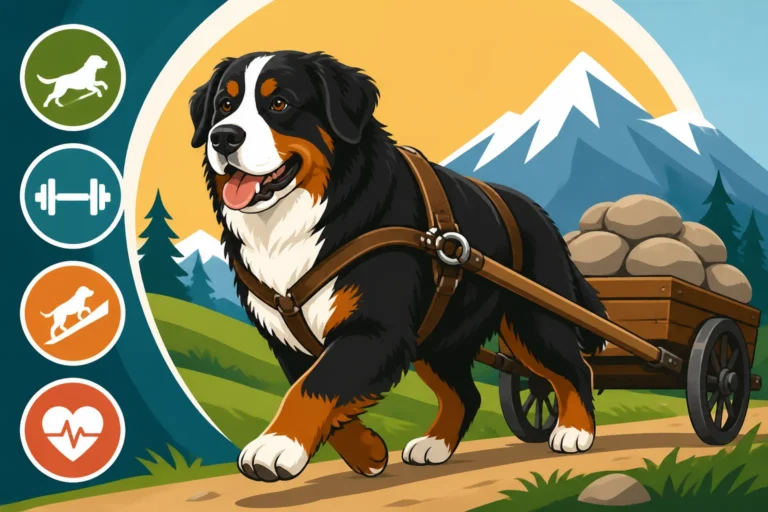
There's something incredibly special about watching a Bernese Mountain Dog in harness, confidently pulling a cart. It’s not just a cute spectacle; it’s a connection to their heritage and a truly enriching activity for both dog and owner. For many of us, getting a Berner means embracing their history as working dogs from the Swiss Alps, and draft work allows us to honor that lineage in a meaningful way.
Tapping into the Berner's Innate Purpose
Bernese Mountain Dogs were originally bred to be all-around farm dogs, herding cattle, guarding property, and yes, pulling carts laden with milk, cheese, or other farm goods to market. This isn't just a historical footnote; it’s etched into their very being. You might notice your Berner naturally leaning into a leash when you walk, or gently tugging at a child's wagon, almost as if instinct is guiding them. When you engage in draft work, you're not forcing them into an unnatural activity; you're simply giving them a safe, structured outlet for what they were literally born to do. This mental and physical engagement can transform a bored or restless dog into a fulfilled and calm companion. It satisfies that deep-seated instinct to be useful, which is so crucial for intelligent working breeds.
When a Bernese Mountain Dog is given a job, especially one that taps into their history, you often see a spark ignite in their eyes. The focus and determination they exhibit when learning to pull a cart or wagon is truly remarkable. It’s not just about the physical act; it's about the problem-solving, the teamwork, and the sense of accomplishment they gain. This purpose-driven activity can greatly improve their overall demeanor, making them more attentive and less prone to destructive behaviors born out of boredom. It's about letting them be the magnificent, capable creatures they are meant to be.
The Community and Camaraderie You'll Find
One of the most unexpected, yet incredibly rewarding, aspects of getting involved in draft work is the community that comes with it. Bernese Mountain Dog owners, especially those interested in preserving their working heritage, are a special breed themselves! When you join a draft club, you're not just signing up for training; you're becoming part of a supportive network of like-minded individuals. These are people who understand the joys and challenges of owning a large, intelligent, and sometimes stubborn, dog. They get the Berner lean, the shedding, the profound devotion, and the health concerns that often come with these beautiful giants.
Imagine a group of people who are genuinely excited to see your dog succeed, who offer tips and encouragement, and who share stories of their own drafting adventures. This camaraderie is invaluable. You'll find mentors who have decades of experience, guiding you through everything from Teaching a Bernese Mountain Dog to Pull a Cart to understanding the nuances of different harnesses. It's a place where you can ask questions without judgment, celebrate small victories, and even commiserate over the inevitable training plateaus. This shared passion creates bonds that often extend beyond the training field, leading to lasting friendships and a stronger sense of belonging for both you and your Bernese Mountain Dog.
Physical and Mental Enrichment for Your Giant
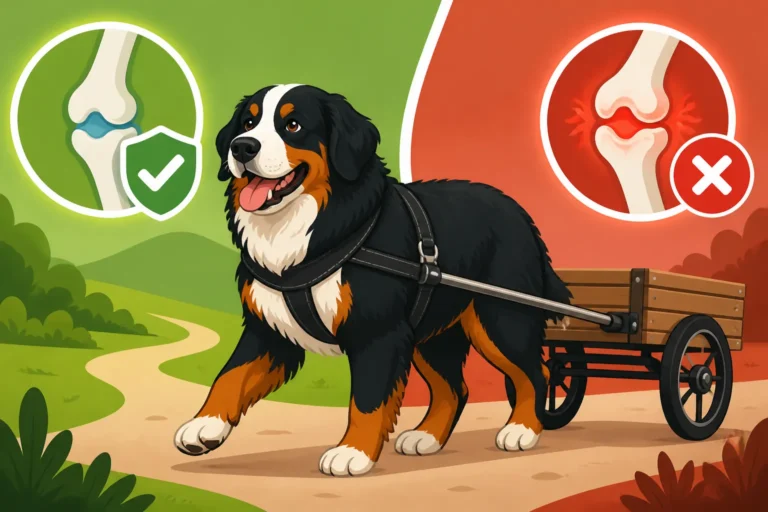
Bernese Mountain Dogs, while famously "chill" indoors, are still large, active dogs that require appropriate exercise. Draft work provides an excellent blend of physical exertion and mental stimulation. It’s not just about strength; it’s about control, focus, and understanding commands. A Bernese Mountain Dog needs to learn to start, stop, turn, and back up a cart on cue, often navigating obstacles. This kind of work helps build strong muscles, maintains healthy joints, and keeps their minds sharp. Building a Bernese Mountain Dog's Fitness for Draft Work is a gradual process, and a good club will guide you safely through it.
Beyond the physical benefits, the mental engagement in draft work is profound. Berners are smart, but sometimes that intelligence can lead to mischief if not channeled properly. Learning complex sequences of commands, adapting to different environments, and working in sync with their handler provides immense mental enrichment. This focused activity can actually tire them out more effectively than just a long walk, leading to a calmer, more content dog at home. It’s a holistic approach to their well-being, honoring their heritage while providing them with a fulfilling modern life.
Where to Start Your Search for a Bernese Mountain Dog Draft Club
Finding the right draft club can feel a bit daunting at first, especially if you're new to the world of dog sports. However, there are several excellent avenues to explore that can lead you to the perfect group for you and your Berner.
National and Regional Breed Club Resources
The first place I always recommend looking is through the official breed clubs. For Bernese Mountain Dogs, the Bernese Mountain Dog Club of America (BMDCA) is the national parent club, and they often have a wealth of information. Their website typically lists regional clubs across the country, and these regional clubs are usually the hubs for activities like draft work. These regional clubs often organize training days, workshops, and even official draft tests.
Many regional Bernese Mountain Dog clubs have dedicated draft chairpersons or committees. These individuals are passionate about the sport and are excellent resources for finding local training groups or mentors. Even if a specific club doesn't have a formal "draft club," they might host events where experienced members bring their carts and can offer introductory lessons. Don't be shy about reaching out directly to the regional club contacts listed on the BMDCA website or individual regional club sites. They often maintain lists of members involved in draft work or can direct you to local groups that focus on it. They can also provide insights into What a Draft Test Asks of a Bernese Mountain Dog and how to prepare.
Online Forums and Social Media Groups
In today's digital age, online communities are incredibly powerful tools for connecting with niche interests. Facebook groups dedicated to Bernese Mountain Dogs, specifically "Bernese Mountain Dog owners" or "Bernese Mountain Dog draft work," can be goldmines of information. These groups often have members from all over, and a simple post asking "Does anyone know of Bernese Mountain Dog draft clubs in [your state/region]?" can yield surprisingly quick and helpful responses.
Beyond Facebook, other online forums or specialized dog sport websites might have sections for draft work or working breeds. The key is to be specific in your search terms. Using terms like "Bernese Mountain Dog carting club," "Berner draft training," or "Sennenhund draft work" can help narrow down results. When engaging online, remember to verify information and always prioritize safety. While online groups are great for finding leads, always follow up with direct contact and in-person visits before committing. You might even find recommendations for specific equipment on Amazon that others have found durable and effective for their large Berners.
Local Dog Training Centers and Word-of-Mouth
Sometimes the best resources are right in your local community. Call or visit local dog training centers, especially those that offer a wide range of dog sports or have a reputation for working with large breeds. Even if they don't offer draft training themselves, the instructors often have connections within the broader dog community and might know of individuals or small groups doing draft work nearby. They might even recommend foundational obedience classes, as a solid obedience base is essential for draft work. For puppies, considering an online program like BAXTER & Bella can help establish that critical obedience foundation before embarking on specialized training like drafting.
Word-of-mouth is also incredibly powerful. If you know other Bernese Mountain Dog owners in your area, ask them! They might be involved in draft work themselves, or know someone who is. Attending local dog shows, breed specialty events, or even just walking your Berner in popular dog-friendly parks can lead to conversations that connect you with the right people. Keep an eye out for dog events in your community – you might spot someone with a cart or harness and strike up a conversation. You never know where your next connection might come from!
| Search Method | Pros | Cons | Best For |
|---|---|---|---|
| Breed Clubs (BMDCA) | Official, reliable, dedicated to Berner. | May be limited by geographic availability. | Finding established clubs and experienced mentors. |
| Online Forums/Social Media | Wide reach, quick answers, diverse opinions. | Information can be unverified, requires discernment. | Initial leads, finding informal groups, asking specific questions. |
| Local Training Centers | Local connections, foundational training. | May not specialize in draft work directly. | General dog community networking, basic obedience foundation. |
| Word-of-Mouth | Personal recommendations, trusted sources. | Dependent on existing network, can be slow. | Finding hidden gems, small local groups. |
What Makes a Great Bernese Mountain Dog Draft Club
Once you've found a few potential draft clubs or groups, it's essential to evaluate them to ensure they're a good fit for you and your Bernese Mountain Dog. Not all clubs are created equal, and finding one that aligns with your goals and values is crucial for a positive experience.
Experienced Mentors and a Focus on Safety
The absolute cornerstone of a great draft club is experienced, knowledgeable mentors who prioritize the safety and well-being of the dogs. Draft work, while incredibly rewarding, does involve equipment and physical exertion. Improper training or poorly fitted gear can lead to injury or turn a fun activity into a stressful one. Look for a club where the instructors have a proven track record, perhaps with dogs that have earned draft titles (like the Novice Draft title or beyond). They should be able to clearly explain the mechanics of drafting, how to properly fit a harness, and how to safely introduce your Bernese Mountain Dog to the cart and shafts.
A strong emphasis on safety should be evident from your first interaction. This includes ensuring dogs are properly warmed up before work, taking breaks in warm weather (remember, Heat and the Bernese Mountain Dog's Black Coat is a serious consideration), and understanding the physical limits of each individual dog. Good mentors will encourage you to take things at your Berner's pace, recognizing that every dog learns differently and that rushing can be detrimental. They should be able to advise you on The Age a Bernese Mountain Dog Can Start Drafting and what physical conditioning is appropriate. Don't hesitate to ask about their safety protocols and how they handle situations where a dog might be struggling or showing signs of discomfort.
Equipment Accessibility and Appropriate Training Environments
Draft work requires specialized equipment: a draft harness and a cart. A great club will often have loaner equipment available for newcomers, or at least be able to advise you on where to Choosing a Cart That Fits a Bernese Mountain Dog and how to Fitting a Draft Harness to a Bernese Mountain Dog. Having access to loaner gear is a huge plus, as purchasing a quality cart and harness can be a significant investment, and you want to make sure your dog enjoys the activity before buying your own. They can also point you to reliable suppliers, perhaps even specific brands found on Amazon that are known for durability and proper fit for a Bernese Mountain Dog's sturdy frame.
The training environment itself is also important. Is the training area safe, clear of hazards, and large enough for dogs to maneuver carts? Do they have different types of terrain to practice on, simulating real-world conditions? A club that offers varied training environments, from paved surfaces to grassy fields, can better prepare your Bernese Mountain Dog for actual draft tests or real-life applications. Furthermore, consider the climate. If you're in a warmer region, do they offer early morning or late evening sessions to avoid the heat, or perhaps have access to shaded areas?
A Welcoming Atmosphere and Varied Activities
Finally, a truly great draft club fosters a welcoming and inclusive atmosphere. You want to feel comfortable asking questions, making mistakes, and celebrating successes with your fellow club members. A supportive environment encourages learning and strengthens the bond between you and your Bernese Mountain Dog. Observe how members interact with each other and their dogs during a visit. Is there a spirit of helpfulness and mutual respect?
Beyond just core draft training, some clubs offer a variety of related activities. This could include informal fun days, demonstrations at local events, or even advanced training for competitive draft work, like preparing for The Half-Mile Freight Haul in a a Bernese Mountain Dog Test. A club that offers diverse opportunities can keep you and your Bernese Mountain Dog engaged and provide continuous learning. Look for a club that understands that while the goal is often certification, the journey and the shared experience are just as important.
Taking the First Step: Preparing for Your Draft Club Journey
You've found a promising club, reached out, and now you're ready to get started. Before you dive headfirst into harnessing up, there are a few preparatory steps that can make your first experiences smoother and more enjoyable for both you and your Bernese Mountain Dog.
Ensuring Your Berner is Ready for Draft Work
Before enrolling in a draft club, take an honest look at your Bernese Mountain Dog's health and basic training. First and foremost, a veterinary check-up is paramount. Draft work places physical demands on a dog, and you need to ensure your Berner is in good health, especially regarding their joints and heart. Discuss your plans for draft work with your vet, especially if your dog has any pre-existing conditions. Many breeders insist on health clearances like OFA for hips and elbows for a good reason – The Bernese Mountain Dog Health Panel is vital for any active Berner.
Beyond physical health, your Berner needs a solid foundation of obedience. A dog that is easily distracted, pulls excessively on a leash, or doesn't reliably respond to basic commands like "stay," "come," and "wait" will struggle with draft work. Imagine trying to control a hundred-pound dog hitched to a cart if they decide to chase a squirrel! Work on these foundational skills beforehand. If your Berner is a puppy, consider a structured online puppy program like BAXTER & Bella to instill good manners early, setting them up for success in more specialized training later on. The ability to focus on you, even amidst distractions, is crucial. Remember, The Bernese Mountain Dog That Quits After One Correction needs a patient, positive approach, which is why a strong foundational relationship built on trust is so important.
Essential Gear to Consider Before Joining
While many clubs offer loaner equipment, having a few basic items of your own will make things easier. A good quality, properly fitted harness (not just a walking harness, but one designed for pulling) is key. You might not need a full draft harness immediately, but a sturdy, comfortable walking harness that distributes pressure evenly across the chest, rather than the throat, is a good start. Look for brands on Amazon that are well-regarded for large breeds.
Other useful items include a long line for practicing distance commands in a safe, open area, high-value training treats (your Berner will be working hard!), a water bowl and plenty of fresh water, and perhaps a cooling vest or mat if you'll be training in warmer weather. Good quality boots for yourself might also be helpful, as you'll be walking a fair bit alongside your dog. Having your own supplies ensures you're always prepared and comfortable, allowing you to focus on your dog's training.
Setting Realistic Expectations and Embracing the Process
Draft work is a journey, not a sprint. Bernese Mountain Dogs mature slowly, both physically and mentally, often staying "puppyish" until two or three years old. This means training can take time, and there will be good days and challenging days. Don't compare your Berner's progress to other dogs in the club, or even to the progress your own dog makes on different days. Some Berners take to it like naturals, while others need more patience and repetition.
Embrace the learning process for both of you. You're learning how to be a better handler, how to read your dog's signals, and how to communicate effectively. Your Bernese Mountain Dog is learning a new skill, building confidence, and strengthening their bond with you. The goal isn't just to earn a title (though that's a wonderful accomplishment!); it's about enjoying the shared activity, fostering your dog's natural abilities, and building an even deeper relationship. Celebrate every small success, remain patient through setbacks, and most importantly, have fun! Whether a Bernese Mountain Dog Enjoys Pulling is often a direct reflection of how much you enjoy the process with them.
Disclaimer
This article is for general informational purposes only and does not constitute professional advice. Laws, prices and regulations vary by location and change over time. Consult a qualified professional for guidance on your specific situation.