Whether a Reserved Bernese Mountain Dog Copes in Class
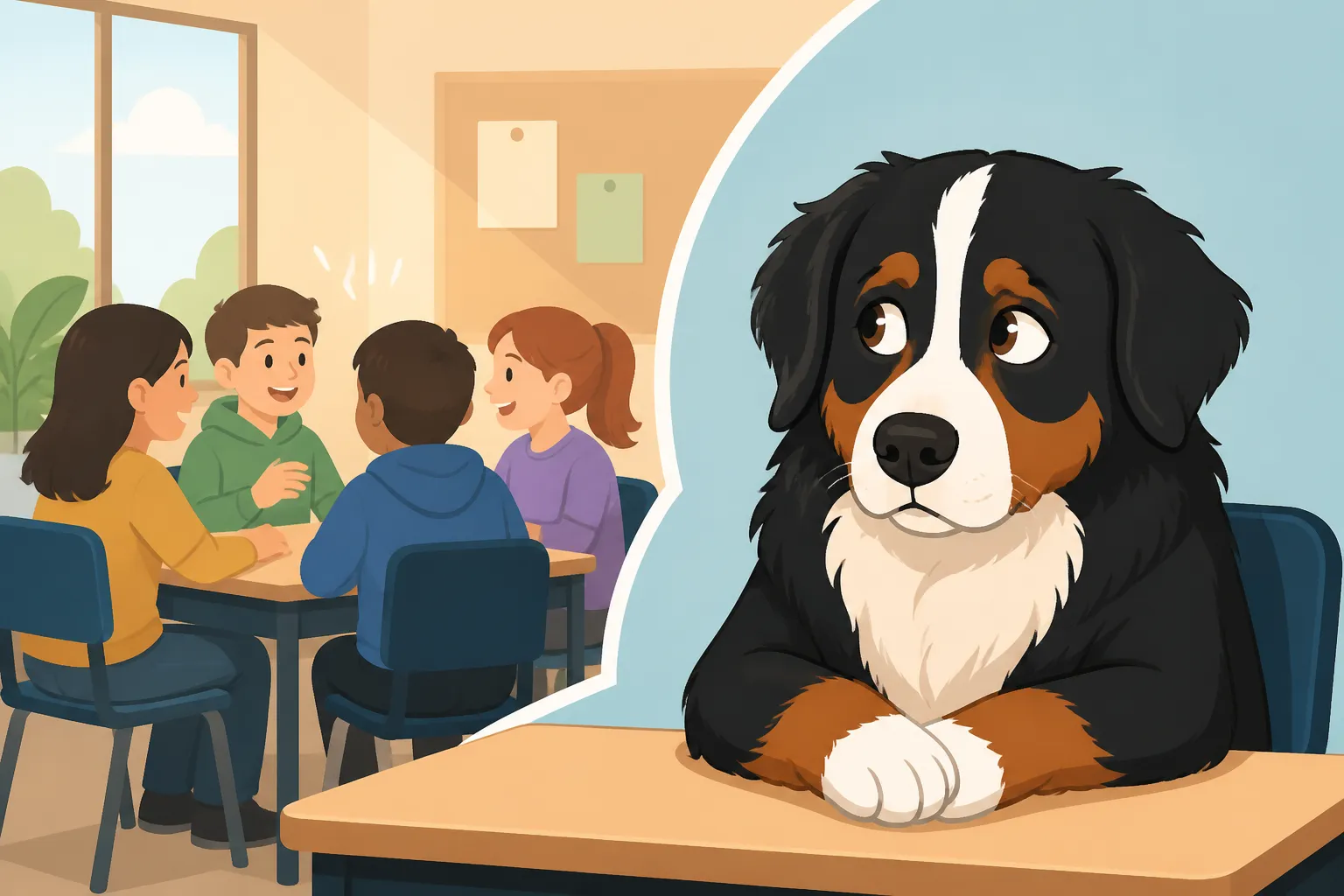
It can be incredibly disheartening when your beautiful Bernese Mountain Dog, who is usually so loving and sweet at home, becomes a shy, shrinking violet (or worse, a barking bundle of nerves) the moment you step into a bustling group training class. You had visions of them acing obedience commands, making new friends, and growing into a confident, well-adjusted companion, but the reality of a busy training hall can be overwhelming for a reserved Berner. This guide is here to help you understand your reserved Bernese Mountain Dog’s unique needs in a group class setting, how to assess if it's the right environment for them, and strategies to make it a positive, confidence-building experience.
Understanding the Reserved Bernese Mountain Dog Temperament
Bernese Mountain Dogs are often lauded for their gentle, good-natured demeanor, but this doesn't always translate to being the life of the party, especially in new or stimulating environments. Many Berners, while loyal and affectionate with their family, possess a natural reserve when it comes to strangers, new places, or boisterous situations. This isn't a flaw; it's often a characteristic of the breed, rooted in their original purpose as farm dogs who were protective but not overly aggressive.
The Nuances of "Reserved" vs. "Fearful"
It's crucial to differentiate between a dog that is merely reserved and one that is genuinely fearful. A reserved Bernese might hang back, observe silently, and take a long time to warm up to new people or dogs. They might accept a gentle pet but won't seek out interaction. This can be perfectly normal. However, a fearful Bernese will show clear signs of distress: tail tucked, ears back, excessive yawning, lip licking, panting, trembling, trying to hide, or even snapping if cornered. It's really important to learn Telling Aloof From Fearful in a Bernese Mountain Dog.
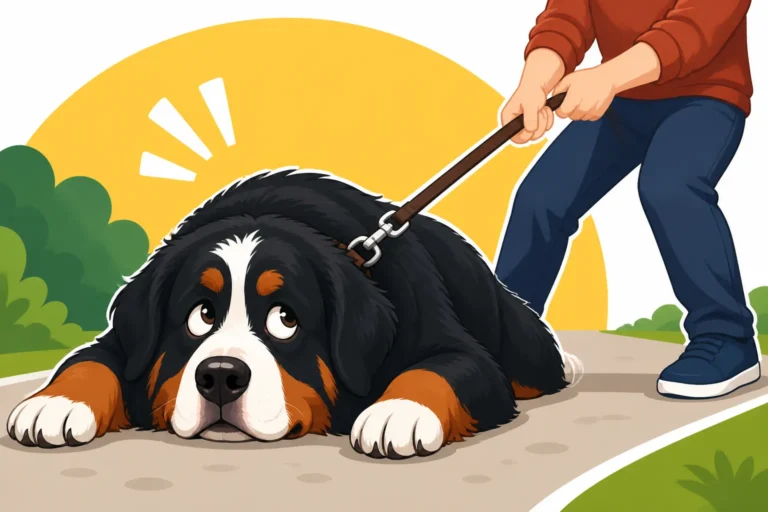
A truly fearful dog requires a different approach than one who is simply cautious. Pushing a fearful dog into an overwhelming group class can exacerbate their anxieties and potentially make them more reactive in the long run. On the other hand, a mildly reserved Berner can often benefit from gradual exposure and positive experiences in a structured setting like a training class. You might notice your Berner doing what the breed standard sometimes describes as "aloof," which has its own characteristics. We've talked about What the Standard Means by an Aloof Bernese Mountain Dog before, and it's worth understanding the difference in how they express themselves.
Why Some Berners Are More Reserved
Several factors can contribute to a Bernese Mountain Dog's reserved nature. Genetics play a significant role; if a Berner comes from a line of shy or anxious dogs, they are more likely to exhibit similar traits. Early socialization, or lack thereof, is also a huge factor. A puppy that wasn't adequately exposed to a wide variety of sights, sounds, people, and dogs during its critical socialization period (roughly 3-16 weeks) may grow up to be more wary. Even something as simple as a scary experience during a crucial developmental stage can shape their perception of the world.
Think about a young Berner who was overwhelmed at a busy dog park when they were just a puppy, or perhaps they had a bad experience with an overly exuberant dog on a walk. These early negative associations can lead to a lasting reluctance to engage. It’s not about them being "stubborn" or "difficult"; it's about their perception of safety and comfort. Understanding these root causes helps us approach their training with more empathy and patience. Recognizing Reading Fear in a Bernese Mountain Dog That Retreats can be invaluable here.
Evaluating Your Bernese Mountain Dog's Readiness for Group Classes
Before enrolling your reserved Berner in a group class, it's crucial to honestly assess their current comfort level and what kind of environment would truly benefit them. Throwing a dog who is already struggling with new stimuli into a room full of other dogs and strangers can do more harm than good.
Observing Your Dog's Reactions in Public
Start by taking your Berner to low-stress public places where they can observe from a distance without feeling pressured to interact. A quiet park bench where you can watch people and dogs go by, or a less busy pet-friendly store during off-peak hours, can be great litmus tests. How do they react? Do they stiffen, try to pull away, or become hyper-vigilant? Or do they calmly observe, perhaps wagging their tail slightly when a friendly person walks by, even if they don't seek attention?
Pay close attention to their body language. A relaxed Berner will have loose body posture, a soft gaze, and perhaps a gently wagging tail. A stressed dog might show signs like a low or tucked tail, lip licking, yawning, panting (when not hot or exerted), repetitive scratching, or a stiff posture. If they're showing consistent signs of stress in these low-key settings, a bustling group class is likely too much, too soon. Even seemingly minor interactions can be overwhelming, so focusing on Teaching Strangers How to Greet a Bernese Mountain Dog can empower both you and your dog.
The Role of One-on-One Training First
For many reserved Bernese Mountain Dogs, a foundation of one-on-one training can be incredibly beneficial before even considering a group class. This allows them to build confidence in their skills and reinforce a strong bond with you in a distraction-free environment. A private trainer can tailor sessions specifically to your dog's individual needs, working at their pace and focusing on positive reinforcement to build their self-assurance.
Brands like BAXTER & Bella offer online puppy and dog training programs that can be a fantastic resource for building a strong foundation at home, at your dog's own pace, before ever stepping foot into a group situation. These types of programs can help you teach essential cues, build focus, and strengthen your relationship without the added stress of other dogs or people. Once your Berner feels secure in their understanding of commands and trusts your guidance, the transition to a group setting, if desired, will be much smoother. This also gives you a chance to see How Long a Bernese Mountain Dog Will Concentrate in a familiar setting.
Strategies for Success in a Group Setting
If you've determined that a group class could be beneficial for your reserved Bernese Mountain Dog, or if you're already enrolled, there are several strategies you can employ to maximize their comfort and learning.
Choosing the Right Class and Trainer
Not all training classes are created equal, especially for a reserved dog. Look for classes that emphasize positive reinforcement methods, have smaller class sizes, and are specifically geared towards shy or sensitive dogs if available. A good trainer for a reserved Berner will be patient, understanding, and adept at reading canine body language. They should prioritize your dog's comfort over strict obedience performance in the early stages.
Ask questions before you sign up:
- What is the maximum number of dogs in the class?
- How does the trainer manage shy or reactive dogs?
- Can I observe a class before enrolling?
- What is the cancellation or make-up policy if my dog isn't coping?
A class with ample space between dogs, a calm atmosphere, and a trainer who can offer modifications for your Berner's comfort will be far more beneficial than a chaotic, crowded environment. Sometimes, simply having a trainer who understands that Training Sessions Short Enough for a Bernese Mountain Dog are key makes all the difference.
Pre-Class Preparation and Arrival Tactics
Preparation starts before you even leave the house. Ensure your Berner has had a chance to relieve themselves and has burned off some excess energy with a comfortable walk or playtime before class, but avoid anything too strenuous that might exhaust them or make them prone to overstimulation. Arrive early enough to let them sniff around the perimeter of the training area (if safe and allowed) before the other dogs arrive. This helps them acclimate to the new smells and sounds at their own pace.
When other dogs start to arrive, find a quiet spot away from the main entrance or central gathering point. Position yourself so your Berner can observe from a distance without feeling overwhelmed. You can even use a visual barrier, like standing behind a pillar or parking your car strategically, to create a sense of security. Avoid direct nose-to-nose greetings with other dogs or people until your Berner indicates they are ready, if at all. Many reserved Berners do better simply existing in the same space as others, rather than being forced to interact.
Managing the Class Environment and Your Dog's Space
During class, advocate for your Berner. Don't be afraid to ask for more space if another dog is too close or too boisterous. Most good trainers will understand and help you manage the spatial dynamics. Use high-value treats to reward calm behavior and focus on you, even if your dog isn't actively participating in every exercise. Every time your Berner chooses to look at you, or offers a voluntary "sit" amidst distractions, reward it!
Keep sessions short and positive. If your Berner is showing signs of stress, take a break. Step outside for a few minutes, let them decompress, and then re-enter if they seem ready. It's far better to end a session on a positive note, even if it's shorter than planned, than to push your dog past their threshold. Remember, the goal isn't just to learn commands, but to build positive associations with the training environment. A sturdy leash and comfortable harness, easily found on Amazon, can also help you maintain control and provide clear signals to your dog.
| Strategy | Description | Benefit for Reserved Berner |
|---|---|---|
| Observe from afar | Find a quiet spot on the edge of the class, not in the thick of it. | Reduces immediate pressure, allows gradual acclimatization. |
| High-value rewards | Use irresistible treats (cooked chicken, cheese, etc.) to reward calm and focus. | Creates positive associations with the environment and distractions. |
| Frequent breaks | Step out of the room for a few minutes if signs of stress appear. | Prevents overstimulation, allows de-stressing. |
| Advocate for space | Don't hesitate to ask other owners or the trainer for more room. | Protects your dog from unwanted interactions, builds trust in you. |
| Short, positive sessions | End class early if your dog is clearly stressed, or focus on just a few successful repetitions. | Prevents negative associations, maintains a positive outlook on training. |
| Focus on engagement | Prioritize your dog paying attention to you over perfect execution of commands initially. | Strengthens your bond, makes you a safe and predictable presence. |
Alternative Training Options for Shy Bernese Mountain Dogs
Sometimes, despite your best efforts, a traditional group class just isn't the right fit for a truly reserved or fearful Bernese Mountain Dog. That's perfectly okay! There are many other avenues to pursue that can be far more effective and less stressful for both of you.
Private Training Sessions
As mentioned earlier, private training is an excellent choice for a reserved Berner. A professional trainer can work with you and your dog in a controlled, one-on-one setting, either in your home or at a quiet location. This allows for highly individualized attention, addressing specific triggers and building confidence at your dog's own pace. The trainer can help you identify your Berner's unique stressors and develop a tailored plan to gently desensitize them to new experiences and build positive associations. This can also be a good way to figure out Whether a Bernese Mountain Dog Learns Slowly without the pressure of a class.
These sessions are invaluable for teaching you how to read your dog's body language more accurately and how to respond in a way that builds trust and security. You can focus on foundational obedience, address specific behaviors that arise from their shyness, and gradually introduce controlled "set-ups" with a neutral dog or person if appropriate. This personalized approach often yields quicker and more lasting results for sensitive dogs.
Online Training and Virtual Coaching
The world of dog training has expanded significantly, and online resources now offer fantastic alternatives. Platforms like BAXTER & Bella provide comprehensive online courses that you can complete from the comfort and safety of your home. This is ideal for dogs who find any outside environment too overwhelming. You can work through lessons at your own pace, repeat exercises as needed, and build your dog's confidence without any external pressure.
Many professional trainers also offer virtual coaching sessions via video call. This allows you to get expert guidance and feedback on your training techniques in real-time, all while your dog remains in their most comfortable environment. These options are fantastic for building core skills and confidence, and for strengthening the human-animal bond, which is paramount for a reserved Berner. Whether a Bernese Mountain Dog Is Easy to Train often depends on the approach, and a personalized, calm one can make a huge difference.
Controlled Socialization and Confidence-Building Activities
Beyond formal training, focus on creating positive, controlled socialization experiences. This might involve setting up "parallel walks" with a calm, friendly dog (and their understanding owner) where your Berner can walk at a comfortable distance without direct interaction. As they become more comfortable, you can gradually decrease the distance.
Enroll in activities that focus on building confidence rather than high-energy interaction. Scent work, for example, is a fantastic low-impact activity that dogs often adore. It taps into their natural instincts, builds focus, and can be incredibly confidence-boosting as they succeed in finding hidden treats or toys. You can buy simple scent work kits or snuffle mats on Amazon to start at home. Explore different sports or activities to see what your Berner enjoys – What a Bernese Mountain Dog Will Actually Work For might surprise you! The key is to make every new experience positive and empowering, allowing your reserved Bernese Mountain Dog to blossom at their own speed.
Disclaimer
This article is for general informational purposes only and does not constitute professional advice. Laws, prices and regulations vary by location and change over time. Consult a qualified professional for guidance on your specific situation.