Whether a Bernese Mountain Dog Would Suit an Apartment
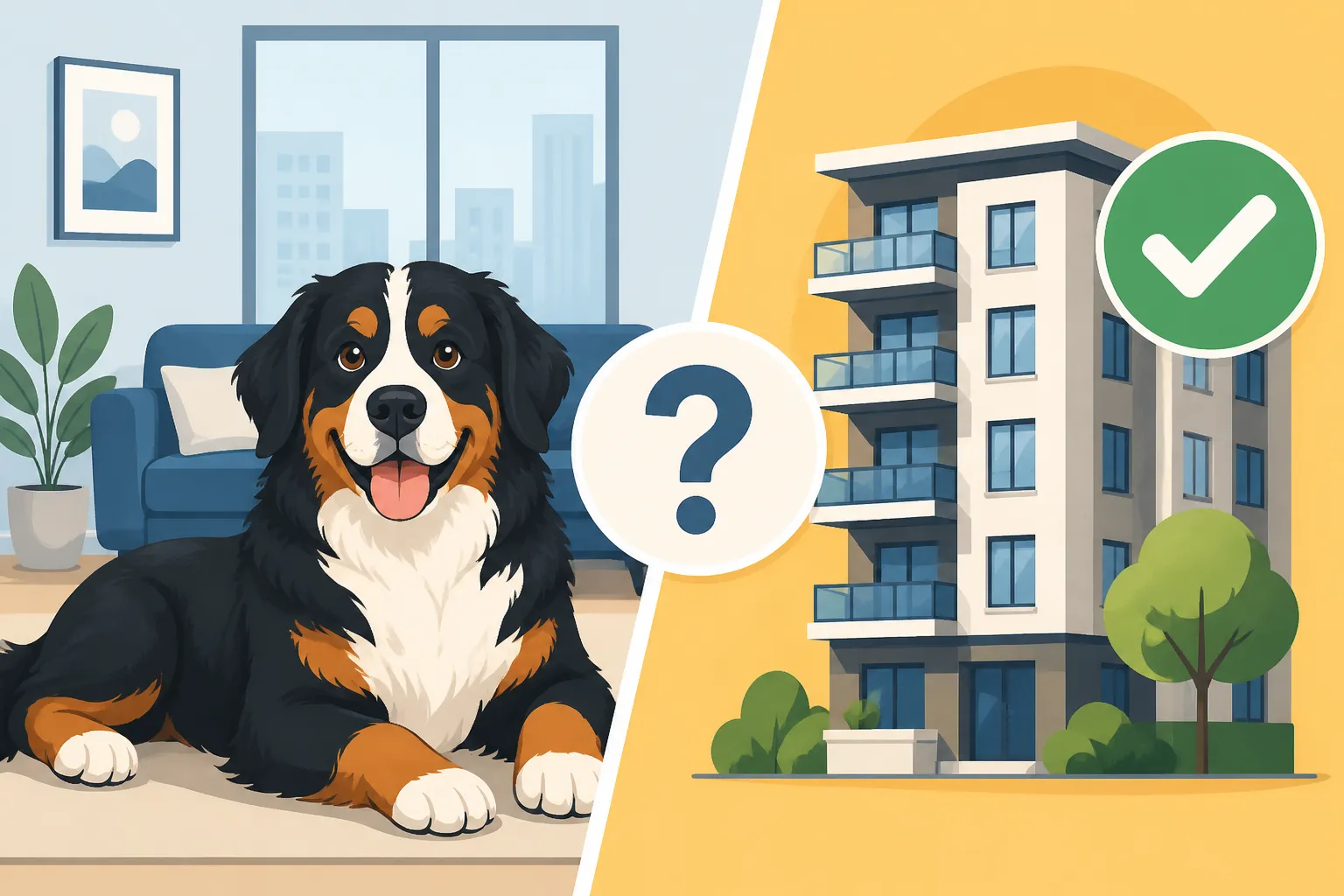
Many Bernese Mountain Dogs capture hearts with their gentle demeanor and stunning looks, leading many city dwellers to wonder if this magnificent breed could adapt to apartment life. While their calm indoor presence might suggest suitability, their size, exercise needs, and shedding habits present unique challenges. This guide will delve into the realities of having a Bernese Mountain Dog in an apartment, helping you determine if it's a truly feasible and happy environment for one of these beloved giants.
Understanding the Bernese Mountain Dog's Core Needs
Bringing any dog into an apartment requires careful consideration, but with a Bernese Mountain Dog, these considerations are amplified due to their sheer size and breed-specific traits. It's not just about fitting them through the door; it's about providing a fulfilling life in a compact space.
Size and Physical Space: More Than Just Floor Area
Let's be honest: Bernese Mountain Dogs are big. When you read about How Big a Bernese Mountain Dog Gets, you're talking about a dog that can easily weigh over 100 pounds and stand 27 inches tall at the shoulder. While they are often described as "couch potatoes" indoors, this doesn't mean they become magically smaller. Imagine a full-grown Berner stretching out on your living room rug – that's a significant footprint!
Beyond simply lying down, they need space to move around without constantly bumping into furniture or people. Picture a Berner trying to navigate a narrow hallway, turn around in a small kitchen, or just find a comfortable spot to settle that isn't directly in a walkway. Their tails can be powerful wrecking balls for delicate items, and their bulk means that every turn and stretch requires room. Even if they're calm, the physical dimensions of your apartment will dictate how comfortably they can exist day-to-day. A spacious open-plan apartment might work better than a multi-room layout with tight corners.
Exercise Requirements and Outdoor Access
Despite their calm indoor presence, Bernese Mountain Dogs are not sedentary. They were originally working dogs from the Swiss Alps, bred for tasks like drafting and droving. While modern Berners are less intensely driven, they still possess a need for regular, moderate exercise. This isn't just about physical health; it's also crucial for their mental well-being.
An apartment dweller needs to commit to consistent daily outings. This means more than a quick potty break around the block. We're talking about at least one long, brisk walk (45-60 minutes) and perhaps a shorter one, or dedicated play sessions at a park. If your apartment doesn't have direct yard access, you need reliable and safe outdoor spaces nearby. Think about the logistics: if it's raining or snowing, are you still committed to these walks? If you live on a higher floor, those elevator trips become part of every single outdoor excursion. A lack of proper exercise can lead to boredom, destructive behaviors, or anxiety, which are all much harder to manage in a small space. For their delicate growing bones, it's also critical to remember The Five Minute Rule and a Bernese Mountain Dog Puppy to prevent joint issues.
Climate Considerations
Bernese Mountain Dogs sport a glorious, thick double coat, perfect for the cold Swiss mountains but less ideal for warmer climates or stuffy apartments. Heat and the Bernese Mountain Dog's Black Coat is a real concern. While apartments often have climate control, ensuring your Berner stays cool enough in summer is paramount. This means keeping the air conditioning running, or having good airflow and shaded areas, which can add to your utility bills.
If your apartment gets direct sun for long periods, or if you live in a region with consistently high temperatures, it will be a constant battle to prevent overheating. Their black coats absorb heat, and their thick undercoat acts like a personal insulator. A cooler apartment, however, can be an advantage compared to a poorly insulated house in a hot climate, as you have more direct control over the ambient temperature. It's about finding that balance and prioritizing their comfort, especially during warmer months.
Navigating Apartment Living with a Bernese Mountain Dog
Successfully sharing an apartment with a Bernese Mountain Dog goes beyond just meeting their basic needs; it requires proactive management of the unique challenges that arise when a large, loving dog lives in close quarters with humans and neighbors.
Noise and Neighbors: Keeping the Peace
One common concern for apartment dwellers with large breeds is noise. While Berners aren't typically known for incessant barking, they can bark, and a deep, resonant bark from a 100-pound dog travels further than you might think. This is especially true if they get bored, hear noises from the hallway, or suffer from separation anxiety. Early and consistent training is crucial to teach them appropriate barking behavior.
Beyond barking, remember that big dogs make noise just by existing. Their footsteps can be heavy, especially on hard floors. If they get excited and zoom around (even briefly!), it can sound like a small horse stampede to your downstairs neighbors. Their signature "lean" – where they put all their weight against you – might be endearing, but it can also be a startling force if you're not prepared, particularly in a confined space where you can't easily brace yourself. Teaching your Berner to be calm and respectful of boundaries indoors is essential for maintaining peace with your neighbors and preventing complaints.
Stairs, Elevators, and Mobility
If your apartment isn't on the ground floor, you'll be dealing with stairs or elevators constantly. For a Bernese Mountain Dog, especially a puppy or an older dog, stairs can be a serious issue. Puppies' joints are still developing, and too much stair climbing or jumping can contribute to problems like Joint Disease in a Hundred Pound Bernese Mountain Dog later in life. Carrying a large, growing puppy up and down stairs multiple times a day is a Herculean task, and eventually, they'll be too heavy.
Elevators, while convenient, come with their own challenges. Is the elevator always operational? Is it large enough for your dog and other residents? Are there often long waits? Imagine needing to get your Berner out quickly for a potty break and being stuck waiting. Furthermore, some Berners might be wary of elevators, requiring patience and positive reinforcement to ensure they're comfortable. For senior Berners, or those with mobility issues, stairs become an absolute barrier, making elevator reliability non-negotiable.
Managing Shedding and Grooming in a Smaller Space
Let's not sugarcoat it: Bernese Mountain Dogs shed. A lot. Their luxurious double coat, designed to keep them warm in harsh climates, becomes a source of constant "Berner glitter" in your home. The Bernese Mountain Dog Shed and What It Fills isn't just a fun anecdote; it's a daily reality. In an apartment, there's simply less space for this hair to disperse, meaning it will accumulate more visibly and quickly on your floors, furniture, and clothes.
Regular grooming is non-negotiable. This means daily brushing, especially during seasonal blows, with tools like a sturdy rake or deshedding brush. You might also want to invest in a good quality vacuum cleaner specifically designed to handle pet hair (many owners swear by Dyson or Shark models for this). Bathing a large dog in a small apartment bathroom can be a wet, wild adventure, so consider professional groomers for this task. Managing the hair effectively is crucial for hygiene and sanity in a smaller living space, and contributes significantly to Keeping a House Livable With a Bernese Mountain Dog.
Training and Socialization for Urban Berners
Training and socialization are paramount for any dog, but when you have a large breed like a Bernese Mountain Dog in an apartment, their importance skyrockets. A well-adjusted, well-behaved Berner is the key to harmonious urban living.
Early Socialization and Exposure
Bringing a Bernese Mountain Dog puppy into an urban environment means intentional and early socialization. Your puppy needs to be exposed to a wide array of sights, sounds, smells, and experiences that are common in city life. This includes bustling streets, strange people, loud vehicles, sirens, children, and other dogs. The goal isn't just to make them tolerate these things, but to help them develop a calm, confident, and curious demeanor.
Without proper socialization, a naturally reserved Berner can become fearful or reactive, which is a nightmare to manage on a leash in a crowded area. Enroll in puppy classes, take them to dog-friendly shops, and slowly introduce them to different urban scenarios. A well-socialized Berner will be a joy to walk and live with, while an undersocialized one can turn every outing into a stressful event. What a Bernese Mountain Dog Puppy Should Meet Early is crucial for their long-term well-being and your peace of mind.
Obedience Training and Manners
Basic obedience is a must-have for a Bernese Mountain Dog in an apartment. A 100-pound dog that pulls on the leash, jumps on guests, or counter-surfs can be incredibly disruptive and even dangerous in close quarters. Focus on commands like "sit," "stay," "down," "leave it," and a solid "come."
Leash manners are particularly vital. Leash Manners on a Hundred Pound Bernese Mountain Dog are not just about politeness; they're about control and safety. A strong Berner can easily pull an unprepared owner off their feet, especially if they spot a squirrel or another dog. Similarly, teaching them not to jump up is critical. While their greeting might be well-intentioned, Stopping a Bernese Mountain Dog Jumping Up is important to prevent knocking over children, elderly neighbors, or damaging property. Consider an online training program like BAXTER & Bella, which offers comprehensive guidance that you can follow from the comfort of your apartment, helping you build a strong foundation of good manners. Consistent positive reinforcement training will ensure your Berner understands the rules of apartment living.
Addressing Separation Anxiety
Bernese Mountain Dogs are known for being devoted, people-oriented companions. They thrive on companionship and can be prone to separation anxiety if left alone for extended periods. This is a significant concern for apartment dwellers, especially if you work long hours or have a busy social life that takes you away from home.
A Berner suffering from separation anxiety might bark incessantly, destroy furniture, or have accidents indoors, all of which are amplified in an apartment setting. Imagine the stress on your neighbors, and the damage to your security deposit! Preventing The Bernese Mountain Dog That Cannot Bear Being Left starts early with crate training and gradually increasing alone time. Even with training, a Berner truly thrives with human company. If your lifestyle means your dog will be alone for 8+ hours a day, an apartment might not be the best fit, or you'll need to invest heavily in dog walkers, daycare, or a pet sitter to break up their solitude. Crate Training an Adult Bernese Mountain Dog can be a valuable tool if introduced correctly and positively.
Practical Considerations for Apartment Owners
Beyond the daily care and training, there are several practical and often overlooked considerations that apartment owners must face when deciding if a Bernese Mountain Dog is truly a good fit for their lifestyle and living situation.
| Consideration | Apartment Living with a Berner | Spacious House with Yard |
|---|---|---|
| Space for Movement | Limited, requires careful furniture arrangement, potential for bumping into things. | Ample, more room for stretching, playing indoors, less chance of accidental damage. |
| Outdoor Access | Relies on planned walks, nearby parks; elevator/stair logistics for every outing. | Direct yard access, easier potty breaks, more spontaneous outdoor time. |
| Noise Management | Critical for neighbor relations; barking and heavy footsteps can be an issue. | Less concern about immediate neighbors, but still needs training for internal peace. |
| Shedding Control | Constant battle against hair on surfaces; frequent vacuuming is a must. | Hair still present, but larger space can make it feel less pervasive; easier to contain. |
| Mobility (Stairs) | Significant challenge for puppies and older dogs; reliance on elevators. | Can be managed with gates for puppies, ramps for older dogs, or single-story living. |
| Temperature Control | Often easier to regulate with HVAC, but cooling bills can be higher. | Can be harder to regulate in larger, older homes; reliance on natural shade/breeze. |
| Socialization | Essential for urban stimuli, requires intentional exposure to city life. | Important for general manners, but less intense pressure from constant urban novelty. |
| Separation Anxiety | High risk due to dog's nature; consequences (noise, destruction) amplified in apartments. | Still a risk, but potential for less neighbor impact and more space for redirection. |
| Cost Implications | Pet deposits, potentially higher utility bills, professional grooming. | Higher housing costs generally, but fewer specific "pet fees" beyond initial setup. |
Financial Commitments Beyond Rent
Owning a Bernese Mountain Dog is never cheap, but apartment living adds specific financial layers. First, there are often pet deposits and sometimes monthly pet rent, which can significantly increase your housing costs. Landlords often have weight and breed restrictions, and a Bernese Mountain Dog will almost certainly push those limits. Pet Deposits Landlords Ask for a Bernese Mountain Dog can be substantial, and sometimes non-refundable.
Beyond housing, consider the ongoing expenses. Their large size means more food, higher doses for flea/tick prevention and heartworm medication, and often higher vet bills because medications are dosed by weight. Professional grooming might become a necessity if your apartment bathroom isn't equipped for bathing a giant, or if managing their shedding in a small space becomes overwhelming. Don't forget potential damage to property (chewed baseboards, scratched floors) that could impact your security deposit. It’s important to budget for Eight Years of Bernese Mountain Dog Bills and consider the fact that Why a Bernese Mountain Dog Lives Only Seven or Eight Years means these costs are condensed into a shorter, intense period.
Finding Pet-Friendly Apartments
This can be one of the biggest hurdles. Many apartment complexes have strict weight limits (often 50-75 pounds) or breed restrictions that specifically exclude large breeds. Finding a landlord willing to accept a Bernese Mountain Dog might severely limit your housing options and potentially increase your rent.
You might need to look for individually owned condo rentals or smaller, less corporate properties. Be prepared to provide references from previous landlords, vet records, and even a "resume" for your dog to prove they are well-behaved and not destructive. It's a competitive market, and a large dog can make it even more so. Always be upfront about your dog's breed and size before signing any lease.
Quality of Life for Your Berner
Ultimately, the decision isn't just about whether a Bernese Mountain Dog can survive in an apartment, but whether they can thrive there. These are sentient, loving creatures who deserve a life that meets their physical and emotional needs. While a Berner might be perfectly happy snuggled on a rug inside, the consistency of their outdoor exercise, the availability of space for their natural movements, and the amount of human companionship they receive are critical.
If you're committed to daily walks, regular park visits, consistent training, plenty of indoor enrichment, and you're home often enough to provide ample companionship, then an apartment can work. However, if any of these elements are compromised due to apartment restrictions, your schedule, or lack of nearby resources, then a Bernese Mountain Dog in an apartment might lead to a stressed dog and a frustrated owner. It truly comes down to honest self-assessment of your lifestyle and the specific amenities your apartment and surrounding area offer.
Disclaimer
This article is for general informational purposes only and does not constitute professional advice. Laws, prices and regulations vary by location and change over time. Consult a qualified professional for guidance on your specific situation.