Which Brush a Bernese Mountain Dog’s Coat Needs
If you've ever owned a Bernese Mountain Dog, you know that their glorious, flowing coats are both their crowning glory and, let's be honest, a source of constant wonder about how one dog can produce so much hair! It's not just about managing the shedding; it's about keeping that beautiful double coat healthy, tangle-free, and comfortable for your big companion. Getting the right tools is half the battle, and this guide is here to walk you through exactly which brushes your Berner truly needs.
Understanding the Bernese Mountain Dog's Unique Coat
Before we dive into the specific tools, it's crucial to really understand what kind of coat your Bernese Mountain Dog is sporting. It’s not just "long hair"; it’s a meticulously designed natural insulation system that needs particular care. Many owners make the mistake of treating it like a single-coated breed, leading to matted fur and unhappy pups.
The Double-Coated Marvel: What Makes It Special?
Bernese Mountain Dogs hail from the chilly Swiss Alps, and their coats are perfectly engineered for that environment. They possess a thick, luxurious double coat, meaning they have two distinct layers of hair. The outer coat, often called guard hairs, is longer, coarser, and slightly wavy, designed to protect them from snow, rain, and harsh elements. It's the layer that gives them their beautiful, iconic look and repels water.
Beneath this outer layer lies the unsung hero: the undercoat. This layer is dense, soft, and woolly, acting as their primary insulator. In winter, it grows thick to keep them warm, and in warmer months, it sheds out to allow air circulation and prevent overheating. This shedding process, particularly in spring and fall, is where many owners really feel the "Bernese Blizzard" of fur. Understanding this dual structure is key to effective grooming. If you only brush the top coat, you're missing the crucial undercoat that often mats closest to the skin.
Why the Coat Needs Specific Care and the Frustration It Causes
That thick undercoat, while wonderful for warmth, is also a magnet for tangles and mats if not properly maintained. Without the right brushes, it quickly becomes compressed, trapping dirt, moisture, and shed hair. These mats aren't just unsightly; they can be incredibly painful for your dog, pulling on their skin with every movement. Imagine constantly having a knot in your hair that pulls at your scalp – that’s what a mat feels like for a Berner. They can also lead to skin irritations, hot spots, and even infections because air can’t circulate properly.
The sheer volume of hair can be daunting. It's easy to feel overwhelmed, especially during peak shedding seasons when it feels like your house is made of Berner fur. You might get frustrated trying to use a regular human brush or a cheap pet brush that just skims the surface. Trust me, I've been there, staring at a giant pile of hair and a dog that still looks like he's wearing a fur sweater under his fur sweater. But with the right tools, you can break through that frustration and keep your Berner comfortable and looking their best. It's about working with their coat, not against it. To keep ahead of the game, regular maintenance is absolutely essential. Don't wait until the mats are already forming.
The Essential Brushes for Your Berner's Coat
Alright, let's get down to business. You wouldn't use a screwdriver to hammer a nail, and you shouldn't use a generic brush for a Bernese Mountain Dog's complex coat. Having the right arsenal of grooming tools will make all the difference, transforming a chore into a bonding experience.
The Mighty Slicker Brush: Your First Line of Defense
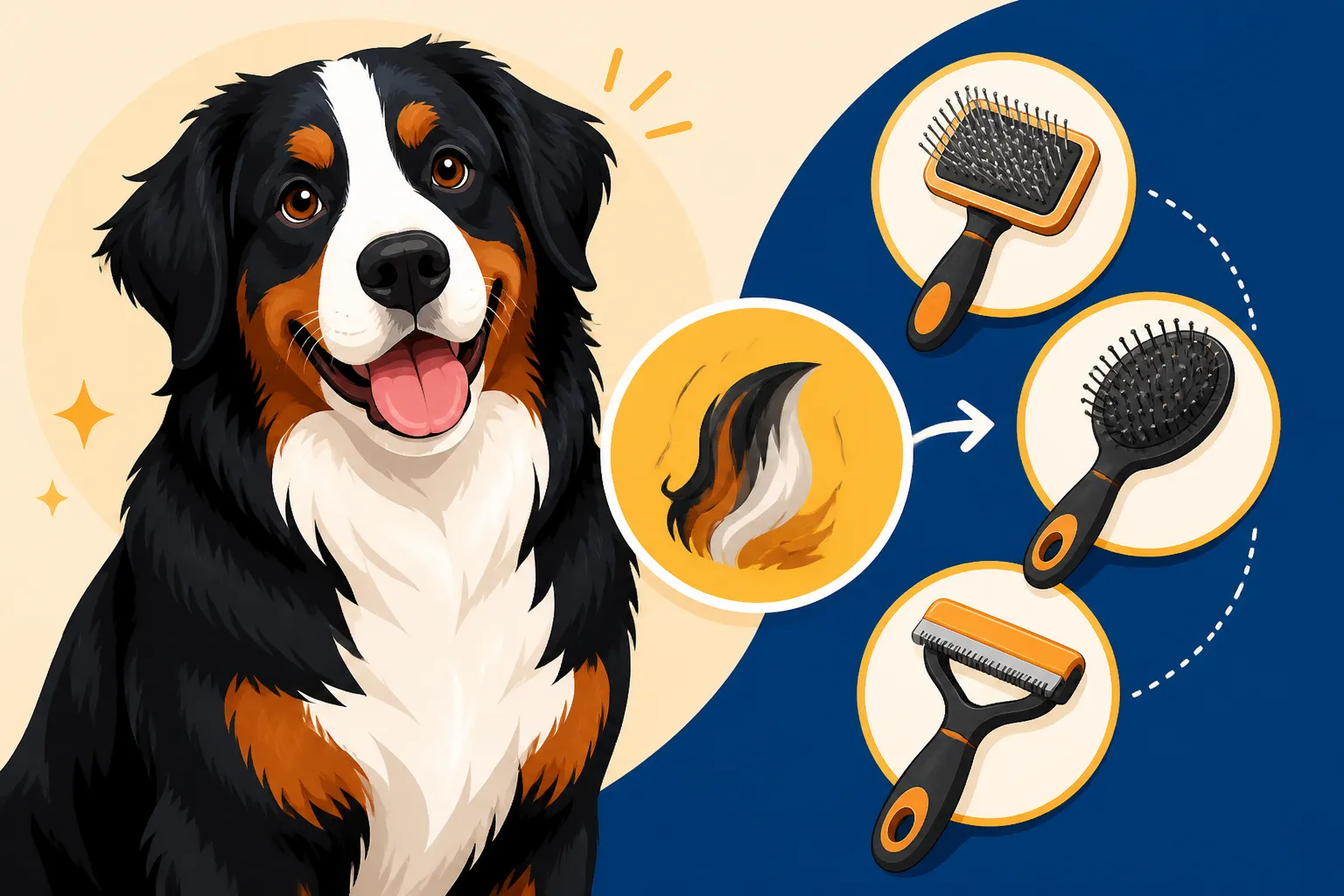
A good quality slicker brush is an absolute must-have for any Bernese Mountain Dog owner. This brush typically has a wide, flat head covered in fine, short wire bristles that are angled. Its primary job is to get through the topcoat and grab loose undercoat hair, as well as to gently work out smaller tangles before they become full-blown mats.
When you're brushing, you'll want to use light, gentle strokes, especially on sensitive areas. Don't press too hard, as the wire bristles can scratch your dog's skin if you're not careful. The beauty of the slicker brush is its ability to reach deep without pulling too much on healthy hair. It’s fantastic for general grooming sessions, helping to keep that "fluffy" look in check and preventing the massive shedding explosions that can happen if you neglect daily brushing. Think of it as your everyday workhorse, tackling the surface tangles and loose fur that are just waiting to escape and settle on your furniture. For quality options, you can find a wide range of slicker brushes on platforms like Amazon or Chewy.
The Undercoat Rake: Getting Down to Business
While a slicker brush is great for surface work, an undercoat rake is where you really start making a dent in that dense, woolly undercoat. These brushes feature long, sturdy teeth designed to penetrate deep into the coat, reaching the undercoat and pulling out significant amounts of dead, loose hair without damaging the guard hairs. This is especially vital during seasonal shedding. Without an undercoat rake, much of that shedding undercoat simply gets trapped, leading to mats and overheating.
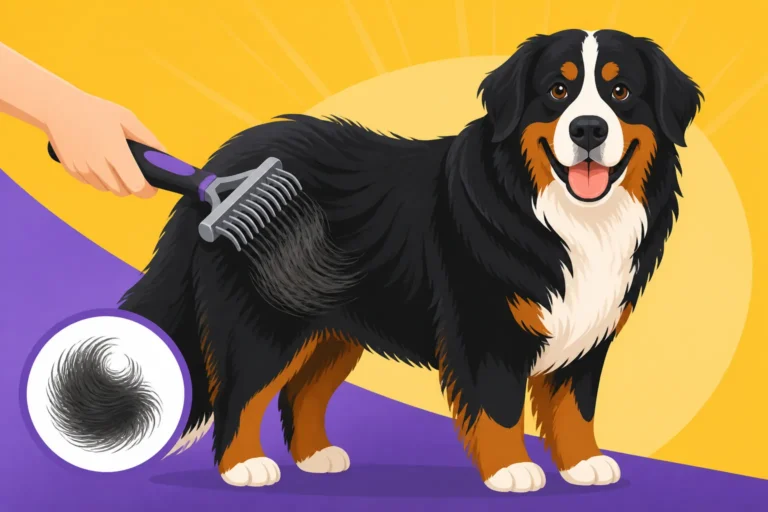
There are different types of undercoat rakes: some have rotating teeth to prevent pulling, while others have a single row of fixed pins. For a Bernese, a rake with slightly longer teeth is usually more effective to reach through their thick coat. When using an undercoat rake, you'll want to work in sections, starting from the head and working your way back, always brushing in the direction of hair growth. You'll be amazed (and possibly horrified) by the sheer volume of fur this tool can remove. This is the brush that truly helps reduce the amount of The Bernese Mountain Dog Shed and What It Fills your home experiences.
The Pin Brush: For Everyday Shine and Tangles
A pin brush, with its widely spaced, wire pins, often tipped with plastic or rubber, is a softer, gentler option, particularly useful for finishing touches or for a quick brush-through when the coat isn't particularly tangled. It won't remove much undercoat, but it's excellent for detangling the longer guard hairs, smoothing the coat, and distributing natural oils, which gives your Berner that healthy, glossy sheen.
This brush is also ideal for the feathered areas on their legs, tail, and trousers, where the hair is longer and more prone to surface tangles, but the undercoat might not be as dense. It’s a good choice for puppies who are getting used to grooming, as it’s less likely to cause discomfort. While it won't replace your slicker or undercoat rake, it's a valuable addition for daily maintenance and ensuring that your Berner's magnificent coat looks its absolute best. It’s a bit like a human detangling brush – great for a gentle pass to keep things neat.
The Dematting Tool: When Things Get Serious
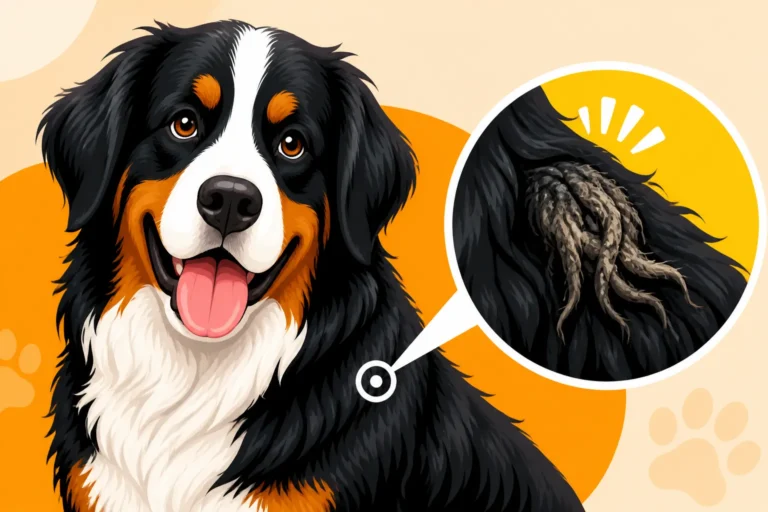
Sometimes, despite our best efforts, mats happen. A dematting tool, sometimes called a mat rake or mat splitter, is designed specifically for safely breaking up and removing tough tangles and mats. These tools usually have sharp, curved blades or teeth that are designed to cut through the mat without damaging the surrounding healthy hair. It's a lifesaver for those stubborn patches that form behind the ears, under the legs, or in the "trousers." These are often the areas where The Felt That Forms Behind a Bernese Mountain Dog's Ear can become a real problem.
It's important to use a dematting tool carefully and with patience. You should always work from the outside of the mat inward, using short, controlled strokes. Never try to yank or pull through a mat, as this will cause significant pain and distress to your dog. If a mat is particularly tight or close to the skin, it might be safer to seek professional grooming help rather than risk injuring your dog. While useful, this isn't an everyday brush; it's your emergency tool for when preventative measures haven't been quite enough. Learning to use it properly can save your Bernese a trip to the groomer, or at least keep smaller mats from becoming huge, painful problems.
| Brush Type | Primary Function | Best For | When to Use | Caution |
|---|---|---|---|---|
| Slicker Brush | Removing loose undercoat, small tangles | Overall coat, general detangling | Daily/Every other day | Don't press too hard; can scratch skin |
| Undercoat Rake | Deep undercoat removal, seasonal shedding | Dense undercoat, thick body hair | 2-3 times a week, more during shedding | Be gentle; avoid pulling healthy hair |
| Pin Brush | Smoothing, detangling guard hairs, shine | Topcoat, feathering, daily touch-ups | Daily, for a finished look | Not effective for deep undercoat removal |
| Dematting Tool | Cutting through severe mats and tangles | Stubborn mats close to the skin | As needed, for specific mat removal | Use with extreme care; can cut skin |
How to Choose the Right Brush and Avoid the Wrong Ones
With so many brushes on the market, it's easy to feel overwhelmed. But choosing the right brush isn't just about grabbing the first one you see; it’s about considering the specific needs of your Bernese Mountain Dog's coat and your own comfort during grooming sessions.
Material Matters: What to Look For in Bristles and Handles
The quality of a brush can significantly impact its effectiveness and how long it lasts. For slicker and pin brushes, look for durable stainless steel pins or bristles. Cheap plastic bristles can bend, break, and even create static, which can further tangle hair. For slicker brushes, ensure the pins have rounded tips or are designed to be gentle, preventing irritation to your Berner's sensitive skin. For undercoat rakes, robust, anti-rust metal teeth are crucial, as they need to withstand significant pressure and penetrate deep into the dense fur.
The handle is equally important. Remember, you're going to be spending a good amount of time grooming your Bernese Mountain Dog, and a comfortable, ergonomic handle can prevent hand fatigue. Look for handles made of sturdy wood or a comfortable, non-slip rubberized grip. Brands that specialize in pet grooming tools often offer better quality and design than generic store brands. While you might find options on a large retailer like Amazon, sometimes seeking out brands specifically praised by large dog owners or professional groomers can lead to a better investment.
Size and Ergonomics: Comfort for Both You and Your Berner
Given the sheer size of a Bernese Mountain Dog, a tiny brush just isn't going to cut it. You'll want brushes with larger heads that can cover more surface area efficiently. A wide slicker brush and a broad undercoat rake will save you significant time and effort compared to smaller tools. Imagine trying to sweep a large room with a tiny hand brush – it would take forever!
Ergonomics also extend to your dog. A comfortable brushing experience is key to a calm Berner. If the brush pulls too much or scratches their skin, they'll quickly learn to dread grooming sessions. This is why technique, combined with the right brush, is so important. Make sure the bristles or pins are appropriate for their coat density – too soft and they won't penetrate, too stiff and they might irritate. Consider brushes that offer a good balance of firmness and flexibility. Remember, How Long Brushing a Bernese Mountain Dog Takes can be substantial, so comfort for both of you is paramount.
Avoiding Common Brush Mistakes
One of the biggest mistakes owners make is using brushes that are either too harsh or too ineffective. Avoid brushes with extremely sharp, unprotected wire pins that can easily scratch the skin. Also, skip those cheap, flimsy brushes that are designed for short-haired breeds; they simply won't get through a Berner's double coat. Similarly, don't rely solely on a pin brush, thinking it's enough. It might make the topcoat look nice, but it's largely ignoring the crucial undercoat work.
Another common pitfall is not replacing worn-out brushes. Over time, bristles can bend, dull, or even fall out, rendering the brush ineffective and potentially uncomfortable. If your slicker brush isn't grabbing as much loose hair as it used to, or if the teeth on your undercoat rake feel dull, it's probably time for an upgrade. Investing in good quality tools from the start, and replacing them when necessary, will save you a lot of headache (and vet bills for mat removal) in the long run. Many reputable online pet supply stores, like Chewy, carry a good selection of high-quality grooming tools.
Establishing a Grooming Routine with the Right Tools
Having the right brushes is only half the battle; knowing how and when to use them is the other. A consistent grooming routine is your best defense against mats, excessive shedding, and skin issues, ensuring your Bernese Mountain Dog remains happy and healthy.
The Step-by-Step Brushing Process
Starting with a calm dog is always the best approach. Begin your grooming session by gently running your hands over your Berner's coat to check for any existing tangles or sensitive spots. If you find a mat, it's best to address it carefully with a dematting tool or even a blunt-nosed scissor to cut it out if it’s too tight, always cutting away from the skin.
Next, start with your slicker brush. Work in small sections, brushing through the entire body. Lift sections of hair to ensure you're getting down to the skin, but always with a gentle touch. Follow up with your undercoat rake, especially on the densest areas like their back, hindquarters, and chest. This will pull out the bulk of the loose undercoat. Finally, use your pin brush for a final pass, smoothing the outer coat and checking for any missed tangles. Remember to always praise your dog and offer treats throughout the process to make it a positive experience. This methodical approach helps ensure you cover every inch of that beautiful coat.
When to Use Which Brush
The frequency and specific brush you use will largely depend on your dog's shedding cycle and how prone they are to matting. Generally, a Bernese Mountain Dog should be brushed at least 2-3 times a week with a slicker brush and undercoat rake. During peak shedding seasons – typically spring and fall – you might find yourself brushing daily with the undercoat rake to keep up with the volume of shedding fur. This consistent effort will significantly reduce the amount of loose hair floating around your home and prevent those stubborn mats.
The pin brush is great for daily touch-ups or to prepare the coat for a show or special outing. The dematting tool is strictly for emergencies, when you encounter a mat that brushing alone can't resolve. The key is consistency. A few minutes every other day is far more effective than a marathon grooming session once a month that leaves both you and your dog exhausted and frustrated. For a deeper dive, you might find articles like How Often a Bernese Mountain Dog Should Be Brushed helpful in establishing your specific schedule.
Making Grooming a Positive Experience
Grooming shouldn't be a battle; it should be a quiet, bonding time between you and your Bernese. Start grooming sessions when your puppy is young, even if it's just a few minutes of gentle brushing. Pair it with positive reinforcement: treats, praise, and a calm demeanor. If your dog seems anxious, try shorter sessions. You can gradually increase the duration as they become more comfortable.
Creating a dedicated grooming space can also help. A non-slip mat on the floor or a sturdy grooming table can make your Berner feel more secure. Ensure you're gentle around sensitive areas like their ears, tail, and paws. If you find a particularly painful tangle, take a break. The goal is to build trust and make them associate grooming with pleasant sensations. Remember, a well-groomed Berner is a more comfortable and happier Bernese Mountain Dog, and that truly makes all the effort worthwhile.
Disclaimer
This article is for general informational purposes only and does not constitute professional advice. Laws, prices and regulations vary by location and change over time. Consult a qualified professional for guidance on your specific situation.