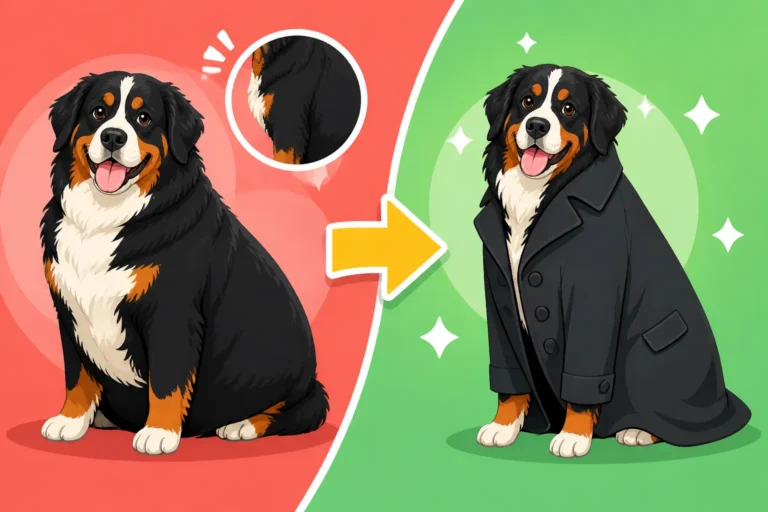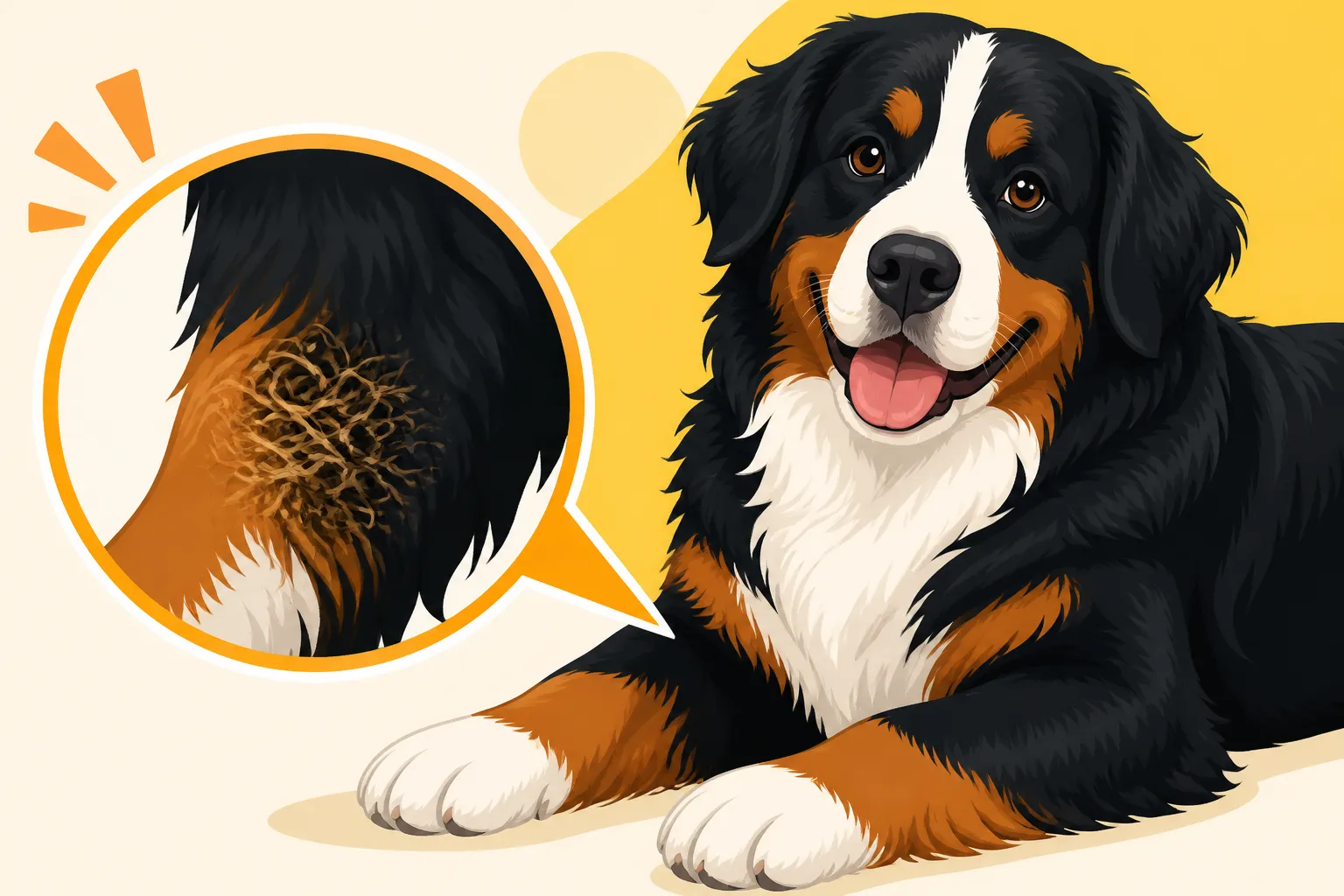
Tangles Behind a Bernese Mountain Dog’s Elbows
If you're a Bernese Mountain Dog owner, you know the absolute joy these gentle giants bring into your life. But you also know the distinct challenges, and one of the most frustrating has to be those sneaky, stubborn tangles that seem to form in the blink of an eye, especially behind their elbows. It's a common struggle, leaving us wondering how our fluffy companions manage to knot themselves up in such prime locations. This guide is here to walk you through understanding why these particular tangles are such a pain, how to spot them early, and most importantly, how to tackle them without causing your beloved Berner discomfort or resorting to drastic measures.
Why Those Tangles Form in the First Place
It often feels like magic, doesn't it? One minute your Bernese Mountain Dog is a picture of fluffy perfection, and the next, you're discovering a felted mass behind an elbow. It's not magic, though; it's a combination of their unique physiology, coat type, and everyday activities. Understanding these underlying factors is the first step to preventing and managing these pesky knots.
The Anatomy of a Bernese Elbow (and its Furry Friend)
Think about your Berner's elbow area. It's a joint, a point of constant motion and friction. Unlike a smooth, taut area, the skin around the elbow wrinkles and folds as they move, lie down, and get up. Their long, thick double coat, with its soft, dense undercoat and coarser outer guard hairs, is designed for insulation in harsh Swiss winters. This beautiful coat, however, is a double-edged sword when it comes to tangles. The finer undercoat is particularly prone to matting when it gets rubbed, compressed, or neglected. When your Berner tucks their legs, settles into a dog bed, or simply walks, this area experiences repetitive motion that literally grinds those loose hairs and undercoat fibers together, creating the perfect storm for a mat to form.
Imagine a fine wool sweater that gets rubbed repeatedly under your arm; it starts to pill, right? The same principle applies here. The hair shaft itself can become damaged and prone to tangles if it's not well-conditioned or if the dog is prone to dry skin. Plus, the sheer volume of hair in that region, especially the beautiful feathering on their legs, means there's just more material to get tangled up. It's not just a surface issue; these mats can often be quite deep, pulling on the skin and causing discomfort, even pain, if left untreated.
High-Traffic Areas and Friction Points
The elbows aren't just anatomically predisposed to tangles; they're also high-contact areas. When your Berner lies down, particularly on hard surfaces, those elbows are bearing weight and experiencing friction. When they interact with furniture, other dogs, or even you, those spots get rubbed. And let's not forget the joyful, chaotic play sessions with other dogs! A quick tumble in the yard can twist and compress the hair in ways that instantly create tight knots. Even wearing harnesses or certain types of sweaters can contribute, as the straps might rub against the elbow region, pushing hair together and creating friction that encourages matting.
Consider a Berner who loves to sprawl on the living room rug, then slides across the hardwood floor to greet you at the door. Each of those actions contributes to the rubbing and compression of the hair around their elbows. The Bernese Mountain Dog That Leans on Everyone often exacerbates this, as their leaning habit means their elbows are frequently pressing against people or furniture, increasing the friction. It’s a constant battle against the natural tendencies of their glorious coat and their everyday movements.
Environmental Factors
Beyond friction, the environment plays a huge role. Anyone who's walked a Bernese Mountain Dog after a rainy day knows the struggle of mud and debris clinging to their long coat. Water, especially if not thoroughly dried, can cause hair to clump and tangle. When that wet hair then dries, it locks into a tight knot. Humidity can also make the coat more prone to matting, as can seasonal shedding. Spring and fall are often the worst times for Bernese Mountain Dog owners because their undercoat is blowing out. If this loose hair isn't brushed out regularly and completely, it quickly becomes an internal tangle, creating felted mats that are incredibly difficult to remove.
Think about burrs, twigs, or even bits of dried leaves that get caught in their feathering. These seemingly small things act as anchors, drawing the surrounding hair into a tight, impossible knot. And let's be honest, sometimes it's just plain dirt and dander that, when mixed with shed hair, forms a sticky, matted mess. Even something as simple as static electricity in dry indoor air can cause individual hair strands to cling together, kickstarting the matting process. The Bernese Mountain Dog Shed and What It Fills isn't just about loose hair on your couch; it's also about the loose hair that stays on your dog and creates mats.
Catching Tangles Early: The Signs to Look For
The absolute best defense against severe matting is early detection. A small tangle is a minor inconvenience, easily brushed out. A large, tight mat, however, can be a painful, time-consuming ordeal for both you and your Berner. Knowing what to look for, and making it part of your regular routine, is key to keeping your dog comfortable and your grooming sessions stress-free.
Visual Cues and Textural Changes
The most obvious sign of a tangle is, of course, seeing one. But not all tangles are immediately visible on the surface of that beautiful, thick coat. You might notice the hair around the elbow looking a bit "off" – perhaps clumpy, duller, or standing out unnaturally. Instead of a smooth flow, the hair might appear bunched or matted together. Often, a mat forms closer to the skin, so you might not see the full extent of it until you actually part the outer coat.
More subtly, pay attention to the texture of the hair. When you run your fingers through your Berner's coat, especially around the elbows, it should feel soft and flowing. If you encounter any resistance, a hard lump, or a patch of hair that feels stiff and unyielding, you've likely found a tangle. Even if it feels small, remember that mats tend to grow quickly, incorporating more loose hair and becoming tighter with every movement. Catching that dime-sized knot before it becomes a baseball-sized problem is a huge win. How Often a Bernese Mountain Dog Should Be Brushed is directly linked to how quickly you'll spot these early signs.
Behavioral Indicators from Your Berner
Our dogs often communicate their discomfort in subtle ways before a problem becomes glaringly obvious. If your Bernese Mountain Dog starts to flinch or pull away when you touch their elbow area, it's a huge red flag. They might also begin licking or chewing excessively at the spot where a mat is forming. This is their attempt to alleviate the irritation or pain caused by the pulling hair. You might notice them favoring a certain leg, being reluctant to lie down in their usual way, or struggling to get up from a comfortable position.
Sometimes, the behavioral changes are even more subtle. A Berner who typically loves belly rubs might suddenly be hesitant or even nip if your hand gets too close to their armpit or elbow area. They might show a general grumpiness or a lack of enthusiasm for activities they usually enjoy. These behavioral cues are critical indicators that something is bothering them, and tangles or mats are a very common source of discomfort, especially in such sensitive, high-movement areas. Whether a Bernese Mountain Dog Hides Discomfort is a real concern, so look for even the smallest changes.
The Importance of Regular Checks
To truly stay ahead of these tangles, you need a routine. This isn't just about aesthetic grooming; it's about preventative healthcare. Ideally, perform a quick check of your Berner's elbows and armpits every day or every other day. This can be as simple as a gentle run-through with your fingers while they're relaxing beside you. Make it a positive experience with praise and treats. A full, thorough brushing should happen several times a week, dedicating extra time to these prone areas.
A systematic approach can help. Start by gently parting the hair and looking down to the skin. Feel for any lumps or resistance. Pay close attention after walks, especially if you've been in wooded areas, and certainly after baths, ensuring the coat is fully dry and brushed out. Getting into this habit means you'll almost always catch a tangle when it's still small and manageable, saving you and your Berner from a much more unpleasant experience down the line. It's a small investment of time that pays huge dividends in comfort and coat health. The Weekly Handling a Bernese Mountain Dog Should Accept includes these crucial routine checks.
Untangling the Mess: Step-by-Step Guide to Dematting
Finding a mat is never fun, but it doesn't have to be a disaster. With the right tools, a calm approach, and a lot of patience, you can often remove tangles yourself. The key is to be gentle, work slowly, and prioritize your Berner's comfort above all else. Remember, a tight mat pulls on the skin and can be quite painful.
Gathering Your Grooming Arsenal
Before you even think about tackling that tangle, gather everything you'll need. Rushing mid-process just causes stress. Here’s a list of essentials:
- Slicker Brush: A good quality slicker brush is your primary tool for overall grooming and helps separate hair.
- Metal Comb: A sturdy greyhound-style comb with both fine and wide teeth is indispensable for working through tangles.
- Dematting Tool/Rake: These specialized tools (like a mat splitter or an undercoat rake) are designed to cut through or pull apart mats without damaging too much healthy hair. Brands like those found on Amazon or Chewy offer a wide selection.
- Blunt-Nosed Scissors: For cutting out only the most stubborn, tight mats that cannot be brushed or split. Extreme caution is vital here.
- Detangling Spray or Conditioner: A good quality leave-in conditioner or detangling spray helps lubricate the hair, making it easier to separate.
- Treats: Lots of high-value treats to keep your Berner cooperative and make the experience positive.
- A helper (optional but recommended): Especially for larger or more sensitive mats, having someone to distract or hold your Berner can be a game-changer.
| Tool Type | Purpose | Key Feature | When to Use |
|---|---|---|---|
| Slicker Brush | General brushing, removes loose hair, initial tangle separation | Fine, wire bristles on a flat or curved head | Before/after matting, for surface tangles |
| Metal Comb | Pinpointing tangles, working through small knots, checking for mats | Sturdy, dual-sided teeth (wide and fine) | After brushing, to isolate and gently separate |
| Dematting Rake | Breaking up larger, dense mats from the skin out | Hook-like blades that cut through tangles | For moderate to severe tangles after conditioning |
| Detangling Spray | Lubricates hair, reduces friction, makes mats easier to separate | Slippery, conditioning formula | Liberally applied to mats before combing |
| Blunt-Nosed Scissors | Last resort for completely felted, skin-tight mats. Use extreme caution. | Rounded tips to prevent accidental skin nicks | Only when all other methods fail |
The Gentle Approach: Working Through Mats
Once you have your tools, find a quiet, comfortable space where your Berner can relax.
- Assess the Mat: Gently feel the mat. Is it small and loose, or tight and close to the skin? This will dictate your approach.
- Isolate the Mat: Use your fingers to gently separate the matted section from the surrounding healthy hair. You don't want to pull healthy hair unnecessarily.
- Apply Detangling Spray: Liberally spray the mat with your detangling spray or conditioner. Let it sit for a few minutes to penetrate and soften the hair. Brands available on Chewy often have excellent options specifically for thick, long coats.
- Work from the Outside In, Bottom Up: This is the golden rule of dematting. Start at the very tips of the mat, using just a few teeth of your metal comb. Gently tease out small sections of hair. Once you've loosened a bit, move slightly closer to the skin. Never pull from the base of the mat first; this will cause pain and make your Berner resent grooming.
- Use a Dematting Tool (If Needed): For more stubborn mats, a dematting rake can be incredibly useful. Follow the manufacturer's instructions, but typically you'll use short, gentle strokes to slice through the mat. Be very careful to angle the tool away from the skin. It’s like breaking up a large clump of playdough into smaller, more manageable pieces.
- Patience and Breaks: This is crucial. If your Berner shows any signs of discomfort, stop. Give them a treat, a cuddle, and take a break. Come back to it later. It's better to tackle a large mat over several short sessions than to rush and make it a traumatic experience.
- Slicker Brush and Comb Through: Once you've broken up the mat, use your slicker brush to smooth out the area, then follow with your metal comb to ensure all tangles are gone. The comb should glide smoothly through the hair, from root to tip.
- The "Cutting Out" Last Resort: If a mat is absolutely impenetrable, causing severe discomfort, and pulling heavily on the skin, it may need to be cut out. This should always be a last resort. Use blunt-nosed scissors, always placing your fingers between the mat and the skin to prevent accidental nicks. Cut away from the skin, in very small increments. If you're unsure, it's always safer to consult a professional groomer or your vet. Cutting a Mat Out of a Bernese Mountain Dog's Coat is a skill that takes practice and extreme care.
When to Call in the Professionals
Sometimes, a mat is just too big, too tight, or too close to the skin for you to safely handle at home. Don't feel guilty about this! Professional groomers have specialized tools, techniques, and experience dealing with severe matting without causing pain or injury. They can often shave out mats with clippers, which is much faster and less painful than trying to comb them out, especially if the matting is extensive.
If your Berner is showing extreme pain, aggression, or resistance during the dematting process, it's definitely time to bring in a pro. They can also assess if there's any skin irritation, infection, or underlying issues caused by the matting. Remember, their primary concern is your dog's well-being. A professional groomer might charge extra for dematting services, but it's a worthwhile investment for your dog's comfort and health. What a Bernese Mountain Dog Groom Costs can vary, especially with extensive dematting, so always discuss this with your groomer upfront.
Preventing Future Tangles: A Proactive Approach
An ounce of prevention is worth a pound of cure, especially when it comes to Bernese Mountain Dog tangles. Developing a consistent grooming routine and making smart choices can drastically reduce the occurrence of these frustrating knots.
Brushing Techniques and Frequency
The cornerstone of tangle prevention is regular, thorough brushing. For a Bernese Mountain Dog, "regular" means at least 3-4 times a week, and daily during heavy shedding seasons. Brushing Out a Bernese Mountain Dog's Undercoat is especially important, as the dense undercoat is the primary culprit behind severe matting.
Here’s an effective technique:
- Section the Coat: Don't try to brush the entire coat at once. Work in small sections, starting from the bottom of a leg and working your way up. Hold the top layer of hair up with one hand, exposing the undercoat.
- Line Brushing: Use a slicker brush or a good quality pin brush (or a combination) to brush through the section, going all the way down to the skin. Make sure you can see the skin as you brush.
- Use an Undercoat Rake: For the dense undercoat, an undercoat rake is invaluable. It helps pull out dead, loose hair before it has a chance to mat. Pay extra attention to the elbows, armpits, behind the ears, and the "trousers" on their hind legs.
- Finish with a Metal Comb: After brushing each section, run a metal comb through it. If the comb glides smoothly, you're good. If it snags, go back with your brush and repeat until it's tangle-free. This comb check is vital for ensuring no hidden knots remain. Which Brush a Bernese Mountain Dog's Coat Needs can really impact the effectiveness of your routine.
Smart Product Choices
The products you use can make a significant difference.
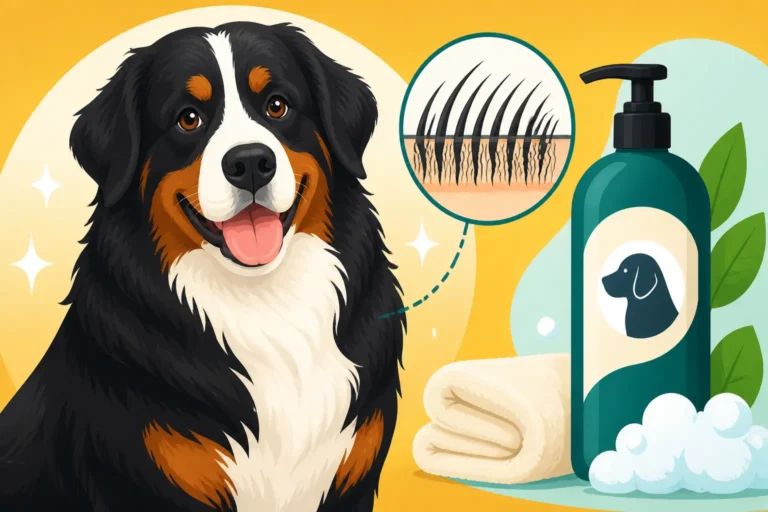
- Shampoo and Conditioner: Choose high-quality shampoos and conditioners specifically designed for long-haired, double-coated breeds. Look for moisturizing and detangling formulas. When bathing, always dilute shampoo and work it into the coat gently, avoiding harsh scrubbing motions that can create tangles. Always follow with a good conditioner, thoroughly rinsing it out.
- Detangling Sprays: Keep a good detangling spray on hand and use it regularly, especially on those prone areas like the elbows, or before a walk in a potentially tangly environment. Many brands, easily found on Amazon, offer excellent leave-in options.
- Joint Supplements: While not directly grooming related, a healthy diet and proper joint support can contribute to overall coat health by supporting a healthy dog who moves fluidly and reduces friction from stiffness. Brands like Ollie focus on quality ingredients, which can impact coat luster and strength, making hair less prone to breakage and tangling.
- Grooming Table: For very large dogs like Berners, a grooming table can save your back and allow you to reach all areas of their body more effectively. It also signals to your dog that it's "grooming time," helping them settle.
Lifestyle Adjustments
A few changes to your Berner's daily life can also help prevent tangles.
- Limit "Roughhousing" on Matt-Prone Surfaces: While play is essential, be mindful of where your Berner wrestles, especially if they love rolling around on abrasive surfaces or in long grass filled with burrs.
- Prompt Drying After Water Exposure: If your Berner gets wet from rain, a swim, or a bath, ensure they are thoroughly dried, ideally with a high-velocity dog dryer, and brushed out immediately afterward. Allowing their coat to air dry while wet can lead to significant matting. How Long a Wet Bernese Mountain Dog Takes to Dry can be surprising!
- Protective Gear: In extremely muddy or burr-filled environments, consider dog boots or light, protective sleeves for their legs. While not always practical for everyday use, they can be helpful for specific outings.
- Regular Nail Trims: Overly long nails can change your Berner's gait, leading to unusual friction points as they move. Keep those nails trimmed!
- Proper Bedding: Provide soft, comfortable bedding that doesn't create excessive friction. Orthopedic beds are great for their joints and often have smoother surfaces.
By being diligent with your grooming routine, using the right tools and products, and making small adjustments to their lifestyle, you can keep those Bernese Mountain Dog elbows free of tangles, ensuring your furry friend is always comfortable and looking their best. It's a commitment, but one that every Berner owner knows is worth it for these magnificent companions.
Disclaimer
This article is for general informational purposes only and does not constitute professional advice. Laws, prices and regulations vary by location and change over time. Consult a qualified professional for guidance on your specific situation.