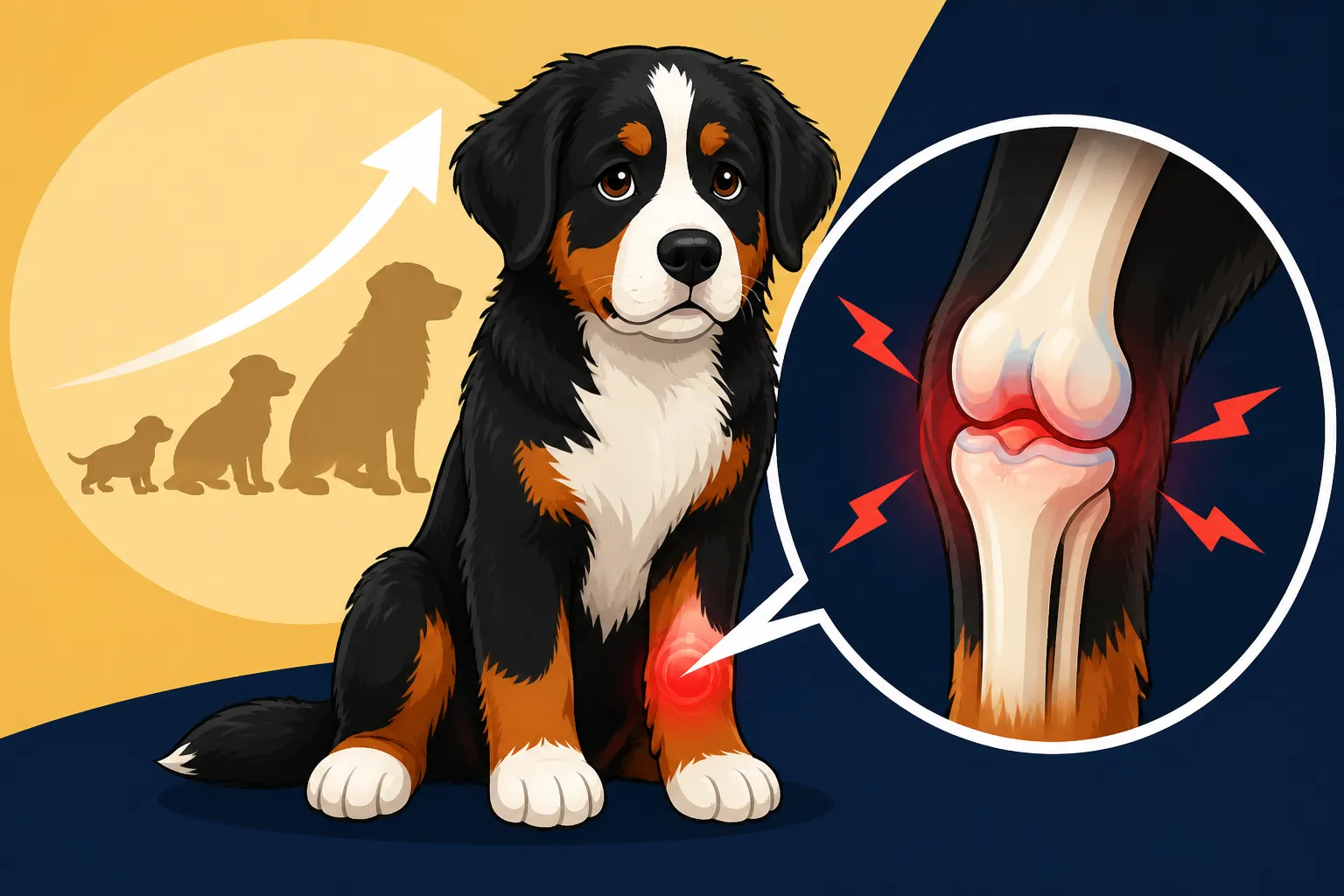
What Fast Growth Costs a Bernese Mountain Dog’s Joints
Watching your Bernese Mountain Dog puppy grow from a tiny, fluffy bundle into a majestic, hundred-pound companion is one of the greatest joys of owning this breed. However, this incredibly rapid growth spurt, while impressive, comes with a significant hidden cost to their developing joints. Many new owners don't realize that managing this growth is absolutely critical to preventing painful, lifelong orthopedic issues. This guide will delve into what exactly fast growth means for your Berner's joints and how you can support their healthy development.
The Delicate Dance of Rapid Growth: Why It Matters So Much for Berners
Bernese Mountain Dogs are considered a giant breed, and their growth rate is truly astonishing. A puppy can go from a few pounds at birth to a hefty 80-100+ pounds in just over a year, sometimes even reaching their full height by 12-18 months. This rapid increase in size and weight puts immense stress on their still-developing skeletal system. Unlike smaller breeds, where bones mature more quickly, a Berner's bones, cartilage, and growth plates have a much longer journey to full ossification (hardening). It's a delicate balance, and if that balance is upset, the consequences can be severe.
Understanding the Vulnerable Growth Plates
Think of growth plates, or physes, as the soft, cartilaginous areas at the ends of long bones in puppies and adolescents. They are literally where the bone grows longer. These plates are incredibly vulnerable because they are softer than the surrounding bone and are the last part of the bone to fully harden. During rapid growth, these areas are constantly active, adding new bone cells.
When a puppy grows too quickly, or experiences too much impact or stress, these soft growth plates can be damaged. Instead of growing uniformly and strongly, they can develop unevenly, close prematurely, or suffer micro-traumas that lead to improper joint formation. Imagine trying to build a skyscraper on a foundation that isn't fully cured; any undue pressure will cause structural weaknesses. That's essentially what happens with a Berner's growth plates if their development isn't carefully managed. This vulnerability is why controlling their growth rate is paramount for their long-term soundness.
Nutritional Pitfalls: The Link Between Diet and Joint Health
It's natural to want to feed your rapidly growing Berner puppy a lot, thinking more food equals a bigger, stronger dog. However, this is a common misconception that can lead to serious joint problems. Overfeeding, especially with foods high in calories or an improper calcium-to-phosphorus ratio, can accelerate growth beyond what their genetics intend or their skeletal system can safely handle.
For giant breeds like Berners, a diet too rich in calories, fat, or protein can cause them to gain weight and grow taller too fast. This extra weight puts excessive strain on their immature joints and growth plates. Moreover, while calcium is vital for bone development, too much calcium in a puppy's diet can actually interfere with proper bone mineralization and cartilage formation. It can lead to conditions where cartilage doesn't develop correctly, or bone forms too quickly in places it shouldn't, disrupting the smooth functioning of joints. This is why choosing a high-quality, large-breed puppy food specifically formulated for slow, steady growth is absolutely critical. Why a Bernese Mountain Dog Puppy Needs Controlled Calcium is a topic every Berner owner should understand deeply.
Common Joint Issues Exacerbated by Fast Growth
The most heartbreaking aspect of uncontrolled rapid growth in Bernese Mountain Dogs is its direct contribution to orthopedic diseases that cause pain and limit mobility, often starting at a young age. While genetics play a significant role in conditions like hip and elbow dysplasia, environmental factors, particularly rapid growth and excessive exercise, can significantly worsen their expression or even trigger them in predisposed individuals.
Hip and Elbow Dysplasia: A Berner's Frequent Foe
Hip and elbow dysplasia are unfortunately common in Bernese Mountain Dogs, and fast growth is a major contributing factor. Both are developmental conditions where the joints don't form correctly.
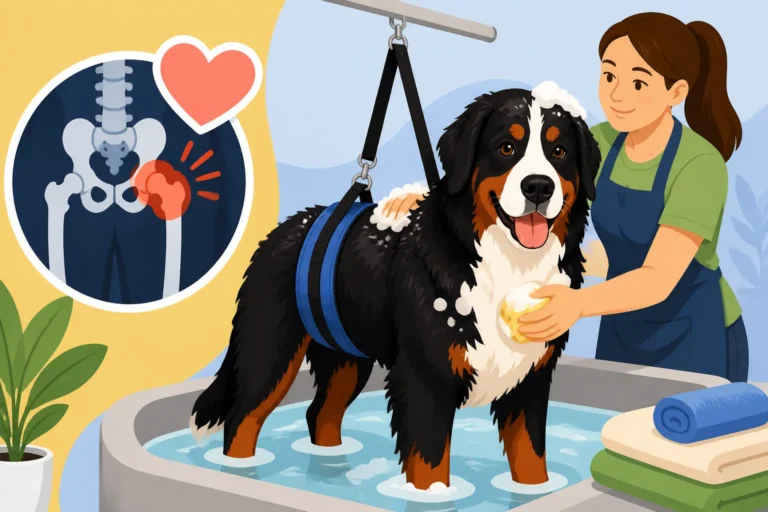
- Hip Dysplasia: In hip dysplasia, the ball and socket of the hip joint don't fit together snugly. Instead, they are loose, leading to grinding, wear, and eventually painful arthritis. When a puppy grows too quickly, the bones and soft tissues supporting the hip joint can't keep up. The rapid weight gain puts immense pressure on that loose joint, causing the femoral head (ball) to flatten and the acetabulum (socket) to shallow out. This abnormal development sets the stage for lifelong pain and lameness.
- Elbow Dysplasia: This is a more complex condition, encompassing several different developmental problems within the elbow joint, such as fragmented coronoid process (FCP), osteochondrosis (OCD), ununited anconeal process (UAP), and incongruity. All these issues lead to abnormal stress and wear, causing pain and eventually arthritis. Rapid bone growth can throw off the precise alignment needed for a healthy elbow joint. For example, if one bone grows faster than another, it can cause the joint surfaces to grind against each other, leading to cartilage damage and bone fragments. A Bernese Mountain Dog carrying too much weight too soon places undue mechanical stress on these delicate elbow structures, escalating the problem. Hips That Fail Under a Bernese Mountain Dog's Weight and The Front-End Lameness a Bernese Mountain Dog Develops highlight just how prevalent and impactful these issues can be.
Osteochondritis Dissecans (OCD): A Cartilage Catastrophe
Osteochondritis Dissecans, or OCD, is another painful condition that frequently affects fast-growing large breed puppies, including Bernese Mountain Dogs. It occurs when cartilage in a joint fails to develop into bone normally, leading to a thickened, abnormal flap of cartilage that can detach from the underlying bone. When this flap comes loose, it becomes a "joint mouse" that floats around, causing pain, inflammation, and lameness.
OCD most commonly affects the shoulder, elbow, stifle (knee), and hock (ankle) joints. The precise causes are multi-factorial, but rapid growth, particularly when coupled with excessive dietary calcium and trauma to the joint, is a major trigger. The fast growth somehow disrupts the normal process of cartilage maturation, leading to the formation of this unstable flap. When your big Berner puppy is bouncing around, jumping off furniture, or playing too roughly, that impact can dislodge the already compromised cartilage flap, turning a silent problem into an acutely painful one. This is why careful management of both diet and exercise is crucial during their formative months.
Mitigating Risks: Slow and Steady Wins the Race
The good news is that you, as a Berner owner, have significant control over factors that can mitigate the risks associated with rapid growth. Your goal should be to encourage slow, steady development, allowing their skeletal system to mature properly without undue stress. This isn't about starving your puppy; it's about providing optimal nutrition and exercise tailored to their unique needs as a giant breed.
Controlled Nutrition: The Foundation of Healthy Growth
Providing the right nutrition is the single most impactful thing you can do to manage your Bernese Mountain Dog puppy's growth rate. Forget the idea that a plump puppy is a healthy puppy; for Berners, lean is keen when it comes to growth.
Here’s what to focus on:
- Large Breed Puppy Food: Choose a high-quality kibble specifically formulated for "large breed puppies" or "giant breed puppies." These formulas are designed with slightly lower protein, fat, and crucially, controlled calcium and phosphorus levels to promote slower, more even growth. Avoid generic "all life stages" foods for puppies, as they often contain higher nutrient densities unsuitable for giant breeds. Reputable brands like Ollie (if you're considering fresh food options designed by vets) or many quality dry food brands available on Chewy will have these specialized formulas. Always check the guaranteed analysis for calcium content; it should typically be between 1.0% and 1.5% on a dry matter basis. The Age a Bernese Mountain Dog Comes Off Puppy Food is also important to consider.
- Portion Control: Follow the feeding guidelines on the bag for your puppy's ideal adult weight, not their current weight. Adjust as needed to keep your puppy lean. You should be able to easily feel their ribs with light pressure, but not see them. If you're ever in doubt, consult your vet. They can help you determine the appropriate daily caloric intake and monitor their body condition score.
- No Supplements (Unless Vet Prescribed): Resist the urge to add calcium, vitamins, or other mineral supplements to your puppy's diet unless explicitly instructed by your veterinarian. You could inadvertently throw off the crucial mineral balance and do more harm than good.
- Monitor Weight and Growth: Keep track of your puppy's weight weekly or bi-weekly. While some rapid gains are normal, a sudden, sharp spike might indicate you're feeding too much. What a Bernese Mountain Dog Weighs at Each Month can give you a general idea, but every puppy is an individual.
Exercise Management: Gentle Movements for Growing Joints
Just as important as diet is managing your Berner puppy's exercise. Their boundless energy and clumsy enthusiasm can be deceptive; their growth plates are still open and highly susceptible to injury from high-impact activities.
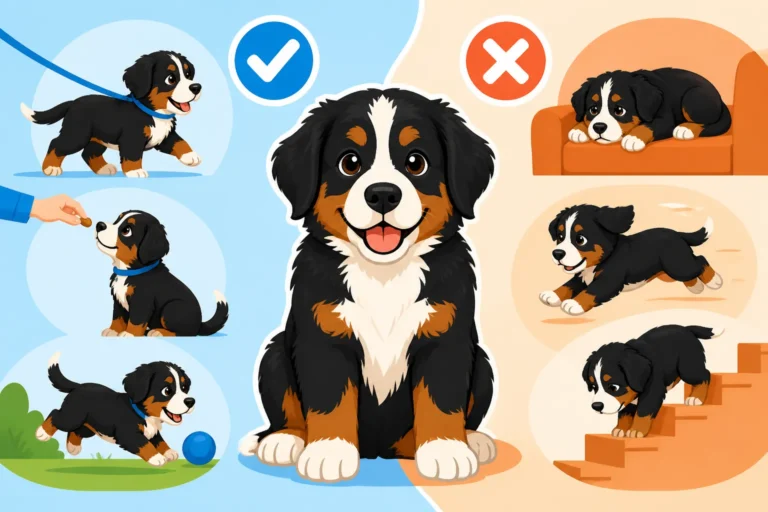
- The "Five-Minute Rule": A widely accepted guideline is the "five-minute rule," which suggests five minutes of structured exercise per month of age, twice a day. So, a 4-month-old puppy gets 20 minutes, twice a day. This means no long hikes, intense fetch sessions, or prolonged running until they are at least 18-24 months old and their growth plates have closed. The Five Minute Rule and a Bernese Mountain Dog Puppy explains this in detail.
- Avoid High-Impact Activities: Jumping, leaping, sustained running on hard surfaces, and repetitive stair climbing are big no-nos for young Berners. These activities put immense stress on their developing joints and can lead to micro-traumas or exacerbate existing conformational issues. Think about how much force a 50-pound puppy generates landing from a jump – it's substantial for soft cartilage.
- Gentle Play: Supervised, gentle play with other appropriately sized and tempered dogs on soft surfaces like grass is fine. Encourage sniff walks and exploring rather than intense sprints.
- Avoid Slippery Surfaces: Keep your puppy off slippery floors as much as possible. Their awkward puppy gait combined with lack of traction can lead to slips, falls, and joint injuries. Consider runners or rugs, easily found on Amazon, to create safe pathways inside your home. Hard Surfaces and a Growing Bernese Mountain Dog delves into this concern.
Here’s a quick comparison of ideal vs. risky growth management practices:
| Feature | Ideal Growth Management (Bernese Puppy) | Risky Growth Management (Bernese Puppy) |
|---|---|---|
| Diet Choice | Large/Giant Breed Puppy Formula (controlled calcium, fat, protein) | Generic Puppy Food, All Life Stages, or Adult Food (potentially too high in calories/calcium) |
| Feeding Style | Measured portions, multiple meals per day, monitoring body condition | Free-feeding, overfeeding, aiming for a "chubby" puppy |
| Calcium Intake | Balanced by commercial diet, no additional supplements unless vet-prescribed | Supplementing with calcium, bone meal, or dairy without vet guidance |
| Exercise Type | Short, controlled leash walks, gentle play on soft surfaces, mental enrichment | Long runs, strenuous hikes, repetitive jumping, dog park roughhousing |
| Surface Choice | Grass, dirt, padded indoor areas | Hard pavement, slippery tiles, steep stairs |
| Weight Goal | Lean body condition, easily felt ribs, visible waistline | Overweight, "roly-poly" puppy, difficulty feeling ribs |
| Vet Check-ups | Regular growth assessments, discussions on diet and exercise | Infrequent vet visits, ignoring concerns about gait or limping |
Recognizing Warning Signs and Seeking Professional Help
Even with the most careful management, genetic predispositions can sometimes manifest, or an accidental injury might occur. Knowing what to look for and when to act is crucial for your Berner's well-being. Early intervention can make a significant difference in managing orthopedic conditions.
Observing Gait and Behavior: What to Look For
Your Berner puppy can't tell you in words if something hurts, so it's up to you to be a keen observer of their physical activity and demeanor. Look for subtle changes that might indicate discomfort or an underlying joint issue:
- Lameness or Limping: This is the most obvious sign. It might be intermittent, subtle at first, or more pronounced after rest or exercise. Pay attention to which leg seems affected. The Shifting Limp of a Growing Bernese Mountain Dog can sometimes be tricky to interpret.
- Reluctance to Move: Is your puppy hesitant to jump, go up stairs, or engage in play they once loved? Do they seem stiff when getting up?
- "Bunny Hopping": When running, some puppies with hip discomfort will move both hind legs together, like a rabbit, to minimize hip extension. A Bernese Mountain Dog That Bunny Hops is a classic sign of hip pain.
- Changes in Posture: Does your puppy sit or lie in unusual positions? Do they avoid putting weight on a certain leg?
- Pain Response: Do they yelp or pull away when a certain joint is touched or manipulated?
- Decreased Activity or Enthusiasm: A less energetic or withdrawn puppy might be trying to tell you something.
Remember, Berners are stoic and often try to hide discomfort, especially when they are young. What looks like a slight awkwardness or tiredness could be a sign of pain.
The Role of Your Veterinarian: Your Partner in Joint Health
Your veterinarian is your most important ally in ensuring your Bernese Mountain Dog puppy grows up healthy. Don't hesitate to contact them if you notice any of the warning signs or have concerns about their growth.
- Regular Check-ups: Ensure your puppy has all their scheduled veterinary visits. These are opportunities for your vet to assess their growth, gait, and general joint health.
- Discuss Concerns Promptly: If you notice any limping, stiffness, or changes in behavior, bring it to your vet's attention immediately. Don't wait, hoping it will resolve on its own.
- Diagnostic Tools: If a problem is suspected, your vet may recommend diagnostic imaging like X-rays. While definite diagnosis of conditions like hip and elbow dysplasia often waits until growth plates are closed (typically around 18-24 months for official OFA clearances), preliminary X-rays can reveal significant issues earlier. The Age a Bernese Mountain Dog Should Be X-Rayed is a relevant consideration here. Early diagnosis allows for earlier management strategies, such as anti-inflammatory medications, physical therapy, or even surgical interventions in some cases.
- Nutritional Guidance: Your vet can help you fine-tune your puppy's diet and confirm that the food you've chosen is appropriate for their specific needs.
- Proactive Care: Sometimes, for breeds at high risk, vets might suggest starting joint supplements early, though this should always be done under professional guidance. Starting a Bernese Mountain Dog on Joint Medication Young is a conversation to have with your vet, not a decision to make independently.
By being diligent with nutrition, mindful of exercise, and vigilant in observing your puppy, you can significantly reduce the "cost" of rapid growth to your Bernese Mountain Dog's precious joints, setting them up for a lifetime of comfort and happiness.
Disclaimer
This article is for general informational purposes only and does not constitute professional advice. Laws, prices and regulations vary by location and change over time. Consult a qualified professional for guidance on your specific situation.