Telling a Groomer Not to Shave a Bernese Mountain Dog
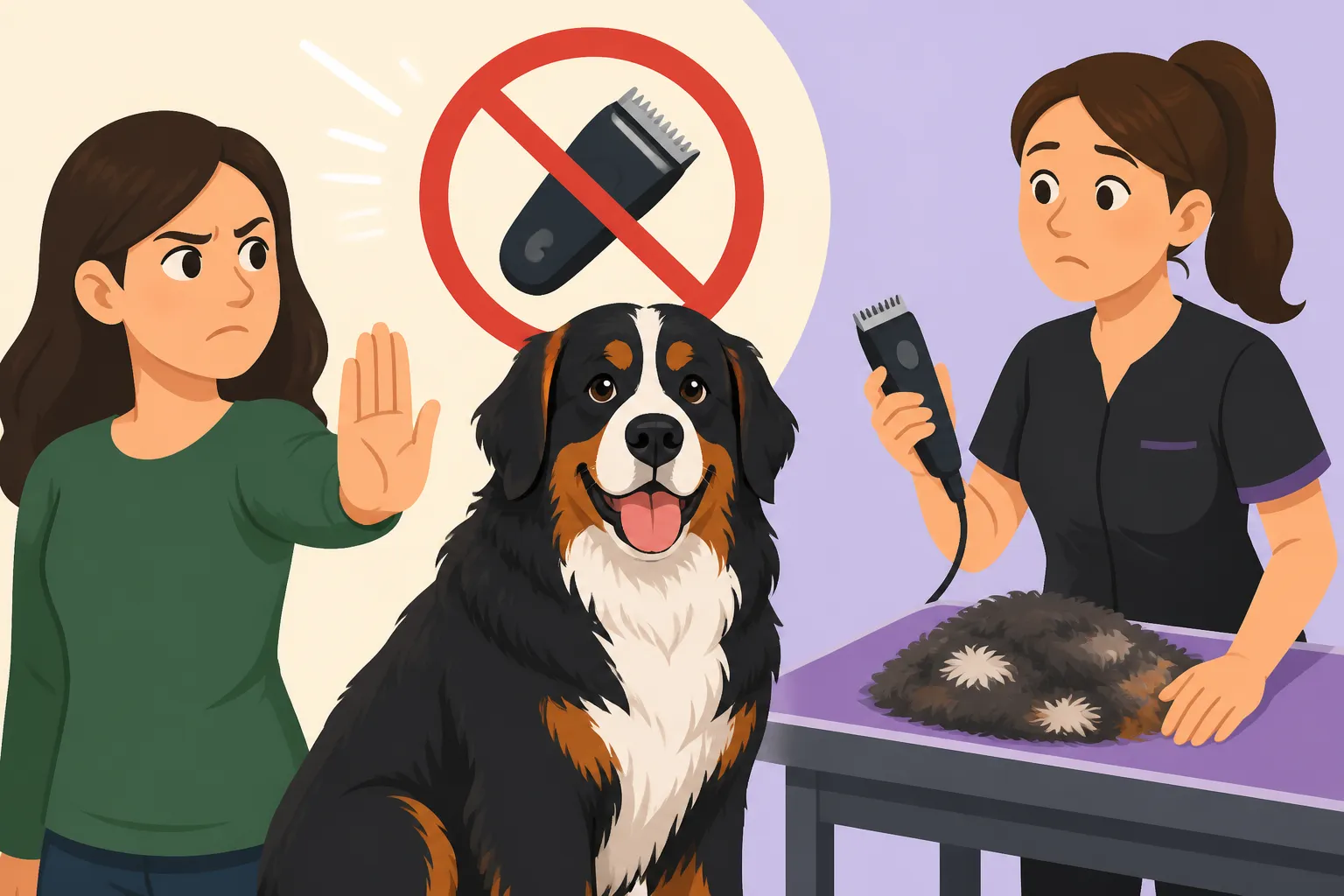
It's a familiar scenario for many Bernese Mountain Dog owners: you drop off your majestic, fluffy companion at the groomer, explicitly asking for a deshed, a trim, anything but a full shave. Yet, you return to a dog that looks shockingly different, perhaps even bewildered, their beautiful double coat gone. This guide is all about empowering you to communicate effectively with your groomer and understand why shaving a Bernese Mountain Dog is usually not in their best interest, ensuring your beloved Berner comes home looking, and more importantly, feeling their best.
Understanding the Bernese Mountain Dog's Unique Coat and Why Shaving Harms It
Let's get one thing straight: your Berner’s thick, luxurious double coat isn't just for show. It's a marvel of natural engineering, perfectly designed for their original purpose in the chilly Swiss Alps. Shaving this coat, even with the best intentions, can actually do more harm than good, disrupting their natural thermoregulation and leaving them vulnerable.
The Double Coat: Nature's Thermostat
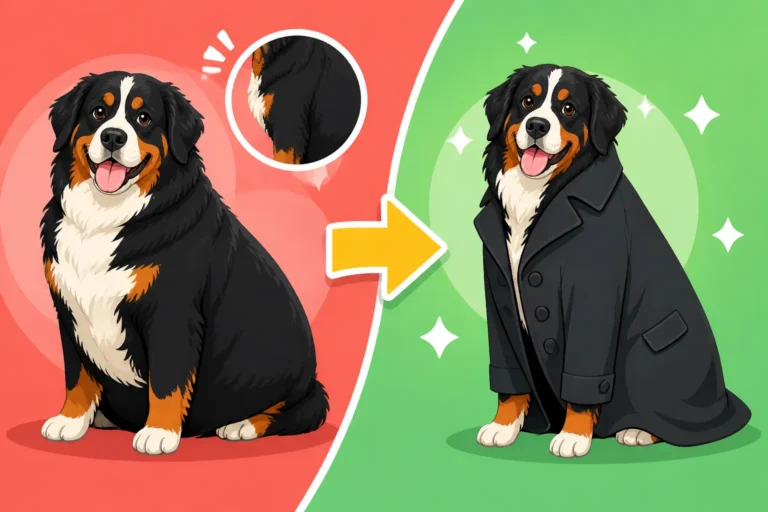
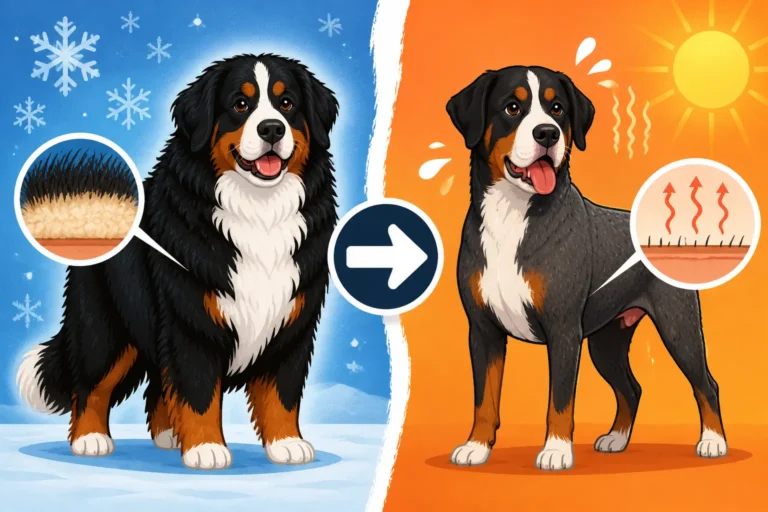
Many people, even some well-meaning groomers, mistakenly believe that shaving a thick-coated dog like a Bernese Mountain Dog will help them stay cooler in warm weather. It seems logical, right? Less hair, less heat. But for double-coated breeds, this couldn't be further from the truth. Their coat acts like a natural thermos, providing insulation against both cold and heat. The dense undercoat keeps them warm in winter, while the longer, coarser guard hairs protect them from the sun's harsh rays and allow air to circulate close to the skin, keeping them cool. When you shave this off, you remove this crucial cooling mechanism. It’s like removing the insulation from your house in summer, expecting it to be cooler. Suddenly, the sun beats directly on their skin, and they can't regulate their temperature effectively.
The structure of their coat is specifically adapted to keep them comfortable in varied conditions. The guard hairs are stiff and provide a barrier, preventing debris from reaching the skin and protecting against moisture. The softer, woollier undercoat provides the bulk of the insulation. When both layers are present and well-maintained through regular brushing and deshedding, air can flow freely, keeping them surprisingly comfortable. This is why a thorough deshedding is always preferred over shaving.
Risks of Sunburn and Skin Damage
One of the most immediate and often overlooked consequences of shaving a Bernese Mountain Dog is the increased risk of sunburn. Their skin, accustomed to being protected by a thick layer of fur, is suddenly exposed to direct sunlight. Just like humans, dogs can get painful sunburns, which not only cause discomfort but can also increase their risk of skin cancer over time. This is especially true for Berners, who often have pinker skin underneath their darker fur.
Beyond sunburn, removing the protective coat can expose their skin to environmental irritants, allergens, and insect bites more easily. Without the natural barrier, minor scratches or skin irritations can become more problematic. Imagine spending all your time outdoors without clothing; your skin would quickly show the wear and tear. A Berner's skin is no different, relying on that magnificent coat for its first line of defense. Keeping a Bernese Mountain Dog cool during the hotter months is important, but shaving is rarely the answer. The Case Against Shaving a Bernese Mountain Dog in June explores this in more detail.
The Perils of Improper Coat Regrowth
Perhaps the most frustrating long-term effect of shaving a Bernese Mountain Dog is the potential for permanent coat damage, often referred to as "coat blow" or "clipping alopecia." When the double coat is shaved, the undercoat often grows back faster and thicker than the coarser guard hairs. This can lead to a soft, cottony, uneven texture that traps heat, mats more easily, and sheds profusely, creating a constant struggle for both you and your dog. Whether a Shaved Bernese Mountain Dog Recovers Its Coat goes into depth on this common concern.
It's a vicious cycle: the uneven regrowth becomes difficult to maintain, leading some owners (or even groomers) to believe it needs to be shaved again, perpetuating the problem. In some cases, the guard hairs may never fully grow back to their original length or texture, leaving your Berner with a permanently altered, less functional coat. This can be truly heartbreaking for owners who cherish their dog's natural appearance and appreciate the protective qualities of their fur. It takes a lot of time and patience, often months or even a year or more, for a damaged coat to regain its proper structure, and sometimes it never fully does.
Communicating Effectively with Your Groomer
The key to preventing an unwanted shave is clear, firm, and proactive communication. Don't assume your groomer knows your preferences or understands the specific needs of a double-coated breed like the Bernese Mountain Dog. Many groomers are trained on a wide variety of breeds and may not specialize in coat types like the Berner's.
Pre-Booking Discussions and Specific Instructions
Before you even book your appointment, have a detailed conversation with the groomer. This isn't just a quick phone call; ideally, it's a sit-down discussion where you can show them a photo of your dog (if they haven't met them yet) and explain your expectations. Clearly state: "My Bernese Mountain Dog has a double coat, and I absolutely do not want him shaved. My goal is a thorough deshedding and a tidy-up, not to remove his protective fur."
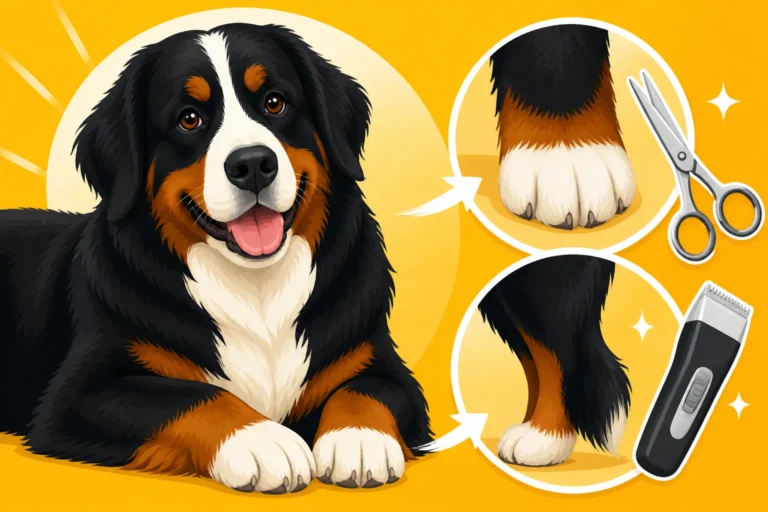
Be explicit about what you do want. Ask for a "full deshedding service," "tidy trim," "paw trim," "sanitary trim," and "feathering neatened." Use terms that leave no room for misinterpretation. Confirm they have experience with double-coated breeds and understand the risks associated with shaving. If they immediately suggest shaving for heat management, that's a red flag. Find another groomer. Many experienced Berner owners find it useful to emphasize that the coat provides insulation, not just warmth, and is vital for cooling.
Utilizing Visual Aids and Written Agreements
Sometimes, verbal instructions can be misunderstood or forgotten in a busy salon. Bring a photo of your Bernese Mountain Dog showing how you want them to look – specifically, a picture before any major grooming, or a picture of another Berner with the ideal coat length and style. You can even bring a "no-shave" disclaimer form that both you and the groomer sign, explicitly stating that shaving is prohibited.
A written agreement provides clarity and a reference point for both parties. It shows you are serious about your dog's welfare and coat health. Don't be afraid to be firm. Remember, you are your dog's advocate. This might sound excessive, but after hearing countless stories of well-meaning but misinformed groomers shaving Berners, taking these precautions can save you a lot of heartache. It’s about ensuring there’s no room for error, especially when your dog’s health and comfort are at stake.
Building a Relationship with a Berner-Savvy Groomer
Ideally, you want to find a groomer who truly understands and appreciates the Bernese Mountain Dog coat. Ask around in local Berner clubs, online forums, or even from your breeder for recommendations. A groomer who regularly works with double-coated breeds will have the right tools (like high-velocity dryers and specific deshedding rakes) and techniques, and more importantly, the knowledge.
Once you find a good groomer, stick with them! Building a long-term relationship fosters trust and ensures consistent care. They'll get to know your dog's individual coat type, temperament, and your specific preferences. They can become a valuable partner in maintaining your Berner's health and appearance, helping you navigate everything from seasonal shedding to keeping their feathering looking pristine. Think of it as finding a specialist who truly understands Grooming a Bernese Mountain Dog's Long Tricolor Coat.
Smart Alternatives to Shaving for a Comfortable Bernese
Instead of resorting to a shave, there are many effective and healthy ways to keep your Bernese Mountain Dog comfortable, especially during warmer months. These methods work with their natural coat, rather than against it.
The Power of Professional Deshedding
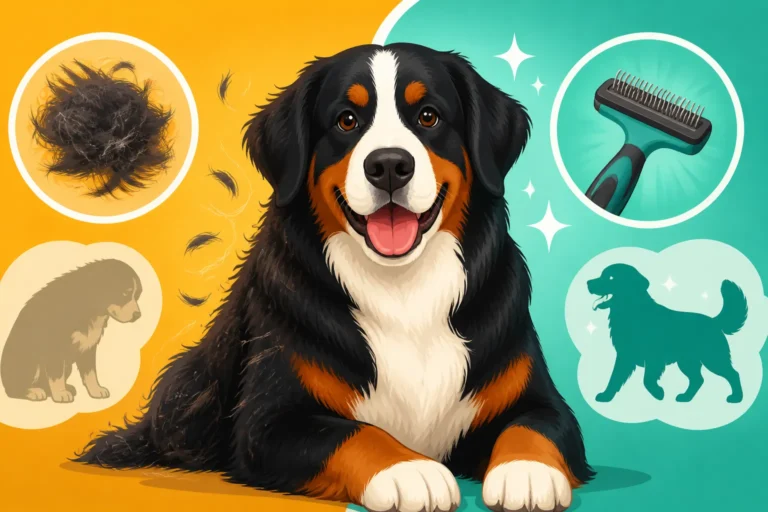
A thorough deshedding is the gold standard for maintaining a Bernese Mountain Dog's coat health and comfort. This process involves using specialized tools and techniques to remove loose undercoat, which is the primary source of heat retention and matting. A good deshedding session will thin out the undercoat, allowing air to circulate more freely, without compromising the protective guard hairs. This is crucial during seasonal "coat blows," especially in spring when they shed their winter undercoat. Spring, When a Bernese Mountain Dog's Undercoat Lets Go can be a real challenge without proper deshedding.
Professional groomers have powerful high-velocity dryers that blast out loose hair, along with brushes and rakes designed to reach deep into the undercoat. This is far more effective than what most owners can achieve at home, though home brushing is still vital between appointments. After a good deshed, you'll be amazed at how much lighter and softer your Berner's coat feels, and how much less hair you find around the house!
Keeping Your Berner Cool Indoors and Out
Beyond grooming, managing your Bernese Mountain Dog's environment is paramount for their comfort. Indoors, ensure they have access to cool, shaded areas. Air conditioning is a huge plus, especially in humid climates. Ceramic tiles or marble floors can offer a cool resting spot. Consider using cooling mats – many brands like Chewy or Amazon offer gel-filled or water-activated mats that dogs love. Make sure fresh, cool water is always available. You might even add ice cubes to their water bowl.
Outdoors, limit strenuous exercise to the cooler parts of the day, typically early mornings and late evenings. Avoid walking on hot pavement, which can burn their paw pads. Provide ample shade in your yard. A kiddie pool filled with shallow water can be a wonderful way for a Berner to cool off, allowing them to wade and splash. Remember that Berners, with their dark coats, can overheat quickly. Heat and the Bernese Mountain Dog's Black Coat is a serious consideration. Always monitor them for signs of overheating, like excessive panting, lethargy, or stumbling.
Daily Grooming: Your First Line of Defense
Regular home grooming is your absolute best defense against mats and discomfort, reducing the perceived "need" for shaving. Aim for several thorough brushing sessions each week, more frequently during shedding season. Invest in good quality tools specifically designed for double coats, such as a sturdy pin brush, an undercoat rake, and a slicker brush. Products from brands available on Amazon can be quite helpful.
Focus on working through all layers of the coat, making sure to reach the skin. Pay special attention to areas prone to matting, like behind the ears, under the legs, and the "trousers" on their hindquarters. Consistent brushing prevents mats from forming, which are often the primary reason groomers suggest shaving. If a mat becomes too tight, it can pull on the skin, causing pain and even skin infections. Regular brushing also distributes natural oils, keeping the coat healthy and shiny. For detailed advice, see Which Brush a Bernese Mountain Dog's Coat Needs.
Here's a quick comparison of shaving vs. proper grooming for Bernese Mountain Dogs:
| Feature | Shaving a Bernese Mountain Dog | Proper Deshedding & Grooming |
|---|---|---|
| Heat Regulation | Disrupts natural insulation, increases heat risk | Enhances natural cooling, allows airflow |
| Sun Protection | Removes protection, increases sunburn risk | Maintains natural barrier, prevents sunburn |
| Coat Health | Can cause permanent damage, uneven regrowth | Preserves coat texture and function |
| Matting | May temporarily remove mats, but regrowth mats easily | Prevents and manages mats effectively |
| Skin Health | Exposes skin to irritants, allergens, bites | Protects skin, reduces exposure |
| Appearance | Alters natural look, can lead to "cottony" coat | Maintains natural beauty and breed standard |
| Shedding | Shedding may continue (undercoat), often worse after regrowth | Significantly reduces shedding |
Addressing Groomer Misconceptions and Finding the Right Fit
It's tough when you're faced with a groomer who insists on shaving, or who seems to dismiss your concerns. But remember, you're the one paying for the service, and more importantly, you're responsible for your dog's well-being.
Understanding the Groomer's Perspective
Sometimes, a groomer's recommendation to shave comes from a place of perceived necessity, especially if your Berner arrives with significant matting. Severe mats can be incredibly painful to brush out and can even restrict blood flow or cause skin infections. In such extreme cases, shaving might indeed be the most humane option. However, this is usually a last resort for neglected coats, not a routine solution for healthy fur. If your Berner is severely matted, discuss with the groomer why shaving is necessary and what steps you can take to prevent it in the future.
Another reason groomers might suggest shaving is simply habit or a lack of specific knowledge about certain breeds. They might treat a Bernese Mountain Dog the same way they'd treat a Poodle or a Golden Retriever, without understanding the fundamental differences in coat structure. Some might also cater to client requests, as many owners do believe shaving helps with heat or shedding. This is where your proactive education and firm instructions become vital.
Advocating for Your Dog and Standing Your Ground
Don't be afraid to politely but firmly reiterate your instructions. "I understand you might think shaving would help, but for a Bernese Mountain Dog, it actually works against their natural cooling system and can damage their coat permanently. I really only want a deshedding and a trim." If they push back or show reluctance, clarify that this is a non-negotiable instruction. You can explain that you've done your research on Bernese Mountain Dog coats and understand their specific needs.
If you sense a strong disagreement or discomfort from the groomer, it's okay to say, "Perhaps this isn't the right fit, then. I need a groomer who is comfortable working with my Bernese Mountain Dog's double coat without shaving it." Your priority is your dog's health and comfort, and you have every right to choose a professional who respects that.
When It's Time to Find a New Groomer
If, despite your best efforts, a groomer still shaves your Bernese Mountain Dog against your explicit instructions, or if they consistently push back on your preferences, it's time to find a new one. It's frustrating, and finding a good groomer can feel like a quest, but it's essential for your dog's long-term health and your peace of mind. Ask for recommendations from other Bernese Mountain Dog owners in your area or through breed-specific online communities. They often know who the "Berner-friendly" groomers are.
A professional groomer should be happy to answer your questions, discuss your dog's specific needs, and respect your wishes. When you find a groomer who understands The Bernese Mountain Dog's Black Coat and its importance, you'll feel much more confident leaving your furry family member in their care. It might take a few tries, but a groomer who aligns with your understanding of proper Bernese Mountain Dog coat care is invaluable.
Disclaimer
This article is for general informational purposes only and does not constitute professional advice. Laws, prices and regulations vary by location and change over time. Consult a qualified professional for guidance on your specific situation.