Bathing a Bernese Mountain Dog With Bad Hips
Bathing a majestic Bernese Mountain Dog is already a task that requires planning and a bit of elbow grease, but when your beloved Berner is dealing with bad hips, it transforms into an entirely different challenge. The fear of causing pain, the struggle with their massive weight, and the worry about slips and falls can make bath time a source of immense stress for both you and your furry companion. This comprehensive guide is here to walk you through compassionate, practical, and safe methods to bathe your Bernese Mountain Dog with hip issues, ensuring their comfort and your peace of mind.
The Unique Challenges of Bathing a Berner with Hip Issues
Let's be honest, bathing a large dog like a Bernese Mountain Dog is never a quick splash in the tub. Their sheer size, thick double coat, and often affectionate "lean" mean you're already navigating a lot. Add compromised hips into the mix, and you're faced with a whole new set of considerations. It's not just about getting them clean; it's about doing so without exacerbating their pain or causing further injury.
Understanding the Pain and Instability
Bernese Mountain Dogs are unfortunately prone to joint issues, and bad hips are a common concern as they age or even earlier due to conditions like hip dysplasia. Joint Disease in a Hundred Pound Bernese Mountain Dog is a reality for many families. When your Berner has bad hips, every movement can potentially cause discomfort. Imagine trying to stand on a slippery surface while your hips ache, and you can begin to understand what your dog might be experiencing. They might compensate by shifting weight, which can put strain on other joints or muscles. The act of standing for an extended period, lifting a paw, or even trying to balance can lead to sharp pain or a dull, throbbing ache. This underlying pain means their ability to cooperate or even tolerate certain positions during a bath is severely limited. They might tense up, vocalize, or try to escape not out of defiance, but because they are genuinely hurting and afraid.
Furthermore, bad hips often come with instability. The joint might not offer the same secure support it once did, making them wobbly or prone to collapsing, especially on slick surfaces. This isn't just uncomfortable; it's genuinely frightening for the dog. They might hesitate to move, or become anxious at the prospect of losing their footing. Understanding this fundamental aspect of their condition is the first step towards a more empathetic and effective bathing strategy.
The Risk of Slips and Falls
This instability is directly linked to the heightened risk of slips and falls, which is perhaps the biggest concern for any owner bathing a dog with compromised mobility. A bathtub or shower stall, already slippery with water and soap, becomes a treacherous environment for a dog struggling with hip pain. A sudden slip can cause a severe injury, from a torn ligament to a fracture, or could worsen their existing hip condition. Even a minor stumble can be incredibly painful and create a lasting negative association with bath time. We often talk about Hips That Fail Under a Bernese Mountain Dog's Weight, and a fall can be the very event that leads to significant decline.
Beyond the immediate physical danger, the fear of slipping can make your Bernese extremely anxious and uncooperative. They might brace themselves, becoming stiff and resistant, which paradoxically increases their risk of falling. They might refuse to step into the bathing area, or cling to you desperately, making the whole process more difficult and potentially dangerous for both of you. Protecting them from falls is paramount, not just for their physical safety, but for their mental well-being and trust in you.
Emotional and Behavioral Responses to Discomfort
A dog's pain isn't always obvious, but it often manifests in behavioral changes. A Bernese with hip pain might become more withdrawn, less eager for walks, or even snap if touched in a sensitive area. During bath time, these responses can escalate. Your usually docile Berner might resist entering the tub, whine, shake, or try to jump out. These aren't signs of being "naughty"; they are clear indicators of discomfort, fear, or anxiety related to their physical state.
It's crucial to remember that your dog isn't trying to make your life harder. They are communicating their distress in the only way they know how. Ignoring these signals can erode their trust and make future grooming sessions even more challenging. Being tuned into their body language – a tucked tail, flattened ears, wide eyes, or excessive panting – will help you adjust your approach and ensure their emotional comfort is prioritized alongside their physical safety. Some Berners, even if they're otherwise stoic, might show subtle signs of being uncomfortable. They might flinch a little when you touch their hindquarters, or shift their weight constantly. Paying attention to these subtle cues can make all the difference in making bath time a less traumatic experience for them.
Setting Up for Success: Preparation is Key
When you're dealing with a large dog like a Bernese Mountain Dog, especially one with mobility issues, proper preparation isn't just helpful; it's absolutely essential. Trying to wing it with a hundred-pound dog who can barely stand on their own can lead to frustration, potential injury, and a very unhappy Berner. A little planning goes a long way in making the experience smoother and safer for everyone involved.
Creating a Safe and Accessible Bathing Environment
The first step is to choose and prepare your bathing location carefully. For a Bernese with bad hips, the standard bathroom tub might not be the best option, especially if it requires a high step to get in and out. If your Berner is small enough or still somewhat mobile, and you must use a regular tub, invest in a high-quality, non-slip mat that covers the entire floor of the tub. This is non-negotiable. Look for mats that have strong suction cups and a textured surface to provide maximum grip.
A walk-in shower might be more accessible, or even an outdoor wash station with warm water, if weather permits. For dogs with significant mobility challenges, a dedicated dog grooming tub with a ramp or a hydraulic lift is ideal, but these are often found in professional grooming salons. If you don't have access to one, consider how you can modify your home setup. Can you use a large plastic tub on the floor in a warm area, where your dog can easily step in and out? The goal is to minimize the height they need to step over and provide a stable, non-slip surface throughout.
Think about the water temperature too. Lukewarm water is best – not too hot, not too cold. Extreme temperatures can be shocking or uncomfortable, especially if your dog is already feeling vulnerable. Ensure you have plenty of towels readily available before you start, as well as shampoo, conditioner, and any other bathing tools. Having everything within arm's reach means you won't have to leave your dog unattended or struggle to grab items while trying to support them.
Essential Tools and Aids for Support
Having the right equipment can make a world of difference. Here's a quick rundown:
- Non-slip Mats: As mentioned, critical for any bathing surface. You can find excellent options on sites like Chewy or Amazon.
- Dog Ramps: If your Berner can still manage a gentle incline, a sturdy dog ramp can help them get into an elevated tub or even a human bathtub more easily, reducing the strain on their hips. Make sure the ramp is wide enough and has a good non-slip surface.
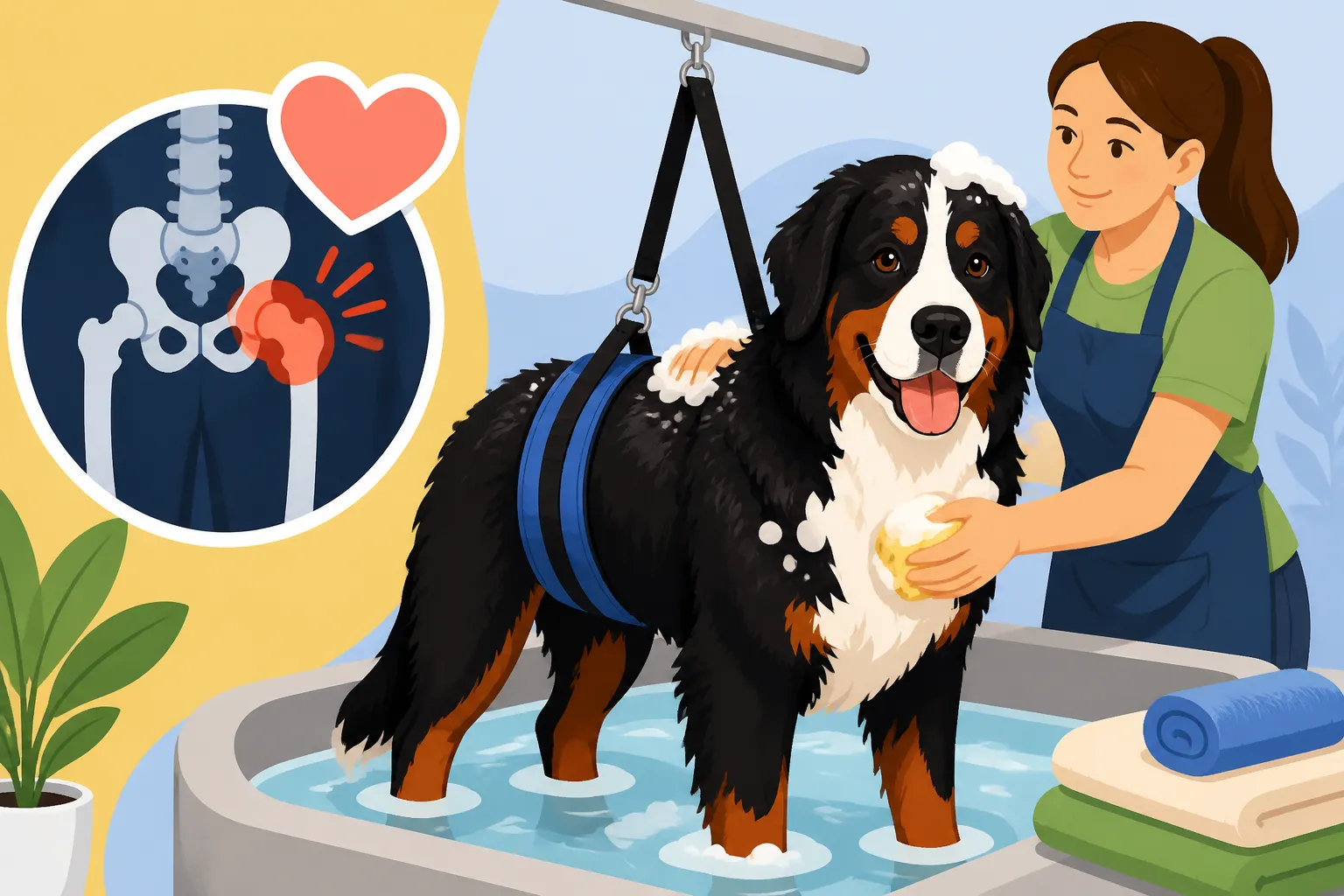
- Support Harnesses/Slings: For dogs with severe hip issues, a rear-end support harness or a full-body lifting sling can provide invaluable assistance. These allow you to take some of their weight off their hips, helping them stand and maintain balance. You can gently support their hindquarters as they stand or move.
- Long-handled Brushes/Combs: To minimize bending and awkward positions for both you and your dog, use brushes with extended handles. This allows you to reach all areas of their thick coat without excessive maneuvering.
- Gentle Nozzle Sprayer: A handheld sprayer with adjustable water pressure is much easier to use than trying to cup water over your Berner. It allows for thorough rinsing without having to contort your dog into uncomfortable positions.
- High-Absorbency Towels and a Force Dryer: Drying a Bernese Mountain Dog takes time, and leaving them damp can lead to skin issues. Microfiber towels are great for initial absorbency, but a force dryer (a powerful, motor-driven dryer designed for pets) is a game-changer. It blasts water off their coat, significantly reducing drying time and preventing chill. This is especially important for arthritic dogs, as dampness and cold can exacerbate joint pain.
| Aid/Tool | Purpose | Benefits for Bad Hips | Considerations |
|---|---|---|---|
| Non-slip Mats | Provides secure footing in tub/shower | Prevents slips, reduces fear of falling, stability | Must cover entire surface, suction strong, good texture |
| Dog Ramps | Assists entry/exit from elevated surfaces | Minimizes high steps, reduces impact on joints | Ensure adequate width, non-slip surface, appropriate incline |
| Support Harness/Sling | Assists lifting/supporting hindquarters | Takes weight off painful hips, aids standing/mobility | Proper fit is crucial, practice before bath day |
| Long-handled Brushes | Reaches all areas of the coat | Reduces bending/twisting for dog, less strain on you | Choose soft bristles for sensitive skin |
| Handheld Sprayer | Directs water efficiently for rinsing | Avoids awkward positions, thorough rinsing | Adjustable pressure for comfort |
| Force Dryer | Rapidly dries thick coat | Prevents dampness-related chill, faster drying | Can be noisy, introduce slowly, use ear protection |
Mental Preparation for Both You and Your Berner
Believe it or not, your own demeanor plays a huge role in how your Bernese will handle bath time. If you're stressed, rushed, or anxious, your dog will pick up on it immediately. Approach the task with a calm, patient, and positive attitude. Use a soothing voice and offer plenty of verbal praise.
For your Berner, mental preparation involves positive association and minimizing surprises. If they're resistant to the bathing area, use high-value treats to lure them in without water, letting them investigate and get comfortable. You can practice stepping onto the non-slip mat or walking up the ramp a few times outside of bath time. The Weekly Handling a Bernese Mountain Dog Should Accept includes getting them used to having their feet, legs, and tail touched. This builds confidence and makes the actual bath less of a shock.
If your dog is particularly anxious, consider giving them a puzzle toy stuffed with a favorite treat during the bath, if feasible. The distraction can help them tolerate the process. For some Berners, a familiar blanket or towel draped nearby can also offer a sense of security. The goal is to make them feel as safe and supported as possible, turning a potentially frightening experience into a manageable one.
Gentle Bathing Techniques and Strategies
Now that you're well-prepared, it's time to actually get your Berner clean. Remember, every movement needs to be deliberate, slow, and focused on minimizing strain and maximizing comfort. This isn't a race; it's a careful dance between cleaning and caring for their delicate hips.
Approaching the Wash: Slow and Steady Wins the Race
The first step is getting your Berner into the bathing area. If you have a ramp, guide them gently up, offering treats and praise. If you're using a low tub, encourage them to step in slowly. Avoid pulling or forcing them, as this can cause them to panic and potentially injure themselves further. If using a support harness, ensure it's properly fitted and use the handles to provide gentle assistance as they move.
Once in position, start with lukewarm water, applying it slowly with your handheld sprayer. Begin at their paws and work your way up their body, allowing them to get used to the sensation. Many dogs dislike water directly on their face or ears, so clean those areas with a damp washcloth later. Focus on saturating their coat thoroughly, which can take some time given their dense double layer.
When it comes to shampooing, use a gentle, moisturizing dog shampoo. Avoid harsh chemicals that can irritate their skin. Work the shampoo into their coat section by section, starting from the neck and working towards the tail and legs. Pay close attention to areas where dirt and debris accumulate, like their "trousers" on their hind legs and their paw pads. Throughout this process, speak in a calm, reassuring voice. Keep an eye on their body language; if they show signs of distress, pause, offer comfort, and consider if you need to adjust your technique.
The Art of Support During the Bath
This is perhaps the most critical aspect when bathing a Bernese with bad hips. Your hands are your dog's extra stabilizers. Always keep one hand on your dog, providing steady support, especially around their hindquarters.
If your Berner struggles to stand, you might need to find a way for them to lean against something stable, or even lay down if your bathing setup allows. If they are lying down, you'll need to be extra diligent in reaching all areas of their coat. A gentle rear-end support harness can be incredibly helpful here. With one hand on the harness handle, you can lightly bear some of their weight, allowing them to feel more stable and less pressure on their hips.
When you need them to shift their weight, do so slowly and deliberately. Avoid sudden movements or jerks. If they need to turn, gently guide them by the chest or shoulders, never pulling directly on their legs or tail. For instance, if you're washing one side, you might gently encourage them to lean against the side of the tub for support while you work. Remember, the goal is to make them feel secure, not to force them into positions that cause pain. If you're ever concerned about your ability to support your Berner adequately, consider enlisting a second person to help; one person can focus solely on stabilization and comfort, while the other handles the washing.
Rinsing and Drying with Care
Thorough rinsing is essential to prevent skin irritation. Any leftover shampoo residue can cause itching and discomfort. Using your handheld sprayer, rinse from top to bottom, making sure to get deep into their thick undercoat. Again, be mindful of water temperature and pressure. It can feel like it takes forever to rinse a Bernese, but patience here will save you headaches later.
Once rinsed, the drying process needs to be handled with as much care as the bath itself. Start by gently squeezing excess water from their coat with your hands, then use those high-absorbency towels to blot and pat them dry. Avoid vigorous rubbing, which can pull on their fur and skin, or cause them to lose their balance.
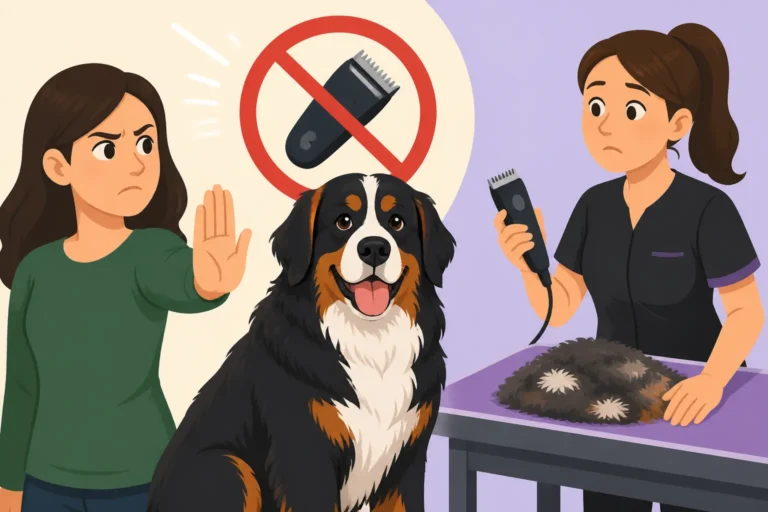
This is where a force dryer really shines. It's not just about speed; it's about minimizing the amount of physical manipulation needed. Hold the nozzle a safe distance from their skin and move it continuously. Introduce the dryer slowly, starting on a low setting and away from their head, to help them get accustomed to the noise and sensation. Many Berners appreciate the warm air and the massage-like feeling, but some can be startled by the noise. If your dog is noise-sensitive, you might use an ear cover designed for dogs, or simply take it very slowly with lots of treats and praise. The Case Against Shaving a Bernese Mountain Dog in June is a good reminder that their coat is vital insulation, so proper drying is key, and shaving should be avoided. Ensure they are completely dry to the skin to prevent matting and hot spots, especially important for older dogs or those with limited mobility who might not groom themselves as effectively.
Post-Bath Comfort and Long-Term Hip Care
Bathing is just one piece of the puzzle. Once your Bernese is clean and dry, the care continues. Thinking about their comfort immediately after the bath and integrating a long-term strategy for hip health will help ensure they lead the most comfortable life possible.
Immediate Aftercare for Sore Hips
After the bath, your Bernese Mountain Dog might feel a bit tired or stiff, especially if their hips are particularly sore. Guide them to a comfortable, warm, and draft-free spot. This is the perfect time for them to relax on an orthopedic dog bed. These beds are specifically designed to provide superior support for joints, cushioning pressure points and offering relief to aching hips and elbows. You can find excellent orthopedic beds on Amazon or Chewy, often with memory foam components that conform to your dog's body. Bedding for an Arthritic Bernese Mountain Dog can make a huge difference in their daily comfort.
Offer them fresh water and a favorite treat as a reward for their cooperation. If your Berner is on pain medication or joint supplements, ensure they receive their regular dose. Some veterinarians might recommend a short, gentle massage for their legs and hips if your dog tolerates it well and it seems to provide relief. However, only do this if you're confident in your technique and your dog isn't showing signs of increased pain. Observe them for any limping, favoring a leg, or unusual stiffness over the next few hours. If you notice anything concerning, don't hesitate to contact your veterinarian.
Maintaining Joint Health Beyond Bath Time
Bathing is just one touchpoint in the broader spectrum of managing hip issues in a Bernese Mountain Dog. Consistent, proactive care is what truly makes a difference in their quality of life. Regular, low-impact exercise, such as short, controlled walks or swimming in a heated therapy pool, can help maintain muscle strength around the hips without putting excessive strain on the joints. Hydrotherapy for an Arthritic Bernese Mountain Dog is a wonderful option for many. Avoid high-impact activities, jumping, or prolonged strenuous exercise.
Diet also plays a crucial role. Maintaining a healthy weight is paramount, as every extra pound adds stress to already compromised joints. Work with your vet to ensure your Berner is on an appropriate diet for their age and activity level. Many large breed formulas contain joint-supporting ingredients, and supplements like glucosamine and chondroitin can be beneficial, though always consult your vet before adding any supplements to their regimen. Brands like Chewy and Amazon offer a wide range of joint supplements.
Regular veterinary check-ups are vital for monitoring the progression of hip issues and adjusting pain management strategies as needed. Your vet can recommend anti-inflammatory medications, physical therapy, or other interventions that can improve your Bernese Mountain Dog's comfort. Arthritis in a Bernese Mountain Dog by Six is a common reality, and ongoing management is key. Consider asking your vet about things like Pain Medication Costs for an Arthritic Bernese Mountain Dog so you are prepared for potential ongoing expenses.
Finally, continue to provide a supportive home environment. This means ensuring non-slip surfaces throughout your home, especially on hard floors, and using ramps or steps to help them access furniture or vehicles if they struggle. Helping an Old Bernese Mountain Dog Up Stairs can prevent further injury. Being proactive, empathetic, and patient will allow your Bernese Mountain Dog with bad hips to live a life that is as comfortable and happy as possible, even with the challenges of grooming and mobility.
Disclaimer
This article is for general informational purposes only and does not constitute professional advice. Laws, prices and regulations vary by location and change over time. Consult a qualified professional for guidance on your specific situation.