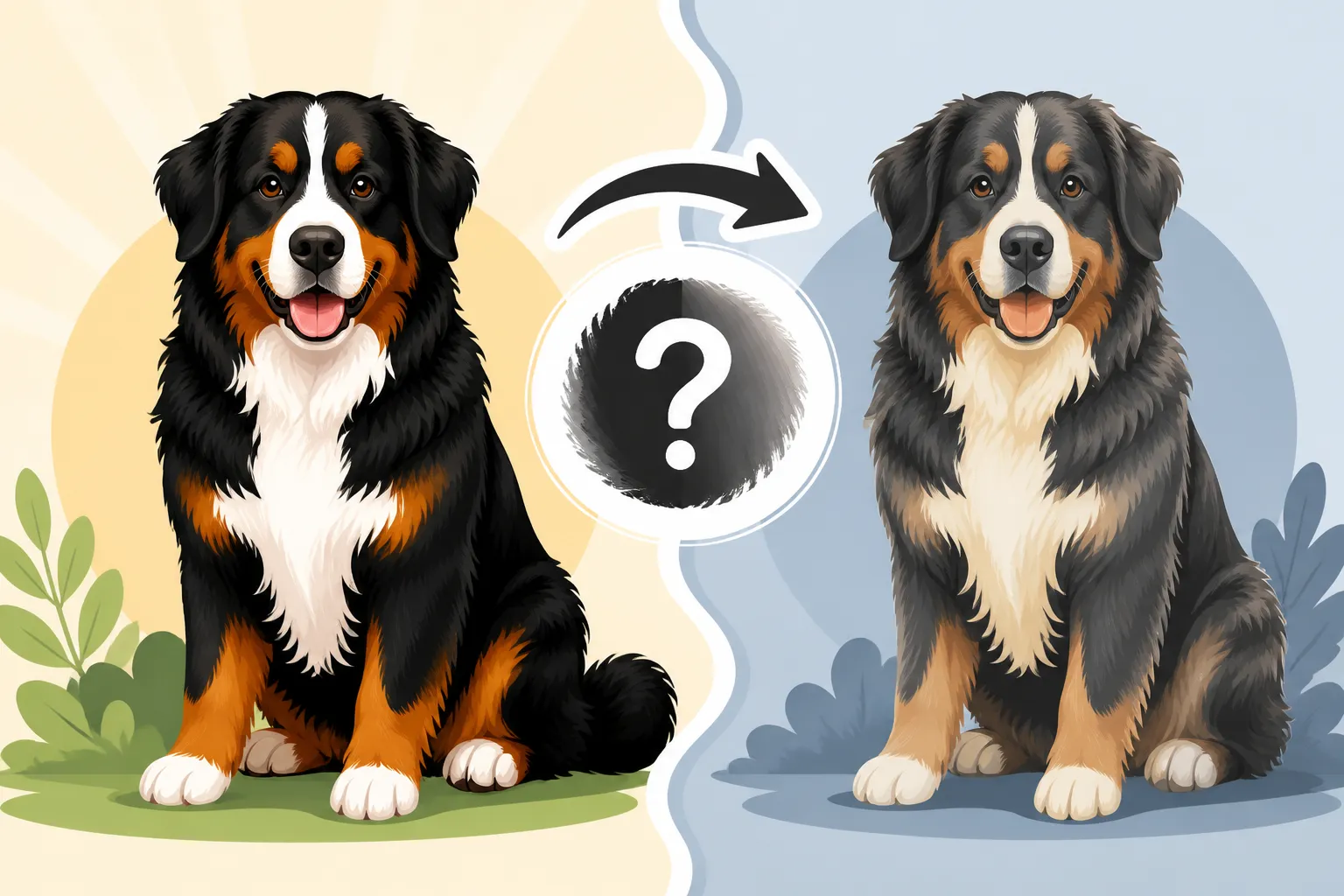
Whether a Bernese Mountain Dog’s Black Coat Fades
It’s a common sight for us Berner parents: that once-lustrous, deep black coat that starts to take on a brownish, reddish, or even rusty hue over time. You cherish every strand of that gorgeous tricolor coat, and when you notice the black fading, it's natural to feel a pang of worry. Is it normal? Is it a sign of something deeper? This guide will dive deep into why your beloved Bernese Mountain Dog’s black coat might be losing its rich pigment and what, if anything, you can do about it.
Understanding Bernese Mountain Dog Coat Pigmentation
Our Berners are iconic for their stunning tricolor coats: deep black, crisp white, and rich rust or tan markings. The black is usually the dominant color, and it’s meant to be a striking, intense shade. This black coloration comes from a pigment called eumelanin. When this pigment is produced consistently and in abundance, the coat appears dark and vibrant. Any disruption to the production, deposition, or integrity of eumelanin can lead to a perceived fading or lightening of the black areas. It's not just about aesthetics; sometimes, a change in coat color can be a subtle indicator of other factors at play.
The Science Behind the Black Color
Think of eumelanin like the toner in your printer. If there's plenty of it, and it's applied smoothly, you get a sharp, dark image. In dogs, eumelanin is responsible for black and brown pigment. The genetic makeup of a Bernese Mountain Dog ensures that the cells producing hair shaft pigment primarily produce eumelanin in the black sections of their coat. These pigment granules are then deposited into the growing hair shafts. The intensity and depth of the black depend on the size, shape, and density of these eumelanin granules, as well as how they are arranged within the hair. When any of these factors are compromised, the black can appear diluted or faded, sometimes making it look more like a dark brown or reddish tone. It’s not that the hair is changing color per se, but rather that the density or quality of the black pigment within it is diminishing.
Distinguishing True Fading from Other Changes
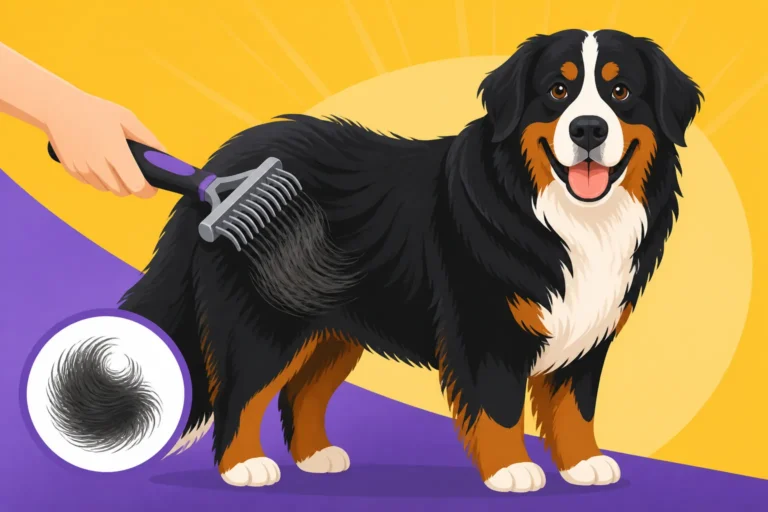
It’s important to differentiate between genuine fading and other natural coat changes. For instance, sometimes a coat might appear duller due to a buildup of oils, dirt, or even residues from certain shampoos. This isn't fading; it's just a lack of vibrancy that can often be resolved with proper Grooming a Bernese Mountain Dog's Long Tricolor Coat. Another common change, especially as our Berners age, is the appearance of gray hairs around the muzzle, eyes, and sometimes even scattered through the black coat. This is distinct from fading, which usually presents as the black sections developing a reddish or brownish tint rather than turning gray. A truly faded coat will show a distinct shift in the hue of the black, moving away from a deep, cool black to a warmer, often sun-bleached appearance.
Environmental Factors and Coat Fading
The world around our Berners, from the sunshine they bask in to the chemicals they might encounter, plays a significant role in their coat's appearance. These are often the most noticeable and sometimes the easiest factors to address when you're trying to keep that glorious black coat looking its best.
The Impact of Sun Exposure
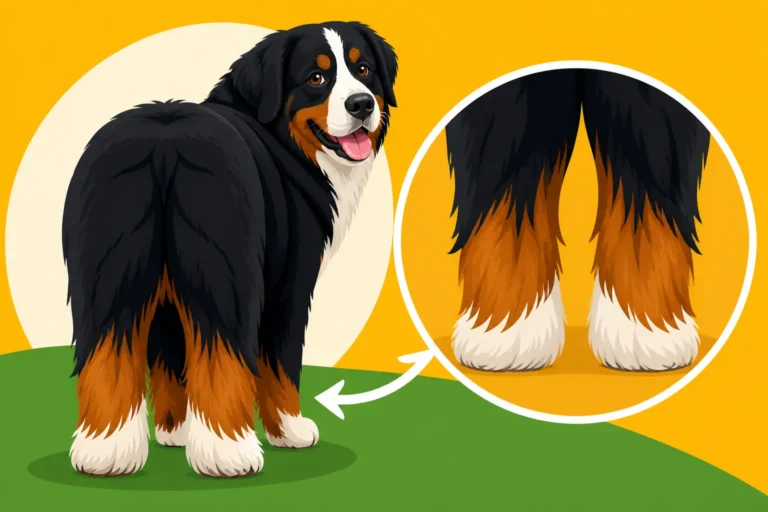
This is probably the most common culprit when you see that beautiful black coat turning a rusty red or brown, especially along the back, shoulders, and sides. Just like our own hair, a dog's coat is susceptible to UV damage from the sun. The sun's rays literally break down the eumelanin pigment in the hair shaft. It’s a process called photo-oxidation, and it essentially "bleaches" the black pigment. Think about a black piece of fabric left in a sunny window – over time, it will lighten and take on a faded, often reddish, cast. The same thing happens to your Bernese Mountain Dog's fur.
Our Berners, with their thick double coats, often love to lounge in sunny spots, whether it's out in the yard or near a window indoors. While it’s wonderful to see them enjoying the warmth, prolonged exposure, especially during peak sun hours, can really accelerate this fading process. You might notice it more prominently after a summer of outdoor adventures. Even short, daily sunbathing sessions can add up over weeks and months. This is particularly noticeable on the guard hairs, the longer, coarser hairs that form the outer layer of their coat, as they are most exposed to the elements.
Chemical Exposure and Coat Discoloration
While less common than sun exposure, certain chemicals can also affect your Berner's coat color. Some shampoos, especially those with harsh detergents or ingredients not specifically formulated for dark coats, can strip natural oils and even alter pigment over time. Products designed to brighten white coats, for example, might have a subtle bleaching effect that could negatively impact the black sections if used improperly or too frequently.
Beyond grooming products, environmental chemicals can also play a role. If your Berner frequently rolls in chemically treated grass (pesticides, herbicides) or swims in chlorinated pools, these substances can interact with the hair shaft, leading to discoloration. The chlorine in pool water, for instance, is a powerful oxidant and can certainly lead to a reddish tint in dark fur over time. Even licking certain household cleaners or having residue from them on their fur can subtly impact coat color. Always read labels carefully on any product you use on or around your Bernese Mountain Dog, and when in doubt, opt for pet-safe, natural solutions, perhaps sourced from reliable retailers like Chewy or Amazon.
Nutritional and Health-Related Causes
Beyond what's happening on the surface, the internal health and nutrition of your Bernese Mountain Dog play a crucial role in maintaining that vibrant black coat. Sometimes, a fading coat isn't just cosmetic; it's a whisper from their body indicating something needs attention.
The Role of Diet and Supplements
A dog's coat is a direct reflection of its overall health and, particularly, its diet. If your Berner’s black coat is looking dull or developing a reddish tinge, one of the first things to consider is their food. High-quality protein, essential fatty acids (especially Omega-3s and Omega-6s), and certain vitamins and minerals are vital for healthy skin and coat.
Foods that are low in these crucial nutrients, or those with poor quality ingredients, might not provide the building blocks needed for strong, richly pigmented hair. For example, some commercial dog foods rely heavily on plant-based proteins that aren't as bioavailable as animal proteins, or they might use fillers that offer little nutritional value. A deficiency in copper, a trace mineral, can sometimes lead to a "rusting" or reddish discoloration in black coats because copper is essential for melanin production. Similarly, a lack of tyrosine, an amino acid, can impact eumelanin synthesis.
Consider talking to your vet about adding specific supplements, like high-quality fish oil (rich in EPA and DHA), if your dog's diet isn't providing enough. Many premium dog food brands, like some options available on Chewy or even specialized fresh food services like Ollie, focus on providing balanced nutrition to support overall health, including coat quality. It's often worth reviewing the ingredients list of your current food and ensuring it meets the specific needs of a large breed dog with a demanding coat. Sometimes, simply switching to a higher quality, more balanced diet can make a noticeable difference over a few weeks or months.
Underlying Health Conditions
While often overlooked, certain health conditions can manifest through changes in coat quality and color. If you've addressed environmental factors and diet, and the coat fading persists or is accompanied by other symptoms, it’s time for a vet visit.
- Hypothyroidism: This is a common endocrine disorder in dogs, where the thyroid gland doesn't produce enough thyroid hormone. One of the classic signs of hypothyroidism is a dull, dry, brittle coat, often accompanied by hair loss (alopecia) and sometimes a thinning or fading of coat color. The skin might also become flaky or thickened. If you suspect this, your vet can run a Thyroid Testing a Sluggish Bernese Mountain Dog to check hormone levels.
- Liver Disease: The liver plays a critical role in metabolizing nutrients and detoxifying the body. If the liver isn't functioning optimally, it can affect the overall health of the dog, including the coat. While not a direct cause of fading black pigment, liver issues can lead to a generally poor coat condition, making it appear less vibrant.
- Skin Infections or Allergies: Chronic skin inflammation, whether from allergies, bacterial infections, or fungal issues, can damage hair follicles and affect hair growth and pigment. Constant scratching or licking due to irritation can also physically damage the hair shafts, leading to a duller, weaker coat that might appear faded. If your Berner is constantly scratching or has Itching Under a Bernese Mountain Dog's Thick Coat, this could be a contributing factor.
- Autoimmune Diseases: In rare cases, certain autoimmune conditions can affect pigment production, leading to patches of discolored or depigmented hair. These are usually more distinct and less uniform than general fading, but they are a possibility.
- Cancer: Though it's a scary thought, certain types of cancer can lead to systemic changes that impact coat health and appearance. If the fading is sudden, severe, or accompanied by other alarming symptoms like weight loss, lethargy, or lumps, a full The Bernese Mountain Dog Health Panel is definitely in order.
These health issues often come with other symptoms, so pay attention to your Berner's overall behavior, energy levels, appetite, and any other changes.
Natural Aging and Genetic Factors
Just like us, our Berners change as they get older, and their genes hold a blueprint for much of their life, including the characteristics of their magnificent coat. Some aspects of coat fading are simply a part of their journey through life.
Normal Aging Process and Coat Changes
As a Bernese Mountain Dog ages, their coat, like the rest of their body, undergoes natural changes. The most obvious is often the graying around the muzzle and eyes, which is affectionately known as "sugar face." However, beyond the graying, you might also notice a subtle dulling or even a mild reddish-brown tint appearing in the black sections of their coat.
This isn't necessarily a sign of illness; it's often a normal part of the aging process. The cells responsible for producing eumelanin pigment can become less efficient over time, producing fewer or less potent pigment granules. The hair shafts themselves might become finer or more brittle, which can also affect how light reflects off the coat, making it appear less intensely black. You might notice the texture changes, too – perhaps a slightly coarser feel or a less dense undercoat. While we can’t stop time, providing excellent care for Caring for a Bernese Mountain Dog After Six can help maintain the coat's health and minimize any age-related dullness. Regular grooming and a supportive diet are still key, even for our senior companions.
Genetic Predisposition to Fading
Genetics play a foundational role in every aspect of a dog's physical traits, and coat color is no exception. While all Bernese Mountain Dogs are genetically predisposed to have a tricolor coat with black being the dominant dark pigment, there can be subtle variations in the genetic coding that influence the intensity and stability of that black pigment.
Some Berners might simply carry genes that result in a black coat that is more prone to sun bleaching or more likely to develop a reddish hue even without excessive sun exposure. This isn't a fault or a health issue, just a natural genetic variation. You might notice this pattern within certain family lines if you observe multiple dogs from the same lineage exhibiting similar coat fading characteristics. For instance, some lines might consistently produce dogs with a very deep, rich, jet-black coat that holds its color well, while others might tend towards a slightly softer, browner black that fades more readily. There's not much you can do about genetic predisposition, of course, but understanding it can help manage expectations and avoid unnecessary worry. A reputable breeder will often be able to speak to the coat quality and longevity of color in their lines, giving you an idea of what to expect as your puppy matures.
Strategies to Maintain Coat Health and Color
While some fading is natural or genetically determined, there's a lot you can do as a dedicated Berner owner to support that beautiful black coat and keep it looking its best for as long as possible. It's all about proactive care and attention to detail.
Protecting Against Environmental Damage
Since sun exposure is a major culprit in coat fading, minimizing its impact is a great first step. This doesn't mean keeping your Berner indoors all the time, which would be impossible and unfair to such an active breed! Instead, think about smart sun management.
- Shade Management: If your Berner loves to lounge in the yard, ensure they have access to ample shade, especially during the hottest parts of the day when UV rays are strongest (typically 10 AM to 4 PM). Trees, shade sails, or even a covered patio can make a huge difference. For indoor sun-worshippers, consider drawing curtains or blinds during peak sun hours in their favorite napping spots.
- Timing Walks: Adjust your walking schedule during sunny seasons. Early morning and late evening walks are not only cooler and safer for your Berner to Exercise a Bernese Mountain Dog in Summer, but they also reduce direct sun exposure.
- Grooming: Regular grooming helps remove dead hair and distribute natural oils, which can offer some natural protection to the coat. However, avoid practices like shaving, as The Case Against Shaving a Bernese Mountain Dog in June can actually remove the insulating layer that protects their skin from the sun. The remaining shorter hair is often more susceptible to sun damage. Using a good quality shampoo and conditioner designed for dark coats can also help maintain coat health and color vibrancy.
- Protective Gear: For extended outdoor activities in bright sun, you might consider dog-safe sun protective clothing, though this might be challenging to fit comfortably on a thick-coated Berner. Look for lightweight, breathable fabrics.
By being mindful of their sun habits, you can significantly slow down the photo-oxidation process and keep that black looking blacker for longer.
Enhancing Coat Health Through Nutrition
A healthy coat starts from within. Focusing on optimal nutrition is one of the most effective ways to support vibrant coat color and overall skin health.
- High-Quality Diet: Ensure your Bernese Mountain Dog is on a premium, balanced diet. Look for foods where high-quality animal protein is the first ingredient, and avoid excessive fillers or artificial colors. Many reputable brands offer formulas specifically designed for large breeds, which also consider their growth and joint health. If you're looking for options, popular pet supply sites like Chewy offer a wide variety, and services like Ollie provide fresh, human-grade meals that can significantly boost coat health.
- Essential Fatty Acids: Omega-3 and Omega-6 fatty acids are superstars for skin and coat health. They contribute to a healthy, shiny coat by reducing inflammation and supporting the skin barrier. Good sources include fish oil, flaxseed oil, and certain nuts and seeds. You can often find these as supplements or integrated into high-quality dog foods. Adding a daily fish oil supplement, perhaps one specifically formulated for dogs and found on Amazon, can often improve coat luster and color depth.
- Specific Nutrients: As mentioned, copper and tyrosine are crucial for eumelanin production. While most complete and balanced dog foods should provide adequate levels, if you're concerned about a deficiency, your vet might recommend a specific supplement or a diet change. Never supplement without veterinary guidance, as too much of certain minerals can be harmful.
- Hydration: Don't underestimate the power of plain water! Proper hydration is essential for every bodily function, including skin and hair health. Ensure your Berner always has access to fresh, clean water, especially after exercise or on warm days.
Remember, diet changes take time to show results. You won't see an overnight transformation, but consistent high-quality nutrition can lead to noticeable improvements in coat health and color over several weeks or months.
| Cause of Fading | Description | Common Symptoms | Possible Solutions |
|---|---|---|---|
| Sun Exposure | UV rays break down eumelanin pigment in hair shafts. | Reddish/brownish tint on black fur, especially on back/shoulders. | Provide shade, walk during cooler hours, consider sun-protective gear, use gentle shampoos. |
| Poor Nutrition | Lack of essential proteins, fatty acids, or minerals (e.g., copper, tyrosine). | Dull, brittle coat; reddish tint; overall poor coat quality. | Switch to high-quality dog food, add Omega-3 supplements (e.g., fish oil), consult vet about specific nutrient deficiencies. |
| Aging | Decreased efficiency of pigment-producing cells over time. | Subtle dulling or reddish tint, often accompanied by graying around muzzle/eyes. | Maintain excellent grooming and nutrition, understand it's a natural process. |
| Hypothyroidism | Underactive thyroid gland affecting hormone production. | Dull, dry, brittle coat; hair loss; sometimes faded color; lethargy, weight gain. | Veterinary diagnosis (blood test) and prescribed thyroid hormone replacement medication. |
| Chemical Exposure | Harsh shampoos, chlorinated water, environmental toxins. | Localized or general discoloration, dry/damaged coat. | Use pet-safe, gentle shampoos; rinse thoroughly after swimming in chlorinated water; avoid chemical-treated areas. |
When to Consult a Veterinarian
While some coat fading is harmless, it's always wise to consult your veterinarian if you have concerns, especially if the change is sudden, severe, or accompanied by other symptoms.
Here are some signs that warrant a vet visit:
- Sudden or Rapid Fading: If the black coat seems to change dramatically in a short period, it's worth investigating.
- Patchy or Uneven Discoloration: If the fading isn't uniform and appears in distinct patches, it could indicate a more localized issue.
- Accompanying Symptoms: Watch for other changes in your Berner's health, such as:
- Skin irritation, redness, or lesions
- Excessive shedding or hair loss beyond normal seasonal shedding
- Lethargy or decreased energy levels
- Changes in appetite or thirst
- Weight gain or loss
- Increased itching or scratching
- Any lumps, bumps, or sores
- No Improvement with Lifestyle Changes: If you've diligently tried to implement sun protection and diet improvements for several weeks and see no change, it's time for professional input.
Your veterinarian can perform a thorough physical examination, ask about your Berner's history and lifestyle, and recommend diagnostic tests such as blood work (like a The Bernese Mountain Dog Health Panel), skin scrapings, or biopsies if necessary. Early detection of underlying health issues is always key to providing the best care for your beloved Bernese Mountain Dog.
Disclaimer
This article is for general informational purposes only and does not constitute professional advice. Laws, prices and regulations vary by location and change over time. Consult a qualified professional for guidance on your specific situation.