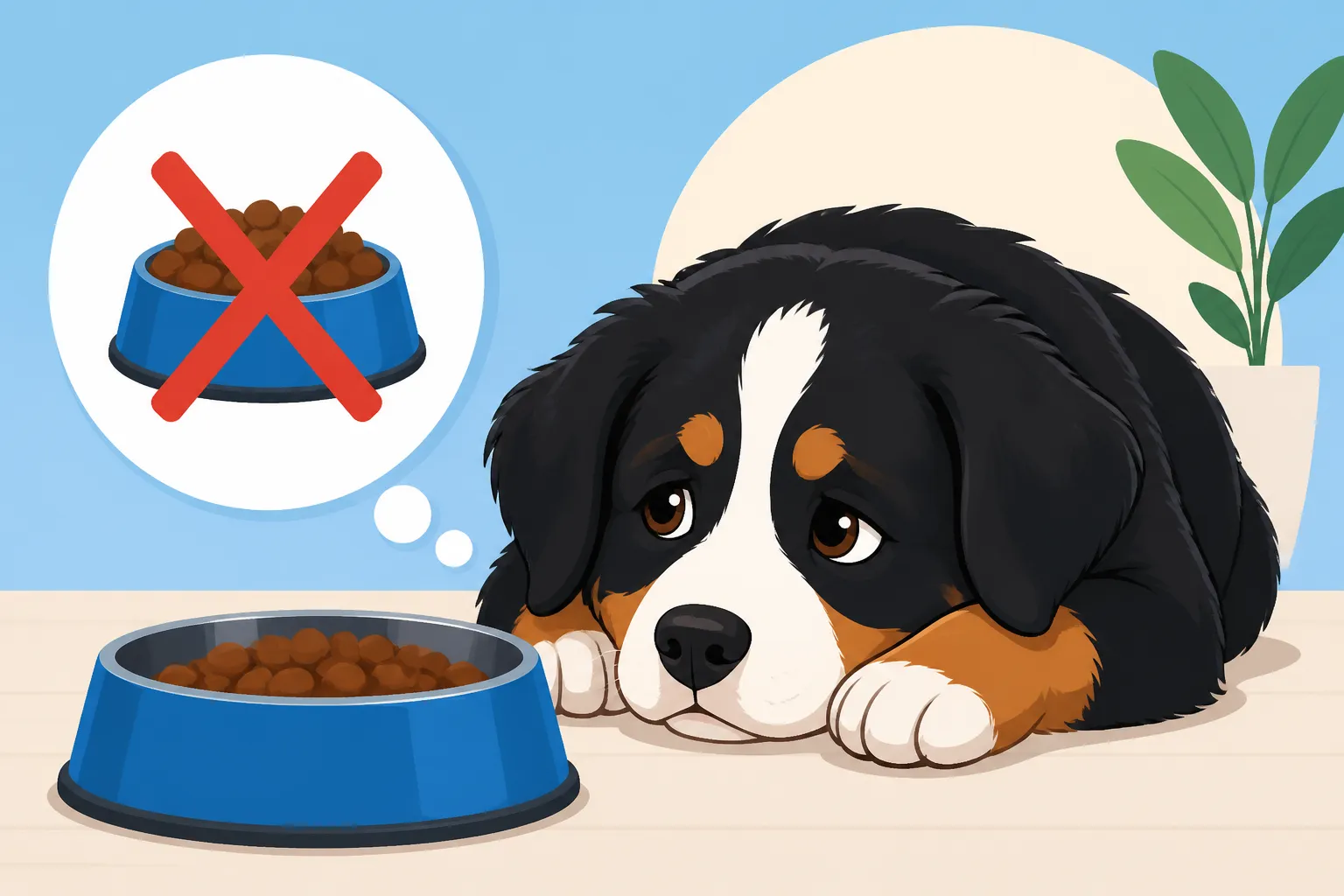
A Bernese Mountain Dog Puppy Off Its Food
It’s a scenario no Bernese Mountain Dog parent wants to face: you put down a fresh bowl of kibble, perhaps even one your sweet giant puppy usually devours with gusto, only to have them turn their nose up at it. Watching your big, fluffy puppy refuse food can be incredibly worrying, especially when you know how critical proper nutrition is for their rapid growth and overall health. This comprehensive guide will walk you through the common reasons why a Bernese Mountain Dog puppy might go off their food, what immediate steps you can take at home, and when it’s absolutely time to call your veterinarian.
Understanding Why Your Bernese Mountain Dog Puppy Won't Eat
When your Bernese Mountain Dog puppy suddenly decides their food isn't appealing, it's natural for your mind to jump to the worst-case scenarios. However, many reasons for a temporary loss of appetite are quite common and often manageable. It’s all about understanding what might be happening from your puppy's perspective.
Stress, Environment, and New Routines
Bernese Mountain Dog puppies, despite their robust appearance, can be quite sensitive souls. They thrive on routine and stability. Any significant change in their environment or daily schedule can throw them off, and a loss of appetite is often one of the first signs of stress.
Imagine bringing a new Bernese Mountain Dog puppy home. They’ve just been uprooted from their littermates, their mother, and the familiar sights, sounds, and smells of their breeder’s home. Everything is new and a little overwhelming. This initial stress, often called "transition anxiety," can easily lead to a few days of pickiness or outright refusal to eat. Even within your own home, subtle changes can affect them. Did you recently move their food bowl to a new location? Is there new, loud construction next door? Did a new pet or person join the household? These things, while seemingly minor to us, can be big adjustments for a sensitive puppy. They might feel vulnerable eating in a new spot, or the unfamiliar noise might make them too anxious to settle down for a meal. Sometimes, it's as simple as feeling a bit lonely. A puppy left alone for longer than usual might feel the stress of separation, making them less inclined to eat. Their world is changing, and their appetite might reflect that internal turmoil.
Teething Troubles and Mouth Discomfort
Just like human babies, Bernese Mountain Dog puppies go through a teething phase that can be quite uncomfortable. Their sharp puppy teeth start falling out around three to five months of age, making way for those big, strong adult teeth. This process can last for several months and often coincides with a period where their appetite might fluctuate.
Think about how much a sore gum or toothache can put you off your dinner. Now imagine that sensation for a puppy whose entire mouth is undergoing a transformation. Chewing hard kibble can be painful on sore, swollen gums or loose teeth. They might approach their bowl, sniff it, and then back away with a whimper or a tentative lick. You might notice them favoring softer textures, chewing on inappropriate items, or even drooling a bit more than usual. Sometimes, the pain might be subtle, just enough to make eating a chore rather than an enjoyable activity. If your Bernese puppy is around four to six months old, and suddenly seems disinterested in their usual crunchy food, teething is a very strong contender for the culprit. Offering softer alternatives or even wetting their kibble to make it easier to chew can sometimes make a world of difference during this phase. What a Teething Bernese Mountain Dog Can Safely Destroy might offer some good ideas for chew toys that can soothe their gums.
Dietary Changes and Picky Preferences
Bernese Mountain Dogs can sometimes develop picky eating habits, especially if they're given too many options or too much human food. While some puppies are natural gourmands, others can be quite particular. A sudden change in diet is also a very common reason for a temporary food strike.
Perhaps you recently switched their food brand, either for health reasons or because you found a new one on Chewy that seemed great. Even a gradual transition can sometimes be met with resistance from a discerning palate. Some puppies are sensitive to texture, others to flavor. If your puppy was used to a certain kibble and you introduce a new one, even if it’s mixed in, they might pick out the old pieces and leave the new. It's also possible they're just holding out for something better! If you’ve been giving them a lot of high-value treats or sneaking them bits of your dinner, they might quickly learn that refusing their regular meal sometimes leads to tastier alternatives. This isn't stubbornness, exactly, but a puppy's very efficient way of training you. It's also worth considering that some large breed puppy foods are formulated differently. Why a Bernese Mountain Dog Puppy Needs Controlled Calcium highlights the importance of specific nutrient balances, and a new food might not hit the mark in a way your puppy expects, even if it's nutritionally sound.
Digestive Upsets and Minor Illnesses
Sometimes, a loss of appetite is the body’s way of saying, “Something isn’t quite right inside.” Puppies, especially Bernese Mountain Dogs who are notorious for eating things they shouldn't, can easily experience minor digestive upsets.
They might have eaten something undesirable on a walk – a discarded piece of food, a plant, or even just too much grass. This can lead to a mild tummy ache, nausea, or a feeling of being unwell, which naturally dampens their desire to eat. Parasites, such as worms, are also common in puppies and can cause discomfort and a reduced appetite. Even if your puppy has been dewormed, reinfection can happen. A slight chill, a developing cold, or a minor infection can also lead to a general feeling of malaise. Think about how you feel when you're coming down with something; food is often the last thing on your mind. Your Bernese Mountain Dog puppy might be experiencing something similar. It could be something as simple as transient gas, or a mild bacterial imbalance in their gut. While these issues often resolve on their own, it's important to monitor for other symptoms.
Immediate Steps When Your Bernese Mountain Dog Puppy Refuses Food
When your Bernese puppy isn't eating, your instinct is to panic. But before you call the vet in a frenzy, there are several practical steps you can take at home to assess the situation and encourage them to eat.
Tempting Their Palate: Making Food More Appealing
Sometimes, a little creativity is all it takes to get your Bernese Mountain Dog puppy interested in their meal again. Their sense of smell is incredibly powerful, and warming food often enhances its aroma, making it more enticing.
Try adding a little warm water to their kibble, letting it sit for a few minutes to soften and release more scent. You can also microwave a small portion of their wet food or kibble (mixed with water) for a few seconds – just make sure it's not too hot before offering it. For an extra boost, consider adding a small amount of something safe and highly palatable. Plain, cooked chicken (shredded), low-sodium chicken broth, a spoonful of plain canned pumpkin (not pie filling!), or even a dollop of plain yogurt can work wonders. Some pet food brands, like Ollie, offer fresh food options that can be incredibly appealing to picky eaters due to their texture and aroma. These can be used as toppers or even as a temporary full meal if your vet approves. Just be mindful of introducing new ingredients slowly to avoid further digestive upset. Think of it as making a comforting soup for a child who feels a bit under the weather. The goal is to stimulate their appetite without overloading their system or creating a dependency on highly rich foods. Remember that while you want to tempt them, you also want to avoid creating a pattern where they learn that holding out gets them prime cuts of steak.
Observing and Recording Other Symptoms
A refusal to eat is a symptom, not a diagnosis. The real clues lie in what else your Bernese Mountain Dog puppy is doing (or not doing). Becoming a detective and meticulously observing other behaviors is crucial.
Keep a mental (or even better, a written) log. When did they last eat? How much? What was their stool like? Have they vomited? Are they drinking water? Is their energy level normal for a Bernese puppy of their age? Bernese puppies have spurts of energy, but are also known for their calm nature. Is your puppy playing with their toys, engaging with the family, and exploring their environment with their usual curiosity? Or are they lethargic, withdrawn, and less interested in interaction? Check their gums – are they pink and moist, or pale and tacky? Gently feel their abdomen – is it soft, or distended and tender? A quick temperature check (rectally, with a pet-specific thermometer) can also provide valuable information. Any coughing, sneezing, eye discharge, or lameness? Pay attention to how long the appetite loss has lasted. A skipped meal or two is usually not an emergency, but prolonged refusal, especially in a growing puppy, is always concerning. This detailed information will be invaluable when you do speak to your vet, helping them narrow down potential causes more quickly.
| Symptom | Potential Meaning (Puppy Off Food) | Action |
|---|---|---|
| No other symptoms | Temporary pickiness, stress, minor upset | Try tempting food, observe for 24 hours. |
| Lethargy, withdrawn | Illness, pain, significant stress | Contact vet promptly, monitor hydration. |
| Vomiting/Diarrhea | Digestive upset, infection, parasites, ingestion of toxin | Contact vet immediately, prevent dehydration. |
| Panting, restlessness | Pain, overheating, anxiety | Check for injury/fever, ensure cool environment, call vet. |
| Coughing/Sneezing | Respiratory infection, allergies | Monitor breathing, consult vet if worsening or accompanied by fever. |
| Pale/Tacky Gums | Dehydration, anemia, shock | EMERGENCY – Call vet immediately. |
| Swollen abdomen | Bloat (rare in puppies but possible), fluid, obstruction | EMERGENCY – Call vet immediately. |
| Excessive drooling | Nausea, mouth pain, foreign object | Check mouth for injury/objects, consult vet if persistent. |
| Not drinking water | Dehydration risk | Offer ice cubes, small sips, contact vet if still refusing water. |
Ensuring Hydration and Comfort
Even if your Bernese Mountain Dog puppy isn't eating, it's absolutely vital that they continue to drink water. Dehydration can happen quickly in puppies and can rapidly escalate a minor issue into a serious medical emergency.
Make sure their water bowl is always full, clean, and easily accessible. Offer multiple water sources around the house. Sometimes, puppies prefer moving water, so a pet water fountain might encourage them to drink. You can also offer ice cubes (a fun chew for teething puppies!) or even a small amount of low-sodium chicken broth mixed with water to make it more appealing. If they're still refusing, gently offer water from a spoon or a syringe (without forcing it down their throat, which can cause aspiration).
Beyond hydration, create a calm, quiet, and comfortable environment for your puppy. Ensure they have a soft, clean bed in a low-traffic area where they feel safe and secure. Sometimes, simply having a peaceful spot to rest and recover can help stimulate their appetite. Bernese Mountain Dogs are highly social, so being close to their family, even just quietly resting in the same room, can provide comfort without overwhelming them. Avoid forcing them to eat or constantly hovering, which can add to their stress. Just make sure they have their basic needs met and are left to feel secure.
When to Call the Vet: Red Flags and Serious Concerns
While many cases of a Bernese Mountain Dog puppy refusing food are temporary and resolve with home care, there are definite situations where veterinary intervention is not just recommended, but essential. Knowing these red flags can be life-saving.
Persistent Anorexia and Lethargy
Anytime your Bernese Mountain Dog puppy goes more than 24 hours without eating, it's time to contact your vet. For very young puppies (under 12 weeks), this window shortens to just 12 hours. Puppies, especially large breeds like Berners, need consistent nutrition to fuel their rapid growth and development.
A persistent refusal to eat, especially when coupled with lethargy – meaning they are unusually tired, listless, uninterested in play, or generally dull – is a major red flag. This isn't just a picky phase; it suggests an underlying illness or discomfort that your puppy can't shake off. Bernese Mountain Dogs grow incredibly quickly, and even a day without adequate calories can impact their energy levels and overall well-being. How Fast a Bernese Mountain Dog Puppy Should Grow emphasizes this rapid development, highlighting why consistent nutrition is so important. If your puppy just lies around, doesn't respond to usual cues, or struggles to get up, don't wait. Their body is telling you something is wrong, and they need professional help. Your vet will want to perform a thorough physical exam, and possibly blood work or other diagnostics, to pinpoint the cause.
Accompanying Symptoms of Illness
A loss of appetite combined with other clear signs of illness is a strong indicator that you need to seek veterinary care immediately. These symptoms often point to more serious health issues that require prompt diagnosis and treatment.
Watch for:
- Vomiting: Especially if it's frequent, projectile, contains blood, or if your puppy is repeatedly dry heaving.
- Diarrhea: Particularly if it's severe, watery, bloody, black and tarry, or lasts for more than a single loose stool.
- Fever: A rectal temperature above 102.5°F (39.2°C).
- Pain: Whimpering, sensitivity to touch, guarding their abdomen, difficulty moving, or unusual aggression.
- Difficulty breathing: Coughing, wheezing, rapid shallow breaths, or open-mouthed breathing when resting.
- Swollen or painful abdomen: This could indicate something serious like bloat (though more common in adults, always a concern for deep-chested breeds) or an internal obstruction.
- Changes in urination: Straining, frequent small urinations, or blood in the urine.
- Pale gums: A sign of shock, severe dehydration, or anemia.
Any of these symptoms appearing alongside a refusal to eat warrants an urgent call to your vet. Don’t try to diagnose or treat these at home. Bernese Mountain Dogs are generally stoic, and if they are showing overt signs of illness, it means they are truly feeling unwell.
Concerns Specific to Bernese Mountain Dog Puppies
While all puppies need careful monitoring, Bernese Mountain Dog puppies have certain breed-specific considerations due to their rapid growth rate and predispositions.
Their joints, in particular, are vulnerable during their rapid development. What Fast Growth Costs a Bernese Mountain Dog's Joints explains how important balanced nutrition is. If a puppy isn't eating correctly, their growth can be stunted, or their developing bones and joints can be compromised. Furthermore, puppies are more susceptible to certain infections and parasites due to their developing immune systems. Parvovirus, for instance, is a devastating viral disease that can cause severe gastrointestinal symptoms, including a complete loss of appetite, vomiting, and bloody diarrhea. It progresses very quickly and is often fatal without aggressive veterinary care. Even less severe infections can take a heavy toll on a young, growing Bernese.
It's also worth noting that some Bernese Mountain Dogs can be sensitive to certain food ingredients, leading to gastrointestinal upset. While not always an emergency, persistent issues like loose stools combined with a poor appetite should be discussed with your vet to rule out food sensitivities or allergies. When in doubt, especially with a breed prone to specific health issues and rapid growth, always err on the side of caution and consult your vet. They can provide specific advice tailored to your Bernese Mountain Dog puppy’s age, weight, and vaccination status. Remember, catching issues early is always the best approach. Dosing Vaccines and Wormers for a Growing Berner reminds us of critical preventative health measures.
Long-Term Strategies for Picky Eaters and Maintaining Appetite
Once any immediate health concerns have been addressed and your Bernese Mountain Dog puppy is back to eating, it's wise to implement long-term strategies to ensure consistent appetite and healthy eating habits. This is about establishing a sustainable routine that works for your gentle giant.
Establishing a Consistent Feeding Schedule
One of the best things you can do for your Bernese Mountain Dog puppy’s appetite is to establish a rock-solid, predictable feeding schedule. Puppies thrive on routine, and knowing when to expect their meals helps regulate their digestive system and hunger cues.
For a Bernese Mountain Dog puppy, feeding two to three times a day is typically recommended, depending on their age. How Often a Growing Bernese Mountain Dog Is Fed provides a good framework for this. Instead of leaving food out all day, which can lead to grazing and pickiness, offer meals at specific times. Put the food down for 15-20 minutes. If your puppy doesn't eat it within that time, pick it up until the next scheduled meal. This teaches them that food is available at certain times, and if they don’t eat it, they’ll have to wait. It also helps you monitor their actual intake. Consistency extends beyond timing. Use the same bowls, in the same quiet location, free from distractions. Avoid excessive human interaction or excitement during meal times. This helps create a calm and positive association with eating. If you have multiple pets, feed them separately to prevent competition or stress. This predictable rhythm helps your puppy understand expectations and can prevent them from becoming overly fussy.
Choosing the Right Food for Optimal Growth
Selecting the appropriate food is paramount for a Bernese Mountain Dog puppy. Their rapid growth and predisposition to joint issues mean they require a specific nutritional profile, usually found in high-quality large breed puppy formulas.
Look for foods specifically labeled for "large breed puppies" or "all life stages" with appropriate calcium and phosphorus ratios. What a Bernese Mountain Dog Puppy Needs Controlled Calcium and Whether Calcium Supplements Harm a Bernese Mountain Dog Puppy both highlight that too much or too little calcium can be detrimental to their developing bones and joints. Many premium brands available through retailers like Chewy or Amazon offer excellent large breed puppy formulas. Read the ingredient list carefully, prioritizing whole meat proteins as the first few ingredients. Avoid foods with excessive fillers, artificial colors, or preservatives.
Sometimes, despite a quality food, a puppy might still be a bit picky. In these cases, you might explore different protein sources within a reputable brand (e.g., chicken vs. lamb) or consider incorporating high-quality wet food as a topper. However, always make changes gradually, mixing new food with old over several days to avoid digestive upset. If you're concerned about your puppy's weight or growth, consult with your vet. They can offer personalized dietary recommendations and help you assess if your Bernese is growing at a healthy rate. What a Bernese Mountain Dog Weighs at Each Month can provide a general guide, but individual variation exists.
Managing Treats and Human Food Effectively
While it’s incredibly tempting to shower your adorable Bernese Mountain Dog puppy with treats and table scraps, excessive indulgence can quickly contribute to a picky eater or even nutritional imbalances.
Treats should be used as training rewards or for special occasions, not as meal replacements. Choose high-quality, healthy treats that are appropriate for puppies and offer them in moderation. Small, pea-sized pieces are often sufficient. If your puppy is refusing meals but happily gobbling up treats, it’s a clear sign that they’re not truly hungry, but rather holding out for more exciting options. This is where you need to be firm: no treats until the meal is finished.
Similarly, resist the urge to feed human food from the table. Not only can it create bad habits and a picky palate, but many human foods are unsuitable or even toxic for dogs. Rich, fatty foods can cause pancreatitis, while certain ingredients like onions, garlic, chocolate, and xylitol are highly dangerous. While a tiny piece of plain, cooked chicken might be okay as an occasional high-value reward, it should never be a regular part of their diet or offered when they’re refusing their own food. Consistency and clear boundaries around food will go a long way in ensuring your Bernese Mountain Dog puppy remains a healthy, enthusiastic eater. Remember, you're the leader in this relationship, and setting good eating habits from a young age is an act of love and responsible pet ownership.
Disclaimer
This article is for general informational purposes only and does not constitute professional advice. Laws, prices and regulations vary by location and change over time. Consult a qualified professional for guidance on your specific situation.