The Dürrbach Valley and the Dogs Named After It
Many of us fall in love with the Bernese Mountain Dog's majestic appearance and gentle nature, but few truly understand the rugged history that shaped them into the beloved companions we know today. Their story isn't just about a pretty face; it's a testament to resilience, the ingenuity of Swiss farmers, and the passion of dedicated individuals who brought them back from the brink. This comprehensive guide will take you on a journey to the very roots of the Bernese Mountain Dog, deep into the valleys of Switzerland, to uncover the fascinating origins of the Dürrbachler and how they became the Bernese Mountain Dogs we cherish.
Tracing the Origins: From Roman Settlers to Swiss Farmlands
When you look at a sturdy Bernese Mountain Dog today, with their powerful build and calm demeanor, it's easy to see echoes of a distant, more rugged past. Their story is intertwined with the very landscape of Switzerland, shaped by centuries of adaptation and necessity. Understanding this deep history helps us appreciate not just their physical traits, but also their inherent character.
The Ancient Roots: Roman Molossers in the Alps
Imagine the scene: the mighty Roman Empire pushing its way across Europe, conquering new territories. With their legions, they brought not only their culture and infrastructure but also their working dogs. These were not the pampered pets we often think of today, but robust, powerful canines known as Molossers – ancestors to many modern mastiff-type breeds. As the Roman presence solidified in what is now Switzerland, these formidable dogs naturally intermingled with the local farm dogs, which were likely smaller, more agile native breeds. This cross-breeding laid the very foundation for the development of the future Sennenhund (Swiss mountain dog) types.
The offspring of these unions were dogs that could withstand the harsh alpine environment while possessing the strength and protective instincts valued by the burgeoning farming communities. They were generalists, needed for a variety of tasks that demanded both brawn and brains. Their resilience against the cold, their sure-footedness on uneven terrain, and their sheer physical presence made them indispensable. It wasn't about fancy pedigrees; it was about survival and utility in a demanding landscape.
The Isolation and Evolution of a Mountain Dog
As centuries passed, many of these Swiss valleys remained relatively isolated from each other. Travel was difficult, especially in winter, and communities often developed independently. This geographical isolation played a crucial role in the evolution of distinct regional dog types. While all were generally large, hardy farm dogs, subtle differences began to emerge, often adapting to the specific needs and environments of their particular valley. These dogs were not bred for uniform appearance or show ring aesthetics, but for their working capabilities within their specific locale.
The farmers in these valleys relied heavily on their dogs for tasks that were absolutely vital to their livelihood. This meant dogs that could not only guard their livestock against predators and intruders but also help move cattle and, significantly, pull carts laden with milk, cheese, and other farm produce to market. These demanding roles naturally selected for certain traits: immense physical strength, unwavering loyalty, a calm and steady temperament, and an innate desire to work alongside their human companions. Without these "mountain dogs," life in the remote Swiss valleys would have been significantly harder, if not impossible, for many farming families.
The Dürrbach Valley: A Cradle of the Breed
While other Sennenhund types developed in different parts of Switzerland, one valley, in particular, became synonymous with the direct ancestors of our modern Bernese Mountain Dog: the Dürrbach Valley. This region was a crucible where the specific combination of utility, temperament, and appearance that we recognize today began to solidify.
The Significance of the Dürrbach Region
The Dürrbach region, not far from the city of Bern, was a bustling agricultural area, particularly known for its dairy production. Farmers here needed dogs that could not only guard their herds but also transport their valuable goods. Imagine the difficulty of hauling heavy churns of milk or large wheels of cheese over challenging terrain to local markets. Horses were expensive to keep and not always practical on narrow, winding paths. This is where the Dürrbachler, as these dogs were locally known, truly shone. Their immense strength and placid disposition made them ideal draft animals, capable of pulling considerable weight in small carts. This specific, vital role shaped their physical structure, reinforcing their powerful bone, broad chest, and strong rearquarters.
The Dürrbachler weren't just about brawn, though. They needed to be intelligent enough to navigate busy market squares, trustworthy enough to be left with goods, and gentle enough to be around the families they served. Their calm nature, combined with their imposing size, made them natural protectors without being overtly aggressive. They were an integral part of the farm household and the local economy, a canine workhorse that was also a beloved member of the family. If you're looking for dog supplies that support a strong, healthy working dog, places like Chewy offer a wide range of durable leashes, harnesses, and nutritious large-breed dog foods that would have been a dream for those early farmers.
Life as a Dürrbachler: More Than Just a Pet
For the farmers of the Dürrbach Valley, a Dürrbachler was far more than just a pet; it was an essential worker and a guardian. Their daily lives were filled with purposeful activity, from dawn till dusk. They might start their day helping to move dairy cows to pasture, their deep barks and imposing presence keeping the herd together. Then, harnessing them to a small cart, they'd transport milk or cheese, navigating winding paths and busy village streets. These jobs demanded incredible endurance, strength, and an unflappable temperament. It wasn't a life of leisure, but one of constant contribution to the family's survival.
This working life profoundly influenced the breed's temperament. They developed an innate desire to be useful, to be involved in family activities, and a strong sense of loyalty to their human companions. While they were formidable in appearance, their primary role was never outright aggression, but rather a deterrent and a watchful guardian. They learned patience from slow, steady carting and developed an intelligent understanding of their surroundings. This blend of strength, loyalty, and a calm disposition is something that still resonates deeply within the modern Bernese Mountain Dog. To learn more about their historical roles, you might find What a Bernese Mountain Dog Did on a Swiss Farm a fascinating read.
The Threat of Extinction and the Rescuers
Despite their indispensable role in Swiss farming, the Dürrbachler faced a serious threat to their existence. The march of progress, while beneficial in many ways, often leaves behind those things that no longer fit neatly into modernizing society.
Modernization and the Decline of the Dürrbachler
As the 19th century gave way to the 20th, Europe was undergoing significant changes. Industrialization began to replace traditional agrarian practices, and transportation methods rapidly improved. Roads were better, railways expanded, and motorized vehicles started to appear. Suddenly, the need for a powerful dog to pull milk carts lessened considerably. Farmers could transport their goods more efficiently by other means, and the Dürrbachler's primary working role began to diminish. With less demand for their specific skills, their numbers naturally started to dwindle.
Furthermore, there was a growing trend among dog enthusiasts to favor "foreign" or "fancy" breeds from other countries, breeds that often had well-documented pedigrees and a more refined appearance. The hardy, local farm dogs like the Dürrbachler were often seen as common or unremarkable, simply mongrels of various types, rather than a distinct breed worthy of preservation. This combination of declining utility and a shift in public perception pushed these magnificent dogs perilously close to extinction. It’s a sad reality that often the most valuable, homegrown traditions can be forgotten in the pursuit of novelty, and the Dürrbachler found itself in just such a precarious position. For more on this critical period, consider reading Why the Bernese Mountain Dog Nearly Disappeared and Whether the Bernese Mountain Dog Nearly Died Out.
Franz Schertenleib: The Man Who Searched for the Last Dogs
Thankfully, not everyone overlooked these noble dogs. A few dedicated individuals recognized the historical significance and inherent qualities of the Dürrbachler and refused to let them vanish. One such pivotal figure was Franz Schertenleib, a Swiss innkeeper and dog enthusiast. Schertenleib embarked on what can only be described as a passionate quest: he traveled extensively throughout the Swiss countryside, particularly in the Dürrbach region, actively seeking out and acquiring the remaining examples of these distinct, tricolored farm dogs. He understood that these dogs were not just common farm animals but represented a unique piece of Swiss heritage.
Schertenleib was looking for dogs that embodied the classic Dürrbachler traits: large, robust, tricolored, and with the gentle yet confident temperament that made them ideal farm companions and cart pullers. He believed these dogs were a breed unto themselves, deserving of preservation and recognition. His efforts were critical in gathering a foundational stock of dogs that would become the basis for the modern Bernese Mountain Dog. Without his tireless dedication and foresight, it's highly probable that the Dürrbachler might have indeed faded into history entirely. You can delve deeper into his vital role with Franz Schertenleib and the Bernese Mountain Dogs He Found and Where Schertenleib Found the Last Bernese Mountain Dogs.
Rebirth and Renaming: From Dürrbachler to Bernese Mountain Dog
The efforts of individuals like Schertenleib set the stage for the formal recognition and development of the breed. It was a journey from local farm dog to an internationally admired companion, a process that involved careful selection, enthusiastic promotion, and a significant name change.
Albert Heim's Influence and the Standardization Effort
The work of Franz Schertenleib needed a scientific and organizational counterpart, and that came in the form of Professor Albert Heim. Heim was a renowned Swiss geologist, but also a passionate canine expert who took a keen interest in the native Swiss mountain dogs. He recognized the Dürrbachler as a distinct type and became instrumental in establishing a formal breed standard, giving these dogs the recognition they deserved beyond their local valley. Heim meticulously documented the traits, both physical and temperamental, that characterized these dogs, outlining the ideal specimen.
Under Heim's guidance, the breed began its journey toward formalization. In 1907, the "Schweizerischer Dürrbach-Klub" (Swiss Dürrbach Club) was founded by a group of breeders and enthusiasts, with the explicit goal of promoting and preserving the Dürrbachler. This club was crucial for organizing breeding efforts, maintaining records, and ensuring the dogs were bred true to type. It marked a turning point from scattered individual efforts to a concerted, organized movement to save and define the breed. To learn more about Heim's impact, see Albert Heim and the Name Berner Sennenhund and What Albert Heim Did for the Bernese Mountain Dog. For the club's formation, The Dürrbach Club Founded in 1907 offers more context.
The Name Change and Global Recognition
One of the most significant changes during this period was the official renaming of the breed. In 1909, largely influenced by Professor Heim, the Dürrbachler was officially recognized by the Swiss Kennel Club as the "Berner Sennenhund." The name "Berner" referred to the canton (province) of Bern, the region from which the dog originated, and "Sennenhund" is a German term meaning "Alpine herdsman's dog" or "dairy farmer's dog," reflecting its traditional working heritage. This new name not only gave the breed a more distinguished and recognizable identity but also connected it directly to its geographical home. This pivotal moment is further detailed in The Year the Bernese Mountain Dog Was Renamed.
From this point forward, the Berner Sennenhund, or Bernese Mountain Dog as it became known in English-speaking countries, began to gain wider recognition. Its popularity spread throughout Switzerland and into neighboring European countries. In the mid-20th century, the breed made its way across the Atlantic, finding new admirers in North America. This global expansion meant that a breed once on the verge of disappearing from a remote Swiss valley was now cherished by families worldwide. For information on its journey across the ocean, check out How the Bernese Mountain Dog Crossed the Atlantic. The specific meaning of the name "Sennenhund" is explored in What Sennenhund Means in a Bernese Mountain Dog's Name.
Enduring Legacy: The Dürrbach Spirit in Today's Berner
When you spend time with a Bernese Mountain Dog today, you're not just interacting with a beautiful purebred; you're connecting with centuries of history, resilience, and purposeful breeding. The essence of the Dürrbachler lives on in every Berner, a testament to their enduring spirit.
Traits That Reflect Their Ancestry
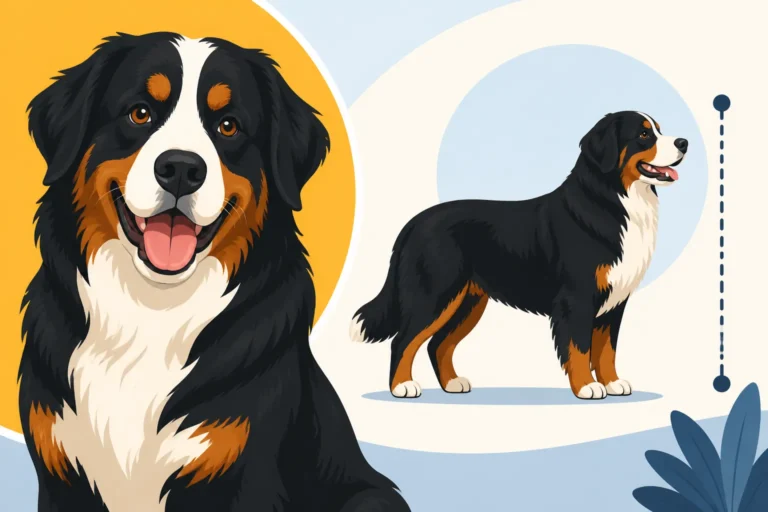
Even though most modern Bernese Mountain Dogs no longer pull milk carts or herd cattle, many of their most beloved traits are direct reflections of their Dürrbachler ancestry. That powerful, sturdy build isn't just for show; it's a legacy of generations bred for hard work and resilience in harsh conditions. Their gentle, good-natured temperament, often described as a "velcro dog" because they love to be close to their families, comes from being an integral part of the farm household, relied upon for both labor and companionship. They are inherently loyal and protective, not in an aggressive way, but with a watchful presence, ready to alert their family to anything unusual. This balance of strength and sweetness is precisely what made them invaluable on the Swiss farm.
Modern Berners often retain an almost innate desire to "have a job" or to be involved in family activities. This isn't just about training; it’s a deep-seated instinct passed down from their working forebears. Whether it's carrying a backpack on a hike, participating in obedience or drafting events, or simply being a calm, comforting presence by your side, a Berner thrives when they feel they are contributing and are deeply integrated into their family's life. This makes them wonderfully adaptable, capable of fitting into diverse lifestyles as long as their core needs for companionship and purpose are met. Even if their "job" is just to be your best friend, they take it seriously!
Preserving the History Through Responsible Ownership
For those of us who share our lives with Bernese Mountain Dogs, understanding their history isn't just a fun fact; it's a responsibility. It helps us appreciate the functional background of the breed and encourages us to support practices that preserve their health and true temperament. Responsible breeders are keenly aware of the breed's history and strive to maintain the genetic diversity and working qualities that define the Bernese Mountain Dog. They conduct thorough health screenings, not just to eliminate problems, but to ensure the robustness and longevity that were characteristic of the original Dürrbachler.
As owners, we can honor this heritage by providing our Berners with appropriate mental and physical stimulation, recognizing their need for companionship, and understanding their breed-specific health considerations. Whether it’s choosing high-quality food (brands like Chewy often carry excellent large-breed formulations), engaging them in activities like carting or even just long, enjoyable walks, or ensuring they have good quality, orthopedic bedding, every choice we make helps them live a full life that respects their lineage. By being informed and conscientious owners, we become stewards of this magnificent breed's legacy, ensuring that the spirit of the Dürrbachler continues to thrive for generations to come.
Here's a comparison of the Dürrbachler's historical roles versus the typical modern Bernese Mountain Dog's life:
| Aspect | Dürrbachler (Historical) | Modern Bernese Mountain Dog (Typical) |
|---|---|---|
| Primary Role | Multi-purpose farm dog: carting, droving, guarding | Family companion, therapy dog, active hobbyist |
| Diet | Farm scraps, whatever was available, often minimal | Specially formulated large-breed dog food, balanced nutrition |
| Living Environment | Primarily outdoors, barn, with family access | Indoors with family, access to secured yard |
| Exercise | Daily, strenuous work: pulling carts, herding, walking long distances | Daily walks, play, mental stimulation, possibly dog sports |
| Social Needs | Integrated into farm family and routine, constant presence | Deeply bonded with family, suffers if isolated |
| Health Care | Natural selection, basic folk remedies | Regular veterinary care, preventative measures, specialized treatments |
| Purpose | Essential economic contributor to farm survival | Emotional support, companionship, hobby partner |
Disclaimer
This article is for general informational purposes only and does not constitute professional advice. Laws, prices and regulations vary by location and change over time. Consult a qualified professional for guidance on your specific situation.