What Sennenhund Means in a Bernese Mountain Dog’s Name
You've probably seen it on pedigrees or breed information: "Bernese Mountain Dog" often followed by "Berner Sennenhund." It’s natural to wonder what that second part, "Sennenhund," actually means. It’s not just a fancy foreign term; it's a deep dive into the very soul and history of these magnificent dogs, shedding light on their original purpose, their unique traits, and the enduring legacy that shapes the Berners we love today. This guide will unravel the true meaning behind "Sennenhund" and how it profoundly connects to your beloved Bernese Mountain Dog.
Deconstructing "Sennenhund": A Look at Its Etymology and Origin
The term "Sennenhund" is a beautiful, concise summary of centuries of Swiss alpine life and the dogs integral to it. To truly understand its significance for the Bernese Mountain Dog, we need to break it down, piece by piece, and appreciate the distinct components that form this evocative name. It tells a story of mountainous landscapes, hardworking people, and the loyal, capable canines who were their partners.
The "Senn": Stewards of the Alps
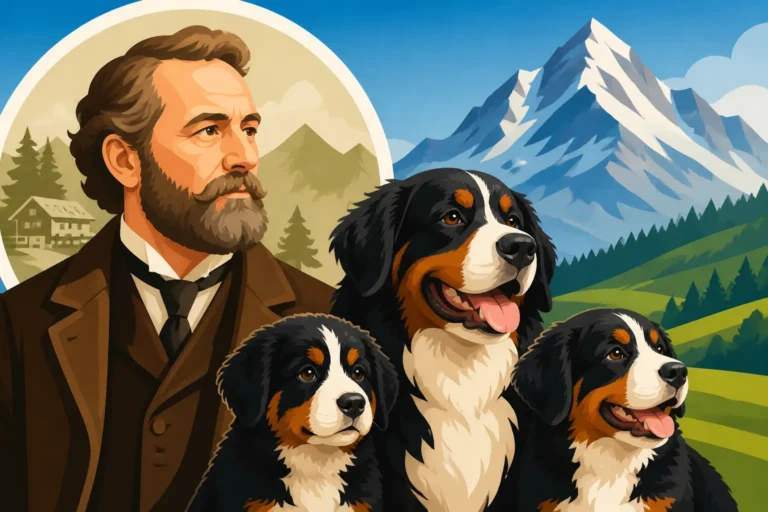
At the heart of "Sennenhund" is the word "Senn." This isn't just a generic term for a farmer; it refers specifically to the alpine herdsmen and dairymen of Switzerland. Imagine rugged, independent individuals living high in the mountains, tending to their cattle, making cheese, and relying on their wits and their dogs to survive in often-harsh conditions. These "Senn" were deeply connected to the land and their animals. Their lifestyle demanded self-sufficiency, resilience, and a profound partnership with their dogs. They needed dogs that were strong enough to manage large livestock, intelligent enough to understand complex tasks, and loyal enough to protect the family and property from predators or intruders. The Senn's dog was not merely a pet; it was an indispensable member of the team, crucial to their livelihood and safety. This close working relationship forged the very essence of the Sennenhund type, emphasizing utility, strength, and unwavering devotion.
The "Hund": More Than Just a Dog
The second part of the term, "Hund," simply means "dog" in German. However, in the context of "Sennenhund," it carries a much deeper implication than just any canine companion. This "Hund" refers to a specific type of working dog, one bred and developed for specific tasks within the alpine environment. These weren't lapdogs or purely ornamental breeds. They were purpose-bred animals, selected over generations for traits like physical prowess, intelligence, a calm temperament, and an innate desire to assist their human partners. The "Hund" in Sennenhund signifies a dog that is sturdy, reliable, and capable of performing duties such as guarding, droving, and even pulling carts. It speaks to a heritage where the dog's value was directly tied to its ability to contribute to the farm and the family's survival, making it a true working partner.
Sennenhund as a Category: More Than Just Berners
It's a common misconception that "Sennenhund" refers exclusively to the Bernese Mountain Dog. In reality, "Sennenhund" is a collective term for a group of four distinct Swiss Mountain Dog breeds, all sharing a common ancestry and purpose, even if they evolved with slightly different characteristics in various regions of Switzerland. These four breeds are: the Bernese Mountain Dog (Berner Sennenhund), the Greater Swiss Mountain Dog (Grosser Schweizer Sennenhund), the Appenzeller Sennenhund, and the Entlebucher Sennenhund. While they all hail from the same geographical region and share the tricolor coat pattern and a strong working heritage, each has its own nuances in size, coat type, and temperament. For a deeper dive into the familial connections, you can explore The Four Swiss Breeds Beside the Bernese Mountain Dog. Understanding this broader category helps us appreciate that while the Bernese is a Sennenhund, it also has its own unique place within this esteemed family of Swiss working dogs.
The Bernese Mountain Dog's Specific Identity: Berner Sennenhund
So, if "Sennenhund" is a general term, what makes the "Berner Sennenhund" unique? It's all in that first word: "Berner." This specific prefix ties our beloved Bernese Mountain Dog directly to its geographical roots and the distinctive traits that were nurtured within that particular Swiss canton. It's a name that perfectly encapsulates their origin, appearance, and enduring qualities.
"Berner": The Geographic Heart of the Breed
The "Berner" in Berner Sennenhund is not just a poetic addition; it's a direct reference to the Canton of Bern, a region in west-central Switzerland. This area, with its picturesque valleys, rolling hills, and majestic mountains, is the historical cradle of the Bernese Mountain Dog. Specifically, the breed gained prominence in the Dürrbach Valley, close to the town of Berthoud, in the canton of Bern. It was in these alpine farms and villages that the large, tricolored dogs we know today were developed and cherished. The local farmers relied on these dogs for various tasks, valuing their strength, intelligence, and even-tempered nature. The name "Berner Sennenhund" essentially translates to "Alpine Herdsman's Dog from Bern," clearly marking its origins and purpose. If you're curious about the specific valley tied to their heritage, you might find The Swiss Valley the Bernese Mountain Dog Comes From fascinating. This geographical connection is more than just a place name; it speaks to the environment and the people who shaped the breed over centuries.
The Distinctive Bernese Characteristics within the Sennenhund Family
While all four Sennenhund breeds share some common ancestry and the striking tricolor coat pattern, the Bernese Mountain Dog possesses characteristics that make it uniquely identifiable and beloved. The most obvious distinction is its coat: the Bernese is the only one of the four Sennenhunds to have a long, flowing, silky double coat. This magnificent coat, with its rich black, clear white, and rust markings, is not only beautiful but also provided essential protection against the cold Swiss winters. Their temperament also tends to be particularly gentle, good-natured, and devoted, often considered the most docile and affectionate of the Sennenhunds. While the Greater Swiss Mountain Dog, for example, shares the tricolor pattern and a formidable presence, its short coat and often more assertive nature set it apart. For an insight into why the Bernese coat is so special, take a look at Why Only the Bernese Mountain Dog Has a Long Coat. These distinctive traits are what make the "Berner" stand out, transforming the general "Sennenhund" into the specific and cherished "Berner Sennenhund."
The Bernese Mountain Dog Breed Standard: Defining the Ideal Sennenhund
Every recognized breed has a standard, a written description of the ideal specimen, and the Bernese Mountain Dog is no exception. This standard, meticulously crafted, defines not just their physical appearance but also their desired temperament and movement, all reflecting their "Sennenhund" heritage. The standard emphasizes a sturdy, well-balanced dog with a kind, intelligent expression. It details the precise placement of their striking tricolor markings – the deep jet black body, the pure white blaze and chest, and the rich rust on the cheeks, over the eyes, and on the legs. For a comprehensive look at what those markings signify, check out Bernese Mountain Dog Markings and What They Mean. Beyond looks, the standard stresses the importance of a good-natured, self-confident, and docile temperament, without being timid or aggressive. These are traits essential for a working dog that needed to be reliable with livestock, protective of family, and calm around strangers. To truly understand the full picture of the ideal Berner, The Bernese Mountain Dog Breed Standard provides invaluable detail. It’s this carefully preserved blueprint that ensures the Bernese Mountain Dog continues to embody the best qualities of its Sennenhund ancestors.
Historical Roles: Why These Dogs Were Indispensable
To fully grasp the meaning of "Sennenhund," we must transport ourselves back to the Swiss Alps and understand the critical, multifaceted roles these dogs played in the daily lives of the "Senn" families. The jobs they performed weren't just hobbies; they were essential for survival and prosperity in a demanding environment. This historical context reveals why these dogs were not just pets, but invaluable partners whose instincts and capabilities were painstakingly cultivated.
The Berner's Multifaceted Farm Life: Drafter, Drover, Guardian
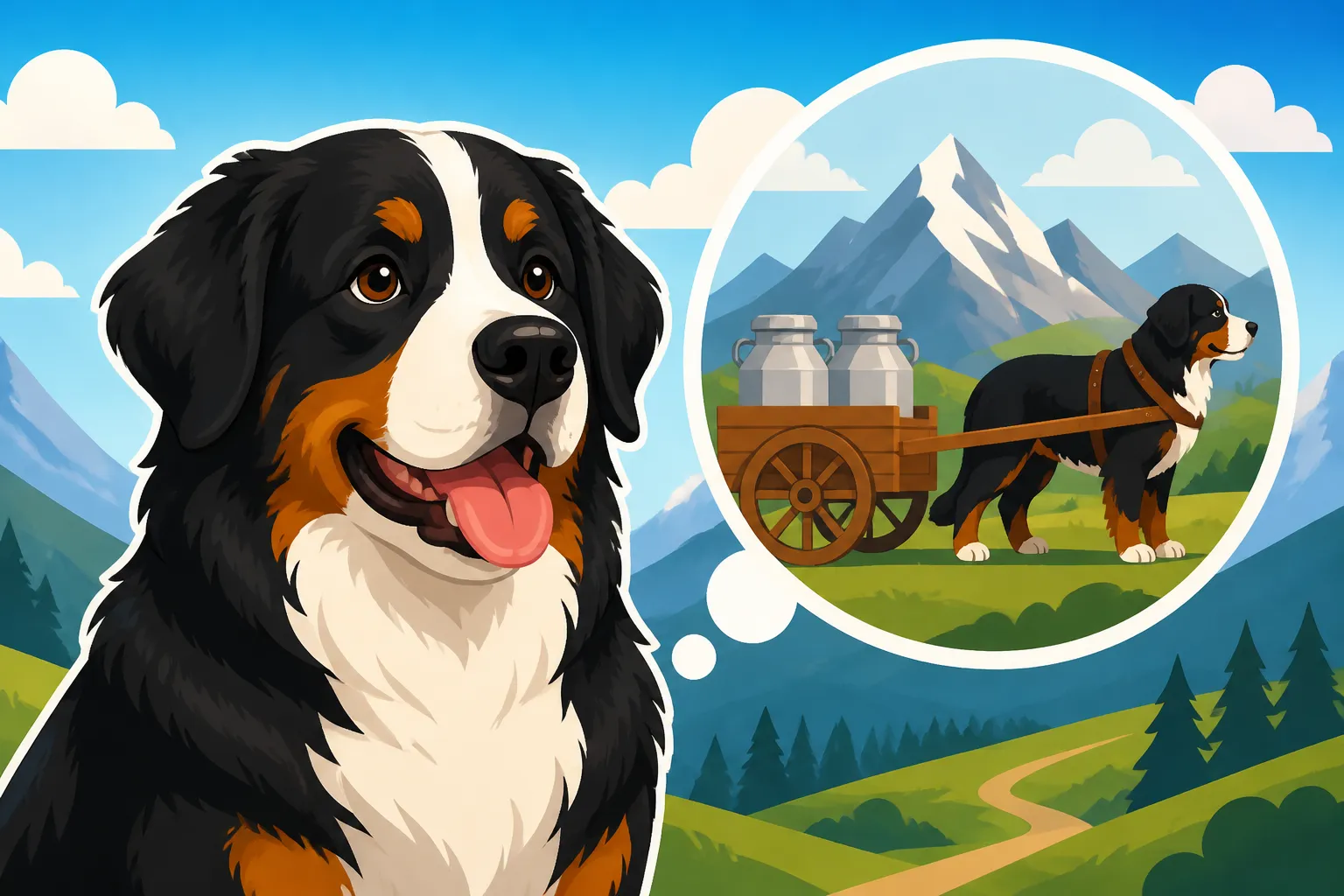
The Bernese Mountain Dog was truly a jack-of-all-trades on the Swiss farm, embodying the ultimate utility dog. Their robust build and powerful frame made them ideal for draft work. They were frequently hitched to small carts, pulling milk cans from mountain pastures to the dairies or market towns, carrying farm produce, or even transporting children. This heavy labor was a fundamental part of their daily routine, and their calm, steady nature ensured they performed these tasks reliably. Beyond pulling, they were adept drovers, helping to move cattle and other livestock between pastures. Their presence alone was often enough to encourage hesitant animals, and their intelligence allowed them to understand and execute complex herding commands.
But their role wasn't limited to physical labor. These dogs were also vigilant guardians of the farm. While not typically aggressive, their imposing size and alert demeanor were enough to deter most predators or unwelcome visitors. They would sound an alarm, and their loyalty to their family and property meant they would stand their ground. Imagine a vast, secluded alpine farm where a single dog had to manage cattle, pull loads, and protect the family – it’s a demanding job that required a unique combination of strength, intelligence, and temperament. For more on their historical tasks, What a Bernese Mountain Dog Did on a Swiss Farm offers a detailed look. This multifaceted role is woven into the very fabric of the "Sennenhund" name, signifying a dog of immense utility and loyalty.
The Renaissance of the Breed: From Dürrbachler to Berner Sennenhund
The history of the Bernese Mountain Dog, like many breeds, faced periods of decline. By the late 19th century, purebred examples of these magnificent dogs, then often called "Dürrbächler" after the Dürrbach region, were becoming scarce. The industrial revolution brought changes to farming practices, and interest in traditional working breeds waned. It was thanks to the dedicated efforts of a few Swiss enthusiasts that the breed was saved from the brink of extinction. Key figures like Franz Schertenleib tirelessly searched the countryside for remaining specimens, and Professor Albert Heim, a prominent geologist and cynologist, played a pivotal role in standardizing the breed. Heim recognized the value and distinctiveness of these dogs, advocating for their preservation and formal classification.
It was under Heim's influence that the "Dürrbächler" was officially renamed the "Berner Sennenhund" in 1909, solidifying its connection to the Canton of Bern and its identity as one of the four traditional Swiss Sennenhunds. This renaming was a crucial step in giving the breed formal recognition and distinguishing it from other regional farm dogs. Without these champions, the Bernese Mountain Dog might have been lost to history. Their efforts ensured that the "Sennenhund" legacy, embodying strength, loyalty, and utility, would continue. To understand the challenges they faced, exploring Why the Bernese Mountain Dog Nearly Disappeared can give you greater appreciation for these dedicated individuals.
The Enduring Legacy of Work Ethic
Even though most Bernese Mountain Dogs today live as cherished family companions rather than working farm dogs, the deep-seated work ethic and intrinsic desire to contribute remain a powerful part of their "Sennenhund" heritage. You'll often see this manifest in their eagerness to participate in family activities, their love for carrying things, or their desire to be involved in whatever their humans are doing. This isn't just about training; it's an inherent drive that stems from centuries of being indispensable partners. A Berner often thrives when given a "job," even if that job is simply fetching the mail, carrying a backpack on a hike, or being a steadfast, comforting presence.
This work ethic means they often excel in activities like carting (draft work), obedience, agility (though modified for their size), and therapy work. The mental and physical engagement that comes from having a purpose fulfills a fundamental part of their being. When you see your Berner carefully "helping" you carry in groceries from the car, or patiently waiting for their turn to pull a wagon at a local event, you're witnessing the beautiful, unbroken thread of their Sennenhund past. Even something as simple as a long walk with a sturdy harness from a brand like Chewy, where they feel like they’re “going somewhere important,” can tap into that deep-seated desire to work alongside you.
The Modern "Sennenhund": Living with a Berner Today
Bringing a Bernese Mountain Dog into your home means welcoming a piece of Swiss alpine history. While they might not be pulling milk carts through snowy passes anymore, their "Sennenhund" heritage still profoundly influences their personality, instincts, and needs in a modern environment. Understanding this legacy is key to providing them with a happy, fulfilling life.
Instincts That Remain: Leaning, Herding, and Alertness
The historical roles of the Bernese Mountain Dog as drovers, guardians, and companions to the Senn have left an indelible mark on their behavior. One of the most endearing and well-known Berner traits is the "Berner lean." They will often lean their full weight against you, not just for affection but perhaps as a residual instinct from their droving days, using their body to gently guide or "collect" livestock. This leaning is a subtle form of communication and connection. For more on this unique behavior, A Bernese Mountain Dog That Leans on Everyone delves into the nuances.
While their herding instincts are generally softer than those of true herding breeds, you might still observe them gently trying to keep family members together, or subtly nudging you in a desired direction. They are also inherently alert. They might not be aggressive guard dogs, but they are typically aware of their surroundings and will often let you know if a stranger approaches or something is amiss with a deep, resonant bark. This alertness stems from their guardianship duties on remote farms, where being aware of potential threats was vital. These instincts, though softened by generations of companionship, are still very much present and make them the unique dogs they are.
Fulfilling a Sennenhund's Needs in a Contemporary Home
Even without a herd to manage or carts to pull, a Bernese Mountain Dog's Sennenhund heritage means they thrive when their physical and mental needs are met. These are not dogs content to be simply decorative; they require engagement and purpose. Regular, moderate exercise is crucial – not just for their physical health but also for their mental well-being. Daily walks, hikes, or supervised play sessions are vital. Providing them with opportunities to "work" their brains is equally important. This could be through consistent training, puzzle toys, or even dog sports like canine good citizen classes or, of course, draft work.
Their large size means they need space, both indoors and outdoors. They love being near their family, so a home where they can be included in daily life is essential. They also benefit from having appropriate chew toys and durable accessories, which you can easily find at retailers like Chewy, to keep their minds occupied and prevent boredom. This attention to their innate needs is critical for their overall happiness and for preventing potential behavioral issues that can arise from under-stimulation. If you're considering welcoming one of these magnificent dogs into your life, understanding What a Bernese Mountain Dog Asks of a New Owner is a great place to start.
The Bernese Mountain Dog as a Family Companion: A Gentle Giant with a Purpose
Despite their historical working roles, the Bernese Mountain Dog has seamlessly transitioned into a beloved family companion, often referred to as a "gentle giant." Their inherent good nature, patience, and devotion make them wonderful additions to many households. However, it’s important to remember that this "gentle giant" still carries the heart of a Sennenhund, meaning they yearn for inclusion and a sense of purpose within their human "pack."
They are known for being particularly tolerant and protective with children, often forming deep bonds. Their desire to be with their family often means they'll follow you from room to room, preferring to be wherever the action is. This isn't just clinginess; it's a deep-seated part of their heritage as integral members of the Senn family, accustomed to constant companionship and shared duties. They are happiest when they feel they belong and are contributing to the household's rhythm, even if that contribution is simply offering comfort and unwavering loyalty. Their impressive size, which can be explored further in How Big a Bernese Mountain Dog Gets, means they command a presence, but it's usually one of calm confidence and affectionate goodwill.
Clarifying Common Misunderstandings About "Sennenhund"
The term "Sennenhund" can sometimes lead to confusion, especially for those new to the Bernese Mountain Dog breed. It's easy to assume it refers to a distinct breed, or perhaps a different variant of the Berner. Let's clear up these common misunderstandings to provide a crystal-clear picture of what "Sennenhund" truly means in the context of our tricolored friends.
"Sennenhund" Isn't a Unique Breed Name for Berners
One of the most frequent misconceptions is that "Sennenhund" is simply another, more official name for the Bernese Mountain Dog, or perhaps even a rarer, purer version. As we've discussed, this isn't the case. "Sennenhund" is a type or category of dog, encompassing four distinct breeds of Swiss Mountain Dogs. The Bernese Mountain Dog is a Sennenhund, specifically the "Berner Sennenhund," meaning the Sennenhund from Bern. It's similar to how "Retriever" is a type of dog, and a "Golden Retriever" is a specific breed within that type. So, while your Bernese is undoubtedly a Sennenhund, the term itself is not exclusive to them, but rather shared with their Swiss cousins who also descended from the working dogs of the alpine herdsmen.
The Long Coat Uniqueness: Why the Bernese Stands Out Visually
Among the four Sennenhund breeds, the Bernese Mountain Dog stands out dramatically due to its long, flowing coat. All four breeds share the distinctive tricolor pattern (black, white, and rust), which is a hallmark of the Sennenhund type, rooted in their shared ancestry. However, the Greater Swiss Mountain Dog, Appenzeller, and Entlebucher all possess short, smooth coats. This difference in coat length is a significant visual differentiator and often the first thing people notice when comparing the breeds. The Bernese's lush, luxurious coat is not just a cosmetic feature; it developed as an adaptation to the colder, higher altitudes and harsher weather conditions of the Bern region, providing superior insulation. While some people might wonder if a short-coated Bernese exists, it would actually indicate a crossbreed or a fault in the breed standard. This singular long coat is a defining characteristic of the Berner, making it uniquely majestic within its Sennenhund family. When considering the Greater Swiss against the Bernese Mountain Dog, for example, the coat is an immediate and striking difference.
Conclusion
The term "Sennenhund," especially when paired with "Berner" to form "Berner Sennenhund," is far more than just a name; it's a rich tapestry woven from history, geography, and purpose. It honors the resourceful "Senn" — the alpine herdsmen and dairymen who depended on these dogs — and the "Hund" itself, a working dog bred for strength, intelligence, and unwavering loyalty.
This deep-rooted heritage explains why your Bernese Mountain Dog displays those endearing traits like the famous "Berner lean," their innate desire to be by your side, and their steadfast, gentle demeanor. Even in a modern home, their ancestral calling to be a vital, contributing member of the family shines through. So, the next time you hear "Berner Sennenhund," remember that you're not just speaking a foreign name, but acknowledging centuries of partnership between humans and these magnificent, loyal companions of the Swiss Alps.
Disclaimer
This article is for general informational purposes only and does not constitute professional advice. Laws, prices and regulations vary by location and change over time. Consult a qualified professional for guidance on your specific situation.