The Swiss Cross on a Bernese Mountain Dog’s Chest
One of the most charming and instantly recognizable features of a Bernese Mountain Dog is their stunning tricolor coat, and within that beautiful palette, the distinct white marking on their chest often captures hearts. But for many new Bernese owners or those simply admiring the breed, understanding what this marking should look like, why it's there, and its significance can be a bit of a mystery. This guide will walk you through everything you need to know about the "Swiss Cross" on a Bernese Mountain Dog's chest, from its genetic origins to its importance in the breed standard and how it plays into the overall majestic appearance of these gentle giants.
The Iconic White Chest: What Is the Swiss Cross?
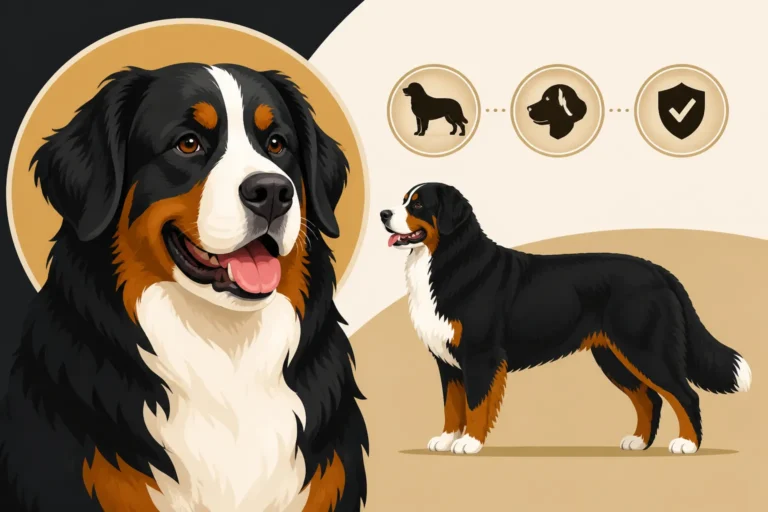
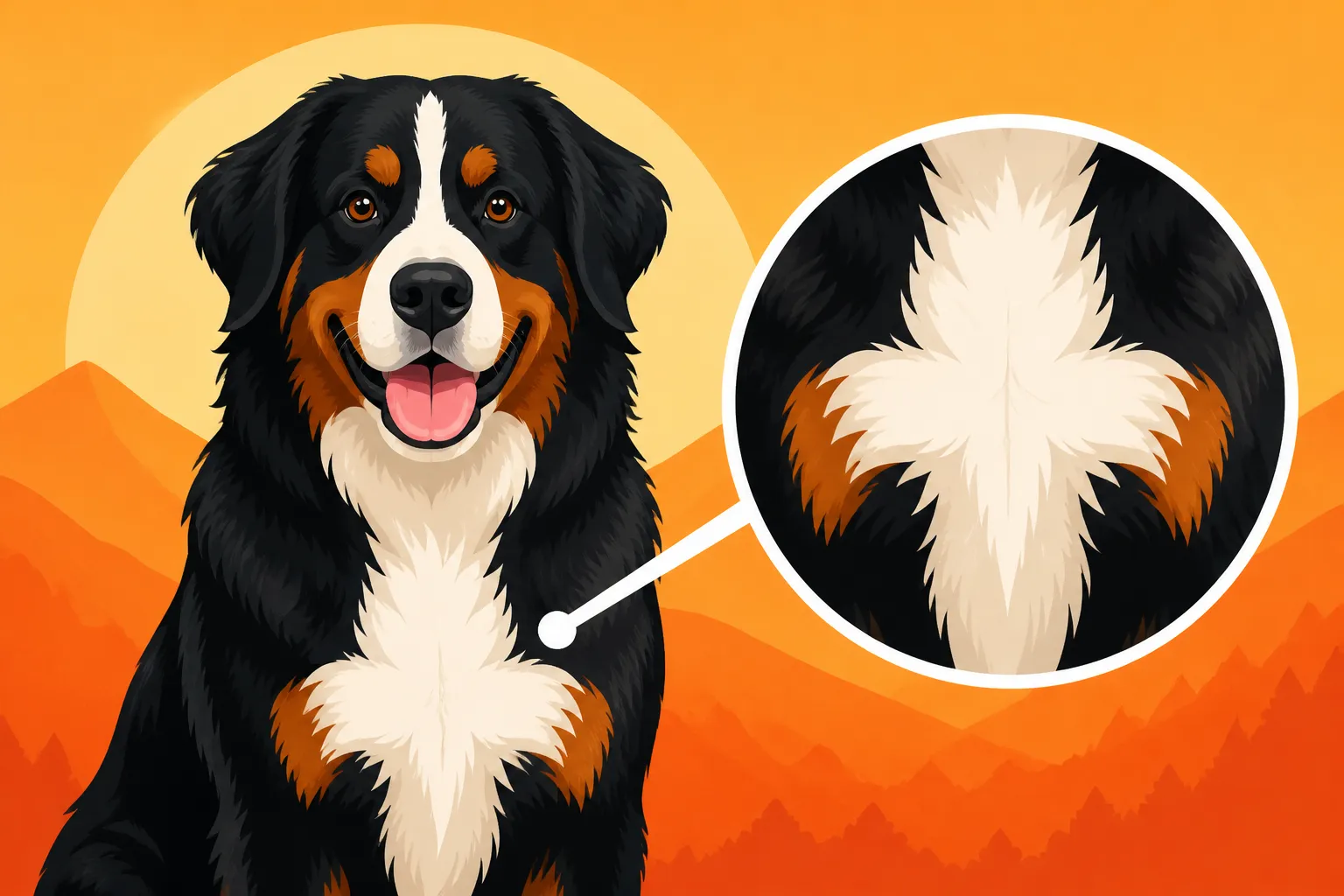
When we talk about the "Swiss Cross" on a Bernese Mountain Dog's chest, we're referring to a specific pattern of white markings that is highly desirable according to the breed standard. It’s not just any patch of white; it's ideally a symmetrical, inverted cross or shield shape that extends from the throat down between the front legs. This prominent white blaze is a hallmark of the breed and contributes significantly to their striking appearance. It's one of those details that truly sets a well-marked Berner apart.
Defining the Ideal Chest Markings
The ideal Swiss Cross is described as being relatively broad and well-defined, resembling a shield or a cross with a broad, downward-pointing base. It should start relatively high on the dog's throat, broadening over the chest, and then tapering down between the forelegs. Think of it as a distinct white bib that frames the dog's sturdy front. The edges should be clean and crisp, contrasting beautifully with the rich black and rust colors of the surrounding coat. It's a key component of the overall "flash" that makes a Berner so visually appealing.
This marking isn't just about aesthetics; it's a genetic trait that has been selectively bred for over generations. Breeders strive for consistency in these markings, as they are part of what makes a Bernese Mountain Dog immediately identifiable. While slight variations are natural, the "ideal" is often pictured in show dogs and breed guides as a perfect representation of the standard. If you’ve ever looked at photos of show-winning Berners, you’ve likely seen these pristine markings prominently displayed.
Location and Shape on the Berner
The Swiss Cross isn't isolated; it’s an integral part of the larger pattern of white markings that can include the blaze on the face, the "Swiss Kiss" on the back of the neck, and white on the paws and tail tip. On the chest, it really serves as the focal point. Imagine a strong, broad chest, and then picture this elegant white shield laid over it, drawing the eye. It helps to accentuate the powerful build of the Bernese Mountain Dog, adding a touch of elegance to their robust frame. Bernese Mountain Dog Markings and What They Mean delves deeper into all these specific patterns.
For some dogs, the white may extend slightly onto the shoulders, creating a wider bib effect, while for others, it might be a bit narrower, more like a streak. The key is that it's present and reasonably symmetrical. It acts as a counterpoint to the deep black body and the rich rust markings found on the cheeks, over the eyes, and on the legs. Without this white chest, a Bernese Mountain Dog would look dramatically different, losing some of that classic balance and charm we associate with the breed.
The Tricolor Canvas
The Swiss Cross is a vital part of the Bernese Mountain Dog's famed tricolor coat. This isn't just a random assortment of colors; it's a precisely defined pattern of jet black, clear rust (tan or mahogany), and crisp white. The black typically covers the main body, back, and upper parts of the legs. The rust points appear on the cheeks, over the eyes, on all four legs (often forming a distinct border between the black and white), and under the tail. The white, then, provides the striking highlights: the blaze on the face, the chest marking, the feet, and the tail tip.
This combination isn't just pretty; it's part of the breed's heritage. The distinct markings, including the chest cross, were likely valued by the Swiss farmers who originally developed the breed, possibly for easier identification or simply because they were aesthetically pleasing. The contrast between these three colors gives the Bernese Mountain Dog its majestic and noble appearance, which is why preserving these markings is so important to ethical breeders. Each color plays a crucial role in creating the overall picture described in The Bernese Mountain Dog Breed Standard.
The Historical & Cultural Roots of the Name
The name "Swiss Cross" isn't a whimsical descriptor; it's deeply rooted in the Bernese Mountain Dog's heritage and its home country. Just like the breed itself, this marking carries a connection to Switzerland, a nation proud of its symbols and traditions. Understanding this connection helps us appreciate why this particular chest marking is so highly valued and recognized.
A Nod to National Identity
It's no coincidence that the white chest marking is called the "Swiss Cross." It directly evokes the national flag of Switzerland: a bold, white cross on a red background. While the dog's coat is black and white (with rust accents), the shape and prominence of the white on the chest are reminiscent of that iconic symbol. This naming convention highlights the breed's origin and acts as a proud emblem of its Swiss identity. It's a beautiful way to honor the country that gave us these magnificent dogs.
For those who cherish the Bernese Mountain Dog, this connection to Swiss heritage adds another layer of appreciation. It's not just a beautiful dog; it's a living piece of Swiss tradition, embodying the sturdy, reliable, and beautiful characteristics often associated with the Swiss Alps and its people. When you see that distinct white cross, you're looking at a centuries-old visual link to the valleys where these dogs once worked alongside farmers.
Historical Context of the Berner's Markings
The tricolor pattern, including the white chest, has been a characteristic of the Sennenhund (Swiss Mountain Dog) breeds for a very long time. These dogs, which include the Bernese, Greater Swiss, Appenzeller, and Entlebucher Mountain Dogs, all share this general color scheme. The specific markings weren't just for show; they likely served practical purposes on the farm, making it easier to distinguish dogs from a distance, particularly in varying light conditions or amidst livestock. What a Bernese Mountain Dog Did on a Swiss Farm explores these historical roles.
As the breed was formalized in the late 19th and early 20th centuries, these distinctive markings became central to the breed standard. Early enthusiasts and breeders, like Albert Heim, recognized the importance of preserving the traditional appearance of these dogs. The white chest, already a prominent feature, was codified as a desirable trait, solidifying its place as a quintessential Bernese marking. It was an aesthetic preference combined with a historical reality.
The Evolution of the Breed Standard
The breed standard for the Bernese Mountain Dog meticulously describes the ideal markings. While slight variations are permitted, there are clear guidelines on what is considered correct and what would be deemed a fault. For the chest, the standard typically emphasizes a symmetrical, broad white marking. Deviations, such as very narrow white, asymmetrical patches, or an absence of white, can be considered less desirable in the show ring.
Over time, dedicated breeders have worked to consistently produce dogs that adhere closely to this standard. This means carefully selecting breeding pairs to ensure that desirable traits, including markings, are passed down. Of course, genetics are complex, and not every puppy will be "perfectly" marked, but the goal remains to maintain the classic Bernese appearance. The consistent presence of the "Swiss Cross" across generations is a testament to the careful stewardship of the breed by passionate individuals and organizations.
Variations and "Faults" in the Swiss Cross
While we talk about the "ideal" Swiss Cross, it's important to remember that every Bernese Mountain Dog is an individual. Not every dog will have that perfect, picture-book marking, and that's perfectly okay! Variations are common, and what might be considered a "fault" in the show ring doesn't diminish a dog's value as a beloved companion. Understanding these variations can actually help you appreciate the unique beauty of each Berner.
Common Deviations from the Ideal
You might encounter Bernese Mountain Dogs with a range of white chest markings. Some might have a very narrow strip of white, sometimes called a "pencil blaze," that runs down their chest. Others might have a much wider, more expansive bib that covers a significant portion of their front, almost like a solid white shield. Sometimes, the white might be asymmetrical, perhaps curving more to one side or having an uneven bottom edge. How Much White a Bernese Mountain Dog May Have provides more context on acceptable variations.
Another common variation is the extent of the white. While the ideal might extend down between the front legs, some dogs might have white that stops abruptly at the throat or just below. Conversely, some might have white that extends quite far back onto their belly. These aren't necessarily "bad" markings, just different from the precise ideal described in the breed standard. They simply make each dog unique, much like human birthmarks.
Genetics Behind Markings
The tricolor pattern and the specific placement of white, black, and rust markings are governed by a complex interplay of genes. It's not as simple as one gene controlling the Swiss Cross; rather, multiple genes influence the distribution and intensity of colors. Breeders carefully study pedigrees and genetic lines to understand how these traits are passed down. You might see a litter where some puppies have perfectly symmetrical crosses, while others have more irregular or sparse white markings.
This genetic lottery means that even from parents with impeccable markings, there can be variations in their offspring. It's part of the fascinating complexity of canine genetics. While genetic testing can identify certain color genes, the precise expression of white markings, like the Swiss Cross, often involves polygenic inheritance, meaning many genes contribute to the final look. This is why experienced breeders dedicate so much effort to understanding their lines and improving consistency over generations.
Impact on Show Ring and Pet Quality
For dogs intended for the show ring, adherence to the breed standard, including markings, is crucial. A dog with a "faulty" or non-standard Swiss Cross might be penalized by judges, affecting its chances of winning. This is purely about conformation and aesthetics according to the defined ideal. However, for a pet-quality Bernese Mountain Dog, these variations are entirely insignificant. A slightly asymmetrical white bib or a smaller chest marking does not affect the dog's health, temperament, or ability to be a loving family member.
In fact, many owners find these unique markings charming and distinctive. A dog might not be a show champion, but it can certainly be a champion in your heart. When looking for a companion, focus on health, temperament, and the overall fit with your lifestyle, rather than getting too hung up on minor variations in markings. A reputable breeder will always prioritize health and temperament, and will be transparent about any deviations from the show standard, explaining that these dogs are still wonderful pets. The Bernese Mountain Dog That Is Aloof With Strangers covers an example of a temperament trait that is far more significant than a marking.
The Significance of Markings Beyond the Show Ring
While the "Swiss Cross" holds particular importance in the context of breed standards and dog shows, its significance extends far beyond that arena. For the everyday Bernese Mountain Dog owner, these markings contribute to the dog's individual identity, offer insights into responsible breeding practices, and thankfully, bear no direct link to health concerns.
Identification and Uniqueness
Each Bernese Mountain Dog's markings, especially the white on their chest, can be as unique as a fingerprint. While the general pattern of the Swiss Cross is similar, the exact shape, size, and crispness of the edges will vary from dog to dog. This individuality helps owners identify their beloved companions, especially if you have multiple Berners or spend time in parks where other tricolored dogs might be present. It's often one of the first things people notice and comment on when admiring a Bernese.
Imagine trying to describe your dog to a friend or another dog owner – "Oh, he's got that really broad white cross on his chest, almost perfectly symmetrical." These little details make your Berner your Berner. It’s part of their character and how they stand out in a crowd, adding to the joy of ownership. Even if the marking isn't "perfect" by show standards, its unique qualities become part of the narrative and charm of your individual dog.
Breeder Focus on Conformation
For responsible breeders, striving for the ideal Swiss Cross is part of their commitment to the breed standard and maintaining the distinctive Bernese Mountain Dog look. This dedication to conformation goes hand-in-hand with prioritizing health and temperament. Breeders will often assess a puppy's markings as part of their evaluation process, deciding which puppies might be show prospects and which are best suited for pet homes. Whether a Breeder Should Show a Bernese Mountain Dog Line's Ages highlights another aspect of breeder commitment.
It's not about superficial beauty; it's about preserving the integrity and historical appearance of the breed. A breeder committed to the Bernese Mountain Dog will pour countless hours into researching pedigrees, health testing, and observing their dogs to ensure they are producing sound, healthy, and well-marked puppies. While finding a perfectly marked puppy is exciting, a truly excellent breeder will always put health and temperament first.
No Direct Health Correlation
Perhaps the most reassuring aspect for Bernese Mountain Dog owners is that the specific pattern or "perfection" of the Swiss Cross has no known direct correlation with the dog's health or well-being. A dog with a less-than-ideal chest marking is just as likely to be healthy and live a full, happy life as one with a show-perfect cross. Unlike some white markings in other breeds that can be linked to deafness or certain genetic conditions, the white patterns in Bernese Mountain Dogs are generally considered benign.
This means you don't need to worry if your Berner's chest marking isn't perfectly symmetrical or as broad as you might see in a breed book. Focus instead on providing excellent veterinary care, a balanced diet (perhaps from a trusted source like Chewy, which offers a wide variety of large breed formulas), regular exercise, and plenty of love. These are the true determinants of a healthy, happy Bernese Mountain Dog, regardless of their chest art.
Caring for the Coat in the Swiss Cross Area
The Bernese Mountain Dog's coat, including the white portions of the Swiss Cross, requires consistent care to keep it looking its best. Their long, dense double coat is prone to matting and shedding, and the white areas can easily become stained or discolored if not properly maintained. Grooming is not just about aesthetics; it's about keeping your Berner comfortable and healthy. Grooming a Bernese Mountain Dog's Long Tricolor Coat offers a deeper dive into overall coat care.
Grooming the Chest and Ruff
The chest and ruff (the hair around the neck) are areas where the Bernese Mountain Dog's coat is particularly thick and long, and where the white Swiss Cross is most prominent. This dense fur can easily trap dirt, debris, and moisture, leading to mats and tangles if not regularly brushed. Using a good quality slicker brush or an undercoat rake is essential to reach deep into the coat and remove loose fur before it forms felt-like mats.
When brushing this area, pay special attention to behind the elbows and under the chin, as these are common spots for mats to form due to friction and movement. A regular grooming routine, even just 10-15 minutes every few days, can make a huge difference. If you let it go too long, you might find yourself facing significant tangles that require professional attention, or worse, painful skin irritation underneath. Remember that beautiful white chest needs to be kept free of debris to shine!
Maintaining the White's Brightness
The white portions of the Swiss Cross, being light-colored, are more susceptible to staining than the black or rust areas. This can happen from playing in muddy puddles, rubbing against dirty surfaces, or even from saliva and food residue if your Berner is a messy eater. To keep that Swiss Cross looking crisp and bright, regular cleaning is key. For minor stains, a damp cloth or a pet-safe whitening shampoo can do wonders.
For more persistent stains, some owners use specialized whitening conditioners or even a diluted mixture of cornstarch and water, which is allowed to dry and then brushed out. However, always be cautious with any products and consult with your vet or a professional groomer if you're unsure. A good bath schedule, perhaps every 4-6 weeks, using a quality shampoo and conditioner (Chewy often has excellent options for large, double-coated breeds) will also help maintain overall coat cleanliness and brightness. How Many Baths a Bernese Mountain Dog Gets a Year can help you determine a good bathing frequency.
Handling Seasonal Shedding Around Markings
Bernese Mountain Dogs are known for their significant shedding, especially during seasonal changes like spring and fall. Their thick undercoat "blows out," meaning large amounts of loose fur are released. This shedding will, of course, affect the chest area, and you'll notice more white hairs being shed from the Swiss Cross. During these periods, you'll need to step up your grooming game considerably.
Daily brushing with an undercoat rake or a deshedding tool like a Furminator can help remove the dead undercoat, reducing the amount of hair found around your home and keeping your dog more comfortable. If not properly managed, the shedding undercoat can get trapped, leading to mats and hot spots, particularly in dense areas like the chest and ruff. While it can feel like a never-ending battle with the fur, consistent effort ensures your Berner's coat, including that lovely Swiss Cross, remains healthy and beautiful. Brushing Out a Bernese Mountain Dog's Undercoat offers comprehensive tips for tackling shedding.
| Feature | Ideal Swiss Cross Description | Common Variations | Show Ring Impact | Pet Quality Impact |
|---|---|---|---|---|
| Shape | Broad, symmetrical, inverted shield or cross, clean edges | Narrow, uneven, asymmetrical, blob-like, or incomplete | Penalized | None, contributes to unique look |
| Extent | From throat, widening over chest, tapering between forelegs | Stops short (e.g., only on throat), extends too far onto shoulders | Penalized | None, just a different aesthetic |
| Color | Crisp, pure white | Creamy, off-white, or stained if not maintained | Minor penalty | None, but regular grooming helps prevent staining |
| Contrast | Sharp contrast with black and rust | Blurry or ill-defined edges | Minor penalty | None, but clear definition is aesthetically pleasing |
| Symmetry | Evenly distributed on both sides of the chest | Leans to one side, uneven distribution | Penalized | None, adds to individual charm |
Understanding the Bernese Mountain Dog's Full Marking Pattern
While the Swiss Cross on the chest is undoubtedly a showstopper, it's just one part of the complete tapestry of markings that define a Bernese Mountain Dog's appearance. The interplay of white, black, and rust across the entire dog is what creates that iconic, unforgettable look. To truly appreciate the Swiss Cross, it helps to understand how it fits into the bigger picture of the Bernese's tricolor pattern.
The Swiss Kiss and Facial Blaze
Beyond the chest, you'll often hear about the "Swiss Kiss," which refers to the white patch that can appear on the back of the Bernese's neck, just below the skull. This is a subtle, yet charming, marking that adds another layer of distinctive white to the dog's black coat. While not as universally present or as prominent as the chest cross, it's a lovely detail that further connects the dog to its Swiss heritage. The Swiss Kiss Behind a Bernese Mountain Dog's Neck explains this charming detail.
Equally important is the white facial blaze. This is the strip of white that typically runs up the center of the dog's face, often starting at the muzzle and extending up between the eyes, sometimes continuing onto the forehead. The blaze frames the rust points over the eyes and contrasts sharply with the black mask, giving the Bernese Mountain Dog a gentle, intelligent expression. A full and symmetrical blaze is highly desired, contributing significantly to the overall balanced appearance. These facial markings are crucial for that characteristic "Berner expression."
White on Paws and Tail Tip
Rounding out the white markings are the paws and the tail tip. The breed standard generally calls for white feet, often described as "white stockings" or "white toes," that are distinct and clean. These white paws contribute to the overall clean and balanced look of the dog, providing a consistent splash of white at the extremities. It's rare to see a Bernese without at least some white on their feet.
The white tip on the tail is another subtle but important detail. It's often a small, distinct patch of white right at the very end of the tail plume. While it might seem minor, it adds a finishing touch to the tricolor pattern, providing another point of contrast against the mostly black tail. All these white markings – the chest cross, facial blaze, Swiss Kiss, paws, and tail tip – work together to create the visually stunning Bernese Mountain Dog we all admire.
The Interplay of Black, Rust, and White
The magic of the Bernese Mountain Dog's coat truly lies in the harmonious interplay of its three colors. The deep, lustrous black provides the main canvas, symbolizing strength and resilience. The rich, warm rust adds depth and definition, highlighting the dog's facial features and muscular legs. And the clean, brilliant white, including the Swiss Cross, provides the striking accents, drawing the eye and giving the dog its regal and kind appearance.
This deliberate color pattern is more than just pretty; it's part of the breed's historical identity and charm. Imagine a Bernese without its white markings – it would look like a completely different breed. The white elements are strategically placed to enhance the dog's physical attributes, from the broad chest to the expressive face. It's a masterclass in canine coloration, a testament to centuries of selective breeding that has resulted in one of the most beloved and visually striking breeds in the world.
Conclusion: The Enduring Charm of the Swiss Cross
The white Swiss Cross on a Bernese Mountain Dog's chest is far more than just a patch of white fur. It's a symbol of their heritage, a key component of their stunning tricolor coat, and a detail that adds immeasurable charm and character to these magnificent dogs. Whether your Berner boasts a show-perfect cross or a unique variation, this distinctive marking is a beautiful reminder of their Swiss origins and the careful stewardship of the breed over generations.
While breed standards provide an ideal to strive for in the show ring, it's crucial to remember that a dog's value as a companion is never defined by the exact precision of its markings. The true essence of a Bernese Mountain Dog lies in their gentle nature, loyal companionship, and unwavering affection. However, understanding and appreciating the nuances of their physical attributes, like the Swiss Cross, only deepens our connection to and admiration for this extraordinary breed. It's a feature that continues to capture hearts and make the Bernese Mountain Dog instantly recognizable and utterly adored. Whether a Bernese Mountain Dog Is Worth the Money ultimately suggests that the love and companionship are priceless, regardless of specific markings.
Disclaimer
This article is for general informational purposes only and does not constitute professional advice. Laws, prices and regulations vary by location and change over time. Consult a qualified professional for guidance on your specific situation.