Cattle Droving and the Bernese Mountain Dog’s Old Job
It’s easy to look at a majestic Bernese Mountain Dog today, lounging by your feet or gently greeting a stranger, and only see a fluffy, good-natured companion. But beneath that soft exterior and calm demeanor lies a rich history of hard work and purpose. If you've ever wondered what truly shaped their incredible temperament and sturdy build, you're in the right place. This guide will take a deep dive into the Bernese Mountain Dog's original calling: cattle droving, and how this vital role on Swiss farms created the wonderful dogs we know and love today.
The Historical Roots of the Bernese Mountain Dog
Before they became beloved family pets, Bernese Mountain Dogs were indispensable members of Swiss farm families, carving out their existence in the rugged Alpine terrain. They weren't just decorative; they were workers, protectors, and partners in daily life, embodying a resilience and intelligence that allowed them to thrive in challenging environments. Understanding their historical context is key to truly appreciating their unique qualities.
More Than Just a Pretty Face: The Real Swiss Working Dog
Imagine a time before cars and paved roads, where rural life meant relying heavily on animal power and innate canine instincts. In the heart of Switzerland, the Bernese Mountain Dog wasn't bred for beauty contests or luxury living; they were developed purely out of necessity. Their substantial size, strength, and remarkable intelligence made them perfectly suited for a variety of demanding tasks on the small, self-sufficient farms scattered across the mountains. These dogs weren't pampered; they were vital members of the farm ecosystem, earning their keep every single day. Their ability to adapt and perform various jobs speaks volumes about their versatility and the deep bond they shared with their human families.
The Dürrbachler: An Early Name and a Purpose
Originally, these magnificent dogs were known by a different name: the Dürrbachler, after the small village and inn of Dürrbach, where they were particularly prevalent. This name wasn't just a geographical marker; it was a testament to their local utility and widespread recognition within that specific region. The people of Dürrbach and surrounding areas relied on these dogs for everything from guarding the farm to assisting with livestock. Their presence was so ingrained in the local culture that their very name reflected their integral role in the community. You can learn more about The Dürrbach Valley and the Dogs Named After It if you’re curious about their geographical origins.
The Core Duty: Cattle Droving
While Bernese Mountain Dogs are famously associated with pulling carts, their role in cattle droving was equally, if not more, crucial to their survival and development as a breed. This demanding job required a unique blend of strength, intelligence, and a calm, authoritative presence.
Navigating the Alps: The Challenge of Herding
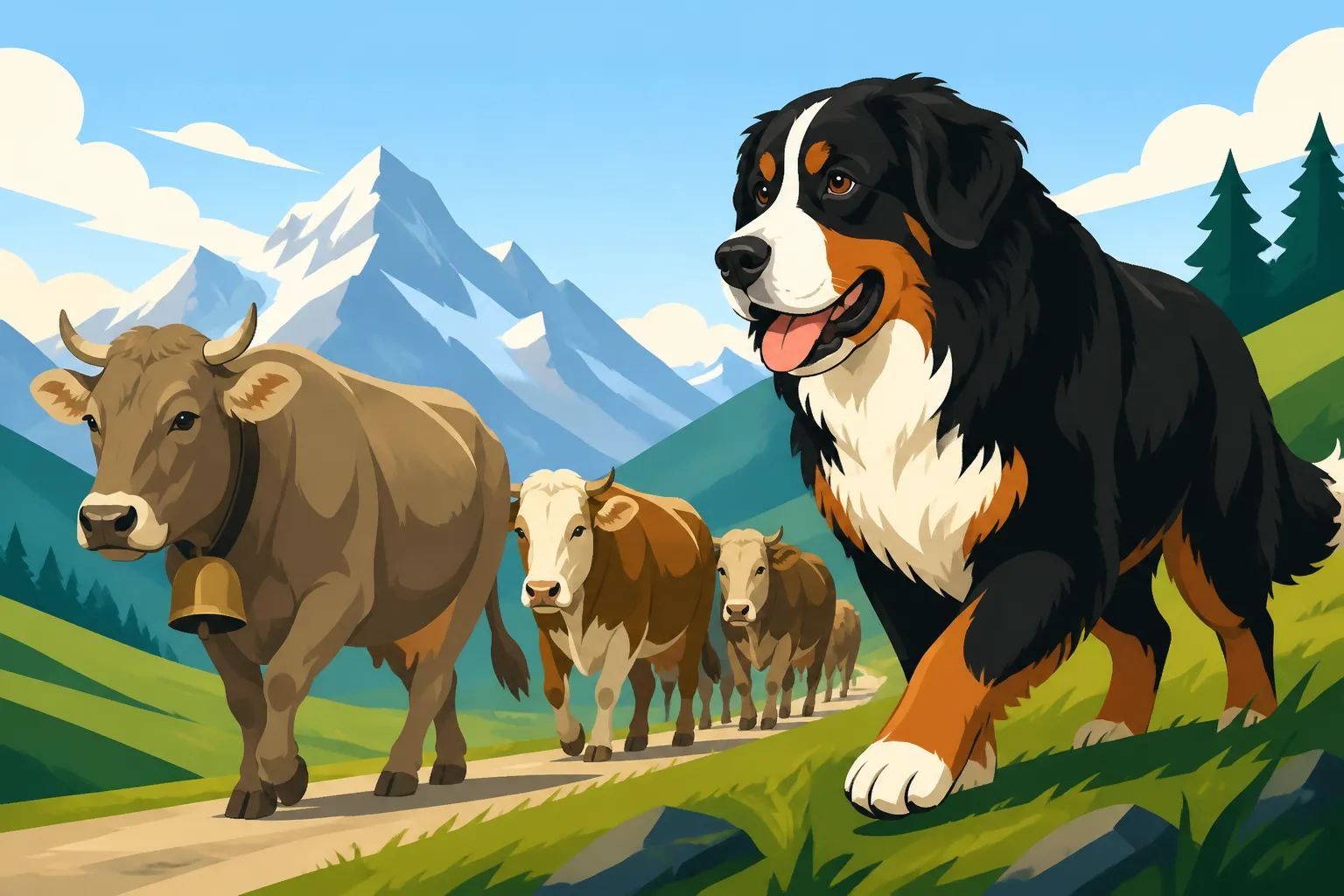
Picture the steep, winding paths of the Swiss Alps, not gentle rolling hills. Moving a herd of cattle through this kind of unforgiving landscape was no small feat. It required dogs that could not only keep the herd together but also guide them safely over treacherous terrain, often for considerable distances between pastures or to market. This wasn't about quick dashes; it was about sustained effort and smart decision-making. The Bernese Mountain Dog’s robust build and hardy nature were perfectly adapted to these physical challenges, allowing them to endure long hours and varied weather conditions. They learned to read the cattle and anticipate their movements, showcasing remarkable instinctual intelligence.
A "Driving" Dog, Not a "Herding" Dog
It’s important to distinguish between traditional herding dogs, like Border Collies, who use eye contact and quick movements to gather and control sheep, and the Bernese Mountain Dog’s role as a "droving" or "driving" dog. Berners weren't typically nipping at heels to gather small, agile flocks. Instead, their job involved pushing, guiding, and maintaining the direction of much larger, slower-moving livestock like cattle. They acted more like mobile fences, using their substantial bodies and confident presence to steer the herd along desired paths. Their sheer size and impressive stature were assets, commanding respect from even the largest cows, making them effective without resorting to aggression. This required a steady temperament and a natural authority.
Protecting the Herd and the Drover
Beyond simply moving the livestock, the Bernese Mountain Dog also provided an invaluable layer of protection. In remote Alpine regions, threats could come from wild predators like wolves or bears, or even human rustlers. A large, vigilant Bernese Mountain Dog accompanying the drover and the herd acted as a powerful deterrent. Their imposing size and deep, resonant bark would often be enough to scare off potential dangers, safeguarding the valuable livestock. This protective instinct, combined with their gentle nature towards their own family and stock, is a hallmark of the breed's balanced temperament. It’s part of What a Bernese Mountain Dog Did on a Swiss Farm for centuries.
The All-Around Farmhand: Beyond Droving
While cattle droving was a significant duty, the Bernese Mountain Dog was far from a one-trick pony. Their versatile nature meant they contributed to almost every aspect of farm life, becoming truly indispensable to their human counterparts.
The Iconic Milk Cart: Pulling Their Weight
Perhaps one of the most iconic images of the Bernese Mountain Dog is pulling a milk cart. This wasn't just for show; it was a practical necessity. These sturdy dogs were routinely hitched to carts to transport milk, cheese, and other farm produce from remote mountain farms down to local markets. Their immense strength, combined with their willingness to work and steady gait, made them ideal for hauling heavy loads over often difficult terrain. This carting work also required a calm temperament, as they had to navigate busy market towns without being easily spooked. The Milk Carts Bernese Mountain Dogs Pulled were a common sight, a testament to their enduring usefulness. This tradition lives on today in draft work competitions where modern Berners can still show off their ancestral skills. If you're looking into training for this, remember to grab durable leashes and harnesses from reputable places like Chewy.
Guardians of the Homestead: Watchful but Not Aggressive
On the farm, the Bernese Mountain Dog also served as a watchful guardian. They had a natural instinct to be aware of their surroundings and alert their families to anything unusual. This wasn't the aggressive, confrontational guarding of some breeds; rather, it was a calm, observant vigilance. They would bark to signal the arrival of strangers or potential threats, but their primary role was deterrence, not attack. Their imposing size and deep bark were usually enough to make unwanted visitors think twice. This discerning nature meant they were trustworthy with farm animals and family members, distinguishing between friend and foe with keen judgment. It speaks to What a Bernese Mountain Dog Does Instead of Guarding in a more traditional sense.
Companions in the Fields and Home
Amidst all their hard work, Bernese Mountain Dogs were also cherished companions. They lived alongside their human families, often sleeping indoors or in close proximity. This constant interaction fostered an incredibly deep bond and contributed to their famously gentle and loyal nature. Children grew up with these dogs, who would often act as patient, watchful playmates. This dual role—a tireless worker by day and a devoted family member by night—is central to the Bernese Mountain Dog's identity. It shows they were not just tools, but intelligent beings capable of forming strong emotional connections, a trait that continues to define the breed today.
Physical Traits Suited for the Job
The Bernese Mountain Dog’s distinctive physical characteristics are not merely aesthetic; they are direct adaptations to their demanding working life in the Swiss Alps. Every aspect of their build and coat served a purpose, making them perfectly engineered for their historical roles.
The Sturdy Frame and Endurance
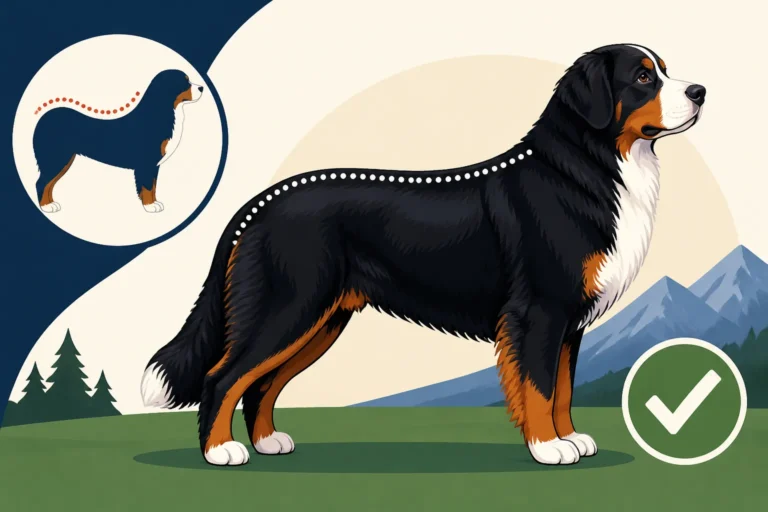
A Bernese Mountain Dog's powerful, muscular frame is a direct result of generations spent pulling carts, driving cattle, and navigating steep mountain trails. They possess a robust bone structure and a deep chest, which houses strong lungs necessary for sustained exertion at altitude. This wasn't about speed, but about unwavering endurance and strength. Their medium-sized, sturdy legs, with strong, compact feet, provided excellent traction and stability on uneven and often slippery terrain, whether it was rocky paths or snow-covered ground. This physical prowess allowed them to perform their duties reliably, day in and day out, regardless of the challenging conditions the Alpine environment threw at them.
Temperament: Courage, Intelligence, and Willingness
Beyond their physical strength, the Bernese Mountain Dog's temperament was equally crucial for their success as a working breed. They needed to be self-confident enough to handle large livestock, intelligent enough to understand commands and problem-solve on the fly, and willing to work closely with their human partners. The breed standard often describes them as "good-natured," "calm," and "self-assured," traits that were essential for a dog entrusted with valuable animals and children. They had to be brave without being reckless, and intelligent without being overly independent. This balanced disposition allowed them to be effective workers and beloved family members simultaneously. For more on these qualities, look into The Bernese Mountain Dog Breed Standard.
The Tricolor Coat: More Than Just Beauty
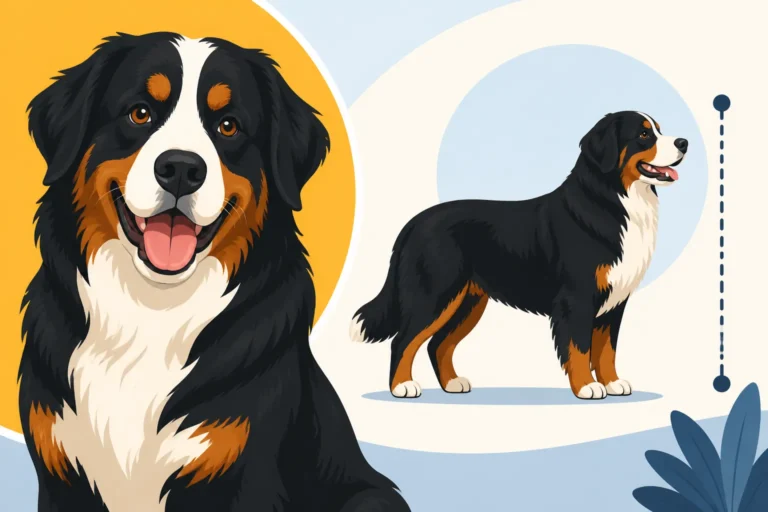
The Bernese Mountain Dog's striking tricolor coat, with its dense black, crisp white, and rich rust markings, is often admired for its beauty today. However, in their working past, this coat served highly practical purposes. The thick double coat provided exceptional insulation, protecting them from the biting cold of the Swiss winters and the cooler mountain air, while also offering some protection from the sun in summer. The distinctive markings themselves, particularly the white blaze on the face and the "Swiss cross" on the chest, may have served to make them more visible to drovers in low light conditions or against snowy backdrops, aiding in communication and tracking the dogs across varied landscapes. It was a functional coat, designed for survival and utility. You can dive deeper into Bernese Mountain Dog Markings and What They Mean to understand their significance.
The Decline of the Drover Dog and Modern Adaptations
As society evolved, so did the roles of many working dog breeds. The Bernese Mountain Dog was no exception. While their original duties diminished, their inherent qualities paved the way for new purposes and a loving place in modern homes.
Industrialization and Changing Farm Practices
The late 19th and early 20th centuries brought significant changes to agriculture and transportation across Europe, including Switzerland. The advent of railways, motor vehicles, and more industrialized farming methods gradually made the traditional roles of droving dogs and carting dogs less necessary. Farmers no longer needed dogs to drive cattle long distances to market when trucks could do the job faster and more efficiently. Similarly, other forms of transport began to replace dog-drawn carts. This shift meant that the Bernese Mountain Dog, while still valued, began to see its primary working purpose slowly fade into history. It's interesting to consider What Replaced the Bernese Mountain Dog on Swiss Farms and how these changes impacted the breed.
From Farm to Family: A New Purpose
Despite the decline of their traditional working roles, the Bernese Mountain Dog's exceptional temperament—their loyalty, gentleness, and calm demeanor—ensured their survival and transition into a new role: that of a beloved family companion. Their innate desire to be close to their human "herd" and their patience with children made them ideal household dogs. People began to appreciate them not just for their strength, but for their affectionate and steadfast personalities. This transition highlights the breed's adaptability and the enduring appeal of its core characteristics, demonstrating that a true working dog's spirit can find purpose even in a domesticated setting.
Rekindling the Working Spirit: Draft Work and Therapy
Today, many Bernese Mountain Dog enthusiasts honor their heritage by engaging in activities that mimic their ancestral roles. Draft work, or carting, is a popular activity where Berners learn to pull carts, just like their ancestors once did. This not only provides excellent physical and mental exercise but also strengthens the bond between dog and owner. Clubs and organizations host draft tests where dogs can earn titles, celebrating their historical capabilities. You can find information on Draft Test Entry Fees for a Bernese Mountain Dog through various breed clubs.
Beyond physical work, the Bernese Mountain Dog's gentle and empathetic nature makes them exceptional therapy dogs. Their calm presence and soft fur provide comfort and joy to people in hospitals, nursing homes, and schools. Their inherent desire to lean into people and offer a reassuring presence is perfectly suited for this incredibly important work. Therapy Work With a Bernese Mountain Dog allows these gentle giants to continue providing invaluable service, just in a different capacity than their drover ancestors. For owners passionate about channeling their Berner's energy, practical gear like durable harnesses, long lines, and even interactive toys from Chewy can be really beneficial for both training and enrichment.
Understanding the Bernese Mountain Dog's Instincts Today
Even though most Berners aren't driving cattle or pulling milk carts anymore, the instincts ingrained over centuries of working life still shape their behavior and personality. Recognizing these deep-seated traits can help us understand and better appreciate our modern-day Bernese Mountain Dogs.
The Lean: A Remnant of Their Past
If you own a Bernese Mountain Dog, you're undoubtedly familiar with the famous "Berner lean." It’s that endearing habit where they back into your legs or gently press their substantial body against you. While it feels like a big, fluffy hug, it’s actually a behavioral echo from their droving days. In the past, this physical contact could have been a way to subtly guide livestock, or simply to express closeness and reassurance within their "herd"—their human family. It’s a comforting, affiliative behavior that makes their presence known in a gentle yet firm way. For a modern Bernese Mountain Dog, it’s a powerful expression of their desire for connection and a quiet way of showing their devotion. It’s a charming quirk that truly defines The Bernese Mountain Dog That Leans on Everyone.
The Drive to "Work" and Please
Bernese Mountain Dogs were bred to be partners, to have a job to do. This inherent drive to be useful and to please their owners is still very much alive in the breed today. Even if their "job" is just carrying a light backpack on a walk, retrieving toys, or participating in obedience training, they thrive on having a purpose. A bored Berner is often an unhappy Berner, potentially leading to destructive behaviors simply because they're not channeling their energy and intelligence. Providing them with consistent training, mental enrichment, and even simple household tasks can fulfill this deep-seated need. Whether it's a puzzle toy filled with treats or a sturdy Tug-of-War rope from Chewy, engaging their minds is just as important as exercising their bodies.
Importance of Early Socialization and Training
Because of their protective instincts and past role in guiding large animals, Bernese Mountain Dogs inherently possess a calm confidence, but also a degree of wariness towards the unfamiliar. This is why early and thorough socialization is absolutely crucial for a Bernese Mountain Dog puppy. Exposing them to a wide variety of sights, sounds, people, and other friendly dogs from a young age helps them develop into well-adjusted, confident adults who are comfortable in diverse situations. It helps channel their natural instincts positively, teaching them what is a normal part of life and what truly warrants their protective alert. Similarly, consistent, positive reinforcement training from puppyhood is vital. Due to their sensitive nature, they respond best to gentle, encouraging methods. Understanding Socializing a Reserved Bernese Mountain Dog Puppy is key to raising a balanced Berner, allowing them to confidently navigate the world without undue anxiety or suspicion.
Historical Roles vs. Modern Adaptations
Let's take a moment to compare the Bernese Mountain Dog's historical responsibilities with the ways their innate traits manifest in their lives today. This table highlights how their core characteristics have adapted to modern living.
| Historical Role (Swiss Alps) | Key Traits Utilized | Modern Adaptation (Companion Dog) |
|---|---|---|
| Cattle Droving | Strength, confident presence, guidance instinct | Organized draft work, guiding children, gentle nudges |
| Carting/Hauling Produce | Strength, endurance, steady temperament, biddability | Competitive draft work, carrying backpacks, obedience |
| Farm Guardian | Vigilance, watchful nature, deterrent bark, loyalty | Alerting to visitors, family protector, calm watch dog |
| Homestead Companion | Affection, loyalty, patience, social nature | Devoted family member, therapy dog, patient playmate |
| Navigating Rough Terrain | Agility, sturdy build, surefootedness | Enjoying hikes, outdoor activities, confident movement |
| Enduring Harsh Weather | Thick double coat, hardiness | Thriving in cooler climates, enjoying snow, durable coat |
Even though their specific tasks have changed dramatically, the core qualities that made the Bernese Mountain Dog such an invaluable part of Swiss farm life are still very much present. They are still strong, intelligent, loyal, and possess a deep desire to be close to and serve their human families.
Understanding the Bernese Mountain Dog's past as a versatile farmhand and dedicated cattle drover offers profound insight into the wonderful, gentle giants we share our lives with today. Their strength, intelligence, and unwavering loyalty were forged in the demanding landscapes of the Swiss Alps, shaping a breed that is as resilient as it is affectionate. By appreciating their history, we can better understand their instincts and provide them with the love, purpose, and engagement they truly deserve in our modern world.
Disclaimer
This article is for general informational purposes only and does not constitute professional advice. Laws, prices and regulations vary by location and change over time. Consult a qualified professional for guidance on your specific situation.