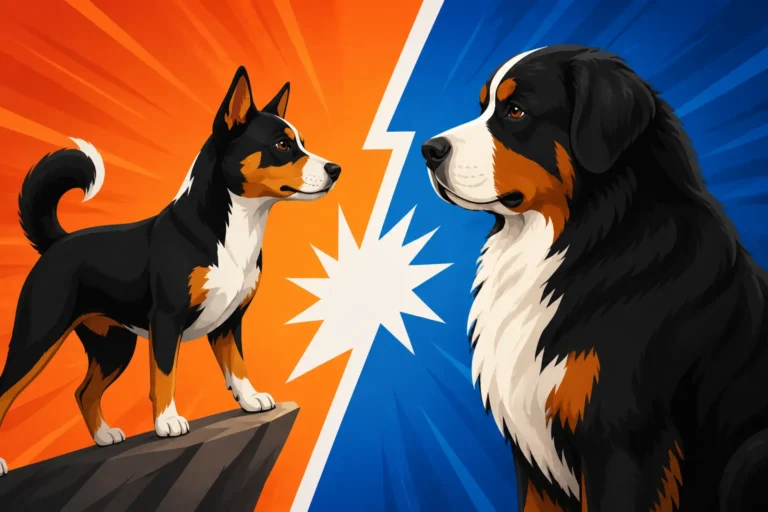
What Replaced the Bernese Mountain Dog on Swiss Farms
It’s easy to picture the majestic Bernese Mountain Dog confidently navigating the snowy Swiss Alps, pulling a cart laden with milk or cheese, their tricolor coat gleaming. This image is deeply ingrained in our perception of the breed, but the reality of modern agriculture has undeniably changed their original purpose. If you’ve ever wondered what filled the vital role these dogs once played on Swiss farms, you’re not alone; this guide delves into the historical shifts and technological advancements that ultimately transformed the Berner's place in rural Switzerland.
The Bernese Mountain Dog's Indispensable Role on Traditional Swiss Farms
For centuries, the Bernese Mountain Dog wasn't just a beloved pet; they were an integral, hardworking member of the Swiss farm family. Their sheer size, strength, and gentle disposition made them uniquely suited for a variety of demanding tasks that were crucial for survival in the challenging alpine environment. Life on a small, self-sufficient farm was tough, and every hand—or paw—was needed.
More Than Just a Pretty Face: The Berner as a Working Dog
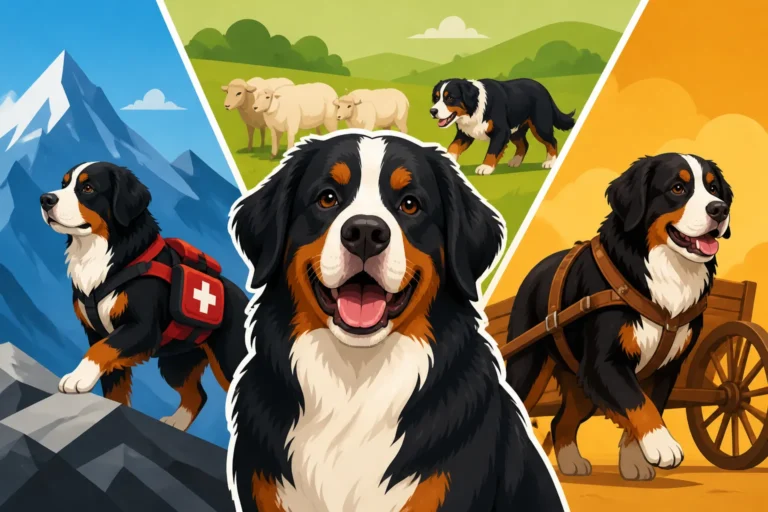
Imagine waking up before dawn in a quiet Swiss valley, the air crisp and cold. Your Bernese Mountain Dog, with their thick coat and sturdy frame, was already stirring, ready for the day's duties. Their most iconic role was undoubtedly pulling carts, often laden with milk cans from scattered pastures down to the village dairy, or freshly made cheeses and other farm produce to market. This wasn't a recreational activity; it was essential for the farm's income and sustenance. They were literally the engine of the local economy in many small communities.
Beyond carting, Berners were also adept drovers, helping to move cattle from one pasture to another, or guiding them to market. Their presence was often enough to keep livestock in line, and their calm demeanor meant they could work alongside farmers without causing undue stress to the animals. They weren't aggressive herders like some breeds, but rather steady, dependable companions in the fields. Farmers relied on their intelligence and willingness to work, making them truly multi-purpose farm dogs, an invaluable asset in an era before widespread machinery. What a Bernese Mountain Dog Did on a Swiss Farm speaks volumes about their historical importance.
The Changing Landscape of Swiss Agriculture
The romantic image of the Berner pulling a cart through idyllic valleys is powerful, but it's important to acknowledge that the world, even in Switzerland, moves forward. For generations, Swiss farms were typically smaller, family-run operations that engaged in a mix of dairy farming, crop cultivation, and sometimes forestry. These farms were often isolated, making reliance on animal power not just practical but necessary. The terrain itself, with its steep inclines and winding paths, sometimes favored animal-drawn transport over early, bulky machinery.
However, as the 20th century progressed, the global agricultural landscape began to shift dramatically. Economic pressures, advancements in technology, and changing societal norms gradually led to the modernization of farming practices. Many smaller, diversified farms either consolidated, specialized, or simply couldn't compete with larger, more efficient operations. This evolving environment meant that the traditional roles for working dogs like the Bernese Mountain Dog started to diminish, paving the way for new solutions.
Mechanization and the Rise of Modern Farming Techniques
The biggest game-changer for the Bernese Mountain Dog's working role was, without a doubt, the advent and widespread adoption of modern machinery. What was once a labor-intensive, animal-powered system gradually gave way to more efficient, mechanized methods.
Tractors, Trucks, and the End of the Carting Era
When you think about modern farming, what comes to mind? Likely powerful tractors, automated milking systems, and robust utility vehicles. These machines, specifically designed for heavy-duty work and navigating challenging terrain, began to replace the need for animal draft power. Tractors could haul significantly more weight, cover ground faster, and operate continuously without needing rest. Small trucks and all-terrain vehicles became commonplace for transporting milk, cheese, and other goods, rendering the faithful carting dog less of an essential worker and more of a charming anachronism.
The economic reality was stark: machines offered unparalleled efficiency and scale. A farmer could cover more ground, produce more goods, and transport them to market with less manual labor. This allowed farms to expand and specialize, maximizing output. While the Bernese Mountain Dog was strong and willing, no dog could compete with the sheer horsepower and endurance of a diesel engine. This transition was gradual but undeniable, effectively drawing a close to the era where a Bernese Mountain Dog's primary purpose was to pull a cart for commercial purposes. What Drafting Meant for a Swiss Bernese Mountain Dog gives a glimpse into this now-specialized activity.
Specialized Breeds for Specialized Tasks
With the move towards larger, more specialized farms, the need for a general-purpose farm dog also diminished. Modern dairy farms, for example, often utilize advanced fencing systems, electronic tags, and even robotic milking machines, greatly reducing the direct human or animal interaction needed for daily tasks like herding or guarding. If a farm still requires a dog for specific livestock management, they might opt for highly specialized herding breeds known for their intense focus and efficiency, rather than a versatile but less specialized breed like the Berner.
The shift meant that the Berner's broad skill set—carting, droving, general farm guardianship—became less relevant in a world where individual tasks were either mechanized or assigned to breeds with hyper-specific aptitudes. The charm and historical significance of the Bernese Mountain Dog remained, but their practical utility on a working farm faded as agricultural practices became more industrialized and segmented. This evolution reflected a larger trend across many industrialized nations, where traditional farm animals and working breeds were gradually replaced by technology.
Socioeconomic Shifts and the Berner's New Purpose
As Swiss farms modernized, the Bernese Mountain Dog, like many traditional working breeds, found itself at a crossroads. Its original job was disappearing, but its inherent qualities were simply too wonderful to let the breed fade away. This led to a beautiful, albeit different, evolution in its role.
From Farm Hand to Family Companion
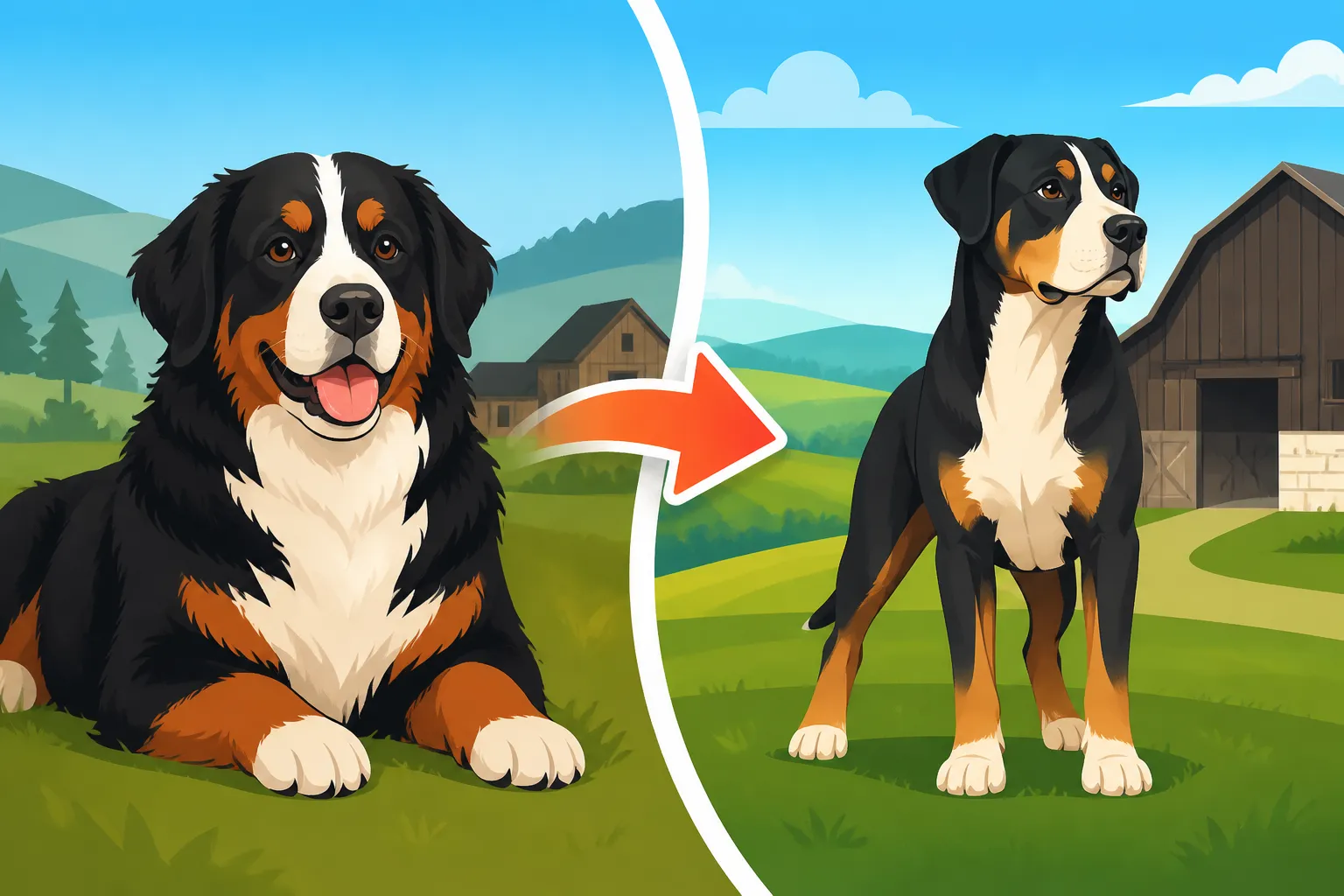
It's a testament to the Bernese Mountain Dog's incredible temperament that it transitioned so seamlessly from a diligent farmhand to one of the world's most beloved family companions. The very traits that made them excellent working dogs—their calm disposition, unwavering loyalty, intelligence, and gentle nature—made them perfectly suited for life as a cherished pet. Instead of pulling carts, they began pulling at heartstrings. People discovered that these large, affectionate dogs made wonderful additions to their homes, thriving on human companionship and becoming a focal point of family life.
This shift was driven by a growing urban and suburban population looking for loyal, gentle dogs. The Berner’s friendly demeanor, especially with children, made them ideal. Their protective instinct evolved from guarding farm property to watching over their human family, always present and reassuring. Many owners can attest to their Berner "leaning" on them, a behavior believed to stem from their herding days, but now a comforting sign of affection. The Kind of Home a Bernese Mountain Dog Belongs In is truly one centered on family. Companies like Chewy quickly recognized the growing market for specialized large breed food and accessories, catering to these magnificent new family members.
The Preservation of Breed Traits and Activities
While the daily grind of farm work is largely a thing of the past for most Bernese Mountain Dogs, their heritage is far from forgotten. Enthusiasts and breed clubs have worked tirelessly to preserve the unique traits and working abilities of the Berner, not out of necessity, but out of respect for their history and a desire to keep the breed's spirit alive. Activities like draft work, often sponsored by clubs like the Bernese Mountain Dog Club of America, allow modern Berners and their owners to experience a glimpse of their ancestors' lives.
These events involve dogs pulling carts, just as they did on the farms, showcasing their strength, trainability, and willingness to work alongside their human partners. It's a wonderful way to honor their past and demonstrate their capabilities to a new generation. Similarly, many Berners excel in other dog sports like obedience, rally, and even therapy work, where their calm and loving nature shines. These activities ensure that the breed's intelligence and biddability continue to be fostered, even if the "farm" now means the local park or community center. Whether a Bernese Mountain Dog Enjoys Pulling is a question many modern owners explore.
The Impact of Modernization on the Bernese Mountain Dog Breed
The transition from working dog to companion animal has had profound implications for the Bernese Mountain Dog breed itself, influencing everything from breeding practices to the focus of breed clubs and organizations.
A Shift in Breeding Focus
With the decline of their traditional working roles, the criteria for breeding Bernese Mountain Dogs naturally shifted. Where once a farmer might prioritize strength, endurance, and practical working aptitude, modern breeders often focus more on temperament (ensuring they remain gentle and good with families), conformation (how well they fit the breed standard for appearance), and, crucially, health. Given the breed's challenges with certain health conditions, rigorous health screenings for hips, elbows, eyes, and cardiac health have become paramount. The Bernese Mountain Dog Breed Standard now encompasses these modern considerations.
This doesn't mean working ability is ignored entirely. Many responsible breeders still value and test for the inherent drive and biddability that made the Berner so valuable on the farm. However, the primary goal for most breeders today is to produce healthy, well-tempered dogs that will thrive as beloved family members. This balance is critical: preserving the historical essence of the breed while adapting to its modern purpose. You'll often find breeders carefully researching pedigrees, often utilizing resources like the Berner-Garde database, to make informed decisions about pairings. This shift means that items found on Chewy, from specialized large-breed puppy food designed for slow growth to advanced joint supplements, are now essential considerations for every Berner owner.
The Berner's Enduring Legacy
Despite the dramatic changes in agriculture that rendered their original purpose obsolete, the Bernese Mountain Dog has not only survived but flourished. They are a testament to the adaptability of dogs and the enduring human desire for canine companionship. While no longer hitched to milk carts, their spirit of loyal partnership, gentle strength, and joyful presence continues to enrich countless lives.
Today's Bernese Mountain Dogs carry the legacy of their Swiss ancestors in their striking appearance and wonderful temperament. They may not be indispensable for farm labor anymore, but they are absolutely indispensable to the families who love them, offering comfort, joy, and unconditional affection. It’s a beautiful evolution, where a breed once vital for physical work has found a new, equally profound purpose in warming our homes and hearts. For those who appreciate their history, engaging in activities like drafting or simply reading about Why the Bernese Mountain Dog Nearly Disappeared helps connect them to the incredible journey of this magnificent breed. Many owners invest in high-quality items from places like Chewy to ensure their beloved Berners lead happy, healthy lives.
| Feature | Traditional Swiss Farm (Pre-1950s) | Modern Swiss Farm (Post-1970s) |
|---|---|---|
| Primary Power | Bernese Mountain Dogs, horses, human labor | Tractors, trucks, ATVs, specialized machinery |
| Hauling & Transport | Dog carts, horse-drawn wagons | Pick-up trucks, utility vehicles, larger tractors |
| Livestock Management | Dogs for droving, human herders | Fencing systems, specialized herding breeds (less common), automated feeders |
| Farm Size | Smaller, diversified family farms | Larger, often specialized commercial farms |
| Economic Drivers | Local markets, subsistence, immediate needs | Efficiency, global markets, specialization |
| Bernese Mountain Dog Role | Essential working animal (carting, droving, guarding) | Companion animal, recreational draft work, show dog |
Disclaimer
This article is for general informational purposes only and does not constitute professional advice. Laws, prices and regulations vary by location and change over time. Consult a qualified professional for guidance on your specific situation.