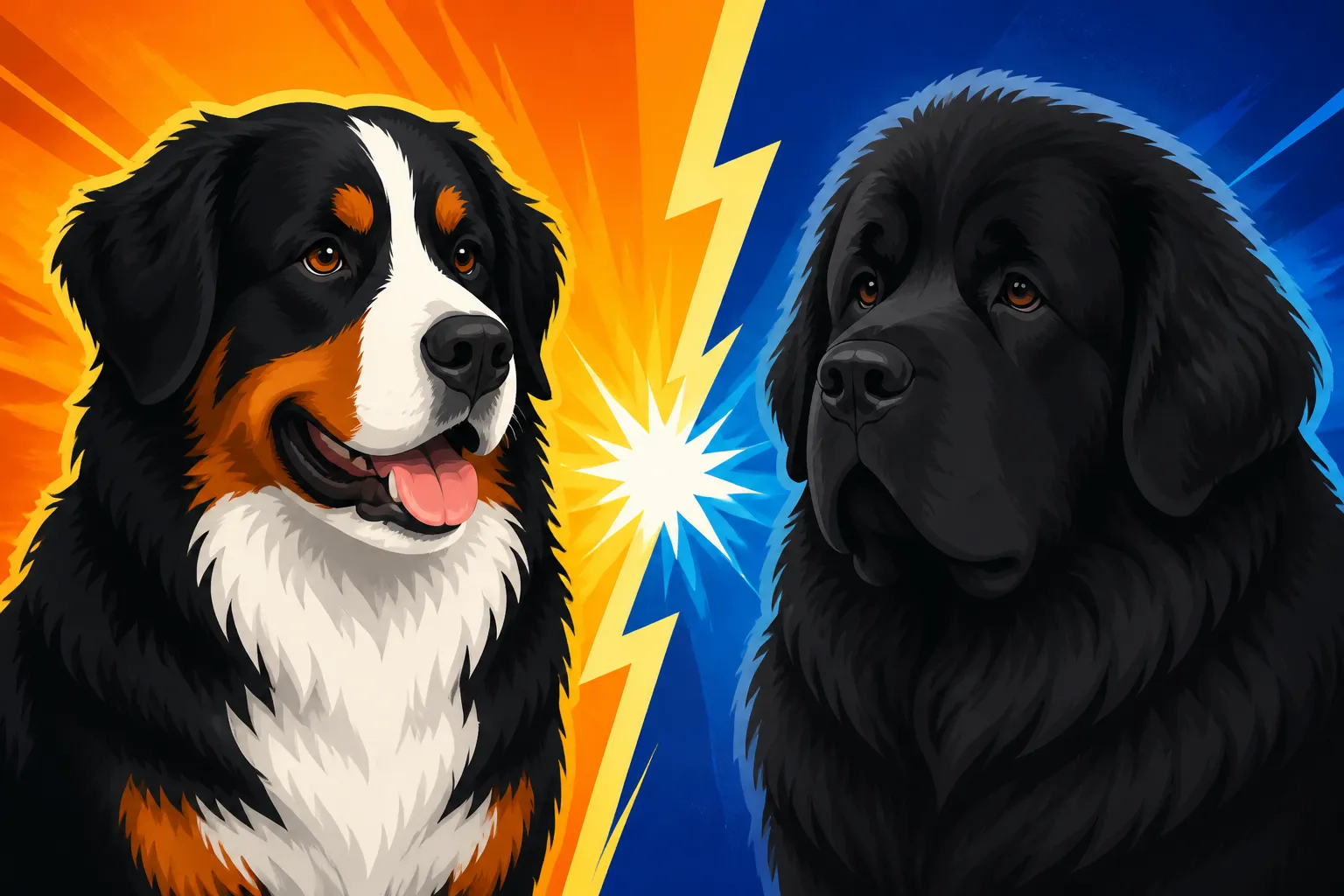
The Bernese Mountain Dog Against the Newfoundland
Choosing between a Bernese Mountain Dog and a Newfoundland is a decision many prospective dog parents grapple with, often drawn to their majestic size and famously gentle natures. While both breeds embody the "gentle giant" archetype, they possess distinct characteristics that profoundly impact daily life, care, and overall suitability for different households. This comprehensive guide will meticulously explore their differences and similarities, helping you determine which beloved giant is the perfect fit for your family.
Historical Roots and Original Purpose
Understanding where these magnificent dogs come from offers incredible insight into their instincts, physical traits, and how they interact with the world. Both breeds have rich histories, but their geographical origins and the jobs they were bred to do couldn't be more different.
Swiss Alpine Origins of the Bernese Mountain Dog
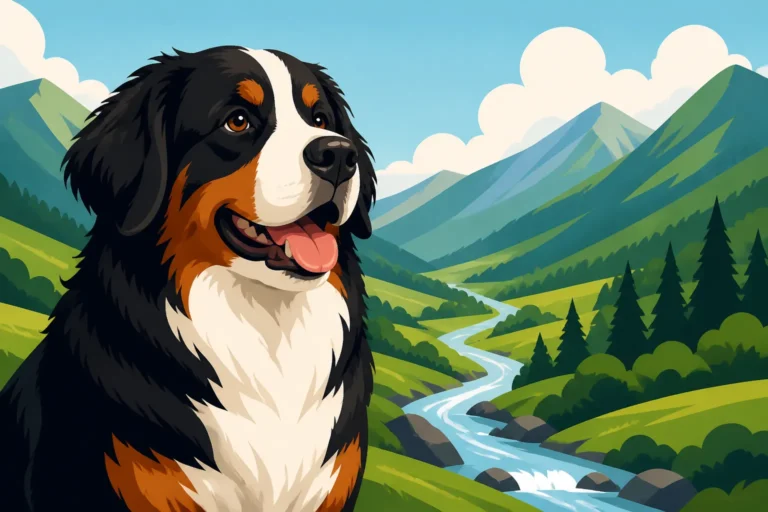
The Bernese Mountain Dog hails from the breathtaking Swiss Alps, specifically the Canton of Bern. For centuries, these dogs were indispensable partners to alpine farmers and dairymen. Their robust build and thick coat were perfectly suited to the harsh mountain climate, enabling them to perform a variety of crucial tasks. They were primarily used as drovers, moving cattle from pasture to pasture, and as guardians of property. But perhaps their most iconic role was as carting dogs, pulling heavy wagons filled with milk, cheese, and other farm goods to market. Imagine a busy farmer relying on his strong, steady Bernese to transport his livelihood over rough terrain – it speaks volumes about their endurance, strength, and calm disposition. This history explains why you might see a modern Bernese Mountain Dog who naturally takes to a harness or enjoys being part of a family walk with a purpose. The Swiss Valley the Bernese Mountain Dog Comes From
This working past ingrained a deeply loyal and attentive nature in the Bernese. They needed to be responsive to their owners' commands, capable of making independent decisions when tending livestock, but ultimately trustworthy and gentle enough to be around the family. They weren't bred for aggression, but rather for a watchful presence and a willingness to work alongside humans. Their beauty, a striking tricolor coat, was almost a byproduct of their utility, evolving to withstand the elements.
Newfoundland's Maritime Heritage
In stark contrast, the Newfoundland dog emerged from the rugged shores of Newfoundland, Canada. These dogs were the ultimate companions to fishermen, facing the icy waters of the North Atlantic. Their primary role was not on land, but in the water, performing heroic feats of water rescue. Their massive size, incredible strength, and unique physical adaptations—like a water-resistant double coat and webbed feet—made them unparalleled swimmers. They would retrieve lost fishing nets, pull lines between boats, and, most famously, rescue people from treacherous seas. Think of a fisherman being pulled from a frigid ocean by one of these magnificent beasts; it truly highlights their courageous, devoted, and inherently gentle spirit.
This maritime history has shaped the Newfoundland's temperament profoundly. They possess an innate desire to help, a calm demeanor even in chaotic situations, and an unwavering patience that few breeds can match. They are often described as "nanny dogs" due to their exceptional gentleness with children, a trait stemming from their need to be reliable and protective without being aggressive in dangerous situations. Their deep connection to water is almost instinctual; many Newfoundlands will gravitate towards any body of water, from a small puddle to the vast ocean, ready to dive in.
Physical Characteristics: Size, Coat, and Build
Both Bernese Mountain Dogs and Newfoundlands are undeniably large, powerful breeds, but a closer look reveals significant differences in their build, coat texture, and overall appearance, each perfectly adapted to their original working environments.
Size and Stature: A Tale of Two Giants
When you stand next to either a Bernese Mountain Dog or a Newfoundland, you're looking up at a truly impressive canine. Bernese Mountain Dogs are substantial dogs, with males typically standing around 25 to 27.5 inches tall at the shoulder and weighing between 80 to 115 pounds. Females are slightly smaller, usually 23 to 26 inches tall and 70 to 95 pounds. They possess a sturdy, well-muscled build, giving them an air of athletic elegance. Their frame is balanced, designed for agility over varied terrain and the strength to pull carts.
Newfoundlands, on the other hand, often present an even more massive and imposing figure. Males usually range from 28 to 30 inches tall and can easily weigh from 130 to 150 pounds, with some individuals even exceeding that. Females are generally 26 to 28 inches tall and weigh 100 to 120 pounds. Their build is undeniably more colossal, with a broader chest, heavier bone structure, and a distinctively powerful, barrel-chested appearance. This sheer bulk and deep chest are crucial for their water work, providing buoyancy and strength against strong currents. While a Berner feels solid and agile, a Newfie feels like a furry, immovable force of nature. How Big a Bernese Mountain Dog Gets
Distinctive Coats and Coloration
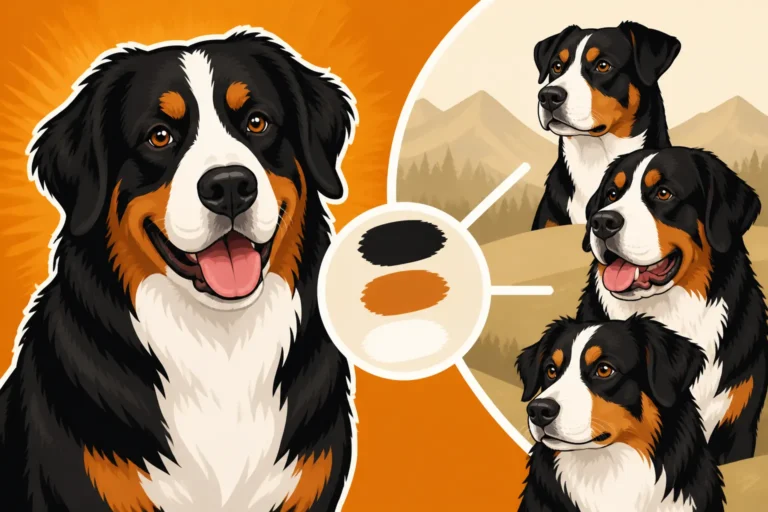
The coats of these two breeds are perhaps one of their most visually striking differences, each a testament to their environmental adaptations. The Bernese Mountain Dog is famous for its gorgeous tricolor coat: a jet black base with rich rust or tan markings on the cheeks, over the eyes, on the legs, and under the tail, complemented by a crisp white blaze on the face, chest, and paws, often with a white "Swiss cross" on the chest. Their coat is long, thick, and slightly wavy or straight, featuring a dense undercoat that provides excellent insulation against cold mountain winters. This flowing coat gives them an almost regal appearance. Bernese Mountain Dog Markings and What They Mean
Newfoundlands typically come in solid black, brown, or gray, with black being the most common and often preferred in the show ring. While white markings are sometimes seen, particularly on the chest and feet, the overall impression is one of a vast, dark expanse of fur. Their coat is famously thick, coarse, and water-resistant, with a soft, oily undercoat that acts like a wetsuit, protecting them from icy water. The outer coat is long and shaggy, giving them a wonderfully bear-like, cuddly appearance. When wet, a Newfoundland's coat sheds water remarkably well, unlike many other long-haired breeds. This difference in coat type and color is usually the first visual cue to distinguish between the two.
Other Notable Features
Beyond size and coat, there are other physical distinctions. Bernese Mountain Dogs have expressive, dark brown, almond-shaped eyes that convey their gentle and intelligent nature. Their ears are medium-sized, triangular, and set high, lying flat to the head. Their tail is long and bushy, carried low or slightly curved upwards when alert, but never curled over the back. Their overall expression is one of calm confidence.
Newfoundlands possess a slightly different head shape; it's broader and more massive. Their eyes are also dark brown, but often appear smaller relative to their large head, giving them a kind, soulful, almost mournful expression. Their ears are small, triangular, and lie close to the head. One of their most recognizable features is their often-droopy jowls, which contribute to their propensity for drooling, especially after drinking or exercising. Their tail is thick and acts as a rudder in the water, carried straight or with a slight curve when swimming or excited. While both breeds are undeniably beautiful, the Berner tends to have a more refined, alert look, while the Newfie projects an image of stoic, gentle power.
Here's a quick comparison table:
| Feature | Bernese Mountain Dog | Newfoundland |
|---|---|---|
| Origin | Swiss Alps (Switzerland) | Newfoundland (Canada) |
| Primary Role | Drover, carting, guardian | Water rescue, fisherman's aid |
| Male Height | 25-27.5 inches (shoulder) | 28-30 inches (shoulder) |
| Male Weight | 80-115 pounds | 130-150+ pounds |
| Female Height | 23-26 inches (shoulder) | 26-28 inches (shoulder) |
| Female Weight | 70-95 pounds | 100-120 pounds |
| Coat Type | Long, thick, slightly wavy/straight, dense undercoat | Thick, coarse, water-resistant, oily undercoat, shaggy |
| Common Colors | Tricolor (Black, Rust, White) | Solid Black, Brown, Gray (sometimes with white markings) |
| Drooling | Minimal to moderate | Moderate to heavy |
| Webbed Feet | No | Yes (distinctly webbed) |
Temperament and Personality: Gentle Giants with Nuances
Both breeds are celebrated for their gentle and loving dispositions, earning them the "gentle giant" moniker. However, their specific historical roles have subtly shaped their temperaments, leading to distinct personality nuances that are important for prospective owners to understand.
Affection and Family Bonds
Bernese Mountain Dogs are deeply devoted to their families, often forming strong bonds with every member. They thrive on companionship and want nothing more than to be included in family activities, whether it's a hike, a car ride, or just lounging on the floor next to you. They are famously affectionate and will often lean into their humans, seeking contact and comfort. This leaning behavior is a classic Berner trait, a sweet way they show their love and desire to be close. They can be reserved with strangers initially, observing new people with a calm dignity before offering their friendship. The Bernese Mountain Dog That Leans on Everyone
Newfoundlands take affection to an even more profound, almost spiritual level. Their historical role as rescuers meant they needed to be inherently gentle and trustworthy with anyone they encountered, even strangers in distress. This translates to an incredibly patient and tolerant nature, particularly with children, which is why they are often called "nanny dogs." They are typically more overtly friendly with strangers than Berners, readily accepting pats and attention. A Newfoundland's affection is boundless, and they often see it as their mission to be a comforting presence. While both breeds are wonderful family dogs, the Newfoundland might be slightly more universally accepting of new people and situations, offering a more laid-back form of interaction.
Trainability and Intelligence
Both breeds are intelligent, but they express it in different ways, influencing their trainability. Bernese Mountain Dogs are generally eager to please and intelligent, making them quite trainable. They respond best to positive reinforcement methods and gentle guidance, as they can be sensitive and shut down if handled harshly. Consistency and patience are key. They excel in various dog sports like obedience, rally, and, true to their heritage, carting or draft work. Their willingness to work and learn means they pick up commands relatively quickly, though their independent streak might mean they choose to "think about it" before responding sometimes. Whether a Bernese Mountain Dog Is Easy to Train
Newfoundlands are also intelligent, but their intelligence is often described as a calm, steady wisdom rather than a quick, eager-to-perform eagerness. They are generally amenable to training but can be a bit slower to respond than some other breeds, preferring to consider a command before acting. They have a strong desire to please and a remarkable memory, but they are not typically known for lightning-fast reflexes. Like Berners, they respond best to positive reinforcement. Their strength lies in their unwavering devotion and willingness to calmly perform tasks, especially those involving water. While a Berner might perform a trick for a treat from Chewy, a Newfie might do it simply because it pleases their beloved human.
Socialization Needs and Companionship
Early and consistent socialization is crucial for both breeds, given their large size and potential for timidity if not exposed to a variety of sights, sounds, and experiences as puppies. A well-socialized Bernese Mountain Dog is confident and outgoing, comfortable in various environments. Without proper socialization, some Berners can become overly reserved or even fearful of new people or situations. They thrive on being part of the family unit and can develop separation anxiety if left alone for extended periods too frequently. They need to feel like they belong and have a purpose.
Newfoundlands, owing to their inherently docile nature, often seem to take new experiences in stride more readily than some Berners. However, their sheer size makes socialization equally vital to ensure they grow into well-mannered adults who don't accidentally bowl over guests. They also crave companionship and do not do well when isolated. Their laid-back nature might make them seem more independent, but a Newfie thrives on human interaction and can become bored or lonely if left to their own devices for too long. For both breeds, early exposure to different people, places, and other friendly dogs is absolutely essential to fostering their gentle, confident dispositions.
Care and Grooming Needs: Managing the Majestic Coats
Both Bernese Mountain Dogs and Newfoundlands possess magnificent double coats that require consistent grooming to keep them healthy and free of mats. However, the specific texture and density of their fur lead to different daily and weekly maintenance routines, and managing drool is a definite consideration for Newfie owners.
Coat Maintenance and Shedding
The Bernese Mountain Dog's long, flowing tricolor coat is a thing of beauty, but it demands regular attention. Their double coat consists of a long, slightly wavy outer coat and a dense, woolly undercoat. They are moderate to heavy shedder year-round, with two major "blows" of their undercoat in spring and fall. During these periods, you'll feel like you're living in a snowstorm of dog hair. Daily brushing with a slicker brush and an undercoat rake is often necessary, especially during shedding seasons, to remove loose hair and prevent matting, particularly behind the ears, on their "trousers," and under their legs. Regular bathing, perhaps once every 1-2 months or as needed, helps keep their coat clean and healthy. Grooming a Bernese Mountain Dog's Long Tricolor Coat
Newfoundlands, with their even denser, water-resistant double coat, are also significant shedders. Their outer coat is coarse and shaggy, designed to shed water, while their undercoat is soft and oily, providing insulation. They also have seasonal heavy shedding periods. Their coat is prone to matting if not brushed regularly, especially in areas of friction like the armpits, behind the ears, and around their hindquarters. Daily brushing with a pin brush and a sturdy undercoat rake is essential to penetrate their thick fur and remove dead hair. Due to the density and water-resistant nature of their coat, bathing a Newfoundland can be a major undertaking, often requiring professional help or a dedicated wash station. A good quality shampoo and conditioner are crucial for their unique coat. You'll likely be ordering these in bulk from a retailer like Chewy.
Drooling and Cleanliness
One of the most noticeable differences in daily care is the presence of drool. Bernese Mountain Dogs generally have tight lips and jowls, resulting in minimal drooling. You might see a bit of slobber after they drink water or during intense exercise, but it's usually not a significant issue. Regular face wiping is typically not a daily necessity, and you won't find significant drool strings on your furniture.
Newfoundlands, on the other hand, are renowned for their drooling. Their loose jowls and massive mouths make them prone to slobber, especially after eating, drinking, or during excitement. If you're considering a Newfie, be prepared for drool towels strategically placed around the house, and accept that your clothes and furniture will likely bear the occasional slobbery mark. This isn't a cleanliness issue but simply a physical characteristic of the breed. Managing drool is part of living with a Newfoundland, and many owners embrace it as a quirky charm. It’s definitely something to consider if you have immaculate home standards!
Exercise and Training Adjustments
While both breeds require regular exercise, their needs differ slightly. Bernese Mountain Dogs are moderately active and enjoy daily walks, hikes, or playtime in a fenced yard. They need around 30-60 minutes of activity per day to stay healthy and happy. They love having a job to do, and activities like carting, obedience training, or even carrying a backpack can fulfill their working dog instincts. However, they are sensitive to heat due to their thick coats and should not be over-exercised in warm weather. Exercising a Bernese Mountain Dog in Summer
Newfoundlands are generally more sedate indoors but still require consistent, moderate exercise to maintain their muscular build and prevent obesity. They typically need 30-45 minutes of daily exercise, often in the form of walks or, ideally, swimming. Their love for water is profound, and swimming is an excellent, low-impact way for them to exercise their powerful bodies. Like Berners, Newfies are very susceptible to overheating and should never be exercised intensely during hot weather. Their massive size means that careful management of exercise, especially during puppyhood, is crucial to protect their developing joints. Remember, you're raising a massive dog, and ensuring its bone development is sound is paramount.
Health and Lifespan: Understanding the Realities
Both Bernese Mountain Dogs and Newfoundlands are susceptible to certain health issues common in large and giant breeds. Understanding these predispositions and their typical lifespans is a critical part of responsible ownership and something every potential owner must research thoroughly.
Common Health Concerns
For Bernese Mountain Dogs, joint diseases are a significant concern. Hip and elbow dysplasia are prevalent, leading to arthritis and mobility issues as they age. Reputable breeders will perform OFA Clearances a Bernese Mountain Dog Should Have on their breeding stock to try and reduce the incidence. Cancer, particularly histiocytic sarcoma, is tragically common and a leading cause of death in the breed. Other cancers, like lymphoma and mast cell tumors, also occur. Bloat (Gastric Dilatation-Volvulus) is another life-threatening emergency, a risk for all deep-chested breeds. Bloat in a Deep-Chested Bernese Mountain Dog Eye conditions, Von Willebrand's disease (a bleeding disorder), and degenerative myelopathy are also seen.
Newfoundlands also face a battle with joint health, with hip and elbow dysplasia being prevalent. Their immense weight puts extra strain on their joints, making early screening and careful management crucial. Another significant concern for Newfies is various heart conditions, particularly subvalvular aortic stenosis (SAS), a congenital heart defect. Cystinuria, a hereditary kidney disease, and bloat are also important health considerations. Cancer occurs in Newfoundlands, though perhaps not with the same notorious frequency of specific types as in Bernese Mountain Dogs. Awareness of these issues and regular veterinary check-ups are key to helping your big dog live its best life.
Lifespan Expectations
This is often one of the most heartbreaking differences between the two breeds. Bernese Mountain Dogs, despite their robust appearance, have a notoriously short average lifespan. While individual dogs can and do live longer, the average lifespan for a Bernese Mountain Dog is typically 7 to 8 years. Many devoted owners find this brevity incredibly challenging. This shorter lifespan is largely attributed to the high incidence of aggressive cancers that can strike at relatively young ages. Why a Bernese Mountain Dog Lives Only Seven or Eight Years
Newfoundlands, while also a giant breed, tend to have a slightly longer average lifespan than Berners. Their typical lifespan ranges from 8 to 10 years, with some living to 11 or 12 years. While this is still shorter than many smaller breeds, those extra years can make a world of difference to a family. Like Berners, Newfies are not immune to age-related health issues, and their massive size can lead to mobility challenges in their senior years. Choosing a giant breed means accepting that their time with you, while incredibly rich, may not be as long as you'd hope for. Investing in good nutrition, preventative care, and potentially pet insurance from a provider like Chewy can help manage the financial aspects of their health needs.
Lifestyle Suitability: Which Giant Fits Your Home?
Deciding between a Bernese Mountain Dog and a Newfoundland often comes down to matching their unique needs and traits with your lifestyle, living situation, and family dynamics. Both require dedicated owners, but their specifics lean towards different types of homes.
Family Dynamics and Children
Both breeds are renowned for being excellent family dogs and are generally wonderful with children, often displaying immense patience and gentleness. However, there are subtle differences in their approach. Bernese Mountain Dogs are devoted to their family unit and are typically very tolerant of children, viewing them as part of their pack. They enjoy participating in family activities and can be gentle playmates, especially if raised with kids from puppyhood. Their eagerness to please makes them responsive to children who are taught how to respectfully interact with a large dog.
Newfoundlands are legendary for their "nanny dog" qualities. They possess an almost innate understanding of how to be gentle and protective around children, often exhibiting a calm, watchful presence. Their immense size and placid nature mean they are less likely to accidentally knock over a small child, although supervision is always necessary with any large dog and small kids. If you're looking for a dog that will embrace a role as a guardian and patient companion for your children, the Newfoundland often fits this bill perfectly. Their laid-back temperament can be a huge asset in a bustling household.
Climate and Living Space Considerations
The thick double coats of both breeds make them highly unsuited for hot climates and prolonged exposure to high temperatures. Both are mountain dogs or cold-water dogs by nature. Bernese Mountain Dogs thrive in cooler temperatures and can struggle significantly in heat and humidity. They need access to shade, plenty of fresh water, and ideally an air-conditioned environment during warmer months. Their exercise needs must be adjusted during summer to prevent overheating. The Temperature a Bernese Mountain Dog Stops Coping
Newfoundlands are even more susceptible to heatstroke due to their enormous body mass and dense, insulating coat. They absolutely must have protection from heat, which includes air conditioning, shade, and limiting outdoor activity to the coolest parts of the day. A Newfoundland who lives in a hot climate must have access to water for swimming to help them regulate their body temperature safely. Neither breed is suited for outdoor living in anything but consistently cool or cold climates. Both thrive indoors as part of the family.
In terms of living space, both breeds require ample room. While they can adapt to a larger apartment or condo if their exercise needs are met, a house with a securely fenced yard is generally preferred. Their size means they can easily dominate smaller spaces, and their tails can clear coffee tables with a single wag. A Newfoundland, being even larger, might feel more cramped in a modest home than a Bernese Mountain Dog. Consideration for stairs is also important, particularly for Berners prone to joint issues and older Newfies. Providing appropriate, large beds and crates, which you can find on Chewy, is also a must.
Activity Levels and Compatibility
If you're an active family who loves hiking, camping (in cool weather!), or participating in dog sports like obedience or carting, a Bernese Mountain Dog might be an ideal companion. They enjoy having a job to do and are generally enthusiastic partners for adventures. While they love to relax with their family, they also appreciate a good outing. They are adaptable and can fit into various active lifestyles, provided their heat sensitivity is respected.
For families seeking a more mellow giant, perhaps one who is content with moderate daily walks and lots of cuddle time, the Newfoundland could be a better match. Their love for water makes them fantastic companions for trips to the lake or beach, where they can indulge their natural swimming instincts. They are generally less demanding in terms of high-energy activities, preferring a calm, steady pace. If you envision a dog that will patiently lie by your feet while you read, but is always ready for a leisurely stroll or a dip in the water, the Newfoundland's calm demeanor might be exactly what you're looking for.
Disclaimer
This article is for general informational purposes only and does not constitute professional advice. Laws, prices and regulations vary by location and change over time. Consult a qualified professional for guidance on your specific situation.