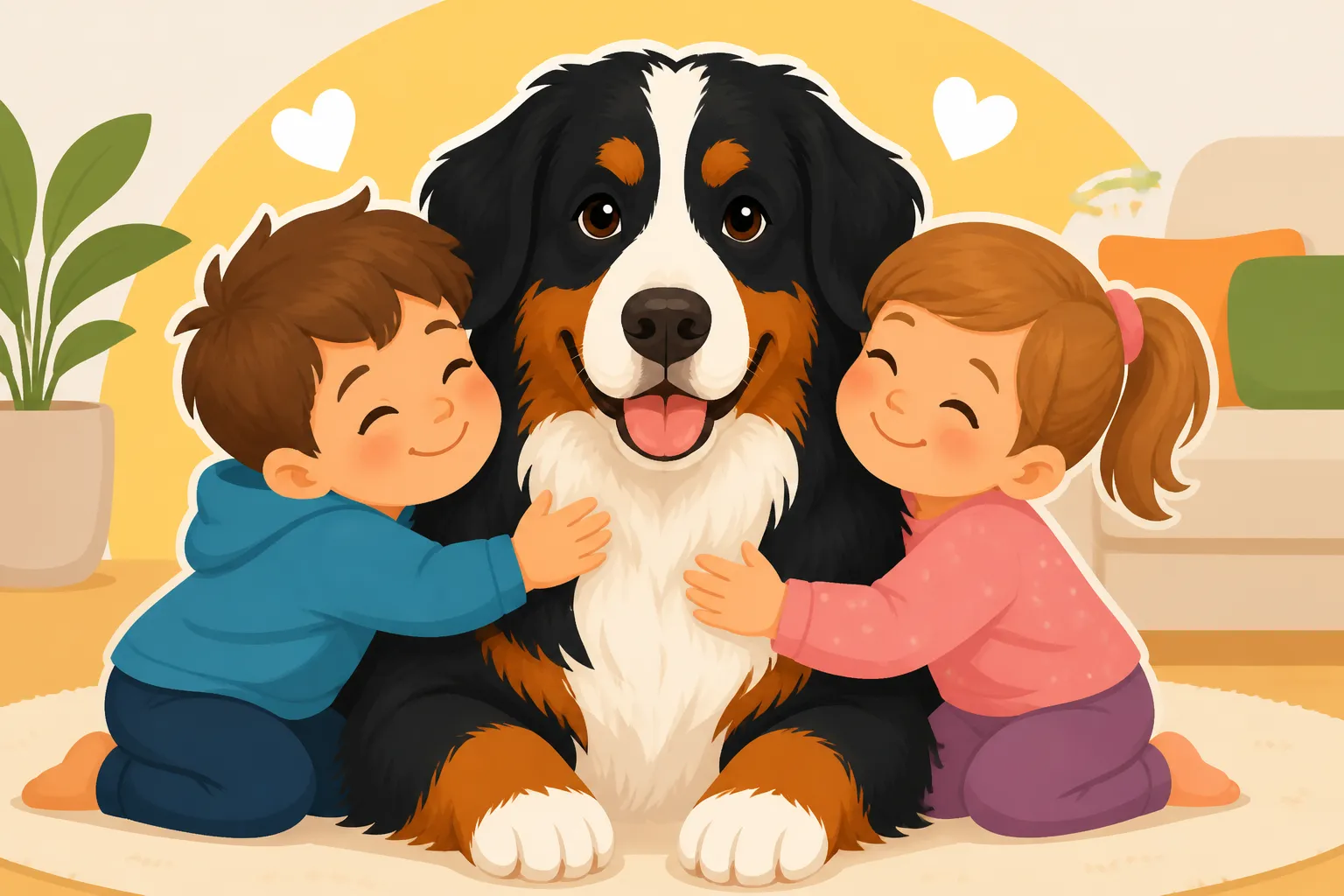
A Bernese Mountain Dog Growing Up With Small Children
Bringing a Bernese Mountain Dog into a home with small children can be a deeply rewarding experience, but it also comes with unique considerations. Many families dream of that idyllic picture of a gentle giant curled up with their little ones, but the reality involves a lot of proactive planning, consistent training, and careful supervision to ensure safety and harmony for everyone. This guide will walk you through what to expect and how to foster a loving, respectful relationship between your Berner and your small children from the very start.
Understanding the Bernese Temperament Around Children
Bernese Mountain Dogs are often lauded for their gentle nature, and for good reason. They are generally known to be affectionate, patient, and good-natured, traits that make them seem like ideal family dogs. However, it's crucial to understand that "gentle giant" doesn't mean "bomb-proof" or "self-training." Their size alone requires a thoughtful approach, and individual personalities can vary.
The Gentle Giant Stereotype and Reality
The stereotype of the "gentle giant" isn't entirely unfounded when it comes to Bernese Mountain Dogs. Many Berners possess a calm demeanor and a surprising tolerance for the unpredictable movements and noises of small children. They often form deep bonds with their human families and can be wonderfully patient companions. I’ve known Berners who would let toddlers clamber all over them, seemingly unfazed, like furry, immovable mountains. This inherent patience is a huge asset when you have little ones exploring their world.
However, the reality is that even the most patient dog has limits, and a dog's size is a significant factor. A happy wagging tail can accidentally knock a small child off their feet, and a playful nudge that might be fine for an adult can easily send a toddler sprawling. A Bernese puppy, full of boisterous energy, might not fully grasp its own strength and can unintentionally overwhelm a child. It's not about malice; it's simply about their sheer mass and enthusiasm. Expecting a dog, no matter how gentle, to manage all interactions perfectly on its own is unrealistic and unfair to both the dog and the children.
Natural Instincts and Protective Tendencies
Bernese Mountain Dogs were originally farm dogs, bred to guard livestock, pull carts, and be companions to their families in the Swiss Alps. These historical roles instill certain instincts that can manifest in a modern home, especially around children. While not typically aggressive guard dogs, they often possess a natural protectiveness towards their family unit. This can be a double-edged sword: it means they often bond strongly with children and act as their benevolent guardians, but it can also lead to resource guarding or territorial behavior if not managed properly.
For instance, a Berner might instinctively position itself between a child and a stranger or bark protectively if a child cries loudly or falls. While well-intentioned, these behaviors need to be channeled appropriately. We want them to be watchful, not possessive or fearful. Understanding that these are deep-seated instincts, rather than misbehavior, helps you address them with empathy and training. Socialization from a young age is key to teaching your Berner that not every perceived threat is a real one and that you, as the parent, are in charge of assessing situations. This also involves teaching children that their Berner is a friend, not a toy, and deserves respect for its personal space.
Age and Maturity of the Bernese
The age at which you bring a Bernese Mountain Dog into a home with children makes a big difference. A young puppy, while adorable, is essentially a furry, rambunctious toddler itself. Berners mature slowly, often not truly settling into their full adult temperament until they are two or even three years old. The Bernese Mountain Dog Adolescent Stage can be a period of significant growth, both physically and mentally, with bursts of energy and testing boundaries. A large puppy can be a handful for adults, let alone small children.
Conversely, an adult Bernese Mountain Dog from a reputable rescue or rehoming situation might already have a known history with children, which can be a huge advantage. They might be past the most boisterous puppy stages and more predictable in their behavior. When considering a puppy, remember that a Bernese puppy will grow fast and gain strength quickly. A tiny fluffball at eight weeks will be a powerful, hundred-pound dog by its first birthday, and its behavior needs to keep pace with its physical development. It’s important to understand that early training and consistent management are non-negotiable, irrespective of whether you bring home a puppy or an older dog.
Preparing Your Home for a Berner and Kids
Bringing a Bernese Mountain Dog into a home with small children means you're essentially preparing for two very different, but equally curious and sometimes clumsy, species to coexist peacefully. It’s not just about the dog or the kids; it’s about creating an environment that respects the needs and safety of both. Think of it as dog-proofing for humans and child-proofing for dogs.
Creating Safe Spaces for Both
It's absolutely vital that both your Bernese and your children have designated safe spaces where they can retreat and be undisturbed. For your Berner, this might be a large crate, a cozy dog bed in a quiet corner, or a specific room where they can relax away from the hustle and bustle. Teach your children from day one that when the dog is in its bed or crate, it is off-limits. This is the dog's personal sanctuary, a place where it can feel secure and get uninterrupted rest. You might even keep a special chew toy or treat (like those found on Chewy) exclusively for this space to reinforce its positive association.
Similarly, your children need their own areas where they can play with their toys without the dog's interference. This might involve baby gates to create child-only zones or teaching your Berner a "place" command to stay on its mat while the kids play nearby. This isn't about separating them constantly, but about providing essential breaks and ensuring that neither feels overwhelmed or threatened. Respecting boundaries is a learned behavior for everyone in the household, two-legged and four-legged alike.
Managing Resources: Food, Toys, and Attention
Resource guarding is a natural canine behavior where a dog becomes protective over items it values, be it food, toys, or even prime sleeping spots. While it’s more common in some breeds or individuals, any dog can develop it, especially when there are small children who might inadvertently challenge a dog’s possession. Prevention is far easier than treatment. Teach your Berner from puppyhood that human hands near its food bowl are a good thing. Practice trading toys: offer a high-value treat in exchange for a toy, then give the toy back. This teaches them that giving things up means something better is coming, not that it's being taken away.
For children, this means teaching them never to bother the dog while it's eating, chewing a bone, or playing with its own toys. Children should be taught that the dog's food bowl is completely off-limits, and they should never try to take anything directly from the dog's mouth or paws. Supervise all interactions involving high-value items. When it comes to attention, ensure both your children and your Berner receive plenty of individual, positive attention. A dog that feels ignored or constantly displaced might be more prone to seeking attention in less desirable ways.
Child-Proofing from a Giant Puppy's Perspective
You’ve child-proofed your home for tiny hands; now you need to "giant puppy-proof" it. A Bernese Mountain Dog puppy can reach far more than a smaller dog, and its powerful jaws can make quick work of anything it decides is a chew toy. This includes electrical cords, shoes left on the floor, children's toys (especially small ones that could be choking hazards for the dog), and anything left on coffee tables or low shelves. Think about what a curious toddler might grab, then multiply that reach and strength by a factor of ten. The Chew Damage a Bernese Mountain Dog Puppy Does can be significant, so proactive measures are a must.
Secure cabinets, keep medicines and toxic substances well out of reach, and invest in durable dog toys to redirect chewing. Remember that a Berner puppy's growth is exponential, and what was out of reach last month might be fair game today. Regularly scan your home from a low vantage point to identify potential hazards. This ongoing vigilance ensures both your children's belongings are safe from a curious Berner, and your Berner is safe from ingesting something harmful.
Supervision and Training for Safe Interactions
The cornerstone of a successful multi-species household is unwavering supervision and consistent, positive training. You cannot expect a Bernese Mountain Dog, however gentle, to inherently understand human rules, nor can you expect small children to instinctively read canine body language. It's your job to be the translator and the enforcer of boundaries.
Teaching Children How to Interact with Dogs
Children need explicit, repeated lessons on how to behave around any dog, and especially a large breed like a Bernese Mountain Dog. These lessons should start long before a puppy even comes home, perhaps with books or videos. Key rules include:
- Respect personal space: Never approach a sleeping or eating dog.
- Gentle hands: No pulling ears, tails, or fur. Teach them to stroke gently on the shoulders or chest.
- "Ask, then pet": Teach children to always ask an adult if they can pet the dog, and then to let the dog approach them.
- "Tree" or "Statue" if scared: If a dog jumps or makes them nervous, teach them to stand still like a tree, with hands to their sides, making themselves less interesting.
- Read body language: While young children can't fully grasp complex canine signals, teach them to recognize obvious signs of discomfort, like a dog turning its head away, yawning, or walking away. If the dog walks away, it means it's had enough, and they must respect that.
These rules should be reinforced constantly, calmly, and consistently by all adults in the household. Think of it as ongoing education, not a one-time lecture. This is especially true as children grow and their understanding evolves. For very young children, direct, constant supervision is the only truly effective strategy. Whether a Toddler Is Safe Beside a Bernese Mountain Dog largely depends on the adults' vigilance.
Training Your Berner for Family Life
From the moment your Bernese puppy enters your home, its training should be geared towards being a well-mannered family member. Focus on positive reinforcement methods, as Berners are sensitive dogs and respond best to kindness and rewards. Training a Bernese Mountain Dog Without Breaking It means avoiding harsh corrections that can damage their trusting nature. Key commands to teach include:
- "Sit," "Stay," "Down": These foundational commands are essential for control and impulse management.
- "Off" or "Four on the floor": Critical for stopping jumping, especially with a dog as large as a Berner. Stopping a Bernese Mountain Dog Jumping Up is not just about manners, but safety.
- "Leave It": Invaluable for preventing them from picking up inappropriate objects, including dropped food or children's toys.
- "Come": A reliable recall is essential for safety, both indoors and out. A Bernese Mountain Dog That Will Not Come When Called can be a serious issue.
- "Place" or "Mat": To teach them to settle in a designated spot away from the action.
Socialization is also paramount. Expose your Bernese puppy to a wide variety of sights, sounds, people, and experiences in a positive way. Introduce them gradually to different children, under strict supervision, to build positive associations. Puppy classes are an excellent way to begin this process in a controlled environment. The goal is a confident, calm dog, not a fearful or over-aroused one.
Consistent Boundaries for Everyone
The most important rule in a multi-species household is consistency. Every single adult and older child must be on the same page regarding rules and expectations for both the dog and the children. If one parent allows jumping and another corrects it, the dog will be confused and training will suffer. If children are sometimes allowed to bother the dog while it's resting but other times told not to, the dog won't understand the boundaries.
Hold regular family meetings to discuss rules and ensure everyone understands their role in creating a safe environment. This includes consistent feeding schedules (perhaps using a slow feeder from Chewy to prevent gulping), consistent walk routines, and consistent training sessions. A structured environment reduces anxiety for both dogs and children, making it easier for them to understand what is expected. Children thrive on routine, and so do dogs. Establishing clear "dos and don'ts" and enforcing them uniformly is the foundation of a harmonious home.
Common Challenges and How to Address Them
Even with the best intentions and training, living with a large breed dog and small children will present its unique set of challenges. It's important to anticipate these and have strategies in place to address them proactively and patiently.
Jumping and Bumping: The Accidental Takedown
A Bernese Mountain Dog's enthusiasm can often outweigh its understanding of its own size, leading to accidental bumps, knocks, and jumps that can easily topple a small child. Whether a Bernese Mountain Dog Knows Its Own Size is a critical question, and the answer is often "not really" when they are young and excited. A happy greeting can result in muddy paw prints on clothes, or worse, a child falling and getting hurt. This isn't aggression; it's simply a large dog's natural exuberance.
Addressing this requires consistent training from puppyhood. The "four on the floor" rule is paramount: all four paws must remain on the ground for attention or greetings. Every time your Berner jumps, turn your back, ignore them, or calmly walk away. Only offer praise and attention when they are calmly standing or sitting. Teach them to sit for greetings. If visitors come over, explain the rule to them too, as inconsistent reinforcement will undermine your efforts. If your Berner is particularly persistent, you might consider using a front-clip harness for better control during excited moments, especially when children are present.
Mouthing and Nipping in Play
Puppies explore the world with their mouths, and Bernese Mountain Dog puppies are no exception. They might mouth or gently nip hands and clothing during play, which is natural puppy behavior but unacceptable with children. While it might be "play" for the puppy, it can be painful for a child and instill fear. A Bernese Mountain Dog Puppy Biting in Play needs to be addressed immediately and effectively.
The key is to teach bite inhibition. When your puppy mouths too hard, let out a high-pitched yelp, withdraw your hand, and immediately end play. This mimics how littermates teach each other boundaries. If they continue, calmly put them in a brief "time-out" in their crate or a separate room for a minute or two. This teaches them that biting ends the fun. Always redirect mouthing to appropriate chew toys. Make sure your Berner has plenty of suitable chew items, perhaps a variety from Chewy, to satisfy their need to chew. Teaching them Teaching a Bernese Mountain Dog Puppy to Stop Mouthing is a process that requires patience and consistency, but it is vital for a safe household with children.
Resource Guarding and How to Prevent It
As mentioned earlier, resource guarding can become a problem if not managed properly. This isn't just about food bowls; it can extend to favorite toys, sleeping spots, or even a particular person. If your Berner shows any signs of stiffening, growling, or snapping when a child approaches its valued item, it's a serious red flag that requires immediate attention.
Prevention is key. From a young age, teach your Bernese that people approaching their food or toys is a positive experience. While they are eating, walk by and gently drop an even better treat into their bowl. This builds a positive association. Practice "trade-up" with toys: offer a delicious treat in exchange for a toy, then give the toy back. Never let children take things directly from the dog, and ensure they understand that the dog's personal items are off-limits. If guarding behavior is already present, seek help from a certified professional dog trainer or veterinary behaviorist. Do not try to punish guarding, as this can escalate the problem and make the dog feel it needs to guard more aggressively.
Growing Up Together: Long-Term Dynamics
The beauty of a Bernese Mountain Dog in a family with small children is watching them grow up together. If the foundation of training, respect, and supervision is laid early, these relationships can be incredibly special, fostering empathy and responsibility in children, and providing unwavering companionship for your Berner.
The Ever-Watchful Companion
As your Bernese matures, its protective instincts often translate into being a wonderfully watchful companion for your children. They may naturally gravitate towards being near the children, often settling quietly in the same room, observing their play. It's a sweet form of gentle guardianship, not unlike their historical role on the farm. They may become the children's confidante, a furry shoulder to cry on, or a patient participant in their games.
This companionship can teach children invaluable lessons about caring for another living being. They learn about responsibility through feeding, brushing, and walking their canine friend (as they get older and more capable). The bond formed can be incredibly strong, becoming a cherished part of their childhood memories. The Berner often embodies a comforting presence, a steadfast anchor in the sometimes-chaotic world of growing up.
Adapting to Developmental Stages
The dynamic between your Bernese and your children will naturally evolve as both grow. What worked with a toddler might need adjustment for a boisterous kindergartener or a curious pre-teen. As children get older, they can take on more responsibility for their dog's care and training, under adult supervision. This is a wonderful opportunity to deepen their bond and teach them more advanced dog handling skills.
For example, a five-year-old might learn to give the "sit" command before offering a treat, while a ten-year-old could be responsible for brushing their Berner's coat or assisting with walks. A Bernese Mountain Dog Around Children becomes a more interactive and nuanced relationship as the children mature. However, always remember that even older children still need guidance in interacting with the dog, and direct adult supervision should never fully cease, especially during playtime that could become overly rambunctious.
Maintaining Respect and Boundaries
Even in the most loving household, maintaining mutual respect and clear boundaries is essential throughout the dog's life. This means continuing to reinforce the rules you established early on. Children, even as they grow, can sometimes forget or push boundaries. Gentle reminders about giving the dog space, not disturbing them while they're sleeping, and respecting their "off-limits" areas are always necessary.
For the Bernese, ongoing training and mental stimulation are important to keep them engaged and well-behaved. This could include continued obedience refreshers, puzzle toys, or even participation in dog sports like drafting as they mature, which helps channel their natural instincts. What a Bernese Mountain Dog Does Instead of Guarding when properly trained, is to be a calm, confident, and integrated family member. Regular walks, proper nutrition (perhaps quality food from Chewy), and veterinary care also contribute to a happy, well-adjusted dog that can thrive alongside your growing family.
| Age of Child | Recommended Interaction | Adult Supervision Level | Key Focus |
|---|---|---|---|
| Infant | Passive observation only | Constant, direct | NO direct interaction, dog kept separate or on leash |
| Toddler (1-3) | Gentle petting (adult-guided), dog in "place" nearby | Constant, direct, hands-on | Safety, teaching "gentle hands" to child, dog training for calmness |
| Preschool (3-5) | Supervised games like "find the treat," brushing (adult-guided) | Very close, direct | Respect for dog's space, consistent dog boundaries (e.g., "off") |
| School-age (6-10) | Active training (adult-led), walks on leash (adult holding too) | Close, ongoing | Responsibility, reading dog's body language, advanced commands |
| Pre-teen (11+) | Increased involvement in care, dog sports | Ongoing, less hands-on | Deeper bond, understanding dog's needs, leadership within family |
When to Seek Professional Help
Even with careful planning and consistent effort, there might be times when you encounter behavioral challenges that feel beyond your ability to manage. This is nothing to be ashamed of; it's a sign of a responsible pet owner recognizing the need for expert guidance. Early intervention is always best when it comes to behavior.
Recognizing Red Flags in Behavior
It’s crucial to be vigilant and recognize early warning signs that a problem is developing. These "red flags" should prompt you to seek professional help immediately, especially when small children are in the home. Never try to ignore or punish these behaviors, as it can often escalate the problem.
Some key red flags include:
- Growling, snapping, or biting (even if no skin is broken): Any display of aggression towards a child, no matter how minor, is a serious concern.
- Excessive fear or anxiety: A Bernese that constantly hides from children, trembles, or shows extreme fear around them might be distressed and could lash out if cornered.
- Intense resource guarding: If your dog becomes overly protective of its food, toys, or even specific family members to the point of aggression, it needs professional intervention.
- Obsessive behaviors: Excessive licking, pacing, or destructive behaviors when children are present or when left alone with them can indicate underlying anxiety or stress.
- Sudden behavioral changes: A previously calm dog that suddenly becomes irritable or aggressive might have an underlying medical issue, so a vet visit is always the first step.
- Reluctance to interact: If your Berner consistently avoids all interaction with your children, beyond merely seeking its own space, it could indicate discomfort that may escalate if not addressed.
These behaviors, particularly when dealing with a powerful breed like a Bernese Mountain Dog, are not minor issues and should be taken very seriously.
Finding a Qualified Professional
If you notice any red flags, the first step is always a vet visit to rule out any underlying medical conditions that could be causing pain or discomfort and influencing behavior. Once medical issues are ruled out, seek help from a qualified professional. Not all dog trainers are created equal, and it's essential to find someone experienced in dealing with large breeds, family dynamics, and potential aggression or fear issues.
Look for a Certified Professional Dog Trainer (CPDT-KA), a Certified Dog Behavior Consultant (CDBC), or a Veterinary Behaviorist (DACVB). These individuals have specific education and certifications in canine behavior and will use positive, humane, and evidence-based methods. They will work with you to understand the root cause of the behavior, develop a customized training plan, and provide strategies for managing interactions safely. A good professional will not use force, intimidation, or punishment, which can exacerbate aggression or fear in sensitive breeds like Berners. They will also emphasize management strategies to ensure safety while behavioral modification is underway.
The Importance of Early Intervention
I cannot stress enough the importance of early intervention. The sooner you address a behavioral concern, the easier it is to modify. Allowing problematic behaviors to fester can lead to them becoming ingrained and much harder to resolve. This is especially critical when children are involved, as their safety must always be the top priority.
Don't wait until a serious incident occurs. If you're seeing concerning behaviors, even subtle ones like lip-licking, whale eye, or tense body language when children are near, reach out for help. A qualified professional can help you interpret your Bernese's signals and guide you in creating a safer, happier environment for every member of your family. It's an investment in the long-term well-being and harmony of your household, ensuring that your Bernese Mountain Dog remains a beloved, gentle companion for your children as they grow.
Disclaimer
This article is for general informational purposes only and does not constitute professional advice. Laws, prices and regulations vary by location and change over time. Consult a qualified professional for guidance on your specific situation.