Where the Village of Dürrbach Is
When you delve into the magnificent history of the Bernese Mountain Dog, you often hear whispers of Dürrbach, a small village that holds a truly special place in the breed's lineage. It's easy to wonder if this Dürrbach is a grand, sweeping valley or just a romanticized notion. For those of us who adore these gentle giants, understanding their roots isn't just a fun fact; it helps us connect more deeply with their heritage and appreciate the journey that brought them from humble farm dogs to beloved family companions. This guide will take you on a journey to discover exactly where the village of Dürrbach is and why it's so significant to every Bernese Mountain Dog owner.
Pinpointing the Historic Village of Dürrbach
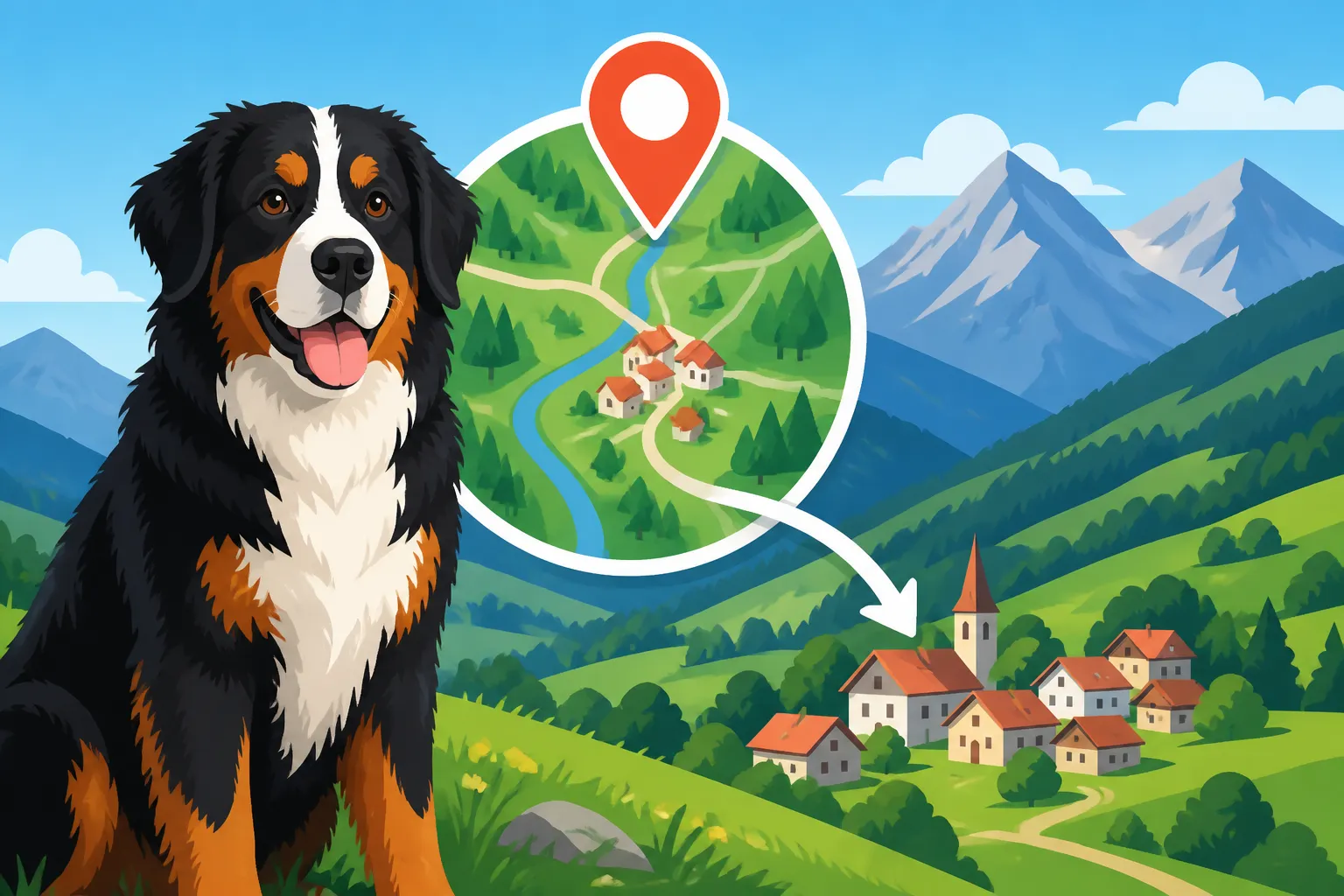
It might surprise some, but Dürrbach isn't a bustling city or a massive region; it’s actually a small hamlet, a collection of farms and homes, nestled quite specifically within the Swiss landscape. When we talk about Dürrbach in the context of the Bernese Mountain Dog, we're referring to Dürrbach in the canton of Bern, Switzerland. This isn't just any Dürrbach, of which there might be others; this is the Dürrbach, the ancestral home that shaped our beloved breed.
The Valley and Its Geographical Roots
The village itself lies within a specific valley that eventually became synonymous with the dogs that roamed its pastures and worked its farms. Imagine a picturesque, often snow-dusted, landscape typical of the pre-Alpine region of Switzerland. These are rolling hills, rich meadows, and dense forests, all framed by the distant, majestic peaks of the Alps. The Dürrbach Valley isn't a dramatic, sheer-sided canyon, but rather a more gentle, agricultural area. It was the perfect environment for a robust, intelligent dog capable of handling both livestock and the cold, making it a natural cradle for the ancestors of the Bernese Mountain Dog.
The region's climate also played a crucial role. Long, cold winters and moderate summers meant that the dogs developed thick, insulating double coats, perfectly suited to their working life. It's easy to see why the Bernese Mountain Dog thrives in cooler temperatures and sometimes struggles in extreme heat; their very being is forged in this environment. The Temperature a Bernese Mountain Dog Stops Coping explores this further. This geographical context truly sets the stage for understanding the physical traits and hardiness that define the breed today.
Dürrbach's Proximity to Bern and the Swiss Alps
While Dürrbach itself is a small, quiet place, its location isn't entirely isolated. It's situated relatively close to Bern, the capital city of Switzerland. This proximity was vital because it allowed the Dürrbach dogs, as they were then known, to become known beyond their immediate valley. Farmers and traders would bring their goods, often pulled by these strong dogs, to market in Bern and surrounding towns. This is how the dogs started to gain wider recognition.
Think about the bustling market scenes of yesteryear: farmers bringing their milk, cheese, and other produce to town. Who was often by their side, diligently pulling a cart or guarding the wares? A sturdy, reliable farm dog from places like Dürrbach. This connection to Bern is why the breed eventually adopted the "Bernese" part of its name, distinguishing them as the "Sennenhund from Bern." It’s a testament to how an animal, deeply ingrained in the practical life of a region, can eventually become its symbol. You can learn more about this connection in The Swiss Valley the Bernese Mountain Dog Comes From.
The Name "Dürrbachler" and Its Deep Connection to the Breed's Origins
Before they were universally known as Bernese Mountain Dogs, or Berner Sennenhund in their native German, these wonderful canines carried a different, more localized name: Dürrbachler. This name wasn't just a placeholder; it was a direct reflection of their identity, deeply rooted in the small community where they thrived.
How the Dogs of Dürrbach Earned Their Early Moniker
The term "Dürrbachler" literally means "from Dürrbach." It's an incredibly straightforward name that tells you everything you need to know about their origins. Imagine a time when formal breed registries didn't exist, and dogs were often named for their place of origin or the type of work they performed. In this context, calling these dogs "Dürrbachler" was as natural as calling a certain apple variety "Granny Smith" – it simply described where it came from. The people in the region recognized these specific, tricolored, long-haired dogs as distinct from others, and they associated them directly with the Dürrbach area.
These Dürrbachler dogs were the original, unrefined versions of what we know today. They were working dogs through and through, indispensable companions for farmers, shepherds, and dairymen. They pulled carts laden with goods, drove cattle, and acted as general farm guardians. What a Bernese Mountain Dog Did on a Swiss Farm goes into detail about these historical roles. Their temperament, a hallmark of the breed today – good-natured, calm, and devoted – was honed in these working environments, requiring a dog that was reliable and tractable. This history reminds us that even with modern creature comforts, a Bernese Mountain Dog still benefits from having a "job" or purpose, even if it's just carrying their own water bottle on a hike, which you can easily find on Chewy.
The Role of the Local People in Nurturing the Breed
The survival and development of the Dürrbachler weren't just a happy accident of geography; they were very much a result of the efforts of local people. Farmers valued these dogs immensely for their strength, intelligence, and loyalty. They understood the importance of breeding strong, healthy working animals, even if it wasn't done with modern genetic testing or formal pedigrees. These were dogs selected for their ability to perform tasks, their robust health, and their temperament.
One figure often credited with helping save the Dürrbachler from potential obscurity is an innkeeper named Franz Schertenleib. He was instrumental in finding and promoting these dogs around the turn of the 20th century, bringing them to the attention of cynologists and enthusiasts who then began the formal process of establishing the breed. Franz Schertenleib and the Bernese Mountain Dogs He Found details his significant contribution. Without the dedication of individuals like Schertenleib and countless unnamed farmers, the Dürrbachler might have simply faded into local history rather than becoming the internationally cherished Bernese Mountain Dog.
Dürrbach's Enduring Legacy in Bernese Mountain Dog History
While the name Dürrbachler eventually gave way to the more encompassing "Bernese Mountain Dog," the spirit and heritage of that small village remain deeply etched into the breed's identity. Dürrbach isn't just a point on a map; it's a symbol of authenticity, hard work, and the humble beginnings of a truly magnificent breed.
From Regional Farm Dog to Recognized Breed
The transition from a localized "Dürrbachler" to a recognized "Bernese Mountain Dog" was a critical turning point. It happened in the early 1900s, largely thanks to the efforts of Swiss dog fanciers and breeders, most notably Albert Heim. Heim was a geology professor and cynologist who championed the recognition of the Swiss Sennenhund breeds. He understood the unique qualities of the Dürrbach dogs and advocated for their preservation and standardization.
Heim suggested the name Berner Sennenhund (Bernese Alpine Dog or Bernese Mountain Dog) to reflect their origin in the Canton of Bern and their historical role as dogs of the alpine pastures. This new name helped to standardize the breed and differentiate it from the other Swiss Sennenhund breeds, like the Greater Swiss Mountain Dog, Appenzeller, and Entlebucher. Albert Heim and the Name Berner Sennenhund provides more context on his influence. This formalization led to the establishment of the first breed club, the Schweizerische Dürrbach-Klub, in 1907, which later became the Bernese Mountain Dog Club. This club laid the groundwork for the breed standard, which is still largely adhered to today, outlining everything from their distinctive tricolor markings to their gentle temperament. The Bernese Mountain Dog Breed Standard defines these qualities.
Why This Small Village Remains a Cornerstone of Berner Lore
Even though Dürrbach itself might not be a major tourist destination, its name resonates deeply within the Bernese Mountain Dog community. It represents authenticity, the rugged charm of their working ancestry, and a connection to simpler times when dogs were truly integral to daily life. For breed enthusiasts and historians, Dürrbach serves as a touchstone, a reminder of where it all began.
Understanding this history helps owners appreciate their Berners even more. When your Bernese Mountain Dog leans against you, a characteristic trait of the breed, you're experiencing a echo of their ancestors who leaned into their carts, pulling heavy loads through the Dürrbach valley. When they gaze at you with those deep, expressive eyes, it's the same loyal gaze that helped farmers endure long, cold Swiss winters. It's a rich tapestry of history, resilience, and affection. When you consider the deep roots of this breed, it makes sense to ensure they have the best, whether that's specialized large-breed food or cozy orthopedic beds from places like Chewy, ensuring their comfort aligns with their noble heritage.
To illustrate the journey from Dürrbachler to Bernese Mountain Dog, here's a brief timeline:
| Year/Period | Event/Description | Significance to Breed Identity |
|---|---|---|
| Before 1900 | Dogs commonly known as "Dürrbachler" in the Dürrbach area | Direct association with their place of origin and working life. |
| Late 1800s – Early 1900s | Franz Schertenleib actively seeks out and promotes Dürrbachler dogs | Critical in preventing the breed's disappearance and increasing recognition. |
| 1907 | Schweizerische Dürrbach-Klub (Swiss Dürrbach Club) founded | First formal organization dedicated to the breed; initial breed standard drafted. |
| 1910 | Albert Heim renames the breed "Berner Sennenhund" | Establishes official name, connecting it to Canton of Bern and Sennenhund group. |
| Mid-1900s onwards | Breed gains international recognition and popularity | Evolution from local farm dog to cherished global companion, still retaining its working heritage. |
This journey from a small, local farm dog from Dürrbach to a beloved global breed highlights the incredible appeal and enduring qualities of the Bernese Mountain Dog. Their story is a testament to the powerful bond between humans and dogs, forged in the landscapes of the Swiss Alps. And for those looking to continue that bond with top-notch care, resources like Chewy offer everything from nutrition to enrichment, carrying on a tradition of quality for these magnificent dogs.
Disclaimer
This article is for general informational purposes only and does not constitute professional advice. Laws, prices and regulations vary by location and change over time. Consult a qualified professional for guidance on your specific situation.