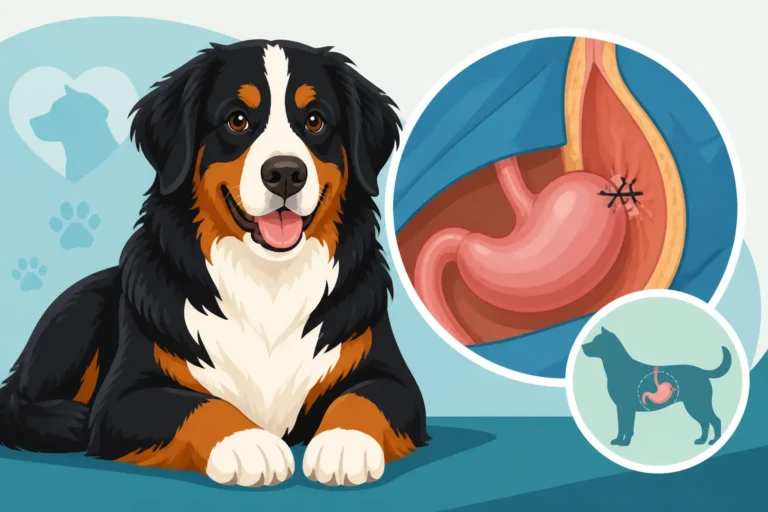
Whether Cancer Is Bred Into the Bernese Mountain Dog
It's an agonizing question that keeps so many Bernese Mountain Dog owners up at night: is the heartbreaking prevalence of cancer in this magnificent breed something that's fundamentally "bred in"? It's a valid and deeply frustrating concern when you watch your beloved companion battle diseases that seem far too common, far too early. This guide will delve into the complex realities behind cancer in Bernese Mountain Dogs, exploring the genetic factors, historical influences, and what the community is doing to address this critical issue, offering insights into responsible ownership and breeding practices.
Understanding the Alarming Cancer Rates in Bernese Mountain Dogs
When you first welcome a fluffy Bernese Mountain Dog puppy into your home, you envision years of joyful companionship, long walks, and cuddles. The reality, however, for many Berner families, is often a much shorter journey, frequently cut tragically short by cancer. This isn't just anecdotal; it's a stark truth reflected in breed statistics and the shared experiences of countless owners. The sheer incidence rate is enough to make anyone wonder if it’s an intrinsic part of the breed’s makeup.
The Specific Cancers Plaguing the Breed
It’s not just "cancer" as a general term; Bernese Mountain Dogs are particularly susceptible to certain aggressive forms of the disease. The most notorious among these is Histiocytic Sarcoma. This is an incredibly aggressive and rapidly spreading cancer that can affect various organs, including the spleen, lymph nodes, lungs, and bones. Owners often describe a rapid decline once symptoms become noticeable, and diagnosis can be a race against time. It's truly devastating to witness how quickly it can take hold.
Beyond Histiocytic Sarcoma, Berners also face higher risks for other formidable cancers like Lymphoma and Mast Cell Tumors. Lymphoma affects the lymphatic system, manifesting in swollen lymph nodes or internal organ involvement, and often requires intensive chemotherapy. Mast Cell Tumors, while sometimes treatable if caught early and low-grade, can also be highly aggressive, appearing on or under the skin, or even internally, making them a constant worry for attentive owners. The reality is that The Cancer That Kills Half of All Bernese Mountain Dogs is often one of these devastating forms, leaving families grappling with difficult decisions and profound grief.
The Heartbreaking Reality of a Shortened Lifespan
The average lifespan for a Bernese Mountain Dog is typically cited as a mere seven to eight years. For a large breed, this is already on the shorter side, but when you factor in that cancer is the leading cause of death, often striking in middle age or even younger, it's particularly heartbreaking. You expect more years with a dog you love so deeply, especially one that brings such immense joy and personality into your life. The emotional toll of this shortened lifespan, compounded by the often rapid progression of these cancers, is immense.
Many owners find themselves facing difficult decisions about palliative care or euthanasia far earlier than they ever anticipated. It’s a cruel irony that such a magnificent, gentle breed, bred for companionship and work, should endure such a genetic burden. The question of Why a Bernese Mountain Dog Lives Only Seven or Eight Years is intricately tied to the prevalence of these aggressive cancers, leading many to search for answers and hope for a healthier future for the breed.
The Genetic Link: Is It Truly "Bred In"?
The term "bred in" can sound accusatory, but in the context of purebred dogs, it points to the undeniable role genetics play in health outcomes. For Bernese Mountain Dogs, the high incidence of certain cancers strongly suggests a genetic predisposition that has become concentrated within the breed's gene pool over generations. It’s not a simple case of a single gene, but a complex interplay of inherited factors.
Inherited Predisposition and Genetic Markers
Most cancers, particularly the complex ones seen in Berners, are not caused by a single "cancer gene" but rather by polygenic inheritance. This means multiple genes, working together or in combination with environmental factors, increase an individual dog's susceptibility. Think of it like a deck of cards: each gene is a card, and some Bernese Mountain Dogs are dealt a hand with more "risk cards" for cancer than others. This inherent susceptibility means that even with the best care and nutrition, a dog with a strong genetic predisposition might still succumb.
Researchers are actively working to identify these specific genetic markers. While some tests, like The SOD1 Test for a Bernese Mountain Dog for Degenerative Myelopathy, exist for other conditions, finding reliable genetic markers for complex cancers like Histiocytic Sarcoma has proven challenging. However, understanding these genetic underpinnings is crucial for developing tools that breeders can use to make more informed decisions and, eventually, reduce the incidence of these diseases. Progress in this area is slow but offers significant hope for the breed's future.
The Role of Limited Gene Pools
The story of many purebred dogs includes periods of "bottlenecking," where a breed's population shrinks dramatically, often due to war, disease, or simply falling out of favor. The Bernese Mountain Dog experienced such a period in its history. When numbers are low, breeders must work with a limited gene pool to rebuild the breed. While this saves the breed from extinction, it can also inadvertently concentrate certain genetic traits, both good and bad. If a founding dog carried a predisposition to cancer, and that dog was used extensively for breeding, that predisposition could spread rapidly throughout the recovering population.
The "popular sire syndrome," where a single successful male is used to breed many litters, can further exacerbate this issue. While these males might possess excellent conformation or temperament, if they also carry cancer-predisposing genes, they can unknowingly pass these on to hundreds of offspring, rapidly amplifying the genetic risk across the entire breed. This is why thorough health screening and understanding of longevity in a dog's pedigree are so vital. Maintaining a diverse gene pool is a constant challenge, but it's one that dedicated breeders are striving to address, often by carefully analyzing data gathered through resources like What the Berner-Garde Database Records.
Historical Context and Breeding Practices
To truly understand why cancer seems so ingrained in the Bernese Mountain Dog, we need to look back at the breed's journey through history. The circumstances of their survival and subsequent rise in popularity have undeniably shaped their genetic health landscape, sometimes in ways that weren't immediately apparent at the time.
The Breed's Origins and Early Development
The Bernese Mountain Dog, originally known as the Dürrbachler, hails from the Swiss Alps, where they served as versatile farm dogs, pulling carts, driving cattle, and guarding farmsteads. By the late 19th and early 20th centuries, the breed faced near extinction, replaced by other breeds and mechanization. Thanks to dedicated efforts by Swiss enthusiasts like Franz Schertenleib and Albert Heim, the breed was saved and revitalized. This period of rebuilding, however, meant working with a very small number of surviving dogs.
During this crucial time, the focus was understandably on preserving the breed's distinct type, temperament, and working abilities. Health records and genetic screening as we know them today simply didn't exist. The emphasis was on establishing a viable breeding population, ensuring the continuation of the breed's defining characteristics. This historical context helps explain Why the Bernese Mountain Dog Nearly Disappeared and how the foundational stock, though robust enough to save the breed, may have inadvertently carried or consolidated certain genetic susceptibilities that only became evident much later, as veterinary science advanced and lifespans were studied more closely.
The Impact of Rapid Popularity
In recent decades, the Bernese Mountain Dog has soared in popularity across North America and Europe. Their stunning looks, gentle demeanor, and impressive size make them incredibly appealing family companions. While popularity can be a boon for a breed, bringing more resources and attention, it also presents significant challenges to health and responsible breeding. When demand outstrips the supply of ethically bred puppies, it can unfortunately attract individuals more interested in profit than preservation of health.
These "backyard breeders" or commercial operations may not conduct proper health clearances, overlook longevity in pedigrees, or even be unaware of the genetic predispositions prevalent in the breed. They might breed dogs that are too young, too old, or carry known health issues, simply because there's a market for puppies. This influx of poorly bred dogs into the general population can quickly dilute the efforts of conscientious breeders and contribute to the widespread distribution of undesirable genetic traits, including cancer predispositions. It creates a difficult environment where the pursuit of a healthy, long-lived Berner becomes even more critical for prospective owners.
Current Efforts to Combat Cancer in Bernese Mountain Dogs
While the history and genetics might paint a somber picture, it's not without hope. The Bernese Mountain Dog community, including dedicated breeders, owners, and researchers, is actively engaged in a multi-faceted fight against cancer. These efforts range from rigorous health screening to cutting-edge scientific investigations, all aimed at improving the longevity and quality of life for these beloved dogs.
Health Testing and Ethical Breeding Programs
Responsible breeders are at the forefront of this battle. They go far beyond basic health checks, meticulously researching pedigrees for longevity and incidence of cancer in their dogs' lines. They also conduct extensive health screenings, not just for hip and elbow dysplasia, but also for cardiac health, eye conditions, and genetic markers for diseases like Degenerative Myelopathy. The aim is to make informed decisions that reduce the likelihood of passing on known health issues. For Berners, a comprehensive health panel is crucial, and breeders should be transparent about the results of these tests for both parents.
Organizations like the Bernese Mountain Dog Club of America (BMDCA) strongly advocate for thorough health testing and ethical breeding practices, providing resources and guidance to members. They encourage breeders to use databases like Berner-Garde, which compile health and longevity data, to identify healthier lines. This commitment to screening and transparency is vital for gradually improving the breed's overall health, ensuring that future generations have a better chance at a longer, healthier life. A truly comprehensive check-up often aligns with The Bernese Mountain Dog Health Panel recommendations, looking at many different aspects of health.
Research and Genetic Advancement
The scientific community plays a critical role in unraveling the mysteries of Bernese Mountain Dog cancer. Universities, veterinary teaching hospitals, and research foundations are constantly working to identify specific genes associated with different cancers, develop better diagnostic tools, and explore new treatment modalities. For instance, specific research initiatives are dedicated to understanding the genetics of Histiocytic Sarcoma, with the goal of developing a reliable genetic test that breeders could use to avoid breeding carriers.
Funding for this research is crucial, and it often comes from breed clubs, dedicated individuals, and pet insurance companies that recognize the severity of these issues. Organizations are actively pursuing Research Funding for Bernese Mountain Dog Cancer to accelerate discoveries. The more we understand the genetic mechanisms at play, the more targeted and effective our interventions can become. It's a long road, but every scientific breakthrough brings us closer to mitigating the genetic burden carried by the breed. Companies like Healthy Paws are an important part of this ecosystem, as pet insurance helps owners afford advanced diagnostics and treatments, which in turn generate data that aids research efforts and contributes to a better understanding of breed-specific health challenges.
What Owners Can Do: Proactive Steps and Support
As current or prospective Bernese Mountain Dog owners, you are not powerless in this fight. Your choices, vigilance, and support can make a significant difference, not only for your own dog but for the future health of the entire breed. Being informed and proactive is key to navigating the unique health landscape of these wonderful dogs.
Choosing a Responsible Breeder
The single most impactful decision you can make as a prospective owner is choosing a truly responsible breeder. This means doing your homework—and then some. A reputable breeder will be transparent about their dogs' health histories, provide verifiable health clearances for both parents (OFA, PennHIP, eye, heart, von Willebrand's, DM, etc.), and openly discuss the longevity and causes of death in their breeding lines. Don't be shy about asking tough questions, such as Whether Breeders Can Screen Bernese Mountain Dogs for Cancer and what steps they take to do so.
They should be able to show you how they utilize tools like the Berner-Garde database, and explain their philosophy for breeding healthier dogs. A good breeder will also have a comprehensive health guarantee and a lifetime commitment to their puppies. Visiting the breeder's home, meeting the puppy's parents, and observing the living conditions are all vital steps. Be wary of breeders who offer puppies without complete health clearances, rush the sale, or have multiple litters available from various breeds. Your investment in a well-bred puppy is an investment in a potentially longer, healthier life for your future companion.
Early Detection and Veterinary Care
Once you bring your Bernese Mountain Dog home, proactive veterinary care becomes paramount. Regular check-ups, even when your dog appears perfectly healthy, are essential. Berners are stoic and can hide discomfort, so a veterinarian familiar with the breed's health issues can be invaluable. Be vigilant for any subtle changes in behavior, appetite, energy levels, or the appearance of any lumps or bumps, no matter how small. Early detection, especially with aggressive cancers, can dramatically impact treatment options and prognosis.
Discuss with your vet what screening protocols might be appropriate as your Berner ages, especially around the age that many cancers start to appear. This might include specific blood tests or imaging. Understanding Screening an Older Bernese Mountain Dog can help you and your vet develop a tailored health plan. The financial aspect of advanced diagnostics and treatments can be daunting, but comprehensive pet insurance plans, such as those offered by Healthy Paws, can be a lifesaver. Having insurance that covers a significant portion of cancer treatments, surgeries, and medications allows you to make decisions based on your dog's well-being, rather than solely on your bank account. It’s a peace of mind investment that many Berner owners find indispensable.
Supporting Research and Breed Health Initiatives
Beyond your own dog, you can contribute to the larger effort to improve Bernese Mountain Dog health. Participate in breed-specific health studies if opportunities arise. One of the most impactful ways to contribute is by submitting your dog's health information and longevity data to databases like Berner-Garde. This invaluable resource pools information from thousands of Berners, allowing researchers and breeders to identify trends, track genetic predispositions, and make more informed decisions for the future of the breed. Details on Submitting a Bernese Mountain Dog's Records to Berner-Garde are usually available through breed club websites.
Supporting organizations that fund Bernese Mountain Dog health research through donations or volunteering is another powerful way to help. Every contribution, big or small, helps push forward the scientific understanding that will one day, hopefully, lead to a significant reduction in cancer rates within the breed. It's a collective effort, and every owner has a role to play in shaping a healthier future for these magnificent dogs.
Cancer Prevalence in Bernese Mountain Dogs
Let's take a closer look at some of the most common cancers seen in Bernese Mountain Dogs, their typical impact, and general prognosis. This table provides a quick overview, but always remember that individual cases can vary widely.
| Cancer Type | Organs Commonly Affected | General Prognosis | Key Characteristics |
|---|---|---|---|
| Histiocytic Sarcoma | Spleen, lymph nodes, lungs, bone, skin, joints | Poor; often rapidly progressive with median survival of a few months | Highly aggressive, infiltrative, difficult to treat effectively once widespread. |
| Lymphoma | Lymph nodes, spleen, liver, bone marrow, GI tract | Variable; median survival 6-12 months with chemotherapy | Often presents as generalized lymph node enlargement; responds to chemotherapy initially. |
| Mast Cell Tumors | Skin (most common), spleen, lymph nodes, bone marrow | Highly variable; depends on grade, location, and spread; surgical removal often curative for low-grade, solitary tumors | Can range from benign to highly aggressive; graded from I to III based on malignancy. |
| Osteosarcoma | Long bones (limbs), spine, ribs | Poor; aggressive bone cancer with high metastatic rate; median survival 6-12 months with amputation/chemo | Causes lameness and swelling; painful; often spreads to lungs. |
| Hemangiosarcoma | Spleen, heart, liver, skin | Poor; aggressive and often causes internal bleeding; median survival 2-6 months (with treatment) | Often silent until rupture causes sudden collapse; frequently metastatic. |
Disclaimer
The information provided in this article is for educational and informational purposes only, and does not constitute veterinary advice. Always consult with a qualified veterinarian for any health concerns or before making any decisions about your pet's health or treatment.