Submitting a Bernese Mountain Dog’s Records to Berner-Garde
It can be incredibly disheartening to watch our beloved Bernese Mountain Dogs struggle with health issues, especially when we know their lifespan is already shorter than we wish. Many owners feel a deep desire to contribute to the future health of the breed, to help prevent others from facing the same heartbreak. This comprehensive guide will walk you through the simple yet profoundly impactful process of submitting your Bernese Mountain Dog's health and longevity records to Berner-Garde, a vital database working to secure a healthier future for these magnificent dogs.
Understanding the Importance of Berner-Garde for Bernese Mountain Dogs
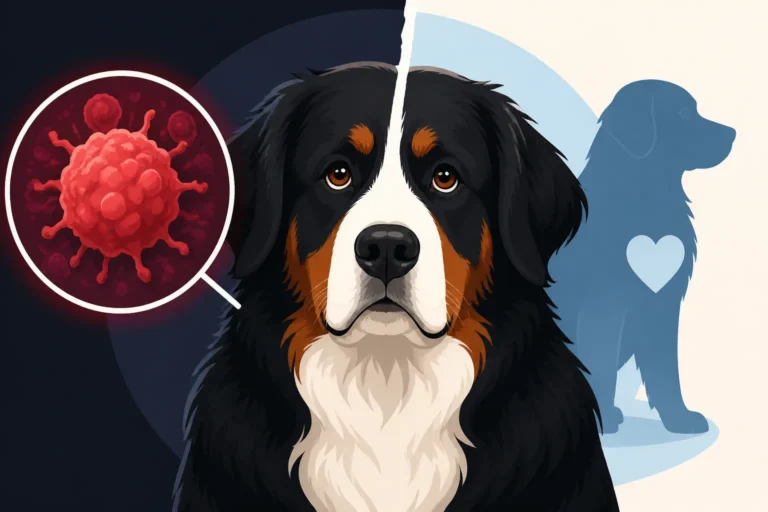
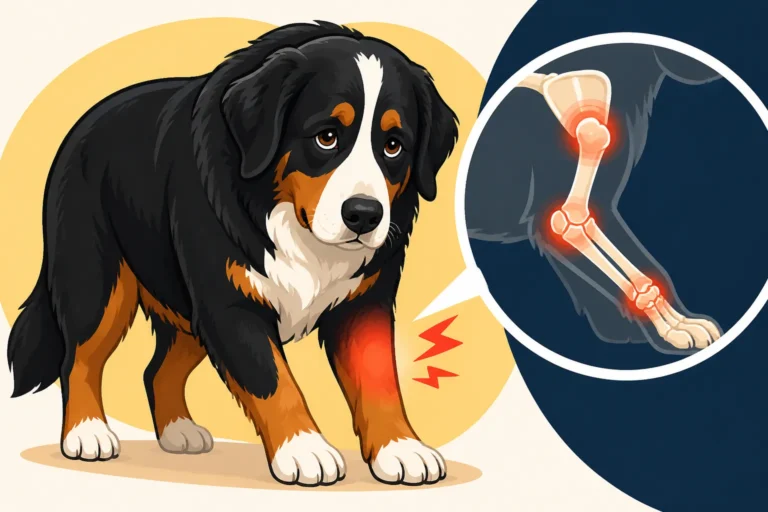
When you bring a Bernese Mountain Dog into your life, you quickly learn about their unique charm, their gentle nature, and, unfortunately, their prevalent health challenges. Conditions like cancer and joint issues are all too common. Berner-Garde acts as a collective memory for the breed, a central repository where data about individual dogs – their health tests, their diagnoses, and even their lifespan and cause of death – is meticulously gathered.
Why Berner-Garde Matters for the Breed
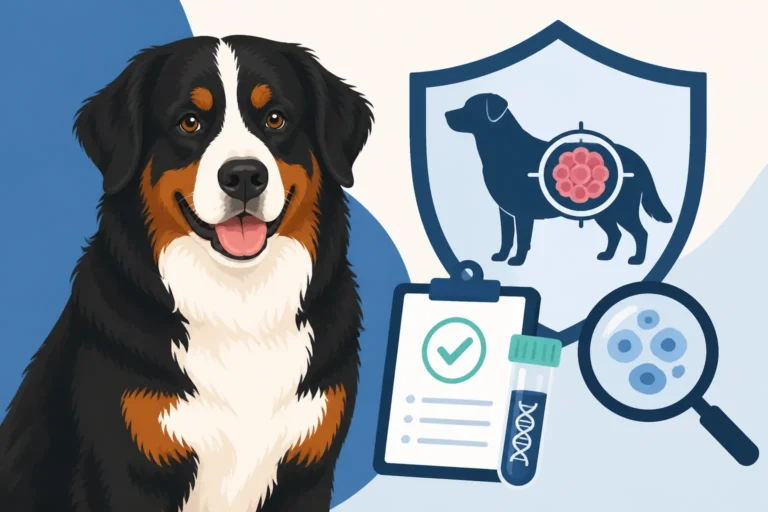
Imagine a vast, interconnected family tree, but instead of just names and dates, it also contains crucial health information. That's essentially what Berner-Garde is for the Bernese Mountain Dog. This database is an indispensable tool for responsible breeders, researchers, and even prospective owners. It allows them to analyze trends, identify genetic predispositions, and make informed decisions that can lead to healthier puppies and, hopefully, extend their lives. Without this kind of comprehensive data collection, we'd be largely in the dark, relying on anecdotal evidence rather than scientific insight. It's a critical component in understanding things like The Cancer That Kills Half of All Bernese Mountain Dogs or Why a Bernese Mountain Dog Lives Only Seven or Eight Years.
The Collective Impact of Individual Submissions
Every single record submitted to Berner-Garde, no matter how small or seemingly insignificant, adds a piece to a much larger puzzle. It's easy to think that one dog's information won't make a difference, but it's the sheer volume of data from thousands of Berners that creates powerful statistical insights. When you submit your dog's hip scores, eye clearances, or even the difficult news of a cancer diagnosis, you're directly contributing to research that helps identify patterns. This collective effort is how we can hope to eventually reduce the incidence of debilitating conditions like Histiocytic Sarcoma in a Bernese Mountain Dog and improve the breed's overall health and longevity for generations to come. It’s a profound way to honor your dog’s memory or celebrate their health.
What Information Berner-Garde Collects
Berner-Garde is designed to be as comprehensive as possible, collecting a wide array of data points that paint a detailed picture of a Bernese Mountain Dog's health journey. This isn't just about big, scary diagnoses; it's about all aspects of their well-being throughout their life.
Health Test Results and Clearances
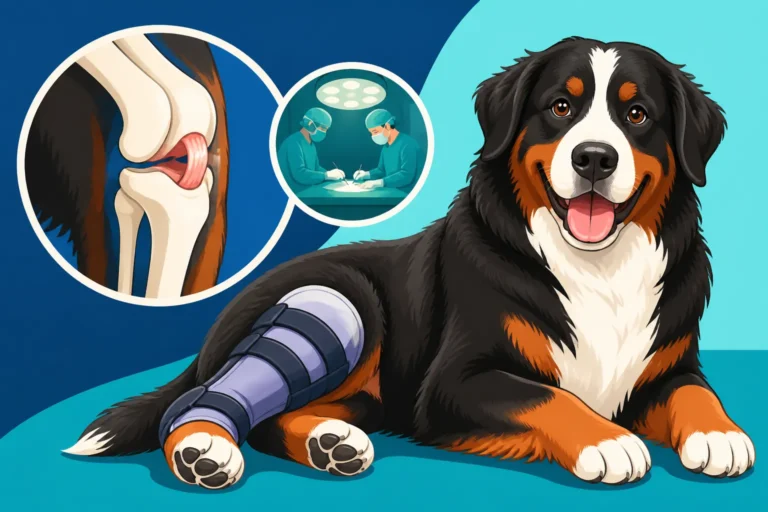
This is often the first type of information owners think of. Breeders diligently pursue various health clearances for their dogs, and these results are invaluable for the database. We're talking about official certifications from organizations like the Orthopedic Foundation for Animals (OFA) for hips and elbows, which are crucial given the breed's propensity for joint issues. Eye certifications from the American College of Veterinary Ophthalmologists (ACVO) are also important. Beyond these, genetic test results are increasingly vital. For instance, The SOD1 Test for a Bernese Mountain Dog helps identify carriers of a gene linked to degenerative myelopathy. These results, often obtained through your vet or specific labs, should always be submitted to Berner-Garde. Pet insurance providers, like Healthy Paws, often keep digital copies of these vet reports and test results, making it easier to gather documentation.
Longevity and Cause of Death Data
Perhaps the most poignant, yet incredibly important, data collected is information regarding a dog's lifespan and the cause of their passing. We all dread having to record What Ends a Bernese Mountain Dog's Life, but this information is absolutely critical for understanding breed-specific vulnerabilities and tracking progress in improving longevity. Whether a dog lived to a ripe old age or succumbed to an illness too soon, that data point helps researchers see which lines are thriving and which are struggling. Even if you've had to say goodbye, submitting this information is a powerful legacy your Berner can leave, helping future generations. It's how we track progress towards dogs reaching The Bernese Mountain Dog That Reaches Twelve.
Pedigree and Ancestry Information
The beauty of Berner-Garde lies in its ability to connect health data to specific bloodlines. Every Bernese Mountain Dog in the database is linked to their parents, grandparents, and so on. This genealogical information allows researchers and breeders to track health issues through generations, identifying potential genetic markers or recurring problems within certain lines. It helps answer critical questions like Whether Cancer Is Bred Into the Bernese Mountain Dog and guides breeders in making responsible pairing decisions to avoid propagating known health risks. Your dog's official AKC or equivalent registration papers will contain this pedigree information, which is a key part of their Berner-Garde profile.
Here's a quick overview of the key data categories for Berner-Garde submissions:
| Data Category | Examples of Information Submitted | Purpose in Berner-Garde |
|---|---|---|
| Identification | Registered name, call name, registration numbers, birthdate | Unique identification and tracking |
| Pedigree | Sire and Dam, breeder information | Establishing genetic lines and relationships |
| Health Clearances | OFA Hips/Elbows, Eye Exams (ACVO), Cardiac Exams, Von Willebrand's | Assessing hereditary health conditions for breeding |
| Genetic Tests | SOD1 (DM), other breed-specific genetic disease tests | Identifying carriers or affected dogs for specific mutations |
| Diseases/Diagnoses | Cancer (type, age of diagnosis), Bloat, Autoimmune diseases, allergies | Tracking disease prevalence and age of onset |
| Longevity | Date of death, age at death, cause of death | Understanding breed lifespan and mortality patterns |
| Other Notes | Temperament observations, behavioral notes | Providing holistic view of the dog, though less common |
The Process of Submitting Records to Berner-Garde
Getting your dog's information into Berner-Garde might sound like a daunting task, but it's really quite straightforward once you know the steps. It's a testament to the dedication of the Berner community that this resource exists and is constantly being updated by individuals like yourself.
Gathering Your Dog's Documentation
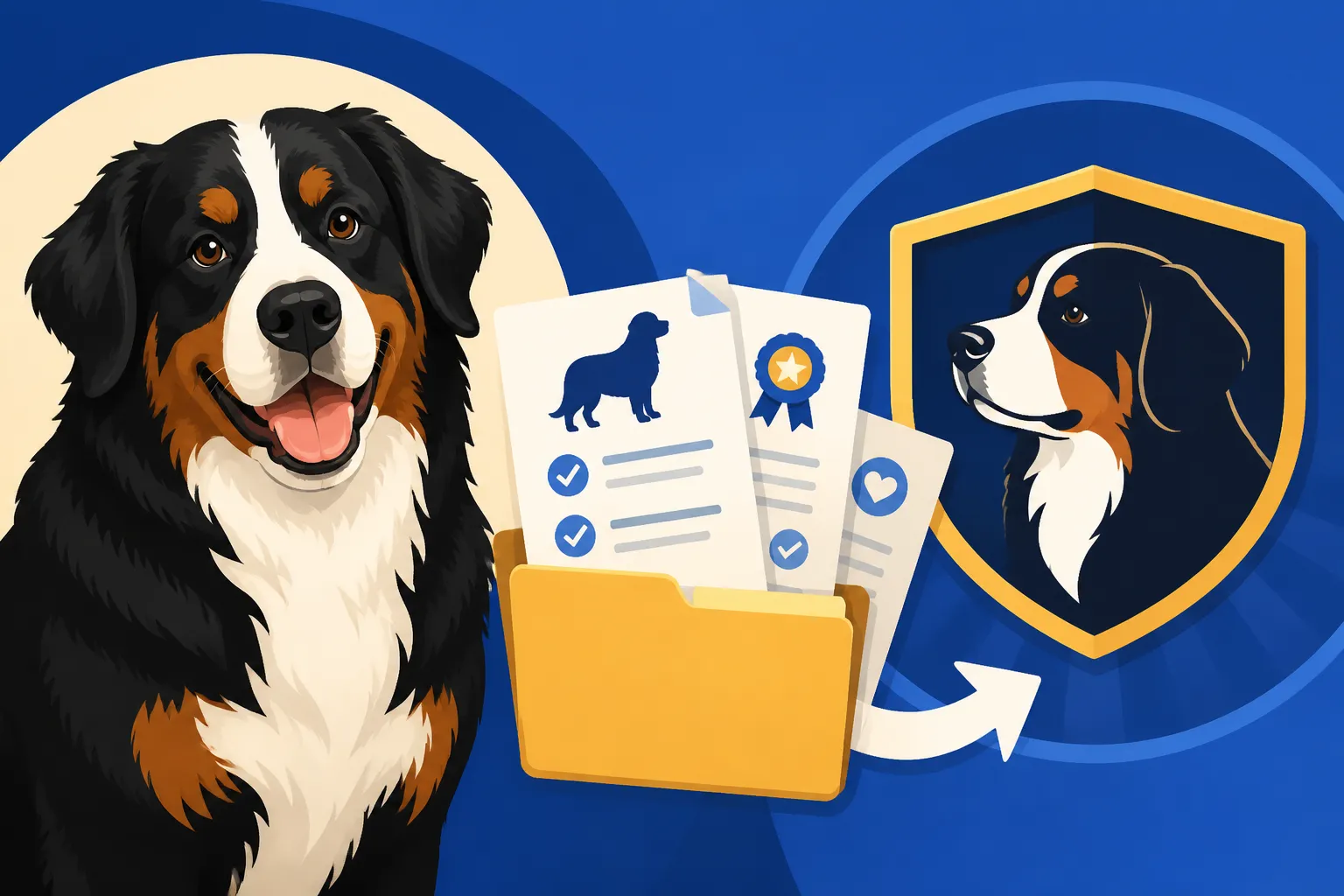
The first step is to collect all the relevant paperwork for your Bernese Mountain Dog. This includes anything from official health certifications like OFA Clearances a Bernese Mountain Dog Should Have, to veterinary reports detailing diagnoses, treatments, or even routine check-ups that note a healthy status. If your dog has undergone any genetic testing, make sure you have those results. Don't forget their registration papers, as these will provide crucial pedigree information.
Many owners find it helpful to create a dedicated folder, either physical or digital, for their dog's health records from day one. If you use a pet insurance company like Healthy Paws, they typically have an online portal where you can access all your submitted claims and veterinary notes, which can be an excellent resource for compiling your documentation. If your dog is no longer with you, reach out to your veterinarian's office; they can usually provide copies of your dog's full medical history.
Navigating the Berner-Garde Website
Once you have your documents in hand, head over to the Berner-Garde website. If you've never used it before, you'll likely need to create an account. The site is designed to be user-friendly, but there's a wealth of information, so take your time. You'll typically start by searching for your dog's existing entry using their registered name or registration number. Many purebred Berners will already have a basic entry created by their breeder, especially if their parents are in the database.
If your dog has an existing entry, you can then "claim" it and begin adding data. If not, you'll create a new entry. The site will guide you through sections for uploading health certifications, entering dates of diagnoses, and, for deceased dogs, providing the date and cause of death. You'll upload scanned copies or clear photos of your official documents as proof for the data you enter. It’s a bit like creating a detailed online resume for your dog's health, focusing on accuracy and completeness.
Common Pitfalls and Tips for Success
One common pitfall is incomplete documentation. Always strive to provide official documentation for health clearances. For example, rather than just typing in "Good hips," upload the actual OFA certificate. Another issue can be a lack of specifics for diagnoses. If your dog had cancer, specify the type of cancer and the age of diagnosis. The more detail, the more valuable the data. If you're unsure about a specific field, the Berner-Garde site often has help sections or contact information for volunteers who can assist you. Don't be afraid to ask for help! The community is incredibly supportive. Also, remember that even routine annual check-up notes, especially for Screening an Older Bernese Mountain Dog, can be useful to include if they confirm ongoing good health or identify new concerns. Consistent record-keeping from your vet, which is often essential for insurance claims with companies like Healthy Paws, also makes this process much smoother.
Who Benefits from Your Berner-Garde Submission
Your effort in submitting records to Berner-Garde extends far beyond your own dog. It creates a ripple effect, benefiting various groups invested in the future of the breed. It’s a silent, yet powerful, contribution to the entire Bernese Mountain Dog community.
Empowering Responsible Breeders
For ethical and responsible breeders, Berner-Garde is an indispensable tool. They use the database extensively to research pedigrees, analyze the health histories of potential breeding dogs and their relatives, and make informed decisions about pairings. By seeing which lines consistently produce healthy, long-lived dogs, and conversely, which lines might carry a higher risk for specific conditions, breeders can make choices that actively work to improve the breed's health. This due diligence helps them avoid mating dogs that might unknowingly contribute to breed-specific health issues. When a prospective owner asks about The Bernese Mountain Dog Health Panel results for a puppy's parents, breeders can confidently point to Berner-Garde records.
Assisting Researchers and Veterinarians
The aggregated data within Berner-Garde forms a massive dataset that is invaluable to veterinary researchers and geneticists. Scientists can access this information to study the prevalence, inheritance patterns, and environmental factors associated with various Bernese Mountain Dog diseases. This research can lead to earlier diagnostic tools, more effective treatments, and even preventative strategies for conditions that plague the breed. Veterinarians, too, can sometimes consult the database to better understand a patient's genetic background or to help counsel owners on potential risks based on family history. This collaborative approach between owners, breeders, and the scientific community is essential for advancing veterinary medicine specifically for Berners.
Informing Prospective and Current Owners
If you're considering bringing a Bernese Mountain Dog into your life, Berner-Garde is an incredible resource. You can use it to research potential breeders, look up the health clearances of parent dogs, and understand the longevity of their ancestors. This transparency helps you make an informed decision and choose a puppy from a line with a strong health history. For current owners, the database can help you understand potential risks your dog might face based on their lineage, allowing you to be proactive with preventative care and discussions with your vet. It fosters a more educated and prepared ownership experience. It's truly a global resource for understanding the health of the breed, helping owners anticipate potential issues and plan for them, sometimes even with the help of a robust pet insurance plan.
Addressing Common Concerns and Misconceptions
It's natural to have questions or even reservations about sharing such personal information about your beloved pet online. Let's address some of these common concerns to demystify the process and highlight the robust safeguards in place.
Privacy and Data Security
Berner-Garde takes privacy seriously. While the health and longevity data of individual dogs are publicly accessible, personal identifying information of owners, such as names, addresses, or contact details, are kept confidential and are not shared publicly. The focus is purely on the dog's health record and its genetic lineage. The database is maintained by dedicated volunteers and is designed to protect sensitive information while still allowing the critical health data to be analyzed for the benefit of the breed. Your data helps contribute to the overall knowledge base without compromising your personal privacy.
The Emotional Aspect of Sharing Difficult News
Submitting information, especially about a dog that has passed away or received a devastating diagnosis, can be incredibly difficult. It can bring up raw emotions and rekindle grief. However, it's important to remember that by sharing this information – particularly the age and cause of death – you are honoring your dog's memory in a tangible way. Your dog's life and passing will contribute to a greater understanding that can potentially save other Berners from similar fates. It's a selfless act that turns personal sorrow into a valuable contribution for the future of the breed, directly impacting statistics like The Average Age a Bernese Mountain Dog Reaches. While it's tough, many owners find solace in knowing their cherished companion's legacy lives on in this vital research.
Disclaimer
Please remember that this guide provides general information and should not be considered a substitute for professional veterinary advice. Always consult with your veterinarian regarding your Bernese Mountain Dog's specific health concerns, diagnoses, and treatment plans.