Whether a Kinked Tail Is a Bernese Mountain Dog Fault
Bringing home a Bernese Mountain Dog is a joyous occasion, filled with dreams of fluffy cuddles and majestic walks. But sometimes, when you’re admiring your puppy or even an older dog, you might notice something a little off with their tail—a subtle bend, a twist, or what looks like a permanent "kink." This can understandably lead to a moment of worry: is this normal, does it mean something is wrong, and is it considered a fault? This guide is here to unravel the mystery of kinked tails in Bernese Mountain Dogs, helping you understand what the breed standard says, potential causes, and what it means for your beloved companion.
Understanding the Bernese Mountain Dog Breed Standard Regarding Tails
When we talk about purebred dogs, the "breed standard" is essentially the blueprint for what an ideal dog of that breed should look like and how it should behave. It's meticulously crafted by the parent club to preserve the breed's distinct characteristics. For Bernese Mountain Dogs, every detail, from the tip of their nose to the end of their tail, is described. Owners and prospective owners often spend hours poring over these descriptions, ensuring their future companion meets these lofty expectations. A deviation from this standard, especially something as visible as a tail, can raise questions.
The Ideal Tail Set and Carriage
The Bernese Mountain Dog's tail, according to the standard, is a significant feature. It's meant to be strong at the base, setting as a natural extension of the topline. Ideally, it should hang straight down when the dog is at rest, reaching at least to the hocks, and often a bit longer. When the dog is excited or moving, that tail should lift, but never curl over the back or form a tight circle. Think of it as a gentle, flowing curve, like a beautiful plume waving in harmony with their powerful stride. It's a statement of their balance and confidence, always expressive, but never overly exaggerated. The texture of the hair on the tail should also match the body, thick and plush, adding to their magnificent silhouette. When you see a Berner trotting along, its tail flagging happily, it's a sight to behold, a testament to the elegant yet robust build defined in The Bernese Mountain Dog Topline the Standard Wants and The Tail Carriage a Bernese Mountain Dog Standard Wants.
This natural, unkinked flow is considered crucial not just for aesthetics but because it often reflects underlying skeletal structure. A properly set and carried tail is part of the overall harmonious picture of a Bernese Mountain Dog, showcasing their strength and agility, even if they're mostly famous for their cuddliness. It's about proportion, balance, and soundness, all wrapped up in that beautiful tri-color package.
What Constitutes a Fault in Tail Structure
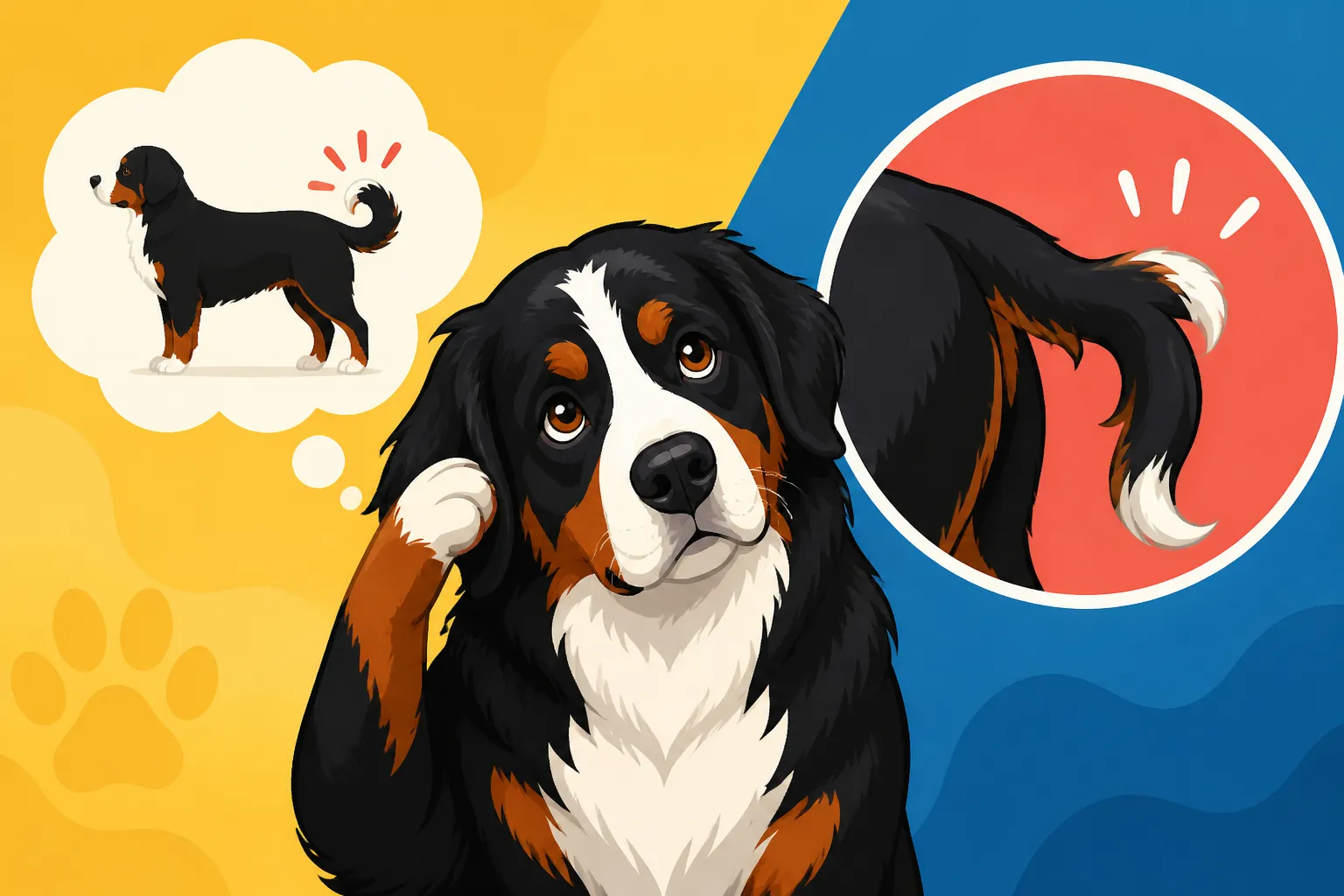
Now, let's get to the nitty-gritty of what the breed standard considers a "fault" when it comes to tails. A kinked tail, a truly bent or crooked tail that isn't just a momentary curl of excitement, is indeed listed as a serious fault in the Bernese Mountain Dog breed standard. This isn't just a minor preference; it's a structural deviation that can be indicative of underlying issues.
A "kink" might manifest in various ways: a sharp bend in the tailbone, a noticeable twist, or an abnormal curvature that remains even when the dog is relaxed. It's distinct from a tail that simply curls a bit too high or carries slightly off-center when the dog is alert. A kink implies an actual structural abnormality in the vertebrae of the tail itself. For a show dog, such a fault would be a significant detriment, potentially costing them a placement in the ring. The standard is quite clear on these structural faults, recognizing them as departures from the ideal confirmation. It's important to remember that these standards are in place to guide responsible breeding and maintain the health and structural integrity of the breed over generations. The Bernese Mountain Dog Breed Standard outlines many such details.
While a kinked tail is a fault, it's generally not considered a disqualification, which is an even more severe deviation that would completely bar a dog from competing or breeding. However, it significantly impacts a dog's overall evaluation. Beyond the show ring, breeders aiming for excellence will carefully screen for such traits in their breeding lines. The Faults That Cost a Bernese Mountain Dog a Placement are often tied to health and structural soundness, which is why they are taken seriously.
What Causes a Kinked Tail in Bernese Mountain Dogs?
Understanding why a Bernese Mountain Dog might have a kinked tail involves looking at both inherited traits and environmental factors during development. It’s rarely just one simple cause, and often, it’s a combination of elements at play. As a responsible owner, knowing these potential causes can help you appreciate your dog's unique traits and inform any future decisions regarding their health or involvement in breeding.
Genetic Predisposition and Hereditary Factors
For many structural traits in purebred dogs, genetics play a starring role. A kinked tail can absolutely be an inherited trait, passed down from parents to their offspring. This is often due to anomalies in the development of the caudal vertebrae—the bones that make up the tail. If one or both parents carry genes for abnormal tail formation, there's a higher chance their puppies might inherit a kinked tail. This isn't necessarily a sign of malicious breeding; sometimes, these genetic markers can be hidden, or only become apparent when combined in a specific way.
Reputable breeders put a tremendous amount of effort into studying pedigrees and understanding the health history of their lines to minimize the occurrence of such faults. They use tools like the Orthopedic Foundation for Animals (OFA) database and Berner-Garde Records and What They Cost to Check to track health issues, including structural anomalies. This is why Genetic Testing Before Breeding a Bernese Mountain Dog is so vital, though specific genetic tests for tail kinks aren't as common as those for hip or elbow dysplasia. If you're considering a Bernese Mountain Dog puppy, asking the breeder about the tail health of the parents and previous litters can offer valuable insight. Sometimes, a kinked tail can be related to other vertebral abnormalities further up the spine, making the genetic component even more complex and important to consider in a comprehensive health panel.
Developmental and Acquired Causes
Beyond genetics, a kinked tail can also arise from events during development, either in the womb or shortly after birth. Trauma to the tail during the critical developmental stages, even something as subtle as being stepped on by a littermate in a crowded whelping box, could lead to a permanent bend. A difficult birth can also sometimes result in trauma that affects the tail's structure. These types of injuries, if they occur when the bones are still soft and forming, can set the tail into an unnatural shape.
It's also possible for an older dog to develop what appears to be a kinked tail due to an injury. A broken tail, for instance, might heal in an odd position, resulting in a permanent bend. This is more of an "acquired" kink. Similarly, certain neurological conditions can affect tail carriage and muscle tone, sometimes mimicking a structural kink, although this is less common for an actual bone deformity. For example, if a dog's tail muscles are permanently contracted or weakened on one side due to nerve damage, it might appear to have a kink.
When you notice a tail kink, it's worth considering the dog's history. Was it present from birth? Did it appear suddenly after an incident? Knowing the timeline can help a veterinarian diagnose the cause, though in many cases, especially with subtle kinks present from puppyhood, the exact cause can be hard to pinpoint definitively. What we do know is that whether genetic or acquired, a kinked tail is a physical manifestation that warrants attention, both from a health perspective and when evaluating a dog against its breed standard.
Implications of a Kinked Tail for Your Bernese Mountain Dog's Life
When your beautiful Bernese Mountain Dog has a kinked tail, your primary concern is likely about their well-being and whether this structural deviation will impact their quality of life. For most pet owners, the aesthetic aspect of a breed fault takes a backseat to health. However, for those involved in showing or breeding, the implications can be significant and far-reaching.
Health and Welfare Considerations
For the vast majority of Bernese Mountain Dogs with a kinked tail, the direct health implications are minimal. A simple kink in the tailbone usually doesn't cause any pain or discomfort for the dog. They can wag it, carry it, and express themselves just like any other dog. The tail's primary functions—balance, communication, and sometimes even a little bit of swimming propulsion—are generally not hindered by a minor structural imperfection.
However, there are exceptions. If the kink is severe, or if it's accompanied by other vertebral abnormalities higher up the spine, it could potentially lead to issues. For example, if the tail kink is part of a broader spinal malformation, it might affect nerve function, leading to issues like incontinence or difficulty with hind limb movement. This is rare for a simple tail kink, but it's why a vet check is always a good idea, especially if you notice any other symptoms. Some dogs might be prone to skin irritation or sores if a severely kinked tail rubs against itself or the body in an unusual way, especially in the thick coat of a Bernese. Regularly Grooming a Bernese Mountain Dog's Long Tricolor Coat and checking the skin, particularly around the tail base and underneath any tight bends, is a good preventative measure. You might even find specialized shampoos and conditioners on sites like Chewy that help maintain coat health and prevent skin issues in these areas.
In summary, for a typical Bernese Mountain Dog with an isolated, non-traumatic kinked tail, you can expect them to live a full, happy, and pain-free life. It’s more of a cosmetic deviation than a health catastrophe. But remaining observant and ensuring regular vet check-ups will help catch any rare complications. Seeing the Vet Twice a Year With a Berner is always a good practice, regardless of minor faults.
Impact on Showing and Breeding
This is where a kinked tail carries the most significant weight. In the world of conformation showing, adherence to the breed standard is paramount. As mentioned, a kinked tail is a fault, and it can significantly impact a dog's chances of success in the show ring. Judges are looking for dogs that exemplify the breed's ideal structure and appearance, and a noticeable tail kink is a clear deviation from that ideal. While it might not be a disqualification, it will certainly count against the dog and can prevent them from earning titles. For an owner with aspirations of showing their Berner, a kinked tail often means a change of plans, shifting their focus to performance sports or simply enjoying their companion as a beloved pet.
For breeding programs, the implications are even more profound, especially if the kink is believed to be genetic. Responsible breeders strive to produce dogs that are not only healthy and of good temperament but also adhere closely to the breed standard to maintain the integrity of the line. Breeding a dog with a known structural fault like a kinked tail, particularly if it's hereditary, is generally discouraged. This is because it risks perpetuating the trait in future generations, potentially compromising the overall health and conformation of the breed. Breeders are deeply invested in What Health Testing a Bernese Mountain Dog Breeder Pays For and understanding the genetic health of their dogs before considering mating.
If a dog has a kinked tail, a responsible breeder will typically opt not to use that dog in their breeding program, even if the dog is otherwise exceptional. They might still be placed in loving "pet homes" where their tail is simply a unique quirk. This is also why Whether a Pet-Quality Bernese Mountain Dog Costs Less is a common question, as dogs with minor faults that prevent showing or breeding are often sold at a different price point. It's a testament to the dedication of ethical breeders to prioritize the long-term health and standard of the Bernese Mountain Dog breed over individual achievements.
Living with a Bernese Mountain Dog with a Kinked Tail
Embracing a Bernese Mountain Dog with a kinked tail means celebrating their unique charm and ensuring they receive the same loving care as any other Berner. For most owners, this simply becomes part of their dog's individual character. The key is to be observant, proactive with their health, and understand that their happiness isn't tied to a perfectly straight tail.
Everyday Care and Observation
Caring for a Bernese Mountain Dog with a kinked tail typically involves no special procedures beyond the usual comprehensive care for this magnificent breed. You'll still need to provide a high-quality diet, regular exercise (appropriate for their age and joint health), and consistent grooming. However, the kinked tail does warrant a little extra attention during your routine checks.
During your regular grooming sessions, when you're brushing out their glorious double coat, pay close attention to the area around the kink. Check for any signs of rubbing, redness, irritation, or matted fur that might accumulate in the unique folds created by the kink. Sometimes, a tight bend can create a little pocket where dirt or moisture can get trapped, potentially leading to skin issues. A good quality, moisturizing shampoo and conditioner from a brand like Chewy can help keep the skin healthy and the coat pliable around these areas. If you notice any tenderness when you touch the tail, or if your dog reacts defensively, it's a signal to consult your vet.
It's also important to continue observing your dog's gait and overall movement. While a kinked tail itself rarely causes issues, if it's associated with other spinal anomalies, you might notice subtle changes in how they walk, or a reluctance to use their back end. The Weekly Handling a Bernese Mountain Dog Should Accept should always include a gentle once-over of their entire body, including their tail, to spot any changes early on. Most importantly, remember that your Berner is a loving, loyal companion, and a kink in their tail doesn't diminish their ability to bring immense joy into your life.
When to Consult Your Veterinarian
While most kinked tails are benign, there are definitely times when a trip to the veterinarian is warranted. If the kink suddenly appears or changes shape, especially after an accident or fall, it's crucial to get it checked out. This could indicate a recent injury or fracture that needs medical attention. A vet can X-ray the tail to assess for breaks, dislocations, or other acute trauma.
You should also consult your vet if your Bernese Mountain Dog shows any signs of pain or discomfort related to their tail. This might include:
- Yelping or flinching when the tail is touched.
- Holding the tail in an unusual, stiff, or tucked position.
- Reluctance to wag their tail.
- Chewing or licking excessively at the tail area.
- Any signs of skin irritation, sores, or infection around the kink.
Furthermore, if the kinked tail is accompanied by other symptoms like changes in urination or defecation habits, weakness in the hind legs, or unusual gait, these could be signs of a more significant spinal issue that needs immediate veterinary evaluation. While such complications from a simple tail kink are uncommon, it's always better to be safe than sorry. Your vet can provide reassurance, diagnose any underlying issues, and offer guidance on managing any discomfort or secondary problems that might arise. Don't hesitate to seek professional advice; it’s part of being a responsible Bernese Mountain Dog owner. You can often find vet-recommended joint supplements and other health aids on reputable online pet supply stores like Chewy, which can be beneficial for a large breed like the Bernese Mountain Dog as they age, regardless of tail conformation.
Disclaimer
This article is for general informational purposes only and does not constitute professional advice. Laws, prices and regulations vary by location and change over time. Consult a qualified professional for guidance on your specific situation.