Skin and Ear Problems in a Bernese Mountain Dog
One of the trickiest things about owning a magnificent Bernese Mountain Dog is navigating their health challenges, and few things are as frustrating as persistent skin and ear problems. Their glorious, thick double coat and charming floppy ears, while quintessential Berner features, unfortunately, create a perfect storm for various irritations and infections. This guide aims to thoroughly explore why Berners are so prone to these issues, detail the common conditions you might encounter, and equip you with practical strategies for prevention and management, so you can keep your furry friend as comfortable as possible.
The Unique Challenges of a Berner's Coat and Ears
Bringing a Bernese Mountain Dog into your life means falling in love with that incredible, dense tri-color coat and those sweet, expressive floppy ears. But as any experienced Berner owner will tell you, these beautiful features come with their own set of responsibilities and potential health headaches. It’s not just about aesthetics; their unique physical attributes make them particularly susceptible to certain skin and ear issues that can be incredibly uncomfortable for them and challenging for us to manage.
The Double Coat's Predicament
That luxurious, thick double coat that keeps your Berner warm in the Swiss Alps can become a real burden in a modern home, especially when it comes to skin health. The outer coat is long and water-repellent, but it's the dense, woolly undercoat that traps everything. This creates a microclimate right against their skin that can be an absolute haven for trouble. Imagine a humid, warm, and often poorly ventilated environment – that's what's happening beneath all that fur.
This trapped moisture, combined with natural oils, shed hair, and any environmental debris like pollen or dust, can quickly become a breeding ground for bacteria and yeast. During shedding seasons, which for a Berner feels like an Olympic event twice a year, if that undercoat isn't meticulously removed, it forms dense mats close to the skin. These mats further restrict airflow, prevent moisture from evaporating, and can literally pull on the skin, causing irritation. It's not uncommon to find a red, angry patch of skin hidden deep beneath what looks like a perfectly fine coat, which is why consistent and thorough grooming is absolutely paramount. It’s no wonder that a Bernese Mountain Dog owner often struggles with Itching Under a Bernese Mountain Dog's Thick Coat when these factors combine.
Ear Anatomy and Its Vulnerability
Those adorable, triangular, floppy ears that frame your Berner's sweet face are another design feature that, unfortunately, predisposes them to problems. Unlike dogs with upright ears, whose ear canals are exposed to air circulation, a Berner's pendulous ears effectively seal off the ear canal. This means that once moisture, warmth, or debris gets in, it has a much harder time getting out.
The inside of a dog's ear canal is already a naturally warm and slightly moist environment. When you add in the restricted airflow from those heavy ear flaps, you've created a perfect, dark, humid incubator for opportunistic microbes like yeast and bacteria. Some Berners also have a lot of hair growing inside their ear canals, which further exacerbates the problem by trapping more debris and acting like a wick for moisture, preventing the ear from drying out properly. This combination of factors explains why recurrent ear infections are such a common complaint among Bernese Mountain Dog owners.
Common Skin Conditions in Bernese Mountain Dogs
It feels like every Berner owner eventually becomes an expert in decoding various types of itching, licking, and scratching. Our beautiful Bernese Mountain Dogs are, unfortunately, prone to several common skin conditions, ranging from environmental sensitivities to more complex genetic issues. Understanding what to look for and the underlying causes is the first step in effective management and providing your dog relief.
Allergies – The Itch That Never Ends
Allergies are, without a doubt, one of the most frustrating and pervasive skin issues for Bernese Mountain Dogs. They manifest as a persistent, sometimes relentless, itch that can drive both your dog and you absolutely crazy. There are generally two main types we see:
Environmental Allergies (Atopy): These are by far the most common culprits. Just like humans, dogs can be allergic to things in their environment such, as pollen from trees, grasses, and weeds, dust mites lurking in our homes, or mold spores. Berners often show symptoms seasonally, flaring up when their specific allergens are high in the air, but some dogs can suffer year-round if their triggers are omnipresent. The classic signs include incessant paw licking (often staining their white paws reddish-brown), rubbing their face, itching their belly and armpits, and, most commonly, developing recurrent ear infections. It’s a cyclical nightmare: they itch, they scratch, they damage their skin barrier, and then secondary infections set in, making them even itchier. Managing environmental allergies often involves a multi-pronged approach, from oral medications and special shampoos to immunotherapy, all of which can be a significant ongoing cost. This is where having comprehensive pet insurance, like a policy from Healthy Paws, can be an absolute lifesaver, helping to cover the often-expensive diagnostics and long-term treatments.
Food Allergies: While less common than environmental allergies, food allergies can be equally, if not more, challenging to pinpoint and manage. Unlike food intolerances, which cause digestive upset, food allergies involve an immune response that often manifests as skin problems. Symptoms can mirror environmental allergies: intense itching, redness, recurrent ear infections, and sometimes gastrointestinal signs like vomiting or diarrhea. Common culprits in dog food include proteins like chicken, beef, dairy, wheat, and soy, but any ingredient can theoretically be an allergen. Diagnosing a food allergy requires a strict elimination diet under veterinary guidance, typically involving feeding a novel protein or hydrolyzed protein diet for 8-12 weeks, followed by reintroducing suspected ingredients one by one. It's a lengthy and often frustrating process, but finding the trigger can bring immense relief to your Berner.
Hot Spots and Pyoderma
These are two related and often interconnected bacterial skin infections that Berners are particularly susceptible to due to their thick coats and allergy predispositions.
Hot Spots (Acute Moist Dermatitis): If you've ever found a rapidly appearing, angry red, oozing, and painful lesion on your Berner, you've likely dealt with a hot spot. These often erupt seemingly overnight. The trigger is usually something that causes intense local itching or irritation – an insect bite, a small cut, or an underlying allergic itch that the dog then compulsively licks, chews, or scratches. Because of their thick coat, moisture and bacteria get trapped, and the hot spot quickly escalates from a small itch to a large, inflamed, and painful infection. The moisture involved is key, which is why Why a Damp Bernese Mountain Dog Develops Sores is a critical piece of information for Berner owners. Treating them involves clipping the hair around the lesion, thoroughly cleaning it with an antiseptic wash, and often applying topical antibiotics or steroids, sometimes alongside oral antibiotics if the infection is severe.
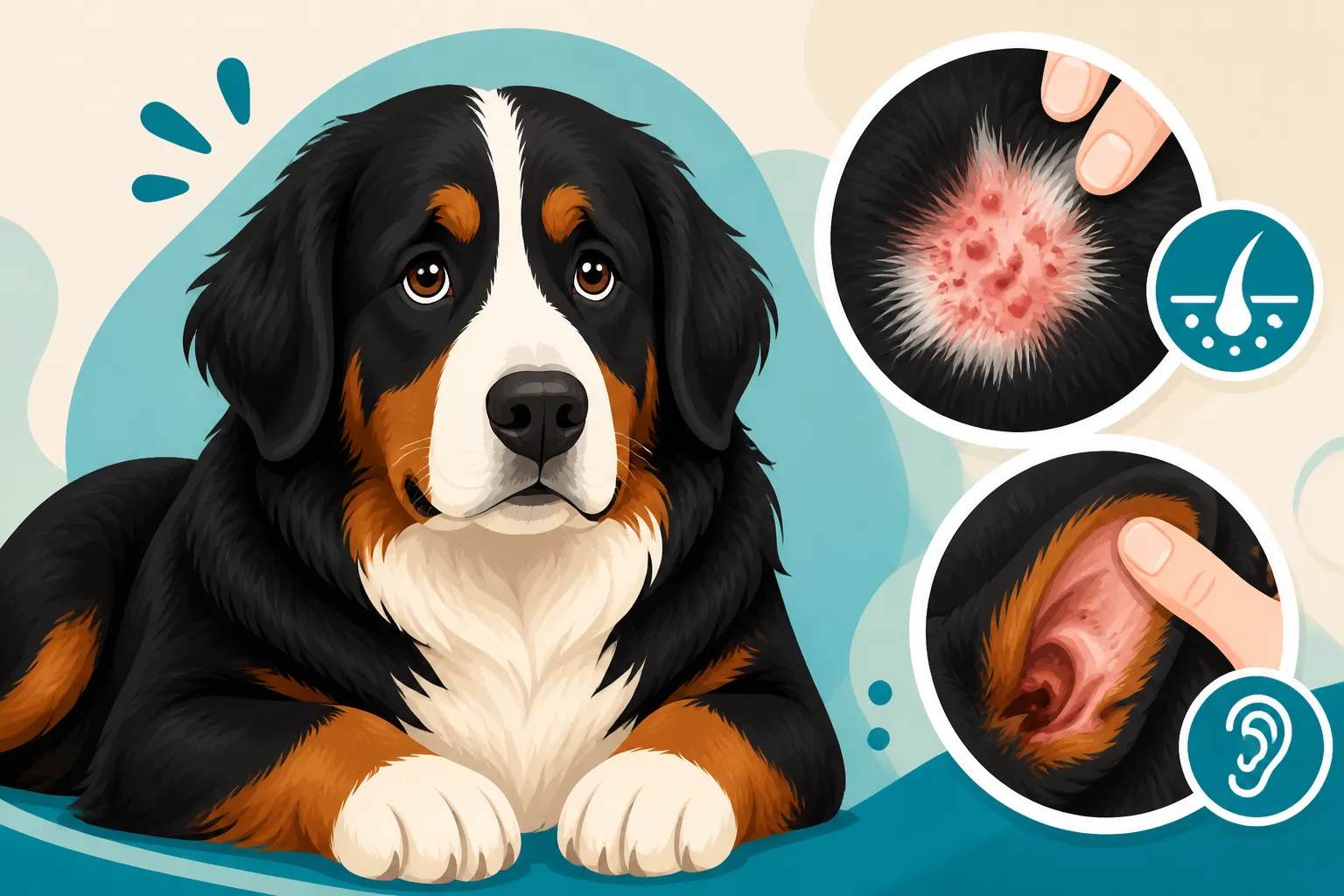
Pyoderma: This is a broader term for bacterial skin infections. It's very common for pyoderma to develop secondary to allergies or hot spots, as the compromised skin barrier allows bacteria (often Staphylococcus) to proliferate. Pyoderma can range from superficial (affecting the upper layers of the skin, causing pustules, crusts, and scabs) to deep (affecting deeper layers, leading to painful boils, draining tracts, and significant inflammation). You might notice red bumps, small pus-filled lesions, hair loss, or a generally dull, greasy coat with an unpleasant odor. Diagnosis usually involves a skin cytology (examining a sample under a microscope) to identify the type of bacteria and guide antibiotic selection. Treatment requires a course of oral antibiotics, often for several weeks, and medicated shampoos to help clear the infection from the skin surface.
Sebaceous Adenitis (SA) and Other Genetic Skin Issues
While hopefully rare in your Berner, it’s important to be aware of certain genetic predispositions, as they can cause significant skin problems.
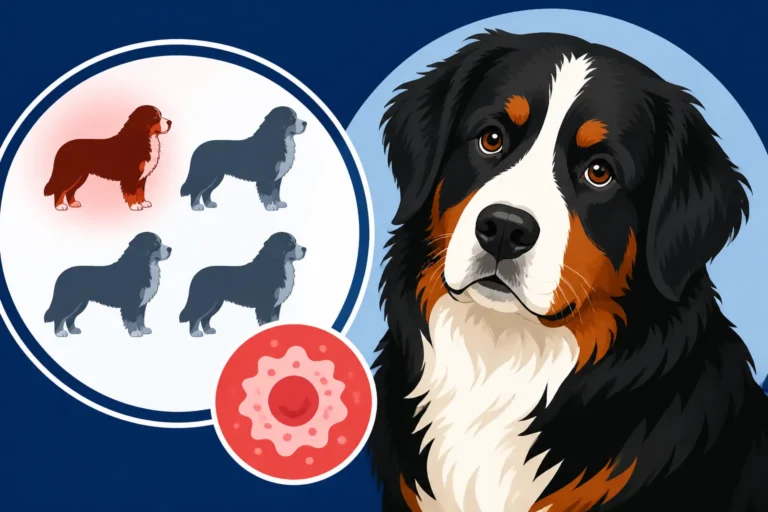
Sebaceous Adenitis (SA): This is a serious, often frustrating, inflammatory skin disease that is recognized in Bernese Mountain Dogs, though it's still considered rare. It's an autoimmune condition where the dog's immune system attacks and destroys the sebaceous glands in the skin, which are responsible for producing sebum (the natural oils that keep skin and hair healthy). Without these glands, the skin becomes dry, scaly, and prone to secondary infections. Symptoms typically include progressive hair loss, dull and brittle coat, silvery-white scales that adhere to the hair shaft, and sometimes a musty odor from secondary bacterial or yeast infections. It often starts along the topline and ears. Diagnosis requires a skin biopsy. There is no cure for SA, but management focuses on intense topical therapy (special shampoos, conditioners, oils) to try and moisturize the skin and remove scales, along with treating any secondary infections. Immunosuppressive drugs might be considered in severe cases.
Other Hereditary Sensitivities: While SA is the most prominent genetic skin issue associated with Berners, individual lines can have predispositions to other sensitivities or specific conditions like follicular dysplasia, where hair follicles don't develop properly, leading to patchy hair loss or poor coat quality. Always discuss any unusual or persistent skin issues with your veterinarian, and if you acquired your Berner from a reputable breeder, inform them of any diagnosed genetic conditions so they can track it within their lines.
Persistent Ear Problems: More Than Just an Itch
If you own a Bernese Mountain Dog, chances are you’ve spent some time peering into those deep, floppy ear canals. While undeniably adorable, these ears are unfortunately prime real estate for a host of issues, making ear problems one of the most common complaints for Berner owners. It’s not just an occasional itch; persistent ear issues can be incredibly painful and, if left unchecked, lead to serious complications.
Otitis Externa – The Most Frequent Culprit
Otitis externa, which simply means inflammation of the external ear canal, is the most common diagnosis you’ll hear regarding your Berner's ears. It’s rarely a primary disease itself but rather a symptom of an underlying problem. Remember that warm, moist environment we talked about? It’s the perfect incubator.
Most frequently, otitis externa in Berners is triggered by:
- Allergies: This is a massive one. Environmental allergies (atopy) and food allergies often manifest as itchy, inflamed ears. The allergic reaction causes the skin lining the ear canal to swell, produce more wax, and become an ideal breeding ground for yeast and bacteria.
- Yeast Infections (Malassezia): These often appear as a dark brown, waxy discharge with a distinct sweet or yeasty smell. They thrive in warm, moist environments and are frequently secondary to allergies.
- Bacterial Infections: These can produce a yellowish or pus-like discharge, often with a foul odor. Like yeast, bacteria often take advantage of an ear canal already compromised by inflammation or excess moisture.
- Moisture: Swimming, bathing, or even high humidity can trap water in the ear canal, disrupting its natural balance and setting the stage for infection.
Symptoms of otitis externa are pretty unmistakable: your Berner might shake their head vigorously, paw at their ears, rub their head on furniture, or whine when you touch their ears. You might also notice redness, swelling, an unpleasant odor, or discharge ranging from dark brown to yellowish. Dealing with Recurring Ear Infections in a Bernese Mountain Dog can be a frustrating cycle, but identifying and managing the underlying cause is key to breaking it. Treatment typically involves a thorough cleaning by the vet and prescribed ear drops containing antibiotics, antifungals, and/or steroids.
Ear Mites and Foreign Bodies
While less common in adult Berners, ear mites and foreign bodies can also cause acute ear distress.
Ear Mites: These tiny parasites (Otodectes cynotis) are highly contagious and are more frequently seen in puppies or dogs who interact with other animals (especially cats) that have them. They cause intense itching and produce a characteristic dark, crumbly discharge that looks a bit like coffee grounds. If your Berner puppy is constantly scratching their ears and you see this type of discharge, suspect ear mites and get them to the vet for a proper diagnosis and treatment.
Foreign Bodies: During walks in tall grass or wooded areas, it's possible for grass awns, seeds, or other plant material to work their way into your Berner's ear canal. These can cause sudden, intense irritation and pain, leading to frantic head shaking, pawing, and tilting of the head. It's a genuine emergency, as the foreign body can migrate deeper into the ear, potentially perforating the eardrum. A vet will need to carefully remove it, often requiring sedation. Always check your Berner’s ears thoroughly after outdoor adventures, especially if they have been romping through brush.
Chronic Issues and Potential Complications
Ignoring or improperly treating ear infections in a Bernese Mountain Dog can lead to a host of more serious, chronic problems that are much harder, and more expensive, to resolve.
- Hyperplasia and Calcification: Persistent inflammation and infection can cause the tissues lining the ear canal to thicken and even calcify over time. This narrows the canal, making it even harder for air to circulate and medications to penetrate, creating a vicious cycle of recurring infections.
- Ruptured Eardrum: Severe or deep-seated infections can damage the eardrum (tympanic membrane). A ruptured eardrum is painful and can lead to middle ear infections, hearing loss, and balance issues.
- Aural Hematomas: The violent head shaking associated with painful ear infections can cause blood vessels within the ear flap (pinna) to rupture, leading to a large, blood-filled swelling called an aural hematoma. These are very uncomfortable and almost always require surgical intervention to drain and repair the ear flap.
- Stenosis: Chronic inflammation can lead to irreversible narrowing of the ear canal (stenosis), which may eventually require a Total Ear Canal Ablation (TECA) surgery, where the diseased ear canal is surgically removed. This is a last resort, but sometimes the only way to provide relief from relentless pain and infection.
Given the potential for such severe complications, it's crucial to address ear problems promptly and consistently. Don't just treat the symptoms; work with your vet to identify and manage the underlying cause to prevent a lifelong battle with ear pain.
Proactive Care and Management Strategies
Knowing that Berners are prone to skin and ear issues is one thing, but actively doing something about it is another. The good news is that many problems can be prevented or significantly reduced with a diligent, proactive approach to their care. It’s all about creating an environment, both internal and external, that supports healthy skin and ears.
Grooming Beyond the Basics
For a Bernese Mountain Dog, grooming isn't just about looking good; it's a vital health ritual. That magnificent double coat is a trap for dirt, moisture, and shed undercoat, all of which contribute to skin problems.
- Regular, Thorough Brushing: This is your first line of defense. Aim for several times a week, ideally daily during heavy shedding seasons (which feel like all seasons for a Berner!). You need specialized tools to get down to the skin: a sturdy slicker brush to remove loose topcoat and an undercoat rake to pull out that dense, dead undercoat. Proper brushing aerates the skin, stimulates circulation, and prevents mats from forming close to the skin. Mats are absolute magnets for moisture and bacteria. If you want to dive deeper into techniques, check out Grooming a Bernese Mountain Dog's Long Tricolor Coat.
- Bathing with Purpose: While you don't want to over-bathe and strip natural oils, regular bathing (every 4-6 weeks, or more often if dealing with allergies or skin issues) is crucial. Use a high-quality, pH-balanced shampoo specifically formulated for dogs. For allergic dogs, your vet might recommend a hypoallergenic or medicated shampoo. Always rinse thoroughly – any shampoo residue left behind can cause irritation. And just as importantly, dry your Berner completely. A powerful force dryer is a game-changer here, as it pushes moisture out of that thick undercoat and helps remove more loose hair. Leaving a Berner damp for too long is an invitation for skin issues. For more specific product recommendations, read about Shampoo for a Bernese Mountain Dog's Double Coat.
- Ear Cleaning Routine: Make ear cleaning a regular part of your routine, ideally once a week or every two weeks, even if their ears look fine. Use a vet-approved ear cleaning solution that helps break down wax and dry the ear canal. Gently wipe the visible parts of the ear with a cotton ball or soft cloth. Never use cotton swabs deep inside the ear canal, as you can push debris further in or damage the eardrum. If you see signs of infection (redness, odor, discharge), consult your vet before cleaning, as some solutions can irritate an already inflamed ear.
Dietary Approaches and Supplementation
What goes into your Berner's bowl can have a profound impact on the health of their skin and coat. Nutrition plays a key role in maintaining a strong skin barrier and reducing inflammatory responses.
- High-Quality, Balanced Diet: Ensure your Berner is on a high-quality dog food appropriate for large breeds. Look for identifiable protein sources and avoid excessive fillers. While many dogs thrive on conventional kibble, if skin issues persist, discuss a "limited ingredient" or "novel protein" diet with your vet, especially if food allergies are suspected. Brands like Royal Canin or Hill's Science Diet offer veterinary prescription diets specifically formulated for skin sensitivities.
- Omega Fatty Acids: Supplementing with omega-3 fatty acids, particularly EPA and DHA found in fish oil, can be incredibly beneficial. These powerful anti-inflammatory agents help improve skin barrier function, reduce dryness, and can lessen the severity of allergic itching. Always consult your vet for the correct dosage for your Berner's size, as too much can cause digestive upset. You can learn more about appropriate supplements in Joint Supplements in a Bernese Mountain Dog's Bowl, as many of these benefit both joints and skin.
- Probiotics: A healthy gut often correlates with healthy skin. Probiotics can support gut health and, by extension, help modulate the immune system, potentially reducing allergic reactions. Again, discuss with your vet before adding any new supplements.
Environmental Control and Lifestyle Adjustments
Beyond grooming and diet, adjusting your Berner's environment and daily routine can significantly reduce their exposure to irritants and allergens.
- Allergen Mitigation: If environmental allergies are a concern, try to minimize exposure to known triggers. This might mean wiping down your Berner’s paws and belly after outdoor walks to remove pollen, using HEPA air filters in your home, and vacuuming frequently with a vacuum designed to handle pet hair. For more tips on keeping your space clean, check out Keeping a House Livable With a Bernese Mountain Dog.
- Moisture Management: Berners love water, but it's vital to ensure they are thoroughly dried after swimming or bathing. Even after a rainy walk, paying attention to drying their paws, belly, and under their ears can prevent skin and ear infections.
- Regular Vet Check-ups: These are not just for vaccinations! Your vet can spot subtle signs of developing skin or ear problems before they become severe. They can also provide professional ear cleaning and express anal glands (which can sometimes contribute to skin irritation if full). Early detection is always key for managing these conditions effectively.
When to Call the Vet: Recognizing Warning Signs
It's easy to dismiss an occasional scratch or head shake as just "being a dog," especially with a breed as stoic as the Bernese Mountain Dog. However, being vigilant and knowing when to seek professional veterinary attention can prevent minor irritations from escalating into chronic, painful, and expensive problems. Our Berners, bless their hearts, aren't always great at communicating their discomfort, so it's up to us to be their voice.
Subtle Changes You Shouldn't Ignore
Bernese Mountain Dogs can be surprisingly tolerant of discomfort, often hiding pain until an issue is quite advanced. This is why paying attention to subtle, ongoing changes in behavior or appearance is so critical. A good resource for understanding this behavior is Whether a Bernese Mountain Dog Hides Discomfort.
Look out for:
- Increased Licking, Chewing, or Scratching: If you notice your Berner licking their paws more than usual, chewing at their flank, or scratching behind their ears with increased frequency or intensity, it’s a red flag. Even if you don't see visible skin lesions yet, this persistent self-trauma indicates an underlying itch or irritation.
- Head Shaking or Ear Pawing: More than just an occasional shake to clear water, consistent head shaking or pawing at one or both ears is a strong indicator of ear discomfort.
- Changes in Coat or Skin Texture: Pay attention to dullness in the coat, areas of thinning hair, excessive dandruff, greasiness, or any unusual bumps or scabs when you’re grooming.
- Unusual Odor: A healthy dog typically doesn't have a strong, unpleasant odor. A yeasty, musty, or truly foul smell emanating from their coat or ears is almost always a sign of a bacterial or yeast infection.
- Behavioral Changes: Any changes in your Berner's demeanor, such as increased lethargy, irritability, reluctance to be petted, or withdrawal, could indicate they are in pain or significant discomfort from skin or ear issues.
Urgent Symptoms Requiring Immediate Attention
While subtle signs warrant observation and eventually a vet visit, some symptoms demand immediate professional care. These are usually signs that an infection is severe, highly painful, or has potentially caused more serious damage.
Call your vet immediately if you notice:
- Redness, Swelling, or Heat: Especially around the ears, face, paws, or in skin folds. This indicates significant inflammation and likely infection.
- Visible Pus, Oozing, or Bloody Discharge: Any discharge that isn't clear or light yellow from skin lesions or ears is a clear sign of infection requiring prompt medical attention.
- Open Sores or Ulcers: These are painful and highly susceptible to worsening infections.
- Sudden, Intense Pain or Lameness: If your Berner suddenly cries out when touching a specific area of skin, or if a hot spot is so painful they won't let you near it, this indicates acute discomfort.
- Loss of Balance or Head Tilt: While sometimes subtle, a persistent head tilt or appearing disoriented could indicate a severe inner ear infection or neurological involvement, requiring urgent evaluation.
- Facial Swelling or Hives: While rare, acute allergic reactions can cause rapid swelling, particularly around the face. This can become an emergency if it affects breathing.
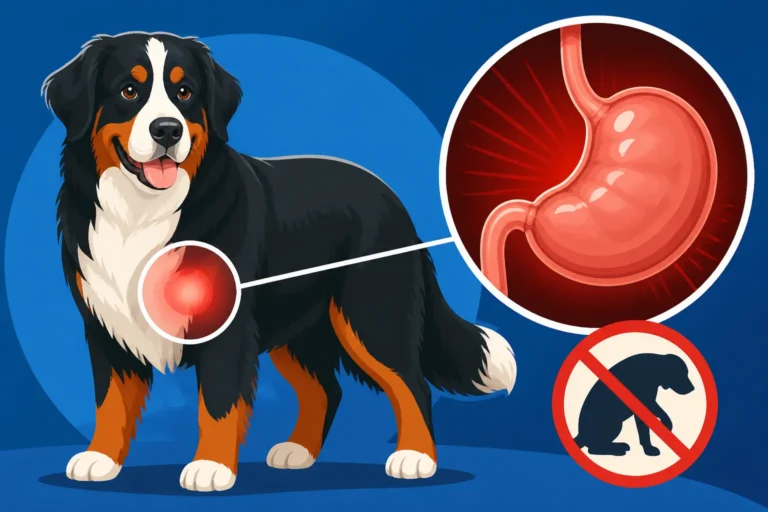
These urgent symptoms require veterinary intervention without delay. While not typically as immediate as something like The Half-Hour That Decides a Bloated Bernese Mountain Dog, they can still progress rapidly and cause your dog immense suffering.
The Diagnostic Process and Treatment Options
When you bring your Berner to the vet for skin or ear problems, expect a thorough examination and likely some diagnostic tests. This isn’t just guesswork; identifying the exact cause is crucial for effective treatment.
Common Diagnostic Tests:
- Skin Scrapings: Your vet might gently scrape the skin to look for mites (like demodex or sarcoptic mites) under a microscope.
- Cytology: This involves taking a sample (either by swabbing the ear canal or pressing a slide against a skin lesion) and examining it under a microscope to identify bacteria (cocci or rods) and yeast cells, helping to guide the choice of medication.
- Culture and Sensitivity: For stubborn or recurring infections, your vet might take a sterile sample and send it to a lab to grow the bacteria and test which antibiotics will be most effective against them.
- Allergy Testing: If allergies are suspected, your vet might recommend either blood tests (serum IgE) or intradermal skin testing (similar to human allergy tests) to identify specific environmental allergens. For food allergies, as mentioned, an elimination diet is the gold standard.
- Biopsy: For unusual lumps, non-healing sores, or suspected autoimmune conditions like Sebaceous Adenitis, a skin biopsy (taking a small tissue sample for laboratory analysis) might be necessary.
Treatment Options:
Treatment will vary widely depending on the diagnosis but often includes:
- Antibiotics: Oral antibiotics are prescribed for bacterial skin or ear infections, often for several weeks to ensure the infection is completely cleared. Topical antibiotics may also be used.
- Antifungals: Oral or topical antifungal medications are used for yeast infections.
- Steroids: Corticosteroids (oral or topical) are powerful anti-inflammatory drugs used to reduce swelling and itching, particularly in allergic reactions or severe inflammation.
- Antihistamines: For milder allergic itching, antihistamines might be prescribed, though their effectiveness varies among dogs.
- Medicated Shampoos and Ear Cleaners: These are essential for managing surface infections, removing debris, and maintaining skin and ear health.
- Immunotherapy: For environmental allergies, this involves a series of injections or oral drops containing small amounts of the identified allergens, designed to desensitize your dog's immune system over time.
It's important to remember that treating skin and ear issues, especially chronic ones, can be an ongoing and sometimes expensive process. From diagnostic tests to specialized medications and long-term management strategies, the costs can add up. This is precisely why many Berner owners find immense value in pet insurance. Companies like Healthy Paws can provide crucial financial support, helping to cover the bills for these chronic conditions, much like they would for major issues like Insuring a Bernese Mountain Dog Against Cancer, allowing you to focus on your Berner's health without the added financial stress.
Comparing Common Skin & Ear Issues
To help you quickly differentiate between some of the more common skin and ear problems in Bernese Mountain Dogs, here's a handy comparison table. Remember, this is for informational purposes only, and a vet visit is always necessary for a definitive diagnosis and treatment plan.
| Condition | Common Symptoms | Potential Causes | Typical First-Aid / Vet Steps |
|---|---|---|---|
| Environmental Allergies | Persistent itching (paws, belly, ears), redness, recurrent ear infections, skin rashes. | Pollen, dust mites, mold spores. | Antihistamines, corticosteroids (vet-prescribed), medicated baths, allergy testing, immunotherapy. |
| Food Allergies | Intense itching, recurrent ear infections, skin rashes, sometimes GI upset. | Specific food proteins (chicken, beef, dairy, wheat, soy). | Strict elimination diet, novel protein or hydrolyzed diets. |
| Hot Spots (Pyotraumatic Dermatitis) | Rapidly appearing, red, moist, painful, oozing lesion, often with matted hair. | Self-trauma (licking/scratching) due to underlying itch (allergy, insect bite). | Clip hair, clean with antiseptic, topical/oral antibiotics, steroids (vet-prescribed). |
| Pyoderma (Bacterial Skin Infection) | Red bumps, pustules, crusts, scabs, hair loss, unpleasant odor. | Secondary to allergies, skin irritation, compromised skin barrier. | Oral antibiotics (vet-prescribed), medicated shampoos, cytology for bacterial ID. |
| Otitis Externa (Ear Infection) | Head shaking, pawing at ears, redness, discharge (waxy, pus), foul odor, pain. | Allergies, yeast, bacteria, excessive moisture, ear mites (less common in adults). | Vet cleaning, ear drops (antibiotic, antifungal, steroid), identification of underlying cause (allergies). |
| Sebaceous Adenitis | Progressive hair loss, silvery scales, dull/brittle coat, secondary infections. | Autoimmune disease (genetic predisposition). | Skin biopsy for diagnosis, intensive topical therapy (shampoos, oils), immunosuppressants in severe cases (vet-prescribed). |
| Ear Mites | Intense itching, dark, crumbly (coffee-ground like) discharge in ears. | Contagious parasites, more common in puppies. | Vet diagnosis, ear drops specifically for mites. |
| Foreign Body in Ear | Sudden, intense head shaking, pawing at ear, pain, head tilt. | Grass awns, seeds, debris lodged in ear canal. | Immediate vet visit for sedation and removal. |
Disclaimer
This article is intended for informational purposes only and does not constitute medical advice for your Bernese Mountain Dog. Always consult with a qualified veterinarian for any health concerns or before making any decisions about your pet's health or treatment.