Whether Breeders Can Screen Bernese Mountain Dogs for Cancer
It's heartbreaking to know that our beloved Bernese Mountain Dogs, with all their joyous spirit and loyalty, are sadly prone to certain aggressive cancers. When you're looking for a puppy, or even just researching the breed, the question naturally arises: can breeders actually screen for cancer in Bernese Mountain Dogs? It’s a complex issue, and this guide will delve deep into what breeders can and cannot do, what tools exist, and how you as an owner can make the most informed choices.
The Challenging Reality of Genetic Cancer Screening in Bernese Mountain Dogs
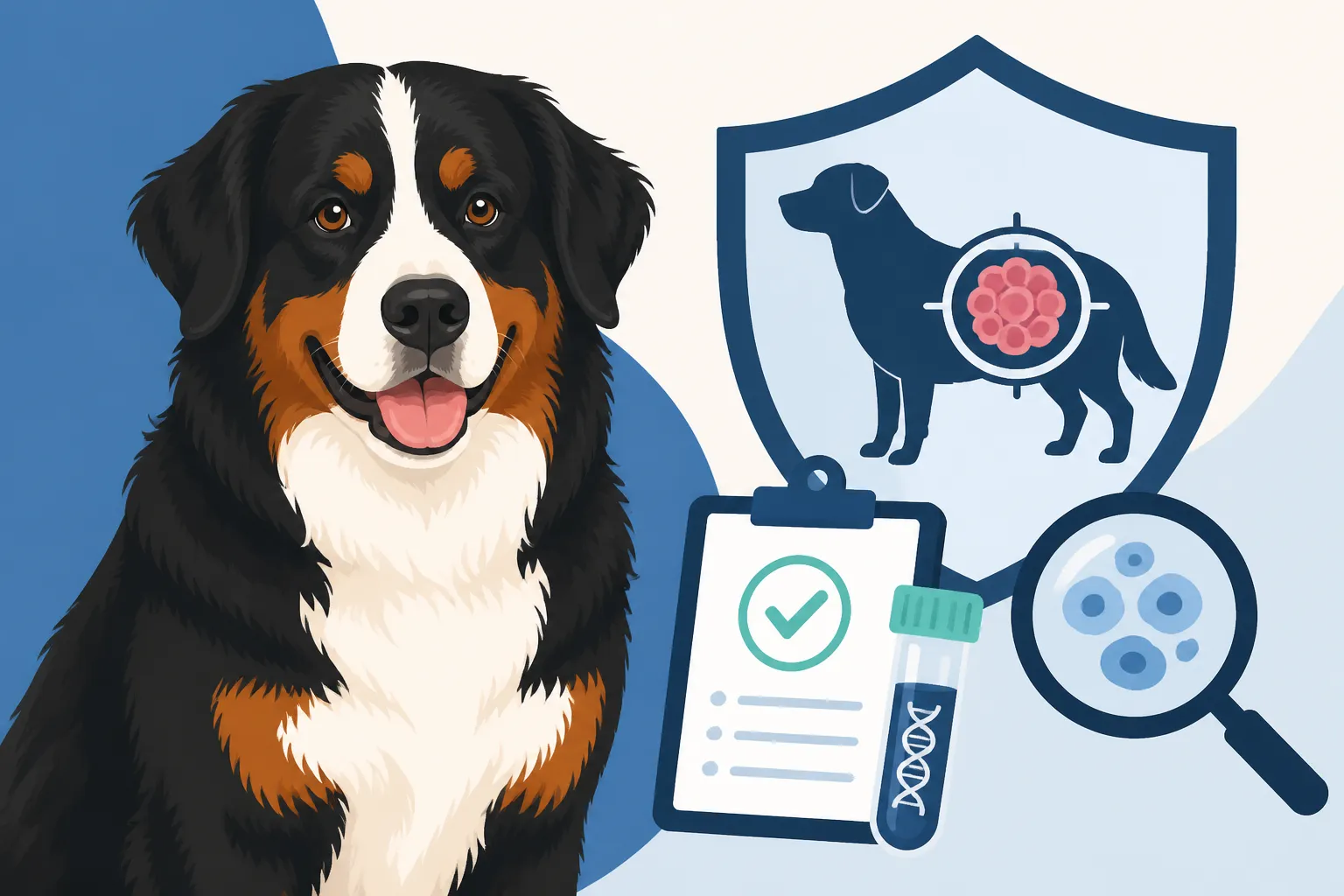
Let's get right to the heart of it: there isn't a single, definitive genetic test that breeders can perform to "screen" a Bernese Mountain Dog for the specific cancers that plague the breed. This can be incredibly frustrating for prospective owners who desperately want to give their furry family member the best possible chance at a long, healthy life. We’re not talking about a simple recessive gene like those responsible for some eye conditions or certain types of inherited bleeding disorders, where a DNA test can definitively tell you if a dog is clear, a carrier, or affected.
The most notorious cancer in Berners, histiocytic sarcoma, is a particularly nasty beast. It's often referred to as The Cancer That Kills Half of All Bernese Mountain Dogs for a reason. Unlike diseases caused by a single gene mutation, cancers like histiocytic sarcoma are generally polygenic, meaning they involve multiple genes interacting with each other, as well as environmental factors. This complexity makes developing a simple genetic "cancer test" incredibly difficult, almost impossible with our current scientific understanding for this specific type of cancer. Imagine trying to pinpoint a single culprit when there's an entire army of tiny, invisible factors at play – it's a monumental challenge. So, while breeders are diligent in testing for many other inherited conditions, a direct "cancer gene" test for Bernese Mountain Dogs remains an elusive dream.
However, this doesn't mean breeders are entirely without tools to inform their breeding decisions. It simply means that their methods are more indirect and rely heavily on comprehensive historical data rather than a predictive genetic swab for cancer itself. They can and should test for other known genetic conditions within the breed, such as Von Willebrand Disease (a bleeding disorder) or degenerative myelopathy, which has a specific genetic marker. For example, knowing The SOD1 Test for a Bernese Mountain Dog result for breeding stock is a responsible practice for addressing neurological issues. These tests contribute to the overall health of the line, even if they don't directly screen for cancer.
The Power of Pedigree and Health Databases: The Berner-Garde Foundation
Given the lack of a direct genetic test for cancer, the most powerful tool available to responsible Bernese Mountain Dog breeders is comprehensive health data, meticulously collected and shared within the breed community. This is where organizations like the Berner-Garde Foundation come into play, acting as an invaluable resource.
The Berner-Garde database is a monumental effort, voluntarily contributed to by breeders and owners worldwide, to track the health, pedigree, and longevity of Bernese Mountain Dogs. Think of it as a massive family tree, but instead of just names, it contains detailed health information, including causes of death and diagnoses like cancer. When a breeder submits records for their dogs, they are contributing to a collective knowledge base that helps everyone in the breed make more informed decisions. You can learn more about What the Berner-Garde Database Records and how vital it is for understanding breed health trends.
Breeders who are truly committed to the health of the breed will delve deep into these records. They look for patterns of longevity and disease in their lines, especially focusing on the lifespan and causes of death of the parents, grandparents, and siblings of any potential breeding dog. If a particular line consistently produces dogs that die young from cancer, a responsible breeder will make the difficult decision to discontinue breeding from that line, or at least from those specific individuals. This isn't a "screening" in the traditional sense, but it’s the closest and most ethical approach to trying to reduce the incidence of cancer in future generations. It’s about making educated guesses based on historical performance, hoping to tilt the odds in favor of healthier, longer-lived dogs. It directly addresses the question of Whether Cancer Is Bred Into the Bernese Mountain Dog by providing data to analyze lineage health.
However, even with the most diligent use of the Berner-Garde database, there are limitations. Cancer, being multifactorial, can still strike a dog from a seemingly long-lived and healthy line. There’s no 100% guarantee. This is why many experienced Bernese Mountain Dog owners also consider pet insurance plans, like those offered by Healthy Paws, early in their dog's life. While you hope for the best, having a financial safety net for unexpected illnesses like cancer can provide immense peace of mind and allow you to pursue advanced treatments if needed, without the added stress of crushing veterinary bills.
Empowering Prospective Owners: Asking the Right Questions
As a prospective Bernese Mountain Dog owner, you play a crucial role in promoting responsible breeding practices. Since direct cancer screening isn't a reality, your best defense is to be an informed and discerning buyer. Don't be afraid to ask tough questions of potential breeders. A good breeder will welcome your questions and provide transparent, honest answers, even about the difficult topics.
Here’s what you should be asking and looking for:
- Longevity Data: Ask about the average lifespan of the dogs in the breeder's lines, especially the parents and grandparents of the puppy you're considering. What were the causes of death? A breeder who can openly discuss this, even the instances of early loss due to cancer, is being honest and transparent. Look for lines where dogs consistently live to 8, 9, or even 10+ years. You might even ask The Average Age a Bernese Mountain Dog Reaches in their specific lines.
- Health Clearances: Beyond cancer, reputable breeders will perform extensive health clearances on their breeding stock to rule out other hereditary conditions common in the breed. This includes certifications for hips and elbows (OFA or PennHIP), eyes (CERF), and heart. These clearances are a fundamental part of The Bernese Mountain Dog Health Panel. While these don't screen for cancer, they demonstrate a breeder's commitment to producing overall healthy dogs, reducing the likelihood of other debilitating conditions that could impact quality of life.
- Berner-Garde Participation: Ask if the breeder actively submits their dogs’ health information to the Berner-Garde database and if you can see the records for the parents and their ancestors. A breeder who proudly points you to their dogs' Berner-Garde entries is showing transparency and dedication to breed health.
- Genetic Tests: Inquire about specific genetic tests performed for conditions that do have markers, such as Von Willebrand Disease (The Clotting Fault Bernese Mountain Dogs Carry) or Degenerative Myelopathy. Ensuring your puppy's parents are clear or at least carefully bred (e.g., clear to a carrier for DM) prevents future heartbreak from these specific diseases.
- Meet the Parents: Whenever possible, meet the dam (mother) of the puppies and, if available, the sire (father). Observe their temperament, health, and conformation. Are they active, friendly, and well-cared for? Their overall vitality is a good indicator of the line's health.
Choosing a puppy from a breeder who meticulously tracks longevity and health in their lines, and is transparent about it, is your best bet for increasing the chances of having a long-lived companion. Even with all the precautions, the reality is that Bernese Mountain Dogs are predisposed to certain health challenges. This is another reason why comprehensive pet insurance, perhaps from a provider like Healthy Paws, can be an invaluable investment from day one, covering unforeseen medical costs that might arise down the road, including treatments for cancer.
Beyond Breeding: Lifespan and Risk Mitigation in Daily Life
While breeders do their utmost to produce healthy Bernese Mountain Dogs, the journey doesn't end there. As owners, we also have a significant role to play in promoting the health and longevity of our dogs, regardless of their genetic predisposition. Understanding Why a Bernese Mountain Dog Lives Only Seven or Eight Years motivates many owners to be proactive.
Here are some key areas where you can make a difference:
- Nutrition and Weight Management: A healthy diet is paramount. Feed a high-quality, large-breed specific dog food appropriate for their life stage. More importantly, keep your Berner at a healthy weight. Obesity puts immense strain on their joints and can contribute to various health issues, including potentially increasing cancer risk. Studies suggest Whether a Lean Bernese Mountain Dog Lives Longer, emphasizing the importance of a trim physique. Regularly assess your dog's body condition and adjust their food intake and exercise as needed. For detailed guidance, you can refer to resources on Feeding an Adult Bernese Mountain Dog Safely.
- Appropriate Exercise: Berners need regular, moderate exercise, but it’s important not to overdo it, especially in puppies, to protect their developing joints. Avoid high-impact activities for young dogs. As they age, tailor exercise to their capabilities. Remember that Exercising a Bernese Mountain Dog in Summer requires special consideration due to their thick coats and heat sensitivity. Consistent, gentle exercise helps maintain muscle mass and joint health, contributing to overall well-being.
- Regular Veterinary Care: Don't skip those annual (or even bi-annual for older dogs) vet check-ups. Your veterinarian can catch subtle changes early, which is critical for conditions like cancer. For older Berners, specific screenings may be recommended. You might want to ask your vet about Screening an Older Bernese Mountain Dog to ensure any potential issues are caught promptly. They can guide you on preventive care, dental health, and any changes in your dog's behavior or physical condition that might warrant further investigation.
- Early Detection of Lumps and Bumps: Bernese Mountain Dogs are prone to various tumors, so becoming intimately familiar with your dog's body is crucial. Regularly run your hands over their entire body, feeling for any new lumps, bumps, or swollen areas. Don't dismiss anything. Many owners worry about Lumps a Bernese Mountain Dog Owner Should Not Watch but it’s always better to get anything new checked out by your vet right away. Early detection of The First Signs of Histiocytic Sarcoma in a Bernese Mountain Dog or other cancers can dramatically improve prognosis.
- Environmental Factors: While genetic predisposition plays a big role, environmental factors can also contribute to cancer risk. Minimize exposure to known carcinogens like pesticides, herbicides, and secondhand smoke. Provide a clean, safe living environment.
By combining the efforts of responsible breeders who prioritize health and longevity with diligent, proactive ownership, we can strive to give our Bernese Mountain Dogs the best possible chance at a full and happy life, even in the face of challenging breed-specific health concerns. For added peace of mind, especially with a breed prone to significant health challenges, having a robust pet insurance plan like Healthy Paws in place from an early age can truly make a difference in your ability to afford the best care if serious health issues, including cancer, arise. It allows you to focus on your dog's well-being rather than the daunting financial implications of treatment.
Here’s a summary of the approaches to "screening" for cancer risk:
| Method | Description | Effectiveness for Cancer | Limitations |
|---|---|---|---|
| Direct Genetic Test | Specific DNA test to identify a gene mutation directly causing or predicting cancer. | Very Low (for Berners) | No such test exists for common Bernese Mountain Dog cancers like histiocytic sarcoma due to polygenic nature. |
| Pedigree Analysis | Reviewing health records and longevity data (e.g., Berner-Garde) of a dog's ancestors and siblings to assess patterns of disease and death. | Moderate (Indirect) | Retrospective, not predictive. A dog from a healthy line can still develop cancer. Relies on breeder transparency. |
| General Health Clearances | OFA/PennHIP for hips/elbows, CERF for eyes, cardiac exams. | Low (Indirect) | Screens for other genetic conditions, not cancer. Indicates overall health commitment. |
| Proactive Owner Vigilance | Regular vet check-ups, maintaining healthy weight, observing for lumps/behavior changes, minimizing environmental risks. | High (Early Detection) | Post-conception, not preventative screening. Focuses on early detection and management rather than prevention via breeding. |
Disclaimer
This article is for general informational purposes only and does not constitute professional advice. Laws, prices and regulations vary by location and change over time. Consult a qualified professional for guidance on your specific situation.