The Average Age a Bernese Mountain Dog Reaches
It's a tough pill to swallow, but one of the most heartbreaking realities for any Bernese Mountain Dog owner is their relatively short lifespan. We fall head over heels for their gentle giant nature, their stunning tricolor coats, and their unwavering loyalty, only to realize that our time with them is often far too brief. This comprehensive guide is here to openly address the average age a Bernese Mountain Dog reaches, delve into the reasons behind it, and equip you with the knowledge to potentially maximize the health and happiness of your beloved companion for every precious year you share.
Understanding the Bernese Mountain Dog's Lifespan Reality
For many of us who adore Bernese Mountain Dogs, the conversation around their lifespan can feel like a punch to the gut. These magnificent dogs often capture our hearts with their puppy dog eyes and goofy antics, only to be gone far too soon. It’s a reality that weighs heavily on potential and current owners alike, and it’s important to face it head-on with empathy and understanding.
The Heartbreaking Truth About Their Years
The unfortunate truth is that Bernese Mountain Dogs, on average, have a shorter lifespan compared to many other breeds, even other large breeds. While individual dogs can certainly defy the odds, the typical Bernese Mountain Dog lives about 7 to 8 years. Some sources might even cite a range of 6 to 9 years. This statistic is often a shock, especially when you consider that many smaller breeds can live well into their teens. It’s a valid frustration, feeling like you’re saying goodbye to a cherished family member just as they're truly settling into their prime. You watch them mature from a clumsy, playful puppy into a majestic, soulful adult, and then, it seems, almost immediately, they begin to slow down and show signs of aging. This truncated timeline makes every moment with them even more precious, but also intensifies the worry about their health.
This isn't just an anecdotal observation; data from organizations like the Bernese Mountain Dog Club of America (BMDCA) and the Berner-Garde Foundation consistently show these figures. When we consider how much love and joy these dogs bring into our lives, the brevity of their time with us can be truly devastating. It's a key reason why discussions about their health and Why a Bernese Mountain Dog Lives Only Seven or Eight Years are so crucial for anyone considering bringing one into their home.
Factors Influencing Longevity
Several interconnected factors contribute to the Bernese Mountain Dog's typically shorter lifespan. It’s rarely one single cause but rather a complex interplay of genetics, size, and susceptibility to certain diseases that unfortunately plague the breed. Understanding these elements can help owners and breeders make more informed decisions.
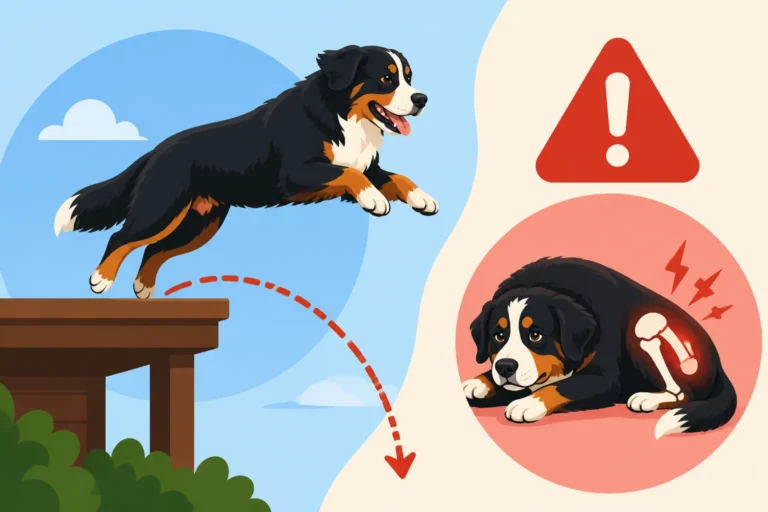
Firstly, their large size plays a significant role. Generally, larger dog breeds tend to have shorter lifespans than smaller ones. This phenomenon, though not fully understood, is often linked to accelerated growth rates and metabolism, which can put more stress on their bodies and lead to earlier onset of age-related diseases. A Bernese Mountain Dog reaches its imposing size relatively quickly, and this rapid growth can be a factor in conditions like Joint Disease in a Hundred Pound Bernese Mountain Dog.
Secondly, genetics are undeniably a massive contributor. The breed has a relatively small gene pool, and certain health conditions have unfortunately become more prevalent. This isn't a fault of individual breeders who are working tirelessly to improve the breed, but a historical reality. These dogs are predisposed to particular ailments that can be debilitating and life-limiting, even with the best care. The ancestral lines, while robust for their original working purposes in the Swiss Alps, have developed specific vulnerabilities over generations.
Finally, specific health challenges, which we'll dive into more deeply, disproportionately affect Berners. These aren't just minor inconveniences; they are often serious, aggressive conditions that can drastically shorten a dog's life. Being aware of these common health issues is the first step in being a proactive and prepared owner.
Common Health Challenges That Shorten Their Lives
Owning a Bernese Mountain Dog means acknowledging their unique health predispositions. While no dog owner wants to dwell on potential illnesses, being informed is your best defense and allows you to be vigilant, ensuring any issues are caught and addressed as early as possible.
The Shadow of Cancer
Perhaps the most significant and heartbreaking factor contributing to the Bernese Mountain Dog's shorter lifespan is their high susceptibility to certain aggressive cancers. It's a statistic that often haunts owners and prospective owners alike, and it's a primary reason why many Berner families face difficult decisions far too soon.
The prevalence of cancer in Bernese Mountain Dogs is alarmingly high, with some studies indicating that up to 50% of Berners will die from cancer. This isn't just one type of cancer; it's a range of malignant diseases that can strike at any age, though often becoming more apparent in their middle to senior years. One of the most notorious is The Cancer That Kills Half of All Bernese Mountain Dogs, a particularly aggressive and fast-moving form known as Histiocytic Sarcoma. This cancer can manifest in various organs, including the lungs, spleen, lymph nodes, and even bones, making it incredibly challenging to detect early and treat effectively. Owners often report subtle signs like lameness, lethargy, or loss of appetite as the first indicators, which can easily be mistaken for other, less severe issues.
Beyond Histiocytic Sarcoma, Berners are also at an elevated risk for other cancers such as Lymphoma, Mast Cell Tumors, and Osteosarcoma (bone cancer). These diseases require extensive and often costly treatments, including surgery, chemotherapy, and radiation. Many owners find that having a robust pet insurance plan, such as those offered by Healthy Paws, can provide much-needed financial relief when facing these overwhelming oncology bills. The emotional toll, however, is often far greater than the financial one, as families grapple with the reality of a beloved dog battling a formidable illness. Understanding Treating Cancer in a Bernese Mountain Dog is paramount for owners facing this diagnosis.
Joint Issues and Mobility Decline
Given their impressive size and rapid growth, it's not surprising that joint and orthopedic issues are another major concern for Bernese Mountain Dogs. These conditions, while often not immediately life-threatening like cancer, can significantly impact a dog's quality of life and lead to secondary health problems if left unmanaged.
Hip and elbow dysplasia are unfortunately common in the breed. These are genetic conditions where the joints don't form correctly, leading to instability, pain, and eventually arthritis. A hundred-pound Bernese Mountain Dog puts immense strain on its joints with every movement. Even with responsible breeding practices and careful selection for OFA Clearances a Bernese Mountain Dog Should Have, these issues can still emerge. Symptoms often appear as a "bunny hop" gait, reluctance to jump or climb stairs, stiffness after rest, or a noticeable limp. Managing these conditions often involves a combination of pain medication, anti-inflammatory drugs, weight management, and physical therapy. In severe cases, surgical interventions like total hip replacement may be considered, but these are major procedures with significant recovery times and costs.
As Berners age, arthritis becomes almost an inevitability, exacerbated by any pre-existing dysplasia. This chronic joint inflammation can make even simple movements painful, leading to a decline in mobility and overall enjoyment of life. Owners often report noticing their Bernese Mountain Dog becoming "old at six," struggling to get up, or losing interest in walks. Providing comfortable, orthopedic bedding and ensuring easy access around the home can help, but managing the pain and maintaining some level of activity becomes a daily challenge. This gradual decline in mobility is a common path for The Bernese Mountain Dog Whose Back Legs Give Out, highlighting the need for early intervention and ongoing support.
Sudden Threats: Bloat and Cardiac Concerns
Beyond cancer and joint problems, Bernese Mountain Dogs face other serious health risks that can strike suddenly or develop insidiously over time, posing significant threats to their longevity.
One of the most terrifying emergencies for a deep-chested breed like the Bernese Mountain Dog is Bloat, or Gastric Dilatation-Volvulus (GDV). This condition occurs when the stomach fills with gas and twists upon itself, trapping the gas and cutting off blood supply. It's incredibly painful and rapidly fatal if not treated immediately. The symptoms can come on very quickly: a distended abdomen, unproductive retching, restlessness, and signs of extreme discomfort. Owners often describe the sheer terror of realizing their dog is experiencing bloat, knowing that How Fast Bloat Kills a Bernese Mountain Dog. Prevention, such as feeding multiple small meals, using slow feeder bowls, and avoiding intense exercise immediately after eating, is crucial. Many owners opt for a prophylactic gastropexy, a surgical procedure that tacks the stomach to the abdominal wall, significantly reducing the risk of torsion, often done concurrently with spaying or neutering.
| Condition | Description | Average Onset (approx.) | Prognosis (Untreated) |
|---|---|---|---|
| Histiocytic Sarcoma | Aggressive, widespread cancer affecting various organs. | 4-8 years | Rapidly fatal (weeks to months) |
| Lymphoma | Cancer of the lymphatic system. | 6-9 years | Fatal without treatment (months); remission with chemo |
| Hip/Elbow Dysplasia | Malformation of hip/elbow joints, leading to arthritis. | 1-3 years (symptoms) | Chronic pain, severe mobility issues, secondary problems |
| Arthritis | Joint inflammation, often secondary to dysplasia or age. | 5+ years | Chronic pain, reduced mobility, quality of life decline |
| Gastric Dilatation-Volvulus | Stomach fills with gas and twists (Bloat). | Any age (esp. adults) | Rapidly fatal (hours) |
| Subvalvular Aortic Stenosis | Narrowing below the aortic valve, restricting blood flow from the heart. | Congenital (symptoms at 1-3 years) | Sudden death; heart failure progression |
Cardiac conditions are another silent threat. While less common than cancer or joint disease, Berners can be prone to heart issues such as Subvalvular Aortic Stenosis (SAS), a congenital narrowing of the aorta that restricts blood flow. This can lead to heart murmurs, exercise intolerance, and, in severe cases, sudden cardiac death. Regular veterinary check-ups, including listening for heart murmurs, are vital for early detection. Though it might not be as widely discussed as cancer, being aware of all the potential health challenges, as detailed in The Bernese Mountain Dog Health Panel, empowers owners to provide the best possible care.
Steps You Can Take to Potentially Extend Their Life
While the statistics can be daunting, it's important not to lose hope. There are proactive steps you, as a dedicated Bernese Mountain Dog owner, can take to potentially improve their health, manage risks, and ensure they live the fullest, happiest life possible for as long as they are by your side.
Proactive Health Management and Vet Care
One of the most impactful things you can do for your Berner's longevity is to be incredibly proactive with their veterinary care. This isn't just about reacting when they get sick; it's about a consistent, vigilant approach to their overall well-being. Regular check-ups are non-negotiable. Especially as they age, these annual or bi-annual visits become critical for catching subtle changes that might indicate the early stages of a serious condition. Your vet can perform thorough physical exams, listen to their heart and lungs, palpate their joints, and generally assess their condition.
Early detection is key for many of the breed's prevalent issues. For instance, lumps and bumps on a Bernese Mountain Dog should never be ignored. What might seem like a benign fatty tumor could be something far more sinister, and the sooner it's biopsied and identified, the better the prognosis. Blood work, including complete blood counts and chemistry panels, can help identify underlying organ dysfunction or signs of inflammation that aren't yet visible to the eye. For deep-chested breeds, understanding Bloat in a Deep-Chested Bernese Mountain Dog is essential, and discussions with your vet about preventive gastropexy can be life-saving.
Having a robust financial plan for veterinary care is also incredibly important. Berners are large dogs, and their treatments, medications, and potential surgeries can be expensive. Many owners find peace of mind with pet insurance plans, like those offered by Healthy Paws, which can help cover unexpected oncology bills or costly orthopedic surgeries. Knowing you have that safety net can allow you to make treatment decisions based on what's best for your dog, rather than being constrained purely by financial concerns. Regular communication with your vet and adherence to their recommended screening protocols can make a tangible difference in how long and how well your Bernese Mountain Dog lives.
Nutrition and Exercise for a Healthy Life
Proper nutrition and a carefully managed exercise regimen are fundamental pillars of health for any dog, but they are particularly crucial for a large, rapidly growing breed like the Bernese Mountain Dog. Getting these right from puppyhood can lay the groundwork for a healthier, more comfortable life.
For puppies, a high-quality large-breed puppy food is essential. These formulations are specifically designed to support slower, more controlled growth, which is vital for proper bone and joint development. Too rapid growth, often fueled by standard puppy foods with high calcium and calorie content, can exacerbate orthopedic issues like hip and elbow dysplasia. Learning Feeding a Bernese Mountain Dog Puppy to a Hundred Pounds properly involves carefully monitoring their weight and body condition. As adults, maintaining an ideal weight is paramount. Every extra pound puts additional stress on their joints, accelerating the onset and severity of arthritis. Your vet can help you determine the appropriate caloric intake and recommend a reputable brand of large-breed adult dog food. Many owners also consider adding joint supplements like glucosamine and chondroitin to their daily routine as a preventive measure, especially as their Berner moves into middle age.
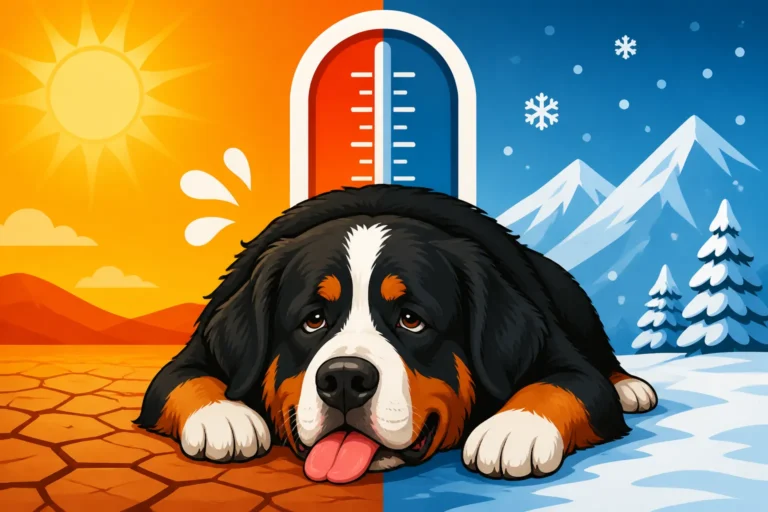
Exercise for a Bernese Mountain Dog needs to be balanced and appropriate for their age and physical condition. While they are sturdy, working dogs, puppies need careful moderation to protect their developing joints. Over-exercising a young Berner can do lasting damage. As adults, they thrive on regular, moderate exercise – daily walks, play in a secure yard, or even Backpacking With a Bernese Mountain Dog. However, their thick coats make them prone to overheating, especially in warmer climates, so exercise must be adjusted for temperature. Avoiding strenuous activity during the hottest parts of the day is crucial, and always ensure they have access to plenty of fresh water. The goal is to keep them fit and strong without putting undue stress on their large frames.
The Importance of Responsible Breeding
While individual care is paramount, the journey to a long and healthy life for a Bernese Mountain Dog truly begins with responsible breeding. Prospective owners have a critical role to play in supporting ethical breeders who prioritize health and longevity.
A responsible breeder will conduct extensive health testing on their breeding stock. This goes far beyond a simple vet check-up. They will obtain certifications from organizations like the Orthopedic Foundation for Animals (OFA) for hips, elbows, heart, and patellas. They will also screen for eye conditions through the Canine Eye Registry Foundation (CERF) or similar programs. Genetic tests for conditions like Von Willebrand's Disease and Degenerative Myelopathy are also increasingly common and important. A good breeder will be transparent with these results and happy to discuss the health history of their dogs and their lines. This commitment helps to reduce the incidence of heritable diseases in their puppies.
Beyond physical health, a responsible breeder also considers temperament and longevity in their breeding decisions. They will look at the lifespans of previous generations in their pedigrees, aiming to breed from lines that have a history of living longer, healthier lives. They participate in registries like the Berner-Garde Database, which collects health and longevity information on Bernese Mountain Dogs worldwide, allowing for informed breeding choices. When searching for a puppy, always ask about these health clearances, pedigree longevity, and the breeder’s involvement in breed-specific health initiatives. Supporting these breeders is how we collectively work towards a healthier future for the breed, making a significant difference to Whether Cancer Is Bred Into the Bernese Mountain Dog and other prevalent health issues.
Living Fully: Quality of Life Over Quantity
Given the heartbreaking reality of a shorter average lifespan, the focus for Bernese Mountain Dog owners often shifts from merely seeking longevity to ensuring that every single day they share with their beloved companion is filled with joy, comfort, and the highest possible quality of life.
Embracing Every Moment
With Bernese Mountain Dogs, the phrase "live every day to the fullest" takes on a profound meaning. Because their time with us is often shorter than we'd wish, it becomes incredibly important to make those years as rich and fulfilling as possible. This means investing time in training, socialization, and activities that they enjoy. Whether it's a leisurely walk in the park, a car ride to get an ice cream cone, a quiet evening cuddle on the couch, or even trying out draft work with a Bernese Mountain Dog, these experiences build a deep bond and create lasting memories.
It's about being present and attentive to their needs and joys. Berners thrive on companionship and being part of the family. They are not dogs that do well isolated or left alone for long periods. Their gentle, affectionate nature means they form incredibly strong bonds with their human families. Cherishing their unique quirks – their "Berner lean," their desire to be close, their expressive eyebrows – is part of embracing the full Berner experience. Understanding their inherent traits, like The Bernese Mountain Dog That Leans on Everyone, helps us appreciate their deep need for connection. Even simple moments, like a shared nap or a gentle grooming session, contribute immensely to their overall happiness and sense of security.
Preparing for Their Golden Years
Even though their "golden years" might arrive earlier than with some other breeds, preparing for them is an act of profound love and responsibility. The transition to seniorhood can bring new challenges, and having a plan in place can ease the journey for both you and your dog.
As Berners age, many will experience a worsening of their joint issues or the onset of other age-related conditions. This might mean adjusting their exercise routine to shorter, more frequent walks, providing ramps to access cars or furniture, or investing in orthopedic beds for maximum comfort. Regular vet check-ups become even more critical during this phase, focusing on managing pain, monitoring organ function, and addressing any new symptoms. Your vet can guide you on supplements, medications, or even physical therapy options like hydrotherapy that can help maintain their mobility and comfort as long as possible. Pet insurance plans, such as those from Healthy Paws, can also be invaluable in covering the ongoing costs of senior care, from pain management to diagnostic tests.
Perhaps the most difficult, yet necessary, aspect of preparing for their golden years is considering end-of-life care. This involves having open and honest conversations with your veterinarian about your dog's quality of life, understanding when treatment might become futile, and making compassionate decisions about euthanasia if and when the time comes. It's a testament to the depth of our love that we consider their comfort and peace above our own grief. Knowing that you've given them a life full of love and taken every step to ensure their well-being, even when facing their decline, can provide a measure of peace during an incredibly painful time. Deciding When to Let a Paralyzed Bernese Mountain Dog Go or when their suffering outweighs their joy is one of the hardest decisions, but an essential one for their dignity.
Disclaimer
Please remember that the information provided in this guide is for educational purposes only and should not be considered a substitute for professional veterinary advice. Always consult with a qualified veterinarian for any health concerns or before making any decisions related to your Bernese Mountain Dog's care and treatment. Individual dog's health and circumstances can vary greatly.