How Fast Bloat Kills a Bernese Mountain Dog
Few things strike fear into the heart of a Bernese Mountain Dog owner like the mention of bloat. It's not just a bad stomach ache; it's a terrifying, lightning-fast medical emergency known as Gastric Dilatation-Volvulus (GDV), where time truly is the difference between life and death. This guide will walk you through just how rapidly this condition can become fatal for our beloved Berners, empowering you to recognize the critical signs and understand the urgent steps needed to save your dog's life.
Understanding the Insidious Nature of Bloat in Bernese Mountain Dogs
Bloat, or Gastric Dilatation-Volvulus (GDV), isn't just an upset tummy; it's a catastrophic event where a dog's stomach fills with gas, food, or fluid, and then twists upon itself. For Bernese Mountain Dogs, with their deep chests and large stature, this condition is a tragically common and incredibly aggressive threat. The sheer speed at which it can progress is what makes it so terrifying, often leaving owners reeling from the suddenness of it all. It’s a gut-wrenching experience to witness, and even more so to know that precious minutes are ticking away.
Why Berners Are Particularly Susceptible to GDV
It’s an unfortunate reality that certain breeds are predisposed to bloat, and our beautiful Bernese Mountain Dogs are right near the top of that list. Their deep, narrow chests, while majestic, create an anatomical predisposition that allows their stomach to expand and then rotate more easily than in other breeds. Imagine a balloon tied at both ends, free to spin within a large cavity—that's somewhat akin to what happens with a Berner's stomach. While we adore their robust, powerful build, it's this very characteristic that puts them at a higher risk.
Beyond their physical build, there are other factors that can increase risk. Dogs who eat very quickly, consuming large meals or drinking excessive amounts of water rapidly, seem to be more vulnerable. Stress, certain exercise routines immediately before or after eating, and even anxiety can play a part. Older Berners, especially those over five years old, also show an elevated risk. It’s a complex puzzle, and as owners, we often feel helpless trying to piece together all the variables that contribute to this silent killer. For a deeper dive into the risk factors, you might find information on Which Bernese Mountain Dogs Are Most at Risk of Bloat particularly helpful.
The Immediate Physical Impact of Stomach Twisting
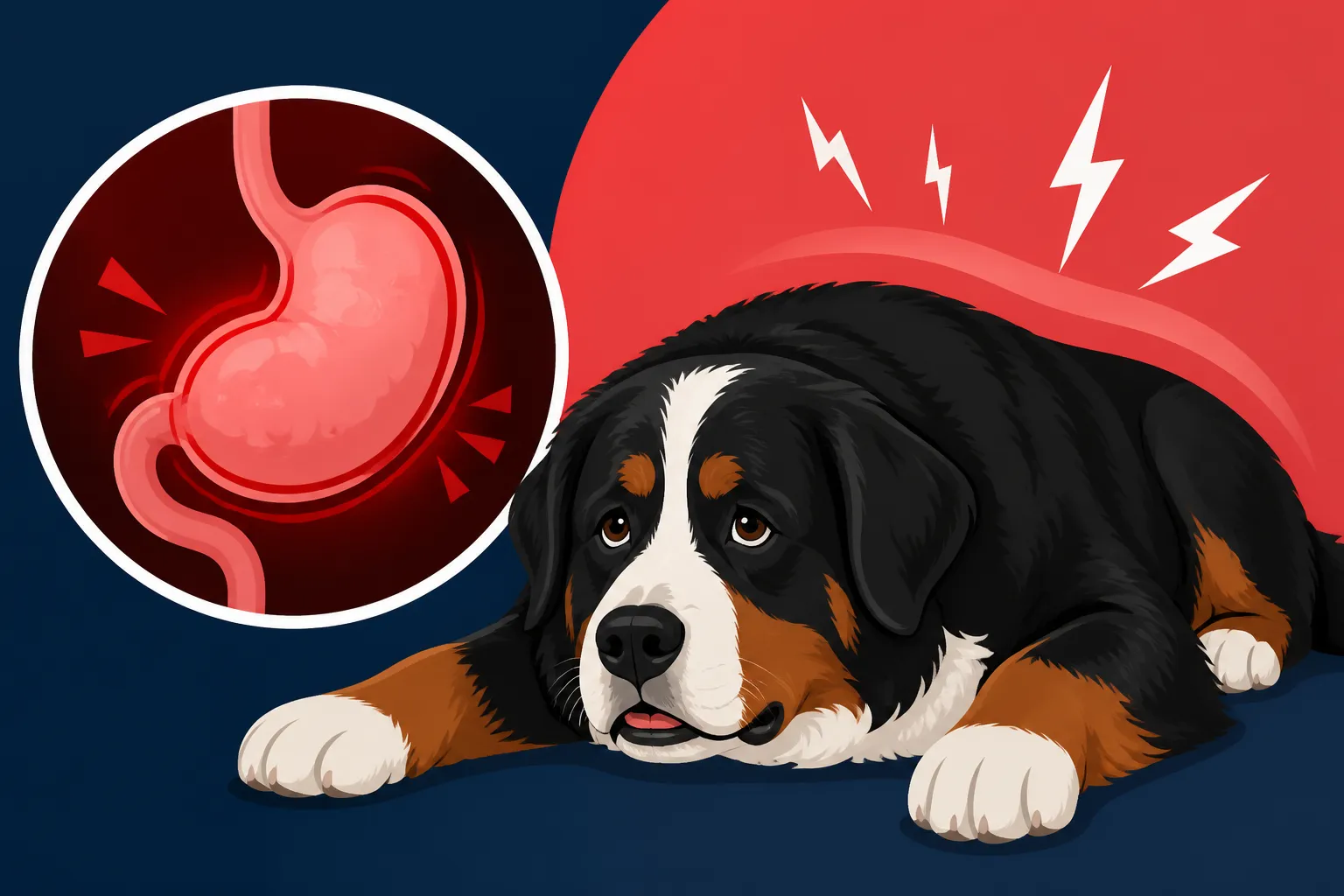
When a Bernese Mountain Dog's stomach twists, it's not merely uncomfortable; it's a cascade of rapidly worsening physiological trauma. The torsion effectively seals off both the entry (esophagus) and exit (duodenum) of the stomach, trapping gas, food, and fluids inside. This leads to immense pressure building up within the abdomen, which is excruciatingly painful. Think of an inflated football inside your dog's belly, pressing against everything around it.
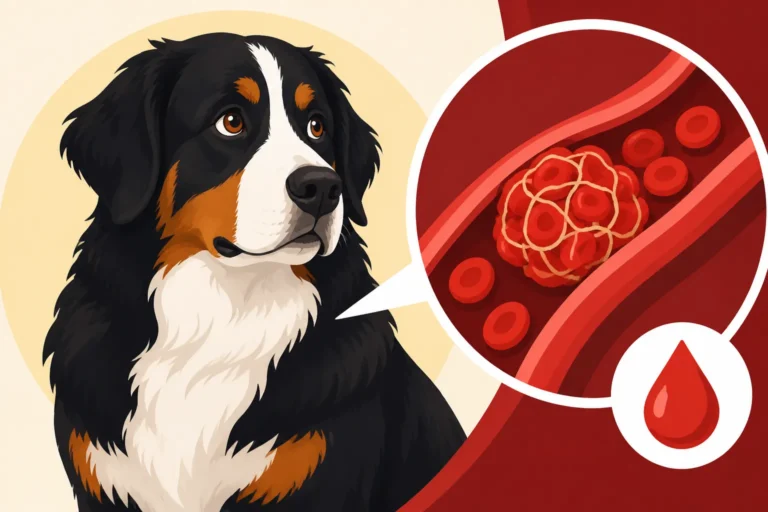
But the horror doesn't stop there. As the stomach inflates and twists, it often pulls on and kinks the major blood vessels that supply blood to and from the stomach, and even those critical vessels leading to the heart. This sudden cut-off of blood supply means the stomach tissue begins to die rapidly. Furthermore, the reduced blood flow to the heart causes a dramatic drop in blood pressure and can send the dog into shock. The internal damage is happening at an alarming rate, and every minute counts when oxygenated blood isn't reaching vital tissues. This is where the phrase "the half-hour that decides" truly comes into terrifying play.
The Cascade Effect on Major Organs
The stomach's twisting and expansion don't just affect the stomach itself; it's a domino effect on nearly every major organ. The massive, distended stomach presses on the diaphragm, making it incredibly difficult for your Berner to breathe properly. Imagine trying to take a deep breath with a basketball pressing on your lungs – it's that severe. Their breathing becomes shallow and labored, further reducing oxygen delivery throughout the body.
The interrupted blood flow extends beyond the stomach. The spleen, which often sits near the stomach, can also twist with it, leading to its own damage and bleeding. Toxins build up as tissues die and are released into the bloodstream, poisoning the entire system. The kidneys, liver, and heart are all impacted by the lack of adequate blood flow and the overwhelming shock. This widespread organ damage can lead to irreversible complications, even if the torsion is corrected. This is why when people ask How Fast Bloat Kills a Bernese Mountain Dog, the answer is always tied to this rapid systemic shutdown.
Recognizing the Urgent Red Flags: Symptoms That Demand Immediate Action
Bloat is cunning because its early signs can be subtle, easily mistaken for indigestion or mild discomfort. However, for Bernese Mountain Dog owners, understanding and recognizing these signals, no matter how faint, is absolutely crucial. Waiting even an hour for symptoms to become undeniable can severely reduce your dog's chances of survival. It's a horrible burden to carry, this constant vigilance, but it's vital for our precious Berners.
Early, Subtle Signs That Are Often Missed
The earliest signs of bloat can be maddeningly vague, often leading to crucial delays in seeking help. You might notice your Berner acting a bit restless, unable to settle into a comfortable position. They might pace around the house or repeatedly get up and lie down. There could be frequent attempts to vomit, often unproductive, bringing up only foamy saliva or nothing at all. This is often described as "retching" or "dry heaving."
Another subtle sign is excessive drooling. Our Berners can be drooly, but a sudden increase, especially when coupled with other mild discomfort, is a red flag. They might also appear anxious, looking at their flank, as if trying to understand the sudden, growing pain. Some dogs might hide, seeking solitude, which can be an easy-to-miss indicator that something is seriously wrong. These early whispers of trouble are your earliest opportunity to intervene, so learning What Bloat Looks Like in a Bernese Mountain Dog in these initial stages is key.
Obvious, Rapidly Worsening Indicators
Unfortunately, many owners only realize the gravity of the situation when the more obvious symptoms appear, and by then, the clock is ticking much faster. The most striking sign is the visible distension of the abdomen. Your Berner's belly will often swell rapidly, becoming noticeably tight and drum-like to the touch. This swelling is usually more pronounced on one side, typically the left, but it can be difficult to discern beneath their thick, beautiful coat.
Along with the swelling, your dog will show undeniable signs of severe pain: whining, panting heavily, and a hunched posture. They might refuse to move or even collapse. Their gums can become pale or, in some cases, dark red, indicating shock. Their heart rate will be elevated, and their breathing will be shallow and rapid. As the condition progresses, they will become weaker, listless, and unresponsive. This rapid deterioration is a harrowing sight, highlighting just how little time you have.
Differentiating Bloat from Other Stomach Upsets
It's easy to confuse the early signs of bloat with other, less critical gastrointestinal issues. A typical upset stomach, for instance, might involve actual vomiting, diarrhea, or a temporary loss of appetite, but usually without the intense, unproductive retching or the rapid abdominal distension. A dog with simple indigestion might still be able to pass gas or stool, which is almost impossible for a dog with GDV due to the twisted stomach.
The key differentiators are the speed of onset and the intensity of the symptoms. Bloat typically appears suddenly and worsens very quickly, often within minutes to an hour. The unproductive retching is a strong indicator, as is the progressive abdominal swelling and increasing pain. If you're ever in doubt, it’s always better to err on the side of caution and treat it as an emergency. A trip to the vet for a false alarm is infinitely preferable to waiting too long for a true bloat case.
Here’s a quick reference table to help distinguish between mild upset and suspected bloat:
| Symptom | Mild Upset Stomach | Suspected Bloat (GDV) |
|---|---|---|
| Onset | Gradual, may last hours or a day | Sudden, often within minutes to an hour |
| Vomiting | Productive, food or bile | Unproductive retching, dry heaving, foamy saliva |
| Abdomen | Normal or slightly tender | Rapidly distended, hard, drum-like, painful to touch |
| Pain Level | Mild discomfort, possibly lethargy | Severe, obvious pain; whining, panting |
| Breathing | Normal | Rapid, shallow, labored due to abdominal pressure |
| Gums | Normal pink | Pale, white, or dark red/muddy |
| Behavior | Lethargy, quiet, reduced appetite | Restlessness, pacing, anxiety, hiding, collapse |
| Salivation | Normal or slightly increased | Excessive drooling |
The Critical Race Against Time: What Happens in Minutes and Hours
When bloat strikes a Bernese Mountain Dog, you are quite literally in a race against the clock. The phrase "golden hour" isn't an exaggeration; it's a stark reality that underscores the extreme urgency required. Every single minute that passes dramatically reduces your Berner's chance of survival, and the progression from a seemingly healthy dog to a critical patient can happen with shocking speed.
The Vital "Golden Hour" for Intervention
Veterinarians often speak of a "golden hour" for bloat, meaning that if a dog receives medical attention and stabilization within the first 60 minutes of the stomach twisting, their prognosis is significantly better. Beyond this timeframe, the chances of survival begin to drop sharply. This isn't to say all hope is lost after an hour, but the risks and complications multiply exponentially.
During this crucial period, the immediate goal is to decompress the stomach and stabilize your dog. This might involve attempting to pass a tube into the stomach to relieve gas and fluid, or, if that’s not possible, inserting a large-bore needle (trocar) directly through the abdomen into the stomach. These initial steps are life-saving, buying valuable time while preparations for surgery are made. This rapid intervention is paramount, as detailed in articles like The Half-Hour That Decides a Bloated Bernese Mountain Dog.
The Rapid Progression from Discomfort to Collapse
The timeline of bloat can be horrifyingly swift. You might observe mild restlessness at 1 PM, leading to unproductive retching by 1:30 PM. By 2 PM, the abdomen could be visibly distended and hard, with your Berner showing clear signs of intense pain. An hour after that, at 3 PM, they could be in severe shock, struggling to breathe, with pale gums and a dangerously weak pulse. Many owners describe going out for a short errand or stepping away for a phone call, only to return to a dog in a severely distressed state.
This rapid decline is due to the compounding effects of the twisted stomach: blood flow is increasingly compromised, toxins build up, breathing becomes more difficult, and the body goes into profound shock. The internal damage is escalating minute by minute, making it harder for even the most skilled veterinary teams to reverse the effects. The emotional toll of watching your gentle giant suffer and deteriorate so quickly is immense, and it’s a situation where panic is a natural reaction, but swift, decisive action is what's needed.
The Irreversible Damage Once Blood Supply Is Cut Off
The most devastating consequence of GDV is the complete cut-off of blood supply to the stomach and sometimes the spleen. Without oxygenated blood, these tissues quickly begin to die, a process called necrosis. Once stomach tissue is necrotic, it can no longer function, and it becomes a source of infection and systemic toxicity. Even if the stomach is untwisted in surgery, the dead tissue might need to be removed, or if the damage is too extensive, the outcome can be fatal.
The longer the blood supply is compromised, the greater the extent of tissue death. This not only makes surgery more complicated but also increases the risk of post-operative complications, such as sepsis, peritonitis (inflammation of the abdominal lining), and life-threatening heart arrhythmias. This is why when facing a bloat emergency, the question isn't just if your Berner will get surgery, but how quickly they can be on the operating table.
Taking Swift Action: Emergency Response and Life-Saving Measures
The moment you suspect bloat in your Bernese Mountain Dog, every second counts. There is no waiting to see if symptoms improve; there is no "monitoring" period. This is a dire emergency that requires immediate, decisive action. As terrifying as it is, knowing exactly what to do can make all the difference.
What to Do the Moment You Suspect Bloat
First and foremost, call your veterinarian or the nearest emergency veterinary clinic immediately. Don't waste time looking up symptoms online or debating if it's "bad enough." Describe your Bernese Mountain Dog's symptoms concisely and clearly, and tell them you suspect GDV/bloat. This allows them to prepare for your arrival, assembling their team and getting necessary equipment ready. For example, if you live in the Philadelphia area, places like the University of Pennsylvania's Ryan Veterinary Hospital or a local BluePearl Pet Hospital are equipped for these emergencies.
While you're calling, safely get your Berner into your car. Drive immediately to the clinic. If you have another person with you, have them keep the clinic updated on your estimated arrival time. Remain as calm as possible for your dog's sake, but recognize the severity of the situation. Time is literally tissue and life here. Understanding that emergency surgery on a Bernese Mountain Dog is the likely path forward will help mentally prepare you for the next steps.
The Importance of Immediate Veterinary Care
Upon arrival at the veterinary emergency room, the team will spring into action. They will quickly assess your Berner's condition, focusing on stabilizing them before attempting any procedures. This often involves placing IV catheters to administer fluids and medications for shock and pain, and monitoring vital signs like heart rate and blood pressure. X-rays are usually taken to confirm the diagnosis of GDV and determine the extent of the stomach's rotation.
Once stabilized, the vet will attempt to decompress the stomach, often by passing an orogastric tube or, if that's not possible, using a trocar. This relieves the immense pressure, which is critical for restoring blood flow and easing breathing. This initial decompression is crucial, but it's important to understand that it does not fix the twisted stomach; it's a temporary measure to make your dog stable enough for surgery. This process, and the subsequent need for surgery, often result in significant costs, a topic further explored in The Night Bill When a Bernese Mountain Dog Bloats. Having pet insurance from a reliable provider like Healthy Paws can alleviate some of this financial stress during such a critical time.
Understanding Surgical Intervention and Prognosis
The definitive treatment for GDV is emergency surgery, known as a gastropexy. During this procedure, the surgeon will carefully untwist the stomach, assess any damaged tissue (and remove it if necessary), and then permanently tack the stomach to the abdominal wall. This "tacking" procedure, called a gastropexy, is vital because it significantly reduces the likelihood of the stomach twisting again in the future. While it doesn't prevent bloating entirely, it largely prevents the life-threatening volvulus.
The prognosis for a Bernese Mountain Dog with bloat depends heavily on how quickly they receive veterinary care and undergo surgery. If treated promptly, the survival rate can be around 80-90%. However, if there are significant delays, or if the stomach tissue is severely necrotic, the survival rate drops dramatically. Post-operative care is also critical, as complications such as heart arrhythmias, kidney failure, and sepsis can still arise. Knowing Whether a Bernese Mountain Dog Survives Bloat Surgery often comes down to the speed of diagnosis and intervention. The recovery period is intense, often requiring several days of hospitalization and close monitoring.
Proactive Steps: Mitigating the Risk of Bloat in Your Berner
While bloat can strike without warning, there are proactive measures we as Bernese Mountain Dog owners can take to reduce the risk for our deep-chested companions. It's about creating a lifestyle that minimizes potential triggers and staying vigilant. Even with the best precautions, the risk can't be entirely eliminated, but every little bit helps us feel like we're doing everything we can.
Feeding Practices and Environmental Factors
How and when you feed your Berner can play a significant role in bloat prevention. Instead of one large meal, try feeding two or three smaller meals throughout the day. This reduces the amount of food and gas that can accumulate in the stomach at any one time. Encourage slow eating by using slow-feeder bowls or placing obstacles (like a large, clean rock) in their regular bowl. Many owners wonder Whether Bowl Height Matters for a Bernese Mountain Dog, and while elevated bowls were once recommended, current research suggests they might actually increase risk for some deep-chested breeds, so sticking to floor-level bowls is generally advised.
It's also crucial to control activity around meal times. Avoid strenuous exercise, running, or excessive excitement for at least an hour before and two hours after eating. This gives the stomach time to digest without undue jostling. Similarly, ensure fresh water is always available, but discourage rapid, excessive drinking immediately after meals or heavy exercise. Anxiety can also be a trigger, so maintaining a calm, consistent routine can contribute to overall well-being and potentially reduce stress-related bloat risks.
Considering a Preventive Gastropexy
For many Bernese Mountain Dog owners, a prophylactic gastropexy is a serious consideration. This elective surgery involves permanently tacking the stomach to the abdominal wall before bloat ever occurs. It doesn't prevent the stomach from filling with gas (dilatation), but it does prevent it from twisting (volvulus), which is the life-threatening part of GDV. This procedure can be performed conventionally through an open incision or, increasingly, laparoscopically, which is less invasive.
Often, owners will opt to have a gastropexy performed at the same time as their female Berner's spay, as it saves on anesthesia and recovery time for two separate surgeries. More information about this can be found in discussions around Adding a Gastropexy to a Bernese Mountain Dog's Spay. For males, or if spaying has already occurred, it can be done as a standalone procedure. While it's an upfront cost, many vets and owners consider it a worthwhile investment in peace of mind and prevention, especially when weighing it against the astronomical costs and poor prognosis of emergency bloat surgery. Learning Whether a Preventative Gastropexy Saves a Bernese Mountain Dog Money often highlights the long-term value. This is another area where having robust pet insurance, such as a plan from Healthy Paws, can make this preventative measure more accessible and less financially daunting.
Regular Monitoring and Knowing Your Dog
Ultimately, one of the most powerful tools in preventing a fatal outcome from bloat is simply knowing your Bernese Mountain Dog intimately. Pay attention to their normal behavior, eating habits, and energy levels. If anything seems "off," even subtly, trust your gut. Berners, like many dogs, can be stoic and try to hide discomfort, so being attuned to their non-verbal cues is essential.
Regular vet check-ups are also important, as your veterinarian can assess your dog's overall health and discuss any risk factors specific to your Berner. Discussing a bloat prevention plan with your vet, including dietary recommendations and the pros and cons of a prophylactic gastropexy, is a smart move. Being prepared, informed, and having a plan in place — including understanding your pet insurance coverage from providers like Healthy Paws — can significantly improve the odds if the unthinkable happens.
Disclaimer
This article is intended for informational purposes only and does not constitute professional veterinary advice. Always consult with a qualified veterinarian for any health concerns or before making any decisions about your Bernese Mountain Dog's care.