Feeding a Bernese Mountain Dog Puppy to a Hundred Pounds
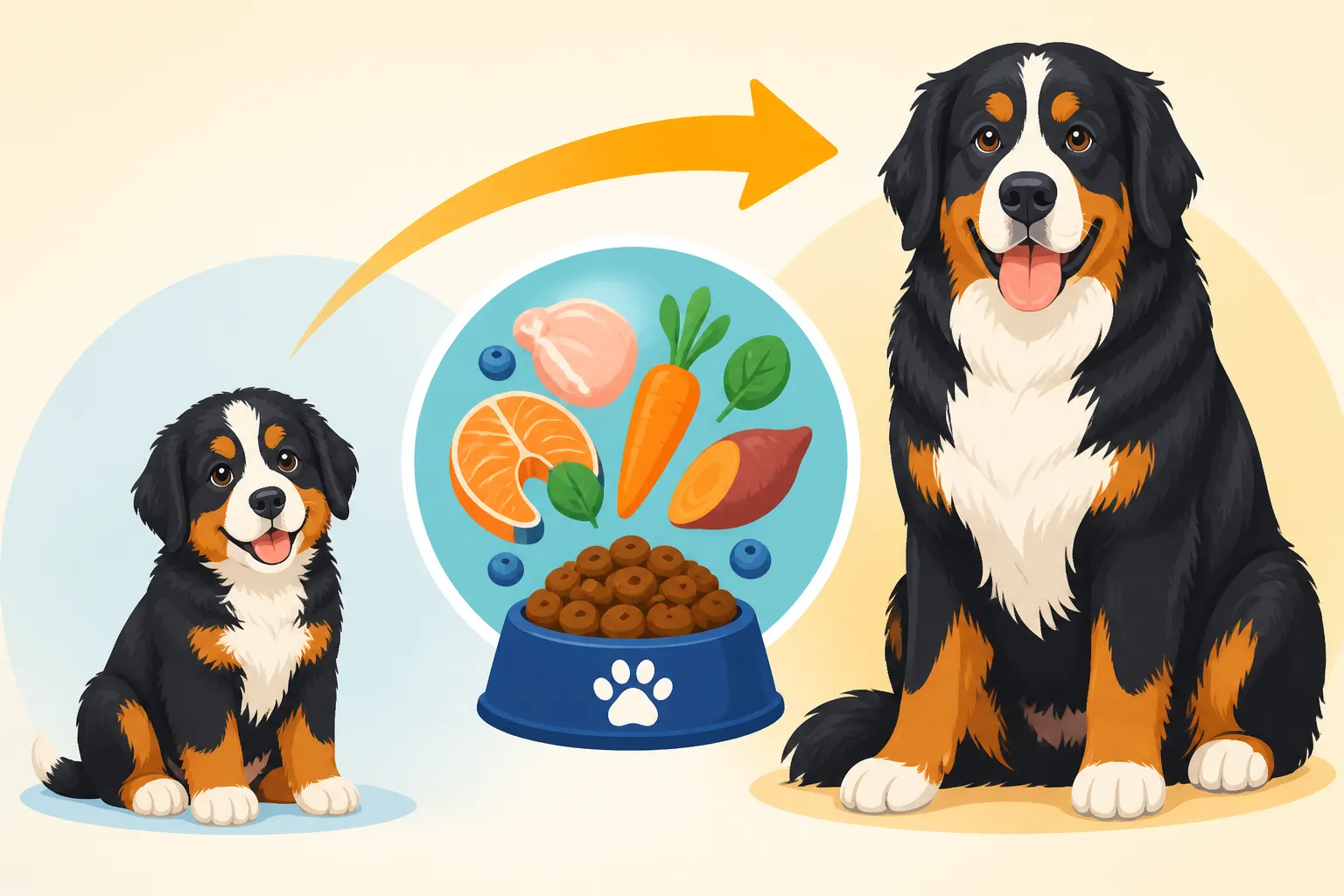
Bringing home a fluffy Bernese Mountain Dog puppy is an absolute joy, but watching them grow from a tiny, clumsy ball of fur into a magnificent hundred-pound companion is a journey fraught with unique challenges, especially when it comes to their diet. Those adorable big paws mean they're destined for significant growth, and supporting that rapid development properly is paramount to their long-term health, helping to prevent painful issues down the road. This comprehensive guide will walk you through everything you need to know about feeding your Bernese Mountain Dog puppy from those early weeks right up until they're a fully grown, healthy adult.
Understanding the Bernese Mountain Dog Puppy's Unique Growth Trajectory
The growth rate of a Bernese Mountain Dog puppy isn't just fast; it's astonishing. Unlike smaller breeds that reach maturity relatively quickly, a Berner puppy will often keep growing for up to two years, putting on a tremendous amount of weight and height in a short period. This incredible acceleration requires a specialized approach to nutrition, as improper feeding during these critical months can have lasting, detrimental effects on their developing skeletal system. It’s not just about getting them big; it’s about getting them big healthily.
The Dangers of Rapid Growth in Giant Breeds
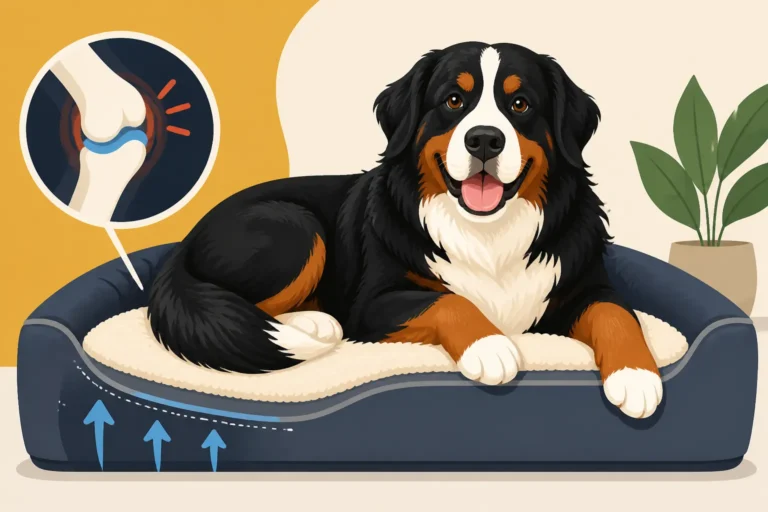
It might seem counterintuitive, but a Bernese Mountain Dog puppy growing too fast is actually a significant health risk. We're all tempted to see our puppies chunk up, imagining a robust, strong adult, but forcing rapid weight gain in a giant breed puppy puts immense stress on their still-forming bones and joints. Their bones are growing at an incredible pace, and if their body weight outpaces the development of their supporting cartilage and skeletal structure, it can lead to serious orthopedic conditions. Think of it like building a skyscraper: you need a strong, stable foundation before you can add too many floors.
This rapid, unchecked growth can exacerbate genetic predispositions to conditions like hip and elbow dysplasia, which are already prevalent in the breed. Too much energy, particularly from high-fat foods, can cause a puppy to put on weight too quickly, and this extra weight stresses their immature joints, leading to inflammation and abnormal joint development. It's a cruel irony that trying to make them bigger, faster, can actually lead to pain and lameness later in life. We want sturdy, well-developed dogs, not just heavy ones. Understanding Why a Bernese Mountain Dog Lives Only Seven or Eight Years often involves looking at how well their early life was managed, and nutrition is a huge part of that.
The Role of Calcium and Phosphorus Balance
When discussing giant breed puppy nutrition, calcium and phosphorus are often highlighted, and for good reason. These minerals are vital for bone development, but their balance and overall intake are crucial. Many people mistakenly believe that adding extra calcium to a puppy's diet will strengthen their bones, but for a large breed puppy, this can actually be incredibly dangerous. Their bodies are not equipped to regulate excess calcium in the same way an adult dog's might be, and too much can interfere with normal bone formation.
Specifically, too much calcium can lead to skeletal abnormalities, including osteochondrosis (OCD), a condition where cartilage doesn't properly develop into bone, leading to joint pain and lameness. The calcium-to-phosphorus ratio should ideally be between 1.1:1 and 1.4:1, and a good quality large-breed puppy food is formulated to maintain this delicate balance. Adding supplements without veterinary guidance can easily throw this off. It's truly a case where more isn't necessarily better; it can be actively harmful. This careful balance is key to avoiding issues like Hips That Fail Under a Bernese Mountain Dog's Weight later on.
The Science Behind Large Breed Puppy Food
You might wonder if "large breed puppy food" is just a marketing gimmick. I assure you, it is not. The specific nutritional needs of giant breed puppies like Berners are vastly different from those of a Chihuahua puppy, or even a Golden Retriever puppy. These specialized formulas are designed with meticulous attention to calorie density, protein levels, and that all-important mineral balance to support controlled, steady growth rather than explosive growth.
Why Specialized Formulas Are Crucial
Generic puppy foods are often formulated with higher caloric content and higher calcium levels, which are perfectly appropriate for smaller or medium-sized breeds that need a quick burst of energy and bone development to reach their mature size in a year or less. However, for a Bernese Mountain Dog, this high-octane fuel is like putting rocket fuel into a car designed for a leisurely drive. It will accelerate growth too quickly, stressing their skeletal system before it's ready.
Large breed puppy foods, conversely, are designed to deliver a moderate amount of calories and carefully controlled calcium and phosphorus levels. This allows for a slower, more sustained growth rate, giving bones and joints ample time to mature and strengthen properly. It helps mitigate the risk of developmental orthopedic diseases, which are a real concern for a breed that will carry over 100 pounds. This isn't just about avoiding visible lameness; it's about building a robust, resilient body from the inside out.
Key Nutritional Components to Look For
When you're scanning those ingredient labels, it's easy to get overwhelmed. For a Bernese Mountain Dog puppy, focusing on a few key components in a large breed puppy formula can help you make an informed decision.
First, look for a reputable brand that clearly states it's formulated for "large breed puppies" or "giant breed puppies." The protein source should be high-quality, usually listed as the first ingredient, such as chicken meal, lamb meal, or fish. Moderate protein levels (around 26-30%) are generally recommended, supporting muscle development without excessively boosting growth. Fat content should also be moderate, providing necessary energy without being overly calorically dense (around 12-16%).
Beyond protein and fat, pay close attention to the calcium and phosphorus levels, which should be within the recommended range for large breeds (calcium typically 0.9-1.2% on a dry matter basis, phosphorus 0.7-1.0%). Some formulas will also include glucosamine and chondroitin, which are often marketed for joint health. While these might not prevent developmental issues caused by poor calcium balance or overfeeding, they can offer some support for healthy cartilage development. Always choose a food that has undergone feeding trials and meets AAFCO (Association of American Feed Control Officials) guidelines for growth in large breeds.
Choosing the Right Food for Your Bernese Mountain Dog Puppy
With so many options on the market, selecting the "best" food can feel like a daunting task. There's no single perfect food for every Berner, as individual dogs can have different sensitivities or preferences. However, sticking to a large breed specific formula from a reputable manufacturer is your best starting point.
Deciphering Ingredient Labels
Ingredient labels can be a puzzle, but understanding some basics helps. You want real, identifiable protein sources at the top of the list, not vague "meat by-products" as the first ingredient. Whole grains like brown rice or oats are good carbohydrate sources, providing sustained energy. Avoid foods with excessive fillers like corn or soy if your puppy seems to have digestive issues, though many dogs tolerate them fine.
Look for a balance of omega-3 and omega-6 fatty acids, often from fish oil or flaxseed, which support healthy skin and coat, and brain development. Probiotics and prebiotics can be beneficial for gut health, aiding digestion and nutrient absorption. Don't be swayed by marketing buzzwords alone; instead, focus on the analytical guarantees on the back of the bag – the percentages of crude protein, fat, fiber, moisture, and critically, calcium and phosphorus. This is where the real nutritional information lies. When in doubt, a quick search on a reputable online retailer like Chewy or Amazon can often provide customer reviews and detailed nutritional breakdowns for comparison.
Dry Kibble, Wet Food, or Raw Diets?
For a large breed puppy like a Bernese Mountain Dog, dry kibble specifically formulated for large breeds is generally the most recommended and convenient option. It's often the most scientifically balanced and tested, providing all necessary nutrients in a controlled manner. The abrasive texture can also help with dental hygiene, though it's certainly not a substitute for regular dental care.
Wet food, while palatable, is usually much more expensive and lower in caloric density, meaning you'd have to feed a huge volume to meet a growing Berner's needs, which isn't ideal for their digestive system. It can, however, be a good topper for picky eaters or to help administer medication.
Raw diets, including commercially prepared raw or homemade raw, are a hot topic. While some owners swear by them, they come with significant risks for giant breed puppies. It is incredibly difficult to achieve the precise calcium-to-phosphorus ratio and overall nutritional balance required for healthy skeletal development in a growing Berner through a raw diet, especially a homemade one. Pathogen risks are also higher. If you are absolutely committed to a raw diet, consult with a board-certified veterinary nutritionist who has experience with giant breeds to ensure it's balanced and safe. Simply giving raw meat and bones can lead to severe nutrient deficiencies or excesses, particularly with calcium, and may cause more harm than good. Whether a Bernese Mountain Dog Puppy Needs Anything Added to their food is a question best answered by your vet.
How Much to Feed Your Growing Bernese Mountain Dog
This is where many owners understandably struggle. The feeding guidelines on the back of a bag are just that: guidelines. Every puppy is an individual, and their metabolism, activity level, and growth rate will vary. The goal isn't to make them fat, but to support lean muscle and steady bone growth.
Calculating Daily Portions and Frequency
Most large breed puppy food bags provide a feeding chart based on the puppy's current weight and age. Start there, but consider it a starting point. As a general rule, Bernese Mountain Dog puppies should be fed three times a day until they are around 6-9 months old, then transitioning to two meals a day. Splitting the daily ration into multiple meals helps prevent bloat, a life-threatening condition that deep-chested breeds like Berners are prone to. Whether a Fast-Eating Bernese Mountain Dog Bloats More is a common concern.
Rather than sticking rigidly to the bag's recommendations, observe your puppy. Are they finishing their meals enthusiastically but not frantically? Are they leaving food behind? Most importantly, monitor their body condition. You should be able to easily feel their ribs with slight pressure, but not see them protruding. Their waist should tuck in slightly when viewed from above, and they should have a clear abdominal tuck when viewed from the side. If they're looking a bit too round, slightly reduce their portions; if they're too thin, increase them. Your vet will also assess their body condition at check-ups. Remember, a leaner puppy is a healthier puppy, especially during rapid growth.
The Importance of Controlled Calorie Intake
Overfeeding is arguably one of the biggest mistakes an owner can make with a giant breed puppy. Excess calories translate directly into faster weight gain, which as we discussed, puts undue stress on developing joints. It's not just the amount of food, but also the calorie density of the food itself. Even if you're measuring carefully, a highly caloric food could still lead to overfeeding.
Always choose a food specifically labeled for large or giant breed puppies because these formulas typically have a lower calorie count per cup than standard puppy foods. This allows you to feed a larger volume of food to satisfy their appetite without delivering an excessive caloric punch. This controlled calorie intake helps ensure their skeletal system has time to catch up with their increasing body mass, reducing the risk of conditions like Joint Disease in a Hundred Pound Bernese Mountain Dog.
Avoiding Free-Feeding and Scraps
Free-feeding, where food is left out all day for the puppy to graze on, is a definite no-no for Bernese Mountain Dog puppies. It's impossible to control their calorie intake, and it increases the risk of them eating too much too quickly, contributing to rapid growth and bloat. Scheduled mealtimes also help you monitor their appetite, which can be an early indicator of illness if it changes.
Likewise, resist the urge to feed table scraps. While a tiny piece of carrot or apple might seem harmless, human food can quickly add unnecessary calories, throw off the careful nutrient balance of their specialized puppy food, and introduce ingredients that might upset their sensitive digestive systems. Some human foods are even toxic to dogs. If you use treats for training, opt for small, low-calorie options, and factor them into their daily caloric intake. Brands like Ollie often offer high-quality, limited-ingredient treats that can be a good option for sensitive tummies.
Supplements: Are They Necessary for a Bernese Mountain Dog Puppy?
The world of pet supplements is vast and often confusing. For a Bernese Mountain Dog puppy, the general rule of thumb is: if you're feeding a high-quality, large-breed specific puppy food, additional supplements are usually unnecessary and can even be detrimental. Their food is already meticulously balanced.
Joint Supplements: When and If
Many people consider joint supplements for large breed puppies, given the breed's predisposition to orthopedic issues. Products containing glucosamine, chondroitin, and MSM are popular choices for adult dogs with arthritis. However, for a growing puppy on a properly formulated large breed puppy diet, these supplements are generally not recommended unless specifically advised by your veterinarian.
Over-supplementing, particularly with something like calcium, can disrupt the delicate mineral balance required for healthy bone development, as we discussed earlier. If your puppy is diagnosed with a specific orthopedic condition, your vet may recommend a therapeutic joint supplement as part of their treatment plan. Otherwise, ensuring proper nutrition from their food and preventing rapid growth are far more impactful strategies for joint health. Good quality kibble already has the foundational building blocks, and sometimes adding more can cause issues. Starting a Bernese Mountain Dog on Joint Medication Young is something to discuss carefully with your vet.
Calcium and Vitamin D: Proceed with Extreme Caution
This cannot be stressed enough: NEVER supplement calcium or vitamin D for a large breed puppy without explicit instructions and dosage from your veterinarian. As previously explained, excess calcium is highly detrimental to the developing skeleton of a giant breed puppy, leading to conditions like osteochondrosis. Their bodies are designed to absorb and utilize the appropriate amount of calcium from a well-balanced large breed puppy food, and adding more disrupts this process, causing abnormal bone development.
Vitamin D works hand-in-hand with calcium absorption. While crucial, excessive amounts can also be toxic and lead to calcification of soft tissues. Trust the science behind the specially formulated large breed puppy foods; they contain precisely the right levels of these vital nutrients. If you have concerns about your puppy's bone health, the first step is always a vet visit, not reaching for a supplement bottle.
Common Feeding Challenges and Solutions
Even with the best intentions and the right food, feeding a growing Bernese Mountain Dog puppy isn't always smooth sailing. They can be finicky eaters, have sensitive stomachs, or present other challenges.
Dealing With Picky Eaters
It's hard to imagine a hungry giant breed puppy being picky, but it happens! Sometimes, a puppy might be reluctant to eat their kibble. Before assuming pickiness, rule out any underlying health issues with a vet visit. If cleared, consider these approaches:
- Consistency: Stick to a feeding schedule. If they don't eat within 15-20 minutes, pick up the food until the next meal. They'll learn that food isn't always available.
- Avoid free-feeding: This is key. A puppy who knows food is always there often becomes a grazer, not an eager eater.
- Enhance appeal: You can try adding a small amount of warm water to the kibble to create a gravy, or mixing in a spoonful of plain, unsweetened pumpkin or low-sodium chicken broth. Some owners find that adding a small amount of high-quality wet food (ensure it's also a large breed appropriate formula if possible) helps entice them. Just remember to account for those added calories.
- Change bowls/location: Sometimes a different bowl (stainless steel vs. ceramic) or a quieter feeding spot can make a difference.
- Consider freshness: Is the food fresh? Kibble can go stale. Store it in an airtight container in a cool, dry place. If you buy in bulk from places like Chewy, ensure it's still fresh when you open it.
Remember, a healthy puppy won't starve itself. If they consistently refuse to eat, however, always consult your vet.
Managing Upset Stomachs and Digestive Sensitivities
Bernese Mountain Dogs can be prone to sensitive stomachs, and a new food, stress, or even just growing pains can sometimes lead to an upset tummy, loose stools, or vomiting.
- Slow transitions: When changing foods, always do so gradually over 7-10 days, mixing increasing amounts of the new food with decreasing amounts of the old. This allows their digestive system to adjust.
- Limited ingredient diets: If your puppy consistently has digestive issues, your vet might recommend a limited ingredient diet (LID) to help identify potential allergens. These often use novel protein sources like venison or duck.
- Probiotics: A veterinary-approved probiotic supplement can sometimes help rebalance gut flora and improve digestion. This is one of the few supplements a vet might recommend for a specific issue.
- Avoid sudden changes: Stick to one brand and type of food once you find one that works. Constantly switching foods can upset their stomach.
- Plain bland diet: For acute episodes of upset stomach (after consulting your vet), a temporary bland diet of boiled chicken and plain white rice can often help settle things before slowly reintroducing their regular food.
Always consult your veterinarian if stomach upset is severe, persistent, or accompanied by other symptoms like lethargy or loss of appetite. They can help diagnose any underlying issues and recommend the best course of action.
The Challenge of Resource Guarding
While not directly a feeding issue, resource guarding (where a dog becomes possessive over their food bowl) can develop around meal times and is especially important to manage in a large breed.
- Start early: From a young age, teach your puppy that humans near their food bowl are a good thing. While they're eating, gently approach, drop a high-value treat near the bowl, and then walk away. This positive association helps prevent guarding.
- Avoid confrontation: Never try to take the food bowl away from a puppy who is growling or showing signs of guarding. This can escalate the behavior. Instead, use the "trade" method: offer a highly desirable treat in exchange for them voluntarily moving away from the bowl, then return it.
- Feed in a quiet place: If guarding is becoming an issue, feed your puppy in a separate, quiet room where they won't feel threatened or need to defend their meal from other pets or young children.
- Professional help: If resource guarding becomes severe or aggressive, seek guidance from a certified professional dog trainer or veterinary behaviorist. Early intervention is crucial, especially with a breed that will grow to be as powerful as a Bernese Mountain Dog.
Monitoring Growth and Health Milestones
Keeping a close eye on your Bernese Mountain Dog puppy's development is crucial. It’s not just about the numbers on the scale, but how they’re moving, their overall demeanor, and those regular veterinary check-ups. These milestones guide you in adjusting their feeding and care.
Tracking Weight and Height Progress
While every puppy grows at its own pace, having a general idea of where your Bernese Mountain Dog puppy should be can be reassuring, and alert you to potential issues. Your vet will track their growth on a chart, but you can also keep a simple record at home.
Bernese Mountain Dog puppies typically gain a significant amount of weight each month, and it's a marathon, not a sprint. At around six months, they've often reached about two-thirds of their adult height, but they're still very much growing and filling out, often continuing to gain weight and muscle for another year or more. The most rapid growth phase usually occurs between 4 and 8 months of age. During this time, it's particularly important to ensure they are on a controlled large breed puppy diet and not gaining weight too quickly. Too much weight at too young an age, even if it feels "normal," can strain developing joints.
Aim for steady, consistent growth, rather than massive jumps in weight. If you're concerned your puppy is growing too fast or too slow, your vet can provide personalized guidance. Checking a resource like the Berner-Garde Database Records can sometimes give an idea of typical growth patterns within the breed, though individual variation is always present.
Regular Veterinary Check-ups and Body Condition Scoring
Your veterinarian is your best partner in navigating your Bernese Mountain Dog puppy's growth. Regular check-ups are vital, not just for vaccinations and deworming, but for your vet to assess their overall health, body condition, and skeletal development.
At each visit, your vet will perform a thorough physical exam and often assign a Body Condition Score (BCS). This is a standardized way of evaluating your dog's fat reserves, typically on a scale of 1 to 9 (with 5 being ideal). They'll palpate the ribs, check the waist, and assess muscle mass. This objective scoring helps determine if your feeding plan is appropriate. If your puppy is trending towards being overweight, your vet will advise on calorie reduction and potentially increased, appropriate exercise. Conversely, if they're too thin, they might suggest increasing food or investigating an underlying health issue.
These regular visits are also an opportunity to discuss any concerns you have about your puppy's gait, energy levels, or appetite. Early detection of any orthopedic issues or other health problems can make a huge difference in prognosis and management.
Recognizing Signs of Lameness or Discomfort
Bernese Mountain Dogs, unfortunately, are prone to a range of orthopedic conditions, and recognizing early signs of lameness or discomfort during their growth phase is critical. They are stoic dogs and can sometimes hide pain, so keen observation is key.
Watch for subtle changes in their gait:
- Limping: Any noticeable limp, even if intermittent or slight.
- Stiffness: Difficulty getting up or down, or stiffness after rest.
- Reluctance to play or exercise: A sudden decrease in energy or enthusiasm for walks.
- Bunny hopping: Running with both hind legs moving together, rather than independently. A Bernese Mountain Dog That Bunny Hops can be a sign of hip discomfort.
- Favoring a limb: Shifting weight or avoiding putting full weight on one leg.
- Changes in posture: Sitting or lying in unusual positions to alleviate pressure.
- Sensitivity to touch: Yelping or flinching when certain areas are touched.
If you observe any of these signs, even if they seem minor, contact your veterinarian immediately. Early diagnosis and intervention for conditions like hip or elbow dysplasia can significantly impact the long-term prognosis and quality of life for your Bernese Mountain Dog. Never wait and see if it "gets better," especially with a large, rapidly growing breed.
Transitioning to Adult Food
Your Bernese Mountain Dog puppy will eventually reach maturity, but it's a gradual process. Knowing when and how to transition them from puppy food to adult food is an important final step in their nutritional journey.
When to Make the Switch
The general recommendation for transitioning a large breed puppy to adult food is usually around 12 to 18 months of age. For giant breeds like Berners, some vets even suggest waiting until they are closer to 18-24 months, especially if they are still growing or if there have been any orthopedic concerns. The key is to ensure their growth plates have closed and their skeletal system is mature before switching to a less growth-specific formula.
Your veterinarian will be able to give you the most accurate timeline based on your individual puppy's development and health. They might take X-rays to check the closure of growth plates in their legs, which is a definitive sign of skeletal maturity. Don't rush this process; staying on large breed puppy food for a bit longer, under vet guidance, is always better than switching too early. The Month a Bernese Mountain Dog Stops Growing Up isn't a single universal date, but a range.
The Transition Process
Just like any food change, the switch from puppy to adult food should be done slowly and gradually over a period of 7 to 10 days. This minimizes the risk of digestive upset.
Here's a general guideline for the transition:
- Days 1-2: 75% puppy food, 25% adult food.
- Days 3-4: 50% puppy food, 50% adult food.
- Days 5-6: 25% puppy food, 75% adult food.
- Days 7+: 100% adult food.
During this transition, monitor your Berner for any signs of stomach upset, such as vomiting or diarrhea. If you notice any, slow down the transition and keep them on a higher percentage of their old food for a few more days before progressing. If symptoms persist, consult your vet.
Choosing an Adult Dog Food
Once your Bernese Mountain Dog is ready for adult food, choose a high-quality formula appropriate for large or giant breeds. These foods will also have a controlled calorie content and balanced nutrients to help maintain a healthy weight without over-stressing joints. Look for formulas designed for "maintenance" rather than "all life stages" (which can sometimes be too rich for adult Berners).
Consider ingredients similar to what you looked for in puppy food: high-quality protein as the first ingredient, moderate fat, and appropriate fiber. Some adult formulas will continue to include joint support ingredients like glucosamine and chondroitin, which can be beneficial for a large breed throughout their life. Your Bernese Mountain Dog has high nutritional needs, so brands like Chewy, Ollie, and Amazon's diverse selections can be useful for comparing options and reading reviews to find a well-suited food. Even as an adult, managing their The Body Condition a Bernese Mountain Dog Should Carry is vital for health and longevity.
Disclaimer
This article is for general informational purposes only and does not constitute professional advice. Laws, prices and regulations vary by location and change over time. Consult a qualified professional for guidance on your specific situation.