What a Gastropexy Costs for a Bernese Mountain Dog
The moment you realize your beautiful Bernese Mountain Dog might be suffering from bloat, also known as Gastric Dilatation-Volvulus (GDV), is absolutely terrifying. It’s a sudden, life-threatening emergency that can strike without much warning, leaving you scrambling for answers and immediate veterinary care. This guide is here to shed light on one critical preventive measure: gastropexy, and delve deep into what a gastropexy costs for a Bernese Mountain Dog, helping you understand the financial aspects of protecting your beloved companion.
Understanding the Threat of Bloat and the Role of Gastropexy
Let's be brutally honest: bloat is a silent killer, and for deep-chested breeds like our Bernese Mountain Dogs, it's a constant, looming threat. It's not just an upset stomach; it's a condition where the stomach fills with gas and often twists, cutting off blood supply and leading to rapid organ damage and excruciating pain. Time is of the essence when bloat strikes, with "The Half-Hour That Decides a Bloated Bernese Mountain Dog" being a grim reality for many owners. The sheer panic and helplessness you feel watching your dog struggle are experiences no one should have to endure.
Why Bernese Mountain Dogs Are Especially at Risk
Our majestic Berners, with their broad chests and active lifestyles, are unfortunately among the breeds most susceptible to GDV. It's a cruel irony that their impressive build, which we admire so much, also puts them in harm's way. Factors like eating too fast, excessive exercise after eating, or even genetics can play a role, making it difficult to predict or entirely prevent. You can learn more about this by reading about Bloat in a Deep-Chested Bernese Mountain Dog. Knowing the risks isn't about fostering fear, but empowering you to make informed decisions for their well-being.
The sheer size of a Bernese Mountain Dog means that any emergency procedure is more complex and, frankly, more expensive. Their large stomachs have more room to twist, and the larger they are, the more significant the physiological impact of such a severe event. This heightened risk makes preventative measures even more appealing for many owners.
What a Gastropexy Aims to Achieve
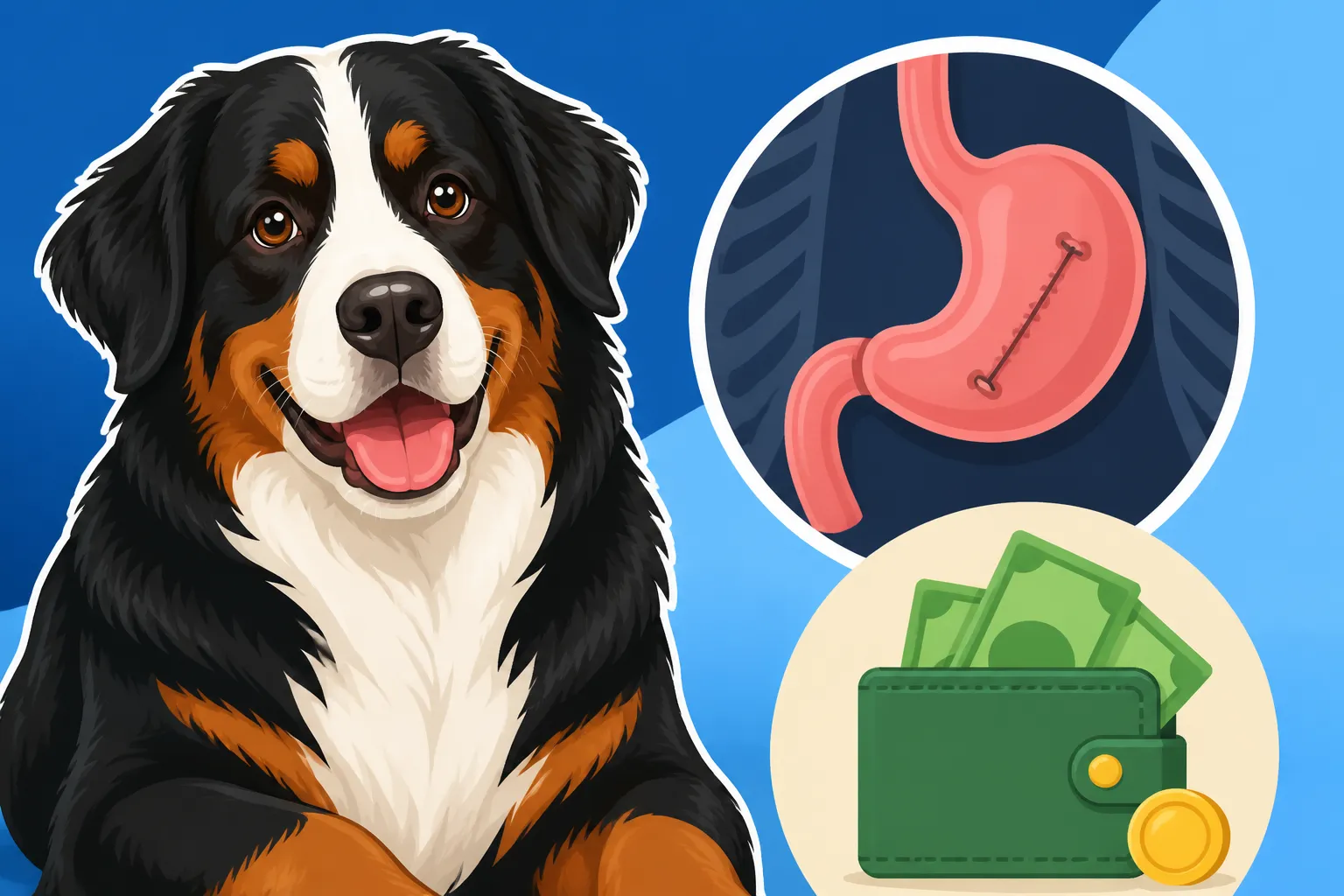
A gastropexy is a surgical procedure that permanently attaches the stomach to the abdominal wall. Think of it as "tacking" the stomach in place. This attachment prevents the stomach from twisting, which is the most dangerous part of GDV. It doesn't prevent the stomach from dilating (filling with gas), but it largely eliminates the life-threatening volvulus. For many Berner owners, this procedure offers an immense sense of relief, knowing they've taken a significant step to protect their furry family member.
There are different approaches to performing a gastropexy. Traditionally, it's done via open abdominal surgery, which involves a larger incision. However, modern veterinary medicine also offers laparoscopic gastropexy, a minimally invasive technique. This involves smaller incisions and the use of a camera, often leading to a faster recovery time and less post-operative discomfort for your dog. Both methods aim for the same critical outcome: securing the stomach to prevent future torsion.
Breaking Down the Costs of a Gastropexy Procedure
When considering a gastropexy, it's important to understand that the "cost" isn't just one number; it's a culmination of several components, from pre-surgical assessments to post-operative care. This is a significant elective surgery, and while it's a preventative measure, it involves all the complexities of a major medical procedure. It's a proactive investment in your Bernese Mountain Dog's future, one that could potentially save their life and significantly higher emergency costs down the line.
Pre-Operative Assessments and Diagnostics
Before your Bernese Mountain Dog even steps into the operating room, a thorough workup is essential to ensure they are healthy enough for anesthesia and surgery. This typically includes blood tests (a complete blood count and chemistry panel), which check organ function and detect any underlying issues that could complicate the procedure. A urinalysis might also be requested. These tests are crucial for "Putting a Hundred Pound Bernese Mountain Dog Under" safely.
Additionally, your vet might recommend X-rays to check the chest and abdomen, and possibly an electrocardiogram (ECG) to assess heart function. These diagnostics ensure that any potential risks are identified and addressed before the surgery begins. These preliminary steps, while adding to the overall cost, are non-negotiable for your dog's safety and successful outcome. Expect these pre-op diagnostics to range from a few hundred dollars, varying based on your clinic's pricing and the extent of testing required.
Surgical Procedure and Anesthesia Fees
This is often the largest component of the gastropexy cost. It encompasses the surgeon's fee, the cost of anesthesia, monitoring during surgery, and the use of the surgical facility and equipment. For a Bernese Mountain Dog, anesthesia can be more complex due to their size, and careful monitoring is paramount. Anesthesia includes the drugs themselves, the time spent administering and monitoring them, and the dedicated veterinary technician overseeing your dog's vital signs throughout the procedure.
The surgeon's fee will vary based on their experience and the type of gastropexy performed. A laparoscopic procedure, while less invasive, often requires specialized equipment and training, which can sometimes result in a higher upfront cost compared to an open abdominal surgery. This part of the bill typically accounts for the bulk of the expense, ranging from around $1,500 to $4,000 or more, depending on the factors we'll discuss next.
Post-Operative Care and Medication
The care doesn't stop once the surgery is over. Your Bernese Mountain Dog will likely need to stay overnight at the veterinary clinic for observation, pain management, and initial recovery. This might involve intravenous fluids, medications for pain relief and inflammation, and antibiotics to prevent infection. The number of overnight stays can impact the total cost.
Once your Berner is discharged, you'll be sent home with oral medications, such as pain relievers and possibly anti-inflammatories, and instructions for wound care. Follow-up appointments, usually to check the incision and remove sutures, are also part of the package. These post-op costs can add several hundred dollars to the total, but they are crucial for a smooth and comfortable recovery. A good pet insurance plan, like those offered by Healthy Paws, can certainly help offset these unexpected expenses, especially if any complications arise.
Here's a generalized table to give you a rough idea of cost components:
| Cost Component | Description | Estimated Range (USD) |
|---|---|---|
| Pre-Operative Diagnostics | Blood work, urinalysis, X-rays, ECG | $200 – $700 |
| Anesthesia & Monitoring | Anesthetic drugs, gas, monitoring equipment, technician time | $400 – $1,000 |
| Surgeon's Fee | Professional fee for performing the gastropexy (open vs. laparoscopic) | $800 – $2,500 |
| Operating Room/Facility | Use of surgical suite, sterile supplies | $300 – $800 |
| Post-Operative Hospitalization | Overnight stay, IV fluids, initial pain management, observation | $300 – $1,000 |
| Take-Home Medications | Oral pain relief, anti-inflammatories, antibiotics | $50 – $200 |
| Follow-Up Visits | Incision checks, suture removal | $0 – $150 |
| Total Estimated Cost | Combined estimate for a preventative gastropexy (excluding emergencies) | $2,050 – $6,350+ |
Note: These are estimates and can vary widely based on location, clinic, and individual circumstances.
Key Factors Influencing Gastropexy Price
The cost of a gastropexy isn't static; it's a fluid number influenced by several variables. Understanding these can help you navigate the quoting process and make the best decision for your Bernese Mountain Dog. It's not always about finding the cheapest option, but the one that offers the best care and peace of mind.
Geographic Location and Veterinary Practice Type
Where you live significantly impacts veterinary costs. Vets in major metropolitan areas, where the cost of living and overheads are higher, will generally charge more than those in rural settings. For example, a gastropexy in a bustling city like Los Angeles or New York will likely be on the higher end of the spectrum compared to a small town in the Midwest. It's simply a reflection of economic realities.
Furthermore, the type of veterinary practice matters. A large veterinary hospital with state-of-the-art equipment and multiple board-certified specialists often has higher fees than a smaller, privately owned general practice. While a specialist might offer cutting-edge techniques or more intensive care, a trusted general practitioner can also perform excellent gastropexy surgery, particularly if they have extensive experience with large breeds. Don't be afraid to ask for quotes from a few different reputable clinics in your area.
Surgical Technique: Laparoscopic vs. Open Abdominal
As mentioned, there are two primary methods for gastropexy, and their costs can differ.
- Laparoscopic Gastropexy: This minimally invasive approach uses small incisions and a camera (endoscope) to guide the surgeon. It's often associated with less pain, faster recovery times, and smaller scars. However, the specialized equipment and training required for laparoscopic surgery can sometimes make it more expensive upfront. The benefits of reduced recovery time and discomfort for your large Berner, however, might make the higher price tag worthwhile for you.
- Open Abdominal Gastropexy: This traditional method involves a larger incision to access the stomach directly. It's a proven and effective technique, and often slightly less expensive than the laparoscopic option. While recovery might be a bit longer and more uncomfortable, the procedure is still highly successful in preventing stomach torsion. Many vets perform this as a routine procedure when also doing a spay or neuter, often leading to a slight discount on the combined procedures. You can look into Adding a Gastropexy to a Bernese Mountain Dog's Spay for more details on this option.
The choice often comes down to your veterinarian's recommendation, their expertise, and your budget. Discuss both options thoroughly to understand the pros and cons for your specific dog.
Timing of the Procedure and Additional Services
The cost can also be affected by when the gastropexy is performed. If done as a standalone elective procedure, it will carry its full cost. However, many owners opt to have the gastropexy performed concurrently with another necessary surgery, such as spaying or neutering. Combining these procedures can sometimes reduce overall costs, as your Bernese Mountain Dog only needs to undergo anesthesia once. This is a common and often recommended approach, allowing your dog to recover from both surgeries simultaneously.
Any complications during or after surgery, though rare for elective gastropexies, would also add to the final bill. These could include extended hospitalization, additional medications, or even secondary procedures. While nobody wants to think about complications, it's wise to be prepared for the possibility, either through an emergency fund or a robust pet insurance plan that includes coverage for such events. This is why many consider insurance providers like Healthy Paws for comprehensive coverage.
Financing and Insurance Options for Gastropexy Costs
The thought of a multi-thousand-dollar veterinary bill can be daunting for any pet owner, even for a planned procedure. Thankfully, there are various ways to manage the cost of a gastropexy, ensuring your Bernese Mountain Dog gets the preventative care they need without breaking the bank. Planning ahead is key when it comes to managing "The Running Costs of a Hundred Pound Bernese Mountain Dog."
Pet Insurance Coverage
Pet insurance can be a lifesaver, especially for breeds like Berners that are prone to certain health issues. Many pet insurance providers offer plans that cover preventative procedures like gastropexy, or at least a significant portion of the cost, particularly if it's deemed medically necessary due to breed predisposition. It's crucial to check the specifics of your policy or inquire about coverage before scheduling the surgery.
Providers like Healthy Paws are known for their comprehensive coverage, and while it's important to understand the waiting periods and deductibles, a good policy can offer substantial reimbursement. Remember, pet insurance typically doesn't cover pre-existing conditions, so it's best to enroll your Bernese Mountain Dog when they are young and healthy, long before any potential issues arise. This ensures that preventative measures, like a gastropexy, are covered. You can also explore options for Insuring a Bernese Mountain Dog Against Cancer, as many policies cover a range of conditions.
Veterinary Payment Plans and Credit Options
If you don't have pet insurance or if your policy doesn't cover the full cost, many veterinary clinics understand the financial burden of large procedures and offer assistance. Some clinics provide their own in-house payment plans, allowing you to pay the total cost over several months. This can make the immediate expense much more manageable.
Additionally, third-party veterinary credit cards, such as CareCredit, are widely accepted. These operate much like a regular credit card but are specifically for healthcare expenses. They often offer deferred interest periods, allowing you to pay off the balance without interest if done within a specific timeframe. Always review the terms and conditions carefully to ensure it's a good fit for your financial situation.
Building an Emergency Savings Fund
Perhaps the most straightforward approach to managing significant veterinary expenses, planned or unplanned, is to maintain an emergency savings fund dedicated to your Bernese Mountain Dog's health. Setting aside a certain amount each month, even a small one, can accumulate into a substantial fund over time. This provides you with the financial flexibility to make immediate decisions based purely on your dog's health needs, without the added stress of cost.
While a gastropexy is a preventative measure, unexpected emergencies can always arise, making an emergency fund invaluable. Knowing you have a financial safety net for "Emergency Surgery on a Bloated Bernese Mountain Dog" or other unforeseen issues can bring immense peace of mind. Considering that "Whether a Preventive Gastropexy Saves a Bernese Mountain Dog Money" is often true in the long run, investing in this preventative surgery, either through insurance or savings, is a wise decision for any Bernese Mountain Dog owner.
Disclaimer
This article is intended for informational purposes only and does not constitute veterinary advice. The costs provided are estimates and can vary significantly based on location, veterinary practice, specific procedures, and individual pet health needs. Always consult with a qualified veterinarian for accurate diagnoses, treatment plans, and cost estimates for your Bernese Mountain Dog.