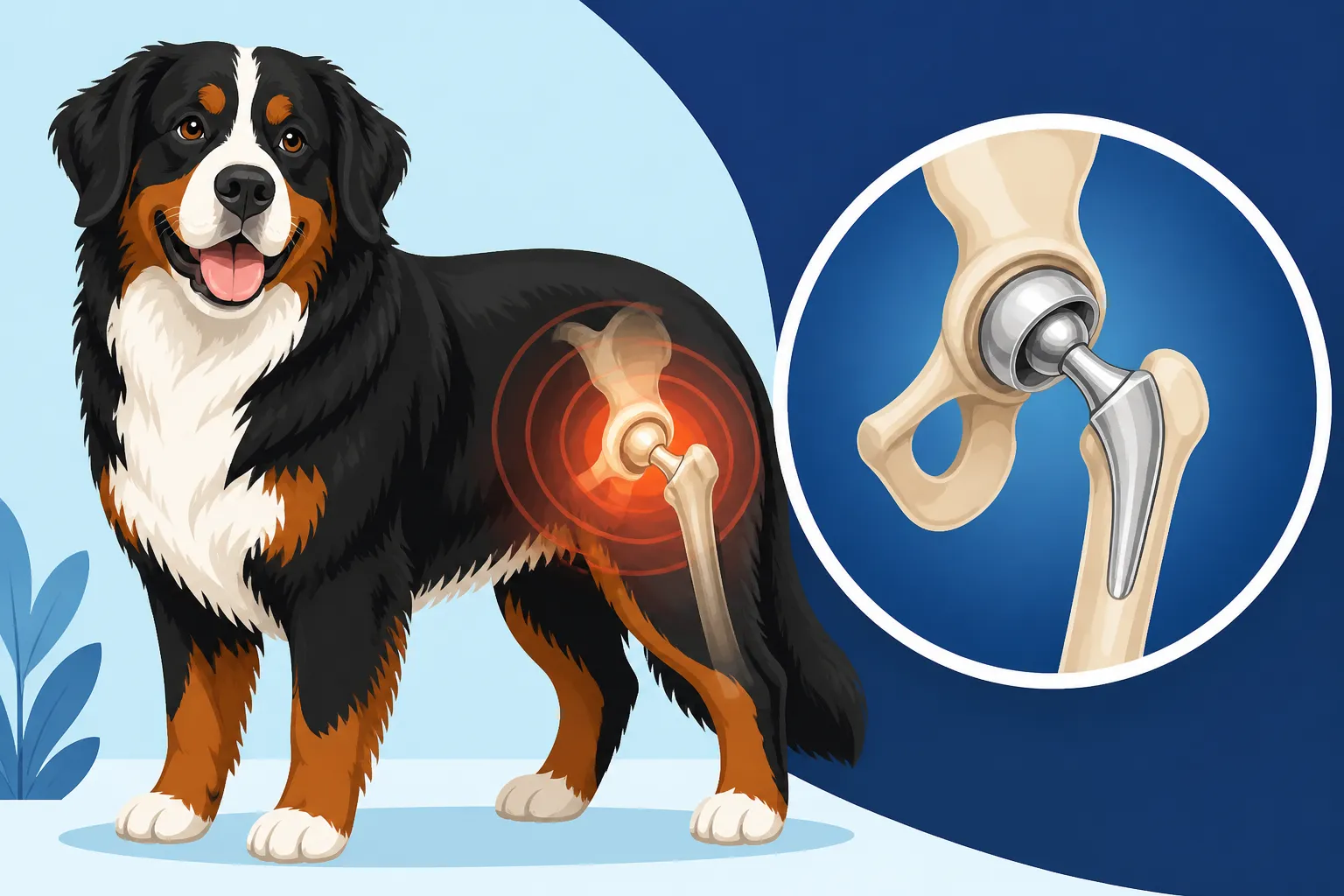
The Case for Replacing a Bernese Mountain Dog’s Hip
It’s heartbreaking to watch your beloved Bernese Mountain Dog struggle with every step, the joy of a romp replaced by a painful limp. Hip issues are unfortunately common in our magnificent Berners, and when daily pain medication and careful management just aren't cutting it anymore, the thought of a more permanent solution starts to surface. This comprehensive guide will walk you through the complexities of total hip replacement for your Bernese Mountain Dog, offering a realistic look at this life-changing procedure.
Understanding Hip Dysplasia in Bernese Mountain Dogs
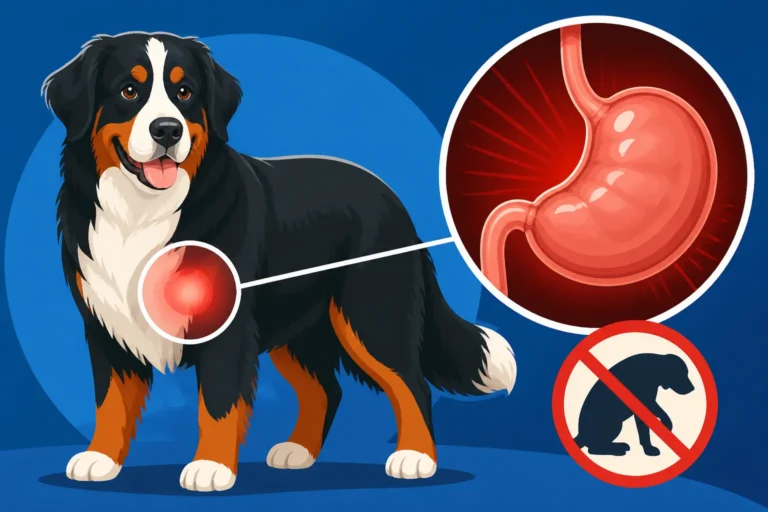
Hip dysplasia is a term that sends shivers down the spine of many Bernese Mountain Dog owners, and for good reason. It's a debilitating condition where the hip joint, a ball-and-socket joint, doesn't form correctly. Instead of the femur head fitting snugly into the pelvis socket, it's loose, rubbing and grinding, leading to pain, degeneration, and eventually, severe arthritis. For a large, active breed like the Berner, carrying all that weight on faulty joints accelerates the wear and tear, often making them "old" before their time.
The Silent Struggle of Hip Dysplasia
Many Bernese Mountain Dogs are masters at hiding their discomfort, a trait that can be both a blessing and a curse. You might notice subtle changes at first: a slight reluctance to jump into the car, a slower pace on walks, or difficulty getting up after a nap. As the condition progresses, the signs become more apparent – a pronounced limp, bunny-hopping when they run, or a general stiffness, especially in the mornings or after exercise. The constant inflammation and joint instability cause chronic pain, severely diminishing their quality of life. It’s a cruel irony that these gentle giants, bred for strength and endurance, often find themselves struggling with basic movement. This is a primary reason why Hips That Fail Under a Bernese Mountain Dog's Weight are such a concern for owners.
The genetic predisposition to hip dysplasia in Bernese Mountain Dogs is well-documented. While good breeding practices aim to minimize its incidence through careful screening of parent dogs, it's still a condition that can manifest even in well-bred lines. Environmental factors like rapid growth, excessive exercise during puppyhood, and improper nutrition can also exacerbate the genetic tendency. It's a perfect storm that can leave your magnificent companion in significant discomfort, leading to difficult choices about their care.
When Conservative Management Isn't Enough
When hip dysplasia is first diagnosed, especially if it's not yet severe, veterinarians often recommend a conservative management approach. This typically involves a combination of strategies aimed at reducing pain and inflammation, supporting joint health, and managing the dog’s weight. Non-steroidal anti-inflammatory drugs (NSAIDs) are commonly prescribed to alleviate pain, alongside joint supplements like glucosamine and chondroitin, which can help support cartilage health.
Physical therapy, including controlled exercise, swimming, and even acupuncture, can also play a vital role in strengthening surrounding muscles and improving range of motion. Maintaining an ideal body weight is absolutely crucial, as every extra pound adds strain to already compromised joints. These measures can offer a significant improvement in comfort and mobility for many Berners, allowing them to lead fulfilling lives for a period. However, for a heavily built breed prone to rapid progression of joint issues, these conservative methods may eventually reach their limits. For instance, Arthritis in a Bernese Mountain Dog by Six is not uncommon, and once that level of degeneration sets in, managing pain becomes a daily battle rather than an occasional necessity.
Imagine your once-boisterous Berner, usually eager for a walk, now hesitant at the door, or unable to comfortably greet you at eye level without a painful grunt. This is often the point where owners start to realize that conservative care, while valuable, isn't providing the long-term solution they desperately need. When the pain medication isn't as effective, or the dog's activity level remains severely restricted despite all efforts, it's time to consider more advanced interventions, like total hip replacement.
Exploring Total Hip Replacement THR for Your Berner
Total Hip Replacement (THR) is considered the gold standard surgical treatment for severe hip dysplasia and degenerative joint disease in dogs. It's a complex procedure, but for the right candidate, it can offer a complete return to pain-free function and a significantly improved quality of life. The decision to pursue THR is a significant one, involving careful consideration of your dog's condition, your resources, and your commitment to their recovery.
What Total Hip Replacement Involves
Total hip replacement surgery is a highly specialized orthopedic procedure performed by a board-certified veterinary surgeon. The goal is to remove the damaged femoral head (the ball) and the diseased acetabulum (the socket) and replace them with prosthetic implants made of durable materials like titanium and high-density polyethylene. Essentially, it's just like human hip replacement surgery, but scaled for our canine companions.
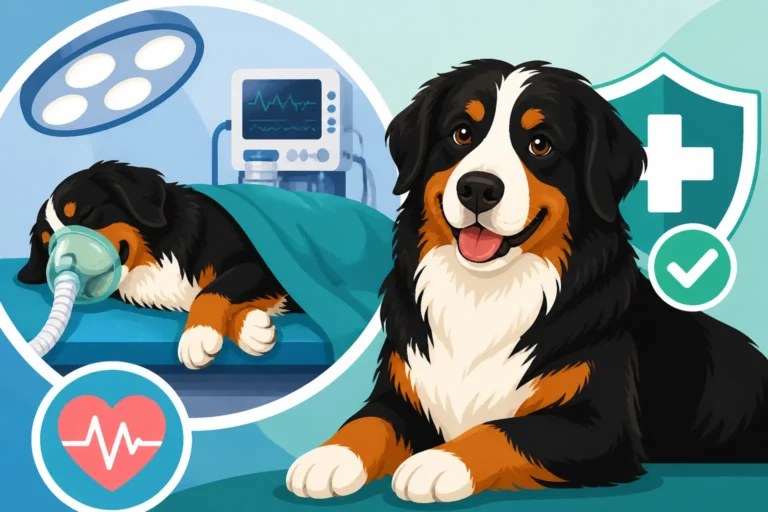
During the surgery, a meticulous incision is made to access the hip joint. The surgeon carefully removes the head and neck of the femur and prepares the acetabulum to receive the new socket component. Then, a new femoral stem is implanted into the femur, topped with a new prosthetic ball. These components are either cemented into place or designed to allow bone ingrowth for stability, depending on the chosen implant system. This intricate process requires precision and experience, as the correct sizing and alignment of the components are critical for successful long-term outcomes. Understanding the commitment involved, particularly putting a large dog like a Bernese Mountain Dog under, is crucial, as detailed in Putting a Hundred Pound Bernese Mountain Dog Under.
The aim of THR is twofold: to eliminate the pain caused by bone-on-bone friction and an unstable joint, and to restore normal joint mechanics, allowing the dog to move freely and without discomfort. It's a transformative surgery that, when successful, can give your Berner a new lease on life, letting them rediscover the joy of running, jumping, and playing.
The Ideal Candidate for Hip Replacement
Choosing the right candidate for total hip replacement is just as important as the surgery itself. While THR can be highly effective, it's not suitable for every Bernese Mountain Dog with hip dysplasia. Generally, ideal candidates are typically younger adult dogs (though older dogs can be candidates if they are otherwise healthy) who are experiencing significant pain and lameness despite conservative management. Their radiographs usually show severe degenerative changes consistent with hip dysplasia.
Beyond the physical criteria, the dog's overall health and temperament are vital considerations. They must be free of other significant health issues, particularly infections, as these can compromise the surgical site. A dog with a good temperament, who is cooperative and can tolerate restricted activity during the crucial recovery period, will have a much smoother post-operative journey. Owners must also be committed to the demanding post-operative care and rehabilitation, which is extensive. While a Bernese Mountain Dog might have severe dysplasia in both hips, surgeons often perform unilateral (one side) THR first, and if successful, consider the second hip later, allowing the dog to recover fully from one procedure before embarking on another.
Potential Benefits and Risks of THR
Deciding on total hip replacement involves weighing the significant benefits against the potential risks. It's a serious surgery, and being fully informed helps you make the best choice for your Berner.
Benefits of Total Hip Replacement:
- Significant Pain Relief: This is often the most dramatic and immediate benefit. By replacing the painful, grinding joint with smooth, artificial components, the source of chronic pain is eliminated. Many owners report seeing a completely different dog post-recovery – one that is comfortable and happy again.
- Restored Mobility and Function: A successful THR can return a dog to near-normal function. They can run, jump, and play without the limitations imposed by hip dysplasia. This means enjoying walks, playing fetch, and simply moving around the house with ease.
- Improved Quality of Life: Beyond physical capabilities, the emotional well-being of a pain-free dog is immeasurable. They become more engaged, less irritable, and happier overall, truly benefiting from a second chance at an active life.
- Long-Term Solution: Unlike conservative management which often becomes a lifelong battle against progressive degeneration, THR is a definitive treatment designed to provide a durable, long-term solution to hip pain.
Risks of Total Hip Replacement:
- Infection: As with any major surgery, there is a risk of infection, which can be severe and may require further intervention or even removal of the implant.
- Dislocation: While uncommon, the prosthetic hip can dislocate, especially if activity restrictions are not strictly followed during the initial recovery phase.
- Implant Loosening: Over time, the implant components can loosen, requiring revision surgery. This is rare but a possibility, particularly in very active large breeds.
- Nerve Damage: There's a small risk of damage to nerves in the surgical area, which can lead to temporary or, in very rare cases, permanent lameness.
- Anesthesia Risks: Although modern veterinary anesthesia is very safe, any procedure requiring general anesthesia carries inherent risks, especially for large breeds.
- Cost: THR is a major financial undertaking, and the costs can be substantial, as we’ll discuss further. This is where pet insurance, like a comprehensive plan from Healthy Paws, can be an absolute lifeline if initiated before the condition becomes symptomatic.
Here's a quick overview of the pros and cons:
| Feature | Pros of THR | Cons of THR |
|---|---|---|
| Pain Relief | Near-complete elimination of chronic pain | Initial post-operative discomfort |
| Mobility | Significant improvement, often near-normal | Extended period of restricted activity post-op |
| Quality of Life | Dramatically enhanced, happier dog | Recovery process can be stressful for dog and owner |
| Durability | Long-term, often lifelong solution | Risk of implant failure (loosening, dislocation) |
| Cost | Worthwhile investment for pain-free life | High upfront surgical and rehabilitation expenses |
| Risks | Low complication rate with skilled surgeon | Anesthesia, infection, nerve damage possibilities |
The Journey Through Recovery and Beyond
Undergoing a total hip replacement is a journey, not a quick fix. The surgery itself is just one part of the equation; the recovery and rehabilitation phase is equally, if not more, critical to the long-term success of the procedure. For a Bernese Mountain Dog, with their size and often gentle but stubborn nature, this phase requires immense dedication and patience from their owners.
Immediate Post-Operative Care
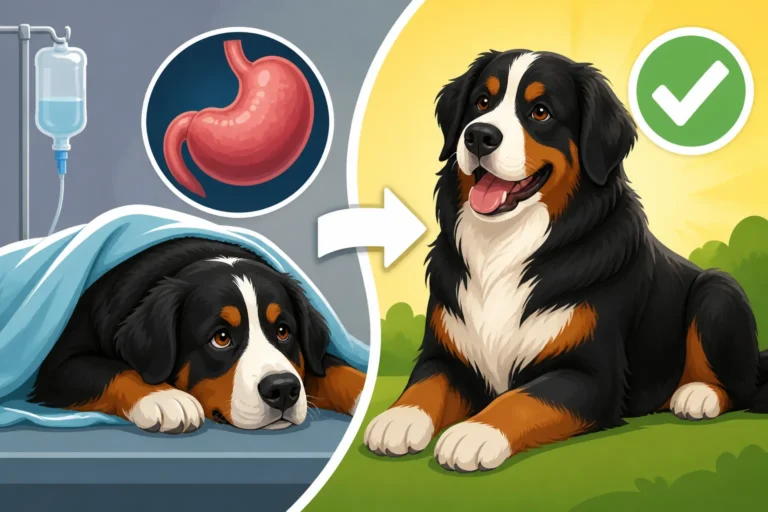
After a successful hip replacement surgery, your Bernese Mountain Dog will likely spend several days at the veterinary hospital. This initial period is crucial for intensive pain management, monitoring for any immediate complications, and starting very gentle, controlled movements. The veterinary team will administer pain medication, anti-inflammatories, and possibly antibiotics. They'll also monitor the incision site for any signs of infection or swelling.
Once your Berner comes home, the real work begins. Expect strict activity restriction for the first several weeks. This means no running, jumping, playing, or stairs. They will typically need to be on a leash for all bathroom breaks, and often a sling or towel support will be needed to help them in and out of the house, especially for the first few days or weeks. Keeping a hundred-pound dog calm and restricted can feel like a Herculean task, but it’s absolutely non-negotiable for proper healing and to prevent serious complications like dislocation. Detailed guidance on Recovery After a Bernese Mountain Dog's Hip Surgery will be provided by your surgical team, and it's imperative to follow it to the letter.
Long-Term Rehabilitation and Lifestyle Adjustments
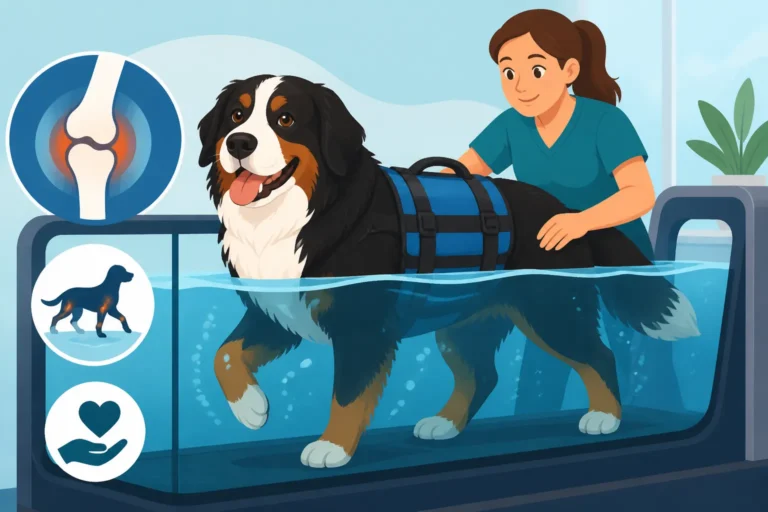
As the weeks progress, the activity restrictions will gradually be eased, but rehabilitation will become a central focus. This phase is about rebuilding muscle, improving range of motion, and ensuring the new hip integrates well. Physical therapy sessions, often including specific exercises, massage, and hydrotherapy, are vital. Hydrotherapy, or underwater treadmill therapy, is particularly beneficial for large breeds like Berners because it allows them to exercise muscles without putting excessive weight on the healing joint. You might want to explore options like Hydrotherapy for an Arthritic Bernese Mountain Dog in your area.
For many Bernese Mountain Dogs, the return to a more active lifestyle is gradual but incredibly rewarding. You'll likely notice them starting to move with a freedom and comfort they haven't experienced in a long time. However, even with a successful THR, a commitment to maintaining an ideal weight is paramount throughout their life to minimize stress on both the new joint and any other joints that may be compensating. A balanced diet and regular, appropriate exercise will become a cornerstone of their long-term health. Pet insurance, especially from providers like Healthy Paws, can be incredibly helpful throughout this long recovery and potential future needs, offsetting the considerable costs of physical therapy and follow-up care.
When to Consider a Second Hip
For Bernese Mountain Dogs suffering from bilateral hip dysplasia (affecting both hips), the question often arises: should both hips be replaced? While it's certainly possible, it's rarely done at the same time due to the complexity and recovery demands of such a major surgery. Typically, if one hip is significantly worse than the other, that hip will be replaced first.
Once your Berner has fully recovered from the first surgery and is comfortable and mobile, the condition of the second hip can be re-evaluated. If the "good" hip is still causing significant pain or limitation, then a second THR may be recommended, usually several months after the first. This approach allows the dog to recover fully from one procedure before undertaking another, minimizing stress on their body and giving you time to manage the recovery process effectively. It's a testament to your unwavering commitment, putting your Berner through two such major procedures. With the high costs associated, ensuring you have robust pet insurance coverage, perhaps through a provider like Healthy Paws, is a critical step in making such extensive care financially feasible for many families.
Financial Considerations and Making the Decision
Choosing total hip replacement for your Bernese Mountain Dog is not just a medical decision; it's a significant financial and emotional commitment. Understanding the full scope of the costs involved and having a realistic view of the journey ahead is crucial for making an informed decision that’s right for your family and your beloved Berner.
Understanding the Cost of Hip Replacement
The cost of total hip replacement for a Bernese Mountain Dog is substantial, often ranging from $6,000 to $10,000 or even more per hip, depending on your geographic location, the specific veterinary surgical center, and the complexity of the case. This isn't just the surgeon's fee; it encompasses a wide range of services.
Here's a breakdown of what those costs typically include:
- Pre-operative diagnostics: Extensive X-rays, blood work, and possibly other imaging (like CT scans) to assess the joint and overall health.
- Surgical fees: The orthopedic surgeon's expertise and the use of specialized equipment.
- Anesthesia: Anesthesia administration and monitoring by a veterinary anesthesiologist.
- Hospitalization: Several days of intensive post-operative care, including pain management and nursing.
- Implants: The cost of the prosthetic hip components themselves.
- Medications: Painkillers, anti-inflammatories, and antibiotics dispensed post-surgery.
- Rehabilitation: Multiple sessions of physical therapy, hydrotherapy, and follow-up examinations with your veterinary team.
- Follow-up X-rays: To monitor healing and implant stability.
When you look at What Hip Replacement Costs a Bernese Mountain Dog Owner, it’s clear that this is a major investment. This is precisely why comprehensive pet insurance, like a plan from Healthy Paws, is invaluable. If you enroll your Berner before any signs of hip dysplasia are evident, a good policy can cover a significant portion of these expenses, turning a potentially impossible financial burden into a manageable one. Without insurance, owners need to have substantial savings or access to credit to cover these life-saving procedures.
The Emotional and Practical Weigh-In
Beyond the financial aspect, the emotional and practical toll of a major surgery like THR cannot be underestimated. You’re making a decision for a creature you love, trying to balance their pain and prognosis with the demands of their recovery and the realities of your own life. It's perfectly normal to feel overwhelmed, anxious, or even guilty during this process.
It's essential to have open and honest conversations with your primary veterinarian and the orthopedic specialist. Ask every question you have, no matter how small. Understand the success rates, potential complications, and what your specific dog's recovery will look like. Consider your home environment: do you have space for a restricted, large dog? Can you manage their physical therapy exercises? Do you have the time and flexibility to dedicate to their demanding post-operative care? Thinking through the commitment required is similar to the deep considerations involved in Deciding When to Let a Paralyzed Bernese Mountain Dog Go, though with a vastly different outcome.
Ultimately, the decision comes down to your Berner's quality of life. If they are in significant pain and THR offers a strong prognosis for a comfortable, active future, it’s a powerful option to consider. While the journey is challenging, seeing your Bernese Mountain Dog run and play freely again, without pain, is a reward that many owners find to be utterly priceless.
Disclaimer
The information provided in this article is for general informational purposes only and does not constitute veterinary medical advice. Always consult with a qualified veterinarian for any health concerns or before making any decisions about your pet's medical care.