Thyroid Testing a Sluggish Bernese Mountain Dog
It's incredibly frustrating when your once vibrant, playful Bernese Mountain Dog starts to slow down, becoming more lethargic, or showing subtle changes that just don't feel quite right. You know their typical goofy energy, and when it's missing, it's a huge worry. This comprehensive guide is here to shed light on how thyroid testing can be a crucial tool for understanding and addressing a sluggish Bernese Mountain Dog, helping you get them back to feeling their best.
Understanding Hypothyroidism in Bernese Mountain Dogs
Hypothyroidism, an underactive thyroid gland, is a surprisingly common endocrine disorder in dogs, and certain breeds, including our beloved Bernese Mountain Dogs, are particularly susceptible. It's not just about feeling a bit tired; the thyroid gland plays a vital role in regulating metabolism, affecting everything from energy levels to skin health and even cognitive function. When it's not producing enough hormones, the entire system can go awry.
Why Berners are Prone to Thyroid Issues
While any dog can develop hypothyroidism, there's a clear genetic component at play, making some breeds more predisposed. Bernese Mountain Dogs, along with breeds like Golden Retrievers, Doberman Pinschers, and Airedale Terriers, are frequently on the list of those at higher risk. This susceptibility is often linked to an autoimmune condition where the dog's immune system mistakenly attacks its own thyroid gland, gradually destroying the hormone-producing cells. This process, known as lymphocytic thyroiditis, can smolder for quite some time before clinical signs become obvious.
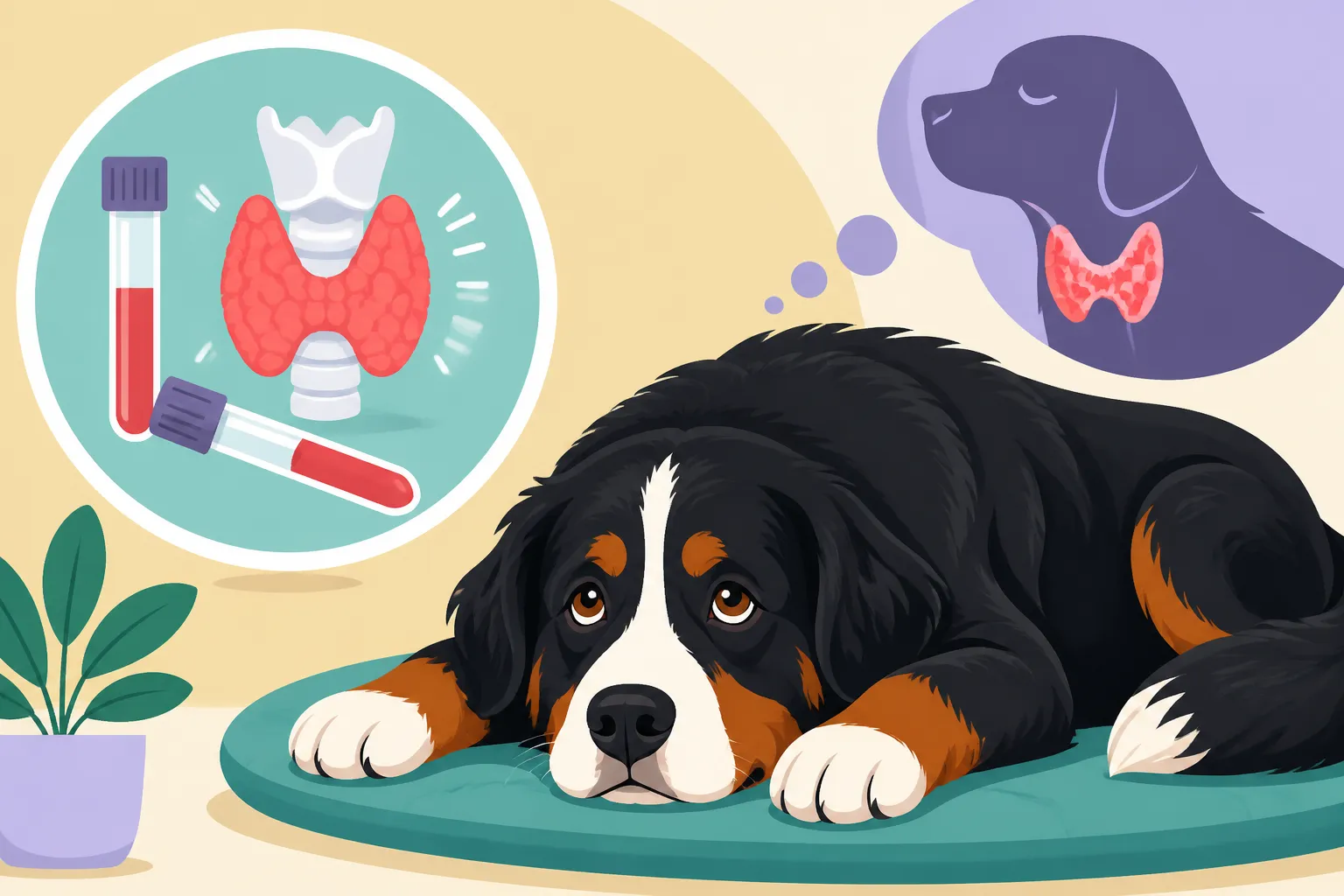
The thyroid gland itself is a small, butterfly-shaped organ located in the neck, producing two main hormones: thyroxine (T4) and triiodothyronine (T3). These hormones are like the conductors of an orchestra, ensuring that almost every cell in the body is performing its metabolic functions correctly. When their production dips, the body essentially slows down, leading to a cascade of symptoms that can be easy to miss or attribute to other things, like just getting older. Understanding this genetic tendency means that if you own a Berner, being aware of thyroid health is an important part of their overall veterinary care plan.
Recognizing the Subtle Signs of a Sluggish Berner
The challenge with hypothyroidism is that its symptoms often creep up slowly and can be quite vague, mimicking other conditions or simply being dismissed as "aging." It’s rare for a dog to wake up one morning drastically different. Instead, you might notice a gradual decline in their usual enthusiasm for walks or playtime, a tendency to sleep more, or just an overall subdued demeanor. This "sluggishness" is often the first red flag that makes owners seek veterinary advice.
Beyond a general lack of energy, there are several other key indicators to watch for in your Bernese Mountain Dog. Weight gain, despite no change in diet or exercise, is a common sign because of the slowed metabolism. Their glorious double coat might start to look dull, dry, and brittle, and you might notice increased shedding or even thinning fur, particularly on their flanks or tail. Sometimes, the skin itself can become dry, flaky, or even develop infections due to compromised immunity. Other, less common signs can include a slow heart rate, an intolerance to cold, or even neurological issues like seizures, though these are typically seen in more advanced cases. It's crucial to pay attention to these subtle shifts, as early detection can make a big difference in treatment success.
The Thyroid Testing Process Explained
When you bring your sluggish Bernese Mountain Dog to the vet with concerns about their energy levels or coat quality, one of the first things they'll likely suggest is a thyroid panel. It’s not just a single blood test; rather, it’s a comprehensive look at several hormones to get a clear picture of what's happening with their thyroid function. This multi-faceted approach is vital because relying on just one measure can lead to misdiagnosis, especially in a breed like the Bernese Mountain Dog, which can have complex health profiles.
What a Full Thyroid Panel Entails
A proper thyroid panel for a Bernese Mountain Dog should go beyond simply checking total T4. While total T4 (TT4) measures the total amount of thyroxine in the blood, both free and bound to proteins, it can be influenced by many non-thyroidal illnesses, medications (like steroids or NSAIDs), or even stress from a vet visit. This is why a more complete picture is essential.
Your vet will typically recommend a panel that includes:
- Total T4 (TT4): As mentioned, this is a baseline, but needs context.
- Free T4 (fT4): This measures the unbound, biologically active form of T4. It's considered more reliable than TT4 because it's less affected by other conditions or drugs. A low fT4 is a strong indicator of hypothyroidism.
- Thyroid-Stimulating Hormone (TSH): Produced by the pituitary gland, TSH signals the thyroid to produce more T4 and T3. In primary hypothyroidism (the most common type), the thyroid isn't responding, so the pituitary tries harder, leading to elevated TSH levels. A high TSH combined with low fT4 and/or TT4 is a classic diagnostic pattern.
- Thyroglobulin Autoantibodies (TgAA): This test helps identify if the hypothyroidism is due to an autoimmune condition (lymphocytic thyroiditis), where the body is attacking its own thyroid. A positive result indicates an autoimmune process, even if hormone levels are currently normal, suggesting the dog is at risk of developing overt hypothyroidism later. For breeds like the Bernese Mountain Dog, where autoimmune thyroiditis is common, testing for TgAA provides valuable insight into the underlying cause and future prognosis. Discussing comprehensive health insurance options like those from Healthy Paws can be beneficial here, as diagnosing and managing chronic conditions can involve significant costs.
Having these multiple components assessed provides a much more accurate diagnosis, helping to differentiate true hypothyroidism from other conditions that might mimic its symptoms.
Interpreting the Results and Next Steps
Once the blood samples are analyzed, your veterinarian will carefully interpret the results. It’s not always a straightforward "yes" or "no" answer, and understanding the nuances is key. A clear case of primary hypothyroidism usually presents with low free T4 and/or total T4, coupled with a high TSH. However, sometimes a Berner might show borderline low T4 levels with a TSH that's normal or only slightly elevated. This could indicate what's called "subclinical hypothyroidism" or "euthyroid sick syndrome," where an unrelated illness is temporarily suppressing thyroid hormone levels. This is why the comprehensive panel, including TgAA, is so important.
If your Bernese Mountain Dog receives a definitive diagnosis of hypothyroidism, the good news is that it’s generally a very manageable condition. The next steps will involve starting your dog on a synthetic thyroid hormone replacement medication, typically levothyroxine. Your vet will determine the initial dosage based on your dog's weight and the severity of their condition. It's a lifelong commitment to medication, but with consistent treatment, most dogs show significant improvement in their symptoms within a few weeks to months.
For borderline cases or those with positive TgAA but normal hormone levels, your vet might recommend re-testing in a few months, or they might suggest starting a low dose of medication and monitoring the response. Every Bernese Mountain Dog is an individual, and the diagnostic and treatment plan will be tailored to their specific situation, symptoms, and blood work results.
| Symptom Category | Hypothyroidism Signs to Watch For | Typical Bernese Mountain Dog Traits (Normal) |
|---|---|---|
| Energy Level | Lethargy, excessive sleeping, reluctance to play/walk, decreased stamina | Calm indoors, energetic for walks/play, enjoys lounging |
| Weight | Unexplained weight gain despite no diet change | Sturdy, muscular build; prone to weight gain if overfed/under-exercised |
| Coat & Skin | Dry, dull, brittle coat; excessive shedding; thinning fur (especially flanks/tail); recurrent skin infections; flaky skin | Thick, luxurious double coat; moderate seasonal shedding; generally healthy skin |
| Temperament | Apathy, increased aggression, depression, seeking warmth | Good-natured, affectionate, sometimes reserved with strangers, gentle |
| Other Physical | Cold intolerance, slow heart rate, facial puffiness, ear infections | Enjoys cool weather, generally robust |
Managing Hypothyroidism and Supporting Your Berner
Receiving a diagnosis of hypothyroidism can feel overwhelming, but it’s important to remember that this condition is highly treatable. With the right approach and a commitment to ongoing care, your Bernese Mountain Dog can regain their vitality and quality of life. The key lies in consistent medication, careful monitoring, and understanding that this is a lifelong journey.
Treatment Options and Lifelong Medication
The primary treatment for canine hypothyroidism is daily oral administration of a synthetic thyroid hormone called levothyroxine (often prescribed as Soloxine, Thyro-Tabs, or a generic equivalent). This medication replaces the hormones that your Berner's thyroid gland is no longer producing sufficiently. It's a precise balance, as too little won't be effective, and too much can lead to hyperthyroidism, which has its own set of problems.
Typically, your vet will start your Bernese Mountain Dog on a specific dosage based on their body weight. Many owners find it easiest to give the pill with food or hide it in a treat, making it a routine part of their day. It's crucial not to miss doses, as consistency is key to stabilizing hormone levels. You should start to see improvements in your dog's energy levels, coat quality, and overall demeanor within a few weeks to a couple of months. For instance, that heavy shedding might slow down, or they might show more interest in their favorite Backpacking With a Bernese Mountain Dog adventures. It's truly rewarding to watch them bounce back!
Monitoring and Adjusting Treatment
Treatment for hypothyroidism isn't a "set it and forget it" situation. Because every dog metabolizes medication differently, and external factors can influence hormone levels, regular monitoring is essential. After starting levothyroxine, your vet will schedule follow-up blood tests, usually about 4-8 weeks later. These tests are timed specifically to check peak medication levels (typically 4-6 hours after the morning dose) to ensure the dosage is effective.
Based on these results, your vet will adjust the levothyroxine dosage as needed. It might take a couple of adjustments to find the optimal level for your Bernese Mountain Dog. Once stable, most dogs will require blood work every 6-12 months to ensure the medication is still effective and their thyroid levels remain within the therapeutic range. Keeping up with these regular check-ups is vital for your Berner's long-term health. If you have pet insurance, remember to check if your policy, perhaps from providers like Healthy Paws, covers these ongoing diagnostic tests and medications, as these costs can add up over a lifetime.
Lifestyle Adjustments for a Hypothyroid Bernese Mountain Dog
While medication is the cornerstone of treating hypothyroidism, supporting your Bernese Mountain Dog through lifestyle adjustments can further enhance their well-being. Keeping them at a healthy weight is particularly important, as the disease itself can predispose them to weight gain, which can exacerbate other health issues common in the breed, such as Joint Disease in a Hundred Pound Bernese Mountain Dog. Your vet can help you determine an appropriate diet and portion control to prevent obesity.
Regular, moderate exercise is still crucial. Even if their energy was low before treatment, as they start to feel better, encourage gentle walks and play sessions. Remember, a Berner's joints are already working hard supporting their large frame, so avoid high-impact activities. For dogs recovering from significant lethargy, slowly build up their activity level. You might find resources on how to best care for an Arthritis in a Bernese Mountain Dog by Six in your local community useful, even if it's not the primary issue. Additionally, providing a warm, comfortable resting spot can be beneficial, especially if they have some lingering cold intolerance. Maintaining a consistent routine for feeding, medication, and exercise can also help reduce stress and promote overall stability for your beloved Berner.
Proactive Health and Prevention
While we can't completely prevent genetic conditions like hypothyroidism, there are certainly steps we can take as Bernese Mountain Dog owners to be proactive about their health. Early detection and responsible practices can make a significant difference in their quality of life and longevity. Being informed about common health issues is part of being a responsible Berner parent, especially given that Why a Bernese Mountain Dog Lives Only Seven or Eight Years is a common concern.
When to Consider Baseline Thyroid Testing
For Bernese Mountain Dogs, especially those from lines with a known history of thyroid issues, establishing a baseline can be incredibly useful. Many vets recommend considering an initial full thyroid panel around 2-3 years of age, even if the dog isn't showing any obvious symptoms. This provides a benchmark for future comparison. If results are borderline or show positive TgAA, retesting every 1-2 years can help catch the onset of clinical hypothyroidism before severe symptoms develop.
If your Berner starts showing any of the subtle signs we discussed earlier – a dull coat, unexplained weight gain, or a general decrease in energy – regardless of age, it's always worth having a conversation with your veterinarian about a thyroid panel. Don't dismiss these changes as just "getting old"; they could be early indicators of a treatable condition. Early diagnosis means earlier treatment, which can prevent the disease from progressing and improve your dog’s response to medication. It's a small investment in their health that can pay off big in terms of their comfort and well-being. This proactive approach is a cornerstone of managing conditions in Berners, similar to how owners track other potential issues by consulting resources like What the Berner-Garde Database Records or understanding The Bernese Mountain Dog Health Panel.
The Role of Responsible Breeding in Thyroid Health
The unfortunate truth is that many health conditions, including hypothyroidism, have a genetic component. Responsible breeders play a critical role in minimizing the incidence of these diseases within the Bernese Mountain Dog population. Good breeders will actively screen their breeding stock for thyroid issues, often by performing full thyroid panels, including TgAA testing, on parent dogs before breeding. They should be transparent about the thyroid health history of their breeding lines and be willing to share documentation of these screenings.
By selecting breeding pairs with healthy thyroid profiles and no history of autoimmune thyroiditis, breeders can work to reduce the likelihood of passing on this predisposition to future generations. As a prospective puppy owner, don't be shy about asking about the health clearances of the parents, including thyroid screening. A reputable breeder will welcome your questions and be eager to educate you about the steps they take to ensure the health of their puppies. This commitment to health screening is paramount, much like ensuring parents have appropriate OFA Clearances a Bernese Mountain Dog Should Have for joint health. While it doesn't guarantee a puppy will never develop a condition, it significantly improves their chances of a long and healthy life.
Disclaimer
This guide is intended for informational purposes only and does not substitute for professional veterinary advice. Always consult with a qualified veterinarian regarding your Bernese Mountain Dog's specific health concerns and before making any decisions about their care or treatment.