The Temperature a Bernese Mountain Dog Stops Coping
It's a familiar heartache for many Bernese Mountain Dog owners: that moment when the sun climbs just a little too high, and your usually robust, joyful companion starts to look… uncomfortable. Their thick, glorious coats, so perfect for the snowy Swiss Alps they hail from, become a heavy burden, and their usual enthusiasm gives way to lethargy and heavy panting. This guide will walk you through understanding the precise temperatures and conditions where a Bernese Mountain Dog begins to struggle, offering practical advice to keep your beloved Berner safe, cool, and happy, even when the mercury rises.
The Unique Heat Challenges of a Bernese Mountain Dog
Let's be honest, Bernese Mountain Dogs weren't built for sweltering summers. Their entire physiology is geared towards cold weather, which, while charming in winter, can become a serious liability in warmer climates. Understanding these inherent traits is the first step in protecting your furry family member from the dangers of overheating. It’s not just about how hot it feels to us; it’s about how their bodies are equipped – or rather, not equipped – to handle it.
The Insulating Power of That Glorious Coat
That magnificent, dense double coat, one of the breed's defining features, is a marvel of natural insulation. In winter, it traps warm air close to their body, protecting them from icy winds and frigid temperatures. However, this same attribute becomes a significant problem when the weather warms up. The thick undercoat, designed to keep them toasty, prevents heat from escaping their body effectively. It's like wearing a heavy winter parka in July – you'd be miserable, and so is your Berner.
Many well-meaning owners wonder about shaving their Berners to help them cope with the heat, but this often does more harm than good. The outer guard hairs protect against UV radiation and also create an airy layer that can help with cooling if the undercoat is properly brushed out. Shaving can actually expose their delicate skin to sunburn and disrupt their natural thermoregulation system further, making them even more susceptible to heat. This is why you often hear "The Case Against Shaving a Bernese Mountain Dog in June".
Large Bodies, Less Efficient Cooling
Berners are big dogs, often weighing over a hundred pounds. This substantial body mass means they generate a lot of internal heat, especially when active. What's more, large dogs have a lower surface area-to-volume ratio compared to smaller dogs. Think of it this way: a small dog has more skin relative to its overall size to dissipate heat from. A large dog like a Berner has less relative surface area, making it harder for their bodies to shed heat efficiently. This means it takes longer for them to cool down once they start to overheat, and they retain heat for longer periods.
This physiological reality means that even gentle exercise on a warm day can quickly elevate their core body temperature to dangerous levels. While you might feel a pleasant breeze, your Berner's internal thermostat might already be struggling, especially if they are running or playing with enthusiasm. The sheer effort of moving their heavy frame generates heat, and that heat has nowhere to go.
Genetic Predisposition and Breathing Challenges
While not true brachycephalic (short-nosed) breeds like bulldogs or pugs, some Bernese Mountain Dogs can have slightly shorter muzzles compared to other breeds, which can sometimes impact their ability to efficiently pant. Panting is a dog's primary way of cooling down, as it allows for evaporative cooling from the tongue and respiratory tract. If this process is hampered even slightly, their ability to regulate temperature is compromised.
Beyond physical structure, the breed is also prone to certain health conditions, like laryngeal paralysis or heart issues, which can be exacerbated by heat and further reduce their capacity to breathe and cool themselves effectively. It's crucial for owners to be aware of these potential underlying factors and discuss them with their vet, especially when considering how to handle "Heat and the Bernese Mountain Dog's Black Coat" in warmer months.
Decoding the Danger Zone: Temperatures and Warning Signs
Pinpointing the exact temperature when a Berner "stops coping" isn't a simple number on a thermometer, because it’s a dynamic interplay of temperature, humidity, activity level, and individual dog factors. However, we can establish clear guidelines and crucial warning signs that every Berner owner should commit to memory. Ignoring these can have swift and severe consequences.
The Thresholds: When to Be Extra Vigilant
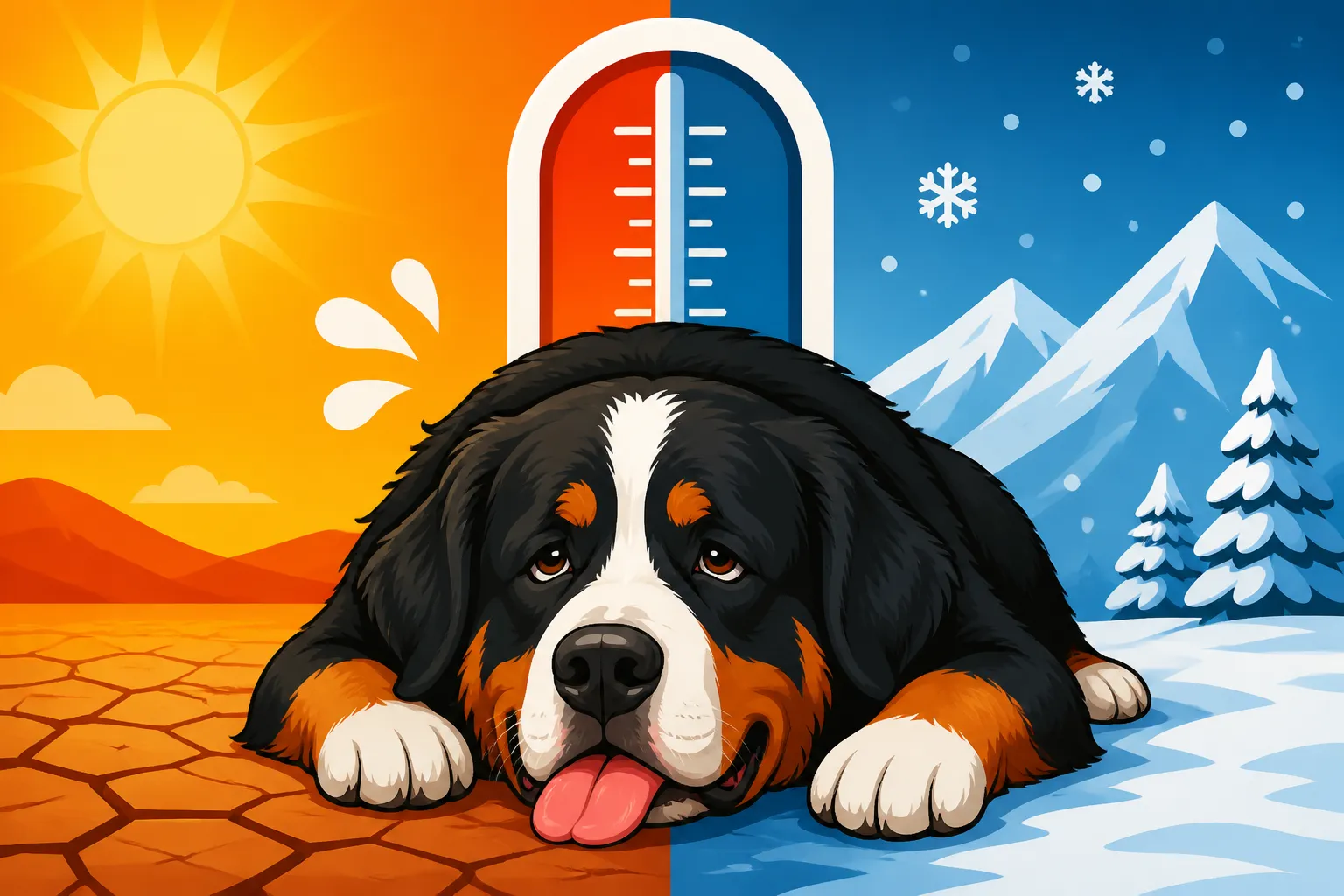
Generally, once the ambient temperature hits 70-75°F (21-24°C), you need to start being cautious with your Bernese Mountain Dog, especially if there's any humidity. As the temperature rises above 80°F (27°C), the risk escalates significantly, and prolonged exposure or strenuous activity becomes extremely dangerous. When temperatures hit 85°F (29°C) and higher, especially with high humidity, even a short walk or time spent outdoors can lead to heatstroke.
However, it's not just the number. Humidity plays a massive role. High humidity makes it harder for dogs to cool themselves through panting because the air is already saturated with moisture, reducing the efficiency of evaporative cooling. A 75°F day with 80% humidity can be far more dangerous than an 85°F day with low humidity. Always check the heat index or "feels like" temperature, not just the dry bulb temperature. Your local forecast often provides this.
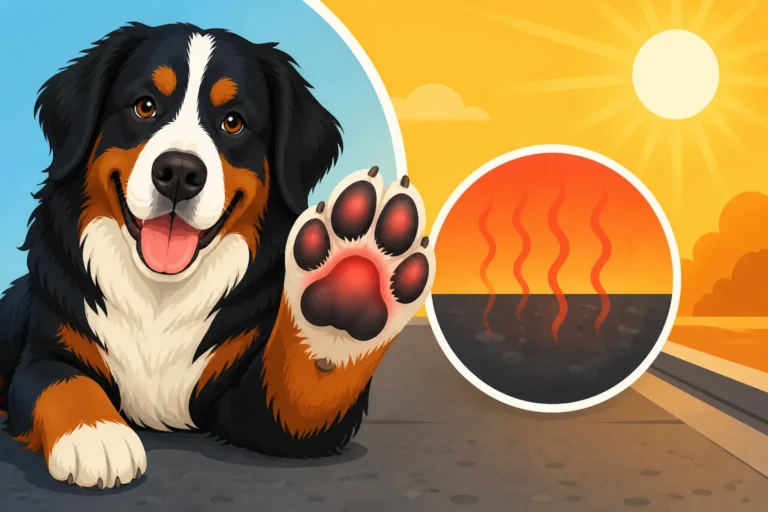
Consider this scenario: It's a sunny 78°F day with 60% humidity. You think, "Oh, it's not that hot." But for your Berner, that combination can be incredibly challenging. If your dog is running around in the yard, chasing squirrels, their internal temperature can climb at an alarming rate. What seems like comfortable weather for you might be pushing your Berner to their limits. This is also why you need to be mindful of "Pavement Temperature and a Bernese Mountain Dog's Pads", as dark surfaces absorb heat and can burn paws, adding another layer of discomfort and stress.
Subtle Clues: Early Signs of Overheating
Before full-blown heatstroke sets in, your Berner will usually give you some subtle, yet critical, clues that they're struggling. These are your early warning signals to take action immediately:
- Excessive Panting: While some panting is normal, if it's rapid, heavy, and doesn't subside quickly even when resting, it's a red flag. Their chest might heave visibly, and their tongue might hang out further than usual.
- Increased Thirst: They'll be gulping water, trying to rehydrate and cool down internally.
- Lethargy or Weakness: A normally playful Berner might become unusually sluggish, lie down frequently, or seem uninterested in their usual activities.
- Dark Red Gums: Their gums might appear darker red than their normal healthy pink.
- Thick, Ropy Saliva: The saliva might become thick and sticky due to dehydration.
- Seeking Shade or Cool Surfaces: They'll instinctively try to find the coolest spot available, whether it's a shady patch or a cold tile floor.
If you notice any of these signs, don't wait. Get your dog to a cooler environment immediately, offer fresh water, and begin mild cooling measures (more on that below).
Emergency Signals: When Heatstroke Takes Hold
Heatstroke is a medical emergency that can rapidly become life-threatening. When your Bernese Mountain Dog reaches this stage, immediate veterinary intervention is critical. The signs are more severe and indicate their body's systems are beginning to shut down:
- Collapse or Stumbling: They may lose coordination, stagger, or collapse entirely.
- Vomiting and Diarrhea: Often severe, potentially bloody.
- Bright Red or Pale Gums: Gums can become bright red initially, then turn pale or even bluish as circulation fails.
- Glassy Eyes: Their eyes may appear glazed over, indicating severe distress.
- Rapid Heart Rate: You might feel their heart racing if you place your hand on their chest.
- Seizures or Unconsciousness: In the most severe cases, neurological symptoms like seizures or loss of consciousness can occur.
If you observe any of these symptoms, consider it a dire emergency. Every minute counts. Start basic first aid cooling measures and get your Berner to the nearest emergency vet clinic immediately. Learning "How Fast Bloat Kills a Bernese Mountain Dog" often highlights the need for quick action in medical emergencies, and heatstroke is no different in its urgency. Companies like Healthy Paws can be a real blessing in these unexpected, high-stress situations, helping cover the costs of emergency treatment when every second counts.
Proactive Measures: Keeping Your Berner Comfortable and Safe
Preventing your Bernese Mountain Dog from overheating is always better than trying to treat heatstroke. With a little planning and consistent vigilance, you can ensure your big, beautiful companion enjoys the warmer months safely, even if they can't frolic in the snow year-round. It's about adjusting your routines and creating a comfortable environment tailored to their needs.
Strategic Scheduling and Exercise Adjustments
The most impactful change you can make is adjusting when and how your Berner gets their exercise and outdoor time. Those midday romps in the park are simply not an option for a Bernese Mountain Dog once temperatures start to climb.
- Early Mornings and Late Evenings: This is the golden rule. Plan walks, potty breaks, and playtime for the coolest parts of the day – dawn or late evening after the sun has set and the pavement has cooled. Even then, keep it brief and observe your dog closely. You want to avoid "The Hours a Bernese Mountain Dog Should Not Walk" altogether.
- Monitor Pavement Temperature: Asphalt and concrete can absorb and retain heat, becoming dangerously hot for paws. If it's too hot for your bare hand, it's too hot for their paws. Stick to grassy areas or walk during cooler times.
- Short, Gentle Exercise: Trade intense games of fetch for leisurely sniff-walks or short, shaded strolls. Remember, even a short burst of activity can generate a lot of internal heat for a large dog.
- Consider Water Activities: If your Berner enjoys it and you have a safe, clean body of water, swimming can be an excellent way for them to cool off and get exercise. Just ensure they are supervised and have easy access in and out of the water. Just make sure the water is clean and safe, and they don't ingest too much of it.
Creating a Cool Haven at Home
Your home needs to be a sanctuary from the heat for your Bernese Mountain Dog. They should always have access to the coolest parts of the house.
- Air Conditioning or Fans: This is often non-negotiable for Berners in warm climates. Keep your home comfortably cool. If you don't have AC, strategic fan placement can help circulate air, especially near their resting spots. Close blinds and curtains during the day to block direct sunlight.
- Cooling Mats and Elevated Beds: These can make a huge difference. Cooling mats, often gel-filled, absorb body heat, providing a cool surface. Elevated beds allow air to circulate underneath, preventing heat from building up. Providing "Cooling Mats and Where a Bernese Mountain Dog Lies" can greatly improve their comfort.
- Access to Cool Surfaces: Many Berners instinctively seek out tile floors, basements, or shaded concrete patios. Ensure these areas are always accessible to them.
- Frozen Treats: Ice cubes in their water, frozen Kongs filled with peanut butter, or other dog-safe frozen treats can offer a nice internal cool-down.
- Grooming: Regular, thorough brushing, especially during shedding seasons, helps remove loose undercoat. This allows air to circulate closer to the skin and improves their natural cooling mechanisms. A well-groomed coat is a healthier, cooler coat.
Hydration and Cooling Aids
Water is your Berner's best friend in warm weather, and there are other aids that can provide relief.
- Constant Access to Fresh Water: Always have multiple bowls of fresh, cool water available inside and outside. Consider a large ceramic bowl that stays cooler longer or even a pet fountain to encourage drinking.
- Add Ice to Water: A few ice cubes in their water bowl can make it more appealing and help with internal cooling.
- Wading Pools: A shallow kiddie pool filled with a few inches of water in a shaded spot can be a great way for your Berner to cool their paws and belly. Many Berners love to splash!
- Cooling Vests or Bandanas: These products, often soaked in water and then worn, can provide temporary cooling through evaporation. Ensure they don't cause too much dampness on the skin for long periods, which can lead to other issues.
- Misting: A gentle misting of their coat with a spray bottle can help, especially around their armpits and groin, but avoid over-saturating their dense coat which could trap heat.
Recognizing a True Emergency: When to Call the Vet
Knowing when your Bernese Mountain Dog is merely warm versus when they are in a life-threatening situation is paramount. Early intervention for heatstroke is absolutely critical for a positive outcome. This is where your vigilance can truly save a life.
Acting Fast: The Golden Hour for Heatstroke
If your Bernese Mountain Dog exhibits any of the severe heatstroke symptoms mentioned earlier (collapse, vomiting, seizures), consider it an extreme emergency. The "golden hour" concept in human trauma care applies to heatstroke in dogs as well: the sooner treatment begins, the better the prognosis.
- Immediate Cooling: While en route to the vet, begin aggressive but safe cooling. Get your dog into an air-conditioned car. Apply cool (not ice cold) water to their body, focusing on the groin, armpits, and paw pads. Use towels soaked in cool water. Direct a fan on them if possible. Do NOT use ice water or immerse them in ice baths, as this can cause peripheral vasoconstriction, trapping heat in their core and potentially causing shock.
- Contact Your Vet: Call ahead to the veterinary clinic or emergency hospital to let them know you're coming and the situation. This allows them to prepare for your arrival and begin treatment protocols immediately.
- Monitor Temperature: If you have a rectal thermometer, carefully take your dog's temperature. Stop active cooling once their temperature drops to around 103°F (39.4°C) to prevent overcooling and hypothermia, but continue passive cooling (like fans or wet towels) and get to the vet.
Heatstroke can cause rapid and severe damage to multiple organ systems, including the brain, kidneys, liver, and heart. The financial burden of such an emergency can be substantial, often involving IV fluids, medications, and overnight hospital stays. Having a reliable pet insurance provider like Healthy Paws can alleviate some of this stress, allowing you to focus entirely on your dog's recovery without the added worry of exorbitant veterinary bills. It's an investment in peace of mind.
Post-Crisis Care and Recovery
Even if your Berner survives a heatstroke episode, they may face a long road to recovery. Organ damage, particularly to the kidneys or liver, might not be immediately apparent and can lead to long-term health issues. Your vet will recommend follow-up appointments and potentially additional blood work or other diagnostics to monitor their internal organ function.
During recovery, your Berner will need a quiet, cool environment and strict adherence to your vet's instructions. They may need specific dietary changes or medications to support organ recovery. It's a reminder that prevention is always the best medicine, and understanding "Lasting Damage After a Bernese Mountain Dog Overheats" underscores the importance of avoiding these situations entirely. Regular check-ups, as discussed in "Seeing the Vet Twice a Year With a Berner", become even more critical after such an event to monitor their overall health and well-being.
Temperature Guidelines and Action Plan for Your Bernese Mountain Dog
To help you quickly assess risk and take appropriate action, here's a general guideline for Bernese Mountain Dogs based on ambient temperature and typical activity levels. Remember that humidity significantly increases risk at any given temperature.
| Ambient Temperature Range (Fahrenheit/Celsius) | Risk Level | Recommended Actions for Bernese Mountain Dogs |
|---|---|---|
| Below 60°F / 15°C | Low | Normal activity, enjoyable for Berners. Still ensure hydration. |
| 60-70°F / 15-21°C | Moderate | Good for walks, but monitor for panting during strenuous activity. Ensure access to water. |
| 70-75°F / 21-24°C | Elevated | Caution is key. Shorten walks, avoid strenuous exercise. Stick to early morning/late evening. Provide ample water, access to cool indoors. Consider cooling vests/mats. |
| 75-80°F / 24-27°C | High | Significant risk. Very short potty breaks only, strictly during coolest parts of day. No exercise outdoors. Keep indoors in AC. Use all cooling aids. |
| Above 80°F / 27°C | Extreme | Dangerous. Avoid outdoor exposure entirely except for quick, supervised potty breaks in shade. Monitor constantly for signs of overheating. Maintain strict indoor cooling. |
Note: These are general guidelines. Individual Bernese Mountain Dogs may have different tolerances based on age, health, and acclimatization. Always prioritize your dog's comfort and observe their behavior.
Keeping your Bernese Mountain Dog safe and healthy in warmer weather requires constant awareness and proactive steps. They rely on you to understand their unique needs and protect them from environments that are inherently challenging for their breed. By implementing these strategies, you can help your Berner not just cope, but thrive, through all seasons.
Disclaimer
This guide offers general information and recommendations. Every Bernese Mountain Dog is an individual, and health needs can vary. Always consult with your veterinarian for personalized advice regarding your dog's specific health concerns, especially in cases of suspected heatstroke or other medical emergencies.