Tacking a Bernese Mountain Dog’s Stomach
The sudden, terrifying onset of bloat, or Gastric Dilatation-Volvulus (GDV), is a nightmare scenario for any Bernese Mountain Dog owner. This life-threatening condition can turn a happy, healthy dog into a critical emergency in a matter of hours, often with fatal consequences. This comprehensive guide is here to walk you through understanding why Berners are so susceptible, what surgical stomach tacking (gastropexy) involves, and how this preventative measure can offer peace of mind and potentially save your beloved companion’s life.
Understanding Bloat and Its Terrifying Reality for Bernese Mountain Dogs
When you own a Bernese Mountain Dog, the word "bloat" often hangs in the air like a looming threat. It's not just a concern; for our deep-chested, large-breed companions, it's a very real and devastating risk. Knowing what it is and why it's such a danger is the first step in protecting your furry family member.
What Happens During Bloat GDV
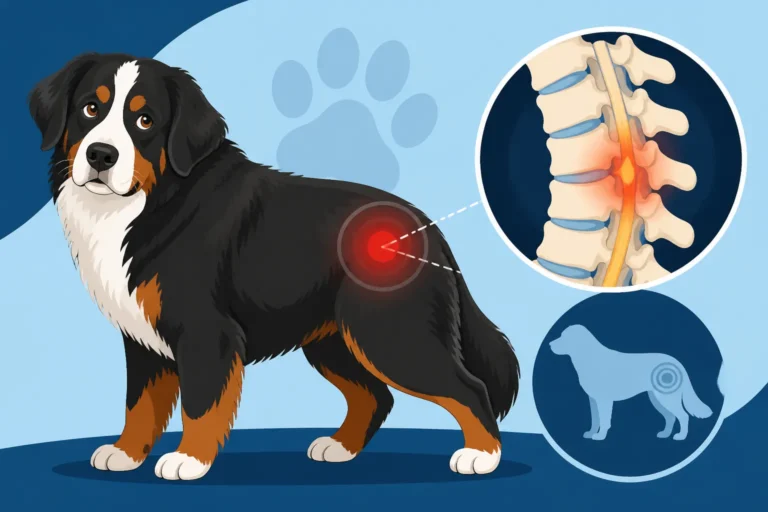
Bloat, medically known as Gastric Dilatation-Volvulus (GDV), isn't just a tummy ache. It's a critical emergency where a dog's stomach rapidly fills with gas, food, or fluid, then twists on itself. Imagine a balloon inflating inside your dog, then tying a knot in its neck – that's essentially what happens. This twisting, or volvulus, traps the contents and gas, cutting off blood supply to the stomach and often the spleen. The pressure builds, impacting breathing and circulation, and without immediate intervention, it leads to shock and death. The speed at which this can escalate is truly frightening; one moment your Berner might seem fine, the next they could be showing severe signs of distress. It’s a race against time, and every minute counts.
Why Berners Are So Susceptible
Bernese Mountain Dogs, like many other large and giant breeds with deep, narrow chests, are unfortunately predisposed to bloat. This anatomical conformation allows more room for the stomach to shift and twist. Beyond their build, several other factors contribute to their heightened risk. Genetics play a role; if a Berner's parents or close relatives experienced bloat, their offspring might have a higher chance. Eating habits, too, are often implicated. Dogs who eat very quickly, gulping down air with their food, or those who are highly stressed around mealtimes, can be at increased risk. High-intensity exercise right after eating or drinking large amounts of water can also be triggers. It's a cruel twist of fate that such magnificent, gentle giants are so vulnerable to this silent killer. Understanding these risk factors is crucial for prevention, even with a gastropexy.
The Urgency of Recognizing Symptoms
Given the rapid progression of GDV, recognizing the symptoms immediately is paramount. Time is absolutely of the essence, and often, you have mere minutes to act. Early signs can be subtle, like restlessness, pacing, or discomfort. As the condition worsens, you might see unproductive retching or gagging – they look like they’re trying to vomit but nothing comes up. Their abdomen will often appear swollen and tight, especially on the left side, and if you tap it, it might sound hollow. Your Berner might drool excessively, whine, pant heavily, or become weak and collapse. Their gums can become pale, and their heart rate might be elevated. This isn't a condition where you "wait and see." If you suspect bloat, even slightly, it's an immediate trip to the emergency veterinary clinic. You need to know How Fast Bloat Kills a Bernese Mountain Dog, and believe me, it’s terrifyingly quick. Don't hesitate; it could mean the difference between life and death for your cherished companion.
What is a Gastropexy and How Does It Work?
For many Bernese Mountain Dog owners, the idea of bloat is so terrifying that they seek out preventative measures. This is where a gastropexy comes into play – a surgical procedure specifically designed to prevent the most dangerous aspect of bloat: the twisting of the stomach.
The Surgical Procedure Explained
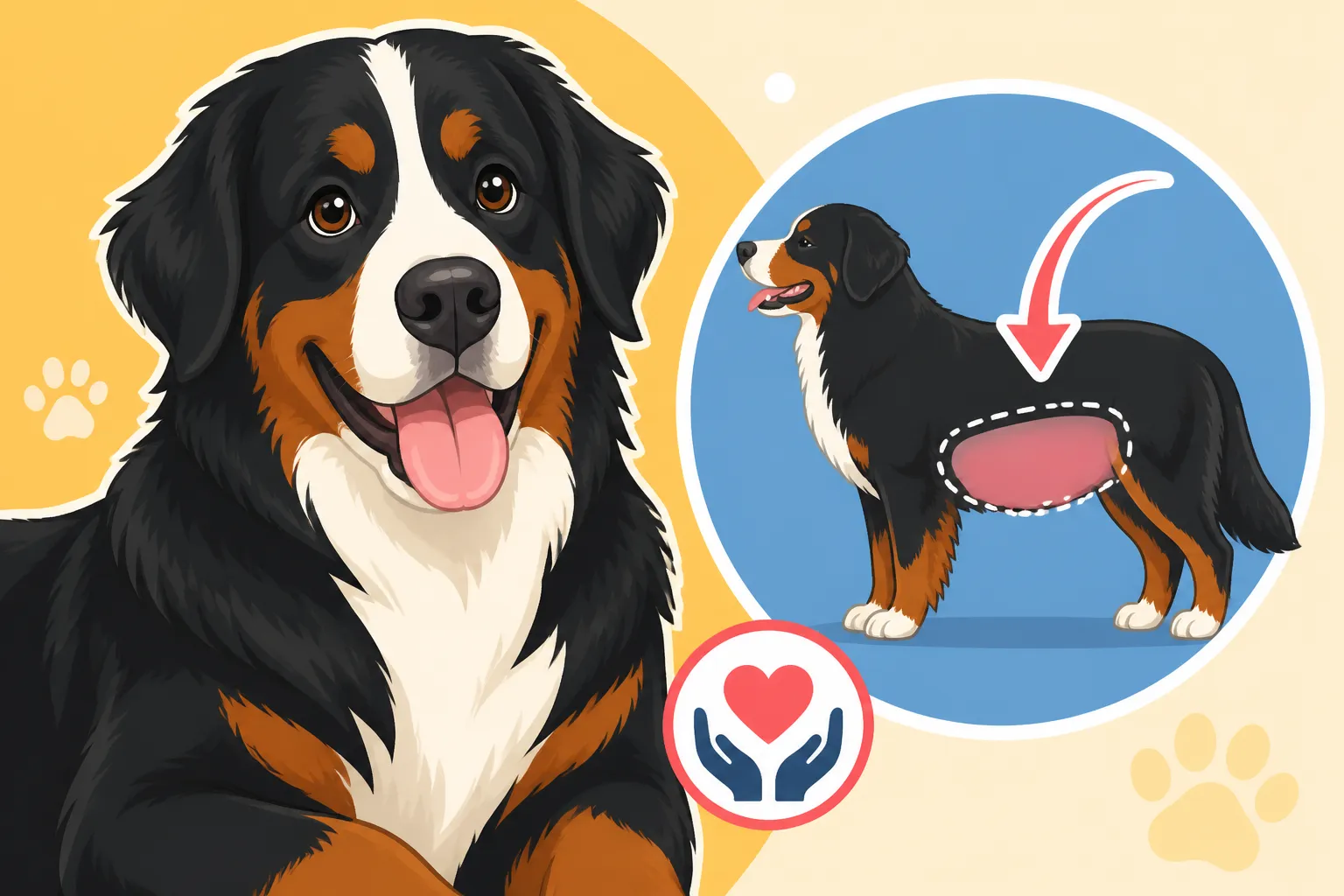
A gastropexy, often referred to as "stomach tacking," is a surgical procedure where the stomach is permanently attached to the inner wall of the abdomen. The most common technique involves attaching a section of the stomach wall to the right side of the abdominal wall. This creates a permanent adhesion, preventing the stomach from being able to flip or twist on itself. The procedure effectively staples the stomach in place, ensuring that even if it dilates with gas (bloats), it cannot rotate into the life-threatening volvulus position. There are different approaches to performing a gastropexy, ranging from traditional open surgery to minimally invasive laparoscopic techniques, which we’ll delve into shortly. The goal, regardless of method, is to secure the stomach, providing a critical layer of protection against the most severe consequence of bloat.
The Goal: Preventing Gastric Torsion
It’s vital to understand what a gastropexy does and does not do. The primary goal of this procedure is to prevent gastric torsion – the twisting of the stomach. It effectively eliminates the "volvulus" part of GDV. What it doesn't prevent is the initial gastric dilatation, or the stomach filling with gas. Your Berner can still experience bloat (gas accumulation), but because the stomach is tacked, it cannot twist. While bloat itself can still cause discomfort and may require veterinary attention, it’s generally not immediately life-threatening in the same way GDV is, as the blood supply isn't cut off and gas can eventually escape or be relieved more easily. This distinction is crucial for managing expectations and understanding the true protective benefit of the surgery.
Types of Gastropexy Procedures
Veterinary medicine has advanced, offering several ways to perform a gastropexy, each with its own advantages and considerations.
- Open Gastropexy: This is the traditional method, involving a larger incision in the abdomen to directly access the stomach and tack it to the abdominal wall. While more invasive, it's often straightforward for surgeons and can be performed alongside other necessary abdominal surgeries, such as spaying a female Bernese. The recovery time is typically longer due to the larger incision.
- Laparoscopic Gastropexy: This minimally invasive technique uses a camera and specialized instruments inserted through small incisions. The surgeon views the internal organs on a monitor and performs the tacking with precision. Laparoscopic surgery generally results in less pain, smaller incisions, and a faster recovery for the dog. However, it requires specialized equipment and expertise, so not all veterinary clinics offer it.
- Laparoscopy-Assisted Gastropexy: This combines aspects of both, often starting laparoscopically to visualize and then making a slightly larger, but still smaller than open, incision to secure the stomach. This can be a good middle-ground option, offering some of the benefits of laparoscopic surgery without the full cost or equipment requirements of a purely laparoscopic procedure.
Discussing these options with your veterinarian is crucial to determine the best approach for your Bernese Mountain Dog, considering their health, your budget, and the available facilities.
Deciding If Gastropexy is Right for Your Berner
Making the decision to put your healthy dog through surgery is never easy. However, when it comes to the Bernese Mountain Dog breed and the very real threat of bloat, a gastropexy is a conversation every owner should have with their vet.
Proactive Prevention vs. Reactive Emergency
This is truly the core of the gastropexy decision. Without a gastropexy, if your Berner experiences bloat, it becomes a desperate race against time to get them to emergency surgery. The statistics for GDV are grim; even with immediate veterinary care, survival rates can be as low as 50-80%, and emergency surgery is incredibly expensive and carries significant risks due to the dog's compromised state. Performing a gastropexy proactively, on the other hand, is a scheduled procedure on a healthy dog. The risks associated with anesthesia and surgery are generally lower when the patient is not in a state of emergency shock. It's about trading the immense stress, financial burden, and lower success rate of an emergency surgery for a planned, lower-risk preventative measure. For many, the peace of mind knowing their dog is protected from the fatal twist is invaluable.
Considering Age and Health Status
Timing is an important factor when considering a gastropexy. For puppies, if you have a female Bernese Mountain Dog, it's often recommended to perform the gastropexy at the same time as her spay surgery. This allows for one anesthetic event and one recovery period, simplifying the process for both dog and owner. The ideal age for spaying is a topic to discuss with your vet, but typically it falls between 6 months and 2 years. For males, or for dogs that are already spayed/neutered, the procedure can be done anytime. However, performing it when they are younger and healthier generally carries fewer risks. An older Bernese Mountain Dog might have underlying health conditions that could increase anesthetic risk, so a thorough pre-surgical workup is essential. The general consensus is that earlier is better, ideally before any bloat episode occurs. This way, your Berner can benefit from the protection throughout their adult life. You might want to consider Adding a Gastropexy to a Bernese Mountain Dog's Spay if the timing aligns.
Discussing Risks and Benefits with Your Vet
Before making any decisions, a detailed conversation with your veterinarian is absolutely non-negotiable. They are your best resource for tailored advice concerning your individual Bernese Mountain Dog. They will assess your dog's overall health, review their medical history, and conduct necessary pre-surgical blood work to ensure they are a good candidate for anesthesia and surgery.
Your vet will explain the specific benefits of a gastropexy for your Berner, reiterating its effectiveness in preventing torsion. They will also outline the potential risks involved with any surgery, including complications from anesthesia, infection at the incision site, bleeding, or rare adverse reactions. While the risks are generally low in a healthy dog, it’s important to understand them fully. Questions to ask might include:
- What are the specific risks for my dog, given their age and health?
- Which surgical technique do you recommend and why?
- What is the estimated recovery time?
- What post-operative care will be needed?
- What are the total estimated costs?
This open dialogue will empower you to make an informed decision that prioritizes your Bernese Mountain Dog's long-term health and well-being. It’s important to understand Whether a Bernese Mountain Dog Handles Anesthesia Well and what steps your vet takes to minimize risks.
The Gastropexy Procedure: Before, During, and After
Deciding to go ahead with a gastropexy is a big step, but knowing what to expect can help ease any anxieties you might have. From preparation to recovery, being well-informed makes the process smoother for everyone involved.
Pre-Surgery Preparations
Getting your Bernese Mountain Dog ready for their gastropexy involves a few important steps to ensure they are in the best possible condition for surgery and anesthesia. Your veterinarian will typically perform a full physical examination, along with comprehensive blood work. This pre-anesthetic blood panel assesses organ function, red and white blood cell counts, and clotting abilities, ensuring there are no hidden issues that could complicate the procedure. It's an essential safety measure, especially when considering Putting a Hundred Pound Bernese Mountain Dog Under anesthesia.
You'll usually be instructed to withhold food for 8-12 hours before the surgery, and sometimes water for a few hours as well, to prevent nausea and aspiration during anesthesia. Your vet will provide specific instructions for your dog. On the day of the surgery, you'll bring your Berner to the clinic, and a veterinary technician or vet will review the consent forms, answer any last-minute questions, and discuss the care plan. This is a good time to confirm contact information and how you’ll be updated during the procedure. Preparing your home for their return, with a comfortable, quiet resting area, is also a smart move before the big day.
The Surgical Day Experience
On the day of surgery, your Bernese Mountain Dog will first receive a sedative to help them relax. Then, an intravenous (IV) catheter will be placed to administer fluids and medications, including the anesthetic. Once under general anesthesia, the surgical site (typically the abdomen) will be shaved and thoroughly cleaned to minimize the risk of infection. The surgical team will monitor vital signs closely, including heart rate, breathing, blood pressure, and oxygen levels, throughout the entire procedure.
Whether it's an open or laparoscopic gastropexy, the surgeon will carefully access the stomach, position it correctly, and secure it to the abdominal wall using sutures or surgical staples. If your Berner is also being spayed or neutered, that procedure will often be performed simultaneously. Once the gastropexy is complete, all incisions are meticulously closed. Your dog will then be moved to a recovery area, where veterinary staff will continue to monitor them closely as they wake up from anesthesia. The goal is a smooth recovery, with pain management starting immediately.
Post-Operative Care and Recovery
The recovery period after a gastropexy is crucial for proper healing and involves careful management at home. When your Bernese Mountain Dog comes home, they will likely still be a bit groggy and might have some mild discomfort. Your vet will send them home with pain medication, and it's essential to administer this exactly as prescribed to keep your Berner comfortable.
Activity restriction is paramount. For the first 10-14 days, your dog will need to be kept quiet. This means no running, jumping, stairs, or rough play. Leash walks for bathroom breaks only are the rule. Too much activity can stress the surgical site and disrupt the healing process, or even worse, compromise the gastropexy. You'll also need to monitor the incision site daily for any signs of redness, swelling, discharge, or if your dog is licking or chewing at it. An Elizabethan collar (e-collar or "cone") will likely be necessary to prevent them from interfering with the incision, as self-trauma can lead to infection and dehiscence (opening of the wound). Follow your vet’s instructions regarding feeding, as they might recommend smaller, more frequent meals for a few days post-op. A follow-up appointment will be scheduled to remove sutures (if non-dissolvable) and ensure everything is healing well.
Costs and Insurance Considerations for Gastropexy
Understanding the financial aspect of a gastropexy is a significant part of the decision-making process. While it's an investment, it's often one that can pay dividends in peace of mind and, potentially, in avoided emergency costs.
Breaking Down the Cost
The cost of a gastropexy can vary quite a bit depending on several factors. First, the type of procedure plays a big role: a traditional open gastropexy is often less expensive than a laparoscopic one, which requires specialized equipment and training. Location also matters; veterinary costs can differ significantly between urban and rural areas, and even from one veterinary practice to another. The specific clinic, their facilities, and their pricing structure will all influence the final bill.
Generally, the cost of a preventative gastropexy can range from several hundred dollars to well over a thousand. This usually includes:
- Pre-anesthetic blood work
- Anesthesia (including monitoring)
- The surgical procedure itself
- Post-operative pain medication
- Overnight stay (if required)
- Follow-up visits for suture removal
If the gastropexy is performed at the same time as a spay or neuter, the total cost might be slightly higher than just the spay/neuter alone, but typically less than two separate procedures. It's always best to get a detailed estimate from your veterinarian, clearly outlining all expected charges. For a more detailed breakdown, you can read What a Gastropexy Costs for a Bernese Mountain Dog.
The Value of Pet Insurance
This is where pet insurance, like plans from Healthy Paws, can truly shine. Proactive gastropexies are often covered by comprehensive pet insurance policies, especially if it's considered a preventative procedure for a breed at high risk for GDV. However, it's critical to check your specific policy details and limitations before the surgery. Many policies have waiting periods before coverage for certain conditions or procedures begins, so it's wise to enroll your Bernese Mountain Dog in pet insurance as early as possible.
A good pet insurance policy from a provider like Healthy Paws can reimburse a significant portion of your veterinary bills, reducing your out-of-pocket expenses. This is not just for planned surgeries, but also, critically, for unexpected emergencies. While a gastropexy helps prevent torsion, it doesn't eliminate all risks, and having insurance can protect you from other unforeseen health challenges your Berner might face. Investing in a robust pet insurance plan is a way to budget for potential future healthcare needs and ensure you can always make the best medical decisions for your dog, rather than being limited by cost.
Comparing Preventative Costs to Emergency Treatment
Let's put this into perspective with a quick comparison. The cost of an emergency GDV surgery is astronomically higher than a planned, preventative gastropexy.
| Cost Comparison | Preventative Gastropexy (Planned) | Emergency GDV Surgery (Unplanned) |
|---|---|---|
| Typical Cost Range | $800 – $2,500+ | $3,000 – $8,000+ |
| Anesthesia Risk | Lower (healthy patient) | Higher (patient in shock) |
| Survival Rate | N/A (preventative) | 50-80% (even with treatment) |
| Post-Op Complications | Generally lower | Higher (due to severity) |
| Stress for Owner/Dog | Planned, controlled | Extreme, urgent |
| Insurance Coverage | Often covered (check policy) | Usually covered (check policy) |
As you can see from the table, the upfront cost of a preventative gastropexy, while not insignificant, is often a fraction of what you would face in an emergency situation. An emergency GDV surgery involves not only the surgical procedure itself but also extensive diagnostics, IV fluids, medications for shock, and often days of critical care in the hospital. The bill for The Night Bill When a Bernese Mountain Dog Bloats can easily reach several thousands of dollars, a figure that can cause immense financial strain on top of the emotional distress. Choosing a gastropexy is not just about a medical procedure; it's a strategic investment in your Bernese Mountain Dog's future health and your financial stability as a pet parent. Many pet owners find solace knowing their Healthy Paws plan would assist if an emergency, despite best efforts, were to occur.
Living with a Tacked Stomach: Expectations and Remaining Vigilance
Even after a successful gastropexy, it's important to understand that while the risk of gastric torsion is virtually eliminated, vigilance and good care practices remain essential for your Bernese Mountain Dog's overall digestive health.
What Gastropexy Does and Doesn't Prevent
Let's reiterate this crucial point: a gastropexy permanently attaches the stomach to the abdominal wall, preventing it from twisting. This is the life-saving benefit that makes the procedure so valuable for deep-chested breeds like Berners. However, it’s not a magic bullet against all digestive issues. Your Bernese Mountain Dog can still experience gastric dilatation, meaning their stomach can still fill with gas, expand, and cause discomfort. The difference is that it won't twist, thus avoiding the catastrophic consequences of compromised blood flow and organ damage.
So, while the most deadly aspect of bloat is prevented, symptoms like excessive drooling, unproductive retching, or a distended abdomen might still occur if your dog overeats, eats too quickly, or experiences significant stress around meal times. These instances still warrant attention and possibly a call to your vet, but they are far less critical than an actual GDV episode. It's important for owners to remember that Whether Gastropexy Ends the Risk for a Bernese Mountain Dog completely is often misunderstood; it significantly mitigates the deadly risk, but not all digestive discomfort.
Ongoing Bloat Prevention Strategies
Even with a tacked stomach, continuing with good practices that minimize the chance of gastric dilatation is wise. These strategies complement the gastropexy and promote overall digestive health for your Bernese Mountain Dog:
- Slow Feeding: This is paramount. For Berners who are notorious gobblers, using a slow-feeder bowl or spreading their food on a lick mat can significantly reduce the amount of air they ingest with their meals. Several brands offer excellent slow-feeder options designed for large breeds.
- Multiple Small Meals: Instead of one or two large meals a day, consider feeding your Berner 2-3 smaller meals. This reduces the volume of food in the stomach at any one time, lessening the chance of excessive gas buildup.
- Rest Before and After Eating: Avoid strenuous exercise or vigorous play for at least an hour before and two hours after meals. Activities like running or jumping on a full stomach can contribute to gas accumulation and discomfort. This directly ties into advice like Whether Exercise After Eating Bloats a Bernese Mountain Dog.
- Managing Stress: Some dogs are anxious eaters. Creating a calm, quiet environment for mealtimes can help reduce stress-related gulping and improve digestion.
- Water Access: Ensure your Berner always has access to fresh water, but discourage guzzling large quantities immediately after eating or heavy exercise. Sometimes, removing the water bowl for a short period after a meal can help, but always ensure they rehydrate properly.
- Elevated Bowls (Controversial): For a long time, elevated food bowls were recommended to prevent bloat. However, recent studies have shown conflicting results, with some even suggesting they might increase risk in certain breeds. It's best to discuss this specifically with your vet, considering your dog's individual needs and comfort. For many, feeding at ground level is perfectly acceptable, especially if combined with slow-feeding techniques.
Recognizing Other Gastrointestinal Issues
A gastropexy protects against torsion, but your Bernese Mountain Dog can still experience other gastrointestinal problems that require veterinary attention. These could include:
- Dietary Indiscretion: Eating something they shouldn't, leading to vomiting or diarrhea.
- Food Sensitivities or Allergies: Manifesting as chronic digestive upset, skin issues, or itching.
- Pancreatitis: Inflammation of the pancreas, causing severe abdominal pain, vomiting, and lethargy.
- Inflammatory Bowel Disease (IBD): A chronic condition causing inflammation in the digestive tract.
- Intestinal Obstructions: Caused by swallowing foreign objects, leading to blockages.
- Gastritis or Enteritis: General inflammation of the stomach or intestines.
While the immediate terror of a twisted stomach is off the table, it’s crucial to remain attentive to any changes in your Bernese Mountain Dog's eating habits, stool quality, or general demeanor. Any persistent vomiting, diarrhea, lethargy, loss of appetite, or unexplained abdominal pain should always prompt a call to your veterinarian. Early intervention for any health issue, even non-life-threatening ones, is always the best course of action for your Berner's well-being. A pet insurance provider like Healthy Paws can be a great asset for these unexpected illnesses, providing financial support when you need it most.
Disclaimer
The information provided in this guide is for general informational purposes only and does not constitute veterinary advice. Always consult with a qualified veterinarian for any health concerns or before making any decisions about your Bernese Mountain Dog's care, including surgical procedures. Individual circumstances and health conditions can vary.