Exercising a Bernese Mountain Dog in Summer
The summer months can be a true challenge for Bernese Mountain Dog owners. You want your beloved companion to enjoy the great outdoors, revel in walks, and burn off some energy, but the sweltering heat often makes even a short stroll a dangerous proposition. This comprehensive guide will walk you through the nuances of safely exercising your Bernese Mountain Dog during the warmer seasons, ensuring their health and happiness remain paramount.
Understanding the Bernese Mountain Dog's Vulnerability to Heat
It's a common misconception that all dogs handle heat the same way. For a Bernese Mountain Dog, built for the cool Swiss Alps, summer can pose significant health risks. Their physical characteristics, while charming, are simply not designed for sustained activity in high temperatures.
The Double Coat Dilemma
Just look at your Berner – that glorious, thick double coat is one of their most defining features. It’s what makes them so undeniably fluffy and perfect for snuggling. But while it provides incredible insulation against cold, keeping them warm in icy winters, it acts like a personal, non-removable winter jacket when the mercury rises. The dense undercoat, designed to trap air for warmth, now traps hot air against their body, making it incredibly difficult for them to cool down.
Imagine wearing a heavy wool sweater and a thick jacket on a hot, humid day – that's essentially what your Bernese Mountain Dog experiences. They can't simply shed layers like we can. This natural insulation, a blessing in winter, becomes a significant liability in summer, turning even mild exertion into a potential health hazard. Brushing out that undercoat regularly can help some, improving airflow, but it won't magically transform them into a desert-dwelling breed. It's a constant battle against their own beautiful genetics.
Brachycephalic Tendencies and Breathing Efficiency
While not as pronounced as a Bulldog or a Pug, Bernese Mountain Dogs do have a somewhat shorter muzzle compared to many other breeds. This anatomical feature means their respiratory system isn't as efficient at cooling as a dog with a longer snout. Dogs primarily cool themselves through panting. As they pant, air passes over the moist surfaces of their tongue, mouth, and respiratory tract, and the evaporation of this moisture helps to dissipate heat from their bodies.
With a slightly compressed airway, the Bernese Mountain Dog has to work harder to move the same volume of air, making the cooling process less effective. This reduced efficiency, combined with their dense coat, creates a perfect storm for overheating. When they are active, their body temperature rises, and their less-than-optimal cooling system struggles to keep up, leading to rapid heat accumulation. This is why you'll often see them panting more heavily and for longer periods than other dogs after even minor exertion in warm weather.
Size and Metabolic Heat Generation
Another crucial factor in a Bernese Mountain Dog's heat vulnerability is their sheer size and powerful build. A large, muscular dog like a Berner naturally generates more metabolic heat when exercising than a smaller, lighter breed. Think about the energy required to move a hundred pounds or more of dog around. All that muscle contraction creates heat, and the more intense or prolonged the activity, the more heat is produced.
This internal heat generation, combined with the external heat of summer and their inefficient cooling mechanisms, pushes them to their limits very quickly. A short burst of play that might be fine for a smaller dog could be enough to dangerously elevate a Bernese Mountain Dog's core temperature. It's a heavy burden for their bodies to manage, and it's why vigilance and careful planning are absolutely non-negotiable for their well-being in the warmer months.
Safe Summer Exercise Strategies
Knowing your Bernese Mountain Dog's susceptibility to heat is the first step; the next is implementing smart strategies to keep them active without putting them at risk. It’s all about working with the weather, not against it.
Timing is Everything: Early Mornings and Late Evenings
When the sun is blazing, the asphalt is radiating heat, and the air feels thick, that’s precisely when your Berner should be lounging indoors. The absolute golden rule for summer exercise with a Bernese Mountain Dog is timing. You need to plan your outings for the coolest parts of the day. This almost always means the very early morning, right as the sun is coming up, or late in the evening, after the sun has set and the ground has had a chance to cool.
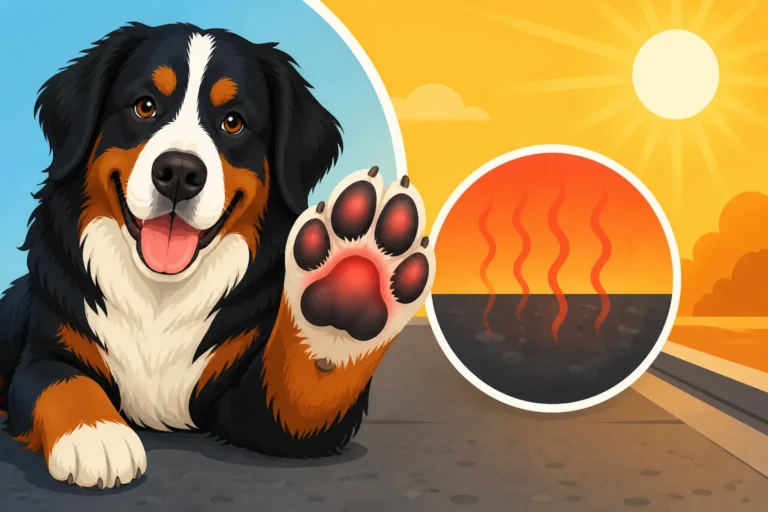
Even on seemingly mild summer days, pavement temperatures can be deceptively high. If you can’t comfortably hold the back of your hand to the asphalt for ten seconds, it’s too hot for your dog’s paws. That radiating heat from the ground also contributes significantly to their overall body temperature. Always check the weather forecast for both temperature and humidity. High humidity makes it even harder for dogs to cool down through panting because the air is already saturated with moisture, hindering evaporation. Be mindful that The Temperature a Bernese Mountain Dog Stops Coping can be surprisingly low.
| Time of Day | Temperature/Conditions | Recommended Activity | Risk Level |
|---|---|---|---|
| 6 AM – 9 AM | Cool, low humidity | Short walk, potty break, gentle play | Low |
| 9 AM – 6 PM | Warm to hot, rising humidity | Indoor only, minimal outdoor potty | High |
| 6 PM – 9 PM | Cooling, lower humidity | Short walk, calm garden time | Medium |
| 9 PM onwards | Coolest, low humidity | Last potty break, quiet stroll | Low |
Choosing the Right Activities
Gone are the days of long hikes or strenuous games of fetch when the sun is high. Summer demands a shift in your Bernese Mountain Dog’s exercise routine to prioritize low-impact, low-intensity activities. Instead of pushing them to run or exert themselves heavily, focus on gentle movement and mental stimulation.
Swimming can be an excellent option for Berners who enjoy the water, as it provides a fantastic full-body workout without the risk of overheating. Just ensure it's a safe, clean body of water and that they're supervised, perhaps with a dog-specific life vest, especially if they’re new to swimming. Not all Berners are natural swimmers, so introduce them slowly. Otherwise, very short, leashed walks on grassy trails or in shaded parks are preferable to sidewalks. Avoid dog parks during peak heat, as the excitement and potential for intense play can quickly lead to overheating. For more on getting them wet, consider reading Whether a Bernese Mountain Dog Swims to Cool Off.
Indoor games, such as hide-and-seek with treats or puzzle toys, can also provide valuable mental stimulation when outdoor exercise is limited. Remember, the goal isn’t to exhaust them physically, but to keep them engaged and prevent boredom without compromising their safety.
Hydration and Cooling Measures
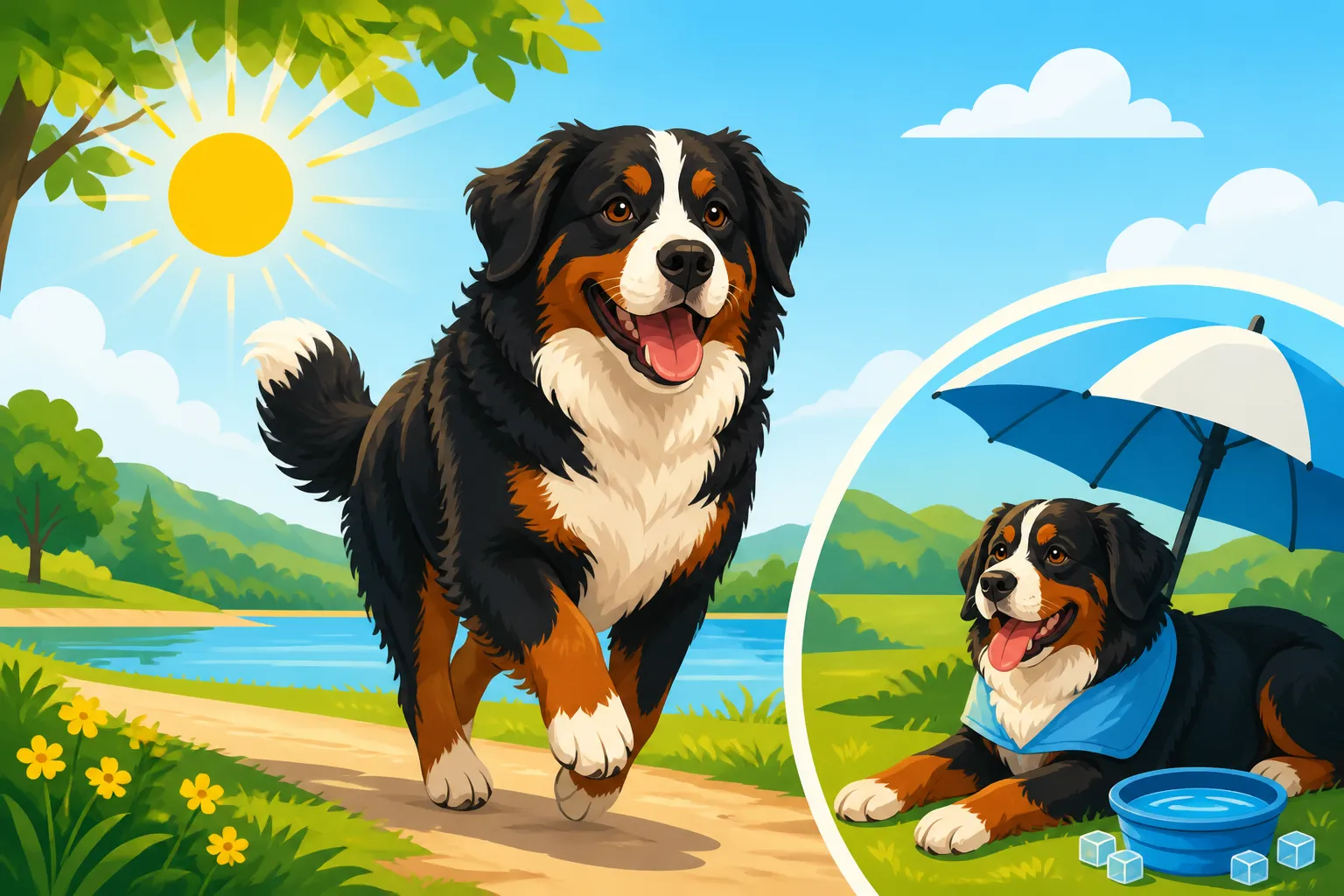
Staying hydrated is absolutely critical for any dog in warm weather, but especially for a Bernese Mountain Dog. Always, and I mean always, ensure your Berner has constant access to fresh, cool water, both indoors and out. Change their water frequently to keep it refreshing. When you do head out for those early morning or late evening walks, carry a portable water bottle and a collapsible bowl specifically for your dog. Offer them water every 10-15 minutes, even if they don't seem thirsty.
Beyond just drinking water, consider active cooling measures. There are many fantastic Cooling Gear for a Bernese Mountain Dog options on the market, from cooling vests that you wet down to cooling mats they can lie on indoors. A simple kiddie pool filled with a few inches of cool water in a shaded spot in your yard can be a lifesaver, allowing them to wade and cool their paws and belly. Some Berners love to splash, while others might just prefer to stand in it. These proactive steps can significantly reduce their risk of overheating during summer.
Recognizing and Responding to Heat Stress
Even with the best precautions, accidents can happen, or conditions can change unexpectedly. Knowing the signs of heat stress and how to react quickly is paramount for a Bernese Mountain Dog owner. Their large size and thick coat mean they can go from "a bit warm" to "critically overheated" in frighteningly little time.
Early Warning Signs
It's vital to be intimately familiar with the subtle and not-so-subtle cues that your Bernese Mountain Dog is struggling with the heat. The earliest signs of heat stress are often easy to miss if you're not paying close attention. Look for excessive panting that seems more rapid or labored than usual, especially if their tongue looks wider and longer than normal. They might start drooling more profusely, and their gums might appear darker red than their healthy pink. As they become more uncomfortable, you might notice them slowing down, becoming lethargic, or even showing signs of confusion or staggering.
Don't wait until these symptoms become severe. If you observe any of these early warning signs, stop all activity immediately. Move your dog to a cooler environment, whether that's the shade of a tree, an air-conditioned car, or back into your cool home. It's truly shocking How a Bernese Mountain Dog Behaves Before Heat Stroke, and it underscores how quickly you need to intervene. Early intervention can prevent a mild heat stress incident from escalating into a life-threatening emergency.
What to Do in an Emergency
If your Bernese Mountain Dog shows more severe signs of heatstroke — collapsing, vomiting, diarrhea, seizures, or loss of consciousness — this is a full-blown emergency. Time is absolutely critical. You need to act fast while also getting them to veterinary care as quickly as possible. Immediately move them to the coolest spot you can find. Begin actively cooling them with cool (not ice cold) water. Focus on areas where blood vessels are close to the surface: their paw pads, belly, inner thighs, and ears. You can use soaked towels or gently hose them down.
Offer small sips of cool water if they are conscious and able to drink. Do not force water. Continue cooling them on the way to the vet. Call ahead if possible, to let them know you're coming and what symptoms your dog is experiencing. They can be ready to receive your Berner immediately. Veterinary treatment for heatstroke can involve IV fluids, oxygen therapy, and monitoring for organ damage, and it can become incredibly costly very quickly. Having a robust pet insurance policy, such as one from Healthy Paws, can provide immense peace of mind in these critical situations, allowing you to focus on your dog's care without the added financial stress. For more on emergency cooling, see Cooling a Collapsed Bernese Mountain Dog in the Field.
Prevention is Key
Ultimately, preventing heat stress and heatstroke is always better than treating it. It’s about being proactive and establishing smart routines for your Bernese Mountain Dog during the warmer months. This means consistently monitoring weather conditions, sticking to the coolest times of day for any outdoor activity, and always having water and cooling gear on hand.
Remember that Berners are often eager to please, and they might try to keep up with you even when they're truly struggling. It's your responsibility as their guardian to know when enough is enough. Don't push them. Shorten walks, increase indoor playtime, and embrace the slower pace of summer. Always have a plan for how you'll keep them comfortable and safe, both at home and when you're out and about. By being consistently vigilant, you can ensure your Bernese Mountain Dog enjoys summer safely, even if it means fewer long adventures.
Long-Term Summer Care and Considerations
Summer isn't just about managing daily walks; it's about a holistic approach to your Bernese Mountain Dog's well-being throughout the hotter season. From grooming habits to indoor enrichment, every aspect plays a role in their comfort.
Regular Grooming and Shedding Management
While it might seem counterintuitive to keep a thick-coated dog groomed in summer, regular maintenance of your Bernese Mountain Dog's coat is absolutely essential. That gorgeous double coat, as we discussed, is designed to protect them, and part of that protection includes regulating body temperature. Regular brushing, especially with a good undercoat rake, helps to remove dead and loose hair from their dense undercoat. This creates better airflow close to their skin, which in turn helps their natural cooling process.
However, a crucial point to understand is that shaving your Bernese Mountain Dog in summer is generally a bad idea. While it might feel like you're helping them, you're actually stripping them of their natural insulation system that protects against both cold and heat. The outer guard hairs also protect their delicate skin from sunburn. When shaved, their coat can grow back unevenly or, in some cases, not fully, potentially leading to issues like alopecia. So, resist the urge to shave. Instead, focus on diligent brushing, especially during peak shedding periods in spring and early summer. For a deeper dive into their coat care, check out Grooming a Bernese Mountain Dog's Long Tricolor Coat, and definitely read The Case Against Shaving a Bernese Mountain Dog in June before you pick up those clippers.
Indoor Enrichment and Mental Stimulation
When outdoor exercise options are limited due to extreme heat, it's easy for a highly intelligent and sensitive breed like the Bernese Mountain Dog to become bored or frustrated. That's why pivoting to indoor enrichment and mental stimulation is so important. These activities can help burn off energy and satisfy their need for engagement without the risk of overheating.
Puzzle toys that dispense treats can keep them occupied for significant periods. Scent work, where you hide treats around the house and encourage them to sniff them out, is a fantastic mental workout. Short, fun training sessions, practicing tricks or obedience cues in a cool environment, also engage their minds. Even simple chew toys or long-lasting chews can provide a calming, focused activity. Remember, a mentally tired dog is often as satisfied as a physically tired one. If you're looking for ideas, there's a great article on Training a Bernese Mountain Dog Indoors in Summer that can offer some fantastic suggestions to beat the heat.
Travel and Hot Weather Considerations
Traveling with a Bernese Mountain Dog in summer requires extra planning and caution. Their susceptibility to heatstroke means that even short car rides can become dangerous if not managed properly. Never, under any circumstances, leave your Bernese Mountain Dog in a parked car, even with the windows cracked. The interior temperature of a car can soar to life-threatening levels within minutes, even on a seemingly mild day.
When planning road trips, ensure your vehicle's air conditioning is fully functional and set to a comfortable temperature. Make frequent stops for potty breaks and water, always choosing shaded areas. If you're staying at a hotel, confirm they are pet-friendly and that you'll have a cool room for your Berner. These unexpected travel mishaps or emergencies, like a sudden illness or accident, can be costly. This is where pet insurance, such as Healthy Paws, can be incredibly beneficial. Knowing you have coverage for unexpected vet bills means you can focus on making the best decisions for your dog’s health, even when you're far from home. A little preparation goes a long way in ensuring summer travel is safe and enjoyable for everyone.
Disclaimer
Please remember that this guide provides general information and recommendations. Every Bernese Mountain Dog is an individual, and their specific health needs may vary. Always consult with your veterinarian for personalized advice regarding your dog's health, exercise, and care, especially when dealing with extreme weather conditions or any signs of illness.