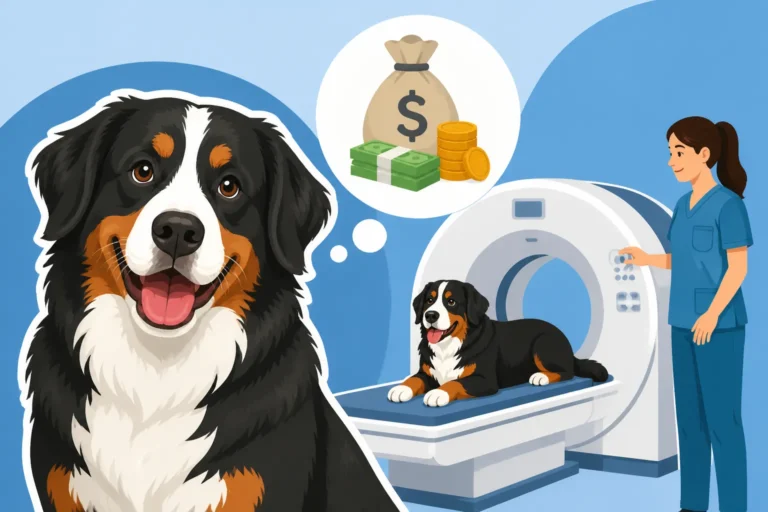
The Bernese Mountain Dog Advertised Under Fifteen Hundred
It's incredibly tempting when you're looking for that perfect furry companion, especially a majestic Bernese Mountain Dog, to see an advertisement for a puppy priced significantly lower than what you've heard. That little voice might whisper, "Is this my chance to finally bring one home without breaking the bank?" This guide is here to shed light on why a Bernese Mountain Dog advertised for under fifteen hundred dollars should raise immediate red flags, and what the true, often hidden, costs can be.
The Lure of a "Bargain" Bernese Mountain Dog Puppy
Bringing a Bernese Mountain Dog into your life is a dream for many. Their gentle giants' demeanor, striking tricolor coats, and affectionate nature make them incredibly desirable. However, the average cost for a well-bred Bernese Mountain Dog puppy from a reputable source typically ranges from $2,500 to $4,000, and sometimes even higher, depending on location and lineage. When you see a puppy for significantly less, say under $1,500, it's natural to feel a pull towards what seems like an incredible deal. But often, if a deal seems too good to be true, it probably is.
The Initial Sticker Shock of a Reputable Breeder
When you first start researching Bernese Mountain Dog puppies, the prices quoted by reputable breeders can be quite a shock. You might find yourself doing a double-take, wondering how a puppy could possibly cost so much. This initial sticker shock can make those lower-priced ads seem even more appealing. It feels like an opportunity to circumvent the high entry barrier and still get the dog you've always wanted. Prospective owners, especially those new to the breed or dog ownership in general, might not understand the extensive work, investment, and dedication that goes into ethically breeding Berners.
Why Low Prices Feel So Tempting
The allure of a lower price tag isn't just about saving money upfront; it's about accessibility. For many families, an extra thousand dollars or more on a puppy can be the difference between getting one now and waiting years, or not getting one at all. These lower prices often exploit this desire, making people believe they've found a secret shortcut to Bernese Mountain Dog ownership. Unfortunately, this shortcut often bypasses critical safeguards that protect both the puppy's health and the future owner's financial and emotional well-being. It's a gamble, and too often, the puppy and the new family lose in the long run.
Understanding the True Cost of a Well-Bred Bernese Mountain Dog
The price of a puppy from a responsible breeder isn't just pulled out of thin air; it reflects a substantial investment in the health, temperament, and future of that puppy. Think of it as purchasing a meticulously crafted item versus a cheap knock-off. The difference in quality, and what goes into creating it, is vast.
The Breeder's Investment in Health Clearances
One of the most significant costs for a reputable Bernese Mountain Dog breeder comes from comprehensive health clearances. These aren't just simple vet check-ups; they are specialized tests designed to screen for genetic conditions prevalent in the breed. A responsible breeder will have performed The Bernese Mountain Dog Health Panel on both parent dogs before breeding. This includes certifications from the Orthopedic Foundation for Animals (OFA) for hips and elbows, a major concern for a large breed like the Bernese Mountain Dog. They also screen for cardiac health, eye conditions, and genetic markers for diseases like von Willebrand's disease and Degenerative Myelopathy. Each of these tests costs money, and collectively, they represent a significant investment in ensuring the puppies have the best possible start, reducing the likelihood of inheriting debilitating conditions. When breeders skip these critical steps, they can offer lower prices, but at a huge potential cost to you later. For instance, you should always check for The Four OFA Clearances on a Bernese Mountain Dog before committing to a puppy.
Responsible Breeding Practices and Their Expenses
Beyond health clearances, responsible breeding encompasses a myriad of other expenses and commitments. It involves providing top-notch nutrition for the mother, appropriate veterinary care throughout pregnancy, and a safe, stimulating environment for the puppies. Breeders invest in high-quality food, supplements, and routine vet visits for the dam. Once the puppies arrive, there are costs associated with their initial vet checks, deworming, vaccinations, and microchipping. They also dedicate countless hours to early socialization, temperament assessment, and finding the right homes. This isn't just a casual endeavor; it's a profound commitment to the welfare of the breed. Furthermore, many dedicated breeders are involved in showing their dogs or participating in working events, which validates their dogs' adherence to the breed standard and contributes to the quality of their lines. All these elements contribute to What a Fully Cleared Bernese Mountain Dog Litter Sells For.
What a Fair Price Actually Covers
So, when you pay a fair price for a Bernese Mountain Dog puppy from a reputable breeder, what exactly are you getting? You're not just buying a dog; you're investing in peace of mind. You're getting a puppy whose parents have been screened for genetic diseases, whose lineage has been carefully considered, and who has received excellent early care and socialization. This upfront cost significantly reduces the risk of expensive veterinary emergencies or long-term care for inherited conditions down the line. It includes a health guarantee, ongoing support from the breeder, and often, a commitment to take the dog back if circumstances change. It's about buying a puppy that has the best chance at a long, healthy, and happy life, minimizing the heartbreak and financial strain that can come with a poorly bred dog.
Red Flags to Watch For in Low-Priced Listings
Navigating the world of puppy advertisements can feel like a minefield, especially when trying to discern a legitimate breeder from someone simply looking to make a quick buck. When you see a Bernese Mountain Dog advertised under $1,500, it's crucial to approach with extreme caution and look for these tell-tale signs.
Lack of Transparency and Missing Documentation
A significant red flag is any breeder who is unwilling or unable to provide extensive documentation. This includes proof of parental health clearances (OFA certificates, genetic test results), pedigree information, and veterinary records for the puppies. If a breeder gives vague answers, claims the papers are "lost," or tries to rush you into a sale without showing you these critical documents, walk away. They should be transparent about their breeding practices, the health history of their dogs, and should be able to explain What the Berner-Garde Database Records and why it's important. Responsible breeders are proud of their work and eager to share the details of their dogs' health and heritage. If they only communicate via text or email and avoid phone calls or video chats, that's another serious warning sign.
Pressure Tactics and Quick Sales
Be wary of any seller who pressures you to make an immediate decision or discourages you from asking too many questions. Reputable breeders understand that getting a puppy is a huge commitment and want to ensure their puppies go to well-prepared homes. They will often have an application process, multiple conversations, and will encourage you to visit. Breeders selling low-priced puppies, especially those from puppy mills or backyard operations, often just want to move puppies quickly. They might claim there's a "waiting list" that's suddenly shortened, or that another buyer is about to take your preferred puppy. Any sign of high-pressure sales tactics is a clear indication that their priority is profit, not the welfare of the dogs or the satisfaction of the new owners.
Suspicious Environments and Parent Dog Conditions
If you do get to visit the puppies, pay close attention to their living conditions and the health and temperament of the parent dogs, particularly the mother. Is the environment clean, safe, and stimulating? Are the puppies well-socialized, curious, and healthy-looking? Does the mother appear healthy, well-cared for, and approachable? Breeders offering cheap puppies often cut corners on care, leading to overcrowded, unsanitary conditions. The parent dogs might be timid, aggressive, or show signs of neglect, suggesting they are overbred or poorly managed. A common tactic is to only show you the puppies and make excuses about why you can't see the parents or their living quarters. Remember, a good breeder will welcome you into their home, show you the dam (and often the sire), and be proud of their facilities and practices.
| Feature / Cost | Low-Priced "Bargain" Puppy (Under $1500) | Reputable Breeder Puppy ($2500-$4000+) |
|---|---|---|
| Health Clearances (Parents) | Often None or Incomplete | Full OFA Hips/Elbows, Cardiac, Eyes, Genetic Tests |
| Genetic Testing (Parents) | Unlikely | Yes, for common breed-specific diseases |
| Vet Checks (Puppy) | Basic, minimal vaccinations | Comprehensive checks, age-appropriate vaccinations, deworming |
| Temperament Assessment | Minimal to None | Extensive, with focus on matching puppy to home |
| Socialization | Limited, potentially poor | Intentional exposure to sights, sounds, people, other dogs |
| Health Guarantee | Short or Non-existent | Typically 1-2 years, sometimes lifelong support |
| Breeder Support | Little to None after purchase | Lifelong resource, takes back if needed |
| Quality of Life for Parents | Often questionable, overbred | High, parents are family members, bred responsibly |
| Potential Future Vet Bills | High Risk for genetic or behavioral issues | Lower Risk due to health testing and care |
| Peace of Mind | Low | High |
The Hidden Health Costs of an Untested Puppy
The initial savings on a low-priced Bernese Mountain Dog puppy can quickly evaporate, often turning into exorbitant veterinary bills down the line. This is the cruel reality for many who fall for the "bargain" price, only to discover they've purchased a lifetime of health challenges.
Common Health Issues in Bernese Mountain Dogs
Bernese Mountain Dogs, while generally robust, are unfortunately prone to certain serious health conditions. These include hip and elbow dysplasia, various forms of cancer (especially histiocytic sarcoma, which is a major concern as highlighted in articles like The Cancer That Kills Half of All Bernese Mountain Dogs and Histiocytic Sarcoma in a Bernese Mountain Dog), bloat, and degenerative myelopathy. A responsible breeder meticulously screens for these conditions in their breeding stock to minimize the chances of passing them on. When a puppy is offered for a low price, it’s almost a certainty that these critical health screenings have been skipped, making that puppy a genetic lottery ticket. You might think you're saving money, but you're actually signing up for a significantly higher risk of a sick dog.
The Price of Treating Genetic Conditions
The treatment for these genetic conditions can be financially devastating. For instance, addressing severe hip dysplasia can involve multiple surgeries, rehabilitation, and lifelong pain management, easily running into tens of thousands of dollars. Cancer treatments, including chemotherapy and radiation, can also carry immense Oncology Bills a Bernese Mountain Dog Owner Faces. Even managing conditions like bloat, which requires emergency surgery, can be incredibly expensive. These aren't minor issues; they are life-threatening or severely debilitating problems that demand specialized veterinary care. Pet insurance can help, but if a condition is symptomatic or diagnosed before you get coverage, it's often considered a pre-existing condition and won't be covered. Companies like Healthy Paws offer comprehensive plans, but you need to secure them before any issues arise to get the full benefit. This is why paying more upfront for a healthy puppy is a sound financial decision in the long run.
The Emotional Toll on Owners
Beyond the financial strain, the emotional toll of caring for a chronically ill dog cannot be overstated. Watching your beloved Bernese Mountain Dog suffer from a debilitating condition, especially one that could have been largely avoided through responsible breeding, is heartbreaking. The countless vet visits, the worry, the guilt, and the constant battle to manage pain or prolong life take a heavy emotional toll on the entire family. Many owners report that Saying Goodbye to a Bernese Mountain Dog at Seven or even younger due to preventable conditions is a profoundly sad experience. This emotional cost, which is far harder to quantify than monetary expenses, is arguably the most significant "hidden cost" of a cheap puppy.
The Long-Term Financial Impact of a Poorly Bred Berner
The ripple effects of buying a Bernese Mountain Dog puppy from an irresponsible breeder extend far beyond the initial few months. What seems like a cost-saving measure can quickly snowball into a lifetime of financial burden, often surpassing the initial savings many times over.
Escalating Vet Bills and Specialized Care
A Bernese Mountain Dog from a questionable background is simply more likely to develop serious health issues. This means more frequent visits to the vet, more diagnostic tests, and potentially expensive specialist consultations. Imagine needing multiple X-rays, MRIs, or even a full CT scan to diagnose complex orthopedic or neurological issues. These bills accumulate rapidly. For example, Hip and Elbow Surgery Costs for a Bernese Mountain Dog can run into the thousands per joint, and many dogs with dysplasia need interventions on both sides. These aren't one-off expenses; they can become an ongoing drain on your finances, turning what started as a "cheap" puppy into the most expensive dog you've ever owned.
Insurance Challenges for Dogs with Pre-Existing Conditions
Pet insurance is a wonderful tool for managing unexpected veterinary costs, but it has limitations. If your Bernese Mountain Dog is diagnosed with a genetic condition like hip dysplasia or certain cancers before you acquire insurance, or even within the waiting period after you sign up, it will almost certainly be excluded as a pre-existing condition. This means that the very conditions your poorly bred Berner is more likely to develop won't be covered, leaving you to foot the entire bill. This is why Insuring a Bernese Mountain Dog Against Cancer requires forethought and choosing a reputable breeder in the first place, ensuring your puppy starts life as healthy as possible. Without prior clearances and a clean bill of health, even the best insurance plan might not protect you from the financial fallout of a genetic time bomb.
The Overall Cost of a Shortened Lifespan
Tragically, one of the most significant long-term costs of a poorly bred Bernese Mountain Dog is a shortened lifespan. When genetic predispositions to cancer, heart disease, or severe orthopedic problems are unchecked, these dogs often don't live out the typical already short life expectancy of the breed. Articles like Why a Bernese Mountain Dog Lives Only Seven or Eight Years emphasize that even well-bred Berners have a shorter lifespan than many breeds, making every healthy year precious. Losing your companion years earlier than necessary, after investing so much time, love, and possibly money into their care, is devastating. The cost isn't just financial; it's the invaluable years of companionship lost. This is What Ends a Bernese Mountain Dog’s Life prematurely, and it's a risk amplified exponentially with cheap, untested puppies.
Where to Find a Reputable Bernese Mountain Dog for a Fair Price
If you've absorbed the warnings about cheap puppies, you might be wondering where to turn. The good news is that there are clear paths to finding a healthy, well-adjusted Bernese Mountain Dog puppy from responsible sources, even if it means adjusting your budget or waiting a bit longer.
Engaging with Breed Clubs and Reputable Breeders
The very best place to start your search is with the Bernese Mountain Dog Club of America (BMDCA) or a regional Bernese Mountain Dog club. These organizations maintain lists of reputable breeders who adhere to strict ethical guidelines, including mandatory health clearances and responsible breeding practices. They can also offer advice on Genetic Testing Before Breeding a Bernese Mountain Dog. These breeders will likely have waiting lists, which is a good sign, as it indicates demand for their carefully planned litters. They will interview you thoroughly, and you should be prepared to ask them just as many questions. Expect to visit their home, meet the mother, and see where the puppies are raised. A reputable breeder will also offer a strong health guarantee and ongoing support, acting as a mentor for the life of your dog. This is an investment in a genuine partnership.
The Role of Rescue Organizations
Another fantastic option for bringing a Bernese Mountain Dog into your life is through a breed-specific rescue organization. While puppies are rare in rescue, you can find adult Berners who, through no fault of their own, need a loving home. Rescue organizations like What Berner Rescue Charges and What It Screens put a huge amount of effort into assessing the health and temperament of their dogs. They provide necessary veterinary care, address behavioral issues, and ensure the dogs are spayed or neutered before adoption. While adoption fees exist, they are significantly lower than purchasing a puppy from a breeder, and they cover many of the initial veterinary costs. Adopting an older Bernese Mountain Dog can also be incredibly rewarding, offering a loving companion who has already moved past the chaotic puppy stage.
What to Expect When You Find the Right Puppy
Once you've found a reputable breeder or rescue, expect a thorough process. You'll likely fill out an application, have interviews, and potentially wait for the right puppy to become available. When you finally pick up your Bernese Mountain Dog, you should receive a contract, a health guarantee, a vaccination record, pedigree information, and often a starter kit with food. You'll also receive guidance on feeding, training, and care. For instance, many reputable breeders will recommend high-quality large-breed puppy food, or even specific brands like Ollie, known for their fresh, human-grade ingredients, to support healthy growth. You may also receive advice on supplements and supplies, which you can conveniently find at retailers like Chewy. This comprehensive support and documentation are part of the value that comes with a higher, but ultimately fair, price tag, ensuring you and your Berner have the best possible start together. It's about a long-term relationship, not a transactional sale.
Disclaimer
The information provided in this guide is for general informational purposes only and does not constitute professional veterinary advice. Always consult with a qualified veterinarian or animal health professional for any concerns about your Bernese Mountain Dog's health or care.