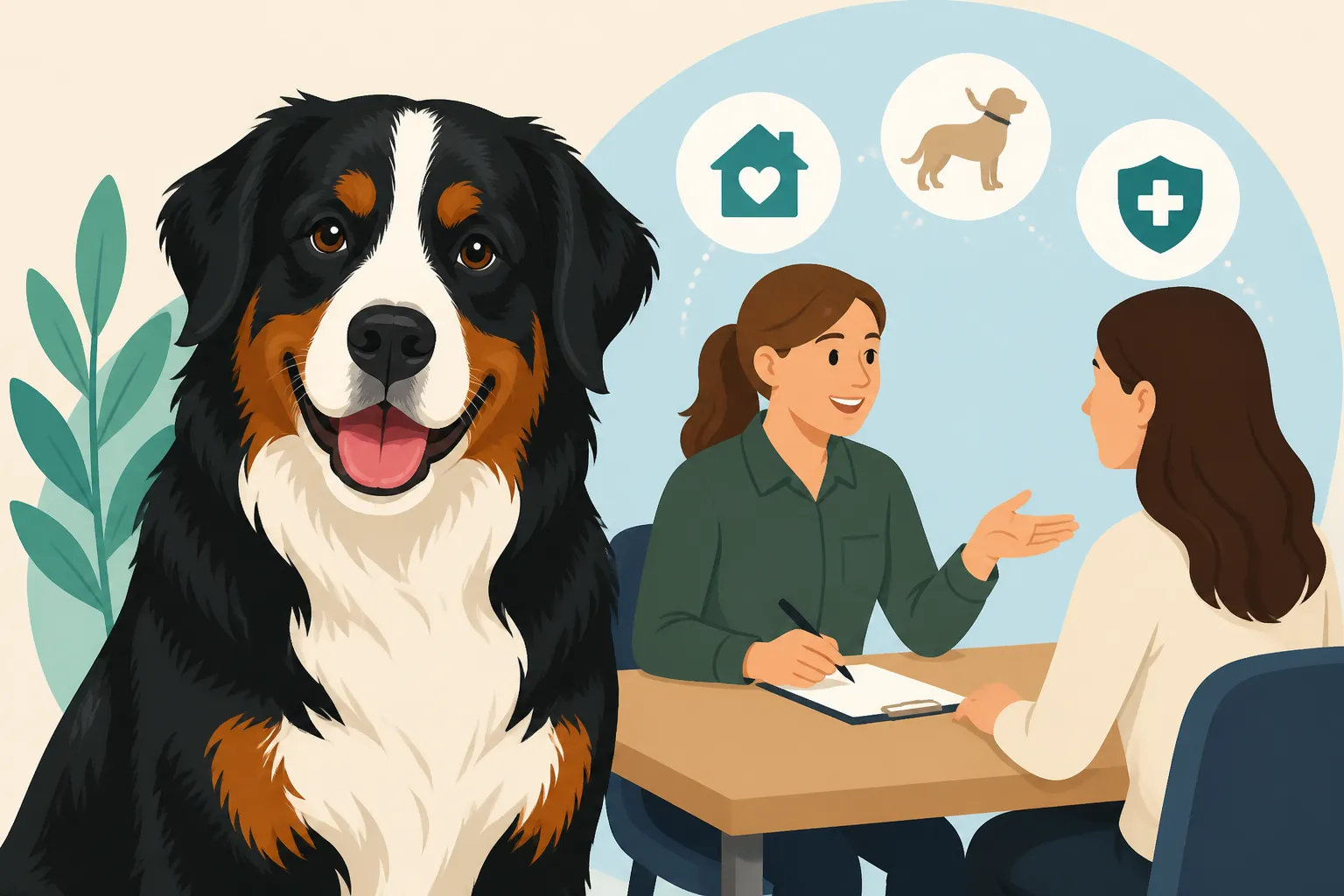
What a Bernese Mountain Dog Breeder Asks Up Front
When you first reach out to a Bernese Mountain Dog breeder, it's easy to feel a mix of bubbling excitement and a touch of apprehension. You've dreamed of bringing one of these magnificent, gentle giants into your home, but the initial contact can sometimes feel like an interrogation. Breeders often have a detailed list of questions and expectations, and it's natural to wonder what exactly they're looking for. This guide will help demystify the upfront inquiries and commitments a reputable Bernese Mountain Dog breeder typically asks for, preparing you for a smooth and transparent process.
The Initial Inquiry and Application Process
Getting a Bernese Mountain Dog isn't just about picking a puppy from a litter; it's about finding a lifelong companion from a breeder who has poured their heart and soul into responsible breeding. This often starts with a comprehensive application process designed to ensure the best possible match.
Why Breeders Have Extensive Questionnaires
It might feel a little like applying for a job, but those extensive questionnaires aren't meant to intimidate you. Instead, they serve several crucial purposes from the breeder's perspective. Firstly, they act as a vital screening tool. Bernese Mountain Dogs, while wonderful companions, have specific needs regarding space, exercise, grooming, and most importantly, health considerations. A responsible breeder wants to know if your home environment is truly suitable for a large breed with a relatively short lifespan and a propensity for certain health issues like The Cancer That Kills Half of All Bernese Mountain Dogs or joint problems.
They're trying to prevent impulse buys and ensure their puppies go to homes prepared for the realities of ownership. Questions often delve into your living situation (house, apartment, fenced yard), your family dynamic (children, other pets, allergies), your experience with dogs (especially large breeds), and your understanding of the commitment involved. They want to gauge your readiness for things like training a large, powerful puppy, dealing with shedding, and the financial implications of owning a hundred-pound dog. It's a testament to their dedication to the breed's welfare, not an attempt to judge you. They genuinely want to ensure their puppies thrive.
Understanding the Importance of Transparency
This initial application is a two-way street for transparency. While the breeder is assessing you, it’s also your opportunity to assess them. Be prepared to share honest details about your lifestyle, your experience (or lack thereof), and your expectations for a Bernese. If you're a first-time large breed owner, say so! A good breeder will appreciate your honesty and will be ready to offer guidance and support. They might discuss the nuances of Why a Bernese Mountain Dog Lives Only Seven or Eight Years or the implications of Joint Disease in a Hundred Pound Bernese Mountain Dog, ensuring you're fully informed.
In return, you should expect the breeder to be equally transparent. They should be forthcoming with information about their breeding practices, the health clearances of the parent dogs, and what's included in The Folder a Bernese Mountain Dog Breeder Hands Over when you pick up your puppy. This open communication builds trust and sets the foundation for a supportive relationship that often extends throughout your dog's life.
The Role of a Deposit or Reservation Fee
Once you've passed the initial screening and decided to move forward, breeders will typically ask for a deposit or a reservation fee. This fee serves as a commitment from your side, securing your place on a waiting list for a future litter or reserving a specific puppy if one is already available. It tells the breeder you are serious about bringing one of their puppies home.
The amount can vary, but it's usually a portion of the total purchase price. It's crucial to understand the breeder's policy regarding this deposit. Is it refundable under certain circumstances? Is it transferable to a different litter if timings change? Most reputable breeders will have a non-refundable deposit policy, as it compensates them for their time and the potential loss of other interested buyers if you back out. This is a topic that should be clearly outlined in What a Bernese Mountain Dog Breeder Puts in Writing. Always get these terms in writing before handing over any money, and don't hesitate to ask questions if anything is unclear.
Health Guarantees and Contractual Agreements
Beyond the initial application and deposit, a reputable Bernese Mountain Dog breeder will always provide a written contract and health guarantee. This isn't just legal boilerplate; it's a critical document that protects both you and the puppy.
The Purpose of a Health Guarantee
A health guarantee is one of the most significant assurances a responsible breeder offers. For a breed known for certain genetic predispositions, such as Histiocytic Sarcoma in a Bernese Mountain Dog or various orthopedic conditions, this guarantee provides peace of mind. Typically, it covers a specified period, often the first one to two years of the puppy's life, against severe genetic or congenital health defects that might impact its quality of life.
The guarantee usually outlines what specific conditions are covered, what actions you need to take (e.g., veterinary examination, diagnostic testing), and what the breeder's responsibility will be if such a condition arises (e.g., partial refund, replacement puppy). It's a breeder's way of standing behind the health of their lines and demonstrating their commitment to ethical breeding practices. Always read this section of the contract very carefully so you understand its scope and your responsibilities.
Navigating the Breeder Contract
The breeder contract is a comprehensive document that goes beyond just the purchase price and health guarantee. It's designed to protect the welfare of the puppy throughout its life. Common clauses you'll encounter include:
- Spay/Neuter Agreements: Most pet-quality puppies are sold with a limited registration and a requirement to spay or neuter by a certain age. This helps control backyard breeding and protects the integrity of the breed lines.
- Return Clauses: A responsible breeder will almost always require that if you can no longer keep the dog, it must be returned to them. This ensures their puppies never end up in shelters.
- Restrictions on Breeding: If you purchased a pet, the contract will explicitly state that the dog is not to be bred. This aligns with the spay/neuter agreement and protects the breeder's efforts in maintaining healthy, well-tempered lines.
- Nutrition and Care Guidelines: Some contracts might include recommendations for specific types of food or feeding schedules, reflecting the breeder's experience in raising healthy Bernese puppies. They might recommend slow feeders, for example, to help mitigate bloat risk, a serious concern for deep-chested breeds.
- Updates and Communication: Many breeders ask for occasional updates or photos of their puppies as they grow. This is a sign of their emotional investment and desire to see their puppies thriving.
It's vital to read every clause, ask for clarification on anything you don't understand, and be prepared to sign it. This agreement is a mutual understanding, and it’s a good sign when a breeder has a well-thought-out contract.
Understanding Genetic Testing Expectations
A key aspect a reputable Bernese breeder will discuss upfront is the extensive health testing performed on the parent dogs. They don't just hope for healthy puppies; they actively work towards it. This often involves screening for conditions prevalent in the breed. You'll likely hear about:
- OFA Clearances (Orthopedic Foundation for Animals): This includes hip and elbow evaluations to screen for dysplasia, a common issue in large breeds. Understanding these clearances is crucial when you consider The Age a Bernese Mountain Dog Should Be X-Rayed or the potential for orthopedic issues later in life.
- Eye Exams: Certifications from a veterinary ophthalmologist to screen for hereditary eye diseases.
- Cardiac Exams: Screening for congenital heart conditions.
- Genetic DNA Tests: These tests screen for specific genetic mutations, such as Von Willebrand's Disease (a bleeding disorder) and Degenerative Myelopathy (a neurological condition that affects the spinal cord). You might even discuss The SOD1 Test for a Bernese Mountain Dog.
A breeder should provide verifiable proof of these clearances for both parent dogs. This is part of What Testing Adds to a Bernese Mountain Dog Litter's Cost and reflects their commitment to reducing the risk of passing on inherited diseases. They'll also explain why these tests are essential for Bernese health, contrasting their practices with those of breeders who might offer puppies at a lower upfront cost but skip these vital screenings, potentially leading to significant veterinary bills down the road.
Financial Commitments Beyond the Purchase Price
While the initial cost of a Bernese Mountain Dog puppy can feel substantial, responsible breeders will often want to ensure you're also prepared for the ongoing financial commitment of owning such a dog. They understand that the purchase price is just the beginning.
The Full Cost Picture: What to Budget For
A Bernese Mountain Dog is a large, magnificent animal, and their needs scale with their size. Beyond the initial What a Fully Cleared Bernese Mountain Dog Litter Sells For, you need to consider the regular expenses. This includes high-quality large-breed puppy and adult food, which can be a significant monthly cost. Brands like Chewy and Ollie offer convenient ways to get specialized diets delivered, and many breeders will have specific recommendations for feeding a Bernese Mountain Dog puppy to a hundred pounds.
Then there are routine veterinary visits, vaccinations, parasite prevention (flea, tick, and heartworm medications), and grooming supplies. Don't forget training classes, especially for a strong-willed, powerful breed, and durable equipment like leashes, collars, and crates sized for an adult Berner. The breeder will often bring up these points to ensure you've thought beyond the puppy cuteness to the practicalities of ownership. They want to avoid a situation where a family realizes they can't afford the dog's upkeep after already bringing them home.
Pet Insurance: A Breeder's Recommendation
Given the breed's predispositions to certain health conditions, many Bernese Mountain Dog breeders strongly recommend or even require pet insurance as part of their contract. This isn't just about covering unexpected accidents; it's a vital safety net for potential long-term or serious illnesses like cancer or severe joint issues.
Conditions such as The One in Four Bernese Mountain Dogs With Histiocytic Sarcoma can lead to extensive and costly treatments. Having pet insurance can make the difference between being able to afford life-saving care and having to make heartbreaking decisions based on finances. Companies like Healthy Paws are often mentioned for their comprehensive coverage options. A good breeder will explain why Insuring a Bernese Mountain Dog Against Cancer is a wise decision and might even suggest you look into policies before you even bring your puppy home to avoid any waiting periods for specific conditions. They understand that a healthy dog is a happy dog, and financial preparedness is key to that.
Investing in Quality Nutrition and Care
A good breeder will impress upon you the importance of continuing the quality nutrition and care practices they've established. They’ll likely recommend specific large-breed puppy foods that support slow, steady growth crucial for developing strong joints. Rapid growth in large breeds can exacerbate orthopedic problems later in life, so controlling calcium and calorie intake is often a topic of discussion. You might discuss specific brands or types of food, with many favoring reputable brands available through retailers like Chewy or even fresh-prepared options like Ollie, ensuring your Bernese gets optimal nutrients.
Beyond food, they might advise on appropriate exercise levels (especially for a growing puppy to protect developing joints), the importance of early socialization, and regular grooming to manage their thick double coat. They want to see their puppies continue on a path of well-being, and they’ll be keen to share their expertise on Feeding an Adult Bernese Mountain Dog Safely or how to manage their physical development effectively.
Establishing a Long-Term Relationship with Your Breeder
A transaction with a reputable Bernese Mountain Dog breeder is rarely a one-off exchange. It's the beginning of a relationship built on shared care and concern for the dog.
Why a Good Breeder is a Lifelong Resource
Think of your breeder not just as a seller, but as a mentor and a resource for the entire lifespan of your Bernese. They know the breed inside and out, understand the nuances of their lines, and have likely dealt with every question or concern you might ever have. Whether it’s advice on training, diet, common health quirks, or even just a reassuring voice when your puppy does something unexpected, a good breeder is there to support you.
They are invested in the success and well-being of every puppy they bring into the world. This means they are often the first port of call for questions, guidance, or even if you ever face difficult decisions about your dog's health or future. Their commitment extends far beyond the day you take your puppy home, providing invaluable support for you and your beloved Berner.
The Importance of Communication and Updates
Breeders genuinely love their puppies and are emotionally invested in their futures. They'll often ask for updates, photos, and even visits as your Bernese grows. This isn't just about satisfying curiosity; it's crucial for their breeding program. Seeing their puppies thrive in their new homes provides invaluable feedback on their breeding choices, temperament, and health outcomes. It helps them track longevity and genetic health across their lines, which is essential for ongoing responsible breeding. For instance, knowing how a specific pairing’s offspring are doing in terms of health can help them refine future breeding plans.
Maintaining this line of communication is also beneficial for you. Should any questions arise, your breeder is likely the best person to consult, having intimate knowledge of your dog's lineage and the breed in general. It’s a reciprocal relationship built on mutual respect and a shared love for these magnificent dogs.
| Breeder Question/Request | Why Breeders Ask It | Your Preparedness |
|---|---|---|
| Detailed Application Form | To screen for suitable homes, assess experience, ensure understanding of breed needs, and prevent impulse purchases. | Be honest about your living situation, family, prior dog experience, and willingness to train. |
| Home Visit/References | To verify living conditions, gauge environment suitability, and confirm responsible pet ownership history. | Be open to showing your home (or photos), and have contact info for vets/references. |
| Non-refundable Deposit | To secure your place on a waiting list and confirm your serious commitment to a puppy. | Understand the terms (non-refundable, applies to purchase price) and ensure you agree. |
| Health Guarantee/Contract | To formally outline responsibilities, cover genetic health, and ensure the puppy's long-term welfare. | Read carefully, ask questions, and be prepared to abide by clauses like spay/neuter. |
| Agreement on Spay/Neuter | To ensure pet-quality puppies are not bred, controlling population and preventing irresponsible breeding. | Be prepared to sign an agreement and fulfill the requirement by the specified age. |
| Commitment to Quality Food | To ensure the puppy continues on a path of healthy development, especially for proper joint growth. | Research large-breed puppy food options and be ready to discuss feeding plans. |
| Openness to Pet Insurance | To ensure you are financially prepared for potential significant veterinary costs, common in the breed. | Research pet insurance providers (e.g., Healthy Paws) and be ready to discuss coverage. |
| Ongoing Communication | To receive updates on their puppies' progress and gather valuable feedback for their breeding program. | Be willing to send photos and updates periodically, fostering a supportive relationship. |
Disclaimer
This article is for general informational purposes only and does not constitute professional advice. Laws, prices and regulations vary by location and change over time. Consult a qualified professional for guidance on your specific situation.