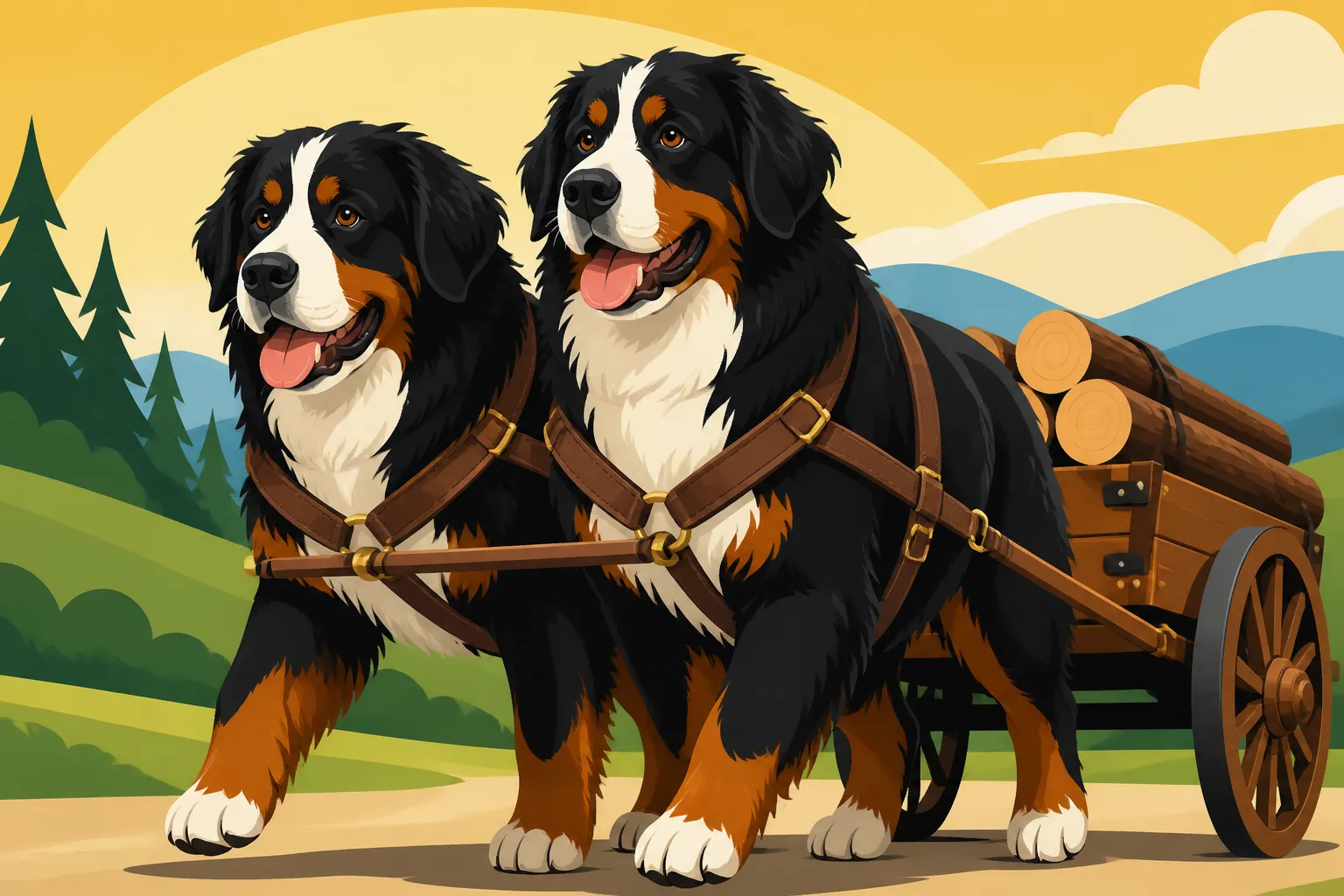
What Brace Draft Work Asks of Two Bernese Mountain Dogs
For many Bernese Mountain Dog enthusiasts, the sight of a single Berner confidently pulling a cart is a source of immense pride and joy. But what happens when you decide to take that a step further, dreaming of two magnificent Berners working together in perfect sync? The reality of brace draft work, or hitching two dogs side-by-side, presents a unique set of challenges and triumphs that go far beyond what you might expect from training just one dog. This guide is here to walk you through the specific demands, training intricacies, and rewards of preparing a Bernese Mountain Dog pair for the incredible feat of brace draft work.
Understanding Brace Draft Work and Its Foundations
Brace draft work isn't simply doubling up your equipment and heading out. It's a discipline that requires not only individual proficiency from each dog but also a profound understanding of teamwork and synchronized effort. Imagine two powerful, intelligent animals, each with their own personality, needing to move as one cohesive unit. That's the essence of brace work.
What is Brace Draft Work?
At its core, brace draft work involves two dogs, typically of the same breed and size, working side-by-side to pull a single cart or wagon. They are hitched in a specific configuration, often with a "center shaft" or "pole" between them, to which their individual harnesses are attached. The goal is for them to pull smoothly, maintain a straight line, turn in unison, and respond to commands from their handler as a single entity. It's not just about raw power; it's about grace, cooperation, and an almost unspoken communication between the dogs and their human partner.
This differs significantly from tandem hitching (where dogs are hitched one in front of the other) or even team hitching (with multiple dogs in various configurations). Brace work specifically highlights the symmetry and partnership of two dogs. Think of it like a pair of draft horses. The challenges are similar in scale, requiring the dogs to match pace, stride, and direction without veering, lagging, or pushing. This takes considerable patience and consistent training, often over a long period, to achieve the desired level of harmony. For insights into the basics, you might want to read Teaching a Bernese Mountain Dog to Pull a Cart.
The Benefits and Rewards of Training a Brace Team
While the commitment is significant, the rewards of successfully training a Bernese Mountain Dog brace team are truly immense. Beyond the sheer spectacle of two beautiful dogs working together, there are deeper benefits for both the dogs and the handler. For the dogs, it provides an incredible mental and physical outlet, tapping into their breed's historical instincts as working draft animals. The engagement required for brace work can lead to a more confident, focused, and well-exercised dog, reducing the likelihood of boredom-related behaviors.
For you, the handler, it's an unparalleled bond-building experience. You become the conductor of a canine orchestra, guiding two individuals into a seamless performance. The sense of accomplishment when your Berners execute a perfect turn or navigate a tricky obstacle together is incredibly satisfying. It's also a wonderful way to demonstrate the breed's versatility and intelligence, showcasing their working heritage to the public. Seeing the joy in their eyes as they take pride in their work is its own reward.
The Unique Demands on a Bernese Mountain Dog Pair
Training two Bernese Mountain Dogs for brace draft work multiplies the complexity of training a single dog. You're not just dealing with two individuals; you're dealing with their interaction, their complementary or conflicting personalities, and their combined physical dynamics.
Synchronization and Harmony
The biggest challenge in brace work is achieving true synchronization. Each dog needs to understand their individual role while simultaneously being acutely aware of their partner's movements. This means matching stride length, speed, and even the subtle shifts in balance. If one dog pulls harder or lags, the entire setup becomes unbalanced, putting undue strain on the cart, the harnesses, and potentially causing discomfort or injury to the dogs. It's a delicate dance where every step matters.
Consider a scenario where one of your Berners is naturally more eager and strides out confidently, while the other is a bit more thoughtful, perhaps taking a moment longer to assess the terrain. When hitched in brace, that slight difference in pace can cause the eager dog to shoulder into the other, or the thoughtful dog to be dragged slightly off balance. Overcoming these individual tendencies requires consistent communication from the handler and a lot of practice together, building muscle memory and shared understanding. They need to learn to anticipate each other's moves and react as a single, coordinated unit.
Individual Temperament and Compatibility
Not every pair of Bernese Mountain Dogs will make a stellar brace team, even if they are individually excellent. Compatibility is key. Ideally, you want two dogs with stable, calm temperaments that enjoy working and are comfortable in close proximity to other dogs. A dominant or easily distracted dog on one side could constantly interfere with their partner, making harmonious work nearly impossible. Conversely, two overly submissive dogs might lack the confidence to pull effectively as a pair.
A successful brace team often comprises dogs with complementary personalities – perhaps one is a strong leader, and the other is a willing follower, or both are steady and cooperative. You'll need to carefully observe their natural interactions. Do they play well together? Are they comfortable sharing space and resources? Do they show patience with each other? These social dynamics translate directly into their ability to work as a team. Starting with strong individual obedience is crucial; a program like BAXTER & Bella can help establish that foundational training before you even consider hitching them together. Ensuring each dog knows basic cues like "stay," "wait," and "forward" without hesitation is paramount.
Physical Conditioning and Stamina
Brace draft work places significant physical demands on both dogs. While Bernese Mountain Dogs are bred for strength and endurance, they must be properly conditioned. This isn't just about being strong; it's about having the stamina to maintain a consistent pace and the muscular strength to handle the lateral forces of pulling side-by-side, especially during turns. Their joints, particularly their hips and elbows, will bear a lot of responsibility, so ensuring they are in peak physical condition is non-negotiable.
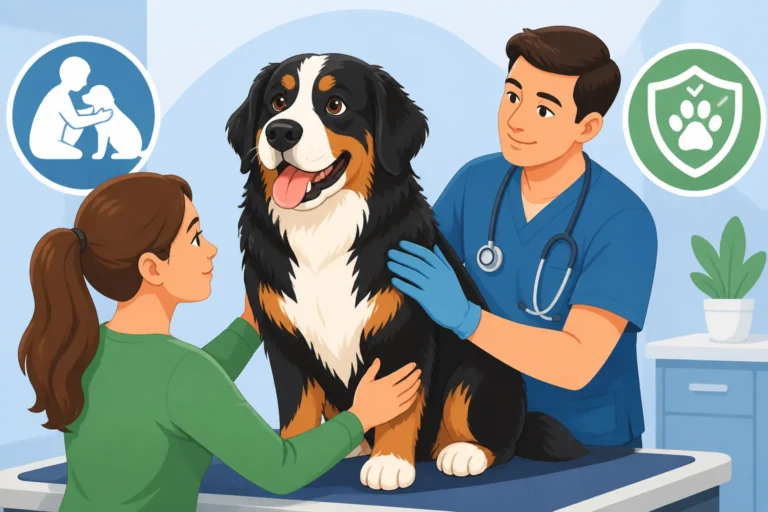
Regular exercise tailored to building endurance and core strength is vital. Think about gradual increases in walking distance, varied terrain, and perhaps even some swimming if they enjoy it. Remember, these are large, heavy-boned dogs, and you don't want to rush their physical development. Understanding Building a Bernese Mountain Dog's Fitness for Draft Work is essential before embarking on brace training. Any underlying joint issues or general lack of fitness will be exacerbated by the demands of brace work, potentially leading to injury or discomfort. It's always wise to consult with your veterinarian to ensure both dogs are physically cleared for this strenuous activity.
Training for Brace Draft Work: Building a Harmonious Team
The journey to a successful brace team is a marathon, not a sprint. It begins with solid individual training, progresses through introducing equipment, and then meticulously building up their teamwork. Patience, consistency, and positive reinforcement are your greatest tools.
Individual Foundational Training
Before you even think about hitching two dogs together, each Bernese Mountain Dog needs to be a confident and skilled individual draft dog. This means they should be proficient in all the commands necessary for single-dog draft work: "forward," "whoa" (stop), "hup" (go right), "gee" (go left), "easy" (slow down), "back," and "wait." They should be comfortable in their harness, accustomed to the sounds and feel of a cart, and happy to pull light loads on their own. If one dog struggles with a particular command or is easily spooked, those issues will only magnify when they are hitched with a partner.
This foundational stage is where you iron out any kinks in individual obedience and build their confidence. Many experienced handlers recommend completing a Novice Draft title with each dog individually first, as outlined in The Novice Draft Title a Bernese Mountain Dog Earns First. This ensures they are comfortable and reliable in their single roles before adding the complexity of a partner. It’s also important that they are accustomed to working calmly around other dogs, even if it’s just observing. A good general obedience class, even if not specifically draft-focused, can help establish strong communication between you and each dog.
Introducing the Brace Equipment and the Partner
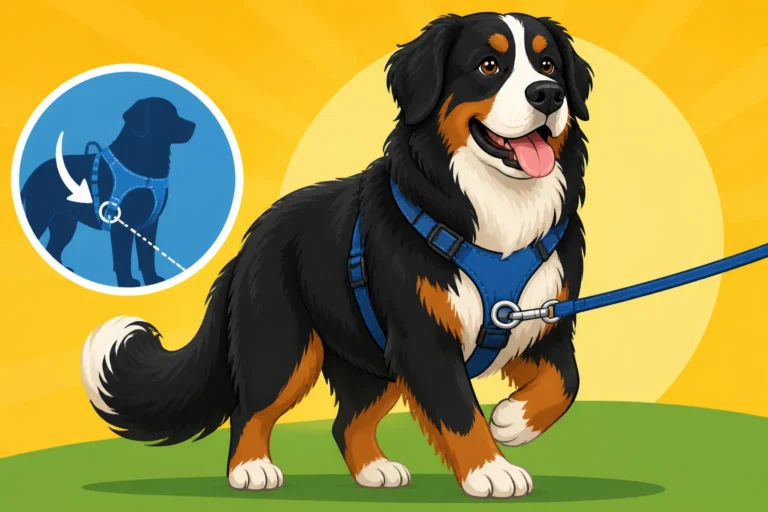
Once both dogs are individually proficient, the next step is to introduce the brace equipment. This typically involves specialized harnesses that are designed for brace work and a cart with a sturdy central pole (often called a 'shaft' or 'hitch pole') that runs between the two dogs. The dogs will wear their individual harnesses, which then connect to the central pole. You'll want to ensure you're Fitting a Draft Harness to a Bernese Mountain Dog correctly for each dog to prevent chafing or discomfort. It's crucial that the equipment is appropriate for their size and weight, and that it allows for comfortable, natural movement.
The first few sessions with the brace equipment should be short and focused on positive experiences. Start by letting the dogs wear their harnesses and stand next to the cart (without being hitched) so they can get used to the sight, smell, and sounds. Then, introduce the central pole, perhaps by having them walk side-by-side with it between them, but not yet attached. Gradually, you'll hitch them up, always with an experienced helper, in a safe, quiet environment. The initial goal is simply for them to stand comfortably next to each other in harness, getting used to the sensation of being connected and the cart behind them. Lots of praise and high-value treats are essential here. You can even find specialized brace harnesses and carts available through online retailers like Amazon, designed to accommodate two dogs working together.
Progressive Training Steps and Common Pitfalls
Training for brace work is a step-by-step process. Begin with short, controlled walks in a quiet area, ideally with a helper walking on the outside of one dog, while you handle the other and the cart. This allows for immediate correction and praise. Focus on straight lines first, then gentle turns. The key is to build slowly, reinforcing cooperative behavior and immediately addressing any signs of resistance, pulling apart, or confusion.
| Training Stage | Focus | Key Challenges | Success Indicators |
|---|---|---|---|
| Individual Prep | Master basic obedience & single-dog draft commands for each dog. | Distractions, inconsistent commands, rushing. | Each dog pulls confidently, responds to all cues individually. |
| Equipment Intro | Familiarize dogs with brace harnesses & shared cart/pole. | Fear of new equipment, discomfort in close proximity. | Dogs stand calmly in harness, next to cart, without panic. |
| Initial Hitching | Stand in brace, take a few steps in a controlled environment. | Uneven pulling, one dog trying to lead, minor disputes. | Dogs move forward together, maintaining relative positions. |
| Short Sessions | Straight lines, basic stops, turns, handler communication. | Drifting, lagging, over-pulling by one dog, handler frustration. | Smooth forward movement, coordinated stops, gradual turns. |
| Load & Duration | Gradually add weight to cart, increase working time. | Fatigue, loss of focus, increased resistance with heavier loads. | Maintain focus and synchronization over longer periods/distances. |
| Advanced Scenarios | Navigate obstacles, varied terrain, public spaces, formal tests. | Overstimulation, unexpected noises, maintaining composure. | Confident, responsive team in diverse environments. |
One common pitfall is rushing the process. If you push too hard, too fast, you risk overwhelming the dogs, creating negative associations with brace work, or even causing physical strain. Another is not addressing individual issues adequately. If one dog is a puller and the other isn't, they will constantly be fighting each other, not the cart. Make sure to keep training sessions relatively short, especially in the beginning, to maintain their enthusiasm and focus. Training Sessions Short Enough for a Bernese Mountain Dog is a good read for managing attention spans. Remember, it's about building a solid partnership, not just getting them to pull.
Equipment and Logistics for Two Berners
Successfully engaging in brace draft work requires more than just well-trained dogs; it demands appropriate, safe, and well-maintained equipment, as well as thoughtful logistical planning.
Specialized Brace Harnesses and Carts
When working with two Berners, standard single-dog draft harnesses aren't sufficient. You need specialized brace harnesses, often designed with extra rings or attachments that connect to the central pole of the cart. These harnesses are engineered to distribute the pulling load evenly across the dog's chest and shoulders, preventing discomfort or injury. They must fit impeccably, as any rubbing or pinching will quickly sour a dog on the experience. Look for reputable suppliers who specialize in draft dog equipment.
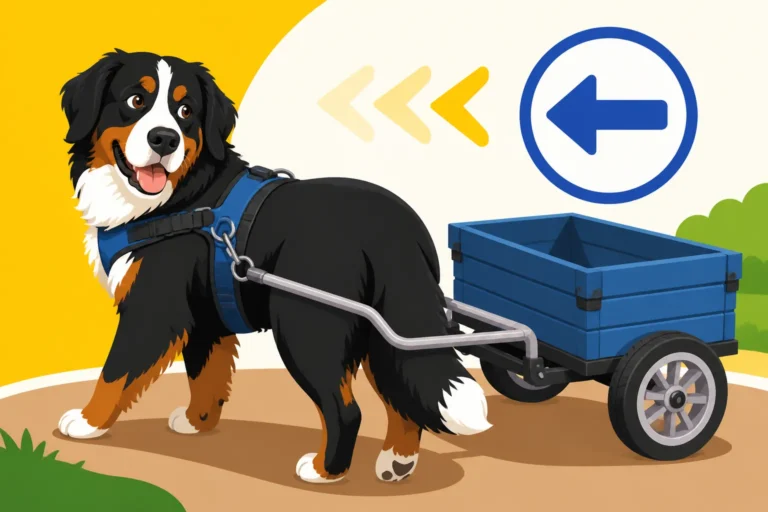
The cart itself is also specialized. While a single-dog cart might have shafts that run on either side of one dog, a brace cart will feature a sturdy central pole that extends forward between the two dogs. This pole is what their harnesses attach to, ensuring they pull the cart together as a unit. The cart should be well-balanced, sturdy enough for two large dogs, and have wheels appropriate for the terrain you'll be working on. You’ll want to review resources like Choosing a Cart That Fits a Bernese Mountain Dog to ensure you're making the right selection for your specific needs. It's often worth investing in high-quality equipment; it's a safety issue for your beloved Berners.
Managing Space and Handling a Large Team
Having two Bernese Mountain Dogs in brace means you're operating a fairly significant footprint. Not only do you have two large dogs side-by-side, but you also have the length of the central pole and the cart behind them. This requires ample space for training and maneuverability. You'll need open fields or wide trails, far away from crowded sidewalks or busy streets, especially in the early stages. Navigating narrow gates, tight corners, or crowded spaces becomes significantly more challenging with a brace team.
Handling two powerful dogs simultaneously also requires a certain level of physical capability and confidence from the handler. You'll often be walking behind or slightly to the side of the cart, guiding the dogs with voice commands. It's beneficial to have a strong, clear voice and the ability to project confidence. During initial training, especially with younger or less experienced dogs, having a second person to assist in handling each dog individually while they're learning to work together can be incredibly helpful and safer for everyone involved.
Safety Considerations for Brace Work
Safety is always paramount when working with large dogs and equipment. For brace work, this means extra vigilance. Ensure all harness connections are secure and regularly checked for wear and tear. The cart should be inspected before each use for any loose bolts, damaged wheels, or other issues. You should always have emergency release mechanisms on the harnesses or connections if possible, allowing you to quickly separate the dogs from the cart in an unforeseen situation.
Additionally, consider the environment. Avoid working in extreme temperatures, especially with two heavily coated Berners, as they are prone to overheating. Heat and the Bernese Mountain Dog's Black Coat highlights the risks. Be mindful of uneven terrain that could cause the cart to tip or strain the dogs. Always carry water for both dogs, and plan your routes to include opportunities for rest. A responsible brace team handler is always thinking several steps ahead, anticipating potential problems and taking precautions to ensure the well-being of their cherished working dogs.
Disclaimer
This article is for general informational purposes only and does not constitute professional advice. Laws, prices and regulations vary by location and change over time. Consult a qualified professional for guidance on your specific situation.