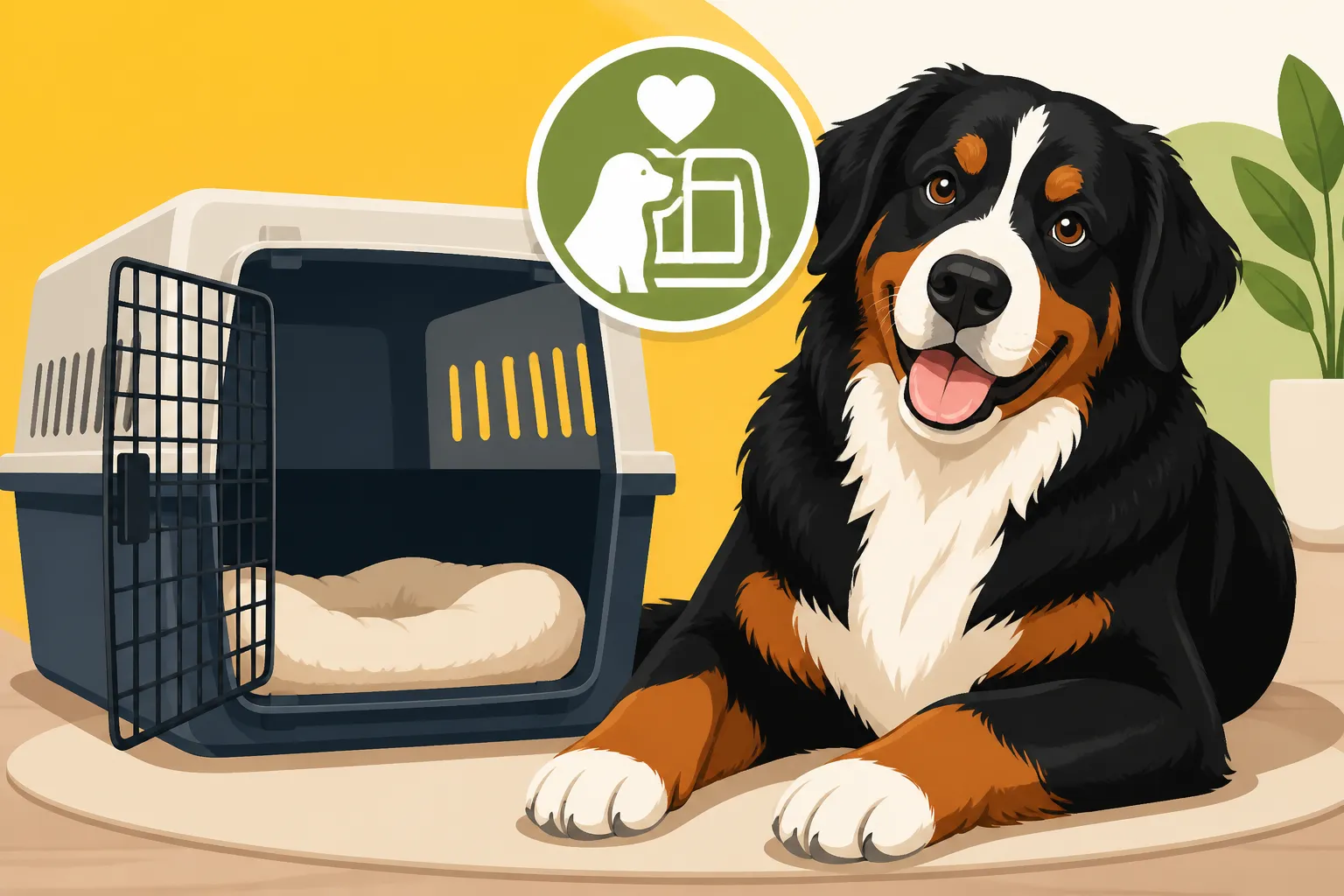
Crate Training an Adult Bernese Mountain Dog
So, you've got this magnificent, fluffy, full-grown Bernese Mountain Dog, and you're thinking about crate training them. Maybe they're a new rescue who never learned, or perhaps an old habit needs a gentle reset. It can feel like a monumental task, trying to introduce a crate to a full-sized dog, but I promise, it's about creating a safe, comfortable haven, not a punishment. This guide will walk you through making that crate a positive, secure den for your beloved Berner, even if they're past their puppy prime.
Why Crate Train an Adult Bernese Mountain Dog?
Many people associate crate training with puppies, imagining a tiny fluffball happily snoozing in a small wire box. But for an adult Bernese Mountain Dog, a crate can offer incredible benefits, transforming their quality of life and your peace of mind. It’s not about confinement; it’s about providing a safe, predictable space in a sometimes-overwhelming world.
Safety and Security
An adult Berner, especially one new to your home, might not understand household rules. The crate becomes a safe zone where they can’t chew on dangerous electrical cords, ingest toxic household cleaners, or get into other mischief when unsupervised. This is particularly crucial if you have a dog with a history you don’t fully know, or if they’re prone to anxiety when left alone. When you need to leave the house, or even just take a shower, knowing your Bernese is securely and comfortably crated prevents accidents and protects them from harm. It’s a literal sanctuary from potential trouble, offering both you and them a sense of security.
Management and House-Training Support
Let's be real, managing a hundred-pound dog who isn't fully house-trained or prone to counter-surfing is a challenge. A crate, when used correctly, can be an invaluable tool for house-training an adult Bernese, reinforcing the idea that they shouldn't soil their sleeping area. They naturally want to keep their den clean, which encourages them to hold it until they are let out. Beyond house-training, a crate offers structured management. Having guests over, needing to keep your Berner calm after a vet procedure, or simply managing them during meal preparation becomes much easier when they have a designated, safe place to settle. It helps integrate them smoothly into the rhythm of your home, reducing stress for everyone involved.
Providing a Den Space
Think of the crate not as a jail cell, but as your Bernese Mountain Dog’s own personal bedroom or den. Dogs are denning animals by nature, and a properly introduced crate taps into this instinct. It gives them a quiet, undisturbed retreat where they can chew a favorite toy, nap peacefully, or simply decompress from the hustle and bustle of family life. This is especially beneficial for a breed like the Bernese, who, despite their gentle nature, can get overwhelmed or overstimulated. When they're feeling a bit unsure or just need some alone time, their crate is a consistent, predictable comfort. It's their safe bubble, a place where they can truly relax and feel secure, which is essential for their overall well-being. This can be especially helpful if your Bernese is prone to The Bernese Mountain Dog That Cannot Bear Being Left and needs a sense of security when you're away.
Challenges of Crate Training an Adult Berner
Crate training an adult Bernese Mountain Dog comes with its own unique set of hurdles. We’re not talking about a tiny puppy you can easily scoop up and place in a crate. These are substantial dogs with established personalities and potentially ingrained habits. It’s important to understand these challenges so you can approach training with patience and realistic expectations.
Size and Strength
Let’s state the obvious: Bernese Mountain Dogs are big. A full-grown Berner can easily weigh 80 to 120 pounds, sometimes more. This means you need a substantial crate, one that is sturdy enough to contain them and large enough for them to stand up, turn around, and lie down comfortably. Cheap, flimsy crates simply won't cut it, and a determined, unhappy Berner can bend or break out of them. Their sheer size also means that physically encouraging them into a crate is not an option; everything must be done through positive reinforcement and voluntary cooperation. If they decide they don’t want to go in, you won’t be able to force them. This necessitates a thoughtful, gentle approach, focusing on making the crate irresistible rather than compulsory. When looking for Crates and Gates for a Bernese Mountain Dog, make sure you measure carefully.
Prior Experiences (or Lack Thereof)
An adult Bernese might have zero experience with a crate, or worse, they might have negative associations from a previous home. If they were previously confined for long hours, used for punishment, or forced into a crate that was too small, they will understandably be resistant or fearful. This "baggage" requires an extra layer of patience and counter-conditioning. You’re not just introducing a new object; you’re often overcoming past traumas or simply teaching a completely foreign concept to a dog who is already set in their ways. Conversely, a dog with no prior experience might simply be confused or uninterested, requiring you to build interest and value from scratch. It's a journey of trust and positive association, not just routine training.
Bernese Sensitivity and Stubbornness
Bernese Mountain Dogs are known for being gentle giants, but they also possess a deep sensitivity and can be surprisingly stubborn when they don't want to do something. They respond poorly to harsh corrections or force; push them too hard, and they might The Bernese Mountain Dog That Quits After One Correction and completely shut down, becoming withdrawn and resistant. Their sensitivity means that any negative experience with the crate could set back your training significantly. On the flip side, their occasional stubborn streak means you'll need to be consistent, patient, and highly motivating. They need to genuinely believe the crate is their idea of a good place, otherwise, you'll be facing a very large, immovable object. Finding What a Bernese Mountain Dog Will Actually Work For—whether it's high-value treats, a favorite toy, or enthusiastic praise—is key to navigating their unique temperament during crate training.
Choosing the Right Crate for Your Big Berner
Selecting the right crate for your adult Bernese Mountain Dog isn't just about grabbing the biggest one you see. It's about finding a balance of size, durability, and comfort to ensure it becomes a positive, safe space for your beloved companion. Remember, this isn't a temporary solution; it's an investment in their well-being and your peace of mind for years to come.
Size and Construction Matter
For a Bernese Mountain Dog, you're going to need a truly giant crate. The general rule is that your dog should be able to stand up without their head touching the top, turn around comfortably, and lie down fully stretched out on their side. For most adult Berners, this means a crate that is at least 48 inches long, and often larger. Don't skimp on quality here. Given their size and strength, a flimsy wire crate might not hold up to a determined Berner who decides they'd rather be out. Look for heavy-duty steel wire crates, or even robust plastic crates designed for large breeds. Some brands offer crates with thicker gauge wire and reinforced doors, which are worth the extra cost. You can find a wide variety of suitable options on platforms like Amazon, but always double-check the dimensions and read reviews regarding durability.
When considering options, also think about how easy it is to clean and move. A collapsible wire crate can be handy for storage or travel, but ensure it locks securely and doesn't rattle excessively, which could unnerve a sensitive Berner. Plastic crates can offer more of a "den" feel and are less prone to rattling, but they are bulkier.
Comfort and Placement
Once you have the right-sized, sturdy crate, the next step is making it inviting. This is where Orthopedic Beds Sized for a Bernese Mountain Dog become absolutely essential. A bare plastic or wire bottom is not comfortable for a large, heavy dog, and it certainly won't encourage them to relax. Invest in a thick, supportive orthopedic dog bed or a dense memory foam pad that fits snugly inside the crate. This provides cushioning for their joints and insulation from the floor. Add a soft blanket or an old t-shirt with your scent on it to make it even more appealing.
The placement of the crate is also crucial. Initially, put the crate in an area where your Bernese spends a lot of time and where they can still feel part of the family, like the living room or bedroom. Avoid tucking it away in a lonely corner of the basement. Being able to see and hear you, especially during the initial training phases, will help them feel secure and less isolated. As they become more comfortable, you can experiment with moving the crate to a quieter spot if that suits your household better, or consider having a second, smaller crate in another room for daytime naps. Remember, the goal is for them to associate the crate with comfort and positive experiences, not isolation.
Step-by-Step Guide to Crate Training Your Adult Bernese
Crate training an adult Bernese requires a gentle, patient, and positive approach. Forget any notions of forcing them in; this is about building trust and making the crate their favorite spot. This journey might take days, or even weeks, so embrace the process and celebrate every small success.
Introduction to the Crate
The very first step is to make the crate seem like the most wonderful place on earth, without any pressure. Place the crate in a central area of your home, like the living room, where your Berner already feels comfortable. Leave the door open wide, inviting them to explore. Don’t try to entice them inside yet. Instead, throw a few high-value treats near the crate, then inside the door, and eventually, all the way to the back. Do this casually, several times a day. You want them to start associating the crate with yummy things. You can also place their favorite toys or a chew bone just inside. The idea is to create a positive association, a place where good things happen.
Once they're comfortable walking in and out to get treats, start feeding them their meals next to the crate, gradually moving the food bowl closer, then just inside the door, and finally, all the way at the back of the crate. Don't close the door yet! Just let them eat their meal inside, feeling completely free to exit when they're done. This positive association with food makes the crate a rewarding space. The team at BAXTER & Bella offers excellent online resources and training programs that emphasize positive reinforcement, which can be incredibly helpful for this stage of introduction.
Gradual Time Increases
After your Bernese is happily entering the crate to eat and retrieve treats, it's time to introduce brief periods of confinement. While they are happily munching on their meal inside the crate, gently close the door. Open it again as soon as they finish eating. Repeat this for several meals. The goal is for them to not even notice the door closing and opening because they are so focused on their food.
Once they're comfortable with this, begin to extend the time the door is closed by a few seconds after they finish eating, gradually building up to a minute or two. Stay right there with them, offering calm praise. Never leave them during these early, short sessions. Once they are tolerating a few minutes with you right there, start leaving the room for a few seconds, then returning. Slowly, slowly, increase the duration you are out of sight. The key is to always come back before they start to get anxious or whine. You want to avoid any negative experience. If you return to a calm, settled dog, reward them generously with a treat and calm praise before letting them out. This teaches them that you always come back, and that quiet time in the crate is rewarded. This gradual extension helps your Berner learn to settle even when you’re not right there.
Making the Crate a Positive Space
The crate should never be used for punishment. It should always be a place of comfort and reward. Continue to offer high-value treats, special chew toys (like a Kong stuffed with peanut butter or cream cheese), or even just their favorite chew bone exclusively when they are in their crate. This reinforces the idea that the crate is where the best stuff happens. Play calm, soothing music or use a white noise machine near the crate to help them relax.
Make sure their crate is comfortable, with soft bedding and maybe even a favorite blanket. For a dog that tends to A Bernese Mountain Dog Left Alone, creating an environment of comfort and familiarity is crucial. If you're going to leave them for longer periods, ensure they have had ample exercise and a potty break beforehand. The goal is for your Bernese to voluntarily go into their crate for naps or quiet time because they genuinely enjoy being in there. When you get to the point where they are happily resting in their crate for longer periods, you'll know you've succeeded in establishing it as a positive, secure den. This consistent positive reinforcement is key to helping them feel good about Stretching the Hours a Bernese Mountain Dog Copes Alone.
Troubleshooting Common Crate Training Issues
Even with the best intentions and a gentle approach, crate training an adult Bernese Mountain Dog can present a few challenges. It's crucial to understand these common hurdles and how to address them with patience and consistency, rather than becoming frustrated or giving up. Remember, your Berner's comfort and trust are paramount.
Barking or Whining in the Crate
It's common for an adult Bernese to express their displeasure with barking or whining when first introduced to the crate, especially if they haven't been crated before or are experiencing separation anxiety. The absolute golden rule here is to never let them out when they are actively barking or whining. Doing so teaches them that making noise is the way to get what they want. Instead, wait for a brief moment of silence – even just one or two seconds – before you open the crate door. This teaches them that quiet behavior is what earns their release.
If the barking is persistent and seems to stem from anxiety, consider shorter sessions, and make sure you've properly exercised them before crating. A tired Berner is often a quiet Berner. You can also try calming aids like a puzzle toy filled with frozen peanut butter, which can distract them and keep them busy. For some Bernese who truly struggle with being alone, the crate is only part of the solution; you might need to address underlying separation anxiety more broadly. If you find your dog is Howling From a Bernese Mountain Dog Left Behind, consider consulting with a professional dog trainer or a veterinary behaviorist for tailored advice.
Refusal to Enter the Crate
Sometimes, a Bernese will simply plant their paws and refuse to go into the crate. This could be due to past negative experiences, fear, or simply their inherent stubbornness. Forcing them in will only make the situation worse and erode their trust. Revisit the "Introduction to the Crate" steps, making the crate incredibly high-value. Toss the absolute tastiest treats you can find (boiled chicken, cheese, hot dogs) into the crate. Don't ask them to go in; just make the food appear in there. If they won't go all the way in, just toss treats near the entrance.
You can also try playing a fun game where you throw a favorite toy into the crate, let them retrieve it, and then throw it out again. This builds a positive, playful association. If they're hesitant, try placing their food bowl just inside the door, then gradually moving it further back. Another trick is to ignore the crate for a bit, then casually walk by and toss a treat in without making a big deal out of it. Let them decide to investigate. Their curiosity and love for food will often win out. Remember, the goal is for them to willingly and happily Teaching a Bernese Mountain Dog to Stay on a Mat within the crate.
Anxiety and Panic in the Crate
This is perhaps the most serious issue and requires immediate attention. If your Bernese is exhibiting signs of true panic – panting excessively, drooling, frantically trying to escape, or even injuring themselves – they are not just protesting; they are genuinely distressed. A crate should never be a source of panic. In such cases, stop all crate training immediately. Forcing a dog with severe anxiety into a crate can worsen their fear and potentially create a lifelong aversion.
This kind of severe anxiety often indicates a deeper issue, such as separation anxiety, which needs to be addressed independently of crate training. You might need to explore alternative management solutions, such as baby gates to confine them to a safe, dog-proofed room, or a dedicated "safe zone" that doesn't feel as enclosed as a crate. Consulting with a certified professional dog trainer or a veterinary behaviorist is highly recommended. They can help you identify the root cause of the anxiety and develop a tailored behavior modification plan. Remember, while some Bernese may find the crate a comforting den, The Bernese Mountain Dog That Does Better With Company may require different strategies for alone time. It's vital to prioritize their emotional well-being above strict adherence to crate training.
| Crate Type | Pros | Cons | Best For |
|---|---|---|---|
| Wire Crate | Good ventilation, collapsible, affordable | Can feel exposed, less 'den-like', can rattle | Dogs without severe anxiety, short-term confinement, travel |
| Plastic/Airline Crate | More 'den-like', secure, airline-approved | Bulky, less ventilation, harder to clean | Dogs preferring enclosed spaces, travel, moderate anxiety |
| Heavy-Duty Steel Crate | Extremely durable, escape-proof, secure | Very expensive, very heavy, industrial look | Powerful chewers, escape artists, severe anxiety (under guidance) |
| Soft-Sided Crate | Lightweight, portable, comfortable | Easily damaged, not escape-proof, hard to clean | Dogs already crate-trained, light travel, very temporary use |
Crate training an adult Bernese Mountain Dog is a journey, not a sprint. It takes patience, consistency, and a deep understanding of your dog's individual personality and needs. While the challenges can seem daunting, the rewards of a calm, secure, and well-adjusted companion are immeasurable. Focus on positive reinforcement, create a genuinely inviting space, and always prioritize your Berner's comfort and trust. With time and effort, their crate can truly become their favorite den.
Disclaimer
This article is for general informational purposes only and does not constitute professional advice. Laws, prices and regulations vary by location and change over time. Consult a qualified professional for guidance on your specific situation.