Leaving the House Without Upsetting a Bernese Mountain Dog
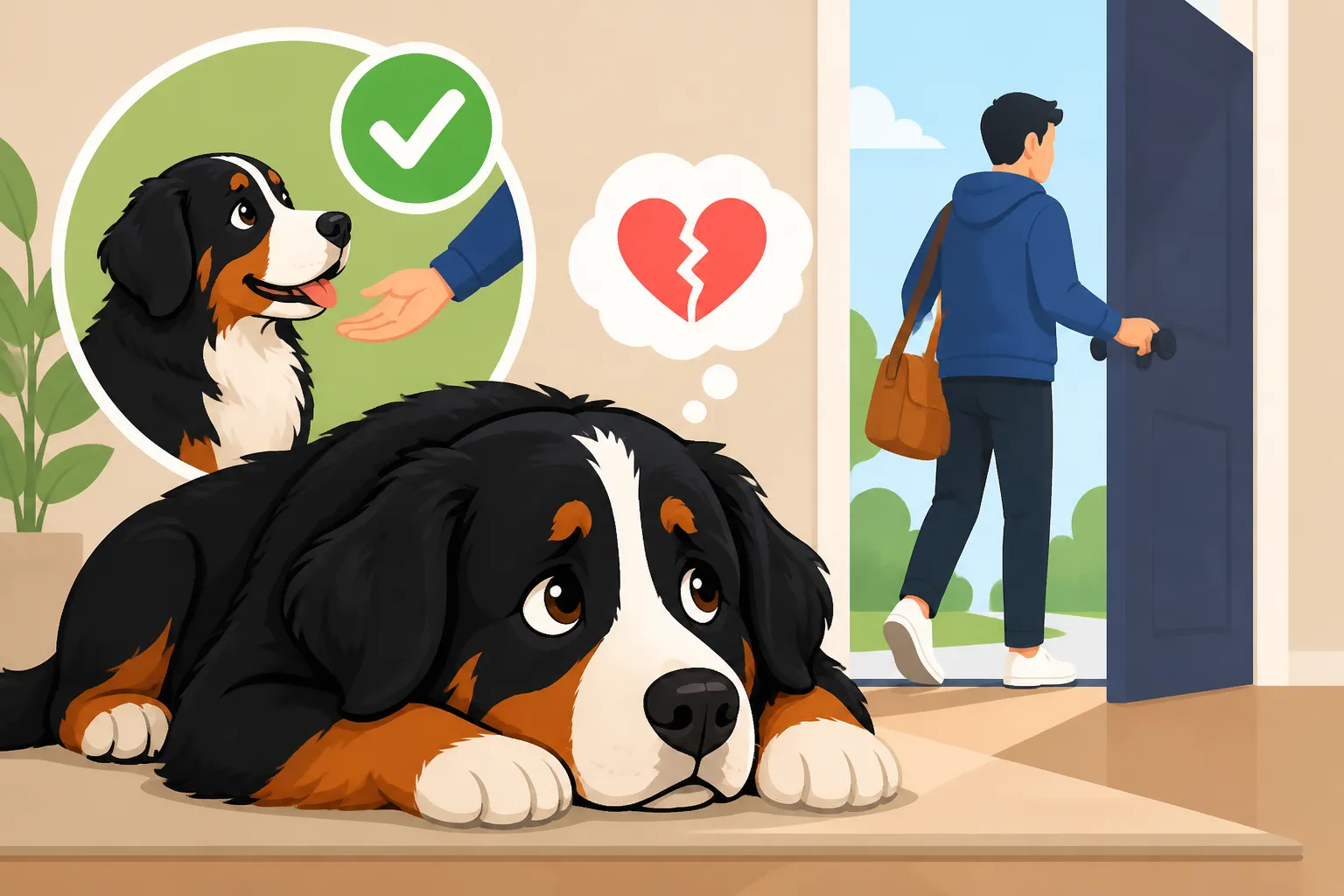
It's a familiar ache in the heart for many Bernese Mountain Dog owners: that moment you close the front door, knowing your beloved Berner is on the other side, possibly distressed. These gentle giants, with their deep-rooted desire for companionship, can struggle immensely with being left alone, leading to heartbreaking displays of anxiety. This guide is here to walk you through understanding why your Bernese might get upset when you leave, and, more importantly, how to build their confidence and help them cope calmly with your absence.
Understanding Your Bernese Mountain Dog's Attachment
Bernese Mountain Dogs were historically bred for companionship and work alongside humans in the Swiss Alps. They spent their days as farm dogs, droving cattle, pulling carts, and guarding their families. This deep-seated bond means they are inherently predisposed to wanting to be near their people. When you leave, they're not just missing you; their instinct tells them something is amiss, that their pack is incomplete. It's a fundamental part of who they are, and it's why The Bernese Mountain Dog That Cannot Bear Being Left is such a common concern for owners.
The Berner's Innate Desire for Company
Think about your Berner's origins. These dogs weren't solitary creatures; they were integral members of a working farm unit. Their job involved constant interaction, observation, and being part of the family's daily rhythm. They are not independent wanderers; they are loyal, devoted companions who thrive on presence. This inherent trait, while one of the most charming aspects of the breed, also makes them particularly susceptible to distress when left on their own. They crave that human connection, and a silent house can feel like a profound absence. It’s not a behavioral flaw; it’s a breed characteristic that requires understanding and careful management from their human companions.
Recognizing the Signs of Distress
Sometimes, the signs of distress are obvious: a neighbor complaining about incessant barking, torn-up cushions, or accidents inside the house when your Berner is typically house-trained. But other times, the signs can be more subtle, or only visible through a camera you've set up. We're talking about pacing, excessive drooling, destructive chewing specifically around exit points like doors or windows, or even self-harm like excessive licking that leads to hot spots. A Bernese with true separation anxiety isn't just bored; they're genuinely panicked. They might howl or bark constantly, displaying a level of vocalization far beyond typical "alert" barks. You might also notice them following you from room to room when you are home, exhibiting hyper-attachment. This distinction between boredom and anxiety is crucial for effective intervention.
The Impact of Early Experiences
A puppy's first few months are critical in shaping their ability to cope with solitude. A Bernese Mountain Dog puppy, especially, needs careful introduction to alone time. If a puppy is never left alone, or experiences a traumatic event while isolated, it can lay the groundwork for severe separation anxiety later in life. Conversely, a well-socialized puppy who has positive, brief experiences with alone time from a young age is much more likely to develop into a confident adult who can handle your absence. This isn't just about preventing full-blown anxiety; it's about fostering a sense of security and independence that benefits your Berner throughout their Why a Bernese Mountain Dog Lives Only Seven or Eight Years. Consider the environment they came from. Was their breeder someone who carefully introduced them to solitude, or were they always in a bustling kennel environment with constant canine and human interaction? These early experiences, for better or worse, create a blueprint for how your Berner views being alone.
Laying the Foundation: Training for Independence
Building independence isn't about ignoring your Bernese; it's about teaching them that your absence is temporary and safe. It's a gradual process, often starting the moment they come home, and it requires consistency and patience. Just like Teaching a Bernese Mountain Dog to Stay Put, teaching them to cope alone takes dedication.
Crate Training as a Safe Haven
A well-introduced crate can be an invaluable tool for a Bernese Mountain Dog, especially when it comes to managing alone time. The key words here are "well-introduced." Your Berner's crate should never be used for punishment. Instead, it should be their cozy den, a place of comfort and security. Start by making the crate a positive space with soft bedding, favorite toys, and high-value treats. Feed meals in the crate. Leave the door open initially so they can explore freely. Once they're comfortable going in and out, begin closing the door for very short periods while you're still in the room, gradually extending the time. Many owners find durable, appropriately sized crates on Amazon, often paired with a comfy orthopedic bed for these big dogs.
Remember, a Bernese crate needs to be large enough for them to stand up, turn around, and lie down comfortably. It's their private room, not a cage. Slowly increase the time your Berner spends in the crate while you're out of sight, even if it's just in another room. This teaches them that being alone in their safe space is okay. This can be especially helpful for Crate Training an Adult Bernese Mountain Dog who might need to learn new habits.
Building "Alone Time" Gradually
This is perhaps the most critical step. You cannot expect your Bernese to go from never being alone to handling a full workday in one leap. It needs to be a slow, deliberate progression.
- Micro-Absences: Start with leaving the room for just a minute or two, then return before your Berner shows any signs of distress. Don't make a big fuss when you leave or return. The goal is to make your departures and arrivals feel utterly unremarkable.
- Around the House: Practice leaving your Berner in one room while you go to another, closing the door. Extend these periods from a few minutes to ten, then fifteen.
- Out of Sight, Out of Mind (Eventually): Once they are comfortable with you being in another room, try stepping outside your front door for a minute, then two, then five. Gradually increase this duration.
- Desensitization: Pick up your keys, put on your coat, or do other routine "leaving" actions without actually leaving. This helps desensitize them to these triggers, so they don't immediately associate them with panic.
This process can take weeks, even months. The crucial part is to always return before they become anxious. If you return to a dog already in a panic, you're reinforcing that their anxiety eventually brings you back. Patience is truly a virtue here. For ideas on Stretching the Hours a Bernese Mountain Dog Copes Alone, this gradual approach is your best friend.
Teaching a "Stay" and "Settle" Command
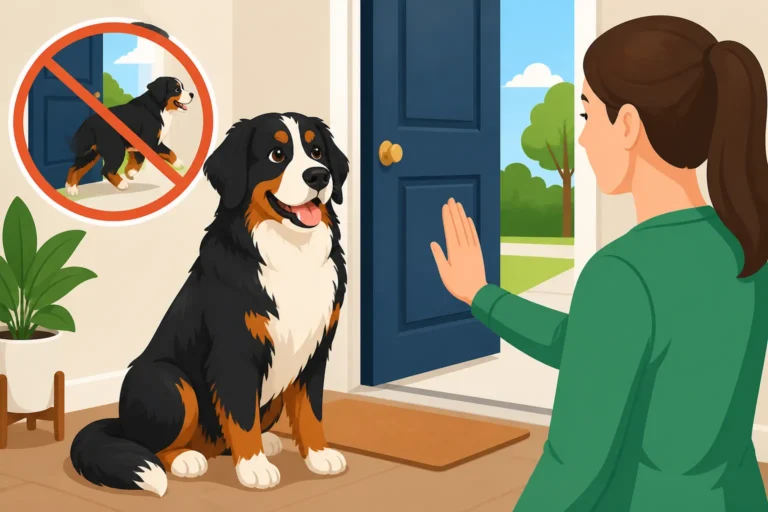
These commands are foundational for building a calm mindset, even when you're present. A strong "stay" teaches your Berner to remain in one spot even when you move away, reinforcing the idea that they don't always need to follow you. Start with short durations and distances, rewarding heavily for success.
The "settle" command is equally important. This teaches your Berner to relax on their bed or mat, even amidst distractions. You can teach this by rewarding them for lying down calmly on their designated spot. Encourage them to stay there with gentle praise and occasional treats while you move about the room or even step out briefly. Programs like those offered by BAXTER & Bella often have structured lessons for teaching these crucial commands, emphasizing positive reinforcement. This helps them understand that their calm behavior is rewarded, and that relaxing in their own space is a good thing, even when you're nearby. For specific techniques, search for guidance on Teaching a Bernese Mountain Dog to Settle.
Strategies for a Calm Departure and Return
Your departure and return rituals can dramatically impact your Bernese Mountain Dog's emotional state. The goal is to make them as low-key and uneventful as possible.
Creating a Low-Key Departure Routine
Many owners inadvertently escalate their dog's anxiety by making a big deal out of leaving. Extended goodbyes, lots of hugs, and tearful farewells, while natural for us, can signal to your Berner that something significant (and potentially scary) is about to happen.
Instead, aim for a calm, quiet departure:
- Ignore for 5-10 minutes before leaving: Before you head out, simply ignore your Berner for a few minutes. Don't make eye contact, don't pet them. This helps break the association between your departure and a heightened emotional state.
- Provide a distraction: Just before you leave, give them a high-value, long-lasting chew toy or a puzzle toy stuffed with treats. A frozen KONG or a snuffle mat can keep them occupied for a good while. This diverts their attention from your exit and associates your leaving with something positive. You can find many such enrichment items on Amazon.
- Quiet exit: Slip out without fanfare. Don't say goodbye, don't look back. Your goal is to make your departure as unremarkable as possible.
- Music or TV: Leaving a radio on a talk station or a TV with a calm program can provide background noise, making the house feel less empty and potentially masking outside sounds that might trigger barking.
These small changes can make a huge difference in your Berner's ability to settle after you've gone. It's about shifting their focus from your exit to an engaging activity.
Enriching the Environment When You're Away
A bored Bernese is a destructive Bernese, and while boredom isn't true separation anxiety, it can certainly contribute to distress. Providing mental and physical stimulation is vital when you're not home.
- Chews and Puzzle Toys: As mentioned, these are invaluable. Rotate them so your Berner doesn't get bored with the same items.
- Safe Space: Ensure their designated "alone spot" (whether it's a crate, a specific room, or an orthopedic dog bed) is comfortable and secure. Beds, Crates and Gates Sized for a Bernese Mountain Dog can help create the perfect sanctuary.
- Natural Light/Views: If possible and safe, allow them access to a window where they can watch the world go by. This can provide mental stimulation and reduce feelings of isolation. However, if outside stimuli trigger excessive barking or reactivity, this might not be the best option.
- Dog Walkers or Daycare: For longer absences, consider hiring a reputable dog walker to break up their day or enrolling them in a quality doggy daycare a few times a week. This ensures they get exercise, mental stimulation, and social interaction. Remember, a tired Berner is often a happy Berner.
Making Returns Undramatic
Just as you should make departures low-key, your returns should also be calm. It's tempting to greet your excited Bernese with enthusiasm, but this can inadvertently reinforce that your return is a big, exciting event, making your departures even harder.
When you walk in:
- Ignore initial excitement: Resist the urge to greet them immediately. Walk in, put your things down, maybe get a glass of water. Wait until your Bernese has calmed down a bit – maybe they've stopped jumping, their tail wags less frantically, or they've even settled on their bed.
- Calm greeting: Once they are calmer, you can offer a quiet, gentle greeting. A calm pet, a soft word. This teaches them that calm behavior earns your attention.
- Check for issues later: If there are messes or destruction, address them after your Berner has settled and you've given them a calm greeting. Scolding a dog for something that happened hours ago is ineffective and can create confusion and fear.
By making your arrivals and departures predictable and low-emotion, you teach your Bernese that these transitions are simply a normal part of life, not a cause for celebration or panic.
When Things Go Wrong: Addressing Separation Anxiety
Sometimes, despite our best efforts, a Bernese Mountain Dog's anxiety is too deeply ingrained or severe to manage with simple behavioral adjustments. It’s important to know the difference between a dog who is just unhappy to be alone and one who is truly suffering from separation anxiety.
Differentiating Boredom from True Anxiety
This is a critical distinction that impacts your approach to solving the problem. A bored Bernese might chew a shoe because they have nothing better to do, or bark at squirrels out the window. A dog with separation anxiety, however, is in a state of panic.
Here's a quick comparison:
| Trait | Boredom | Separation Anxiety |
|---|---|---|
| Trigger | Lack of stimulation, anything stimulating | Owner's imminent departure or actual absence |
| Vocalization | Intermittent barking at stimuli | Persistent, frantic barking, howling, whining |
| Destruction | Chewing on random household items | Focused on exit points (doors, windows) |
| House Soiling | Often urination, sometimes defecation | Often defecation, sometimes urination |
| Physiological Signs | None | Pacing, drooling, panting, trembling, self-harm |
| After Owner Leaves | Eventually settles or finds something to do | Escalates rapidly, does not settle |
Understanding this table can help you assess the severity of your Berner's distress. If you suspect true separation anxiety, your approach needs to be more intensive. Often, issues like Howling From a Bernese Mountain Dog Left Behind are clear indicators of severe anxiety rather than just boredom.
Seeking Professional Guidance
If you've tried the gradual independence training, implemented calm routines, and provided ample enrichment, but your Bernese is still showing significant distress, it's time to bring in professional help. Separation anxiety is a complex behavioral issue, and trying to tackle it alone can be frustrating and even detrimental.
Look for a certified professional dog trainer or a veterinary behaviorist who specializes in anxiety. These professionals can:
- Diagnose: Accurately assess if it's true separation anxiety or another behavioral issue.
- Create a tailored plan: Develop a desensitization and counter-conditioning program specific to your Berner's needs. This often involves very gradual increases in alone time, combined with positive associations.
- Recommend management tools: Suggest tools like specific pheromone diffusers, calming supplements, or in some severe cases, medication to help reduce anxiety enough for behavioral modification to be effective.
- Provide support: Guide you through the often challenging and slow process, offering invaluable feedback and encouragement.
Remember, seeking help is a sign of a responsible owner, not a failure. These experts have the knowledge and experience to help you and your Bernese navigate this difficult challenge.
Management Techniques and Tools
While you're working through training and potentially with a professional, there are also practical management techniques and tools that can help alleviate your Bernese Mountain Dog's stress:
- Cameras: A pet camera (many available on Amazon) allows you to monitor your Bernese's behavior while you're away. This helps you understand their triggers and gauge the effectiveness of your training. You can see precisely when the anxiety starts and how long it lasts.
- White Noise/Music: As mentioned earlier, ambient sound can be incredibly helpful. There are even specific dog-calming music playlists designed to soothe anxious pups.
- Exercise Before Departure: A good, solid walk or play session before you leave can help tire your Berner out both physically and mentally. A tired dog is more likely to rest and less likely to engage in destructive behaviors. This might mean adjusting your schedule to ensure they get their exercise before you head out, especially for active dogs.
- Doggy Daycare or Pet Sitter: For those times when you absolutely cannot be home for extended periods, having a trusted pet sitter come by or taking your Bernese to a reputable doggy daycare can be a lifesaver. This prevents prolonged periods of anxiety and offers vital companionship.
- Consistent Schedule: Dogs thrive on routine. Maintaining a consistent schedule for feeding, walks, playtime, and alone time can provide a sense of predictability and security. This is particularly important for The First Month With a Rescued Bernese Mountain Dog, as new environments can be unsettling.
Helping your Bernese Mountain Dog cope with being alone is an act of love and patience. It takes time, consistency, and a deep understanding of their unique needs. But with the right approach, you can help your devoted companion feel safe and secure, even when you're not right there beside them.
Disclaimer
This article is for general informational purposes only and does not constitute professional advice. Laws, prices and regulations vary by location and change over time. Consult a qualified professional for guidance on your specific situation.