The Weekly Handling a Bernese Mountain Dog Should Accept
Living with a Bernese Mountain Dog is an absolute joy, but anyone who shares their home with one knows that their impressive size and sometimes stubborn nature can make routine care feel like a wrestling match. From brushing out that magnificent tri-color coat to trimming those substantial nails, simply getting your Berner to accept being handled for essential weekly tasks is a skill set you both need to master. This guide will walk you through how to transform necessary handling from a dreaded chore into a positive, cooperative experience for both you and your beloved companion.
Understanding the Bernese Mountain Dog Temperament and Size
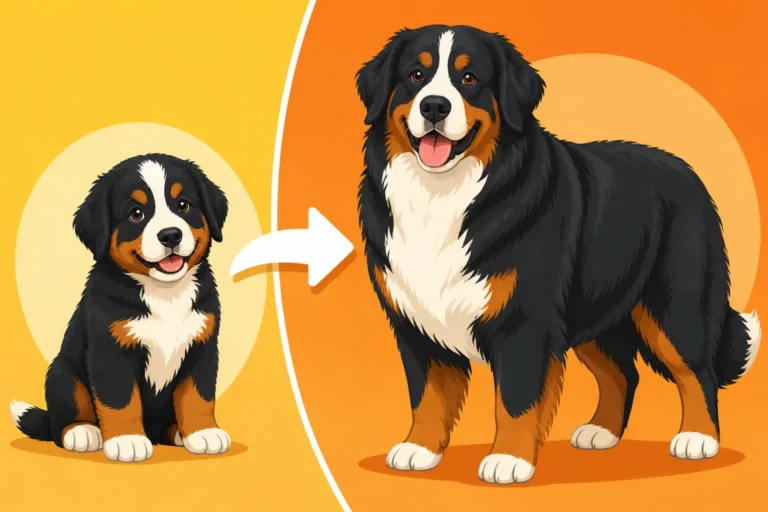
Bernese Mountain Dogs are truly magnificent creatures, renowned for their stunning appearance and, perhaps even more so, for their incredibly loving and gentle dispositions. They make wonderful family pets, often acting as gentle giants around children and other animals. However, their sheer size – often well over 100 pounds – combined with a sensitive and sometimes independently-minded personality, means that handling them for routine care requires a thoughtful and consistent approach from day one. You can't simply strong-arm a dog this big; you need their cooperation, and that comes from trust and positive association.
The Gentle Giant, But Still a Giant
It's easy to fall in love with a Bernese Mountain Dog's sweet, affectionate nature. They often want nothing more than to be close to their people, leaning their heavy bodies against you for comfort and reassurance. This loving disposition is one of their most endearing qualities, and it’s why so many of us welcome them into our homes. However, beneath that soft exterior lies a powerful, substantial animal. A hundred-pound dog, even one as gentle as a Berner, can inadvertently knock you over, resist a command with surprising strength, or simply decide they're not in the mood for a nail trim. This isn't out of malice, but simply because they are large and possess an innate sense of self-preservation.
The challenge, then, lies in harnessing that gentle spirit and immense physical presence for cooperative care. If a routine task, like brushing, becomes a struggle, it’s not just unpleasant; it can be downright difficult to manage safely. Imagine trying to brush out a stubborn mat from a dog that outweighs you and is actively trying to get away. The time to establish positive handling habits is long before a minor grooming session turns into a major standoff. It's about teaching them that your hands, and the tools you use, are sources of comfort and reward, not something to be endured.
Sensitivity and "Softness"
One of the defining traits of the Bernese Mountain Dog is their sensitivity, often described as being "soft" dogs. This means they don't respond well to harsh corrections, yelling, or physical force. In fact, such approaches are likely to be counterproductive, leading them to shut down, become fearful, or even develop a strong aversion to handling. If you try to force a sensitive Berner into a position they don't like, or reprimand them harshly for squirming during a nail trim, you might find that The Bernese Mountain Dog That Sulks After a Telling Off. This sensitivity is a double-edged sword: it makes them wonderfully empathetic companions, but it also means you must approach their training and handling with immense patience, kindness, and positive reinforcement.
Instead of force, focus on gentle guidance and positive reinforcement. If your Berner associates handling with discomfort, fear, or negativity, they will learn to avoid it. Conversely, if every interaction, even a quick ear check or paw touch, is paired with praise, a tasty treat, or a favorite toy, they will gradually learn to tolerate, and even enjoy, these moments. This understanding is foundational to successful weekly handling. It's about building a relationship where your Berner trusts you completely, even when you're doing something they might not instinctively prefer. Remember, a fearful or resistant 100-pound dog is much harder to handle than a willing, cooperative one.
Starting Early: Puppyhood Handling Fundamentals
The golden rule for raising a Bernese Mountain Dog who accepts weekly handling is to start early. From the moment you bring your fluffy puppy home, every interaction is an opportunity to teach them about touch and cooperation. Puppyhood is a critical window for socialization and habituation, and laying a strong foundation now will save you countless headaches (and potentially vet bills) down the road. Waiting until your Berner is a gangly, strong adolescent to introduce nail trims or thorough brushings is akin to trying to teach a teenager to appreciate classical music when they've only ever heard heavy metal – it’s a much steeper uphill battle.
The "Touch Tolerance" Game
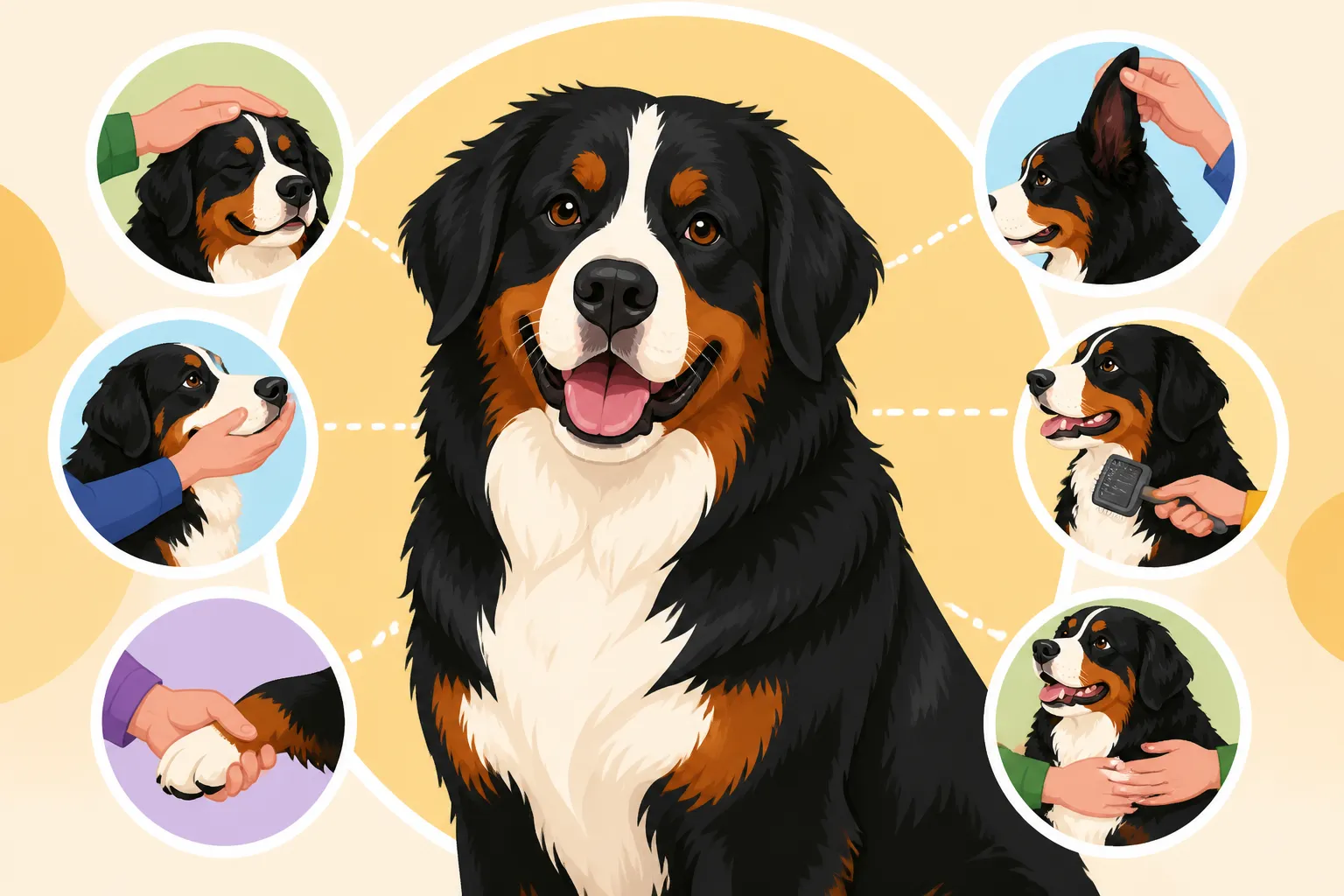
One of the most effective ways to introduce handling is through consistent, short, and positive "touch tolerance" games. These aren't formal training sessions; they're brief, playful interactions designed to make being touched all over their body a normal and pleasant experience. Start with gentle stroking, and gradually incorporate touching different parts of their body:
- Paws: Gently hold a paw, inspect between the toes, and lightly squeeze each toe. Pair this with a tiny, high-value treat. Release the paw, give another treat. Repeat on all four paws. This is crucial for future nail trims and checking for paw injuries.
- Ears: Lift and peek inside their floppy ears. Rub the base of their ears. Offer treats. This helps with ear cleaning and medication if needed.
- Mouth: Gently lift their lips to expose their gums and teeth. Briefly open their mouth. Reward generously. This prepares them for dental checks and brushing.
- Tail: Gently lift and move their tail. Bernese Mountain Dogs have a magnificent tail plume, and they need to be comfortable with it being handled for grooming.
- Belly and Flanks: Stroke and lightly palpate their belly and sides. This is important for grooming and for vet examinations, especially if they ever need an ultrasound or to be checked for bloat.
Keep these sessions short – literally 10-30 seconds per body part – and always end on a positive note. The goal is to build up a positive association with any touch, so when you eventually introduce tools or more involved procedures, the foundation of trust and acceptance is already there. Remember, a puppy's attention span is fleeting, so frequent, brief, and rewarding sessions are far more effective than long, drawn-out ones.
Acclimatizing to Tools and Environments
Beyond just your hands, your Bernese Mountain Dog puppy also needs to get used to the various tools and environments associated with their weekly care. Introduce grooming tools one by one, making them part of the "touch tolerance" game.
- Brushes: Let your puppy sniff and investigate the brush. Gently touch it to their fur, then immediately give a treat. Gradually progress to short, gentle strokes, building up duration as they tolerate it. You can find a wide array of excellent brushes for Berners on sites like Chewy, from undercoat rakes to slicker brushes.
- Nail Clippers/Grinders: Show them the clippers or grinder. Let them sniff it. Turn the grinder on briefly away from them so they hear the sound, then treat. Gradually touch the tool to their nails (without actually clipping/grinding yet), always followed by a treat. The goal is to make the sight and sound of these tools mundane and non-threatening.
- Bathing Area: If you plan to bathe your Berner at home, introduce them to the tub or shower area slowly. Let them explore it, toss some treats in, make it a fun place. Turn the water on gently so they get used to the sound.
- Vet's Office: While you can't replicate a full vet exam, you can make the actual vet's office a positive place by scheduling "happy visits" where your puppy just goes in for praise and treats from the staff, without any procedures. This helps them associate the clinic with good experiences rather than just shots or uncomfortable exams.
By desensitizing your Berner puppy to these items and places early on, you create a dog that is much more likely to cooperate throughout their life. This proactive approach is key for a breed that will grow to such an impressive size.
Essential Weekly Handling Tasks and Techniques
Now that we’ve established the foundation of positive handling in puppyhood, let’s dive into the practicalities of the essential weekly tasks that keep your Bernese Mountain Dog healthy and comfortable. These aren't just about aesthetics; they are critical components of their overall well-being. Regular, consistent attention to these areas can also help you spot potential health issues early, which is invaluable for a breed prone to certain conditions.
Brushing and Coat Maintenance
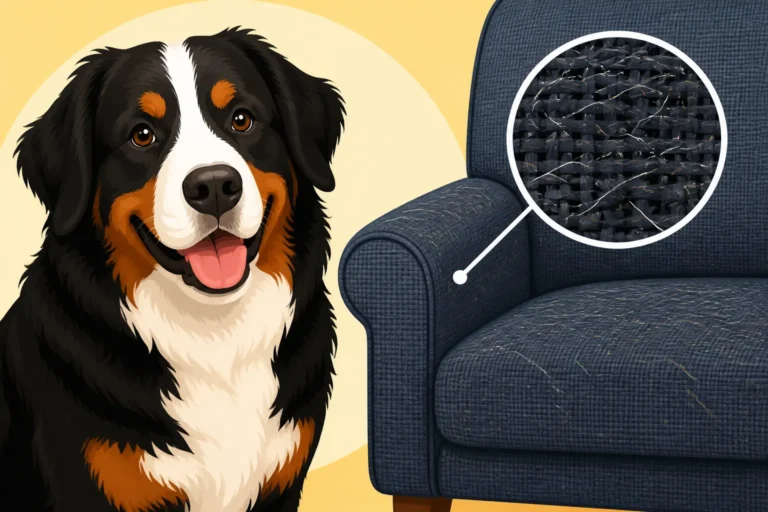
The Bernese Mountain Dog's stunning tri-color coat is one of their most defining features, but it also comes with a significant grooming commitment. That thick, double coat is designed for cold mountain climates, and it sheds – a lot! Regular brushing is paramount, not just to manage shedding, but to prevent painful mats, especially in areas with longer feathering.
- The Importance of Regular Brushing: Their long outer coat and dense undercoat can quickly become tangled and matted if neglected. Mats are not just unsightly; they can pull on the skin, cause irritation, create hot spots, and even hide skin infections. Furthermore, brushing helps distribute natural oils, keeping their coat healthy and shiny. During shedding seasons (typically spring and fall, but frankly, year-round for many), brushing out the dead undercoat is essential to keep them comfortable and reduce the amount of hair floating around your home. You can learn more about managing this by reading How Often a Bernese Mountain Dog Should Be Brushed.
- Choosing the Right Tools: For a Berner, you'll need a few key tools. A good quality undercoat rake is indispensable for penetrating the dense undercoat and removing loose hair without damaging the topcoat. A slicker brush helps smooth out the outer coat and remove surface debris. A wide-toothed comb is excellent for working through tangles in their feathering, particularly behind the ears, on their legs, and on their "trousers" (the long hair on their hind legs). These tools are readily available on pet supply sites like Chewy or Amazon.
- Technique for a Thorough Brush:
- Start with the Undercoat Rake: Work in sections, going against the direction of hair growth first to lift the undercoat, then with the growth. Pay close attention to high-friction areas like behind the ears, armpits, and groin, where mats commonly form.
- Move to the Slicker Brush: Use the slicker brush to smooth the topcoat, remove any remaining loose hair, and stimulate the skin.
- Comb Feathering: Gently comb through the longer hair on their legs, chest, and tail. These areas are prone to tangles and burrs. If you encounter a mat, don't yank! Use a de-matting spray or conditioner, and gently work it out with your fingers and a comb, starting from the outside edge of the mat. Cutting mats can be risky, especially close to the skin.
- Making it Positive: Always make brushing a positive experience. Have your Berner lie down or stand calmly (whichever they prefer), and offer praise and treats throughout. Short sessions are better than forcing a long one. As you brush, you'll get a better sense of How Long Brushing a Bernese Mountain Dog Takes.
Nail Trimming: A Crucial Skill
For a heavy breed like the Bernese Mountain Dog, keeping their nails trimmed short is not just about aesthetics – it's vital for their comfort and joint health. Long nails can push back into the nail bed, causing pain and splaying their toes, which puts undue stress on their paw structure and leg joints. Given that Berners are already susceptible to Arthritis in a Bernese Mountain Dog by Six, proactive nail care is non-negotiable.
- Why Short Nails Matter: When a dog's nails are too long, they hit the ground before the paw pads do. This forces the toes upwards and backwards, putting strain on the paw joints and potentially affecting their gait and balance. Over time, this can contribute to orthopedic issues. The goal is to trim the nails so they don't touch the ground when your Berner is standing naturally.
- Desensitization and Tools: If you haven't already, ensure your Berner is comfortable with you handling their paws. Introduce nail clippers (guillotine or scissor-style) or a Dremel grinder slowly. Many Berners tolerate grinders better than clippers due to the lack of pressure and "snapping" sensation.
- The Trimming Process:
- Positioning: Find a comfortable position for both of you. Some dogs are okay lying on their side, others prefer sitting. If your Berner is losing its back legs, you might need to find a way to support them that doesn't put stress on those joints.
- Identifying the Quick: Bernese Mountain Dogs often have black nails, which makes Finding the Quick in a Bernese Mountain Dog's Black Nail a bit trickier. The quick is the blood supply and nerve ending within the nail. Cutting it is painful and will cause bleeding. If you're unsure, only take tiny slivers off the tip. With black nails, you can often see a small, dark dot in the center of the trimmed nail when you get close to the quick – stop there!
- Clippers vs. Grinder:
- Clippers: Take small, quick snips at a 45-degree angle.
- Grinder: Touch the spinning head to the nail for a second or two, then remove, allowing the heat to dissipate. Repeat several times per nail until it’s short and smooth. This method often allows you to get closer to the quick without cutting it, as the quick recedes with consistent grinding.
- Positive Reinforcement: Offer lavish praise and high-value treats (perhaps some fresh, palatable food from Ollie) after each nail, or even each paw. If your Berner shows signs of stress, take a break. It’s better to do a few nails at a time over several days than to make it a traumatic event.
- Dealing with Fear: If your Berner is genuinely fearful of nail trims, you may need to go back to square one with desensitization. This could involve simply showing the clippers and giving a treat, then touching the clippers to a paw without trimming, then clipping just one tiny bit, over weeks or even months. Persistence and patience are key.
Ear and Dental Care
These two areas are often overlooked but are critical for your Bernese Mountain Dog's comfort and long-term health. Regular checks and cleanings can prevent painful infections and costly veterinary visits.
- Ear Care: Berners have floppy ears, which can create a warm, moist environment ideal for yeast and bacterial infections.
- Weekly Checks: Gently lift your Berner's ear flap and inspect the inside. Look for redness, swelling, discharge (dark, waxy, or pus-like), or an unpleasant odor. Compare it to the other ear.
- Gentle Cleaning: If the ear looks a little waxy but otherwise healthy, you can gently clean it with a vet-approved ear cleaning solution. Apply a few drops to a cotton ball (never a Q-tip, which can push debris deeper) and gently wipe the visible parts of the ear. Never insert anything into the ear canal itself unless instructed by your vet.
- Signs of Infection: If you notice excessive head shaking, scratching at the ears, pain, or any of the signs mentioned above, it's time for a vet visit. Early intervention can prevent a minor irritation from becoming a full-blown infection.
- Dental Care: Dental disease is one of the most common health problems in dogs, leading to pain, tooth loss, and even systemic health issues if bacteria from the mouth enter the bloodstream.
- Brushing: The gold standard is daily tooth brushing with a dog-specific toothbrush and toothpaste (never human toothpaste). Start slowly, letting your Berner lick the toothpaste off your finger, then introduce the brush for short sessions. Focus on the outside surfaces of the teeth, especially the molars and canines. Getting to Reaching the Back Teeth in a Bernese Mountain Dog's Jaw can be tricky, but consistency helps.
- Dental Chews and Additives: While not a substitute for brushing, dental chews, water additives, or specialized dental diets can help reduce plaque and tartar buildup. Look for products with the Veterinary Oral Health Council (VOHC) seal of approval.
- Regular Vet Checks: Your vet will examine your Berner's teeth during their annual check-ups. They can advise if a professional dental cleaning (which requires anesthesia) is necessary.
By making ear and dental checks part of your weekly routine, you'll not only keep your Berner healthier but also deepen their comfort with being handled for these potentially sensitive areas.
Building Trust and Positive Associations
Effective weekly handling isn't just about performing tasks; it's deeply rooted in the relationship you build with your Bernese Mountain Dog. For a large, sensitive breed, trust and positive associations are the bedrock of cooperation. Without these, every grooming session or health check becomes a battle of wills, and with a dog of this size, that's a battle you simply don't want to fight.
The Power of Positive Reinforcement
Positive reinforcement is your most powerful tool in shaping your Bernese Mountain Dog's willingness to be handled. It means rewarding desired behaviors, making them more likely to happen again. For handling, this translates to making every touch, every grooming step, every inspection a positive experience.
- High-Value Rewards: This isn't the time for bland kibble. Use treats that your Berner absolutely loves. Small pieces of cooked chicken, cheese, or even small dollops of fresh dog food (like those offered by Ollie) can be incredibly motivating. The higher the value of the reward, the stronger the positive association will be.
- Pairing and Timing: The key is to pair the handling action immediately with the reward. For example, touch a paw, immediately give a treat. Gently brush a few strokes, immediately give a treat. This teaches your Berner that "when my human touches me here, good things happen." The timing is crucial; the reward needs to follow the desired behavior within a second or two for your dog to make the connection.
- No Force, No Punishment: Remember the Berner's sensitive nature. Never resort to physical force, scolding, or punishment during handling sessions. If your dog is struggling or trying to escape, it's a sign they are uncomfortable or fearful. Pushing through this will only create a negative association and make future sessions harder. Instead, identify why they're struggling, break the task down into smaller, less intimidating steps, or take a break and try again later. It's better to do a little bit perfectly than a lot poorly.
- Praise and Gentle Touch: Don't underestimate the power of your calm, reassuring voice and gentle touch. While high-value treats are important, genuine praise and loving strokes also reinforce good behavior and deepen your bond. Your positive demeanor alone can go a long way in making your Berner feel safe and cooperative.
Consistent Routine and Predictability
Dogs, especially intelligent and sensitive breeds like Berners, thrive on routine and predictability. When they know what to expect, they feel more secure and are more likely to cooperate. Establishing a consistent schedule for weekly handling tasks helps integrate them into your dog's life as a normal, non-threatening part of their week.
- Fixed Times and Locations: Try to perform handling tasks at roughly the same time each week and in the same location. For example, brushing might always happen in the living room on Sunday mornings, or nail trims after their evening walk on Tuesdays. This predictability helps your Berner anticipate the activity and mentally prepare for it.
- Pre-Session Prep: Before starting a handling session, gather all your tools and treats. Ensure the environment is calm and free from distractions. A good idea is to let your Berner sniff the tools beforehand, dropping a treat as they do. This subtle pre-conditioning helps set a positive tone.
- Gradual Increase in Duration: When first establishing a routine, keep sessions very short. Over time, as your Berner's comfort and cooperation grow, you can gradually increase the duration of each session. For instance, start with one minute of brushing, then two, then five, always ensuring it remains a positive experience.
- Consistency is Key: The most important aspect is consistency. Sporadic handling, only when a problem arises (like a matted coat or overgrown nails), makes these tasks feel sudden and potentially unpleasant. Regular, gentle sessions, even if brief, reinforce the idea that handling is a normal and even enjoyable part of their life. This consistent approach builds a solid foundation for cooperative care throughout your Bernese Mountain Dog's life.
Managing Challenges and Problem Areas
Even with the best intentions and early training, there will inevitably be moments when your Bernese Mountain Dog decides they'd rather be doing literally anything else than having their nails clipped or their coat brushed. Their large size means that resistance can quickly become unmanageable if not approached correctly. Understanding how to navigate these challenges calmly and effectively is crucial for maintaining a positive relationship and ensuring their ongoing care.
When Your Berner Says "No"
It happens. You go to trim a nail, and your Berner pulls their paw away, or lies down and refuses to budge for brushing. This isn't necessarily defiance, but often a sign of discomfort, fear, or simply a lack of understanding. Reacting with frustration or force will only make the situation worse.
- Break It Down: If your Berner resists, the task might be too overwhelming for them in that moment. Break it down into smaller, almost ridiculously tiny steps. For a nail trim, this might mean:
- Step 1: Just show the clippers, reward.
- Step 2: Touch the clippers to one nail, reward.
- Step 3: Lift the paw, reward.
- Step 4: Pretend to clip a nail (without actually doing it), reward.
- Step 5: Clip one tiny sliver of one nail, reward lavishly.
The goal is to make each step so easy that success is almost guaranteed.
- Identify Triggers: What specifically causes the resistance? Is it the sound of the clippers? The feeling of the brush? The specific area being touched (e.g., their tail)? By pinpointing the trigger, you can address it directly. For example, if it's the sound of a grinder, introduce it from a distance, gradually moving closer over many sessions, always pairing it with treats.
- Take a Break: If your Berner becomes stressed or overtly resistant, stop. Continuing will only solidify a negative association. End the session on a neutral or slightly positive note if possible (e.g., a quick stroke and a treat for just standing there), then put the tools away. Come back to it later, or even the next day, with a fresh perspective and perhaps a modified approach.
- Change the Environment: Sometimes, a different location can make a difference. Some dogs feel more secure on a non-slip mat on the floor, others might be calmer on a slightly elevated surface if they're comfortable with it. Ensure the lighting is good and there are no distracting noises.
- Manage Your Own Frustration: Bernese Mountain Dogs are highly attuned to your emotions. If you're stressed or frustrated, they will pick up on it, making them more anxious. Take a deep breath. Keep your voice calm and reassuring. Remember, this is a process, and patience is your greatest virtue.
Professional Help and Training
Sometimes, despite your best efforts, certain handling tasks remain a struggle. There's no shame in admitting you need a little help, especially with a large and powerful breed like the Bernese Mountain Dog. Professionals can offer invaluable insights and practical solutions.
- Certified Professional Dog Trainers (CPDT-KA): If your Berner is showing significant fear or aggression related to handling, a certified professional dog trainer specializing in positive reinforcement can help. They can assess your dog's specific anxieties and develop a tailored behavior modification plan. They might use counter-conditioning (changing your dog's emotional response) and desensitization techniques to gradually increase your Berner's comfort. They can teach you how to Training a Bernese Mountain Dog Without Breaking It.
- Veterinary Behaviorists: For severe anxiety or aggression issues, a veterinary behaviorist (a DVM with specialized training in behavior) might be necessary. They can evaluate if there's an underlying medical component to the behavior and can even prescribe medication to help manage extreme anxiety during training.
- Professional Groomers: A skilled groomer who is experienced with large, sensitive breeds can be a lifesaver. They often have specialized equipment, such as hydraulic grooming tables and high-velocity dryers, that make grooming more efficient and comfortable. A good groomer will also use positive reinforcement and gentle handling techniques. Before booking, ask about their experience with Bernese Mountain Dogs and their approach to nervous dogs. Be prepared for What a Bernese Mountain Dog Groom Costs, as their size and coat require more time and effort.
- Vet Techs for Nail Trims: If nail trims are particularly challenging, many veterinary clinics offer "tech appointments" just for nail trims. The veterinary technicians are often experts in handling nervous dogs and can perform the task quickly and efficiently. Some even offer sedated nail trims if anxiety is severe. Don't be afraid to utilize these resources; they are there to help you and your dog.
Remember, seeking professional help isn't a sign of failure; it's a responsible choice that prioritizes your Bernese Mountain Dog's well-being and your relationship with them.
Lifelong Handling: Adapting to Age and Health Changes
The journey of handling your Bernese Mountain Dog is a lifelong one, and just like humans, their needs and tolerances will change as they age. What worked perfectly for your rambunctious puppy might not be appropriate for your stoic adult or your slower-moving senior. Being adaptable and empathetic to their evolving physical and mental state is a hallmark of responsible Berner ownership.
Handling the Adolescent and Adult Berner
The transition from puppyhood to adolescence and then adulthood brings new challenges and opportunities for handling. Your Bernese Mountain Dog will grow into their full, impressive size, and their personality will mature.
- Reinforcing Good Habits: Adolescence can be a tricky time for any dog, often marked by a temporary dip in obedience as they test boundaries. It's crucial during this stage to consistently reinforce all the positive handling habits you established in puppyhood. Don't let standards slip; continue with regular brushing, nail checks, and ear inspections, always maintaining a positive and rewarding approach. Consistency prevents regression.
- Maintaining Physical Conditioning: A fit Berner is easier to handle. Regular, appropriate exercise helps keep their joints healthy and their mind stimulated. A dog that is physically comfortable is less likely to be irritable or resistant during handling. However, always be mindful of their growth plates until they're fully mature – excessive jumping or forced exercise can lead to orthopedic problems.
- Adapting to Personality: While Berners are generally good-natured, individual personalities can vary. Some may become more stoic, others more particular about certain types of touch. Pay attention to your individual dog's preferences and adjust your handling techniques accordingly. Some adults prefer to be brushed while lying down; others are more cooperative standing.
- Spotting Subtle Changes: As an adult, you'll know your Berner best. Regular handling allows you to feel for new lumps or bumps, notice changes in coat texture, or detect any sensitivity in their joints. Early detection of potential health issues is paramount for a breed like the Bernese Mountain Dog, given their predispositions to certain cancers and orthopedic problems.
Caring for the Senior Bernese Mountain Dog
The golden years bring special considerations for handling. A senior Bernese Mountain Dog, typically aged six or seven onwards, might face mobility challenges, increased pain from conditions like Arthritis in a Bernese Mountain Dog by Six, or even cognitive decline. Your handling approach must become even gentler and more supportive.
- Gentle and Supportive Approach: Older Berners, especially those developing conditions like The Bernese Mountain Dog Whose Back Legs Give Out, may find standing for long periods or shifting their weight painful.
- Positioning: Consider performing grooming tasks while they are lying comfortably on a soft, orthopedic bed. If they need to stand, use a non-slip mat to prevent slips and slides, which can be scary and painful for unstable dogs.
- Supportive Gear: For tasks that require them to move or stand, consider using a lifting harness. This allows you to support their weight and provide stability without putting direct pressure on painful joints.
- Increased Sensitivity to Pain: An older dog with arthritis might be more sensitive to touch in certain areas. Be extra gentle, and watch for subtle signs of discomfort like flinching, lip-licking, or trying to move away. If a particular area seems consistently painful, consult your veterinarian.
- Temperature Regulation: Older dogs can be less efficient at regulating their body temperature. Ensure they are comfortable during grooming sessions, especially during warm weather, to prevent overheating.
- More Frequent Checks: As they age, it becomes even more important to be vigilant during handling. Check for new growths, skin issues (which can be hidden by their thick coat), and any changes in body condition. They might need their nails trimmed more frequently if they are less active and not wearing them down naturally.
- Professional Grooming Assistance: If your senior Berner struggles to stand or cooperate, a professional groomer experienced with geriatric dogs can be a huge asset. They can perform necessary tasks like bathing and trimming in a gentle, supportive manner. Some offer mobile services, which can be less stressful for an older dog than a trip to a busy salon. As they get older, Grooming a Bernese Mountain Dog That Cannot Stand becomes a very real consideration.
- Patience and Empathy: Above all, approach your senior Berner with boundless patience and empathy. They are doing their best, and their challenges are often physical, not willful. These moments of gentle care can strengthen your bond even further during their twilight years.
Safety and Ergonomics for You and Your Berner
Handling a large dog like a Bernese Mountain Dog isn't just about their comfort; it's also about your safety and preventing injury to both of you. A struggling 100-pound dog can easily cause a slip, a fall, or a pulled muscle. Thinking proactively about safe handling practices protects everyone involved and makes the experience more positive overall.
Safe Restraint and Positioning
While we aim for willing cooperation, there are times when some gentle restraint or strategic positioning is necessary for safety and efficiency, especially for certain tasks or during veterinary visits.
- Non-Slip Surfaces: Always perform handling tasks on a non-slip surface. Hardwood floors or tiles can be treacherous for a large dog, leading to slips and falls that can cause injury or fear. Use rubber mats, yoga mats, or a carpeted area.
- Grooming Tables (with caution): For smaller Berners or those accustomed to them from puppyhood, a sturdy, height-adjustable grooming table can be helpful. However, never force a dog onto a table if they are fearful, and always use a grooming loop to keep them safely on the table, not to restrain them aggressively. For many Berners, especially larger males or fearful individuals, the floor is a safer and more comfortable option.
- Leash and Collar: Even when handling at home, having a flat buckle collar and leash on your Berner can provide a point of gentle control if needed. This is particularly useful for keeping them in a specific area or preventing them from bolting if startled.
- Second Person: For particularly challenging tasks, or if your Berner is feeling anxious, having a second person present can be invaluable. One person can gently hold and reassure the dog while the other performs the task. This distributes the effort and makes the dog feel more secure.
- Strategic Positioning: Think about how you position yourself. For nail trims, sitting on the floor with your Berner can feel less intimidating than looming over them. For brushing, standing on one side while they are lying down can give you good access without being in their personal space too much.
- Muzzles (Positive Association): For specific situations where there is a bite risk (e.g., severe pain, fear-aggression in vet settings), a muzzle can be a safety tool. However, muzzles should always be introduced positively, associating them with treats and good experiences, not as a punishment. A basket muzzle allows your dog to pant and take treats, making it more humane than a tight fabric muzzle.
Recognizing Stress Signals in Your Dog
Your Bernese Mountain Dog communicates their discomfort or anxiety through subtle body language long before they resort to growling or snapping. Learning to "read" these signals is paramount to safe and empathetic handling. Ignoring these early warnings can escalate a situation and damage the trust between you and your dog.
- Subtle Signs of Stress:
- Lip Licking: A quick flick of the tongue over the lips, especially when no food is present.
- Yawning: Out of context, not when tired.
- Turning Head Away: Avoiding eye contact or trying to look away from the source of discomfort.
- "Whale Eye": When you can see the whites of your dog's eyes at the corners.
- Stiff Body Language: Tense muscles, rigid posture, tail held low and stiff rather than loose and wagging.
- Shifting Weight/Pacing: Trying to move away or restlessness.
- Panting (without exertion or heat): Rapid, shallow breathing.
- Ears Pinned Back: Flat against the head.
- Low Tail: Tucked between the legs or held very low, possibly tucked.
- More Overt Signs:
- Growling: A clear warning sign. Respect it.
- Snapping/Air Biting: A warning that a bite may follow if the stressor isn't removed.
- Freezing: Becoming completely still and unresponsive.
- Mouthing/Nipping: Using their mouth to communicate "stop."
- When to Stop: If you observe any of these stress signals, stop immediately. Take a break. Reassess the situation. Is your dog in pain? Is the tool too scary? Is the pressure too much? Pushing a stressed dog further will erode trust and can lead to a bite. It's always better to pause, calm the environment, and try again later with a modified approach, perhaps breaking the task down even further or seeking professional help.
By understanding and responding to your Bernese Mountain Dog's signals, you demonstrate respect and empathy, strengthening your bond and making them a more willing participant in their own care. This thoughtful, proactive approach to handling ensures that your gentle giant remains happy, healthy, and a joy to live with for years to come.
| Task | Frequency | Key Tips | Why It Matters for Berners |
|---|---|---|---|
| Brushing Coat | Weekly (daily during shedding) | Use an undercoat rake and slicker brush. Focus on feathering and friction areas. Reward often. | Prevents painful mats, reduces shedding, distributes oils, allows early detection of skin issues/lumps. |
| Nail Trimming | Every 2-4 weeks (as needed) | Introduce tools slowly. Use clippers or grinder. Take small amounts. Reward heavily. Watch for the quick. | Prevents splayed toes, joint stress, pain while walking. Crucial for heavy breeds. |
| Ear Checks/Cleaning | Weekly | Lift ear flap, check for redness, odor, discharge. Wipe visible parts with vet-approved cleaner. | Prevents infections in floppy ears, important for breed with potential allergy issues. |
| Dental Checks/Brushing | Daily (if possible) | Use dog-specific brush/toothpaste. Focus on outer surfaces. Introduce slowly. | Prevents dental disease, bad breath, and potential systemic health problems. |
| Paw Inspections | Weekly | Check between pads, for cuts, thorns, or irritation. Wipe clean. | Prevents limping, infections, and discomfort on sensitive paw pads, especially after walks. |
| Full Body Palpation | Weekly | Gently feel over entire body for lumps, bumps, tenderness, or changes in skin/coat. | Critical for early detection of cancers (like Histiocytic Sarcoma) and other health issues common in Berners. |
| Eye Checks | Weekly | Check for clear eyes, no excessive discharge, redness, or signs of irritation. | Helps detect early signs of eye conditions or injuries. |
Disclaimer
This article is for general informational purposes only and does not constitute professional advice. Laws, prices and regulations vary by location and change over time. Consult a qualified professional for guidance on your specific situation.