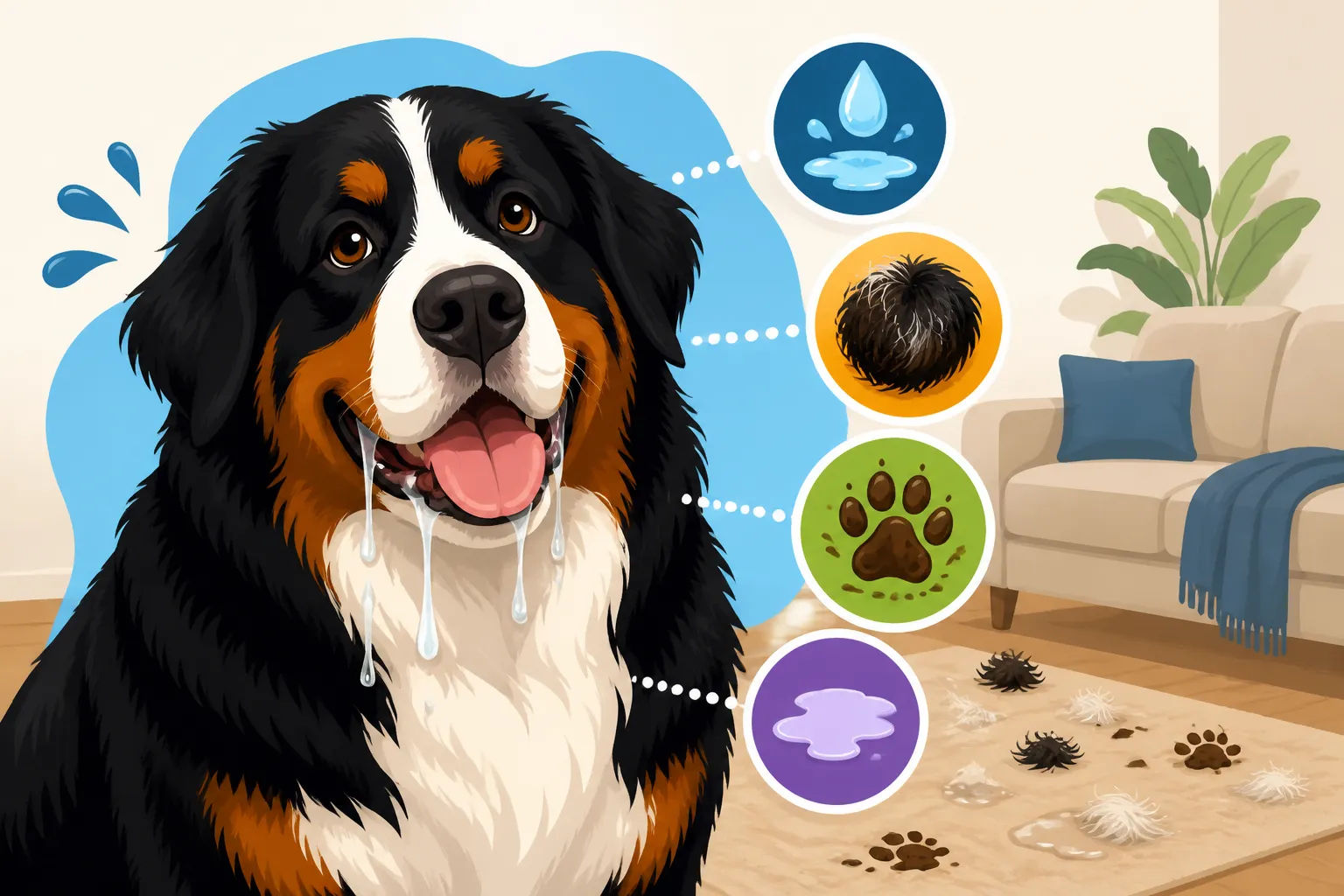
Drool and What a Bernese Mountain Dog Leaves Behind
If you've ever owned a Bernese Mountain Dog, you know that their charm comes with a certain… moisture level. That beautiful, expressive face often comes with copious amounts of drool, which can be a surprise for new owners and a constant management task for seasoned ones. This guide will walk you through why your beloved Berner drools, how to manage the inevitable slobber in your home and on your dog, and when drooling might actually be a sign that something more serious is going on with your furry friend.
Understanding Why Bernese Mountain Dogs Drool
Let's face it, if you’re a Bernese Mountain Dog owner, you’re already well-acquainted with the reality of slobber. It’s part of the package, a charming quirk that comes with their affectionate nature and majestic appearance. But have you ever stopped to think about why these gentle giants are so prone to drooling? It’s not just random; there’s a biological and breed-specific reason behind every glistening string and damp spot. Understanding the mechanics can help us better manage it and even appreciate it as a natural part of our Berner's physiology.
The Anatomy of a Berner's Mouth
One of the primary reasons Bernese Mountain Dogs drool so much comes down to their unique facial structure. Unlike some breeds with very tight, sealed lips, Berners possess what we fondly call "pendulous jowls" or loose flews. These are the soft, drooping folds of skin around their mouths.
When a Berner produces saliva, which all dogs do, these loose jowls don't form a perfect, watertight seal. Think of it like a leaky faucet – the saliva just doesn't have anywhere to go but out. This isn't a flaw in their design; it's simply how they're built. Their ancestral role as farm dogs in the Swiss Alps, herding livestock and pulling carts, didn't exactly require them to be perfectly dry-mouthed. Their sturdy build and thick coat were far more critical for their working life.
The larger size of a Bernese Mountain Dog also means a larger oral cavity and more surface area within the mouth. When saliva is produced, there's simply more space for it to accumulate and less containment. Gravity then plays its role, drawing the excess moisture downwards and out. So, while it might seem like a messy trait, it's a completely natural consequence of their breed characteristics, a physical attribute that defines their loving, expressive faces. It's truly just a part of who they are, genetically speaking.
Breed-Specific Saliva Production
Beyond the physical structure of their mouths, Bernese Mountain Dogs can also be quite efficient at producing saliva. All dogs produce saliva to aid in digestion, moisten dry food, and even begin the enzymatic breakdown of starches. However, in certain breeds, this production can be particularly robust, especially when triggered by external stimuli.
Berners, known for their hearty appetites, often produce a generous amount of saliva in anticipation of food. You’ll notice this as soon as you open the treat jar or start preparing their meal; the drool might begin to flow before they've even taken a single bite. This heightened salivary response is a natural reflex, often referred to as Pavlovian conditioning, where the dog associates certain cues with the imminent reward of food.
Their heritage as working dogs, often consuming varied diets in demanding environments, might also contribute to a robust salivary system. It's part of their sturdy, practical constitution, designed to handle whatever sustenance was available. While not unique to Berners, the combination of strong salivary production and their facial anatomy creates the perfect recipe for noticeable drooling. It sets them apart from breeds with tighter lips, where similar saliva production might go largely unnoticed.
Environmental and Situational Triggers
It’s not just genetics and meal anticipation that get the drool flowing; environmental factors and specific situations can significantly impact how much your Berner slobbers. Understanding these triggers can help you anticipate and manage the mess.
Heat is a major culprit. Unlike humans who sweat all over their bodies, dogs primarily cool themselves by panting. Panting involves rapid, shallow breathing, which increases airflow over the moist surfaces of the mouth and tongue, promoting evaporation. This evaporation helps dissipate heat from their bodies. As a result, when your thick-coated Bernese Mountain Dog is warm, or when the weather heats up, they will pant more, which naturally increases saliva production and, consequently, drooling. This is why you often see more drool on a hot summer day after a walk. For more on this, you might find Heat and the Bernese Mountain Dog's Black Coat informative.
Similarly, physical exertion raises a dog's body temperature and breathing rate, leading to increased panting and drooling, even if the ambient temperature isn't excessively high. A vigorous game of fetch, a long hike, or even just an excited romp in the yard will likely result in a wetter Berner. Stress or anxiety can also trigger an increase in salivation. A trip to the vet, an unfamiliar car ride if they're prone to nervousness, or being in a new, stimulating environment can cause their sympathetic nervous system to kick into overdrive, resulting in more drool. Lastly, certain enticing smells or tastes can set off the salivary glands. If you're cooking something delicious, even if it's not meant for your dog, the aroma alone can cause a significant increase in drool as your Berner anticipates a potential treat.
Common Drool Scenarios and Their Impact
Living with a Bernese Mountain Dog means you'll quickly become accustomed to certain drool-related scenarios. These aren't just isolated incidents; they're often daily occurrences that become part of the unique tapestry of Berner ownership. While sometimes messy, these moments are often tied to their most endearing qualities – their love of food, their exuberant greetings, and their gentle interactions. Knowing what to expect can help you prepare and react with a good-natured sigh (and a quick wipe).
Drool During Meals and Hydration
Mealtime is almost guaranteed to be a drool fest for most Bernese Mountain Dogs. The moment that food bowl hits the floor, or even before you’ve fully scooped out their dinner, the anticipation alone can unleash a cascade of saliva. It’s a combination of their eagerness to eat and the mechanical action of chewing that really gets things flowing. As they vigorously chomp down on their kibble or moist food, saliva mixes with the contents, often creating a rather wet and sometimes sloshy situation around their mouth.
Drinking water is another prime time for drool. Berners tend to be enthusiastic drinkers, plunging their muzzles deep into the bowl with gusto. Water mixes with the already present saliva, and as they lift their heads, the loose jowls simply can’t contain the liquid. The result? Puddles of water and drool around the bowl, often extending a surprising distance. This is a daily reality that many Berner owners navigate by keeping a dedicated towel nearby or strategically placing their feeding station.
The aftermath of these eating and drinking sessions often leaves them with a charming, if slightly damp, "drool beard" or wet fur around their chin and chest. This requires a quick wipe down to prevent stiffness and matting. The impact on flooring, especially hardwood or carpeted areas near their bowls, is notable. Without protective measures, you can end up with water damage or stubborn stains. It’s a constant dance between ensuring your Berner is well-fed and hydrated, and then swiftly cleaning up the collateral dampness that comes with it.
The Infamous "Drool String" After Excitement
Ah, the "drool string" – a hallmark of Bernese Mountain Dog ownership that can evoke both cringes and chuckles. This particular phenomenon usually occurs when your Berner is overwhelmed with happiness or excitement. Imagine walking through the door after a long day, and your beloved Berner greets you with a full-body wiggle, a happy bark, and eyes full of adoration. Then, suddenly, a glistening, elastic string of drool magically appears, dangling from their jowl, sometimes reaching the floor.
The surprise factor here is often paramount. These strings aren't always static; a happy head shake can transform them into airborne projectiles, sending shimmering arcs of slobber across the room, onto walls, furniture, or, most notoriously, onto unsuspecting clothes of family members or guests. It’s a moment that truly tests a new owner's commitment and a seasoned owner’s reflexes. This happens because heightened emotional states, like extreme joy or anticipation, trigger an intensified surge in salivary production. Their already loose lips, incapable of holding back the normal flow, are completely outmatched by this sudden deluge.
Embracing the drool string requires a healthy dose of patience and a good sense of humor. You quickly learn to anticipate the signs – the full-body wag, the delighted vocalizations, the slight tilt of the head – and brace yourself, often with a "Berner towel" held at the ready. It's their unique, undeniably messy way of expressing pure, unadulterated happiness, and while it might require a quick cleanup, it's also a testament to their affectionate and demonstrative nature.
Drool and Interaction with Guests or Children
Bernese Mountain Dogs are famously friendly, often eager to greet everyone they meet with warmth and enthusiasm. This charming disposition, however, can sometimes lead to unexpected wetness when they interact with guests or children. An eager Berner often wants to get right up close, offering a wet nose nudging a hand, a gentle lean against a leg, or even a happy paw on a shoulder. And with these affectionate overtures, a bit of drool is almost an inevitable accessory.
When children are involved, it adds another layer of consideration. Younger kids, especially, might not understand that a large, friendly dog's slobber is just part of its greeting. They might be delighted by the dog's size and softness, only to be surprised by a wet mark on their arm or clothes after a cuddle. It becomes crucial for owners to not only teach their Berners appropriate greeting manners but also to educate children on how to interact respectfully and calmly, helping to mitigate excessive excitement from both parties, which can, in turn, reduce drool. For more on this, consider reading A Bernese Mountain Dog Around Children.
The social aspect of drool with guests also deserves attention. While many dog lovers will understand, some visitors might be less comfortable with dog slobber, especially on their clothes or belongings. Managing these interactions proactively is key to ensuring that everyone, human and canine, has a positive and comfortable experience. Simple strategies like a quick towel-off before a greeting, or asking guests to calmly approach your Berner, can make a significant difference. It’s about finding a balance between allowing your Berner to express their friendly nature and maintaining a comfortable environment for all.
Managing Everyday Bernese Mountain Dog Drool
Living with a Bernese Mountain Dog means embracing a certain level of drool, but it doesn't mean you have to live in a perpetually damp household. With a few strategic adjustments and consistent routines, you can significantly manage the everyday slobber and maintain a clean, comfortable environment for both you and your furry companion. It's all about proactive measures and having the right tools at your fingertips.
Strategic Feeding and Watering Techniques
Where and how your Bernese Mountain Dog eats and drinks can make a world of difference in managing drool. First, consider the location of their feeding station. Placing bowls in an area with easy-to-clean flooring, such as tile, linoleum, or even an outdoor patio, is far more practical than setting them on carpet or delicate hardwood. This makes cleaning up spills and drool puddles a quick and simple task.
Next, think about the bowls themselves. Many Berner owners find that using raised feeders can be beneficial. These elevated bowls allow your dog to eat and drink without having to bend down excessively, which can sometimes reduce the amount of drool that spills out. It also promotes better posture and may aid in digestion. Make sure the raised feeder is sturdy and non-slip, as a hundred-pound Berner can easily knock over flimsy stands. Underneath the bowls, a large, absorbent mat is an absolute must-have. Silicone mats with raised edges are excellent for containing water and drool, acting as a small dam. Alternatively, a durable, washable rug specifically designated for their eating area can also work wonders, soaking up spills before they spread.
Finally, managing water intake wisely can help. While fresh water should always be accessible, creating a "drinking station" away from high-traffic or carpeted areas can be a good idea. Some specialty water bowls are designed to reduce splashing, such as those with floating discs that allow the dog to only access a small amount of water at a time, minimizing the big gulps that often lead to excessive drips. Establishing a routine of immediately wiping your Berner's muzzle and chin after they finish eating and drinking, with a designated "drool rag," is a simple yet incredibly effective habit that prevents residual slobber from being carried around the house.
Essential Grooming and Cleaning Routines
Beyond managing mealtime messes, a consistent grooming and cleaning routine is essential for keeping your Berner, and your home, fresh and tidy despite the drool. The first and most frequent task is regular face wiping. This goes beyond just after meals; a daily wipe down of your Berner's jowls, beard area, and chest fur is crucial. Not only does this remove wet drool, but it also helps dislodge any food particles, dirt, or debris that might get caught in their long fur, which can become stiff and crusty if left unattended.
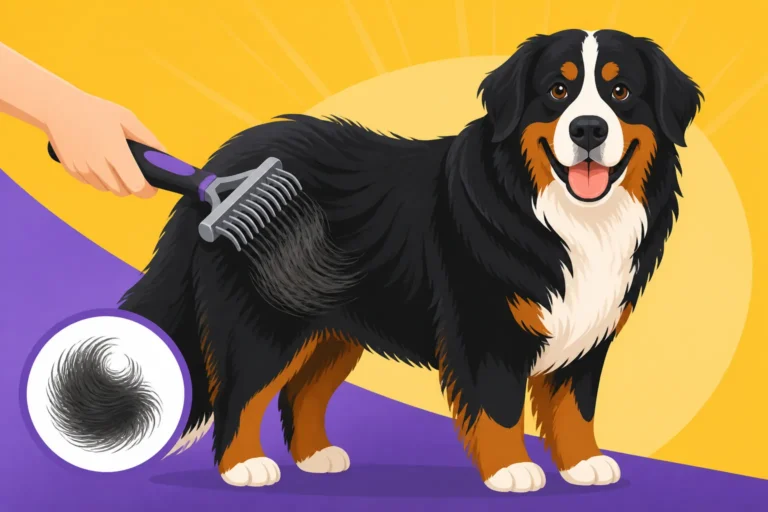
The importance of a clean coat cannot be overstated. Dried drool, especially when mixed with dirt, can quickly lead to mats and tangles in the beautiful, flowing hair around their mouth, neck, and chest. Regular brushing, particularly around their impressive ruff and the feathering on their chest, helps prevent these mats from forming and keeps their coat soft and healthy. For a deeper dive into maintaining that luscious coat, check out Grooming a Bernese Mountain Dog's Long Tricolor Coat. If not regularly cleaned, the hair around their mouth can also become discolored over time, developing unsightly "drool stains." Gently cleaning these areas with a damp cloth, a pet-safe facial wipe, or a mild, pet-friendly shampoo can help keep the fur looking bright and clean.
While daily maintenance is key, consider the benefits of professional grooming. A good groomer understands the Berner coat and can offer solutions like strategically trimming the hair around their mouth or under their chin. This isn't about shaving or altering the breed's appearance, but rather a neatening that can make home cleaning much easier and reduce the amount of fur that becomes saturated with drool. Always be clear with your groomer about your desires and concerns, focusing on hygiene and practicality rather than drastic changes.
Household Adjustments for a Drool-Prone Dog
To truly live comfortably with a drooling Bernese Mountain Dog, some strategic adjustments to your home environment are often necessary. These changes aren't about stopping the drool – that's impossible – but about minimizing its impact and making cleanup a breeze.
If your Berner is allowed on furniture, investing in washable covers for couches, chairs, and even throw pillows is a game-changer. These covers act as a protective barrier against drool, fur, and any general doggy grime. Look for durable fabrics that can withstand frequent washing, as you'll likely be rotating them often. Many slipcovers are designed to be easily removed and thrown into the washing machine, which will save your upholstery and your sanity.
Floor protection is another key consideration. While hard surfaces are easier to clean, continuous moisture from drool can still cause damage or become slippery. Use area rugs or runners in high-traffic zones where your Berner spends a lot of time, especially near entryways or common lounging spots. Choose rugs that are easily washable or made from materials that repel moisture. For hardwood floors, consider investing in a good floor sealant or at least wiping up drool promptly to prevent water stains and warping over time.
Perhaps the most practical adjustment is the strategic placement of "drool towels" throughout your home. Designate a stack of small, absorbent towels or microfiber cloths specifically for Berner use. Keep them in key locations: by the front door for post-walk wipes, next to their bed or crate for quiet cleanups, in the car for travel, and certainly near the food and water bowls. This habit makes quick cleanups instantaneous, preventing drool from drying and becoming more difficult to remove. Finally, keep pet-safe cleaning sprays and enzymatic cleaners readily available. Enzymatic cleaners are particularly effective at breaking down the organic compounds in drool, neutralizing odors and stains on carpets and upholstery. You can find a wide array of excellent options for these cleaning essentials on platforms like Chewy.
Products and Tools to Aid in Drool Management
In the quest to conquer Berner drool, modern pet products offer a helping hand. While you can't stop a Bernese Mountain Dog from drooling, you can certainly equip yourself with tools that make managing the inevitable mess far easier and more efficient. From innovative feeding solutions to specialized cleaning gear, there's a world of products designed with slobbery pets in mind.
Specialized Bowls and Mats
The right feeding and watering setup can significantly reduce the drool and mess around your Berner's eating area. Raised feeders are a popular choice for large breeds. By elevating the bowls to a comfortable height, they can help your Berner maintain a better posture while eating and drinking, which may, for some dogs, lead to less drool escaping their jowls. When selecting a raised feeder, opt for sturdy, heavy-duty models that won't tip over easily under the enthusiastic attention of a big dog.
Beyond elevation, consider the design of the bowls themselves. While primarily marketed to prevent bloat by slowing down eating, some slow-feeder bowls also have designs that help contain spills and splashes, particularly during vigorous drinking. These can be a dual-purpose solution for both health and cleanliness. For water, specialized anti-spill bowls are available. Many feature a floating disc or a specific rim design that limits how much water your dog can scoop up at once, drastically cutting down on the amount that ends up on your floor.
Underneath it all, an absorbent mat is non-negotiable. Silicone mats with a raised lip or border are fantastic for containing any water or drool that escapes the bowl, preventing it from spreading across your floor. They are also easy to wipe clean. Beyond silicone, you can find washable dog feeding mats made from highly absorbent microfibre or other quick-drying materials. Having a couple on hand allows for rotation while one is in the wash. You can find a wide variety of these practical solutions on Amazon, making it easy to create a dedicated, mess-resistant feeding zone for your Berner.
Cleaning Supplies and Techniques for Surfaces
No matter how well you manage drool at the source, some amount will inevitably end up on your floors, furniture, and even walls. Having the right cleaning supplies and techniques makes all the difference in keeping your home hygienic and pleasant.
Microfiber towels are an absolute lifesaver for quickly wiping up wet drool spots. Their highly absorbent nature means they pick up moisture efficiently without just spreading it around, and they dry quickly. It’s a good idea to have a dedicated stack of these towels just for pet use, stored in easily accessible spots around the house. For dried-on drool, especially on upholstery or carpets, pet-safe enzymatic cleaners are invaluable. These cleaners contain enzymes that break down the organic matter in pet messes, effectively neutralizing odors and lifting stains. Always remember to test any new cleaner on a small, inconspicuous area of your fabric or carpet first to ensure colorfastness.
For hard floors, whether it's tile, sealed hardwood, or laminate, regular cleaning is key to prevent buildup and stickiness from dried drool. A damp mop with a pet-friendly floor cleaner will work wonders, tackling both wet spots and any residues. Avoid harsh chemicals that could be irritating to your Berner's paws or respiratory system. Lastly, for furniture or drapes that aren't easily washable, a fabric refresher spray designed for pets can help keep things smelling clean and fresh between deeper cleans. A quick spritz can do wonders to eliminate any lingering doggy odors associated with drool and fur.
Bandanas and Apparel for Drool Absorption
Who says drool management can't be stylish? The humble dog bandana is not just a fashion accessory; for a Bernese Mountain Dog owner, it can be a highly practical tool in the fight against slobber. A thick, absorbent bandana worn around your Berner's neck can intercept a surprising amount of drool before it ever reaches the floor, your clothes, or gets soaked into their chest fur.
When choosing bandanas for your drooly Berner, material matters significantly. Look for options made from highly absorbent fabrics such as thick cotton, fleece, or specialized quick-dry microfibre. Some bandanas are even designed with multiple layers for extra absorbency, which can be particularly useful during peak drooling times. While cute patterns and designs are certainly fun and add to your Berner's charm, prioritize the bandana's functionality: its absorbency, comfort for your dog, and ease of washing. You’ll be rotating these frequently, so having a collection of several on hand will be practical. For bandanas, Amazon offers a vast selection, ensuring you can find both practical and stylish options.
These absorbent neckerchiefs are especially useful during certain situations. They're perfect for after meal times, during excited greetings with family or visitors, or even on car rides where motion sickness or anxiety might increase salivation. Remember, a damp bandana should be changed regularly to prevent moisture from sitting against your dog's skin, which could potentially lead to skin irritation or an unpleasant odor. Think of them as tiny, fashionable towels that work to keep your Berner, and their surroundings, a little drier.
When Drool Might Signal a Health Concern
While drooling is a characteristic trait of many Bernese Mountain Dogs, it's vital for owners to understand the difference between normal slobber and drooling that could indicate a health issue. A sudden, significant change in the amount or character of your Berner's drool, especially when accompanied by other symptoms, should always prompt a closer look and, often, a call to your veterinarian. Our Berners are stoic, and sometimes a change in a seemingly minor thing like drool can be an early indicator of a problem.
Excessive or Unusual Drooling as a Warning Sign
If your normally moderately drooly Bernese Mountain Dog suddenly starts producing excessive amounts of saliva, or if the drool itself looks different (e.g., thicker, discolored, or foamy), it’s a clear signal that something might be amiss. This isn't just a slightly wetter day; it's a dramatic shift that should immediately catch your attention.
It's crucial to observe your dog for any accompanying symptoms. Is your Berner also pawing at their mouth, indicating discomfort? Are they refusing to eat, or struggling to chew? Have they become lethargic or withdrawn? Are there signs of pain, such as whimpering or being reluctant to be touched around their face? Any of these additional signs, when paired with unusual drooling, are significant red flags that warrant prompt veterinary attention.
A sudden onset of profuse drooling can point to a range of issues, from something relatively benign to potentially serious. It could indicate an object lodged in their mouth or throat, an allergic reaction to something they’ve encountered, the ingestion of a toxic substance (plants, chemicals, human medications), or even severe nausea. Because the cause can vary so widely, and some conditions can be rapidly progressive, trusting your instincts as an owner is paramount. If you notice a significant, uncharacteristic increase in your Bernese Mountain Dog's drooling, especially if it's accompanied by other worrying behaviors, do not hesitate to contact your veterinarian immediately for guidance. It's always better to err on the side of caution.
Dental Health and Its Connection to Drool
One of the most common, yet often overlooked, reasons for increased drooling in dogs is poor dental health. Just like in humans, plaque and tartar can accumulate on a dog's teeth, leading to gingivitis (inflammation of the gums) and, if left untreated, periodontitis (severe gum disease). These conditions are not only painful but can also cause increased salivation as the body tries to flush away bacteria and soothe irritation.
Infections within the mouth, such as an abscessed tooth, or even simply a painful loose tooth, can lead to your Berner drooling more than usual. The discomfort can make swallowing difficult and stimulate saliva production. Regularly checking your Bernese Mountain Dog's mouth as part of your grooming routine is important. Look for signs like red or swollen gums, bleeding, missing teeth, or an unusually bad odor from their breath. Even if your dog seems to be eating normally, they might be experiencing discomfort that manifests as excessive drooling. For more insights, you might want to read Gum Disease in an Older Bernese Mountain Dog.
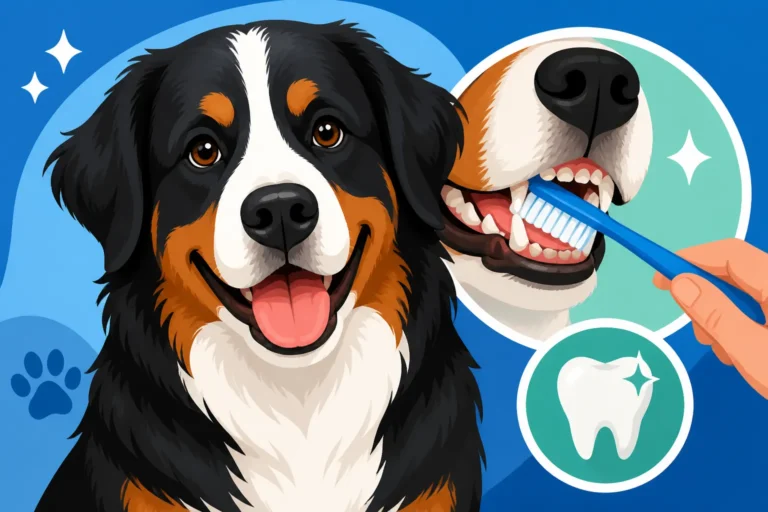
Regular dental care is essential for preventing and managing drool-related to oral health issues. This includes at-home care, such as daily brushing with a dog-specific toothbrush and toothpaste, and professional dental cleanings as recommended by your veterinarian. Your vet can assess the severity of any dental disease and recommend appropriate treatment, which may involve scaling, polishing, or even extractions. Additionally, incorporating dental chews or specific dental-formula foods, like some of those offered by Ollie, into their diet can help maintain oral hygiene between professional cleanings, contributing to a happier, healthier, and potentially less drooly Berner.
Other Medical Conditions Affecting Salivation
Beyond dental issues, several other medical conditions can cause an abnormal increase in a Bernese Mountain Dog's drooling. Recognizing these signs is crucial for early intervention and effective treatment.
Gastrointestinal upset is a frequent culprit. Conditions such as nausea, acid reflux, esophagitis (inflammation of the esophagus), or even general stomach upset can trigger hypersalivation. This is often the body's natural response to impending vomiting or discomfort in the digestive tract. If your Berner is also showing other signs of a tummy ache, such as vomiting, diarrhea, lip-licking, or reluctance to eat, the increased drool is likely a symptom of their gastrointestinal distress.
In rarer instances, neurological issues can affect the nerves that control salivary glands, leading to excessive drooling. This might be accompanied by other neurological symptoms like disorientation, seizures, weakness, or changes in gait. If you suspect any neurological involvement, prompt veterinary assessment is critical. Another common cause, especially for a large, curious dog like a Berner, can be a foreign body lodged in the mouth or throat. A piece of a stick, a bone fragment, a toy piece, or even an insect sting can cause irritation, pain, and difficulty swallowing, resulting in profuse drooling as the dog attempts to dislodge the object or soothe the area.
Finally, tumors or masses in the mouth, throat, or salivary glands, while less common, can also interfere with normal swallowing mechanisms or directly stimulate saliva production. These growths can be painful or obstructive, leading to a noticeable increase in drool. This underscores the importance of routine veterinary check-ups, where a thorough oral examination is typically performed. Early detection of such issues, as with any health concern, significantly improves the chances of successful treatment. For more on what to look for, you might review Lumps a Bernese Mountain Dog Owner Should Not Watch.
Living Happily with a Drooling Bernese Mountain Dog
Owning a Bernese Mountain Dog means embracing their unique characteristics, and a bit of drool is undoubtedly one of them! Instead of seeing it as a constant battle, learning to accept and manage it as part of their inherent charm can transform your experience. It's about adjusting expectations, educating those around you, and ensuring your beloved Berner remains comfortable and healthy, even with their slobbery tendencies.
Embracing the "Berner Charm"
If you're a Bernese Mountain Dog owner, you quickly learn that drool is simply part of the package. It's not a flaw; it's an inherent aspect of their breed, as much a part of them as their tricolor coat and gentle eyes. Part of living happily with a Berner means embracing this unique quirk and reframing your perspective on it.
Instead of viewing the occasional drool string or wet patch as a nuisance, try to see it as a natural expression of their loving, friendly nature. When they drool in excitement, it's often a testament to their joy at your presence or their enthusiasm for a treat. It's a sign they're being authentically Berner! Many seasoned Berner owners have come to not only tolerate but even affectionately joke about the slobber, collecting hilarious anecdotes of drool mishaps that become cherished parts of their shared history. Learning to laugh about it and share these experiences can actually foster a deeper connection with your dog and other Berner enthusiasts.
Ultimately, the immense love, unwavering loyalty, and gentle companionship that a Bernese Mountain Dog offers far outweigh the occasional slobber. Their charming disposition and affectionate cuddles make a little extra cleanup a small price to pay for such a magnificent and devoted friend. It's about finding joy in their entire being, slobber and all, and recognizing that it's just one more thing that makes them uniquely, wonderfully Berner.
Educating Visitors and Family Members
Navigating the social dynamics of a drooling Bernese Mountain Dog, especially with guests and younger family members, requires proactive communication and clear boundaries. Not everyone is accustomed to the sheer volume of a Berner’s affection, nor their accompanying moisture level!
Before guests arrive, particularly those unfamiliar with large, drooly breeds, it’s a good idea to give them a friendly heads-up. A simple, "Just so you know, [Berner's Name] is very friendly and might give you a slobbery greeting!" can set expectations and prevent any surprise wet spots. This allows guests to be prepared and react with understanding rather than discomfort.
It’s also important to gently instruct both children and adult guests on appropriate ways to interact with your Berner. Encourage calm greetings, explaining that over-excitement can lead to more enthusiastic (and thus, wetter) expressions of affection. Teaching guests to approach slowly, offer a hand for sniffing, and avoid overly boisterous play can help keep your Berner's excitement levels, and therefore their drool production, to a minimum. You can also strategically place those aforementioned "drool towels" in visible, easily accessible locations. This subtly signals that you’re prepared for any wet moments and offers guests a discreet way to manage a stray droplet or two. A brief explanation of why Berners drool – their loose jowls, their happy anticipation – can also help visitors appreciate your dog more, moving past any initial reservations about the slobber.
Maintaining Hygiene and Comfort for Your Berner
While much of drool management focuses on protecting your home, it's equally important to consider your Bernese Mountain Dog's own hygiene and comfort. Constant dampness around their face and chest can lead to issues if not properly addressed.
Regular cleaning isn't just for aesthetic purposes; it's vital for preventing skin irritation. Dried drool, especially when mixed with food particles or dirt, can create a breeding ground for bacteria and yeast, potentially leading to skin fold dermatitis or an unpleasant odor in the folds around their mouth and on their chest. Make it a routine to gently clean these areas daily with a soft, damp cloth. Pay particular attention to any skin folds or areas where the fur is consistently wet.
Monitor your Berner's skin for any signs of irritation, such as redness, excessive dampness, scabbing, or a persistent foul smell. If you notice any of these, it's time to consult your vet, as a skin infection might require specific treatment. Keeping their bedding clean is another crucial step. Dog beds, especially those where your Berner rests their head, can absorb a lot of drool and odors. Regularly washing bed covers, or opting for waterproof, easily wiped-down bedding, is important for both your dog's comfort and the overall freshness of your home. For comfortable and durable options, consider Orthopedic Beds Sized for a Bernese Mountain Dog. Ensuring they always have fresh water, alongside a consistent grooming routine, will further reduce the impact of drool on their skin and fur, helping them live their happiest, healthiest life.
Preventing Excessive Drool in Specific Situations
While some drooling is inevitable for a Bernese Mountain Dog, there are indeed specific situations where you can take proactive steps to prevent excessive drooling. These strategies often involve managing their environment, excitement levels, and ensuring their comfort, turning potentially slobbery moments into more manageable ones.
Managing Excitement and Anxiety
High levels of excitement and anxiety are two common triggers for increased drool production in Bernese Mountain Dogs. Fortunately, these are often situations where owners can intervene with training and environmental management.
Anticipating these triggers is the first step. If you know your Berner tends to get overly excited when you arrive home, or when certain guests come over, try to manage the intensity of the greeting. A calm, quiet "hello" and waiting for your dog to settle before engaging in enthusiastic play can help keep their excitement levels from skyrocketing, thereby reducing the drool deluge. Instead of rushing in, allow them a moment to acknowledge your presence calmly.
Training for calm greetings is also highly effective. Teach your Berner to sit and wait patiently for attention, rather than jumping up or getting overly boisterous. Positive reinforcement techniques work wonders here, rewarding calm behavior with praise or a small treat. Patience is key, especially for a breed that can be sensitive to harsh corrections. As noted in The Bernese Mountain Dog That Quits After One Correction, Berners respond best to gentle, consistent guidance. Additionally, providing ample mental and physical stimulation throughout the day can lead to a calmer dog overall. Puzzle toys, regular training sessions, and appropriate exercise can help burn off excess energy and reduce anxiety, leading to less reactive and less drooly responses to exciting situations. For chronic anxiety, consulting with a veterinarian or a certified professional dog behaviorist can provide further strategies, and sometimes medication may be recommended to help manage their stress.
Travel and Car Sickness Strategies
Car rides can be a significant drool trigger for many Bernese Mountain Dogs, whether it's due to sheer excitement, underlying anxiety, or actual motion sickness. Being prepared is crucial to making travel more comfortable for everyone.
Always assume your Berner might drool in the car, and equip your vehicle accordingly. Use waterproof seat covers, old towels, or even a designated dog hammock to protect your seats from slobber, fur, and any potential accidents. These coverings are much easier to clean than your car's upholstery. Acclimating your Berner to car rides from a young age can help reduce anxiety. Start with very short, positive trips, perhaps just around the block or to a fun destination like a park, offering treats and praise to create positive associations with the car. Gradually increase the duration of the rides as they become more comfortable.
If your Berner suffers from genuine motion sickness, which can manifest as excessive drooling, lethargy, or vomiting, it's important to consult your veterinarian. They can recommend specific anti-nausea medications or supplements that can be administered before travel. Additionally, avoid feeding your Berner a large meal right before a long car ride, as an empty stomach (or one with just a light snack) can sometimes help mitigate motion sickness. Ensuring the car is well-ventilated and cool is also vital; a hot, stuffy car will only exacerbate drooling due to increased panting. As discussed in The Temperature a Bernese Mountain Dog Stops Coping, Berners are susceptible to overheating, which compounds drooling.
Post-Exercise and Heat Management
After a vigorous play session or a good run, especially in warmer weather, it's perfectly natural for your Bernese Mountain Dog to pant heavily and drool more as their body works to cool down. While you can't eliminate this physiological response, you can manage the situation to prevent excessive drooling and ensure their comfort.
Proactive hydration is key. Always ensure your Berner has access to cool, fresh water both before and immediately after exercise. Offering ice cubes can be a great way to help them cool down from the inside out and can be a fun, hydrating treat. Planning exercise times wisely is another critical strategy. Avoid strenuous activity during the hottest parts of the day. Early mornings and late evenings are much cooler and safer for Berners, leading to less intense panting and, consequently, less drooling. For detailed advice, refer to Exercising a Bernese Mountain Dog in Summer.
Once exercise is complete, provide your Berner with a dedicated cool-down area. This might be a shaded spot in the yard, a cool patch of tile indoors, or even a specialized cooling mat designed for dogs. Cooling vests or simply draping a damp, cool towel over their back can also aid in bringing their body temperature down more rapidly, which will help reduce the duration and intensity of their post-exercise drooling. These measures not only help manage the drool but, more importantly, prioritize your Berner's health and prevent overheating.
| Drool Trigger | Why it Happens | Management Strategy | Essential Tools |
|---|---|---|---|
| Anticipation of Food | Excitement, salivary glands activate | Feed in easy-clean area, prompt post-meal wipe | Absorbent mats, dedicated drool rags |
| Drinking Water | Loose jowls don't contain water efficiently | Raised bowls, anti-splash bowls, floor mats | Silicone mats, water-retaining bowls |
| Excitement/Greetings | Emotional arousal increases saliva production | Calm greetings, bandanas, quick clean-ups | Bandanas, microfiber towels |
| Heat/Exercise | Panting to cool down, increased respiration | Exercise in cool times, provide shade, cooling gear | Cooling mats, fresh water, damp towels |
| Anxiety/Stress | Physiological stress response | Identify source, gradual acclimation, vet consult | Comfort items, calming supplements (vet advised) |
| Dental Issues | Pain, inflammation from gum disease or injury | Regular dental checks, brushing, professional cleaning | Toothbrush, dog toothpaste, dental chews |
| Foreign Object | Irritation or obstruction in mouth/throat | Immediate vet visit, emergency care | (None, vet intervention needed) |
| Nausea | Upset stomach, motion sickness | Vet consult for meds, smaller meals before travel | Car seat covers, old towels, vet-prescribed meds |
Disclaimer
This article is for general informational purposes only and does not constitute professional advice. Laws, prices and regulations vary by location and change over time. Consult a qualified professional for guidance on your specific situation.