The Night Bill When a Bernese Mountain Dog Bloats
One of the most terrifying emergencies a Bernese Mountain Dog owner can face is bloat, or Gastric Dilatation-Volvulus (GDV). It's a sudden, life-threatening condition where your beloved giant's stomach fills with gas and often twists, cutting off blood supply. The experience is gut-wrenching, frantic, and inevitably, leads to a staggering emergency veterinary bill. This guide aims to prepare you for the financial realities of this critical situation, outlining what contributes to the cost when your Berner needs life-saving intervention for bloat.
Understanding Gastric Dilatation-Volvulus GDV in Bernese Mountain Dogs
When you own a Bernese Mountain Dog, you sign up for a lifetime of love, slobbery kisses, and an ongoing education in managing their unique health challenges. Among these, bloat stands out as a true nightmare. It's not just a bad stomach ache; it's a medical catastrophe that can unfold in minutes, turning a happy, vibrant dog into one fighting for its life. Recognizing the severity and the specific risk factors for our Berners is the first step toward understanding why the emergency care is so extensive and, consequently, so expensive.
The Sudden, Terrifying Reality of Bloat
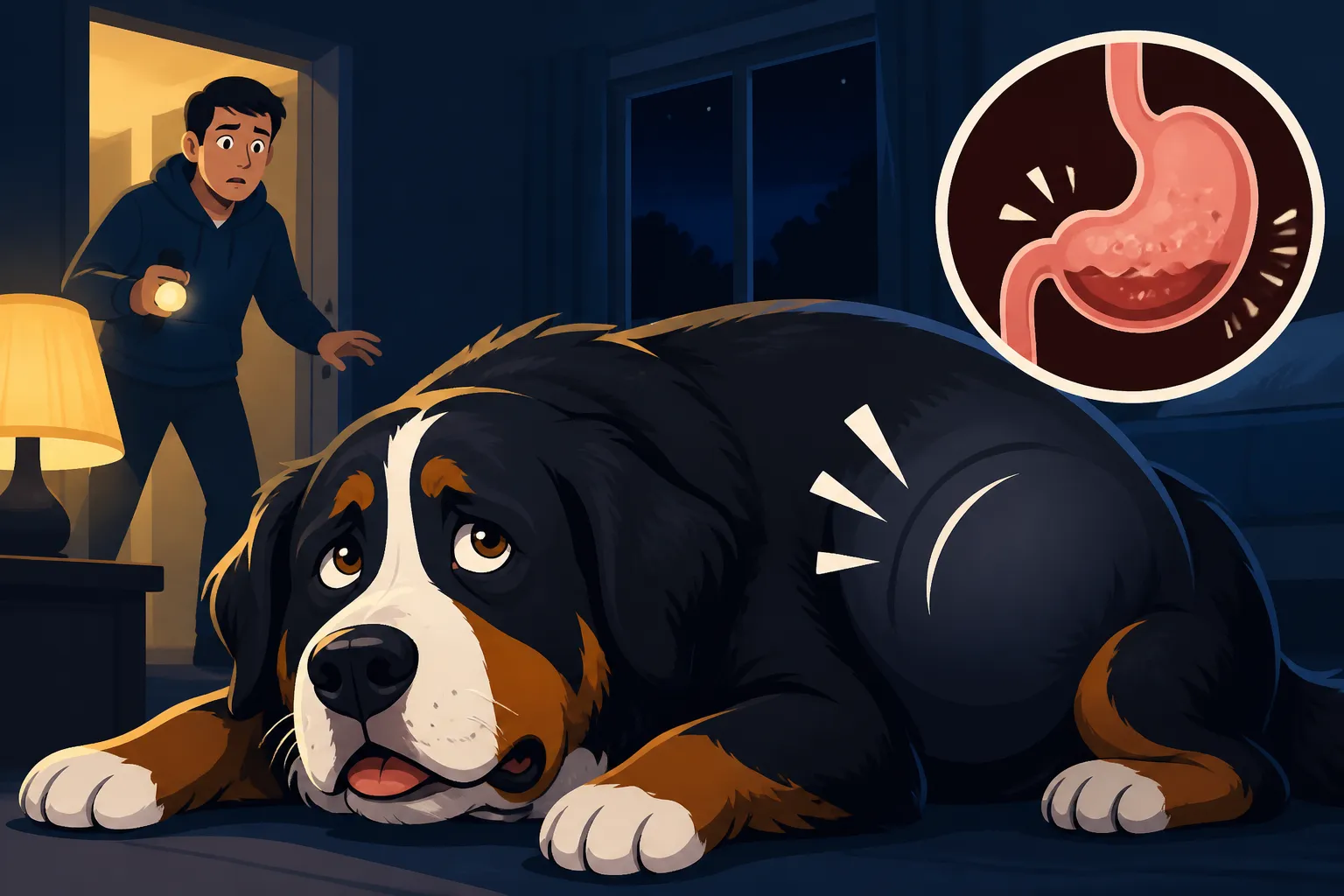
Imagine this: one moment, your Berner is happily trotting around the yard, perhaps just had dinner. The next, they're pacing, retching non-productively, and their abdomen is visibly distended and hard to the touch. This isn't just an upset stomach; it's the classic, horrifying presentation of bloat. Time becomes the most critical factor. Every minute that passes increases the damage to internal organs, especially the stomach, spleen, and other surrounding tissues. The pain your dog experiences is intense, and their vital signs can rapidly plummet as they go into shock.
The speed at which bloat progresses is what makes it so terrifying. You might find yourself staring at your dog, wondering "What Bloat Looks Like in a Bernese Mountain Dog", and then in a panic, racing to the vet. This isn't a condition where you can "wait and see" if they improve. It requires immediate, aggressive veterinary intervention, and often, emergency surgery. The emotional toll alone is immense, let alone the burgeoning concern about the costs you know are coming.
Why Berners Are Particularly Vulnerable
Bernese Mountain Dogs, with their deep chests and large stature, unfortunately, fall into the high-risk category for Gastric Dilatation-Volvulus. This anatomical predisposition means their deep-set ribcages provide more room for their stomach to distend and twist, making them more susceptible than many other breeds. It’s a genetic lottery nobody wants to win, but it’s a reality for many large breed owners. Factors like eating too quickly, vigorous exercise after meals, or even stress can be triggers, although bloat can strike even in seemingly calm circumstances.
Understanding this vulnerability is crucial for responsible ownership. While we can take preventative measures, like using slow-feeder bowls from places like Chewy or exploring gastropexy options, the risk never truly disappears. This ever-present threat adds a layer of anxiety, knowing that at any moment, you might be facing the monumental decision to proceed with emergency care, regardless of the financial impact. We often discuss Whether a Fast-Eating Bernese Mountain Dog Bloats More as a preventative measure, but it's not a guarantee.
Initial Emergency Care: The Race Against Time
Once you recognize the signs of bloat and get your Berner to an emergency veterinary clinic, the clock truly starts ticking. The initial phase of care is all about stabilization, diagnosis, and preparing for surgery if necessary. This isn't a routine vet visit; it's a high-stakes scenario where every decision and action from the veterinary team has a direct impact on your dog's survival and, consequently, the complexity and cost of their care.
The Critical First Hours at the Emergency Vet
Upon arrival, your Bernese Mountain Dog will be immediately triaged. This means a veterinary technician or doctor will quickly assess their vital signs, level of pain, and the severity of their abdominal distention. They're looking for signs of shock, which can progress rapidly in bloat cases. Access to a vein for intravenous fluids is paramount, as is pain management. These initial steps are crucial for stabilizing your dog before any definitive treatment can begin. Expect to see your dog hooked up to monitors, receiving fluids, and potentially oxygen, all within minutes of walking through the door.
Diagnostic tests, such as X-rays, are essential to confirm the diagnosis of GDV and to determine if the stomach has indeed twisted. These images help the veterinary team understand the extent of the rotation and plan for surgery. The urgency of these procedures means that they are often performed immediately, without waiting for optimal conditions, adding to the intensity and specialized nature of the care, and therefore, the cost. You might also hear the phrase, "The Half-Hour That Decides a Bloated Bernese Mountain Dog", highlighting just how critical those first moments are.
Stabilizing Your Giant Companion
Before surgery, the veterinary team will work diligently to stabilize your Berner. This often involves decompressing the stomach to relieve pressure on internal organs and improve breathing. A long needle might be inserted through the abdominal wall into the stomach to release gas, or a tube might be passed down the esophagus into the stomach. These procedures, while life-saving, require skilled hands and specialized equipment. Your dog may also receive medications to address shock, improve heart function, and reduce pain.
The goal of stabilization is to get your dog strong enough to withstand the stress of surgery. This often means hours of intensive monitoring, blood tests to assess organ function and electrolyte balance, and continuous administration of IV fluids and medications. All these interventions, from blood work to medications to round-the-clock nursing care, contribute significantly to the initial "night bill" you’ll face. Each minute of specialized attention and every dose of medication is a line item, building up rapidly in this critical time.
The Surgical Intervention: Saving a Life
If bloat is confirmed, especially with gastric volvulus (the twisting), surgery is almost always the only option to save your Bernese Mountain Dog's life. This isn't a routine spay or neuter; it's a major abdominal surgery requiring a highly skilled veterinary surgeon and a dedicated surgical team. The complexity of the procedure and the intensive post-operative care are major drivers of the overall cost. We're talking about "Emergency Surgery on a Bloated Bernese Mountain Dog"—a procedure that’s as daunting for the surgical team as it is for you.
The Complexity of a Bloat Surgery
During the surgery, the veterinary surgeon will carefully untwist the stomach, assess the viability of the stomach wall and other organs (like the spleen), and if necessary, remove any damaged tissue. The stomach might be bruised or necrotic (dead tissue), which can lead to further complications and require more extensive surgical removal. The spleen, which often gets tangled in the twist, may also need to be removed if it's too damaged. This is a delicate and often messy procedure, given the compromised state of the internal organs.
A crucial part of bloat surgery is performing a gastropexy. This procedure involves surgically attaching the stomach to the abdominal wall to prevent future episodes of volvulus. While it doesn't prevent the stomach from dilating (bloating with gas), it significantly reduces the risk of the life-threatening twist. This preventative measure is standard practice during bloat surgery and adds to the time and skill required for the operation. It's a proactive step that protects your Berner down the line, and many owners consider "Adding a Gastropexy to a Bernese Mountain Dog's Spay" as a preventative measure.
Beyond the Operation: Anesthesia, Monitoring, and Medications
The actual "knife-to-skin" time is only one part of the surgical cost equation. Before, during, and after the procedure, your Bernese Mountain Dog will require continuous, high-level support. Anesthesia for a giant breed dog like a Berner, especially one in a compromised state, is inherently more challenging and requires specialized monitoring equipment and dedicated personnel. Anesthesia drugs, gas, and reversal agents are all billed items.
Throughout the surgery, a dedicated veterinary technician will monitor your dog's heart rate, blood pressure, oxygen saturation, and temperature, making adjustments to anesthesia as needed. Post-surgery, the monitoring continues in a recovery area, often with heated blankets and close observation for any complications. Medications for pain relief, antibiotics to prevent infection, and drugs to support heart function are administered and meticulously recorded. These essential supportive measures, while vital for a successful outcome, accrue costs rapidly on your invoice.
Post-Operative Care and Recovery Costs
The journey doesn't end when your Bernese Mountain Dog comes out of surgery. The post-operative period is just as critical and often just as costly, requiring intensive care and vigilant monitoring to prevent complications and ensure a smooth recovery. This phase can be emotionally draining, as you wait for positive news and mentally prepare for the continuing financial outflow. Many owners wonder, "Whether a Bernese Mountain Dog Survives Bloat Surgery," and the intensive post-operative care plays a huge role in the answer.
The Intensive Care Unit Stay
Following bloat surgery, most Bernese Mountain Dogs require a stay in the veterinary Intensive Care Unit (ICU) for at least a few days. This isn't just a quiet kennel; it's a dedicated area with continuous monitoring, specialized equipment, and a higher staff-to-patient ratio. Your Berner will continue to receive intravenous fluids, pain medication, and antibiotics. Their heart rhythm will be closely watched for arrhythmias, which are common and potentially life-threatening complications after bloat.
The ICU stay includes round-the-clock nursing care, regular checks of vital signs, bandage changes, and assistance with mobility if needed. Feedings will be carefully introduced, usually small, frequent meals, to ensure the digestive system is recovering well. Each day in the ICU, with its specialized staffing, equipment, and medical supplies, contributes significantly to the overall bill. It's an investment in getting your big dog through the most fragile part of their recovery.
Long-Term Recovery and Follow-Up Visits
Once your Bernese Mountain Dog is stable enough to come home, the recovery isn't over. You'll receive detailed instructions for at-home care, including medication schedules, activity restrictions, and dietary guidelines. Often, a special, easily digestible diet is recommended for the initial weeks, which you might find at pet supply retailers like Chewy. Follow-up visits to your regular veterinarian are crucial to monitor healing, remove sutures, and ensure there are no lingering complications. These appointments, while less intense than emergency care, still come with consultation fees and potential medication refills.
The total recovery period can span several weeks, and during this time, you'll be diligently managing their health. While the major expenses are often upfront, these follow-up costs add up. It’s also important to consider the emotional recovery for both you and your Berner. The experience is traumatic, and patience and gentle care are paramount. You might also want to consult with your vet about nutritional plans, perhaps from providers like Ollie, as part of their long-term recovery strategy.
The Financial Shockwave: What to Expect on the Bill
Let's face it: the cost of emergency veterinary care for bloat in a Bernese Mountain Dog is not for the faint of heart. It's a significant financial outlay that can catch even the most prepared pet owner by surprise. Understanding the various components of the bill can help demystify the numbers, even if it doesn't make them any smaller. We're talking about "The Night Bill When a Bernese Mountain Dog Bloats" as a reality check for owners.
Breaking Down the Components of the Bill
When you receive the itemized bill for bloat treatment, it will likely be a lengthy document with charges for numerous services, medications, and supplies. Here’s a breakdown of what you can expect to see:
| Service Category | Typical Charges Included | Why It Costs What It Does |
|---|---|---|
| Emergency Exam/Triage | Initial consultation, stabilization, pain assessment | Immediate attention by emergency vet staff, after-hours rates |
| Diagnostics | X-rays, blood work (CBC, chemistry, electrolytes), ECG | Specialized equipment, rapid processing, interpretation by emergency or specialist vets |
| Stabilization | IV fluids, catheters, shock medications, stomach decompression | Critical care medications, disposable supplies, continuous monitoring, skilled procedures |
| Surgical Fees | Surgeon's fee, surgical assistant fee, operating room use | Highly specialized skills, complex procedure, sterile environment, dedicated staff |
| Anesthesia | Anesthesia drugs, gas, monitoring, dedicated anesthetist/tech | Anesthetic agents, constant vigilance by trained personnel, advanced monitoring equipment |
| Medications | Pain relief, antibiotics, anti-nausea, gastroprotectants, cardiac drugs | Pharmaceutical costs, emergency dosages, specific drugs for critical conditions |
| Post-Op Care/ICU Stay | Daily ICU rates, continuous monitoring, nursing care, re-bandaging, feeding tubes | 24/7 specialized staff, intensive equipment use, frequent patient interaction, strict hygiene |
| Supplies | Sutures, drapes, gloves, syringes, IV lines, oxygen | Disposable medical-grade items, specific surgical tools, oxygen tanks |
| Follow-Up Visits | Re-check exams, suture removal, medication refills | Veterinary time, basic clinic costs, ongoing monitoring of recovery |
Each item, from a single syringe to hours of continuous oxygen, contributes to the final sum. The sheer volume of resources and personnel dedicated to saving your Berner's life during a bloat emergency is immense, and the bill reflects this comprehensive, intensive effort. This isn't just a simple fix; it's a complete medical overhaul during a crisis.
Comparing Costs: Emergency Clinic vs. Regular Vet
It's important to understand that emergency veterinary clinics typically have higher fees than your regular daytime veterinary practice. This is because they operate 24/7, maintain specialized equipment, and employ staff with critical care expertise who are often paid higher wages for night and weekend shifts. If your Bernese Mountain Dog experiences bloat during regular business hours, your primary vet might be able to start stabilization, but they will almost certainly refer you to an emergency or specialty hospital for surgery and intensive post-operative care.
Attempting to manage bloat at a regular clinic that isn't equipped for emergency surgery or 24-hour monitoring is simply not an option. The specialized care offered by emergency facilities is non-negotiable for a condition as severe as GDV. While the cost difference might be jarring, it's the price of immediate, life-saving intervention when your Berner needs it most. The cost of a "What a Bernese Mountain Dog Biopsy Costs" or a "What a Bernese Mountain Dog CT Scan Costs" in a non-emergency situation would be significantly different from the same procedures performed under extreme time pressure and with critical care overhead.
Preparing for the Unthinkable: Financial Safeguards
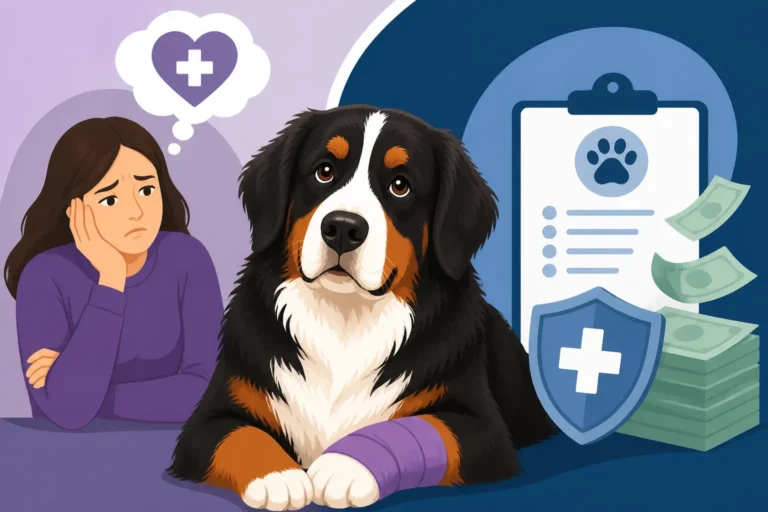
The financial burden of a bloat emergency can be overwhelming, adding immense stress to an already emotional situation. No one wants to make life-or-death decisions based on their bank balance. This is where proactive financial planning becomes not just prudent, but absolutely essential for Bernese Mountain Dog owners. Having safeguards in place can mean the difference between agonizing over the bill and simply focusing on your dog's recovery. This is often the time when owners truly understand "The Year the Bills Arrive for a Bernese Mountain Dog."
The Lifeline of Pet Insurance
Pet insurance, particularly for a breed like the Bernese Mountain Dog that is prone to significant health issues, can be a true lifeline. A good policy can cover a substantial portion of the emergency bloat bill, alleviating much of the financial stress. Companies like Healthy Paws offer comprehensive plans that can cover accidents and illnesses, including GDV. It’s crucial to enroll your Berner before any symptoms or diagnoses appear, as bloat would likely be considered a pre-existing condition if diagnosed beforehand, making it ineligible for coverage.
When choosing a pet insurance plan, pay close attention to the deductible, reimbursement percentage, and annual limits. For a high-cost emergency like bloat, an unlimited annual payout or a very high annual limit is often advisable. While a monthly premium may seem like another expense, it can prevent a single emergency from costing you thousands out of pocket. It's an investment in peace of mind and the ability to say "yes" to necessary treatment without hesitation. Many owners research "What a Bernese Mountain Dog Claim for Bloat Costs an Insurer" to understand the benefit they might receive.
Building an Emergency Fund
Even with pet insurance, you’ll still be responsible for your deductible and your co-pay (the percentage not reimbursed by the insurer). For those who choose not to insure, or for costs that exceed policy limits, a dedicated emergency fund is paramount. Having a savings account specifically for veterinary emergencies means you're prepared when the unexpected strikes. For a breed with potential high-cost issues like Berners, aiming for a fund that can cover at least a few thousand dollars is a realistic goal.
Consider setting up an automatic transfer of a small amount each month into this "Berner Emergency Fund." Even if you have insurance, this fund can cover the upfront costs before reimbursement, or handle non-covered expenses. The peace of mind that comes from knowing you have financial resources available for your beloved companion is invaluable. No one wants to be in a position where they have to choose between their dog's life and their financial stability. Planning ahead means you can focus entirely on your Bernese Mountain Dog's well-being during their most vulnerable moments. It's wise to consider "How Much a Bernese Mountain Dog Emergency Fund Should Hold" long before a crisis hits.
Disclaimer
This article is for general informational purposes only and does not constitute professional advice. Laws, prices and regulations vary by location and change over time. Consult a qualified professional for guidance on your specific situation.