Whether a Bernese Mountain Dog Suits a White Carpet
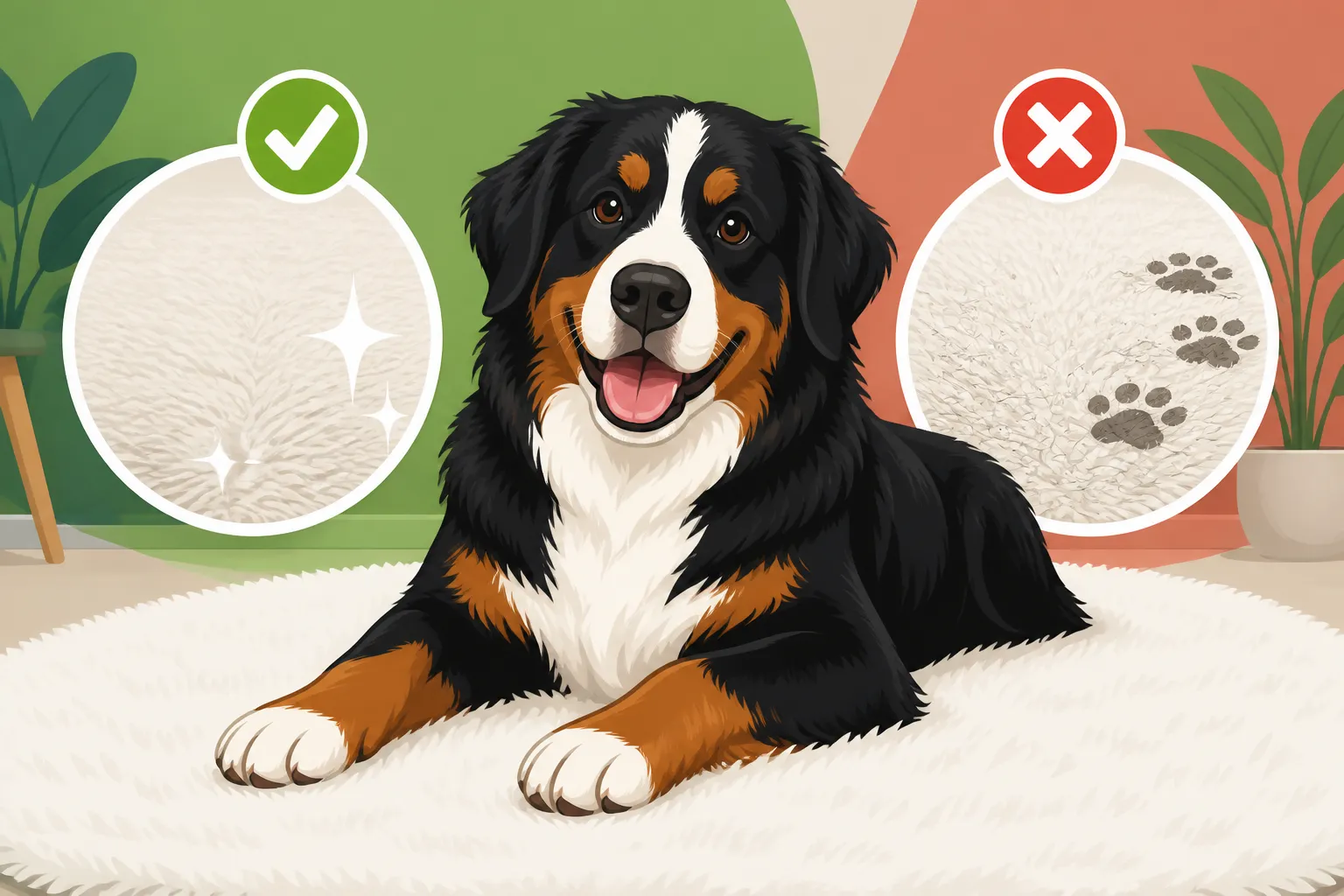
Many of us dream of a beautiful home with crisp, clean finishes, and a pristine white carpet often symbolizes that ideal. But if you're a proud Bernese Mountain Dog parent, or considering becoming one, you've likely found yourself staring at that dreamy white carpet sample with a pang of anxiety. Can these magnificent, fluffy, and sometimes messy giants truly coexist with such a delicate floor covering? This guide will dive deep into the realities of sharing your home, and especially your white carpet, with a Bernese Mountain Dog, offering practical insights into the challenges and potential solutions.
The Inevitable Bernese Mountain Dog Shed: A White Carpet's Worst Nightmare
Bernese Mountain Dogs are famous for their magnificent double coats – thick, luxurious, and undeniably beautiful. But that beauty comes with a significant caveat: shedding. And when you mix a perpetually shedding Berner with a white carpet, you're not just looking at a few stray hairs; you're looking at a constant, uphill battle against a tide of dark fur.
Living with the "Berner Tumbleweeds"
Let's be realistic: a Bernese Mountain Dog sheds. A lot. They have a dense undercoat that insulates them, and in spring and fall, they "blow" this coat, meaning entire handfuls of soft, dark fur come out with every brush stroke. Even outside of these seasonal explosions, there's a steady, ongoing release of hair. Imagine a black dandelion fluffing across a pristine white canvas – that's your life with a Berner on white carpet. You'll find these dark strands woven into the fibers, forming little "tumbleweeds" in corners, and clinging to anything static. It's a never-ending cycle of vacuuming, sweeping, and lint-rolling, and even then, you'll still spot those tell-tale hairs. The Bernese Mountain Dog Shed and What It Fills isn't just a phrase; it's a daily reality for us Berner owners.
The frustration is real. You might spend an hour meticulously vacuuming, only to watch your beloved Berner settle down for a nap, and when they rise, a fresh halo of dark fur is left in their wake. It’s not just visually displeasing; it can be incredibly hard on your vacuum cleaner. Standard models might struggle to pick up the sheer volume and density of Berner hair, often requiring multiple passes or even leading to blockages. Investing in a high-quality pet vacuum is almost non-negotiable, and even then, prepare for frequent filter cleaning. For those moments when your furry friend has just departed a spot, a quick once-over with a specialized pet hair remover or even a damp rubber glove can pull up a surprising amount of clingy fur before it has a chance to settle deep into the carpet pile. You'll quickly learn that maintaining a truly spotless white carpet is less about cleaning after the fact and more about constant, proactive management of their coat.
This constant battle against fur can feel overwhelming. It's not just the visible strands, but the fine, almost invisible dust of hair that settles on everything. Running your hand across the carpet, even after vacuuming, you'll often feel the tiny prickles of dark fur still embedded. Over time, this can lead to the white carpet taking on a slightly dingy, shadowed appearance, particularly in areas where your Berner loves to lounge. This subtle discoloration can be heartbreaking for those who value a truly bright, clean aesthetic. You might also find yourself constantly lint-rolling your clothes and furniture, realizing that the carpet is just one part of the shedding equation in a Berner household.
Grooming as Your First Line of Defense
Regular grooming isn't just about keeping your Berner looking handsome; it's your primary weapon against shedding on a white carpet. Daily brushing, especially with a good quality slicker brush or an undercoat rake, can significantly reduce the amount of hair that ends up on your floors. Think of it as intercepting the fur before it has a chance to become carpet décor. During peak shedding seasons, you might even need to brush them multiple times a day. It sounds like a lot, and it is, but it's far easier to remove hair from a brush than to extract it from deep within carpet fibers. Many Berner parents even take their dogs outside for brushing sessions to contain the fur fallout.
Beyond daily brushing, consider professional grooming every few months, particularly for a thorough de-shedding treatment. These services often use powerful force dryers, which are incredibly effective at blowing out loose undercoat without damaging the topcoat. While you can invest in a Whether a Force Dryer Is Worth It for a Bernese Mountain Dog for home use, the sheer power and expertise of a professional groomer can make a noticeable difference. You might also want to look into specialized shampoos and conditioners designed to release undercoat hair, easily found on sites like Chewy. Even with all these efforts, some shedding will still occur, but proactive grooming minimizes the impact and makes Keeping a House Livable With a Bernese Mountain Dog much more manageable, even with a white carpet. Remember that consistency is key; skipping a few days of brushing can quickly lead to an overwhelming amount of hair accumulating.
The commitment to consistent grooming cannot be overstated. It's a part of daily life with a Bernese Mountain Dog, especially when you have a white carpet. You'll need designated grooming tools, a routine, and the patience to work through their thick coat. Neglecting this routine, even for a few days, will lead to a dramatic increase in visible fur on your floors. Think of it as preventative maintenance for your carpet – the more you do to manage the coat directly on your Berner, the less work your vacuum will have to do, and the cleaner your white carpet will remain, at least from fur. You'll likely discover your favorite brushes and methods, becoming quite the expert in managing your Berner's majestic, yet prolific, coat.
Muddy Paws, Wet Coats, and the White Carpet Challenge
Bernese Mountain Dogs are working dogs at heart, and they love being outdoors. Whether it's a romp in the park, a walk in the woods, or just a quick dash out into the yard, they're bound to come back with something on their magnificent paws and coat. And if that something is mud, dirt, or wet leaves, your white carpet is in for a rude awakening.
The Footprint Frenzy
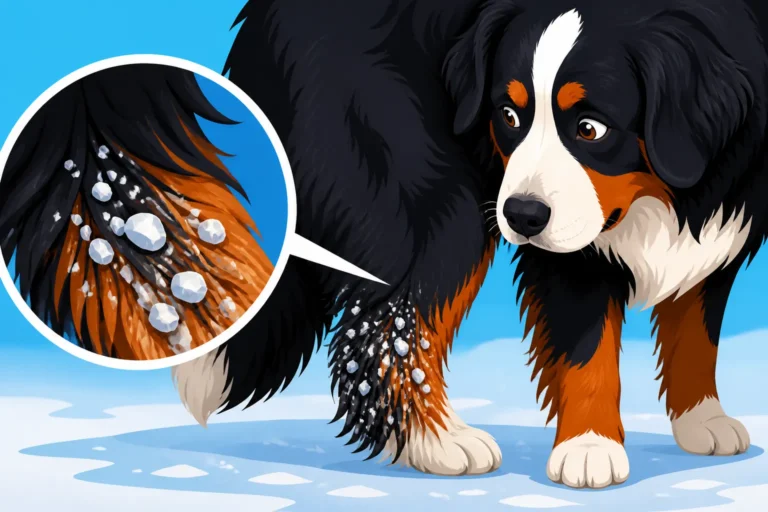
A hundred-pound dog with large, often hairy paws can track an incredible amount of dirt into the house. Picture this: it's just rained, your Berner has had a fantastic time splashing through puddles, and now they're standing at the door, wagging their tail, ready to come inside. Each paw print on your white carpet will tell a story, and it won't be a pretty one. It's not just mud; it's dust, pollen, tiny bits of leaves, and whatever else they've encountered on their adventures. Their feathered legs and the "trousers" on their hind end are especially good at collecting debris, creating a veritable magnet for outdoor grime. Mud Dried Into a Bernese Mountain Dog's Feathering can be a stubborn mess to deal with, and trying to vacuum dried mud out of a white carpet without leaving a faint shadow can feel like an impossible task.
To combat this, you'll need to establish a rigorous "mudroom" routine, even if you don't have a dedicated mudroom. This means having towels, a paw washer, or even a small bucket of water right by every entrance your Berner uses. You'll need to thoroughly wipe down their paws, legs, and belly every single time they come inside, no matter how quick their outdoor excursion. This requires patience and consistency, both from you and your dog. Training them to "wait" at the door until they're cleaned is crucial, essentially teaching them to Teaching a Bernese Mountain Dog to Wipe Its Feet. Some owners even use dog booties for particularly muddy conditions, though getting a Berner to accept them can be a training challenge in itself. For emergencies, having a dedicated spot cleaner ready for those inevitable mishaps is a must. Brands like Amazon offer a wide array of specialized pet-friendly carpet cleaners that can be lifesavers for these situations.
Even with the most diligent cleaning routine, you might still miss a spot, or your Berner might take a sudden, enthusiastic dash before you've completed the paw-wiping ritual. That one missed paw can leave a trail of tiny, dark specks that quickly get ground into the white carpet fibers. Over time, these small imperfections accumulate, giving the carpet a perpetually dirty look, especially near entryways. This isn't just about the occasional big mud print; it's about the constant, microscopic transfer of outdoor grime that a large, active dog naturally brings inside. You'll find yourself investing in heavy-duty entrance mats, not just for catching mud but for providing a designated "cleaning zone" before your Berner sets foot on the white carpet.
Wet Woes and Outdoor Adventures
Beyond mud, simply a wet coat can spell disaster for a white carpet. Berners have a thick, water-resistant double coat, but that doesn't mean they don't get thoroughly soaked. If your Berner decides to shake off after a swim, a bath, or a rainy walk, those water droplets, often mixed with residual dirt, will spray everywhere, including your pristine carpet. Not only can this leave water spots, but if the water has any discoloration from dirt or even natural oils from their coat, it can stain. Furthermore, a damp carpet is a breeding ground for mildew and can start to smell, especially if it's constantly damp from a large dog.
Considering the potential for water damage and stains, controlling where your Berner dries off is paramount. Designate a specific, easy-to-clean area (like a tiled entryway or a utility room) where they can be thoroughly towel-dried before being allowed onto the carpet. Keep a stash of absorbent towels readily available. For those spontaneous moments of zoomies or shakes, training your Berner a "shake" command on cue in a designated spot (preferably outdoors or in a tiled area) can be incredibly helpful. If your Berner loves to play in the snow, be aware that melting snow on their coat will also release water and dirt onto your floors. Even their own saliva can sometimes leave damp spots, particularly after a vigorous play session or drinking water. Therefore, a comprehensive plan for managing wetness is just as important as tackling the mud.
The sheer volume of water a Berner can carry in their coat is surprising, and it's not always evident until they decide to "shake it off." This can happen unexpectedly, spraying a wide radius of water and whatever particles were clinging to their fur. Imagine this happening right in the middle of your white carpeted living room – the frustration is immediate. Even seemingly clean water can leave a water ring or a faint stain as it dries, especially if the carpet isn't cleaned perfectly. Cleaning a Bernese Mountain Dog's Face Folds after drinking can also prevent drips, as some water can get trapped there. You might find yourself perpetually monitoring your Berner for signs of dampness, ready with a towel, which can be exhausting in itself.
Drool, Accidents, and the Unexpected Stains
Let's face it, dogs, especially large breeds, are not always perfectly tidy. From enthusiastic drooling to the occasional house-training mishap or age-related incontinence, a Bernese Mountain Dog can introduce a variety of liquids to your carpet. And on white carpet, every single one of these becomes a highly visible problem.
The Drool Factor
While Bernese Mountain Dogs are not typically as notorious for drooling as some other giant breeds like Saint Bernards or Mastiffs, they do drool, especially after drinking water, during anticipation of food, or when they're excited. A big gulp of water can easily lead to a trail of drips from the water bowl to their resting spot, and those drips can land squarely on your white carpet. Over time, even clear water can leave subtle marks if the carpet isn't thoroughly dried, or if there are mineral deposits in your water. More concerning are the sticky, sometimes discolored, drool strings that can be left behind, particularly from an excited or stressed dog. Drool and What a Bernese Mountain Dog Leaves Behind is something to be prepared for, especially if you cherish that white carpet.
Managing drool starts with strategic placement of water bowls. Consider using a "splash-proof" or elevated bowl in a non-carpeted area, perhaps with a large mat underneath. Encourage your Berner to drink and then stand over the mat for a minute to let excess drool drip before moving to carpeted areas. Some owners keep "drool towels" handy, especially after walks or meals, to quickly wipe their dog's mouth. If your dog is a particularly enthusiastic drinker, a walk after a big drink of water can help them "clear their mouth" outside. When drool does land on the carpet, immediate attention is crucial. Blot, don't rub, to prevent pushing the stain deeper into the fibers. A mild enzymatic cleaner can help break down any organic matter that might cause discoloration or odor. Managing a Bernese Mountain Dog's Drool is truly an art form in a white-carpeted home.
The reality of drool is that it can spread surprisingly far and cling tenaciously to carpet fibers. It's not just the wet spot, but the residue left behind once it dries. This residue can attract more dirt, creating a cycle of dinginess on your white carpet. Moreover, if your Berner chews on a treat or bone while on the carpet, the combination of saliva and food particles can lead to stubborn, greasy-looking stains that are incredibly difficult to lift completely. You'll find yourself examining your carpet from every angle, searching for the tell-tale sheen of dried drool or the faint outline of a treat accident. This constant scrutiny can be mentally taxing, turning your home from a place of relaxation into a constant cleaning project.
House-Training Hiccups and Senior Moments
No matter how well house-trained your Bernese Mountain Dog is, accidents can happen. Puppies, of course, are prone to mistakes, and even an adult dog can have an upset stomach, a urinary tract infection, or simply get so engrossed in play that they forget to signal. When a puppy is learning to hold it, a single accident on a white carpet can feel like a catastrophic event, requiring immediate, thorough cleaning. For older Berners, conditions like Keeping an Incontinent Bernese Mountain Dog Clean can become a real challenge. As they age, joint pain might make it harder to get outside quickly, or they may develop cognitive dysfunction leading to accidents.
Dealing with accidents on white carpet requires a strong stomach and immediate action. Enzymatic cleaners are your best friend here, as they break down the biological compounds that cause odors and stains. Just blotting the surface often isn't enough; you need to saturate the area with the cleaner to reach the carpet pad underneath, as that's where odors can truly set in. Consider using training pads in designated areas for puppies, or for older dogs, investing in washable waterproof mats or dog beds for their favorite resting spots. Crate Training an Adult Bernese Mountain Dog can also help reinforce appropriate potty habits and prevent unsupervised accidents. It's also vital to rule out any underlying medical conditions with your vet if accidents become frequent. Companies like Ollie, known for their fresh dog food delivery, focus on digestive health, and sometimes a consistent, high-quality diet can contribute to fewer stomach upsets, which might indirectly help with fewer carpet "surprises." However, even with the best diet, vigilance and preparedness are key.
The lingering odor from accidents, even after a thorough cleaning, can be a subtle but persistent problem on white carpet. Urine, in particular, can saturate the carpet fibers and pad, making it incredibly difficult to remove all traces. Over time, even if you can't see the stain, you might catch a whiff of it, especially on humid days. This can make your home feel less fresh and clean, undermining the entire aesthetic of a white carpet. Repeated accidents in the same spot can also lead to permanent yellowing or discoloration of the white fibers, which no amount of cleaning can truly restore. This is where the emotional toll of a white carpet combined with a large dog's natural bodily functions becomes most acute.
Wear, Tear, and Practicalities of a Bernese Mountain Dog on White Carpet
It’s not just about the visible dirt and hair; a Bernese Mountain Dog's sheer size and activity level can take a toll on any flooring, and a delicate white carpet is particularly vulnerable to general wear and tear. Their weight, nails, and playful antics can degrade carpet fibers, leading to flattened pile, snags, and even rips over time.
The Impact of Size and Weight
Imagine a hundred-pound dog moving across your white carpet multiple times a day. Their weight alone, especially if they like to "dig in" when getting up or moving quickly, can compress the carpet pile, leaving permanent pathways and flattened areas. This is particularly noticeable in high-traffic zones, transforming fluffy white carpet into matted, dull tracks. Furthermore, a Bernese Mountain Dog's nails, even if kept meticulously trimmed, can cause snags and pulls in looped carpets, or gradually wear down the fibers of cut pile carpets. Trying to keep those large paws from impacting the carpet is nearly impossible, as they need to move and live in your shared space. This kind of wear is often irreversible, regardless of how much you clean.
To mitigate this, consider placing durable runners or area rugs in high-traffic areas where your Berner frequently walks or lies down. These can absorb some of the impact and wear, protecting the underlying white carpet. Look for rugs that are easily washable or have a dense, low pile that resists flattening. Regular nail trims are also critical, not just for the carpet but for your dog's health; excessively long nails can impact their gait and cause discomfort. You can also look into products like paw waxes or balms that help condition their paw pads, making them less abrasive. When selecting carpet, if you absolutely must have white, consider a very short, dense loop pile or a commercial-grade carpet, as these tend to be more resilient to heavy foot traffic and less prone to showing wear patterns compared to plush, deep-pile options. But even then, the battle against significant wear and tear will be ongoing.
The cumulative effect of a large dog's weight on white carpet is often underestimated. While one pass won't ruin it, years of walking, running, and lying down in the same spots will inevitably lead to visibly worn paths. These pathways often darken slightly due to embedded dirt and flattened fibers, creating a stark contrast with the untouched, fluffy areas. It changes the entire texture and appearance of the carpet, making it look aged and tired long before its expected lifespan. Even Orthopedic Beds Sized for a Bernese Mountain Dog placed on the carpet will leave a temporary, and often permanent, impression on the pile beneath. This isn't damage in the traditional sense, but rather a slow, relentless transformation that alters the very essence of your white carpet.
Activity Levels and Play
Even the most well-behaved Bernese Mountain Dog can have bursts of energy or engage in playful wrestling matches, and these activities are not kind to white carpet. Zoomies, sudden turns, or launching themselves from a lying position can cause friction, pulling at carpet fibers. Puppies, in particular, might decide to "dig" at the carpet during play or when settling down, which can quickly fray or ruin an area. Furthermore, any toys or bones they chew on the carpet can leave behind residue, crumbs, or wet spots that are difficult to remove from white fibers. Even lying down and getting up can leave pressure marks or scuffs, especially if they slide a little.
Creating designated play zones or using pet gates to restrict access to certain carpeted areas can be a practical solution. You can find sturdy pet gates on Amazon or Chewy that are tall enough to contain a full-grown Berner. Providing large, comfortable dog beds in non-carpeted areas or on top of protective mats will encourage them to rest and play in appropriate spaces, saving your carpet from constant pressure and friction. Redirecting digging behavior to appropriate chew toys or outdoor areas is also essential. Understand that a Bernese Mountain Dog, especially a young one, has natural instincts that might include digging, chewing, and rambunctious play. It's not about them being "bad," but about their natural behaviors clashing with a very sensitive environment. Setting up your home to accommodate these behaviors in a way that protects your chosen décor is a much more realistic approach than expecting your Berner to magically understand the sanctity of your white carpet.
The reality is that a Bernese Mountain Dog's youthful exuberance and playful nature will challenge any delicate flooring. A spontaneous game of tug-of-war, or even a sudden burst of "puppy zoomies" across the carpet, can cause immediate and visible damage to white fibers. Toys dropped or dragged, particularly those with hard edges or rubber, can scuff and dirty the carpet. Even simply rolling around can flatten the pile and potentially loosen fibers. This isn't just about cleaning up after play, but preventing the physical alteration of the carpet itself, which is a much harder task. It often means making tough choices about where and how your Berner can play indoors, which can feel restrictive for both of you.
Table: Common Bernese Mountain Dog Challenges vs. White Carpet Solutions
| Challenge | Description | Impact on White Carpet | Recommended Solutions |
|---|---|---|---|
| Shedding | Constant release of dark double coat hair. | Dark fur visible everywhere, woven into fibers. | Daily brushing, de-shedding tools, professional grooming, powerful pet vacuum. |
| Mud/Dirt Tracking | Large, feathered paws pick up outdoor debris. | Visible dark paw prints, embedded dirt, stains. | Towel/paw wash at every entrance, mudroom routine, runners, dog booties. |
| Wetness/Drool | Water drips after drinking, excited drool, wet coat shakes. | Water spots, potential discoloration, mildew risk. | Splash-proof bowls, designated drying zones, immediate blotting, drool towels. |
| Accidents (Potty) | Puppy training mistakes, upset stomachs, age-related incontinence. | Highly visible urine/feces stains, lingering odors. | Enzymatic cleaners, waterproof mats, vet check-ups, designated puppy pads. |
| Wear & Tear (Weight) | Heavy weight flattens pile, creates traffic paths. | Matted, dull areas, irreversible compression. | Area rugs/runners, durable carpet types (low pile), frequent carpet cleaning. |
| Wear & Tear (Nails) | Nails snag, pull, and fray carpet fibers. | Visible snags, loose threads, damaged areas. | Regular nail trims, paw waxes, soft-soled dog shoes (if accepted). |
The Reality Check: Can it Really Work?
So, the big question: can a Bernese Mountain Dog truly suit a white carpet? The honest, empathetic answer from someone who loves these dogs is: it will be an incredible challenge, requiring immense dedication, constant vigilance, and a significant investment in cleaning supplies and tools. It's not impossible, but it demands a different level of commitment than you might anticipate. Every stray hair, every speck of mud, every drop of water will stand out in stark contrast. Your home will transform from a serene white haven into a battlefield against dirt and fur.
Many Berner owners, myself included, opt for practical flooring choices like hardwood, tile, or dark-colored, low-pile carpets that are more forgiving. Flooring a Bernese Mountain Dog Household Replaces often reflects this practical need. If your heart is set on white, be prepared for a lifestyle adjustment. This means a cleaning routine that goes beyond daily, a budget for professional carpet cleaning, and a shift in perspective where a perfectly pristine carpet might become a secondary concern to the joy your Berner brings. Ultimately, it’s about balancing your aesthetic preferences with the realities of living with a large, active, and wonderfully messy companion. Your Bernese Mountain Dog will love you regardless of your carpet color, but your white carpet might not feel the same way about your Bernese Mountain Dog.
Disclaimer
This article is for general informational purposes only and does not constitute professional advice. Laws, prices and regulations vary by location and change over time. Consult a qualified professional for guidance on your specific situation.