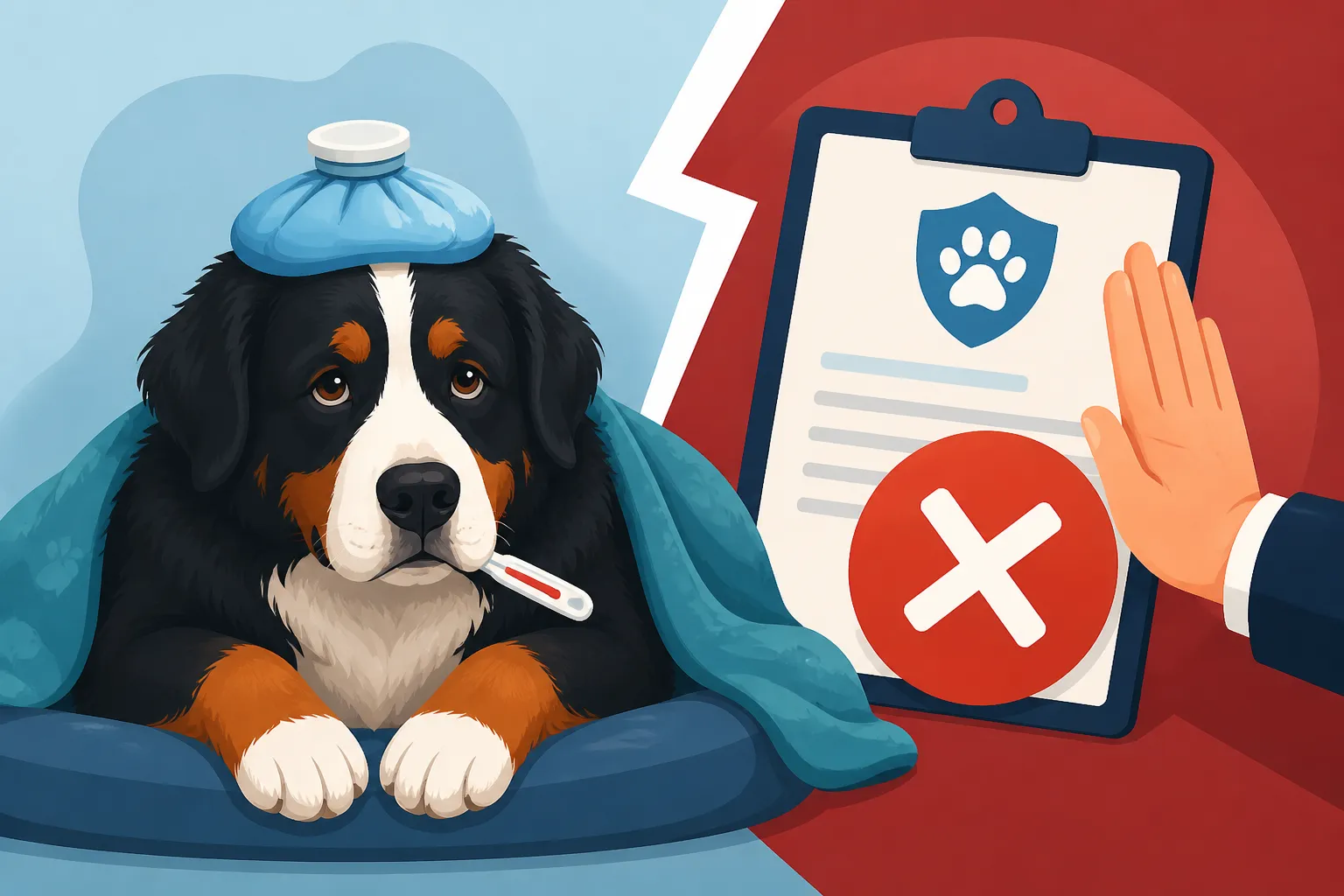
Claims Refused Because a Bernese Mountain Dog Was Symptomatic
It’s a heart-sinking moment for any Bernese Mountain Dog owner: you’ve been diligent, you’ve paid your pet insurance premiums, and then, when your beloved giant needs significant veterinary care, the claim comes back refused. Often, this denial is tied to the frustrating and often misunderstood concept of a "symptomatic" event, leading to the condition being classified as pre-existing. This guide is here to shed light on why pet insurance claims are refused because a Bernese Mountain Dog was symptomatic, helping you understand the intricacies of pet insurance policies and offering strategies to protect your companion and your wallet.
Understanding "Pre-Existing Conditions" and Symptomatic Events
The world of pet insurance can feel like navigating a maze, especially when it comes to the crucial definitions that dictate whether your dog's care will be covered. One of the biggest hurdles many Bernese Mountain Dog owners face is the insurance company's interpretation of "pre-existing conditions," which often hinges on whether a symptom was present before the policy officially began.
What Constitutes a Pre-Existing Condition?
When an insurance provider talks about a pre-existing condition, they're referring to any illness, injury, or observable condition that occurred or showed signs before your pet's coverage officially started or during any waiting periods. This is absolutely critical to understand. It's not just about a formal diagnosis from a veterinarian. An insurer typically doesn't need a vet to have put a specific name to an ailment for it to be considered pre-existing. If your Berner was limping, even intermittently, before you enrolled them in a policy or during the waiting period, and later receives a diagnosis of, say, hip or elbow dysplasia, that initial limp could be enough for the insurer to label the condition as pre-existing.
Think of it this way: imagine your gentle giant, Gus, a magnificent Bernese Mountain Dog, is around two years old. One evening, after a particularly exuberant play session, you notice a slight, almost imperceptible limp in his hind leg. It lasts a week, then seems to disappear. You chalk it up to a minor strain, and life goes on. A month later, feeling proactive, you decide to get pet insurance. Fast forward six months, and Gus develops a more pronounced, chronic limp, leading to a diagnosis of severe elbow dysplasia. When you submit your claim, the insurance company might review his records and, finding that initial mention of a limp, deny coverage by arguing the condition was already present, or at least symptomatic, before your policy was active. This is why being honest and thorough from the start, and obtaining insurance before any potential issues, is paramount.
The "Symptomatic" Trap: What Does It Really Mean?
This is where the waters get particularly murky and frustrating for pet parents. The "symptomatic" clause means that even if a full diagnosis wasn't made, or you didn't even take your dog to the vet for a fleeting issue, the presence of symptoms can be enough to trigger a pre-existing exclusion. Insurance companies often employ a "look-back period," which is a timeframe they review a pet's medical history for any signs or symptoms, regardless of whether they were noted by a vet or even seemed significant at the time. This period can vary by insurer but is typically a few months to a year or more.
Consider a scenario where your Bernese Mountain Dog, Daisy, seems a little quieter than usual for a few days. She's eating, but perhaps not with her usual gusto, and sleeps a bit more. You might attribute it to a change in weather or just an off day, so you don't call the vet. A few weeks after securing pet insurance, Daisy's lethargy becomes more pronounced, and after a vet visit, she's diagnosed with a serious underlying condition. When you submit your claim, the insurer might look at your vet's records for any mention of the prior sluggishness or even ask you questions about her health history. If that brief period of lethargy is determined to be an early, un-diagnosed symptom of her current illness, your claim could be denied. It’s a bitter pill to swallow, knowing that a minor, seemingly resolved observation can come back to haunt you when you need help most. This concept is one of the reasons Why the Bernese Mountain Dog Is Expensive to Insure in the first place, as their breed-specific health challenges make them a higher risk.
Common Bernese Mountain Dog Health Issues and Insurance Challenges
Bernese Mountain Dogs, with their stunning looks and sweet dispositions, are unfortunately predisposed to a range of health issues that can make navigating pet insurance particularly challenging. Understanding these common problems and how they relate to the "symptomatic" clause is crucial for any owner.
Joint Issues and the Pre-Existing Predicament
Few breeds are as susceptible to joint problems as the Bernese Mountain Dog. Conditions like hip and elbow dysplasia are unfortunately prevalent, often leading to significant pain and costly interventions over their relatively short lives. As detailed in articles like Joint Disease in a Hundred Pound Bernese Mountain Dog, these conditions often begin subtly, manifesting as slight lameness, stiffness, or an altered gait long before a definitive diagnosis is made through X-rays.
Imagine your adorable Bernese puppy, Bear, prancing around the yard. You notice he occasionally "bunny hops" – lifting both back legs simultaneously, rather than alternating them – or perhaps shows a brief moment of stiffness after a nap. These seem like minor quirks of puppyhood. You then decide it's time to get pet insurance, signing up for a plan. Months or even a couple of years later, Bear develops severe lameness, and diagnostics confirm advanced hip dysplasia. When you file the claim, the insurer might review your initial vet records or even conversational notes from a first visit, where a vet tech might have casually asked if you'd noticed anything unusual about his movement. If that "bunny hop" or stiffness was ever noted, even indirectly, it could be retrospectively flagged as an early symptom of a pre-existing condition, leading to claim refusal. It's a cruel irony that the very conditions we seek to insure against are often those with the longest, most ambiguous symptomatic lead-ins. Many pet parents turn to services like Healthy Paws for comprehensive coverage, but even the best policies have these foundational clauses.
Cancer: The Unpredictable Pre-Existing Threat
Perhaps the most heartbreaking challenge for Bernese Mountain Dog owners is their tragic predisposition to cancer. The Cancer That Kills Half of All Bernese Mountain Dogs is not just a statistic; it's a stark reality many Berner families face. Conditions like Histiocytic Sarcoma, lymphoma, and mast cell tumors can develop rapidly, but often, there are subtle, non-specific signs that precede a diagnosis.
Consider your sweet Berner, Luna. She's always been a vibrant dog, but lately, you've noticed she's been coughing a bit more often, or maybe she's seemed just a touch more tired after walks. You might not think much of it, as dogs can have minor coughs or off days. You decide to get pet insurance, wanting to be prepared for the future. A few weeks or months later, Luna's cough worsens, or she develops an unexplained lump, which quickly leads to a devastating cancer diagnosis. Upon reviewing the claim, the insurance company might investigate her medical history, looking for any recorded instances of coughing, lethargy, or unexplained weight loss that occurred before the policy's effective date. Even if these symptoms seemed completely unrelated at the time, or were attributed to something benign, the insurer could argue they were early indicators of the cancer, thus classifying it as pre-existing. This is often the case with conditions like The First Signs of Histiocytic Sarcoma in a Bernese Mountain Dog, which can be vague and easily dismissed until the disease has progressed significantly.
Strategies to Mitigate Refused Claims
While the thought of a denied claim is daunting, especially with a breed prone to so many serious health issues, there are proactive steps you can take to significantly reduce the risk of your Bernese Mountain Dog's future claims being refused. It’s all about timing, vigilance, and informed decision-making.
Timing Is Everything: Insure Early
This is, without a doubt, the single most impactful piece of advice for any Bernese Mountain Dog owner considering pet insurance. Get your pet insured when they are a healthy puppy, ideally as soon as you bring them home, before any potential symptoms, no matter how minor, have a chance to appear. Puppyhood is often a time of seemingly endless energy and robust health, but it's also when genetic predispositions can subtly begin to manifest.
By enrolling your Berner when they are young and demonstrably healthy, you minimize the "window of opportunity" for an insurer to claim a condition is pre-existing. Every pet insurance policy has a waiting period – typically a few days for accidents and often 14 days or more for illnesses – during which conditions that arise are also considered pre-existing. Getting ahead of this is crucial. For example, if you adopt an 8-week-old Bernese puppy and enroll them immediately, by the time they are 12 weeks old, most waiting periods will have passed, and any new, legitimate illness will be covered. This strategy is precisely what is highlighted in Insuring a Bernese Mountain Dog Before Its First Lump, emphasizing the foresight needed. Waiting until your Bernese is older, or until you notice a concerning symptom, is almost always too late to secure comprehensive coverage for that specific issue.
Diligent Documentation and Vet Visits
Beyond insuring early, meticulous record-keeping and regular veterinary visits are your best allies. Every interaction with your vet, from routine check-ups to minor concerns, should be thoroughly documented. A detailed medical history creates a clear timeline of your Bernese Mountain Dog's health, making it harder for an insurer to retrospectively assign a pre-existing label to a new condition.
If your Berner experiences a minor ailment – a brief bout of diarrhea, a small cut, a temporary cough – take them to the vet and ensure it's documented. Even if it resolves completely, a vet's note stating "resolved, no recurrence" or "self-limiting" can be invaluable if a similar symptom appears years later and turns out to be part of a more serious, unrelated condition. This is especially true given the importance of The Bernese Mountain Dog Health Panel as they age, with regular screenings providing a robust health baseline. These routine checks allow your vet to spot subtle changes and record them, creating a paper trail that demonstrates proactive care and your dog's health status over time. Veterinary services, often facilitated by retailers like Chewy through their partnerships, emphasize the importance of these regular visits for overall pet wellness.
Understanding Policy Language and Asking Questions
Pet insurance policies are legal documents, and as such, they are filled with specific jargon and clauses that can be confusing. Before you commit to any policy, take the time to read the fine print, particularly sections related to "pre-existing conditions," "waiting periods," and "exclusions." Pay close attention to how the policy defines a pre-existing condition – some may have more lenient look-back periods than others, or clearer definitions of what constitutes a "symptom."
Don't hesitate to call the insurance provider directly, whether it's Healthy Paws or another reputable company. Present them with hypothetical scenarios specific to Bernese Mountain Dogs, like their propensity for cancer or joint issues. Ask them explicitly: "If my Bernese Mountain Dog showed a slight limp for a day when they were a year old, which wasn't diagnosed, and then developed severe hip dysplasia at age three, how would that be handled?" Get clarification in writing if possible. Understanding these nuances upfront can save you immense frustration and financial strain down the road. Some companies that partner with brands like Ollie for nutrition might also offer integrated wellness or insurance advice, so exploring all avenues for information is a good idea.
What To Do If Your Claim Is Refused
Despite your best efforts, sometimes a claim for your Bernese Mountain Dog's care might still be refused. This can be incredibly upsetting, especially when you're already dealing with the stress of your pet's illness. However, a refusal isn't always the final word. There are steps you can take to challenge the decision and understand your options moving forward.
Review the Denial Letter and Your Records
The very first thing you need to do is carefully, meticulously read the denial letter you received from the insurance company. It should state the precise reason for the refusal. Is it because the condition was deemed pre-existing? Was it due to a specific exclusion? Understanding the exact rationale is critical for your next steps. Once you have this information, cross-reference it with your Bernese Mountain Dog's complete veterinary medical records.
Look for any discrepancies. Did the insurer interpret a passing comment or a minor, resolved symptom differently than you or your vet did? Sometimes, veterinary records might be less detailed than needed, or a symptom that seemed insignificant at the time was noted and later used against you. Gather all relevant documentation: vet notes, lab results, imaging reports (like X-rays for Hips That Fail Under a Bernese Mountain Dog's Weight), and any communication you've had with your vet regarding the condition in question. This thorough review is your foundation for an appeal.
Appeal the Decision
Most pet insurance companies have a formal appeal process. This is your opportunity to present additional information, clarify misunderstandings, or argue against the refusal. Your appeal should be well-organized, factual, and backed by evidence.
Here’s how you might approach it:
- Gather Additional Veterinary Statements: Ask your veterinarian to write a detailed letter specifically addressing the insurer's reason for denial. Your vet can explain why a particular symptom was isolated, or unrelated to the eventual diagnosis, or that it was fully resolved and considered a separate incident. For instance, if your Berner had an upset stomach that cleared up completely, and later developed a different gastrointestinal issue, your vet can attest that they were distinct.
- Provide Supporting Documents: Include copies of all relevant vet records that support your case. This might include previous "clear" health checks, diagnostic results, or notes indicating a symptom was resolved.
- Write a Clear Appeal Letter: Explain your position calmly and clearly, referencing specific dates, symptoms, and vet records. Argue why the condition should not be considered pre-existing based on your understanding of the policy and your dog's medical history. For significant issues like cancer, even if a What a Bernese Mountain Dog Biopsy Costs might be covered, subsequent treatment might not be if the condition is deemed pre-existing, so fighting for that initial coverage is important. Don't be afraid to be persistent, but always remain polite and professional.
Know When to Cut Your Losses and Plan Ahead
Unfortunately, despite your best efforts and a strong appeal, some claims may still remain refused. In such cases, it's important to understand the implications: once a condition is officially deemed pre-existing by one insurer, it will almost certainly be considered pre-existing by any future pet insurance provider you might consider. This means you won't be able to switch companies and get coverage for that specific condition.
At this point, you need to pivot to managing future costs. This might involve setting up a dedicated savings fund specifically for your Bernese Mountain Dog's ongoing medical needs, especially for conditions that require long-term management like arthritis or chronic disease. You could also explore wellness plans, which are separate from illness/accident insurance and typically cover routine care like vaccinations, dental cleanings, and preventative medications. While these won't cover major illnesses, they can help manage the more predictable The Running Costs of a Hundred Pound Bernese Mountain Dog. For example, Chewy and other pet supply retailers often offer or partner with wellness plan providers. It’s a tough reality, but facing it head-on allows you to make informed financial decisions for your beloved Berner, considering the overall Eight Years of Bernese Mountain Dog Bills that a Berner owner can expect. Remember that even without insurance coverage for a specific issue, your love and commitment to your dog’s health remain paramount.
| Condition Type | Common Bernese Mountain Dog Examples | Potential "Symptomatic" Triggers | How Early Symptoms Appear |
|---|---|---|---|
| Joint Issues | Hip Dysplasia, Elbow Dysplasia | Intermittent limping, bunny hopping, stiffness after rest, reluctance to jump or climb stairs | Can start in puppyhood (4-12 months) as subtle signs |
| Cancers | Histiocytic Sarcoma, Lymphoma, Mast Cell Tumors | Lethargy, unexplained weight loss, intermittent coughing, vomiting, diarrhea, small skin lumps, swollen glands | Highly variable, from vague signs to rapid onset, but often preceded by subtle changes |
| Bloat | Gastric Dilatation-Volvulus (GDV) | Restlessness, pacing, unproductive retching, drooling (though actual bloat onset is usually acute) | While acute, chronic minor GI issues could potentially be misinterpreted |
| Eye Conditions | Entropion, Ectropion | Eye irritation, excessive tearing, squinting, redness | Often noticeable in puppyhood or early adulthood |
| Heart Issues | Subvalvular Aortic Stenosis (SAS) | Exercise intolerance, coughing, fainting, heart murmur noted by vet | Murmurs can be detected in puppies; other symptoms later |
Disclaimer
This article is for general informational purposes only and does not constitute professional advice. Laws, prices and regulations vary by location and change over time. Consult a qualified professional for guidance on your specific situation.