Early Degenerative Myelopathy in a Bernese Mountain Dog
Discovering that your beloved Bernese Mountain Dog is showing signs of weakness or an unusual gait at a younger age than expected can be absolutely heartbreaking, stirring up a whirlwind of anxiety and confusion. Many Berner owners face the devastating reality of Degenerative Myelopathy (DM), a progressive neurological disease that often mimics other conditions. This comprehensive guide will walk you through what early degenerative myelopathy looks like in a Bernese Mountain Dog, delving into its genetic underpinnings, and exploring the crucial steps for diagnosis and management to help you navigate this challenging journey.
Understanding Early Degenerative Myelopathy in Bernese Mountain Dogs
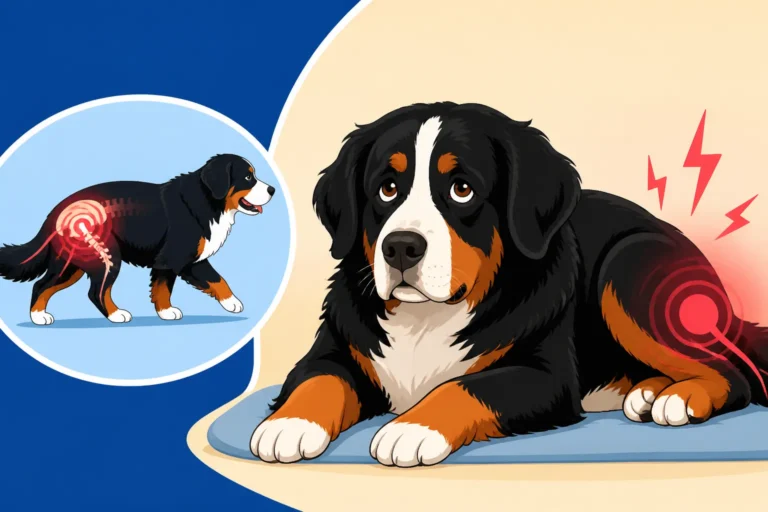
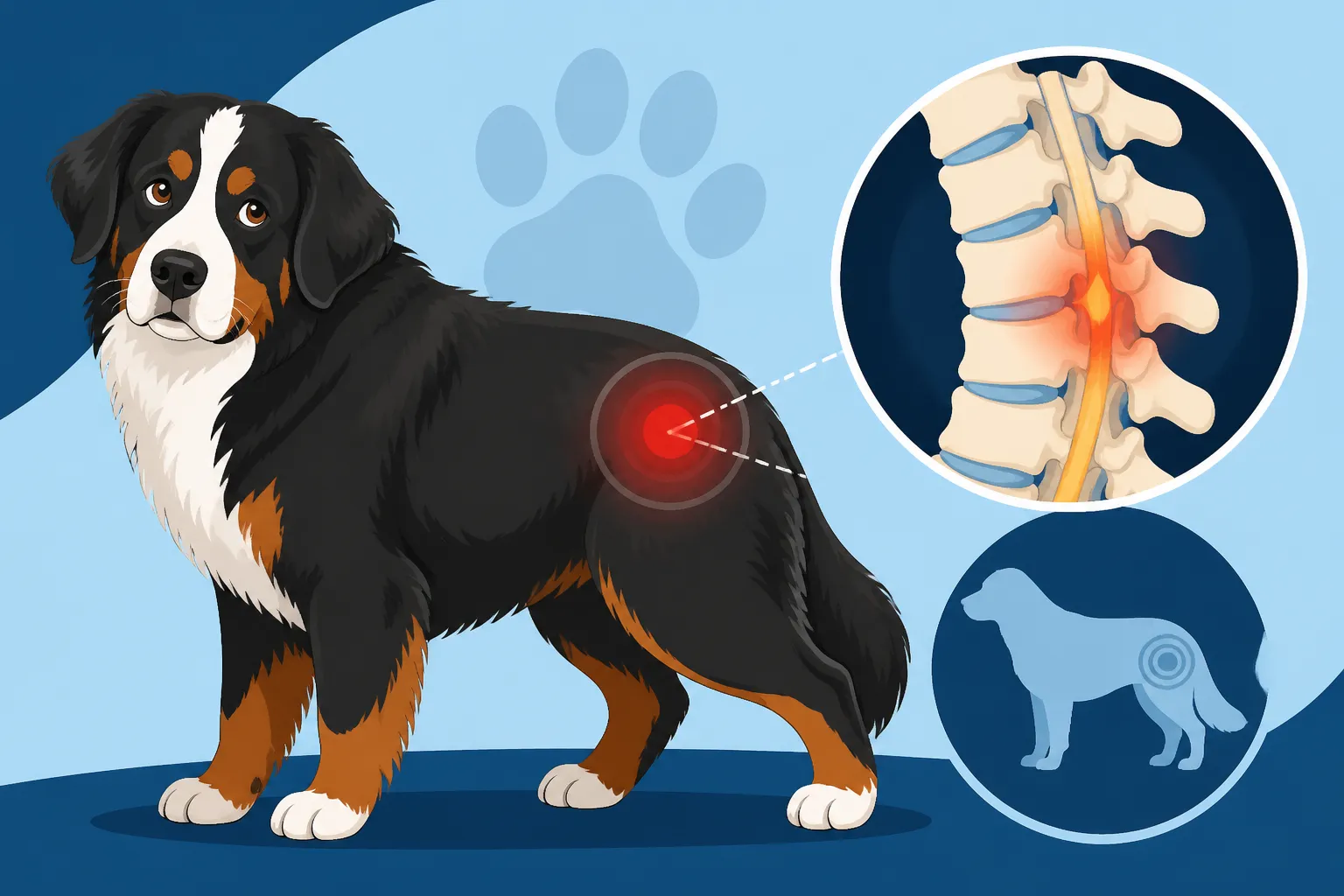
Degenerative Myelopathy is a cruel disease, slowly robbing dogs of their ability to walk and control their hind limbs. For Bernese Mountain Dogs, a breed already prone to various orthopedic and health issues, an early onset diagnosis can be particularly bewildering. It’s a disease of the spinal cord, specifically the white matter, leading to a breakdown of the nerve fibers that transmit movement commands. Typically, DM is seen in older dogs, often starting around 8-12 years of age, but "early" onset means noticing these symptoms much sooner, sometimes as young as 4-6 years old. This earlier appearance can easily be mistaken for other common Berner ailments, making prompt and accurate diagnosis critical.
The Subtle Initial Signs You Might Miss
When DM begins to manifest, especially in its earlier stages, the signs can be incredibly subtle and intermittent, making them easy to dismiss as typical "old dog" stiffness or a minor injury. You might notice your Bernese Mountain Dog dragging a back paw occasionally, sometimes called "knuckling over," or perhaps scuffing their nails on walks. It's often asymmetrical at first, meaning one hind leg might seem a little weaker or less coordinated than the other. Perhaps they struggle slightly with stairs, or find it harder to jump into the car, but it’s not a dramatic collapse.
Owners often report a slight, uncharacteristic sway in the hindquarters while standing, or a wobbly gait that seems to improve after a bit of exercise, only to reappear later. Think about those moments when your Berner might stumble on uneven ground, or when they suddenly seem to lose balance for a split second when turning quickly. These are the tiny red flags that, when combined, can paint a concerning picture. Because Berners are so stoic, they often try to compensate, hiding their discomfort or weakness, which makes these early observations even more vital for owners to recognize. It's a frustrating waiting game as you try to pinpoint if it's just a clumsy moment or something more serious.
Distinguishing DM from Common Orthopedic Issues
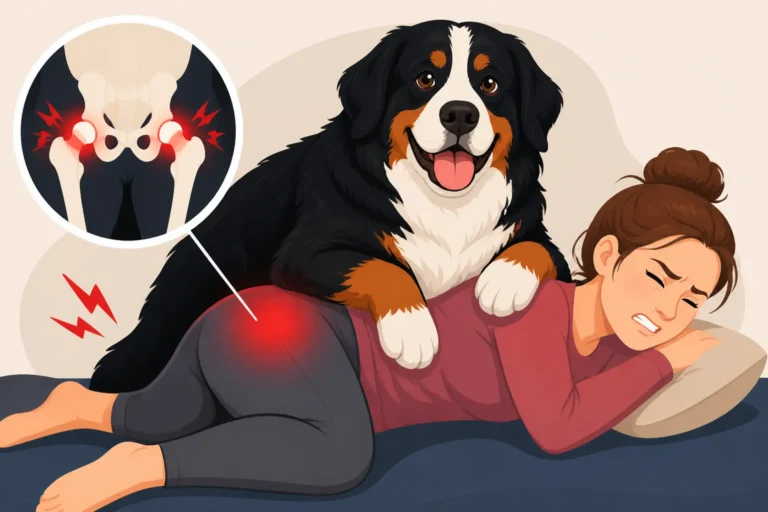
One of the biggest challenges in identifying early Degenerative Myelopathy is that its initial symptoms can closely mimic those of orthopedic conditions common in Bernese Mountain Dogs, such as hip and elbow dysplasia, or even arthritis. It's not uncommon for a limping Bernese Mountain Dog to be suspected of having joint issues first. A dog with hip pain might bunny-hop, struggle to rise, or show lameness, all of which can also be seen in the early stages of DM. The key difference lies in the type of weakness and the absence of pain associated with DM.
With DM, the neurological deficit progresses to muscle atrophy, but initially, it’s primarily a loss of coordination and proprioception (awareness of limb position) rather than overt pain. Your Berner might not yelp when you manipulate their leg, and anti-inflammatory medications, which often help with joint pain, won't typically alleviate DM symptoms. It's this lack of pain that can be a crucial differentiator for your veterinarian. A thorough neurological exam, including testing reflexes and proprioceptive responses, becomes essential to help determine if the issue stems from the brain and spinal cord, rather than just the joints. This diagnostic journey can be lengthy and expensive, highlighting why many owners look into pet insurance providers like Healthy Paws early in their dog's life.
The Genetic Reality: Understanding the SOD1 Test and Early Onset
Degenerative Myelopathy isn't just bad luck; it's a condition with a strong genetic component, specifically linked to a mutation in the SOD1 gene. Understanding this genetic link is paramount, especially when considering "early" onset, as it helps explain why some Berners develop the disease sooner than others. The SOD1 test is a simple DNA test that can clarify your dog's genetic status, which is an invaluable piece of information for breeders and owners alike.
Decoding the SOD1 Test Results
The SOD1 test provides one of three possible results:
- Clear (N/N): Your Bernese Mountain Dog does not have the gene mutation and cannot develop DM or pass it on. This is the ideal result for any Berner.
- Carrier (A/N): Your dog carries one copy of the mutated gene. They will not develop DM themselves, but they can pass the gene to their offspring. This is important information for breeders, as breeding two carriers together significantly increases the risk for puppies. You can learn more about this in our article, "What the SOD1 Result Means for a Bernese Mountain Dog".
- At-Risk (A/A): Your dog has two copies of the mutated gene, meaning they are genetically "at-risk" of developing DM. It's crucial to understand that "at-risk" does not mean they will definitely get DM, nor does it predict when they might get it. However, a Berner diagnosed with DM almost always has an A/A result.
For a Bernese Mountain Dog exhibiting early signs of DM, a positive A/A result on the SOD1 test provides strong support for the diagnosis, especially after ruling out other conditions. This genetic predisposition means that an earlier onset, while less common, is a tragic possibility. The presence of this genetic marker, combined with clinical signs and the exclusion of other diseases, helps confirm that what you are observing is indeed this devastating neurological condition. For families dealing with the prospect of high vet bills, insurance plans from providers like Healthy Paws can provide crucial financial support.
When "At-Risk" Becomes a Clinical Reality
The heartbreaking reality for many Bernese Mountain Dog owners is that an "at-risk" (A/A) genetic status can, in some cases, manifest as actual clinical signs of Degenerative Myelopathy. When these symptoms appear earlier than the typical age range, it's particularly tough. While the average onset is around 8-12 years, some Berners might start showing symptoms as young as 4-6 years old. This early presentation doesn't necessarily mean a faster progression, but it does mean a longer period of managing the disease.
The exact triggers for why some at-risk dogs develop DM and others don't, or why some develop it early, are still being researched. Environmental factors, other genetic modifiers, or even nutritional aspects are speculated to play a role, but definitive answers remain elusive. What is clear is that for an A/A Berner, those subtle signs of weakness or incoordination in the hind limbs are much more likely to be the beginnings of DM than in a genetically clear dog. This is why if your Berner is showing suspicious signs, getting "The SOD1 Test for a Bernese Mountain Dog" is one of the first, most important steps you can take. Understanding this early on allows you to monitor your dog more closely and begin supportive care sooner, even though there's no cure.
Coping Strategies and Support for Early DM
Receiving a diagnosis of Degenerative Myelopathy, especially when your Bernese Mountain Dog is still relatively young, is a profoundly difficult experience. It's natural to feel overwhelmed, scared, and heartbroken. While there's no cure for DM, there are many strategies you can employ to slow its progression, maintain your dog's quality of life, and support them through every stage. This isn't about giving up; it's about shifting focus to comfort, mobility, and cherishing every moment.
Active Management to Maintain Mobility
While DM is progressive, proactive management can significantly impact your Bernese Mountain Dog's mobility and overall well-being, potentially slowing the decline. The cornerstone of this approach is regular, moderate exercise that keeps muscles strong without overexertion. Hydrotherapy (underwater treadmill or swimming) is particularly beneficial as it allows your Berner to exercise their muscles without the strain of gravity on weakening limbs. Physiotherapy, or physical rehabilitation, involves specific exercises and stretches designed to maintain muscle mass, improve coordination, and prevent contractures.
Your vet might recommend a regimen of daily short walks, proprioceptive exercises (like walking over uneven surfaces or weaving through cones), and gentle stretching. It’s important to avoid prolonged periods of inactivity, as muscle atrophy can accelerate quickly. As the disease progresses, assistive devices such as slings, harnesses (like the Ruffwear Web Master harness, a popular choice for large breeds), and even a cart for a Bernese Mountain Dog losing its legs can become invaluable tools for maintaining independence. Early intervention with these aids can prevent falls and injuries, keeping your Berner active for as long as possible. Many owners find our article, "Slowing Degenerative Myelopathy in a Bernese Mountain Dog," to be a helpful resource in developing an active management plan.
Ensuring Comfort and Quality of Life
As Degenerative Myelopathy advances, your Bernese Mountain Dog's comfort and quality of life become the paramount focus. While DM itself is not painful, the secondary effects—like muscle strain from compensatory movements, pressure sores from lying down, or difficulties with urination/defecation—can lead to discomfort. Ensuring they have soft, orthopedic bedding is crucial to prevent bedsores and provide joint support. Regular repositioning, if they are losing the ability to shift themselves, is also important.
Maintaining meticulous hygiene is another critical aspect. As hind limb control diminishes, accidents can become more frequent. Keep your Berner clean and dry to prevent skin infections. Furthermore, managing the home environment by adding non-slip rugs on slick floors can prevent falls and boost their confidence. For some Berners, particularly as mobility declines, incontinence can become an issue. There are various solutions, from doggy diapers to expressing their bladder, which your vet can guide you through. The goal is to keep them as happy, clean, and mobile as possible, making every day count. If you're wondering, "Whether a Bernese Mountain Dog With Myelopathy Is in Pain", the direct answer is usually no, but the secondary issues can be.
Financial and Emotional Support for Owners
Dealing with a Bernese Mountain Dog diagnosed with early Degenerative Myelopathy can take a significant toll, both financially and emotionally. The costs associated with diagnostics, ongoing physiotherapy, mobility aids, medications, and potentially in-home care can quickly add up. This is where pet insurance, particularly from providers like Healthy Paws, can be a lifesaver, helping to offset the substantial expenses involved in long-term management of a chronic condition. It’s important to research what your policy covers for chronic conditions and rehabilitation therapy.
Emotionally, it's a marathon, not a sprint. You're watching a vibrant dog slowly lose function, and it's devastating. Seeking support from online communities, local Berner groups, or even speaking with a pet loss counselor can provide immense comfort and practical advice. Knowing you're not alone in this journey, and sharing experiences with others who understand the unique challenges of "Living With a Bernese Mountain Dog Losing Its Back Legs," can be incredibly validating. Remember to be kind to yourself through this process; you are doing everything you can for your beloved companion, and that is truly enough.
Navigating the Progression of Degenerative Myelopathy
The nature of Degenerative Myelopathy is its relentless progression, and while early management can slow it, it cannot stop it. For Bernese Mountain Dogs, a breed known for its substantial size and weight, managing a dog through the later stages of DM presents unique challenges. Understanding what to expect as the disease progresses can help you prepare and continue to provide the best possible care for your furry family member.
Anticipating the Stages of Decline
Degenerative Myelopathy typically follows a predictable course, though the speed of progression, or "How Fast Degenerative Myelopathy Progresses in a Berner," can vary significantly between individual dogs. Initially, you'll observe the subtle hind limb weakness and incoordination. As the disease advances, this weakness becomes more pronounced, leading to difficulty standing, walking, and maintaining balance. The hind legs may cross or splay out, and your Berner will likely drag their paws more frequently. Eventually, they will lose the ability to walk unassisted, transitioning to a stage where they might need a sling or a cart to move around.
In the later stages, dogs typically become paralyzed in their hindquarters, losing voluntary control of their bladder and bowels. At this point, intensive nursing care is required, including manual expression of the bladder, assistance with defecation, and rigorous hygiene to prevent skin infections. While less common, in the very final stages, the disease can ascend the spinal cord, potentially affecting the front limbs and even respiratory muscles. Being prepared for these changes, and discussing them openly with your veterinary team, is crucial for making informed decisions about your Berner's care at each stage.
Making Difficult Decisions: When to Say Goodbye
This is arguably the hardest part of any pet owner's journey, and it becomes even more agonizing with a chronic, progressive disease like DM. Deciding when to let a paralyzed Bernese Mountain Dog go is a deeply personal and emotionally charged choice. It's not about how much you can endure, but about assessing your dog's true quality of life. This means looking beyond their wagging tail (which is often still functional) and assessing their ability to enjoy their favorite activities, their comfort levels, and their overall mental well-being.
Your veterinary team can provide invaluable guidance, helping you evaluate factors like their appetite, hydration, ability to move (even with assistance), presence of pain (from secondary issues), and engagement with family. When your Berner's bad days consistently outnumber the good, and despite all your efforts, their suffering or lack of joy becomes apparent, it may be time to consider euthanasia. This decision is an act of love, freeing them from a body that is no longer serving them. Remember that "Deciding When to Let a Paralyzed Bernese Mountain Dog Go" is often the last, most compassionate gift you can give.
Stage of DM Progression Key Symptoms Mobility Support Needed Quality of Life Considerations
: A Bernese Mountain Dog, with their beautiful long coats and incredibly affectionate dispositions, quickly steals the hearts of those lucky enough to share their lives with them. However, they are a breed well-known for certain health predispositions, and among the most devastating is Degenerative Myelopathy (DM). When a dog is diagnosed with DM, it’s always heartbreaking, but discovering that your beloved Berner is showing signs of this progressive neurological condition at a younger age than typically expected can feel like a cruel twist of fate.
This guide is for you if you're grappling with the confusion and fear surrounding early Degenerative Myelopathy in your Bernese Mountain Dog. We'll explore what these initial, often subtle, symptoms look like, how this genetic condition impacts younger dogs, and most importantly, what steps you can take to manage the disease and maintain your Berner's quality of life for as long as possible. We understand the unique frustrations of discerning neurological issues from common orthopedic problems in a large breed, and we’re here to help you navigate this complex journey with empathy and clear, actionable advice.
Recognizing Early Signs of Degenerative Myelopathy in Younger Bernese Mountain Dogs
When we talk about "early" degenerative myelopathy in Bernese Mountain Dogs, we’re typically referring to symptoms appearing before the usual onset age of 8-12 years. This can mean a Berner as young as 4, 5, or 6 years old might start exhibiting signs. This age group is often still full of energy and seemingly in their prime, making the appearance of such symptoms even more perplexing and easily dismissed. It’s a period where owners might misinterpret early neurological deficits for minor injuries or even just quirky behavior.
The Subtle Initial Indicators of Weakness
The very first signs of DM in a Bernese Mountain Dog are often incredibly subtle, and if you’re not looking for them specifically, they can be easy to overlook or attribute to something less serious. Imagine your Berner, usually so steady on their feet, occasionally dragging a back paw or scuffing their nails on walks. This "knuckling over" or irregular wear on one or both hind toenails can be one of the earliest indicators that something is amiss with their proprioception – their body's sense of where its limbs are in space. It's often asymmetrical at the start, meaning one hind leg might seem a little weaker or less coordinated than the other, though it will eventually affect both sides.
You might also notice a slight, uncharacteristic sway in their hindquarters when they're standing still, or a subtle wobble in their walk, especially after resting or when moving slowly. Perhaps they struggle a tiny bit more getting up from a lying position, or they might seem to stumble more often on uneven ground in the yard. Stairs might become a bit more challenging, or jumping into the car requires more effort than before. These moments might be fleeting, and your Berner might even "shake it off," appearing normal again shortly after. Because Berners are such stoic dogs and masters of compensation, they often hide their discomfort or weakness for quite a while, making these small, consistent observations from attentive owners absolutely invaluable for early detection. The frustration of watching your usually robust dog show these intermittent signs, without a clear explanation, is something many Berner families can deeply relate to.
Differentiating DM from Common Berner Joint Ailments
One of the most significant challenges in diagnosing early DM in a Bernese Mountain Dog is that its initial symptoms can closely mimic those of orthopedic conditions common to the breed. Berners are unfortunately prone to joint diseases such as hip dysplasia, elbow dysplasia, and various forms of arthritis. It’s perfectly natural for a vet, and an owner, to first suspect a joint issue when a large breed dog starts showing hind-end weakness or a changed gait. For instance, a Berner with hip pain might bunny-hop, struggle to rise, show lameness after exercise, or display stiffness, all of which can also be observed in the early stages of DM.
However, a crucial differentiator for Degenerative Myelopathy is the absence of pain directly from the neurological condition itself. While secondary issues like muscle strain or compensatory pain can develop, DM primarily affects nerve function, leading to a loss of coordination and strength, not typically direct pain in the joints. If your Berner is showing hind-end weakness but doesn't react with pain when their hips, knees, or ankles are manipulated, or if anti-inflammatory medications don't seem to improve their mobility, it should raise a red flag for a neurological cause. A thorough neurological exam, performed by an experienced veterinarian or a veterinary neurologist, is essential to test reflexes, proprioceptive responses, and rule out other conditions. This examination helps pinpoint whether the problem originates in the joints or the central nervous system. This diagnostic journey can be extensive, and this is where comprehensive pet insurance from companies like Healthy Paws can truly help manage the financial burden of specialized tests and consultations. For more on discerning these issues, you might find our article on "The Bernese Mountain Dog Whose Back Legs Give Out" helpful.
The Genetic Link: Understanding the SOD1 Test and Early Onset
Degenerative Myelopathy is not a random occurrence; it's a disease with a very specific genetic cause, linked to a mutation in the SOD1 gene. For Bernese Mountain Dog owners, understanding this genetic connection is absolutely critical, especially when symptoms appear prematurely. The SOD1 test is a powerful tool that can provide clarity and inform your next steps, particularly if you're concerned about early onset DM.
Interpreting Your Berner's SOD1 Genetic Status
The SOD1 DNA test is a simple cheek swab or blood test that reveals your Bernese Mountain Dog's genetic predisposition to DM. The results fall into three categories, each with distinct implications for your dog's health and potential for DM.
- Clear (N/N): A "clear" result means your Berner does not carry the mutated SOD1 gene. They will not develop DM and cannot pass the gene on to any offspring. This is the ideal genetic status.
- Carrier (A/N): A "carrier" result means your dog has inherited one copy of the mutated gene. Importantly, carriers are generally considered highly unlikely to develop clinical signs of DM themselves, but they can pass the mutated gene to their puppies. For breeders, understanding this status is vital to prevent breeding two carriers together, which significantly increases the risk for "at-risk" puppies. If you’re curious about the implications for breeding, our article "Whether a Carrier Bernese Mountain Dog Will Get Symptoms" delves deeper into this.
- At-Risk (A/A): An "at-risk" result means your Bernese Mountain Dog has inherited two copies of the mutated gene. This makes them genetically predisposed to developing DM. It's crucial to understand that "at-risk" does not guarantee they will develop the disease, nor does it predict the age of onset. However, virtually all dogs that do develop clinical DM have an A/A genetic status.
For a Bernese Mountain Dog showing early signs of hind-end weakness, an "at-risk" (A/A) result on the SOD1 test provides strong supporting evidence for a DM diagnosis, especially after other orthopedic or neurological conditions have been ruled out. This genetic predisposition explains why some Berners might experience an earlier onset of symptoms, making the diagnosis all the more heartbreaking for their families. Knowing your Berner's status through "The SOD1 Test for a Bernese Mountain Dog" can empower you with information, even if it brings difficult news.
The Connection Between Genetic Risk and Early Clinical Onset
While the SOD1 "at-risk" (A/A) genetic status means a dog is predisposed to DM, the variability in age of onset—especially the occurrence of "early" onset—is a complex and often distressing aspect of the disease. Why might a 4 or 5-year-old Berner develop symptoms while another A/A Berner lives symptom-free until 10 or beyond, or never develops DM at all? The scientific community is still actively researching the exact environmental and genetic factors that trigger the clinical manifestation of DM in genetically at-risk dogs.
It’s believed that other genetic modifiers, dietary factors, lifestyle, and even oxidative stress could play a role in influencing when and if the disease becomes clinically apparent. For Bernese Mountain Dogs, a breed with a shorter average lifespan, an early DM diagnosis can feel particularly cruel, as it steals precious years of full mobility. However, an early onset doesn't necessarily mean a faster progression once symptoms begin. It simply means the disease has started earlier in their life. If your Berner has an A/A status and is starting to show those subtle signs, it’s vital to work closely with your vet to rule out other conditions and confirm DM. Understanding this connection allows you to proactively plan for management and support, rather than being caught off guard. Pet insurance, such as a plan from Healthy Paws, can be incredibly helpful in covering the costs of these diagnostic steps and any subsequent long-term treatments or supportive therapies.
Proactive Strategies for Managing Early DM and Maximizing Quality of Life
Receiving an early diagnosis of Degenerative Myelopathy in your Bernese Mountain Dog can feel like a punch to the gut. The natural reaction is often a mix of despair and a desperate desire to "fix" it. While there is currently no cure for DM, there are many proactive strategies you can implement to slow the progression of symptoms, maintain your Berner's mobility, and, most importantly, ensure their comfort and a high quality of life for as long as possible. This is about adapting and advocating for your beloved companion.
Implementing Active Physical Rehabilitation
One of the most impactful things you can do for a Bernese Mountain Dog with early DM is to engage them in a consistent physical rehabilitation program. This isn't about pushing them to their limits, but rather about maintaining muscle mass, improving coordination, and preventing secondary complications. Think of it as physical therapy for dogs, tailored to their specific needs.
Key components of an active rehabilitation plan include:
- Hydrotherapy: Sessions on an underwater treadmill or swimming provide excellent, low-impact exercise. The buoyancy of water supports your Berner’s body weight, reducing stress on their joints while allowing them to move their legs and build muscle strength. It’s an incredibly effective way to keep them active and improve their gait without the risk of falls.
- Targeted Exercises: A certified canine rehabilitation therapist can design specific exercises to address your Berner's needs. These might include gentle stretches to maintain flexibility, standing exercises to build core and hindquarter strength, or proprioceptive exercises like walking over textured surfaces, through low poles, or doing "figure eights" to help them be more aware of where their feet are. Even simple, short, controlled walks on soft, even surfaces can be beneficial.
- Balance and Coordination Work: Incorporating tools like wobble boards, balance discs, or even inflatable peanuts can help improve core strength and balance, crucial as proprioception declines. These activities should always be supervised and started gradually.
Consistency is key here. Daily, short sessions are far more effective than infrequent, long ones. The goal is to keep them moving, engaged, and strong, which can absolutely slow down the visible progression of the disease. Our article, "Slowing Degenerative Myelopathy in a Bernese Mountain Dog," offers further insights into these methods.
Optimizing the Home Environment and Daily Care
As your Bernese Mountain Dog's mobility slowly diminishes, adapting their home environment becomes paramount for their safety, comfort, and independence. Even subtle changes can make a world of difference in their daily life and your ability to care for them.
- Non-Slip Surfaces: One of the biggest challenges for dogs with DM is slick flooring. Invest in non-slip rugs, runners, or carpet tiles, especially in high-traffic areas and where your Berner rests or eats. This prevents slipping, reduces the effort required to stand, and minimizes the risk of painful falls.
- Assistive Devices: As hind limb weakness progresses, your Berner will benefit from various aids. A simple towel sling can provide support for short periods, helping them with stairs or getting into a car. More advanced mobility harnesses, like the Help'EmUp Harness or the Ruffwear Web Master, offer full-body or hindquarter support for walks. These harnesses are excellent for giving them stability and for you to assist in lifting their substantial weight. For many Berners, the eventual use of a dog wheelchair or cart will become necessary. You can explore options in our guide, "A Cart for a Bernese Mountain Dog Losing Its Legs". Investing in these early can help your dog adjust more easily.
- Orthopedic Bedding: Ensure your Berner has at least one, if not several, high-quality orthopedic beds throughout the house. These beds provide superior joint support and cushioning, which is crucial for preventing pressure sores and ensuring comfortable rest as they spend more time lying down.
- Hygiene Management: As control over hind limbs lessens, accidents can occur. Keeping your Berner clean and dry is essential to prevent skin irritation and infections. Regular grooming, especially around their hindquarters, and potentially doggy diapers, might become part of your routine.
- Nutrition and Supplements: While no diet can cure DM, maintaining a healthy weight is vital to reduce stress on weakening limbs. Your vet may also recommend supplements like Omega-3 fatty acids, antioxidants, or specific B vitamins, which some believe can support neurological health, although scientific evidence for their efficacy in DM is limited.
All of these adaptations aim to maintain your Berner's dignity and comfort, allowing them to participate in family life for as long as possible. Remember, "Whether a Bernese Mountain Dog With Myelopathy Is in Pain" is typically answered with a no, but secondary issues from immobility can cause discomfort.
Navigating the Emotional Rollercoaster and Financial Realities
An early DM diagnosis in a Bernese Mountain Dog isn't just a physical challenge for your dog; it's a profound emotional and financial strain on the entire family. Watching your typically robust and joyful companion gradually lose their mobility is heartbreaking, and it's perfectly normal to experience grief, anger, frustration, and immense sadness.
- Emotional Support: Don't go through this alone. Connect with other Berner owners who have experience with DM. Online forums, breed-specific groups, or even local support groups for pet owners dealing with chronic illness can provide a safe space to share your feelings, ask questions, and get practical advice. Speaking with a pet loss counselor or your veterinarian about the emotional toll can also be incredibly helpful. Remember, you're not just a caregiver; you're also mourning the gradual loss of your dog's capabilities.
- Financial Planning: The costs associated with managing early DM can be substantial. Diagnostic tests, ongoing physical therapy, medications, mobility aids (harnesses, carts), and potential home modifications all add up quickly. This is where comprehensive pet insurance, especially from providers like Healthy Paws, can offer a crucial safety net. If you have pet insurance, thoroughly review your policy's coverage for chronic conditions, rehabilitation, and assistive devices. If you don't have insurance, start an emergency fund, discuss payment plans with your vet, or explore financial assistance programs. Being prepared for the financial realities can alleviate some stress. Our article on "Eight Years of Bernese Mountain Dog Bills" or "What Oncology Bills Reach for a Bernese Mountain Dog" (though DM is neurological, the high costs are similar) can provide some perspective on potential vet expenses.
- Quality of Life Assessment: As the disease progresses, it becomes crucial to regularly assess your Berner's quality of life. This means looking beyond their wagging tail (which often remains functional) and objectively evaluating their comfort, ability to enjoy their favorite activities, appetite, and overall happiness. Your vet can provide a quality-of-life scale or checklist to guide these difficult conversations. The ultimate goal is to provide a loving life, and when that quality significantly diminishes, the compassionate decision to consider euthanasia, which you can read about in "Deciding When to Let a Paralyzed Bernese Mountain Dog Go", may be the kindest path.
This journey with early DM is long and challenging, but with proactive care, a supportive network, and unwavering love, you can ensure your Bernese Mountain Dog lives their best possible life, cherishing every moment you have together.
Disclaimer
This article is intended for informational purposes only and does not constitute veterinary advice. Always consult with a qualified veterinarian for any health concerns or before making any decisions about your Bernese Mountain Dog's care.