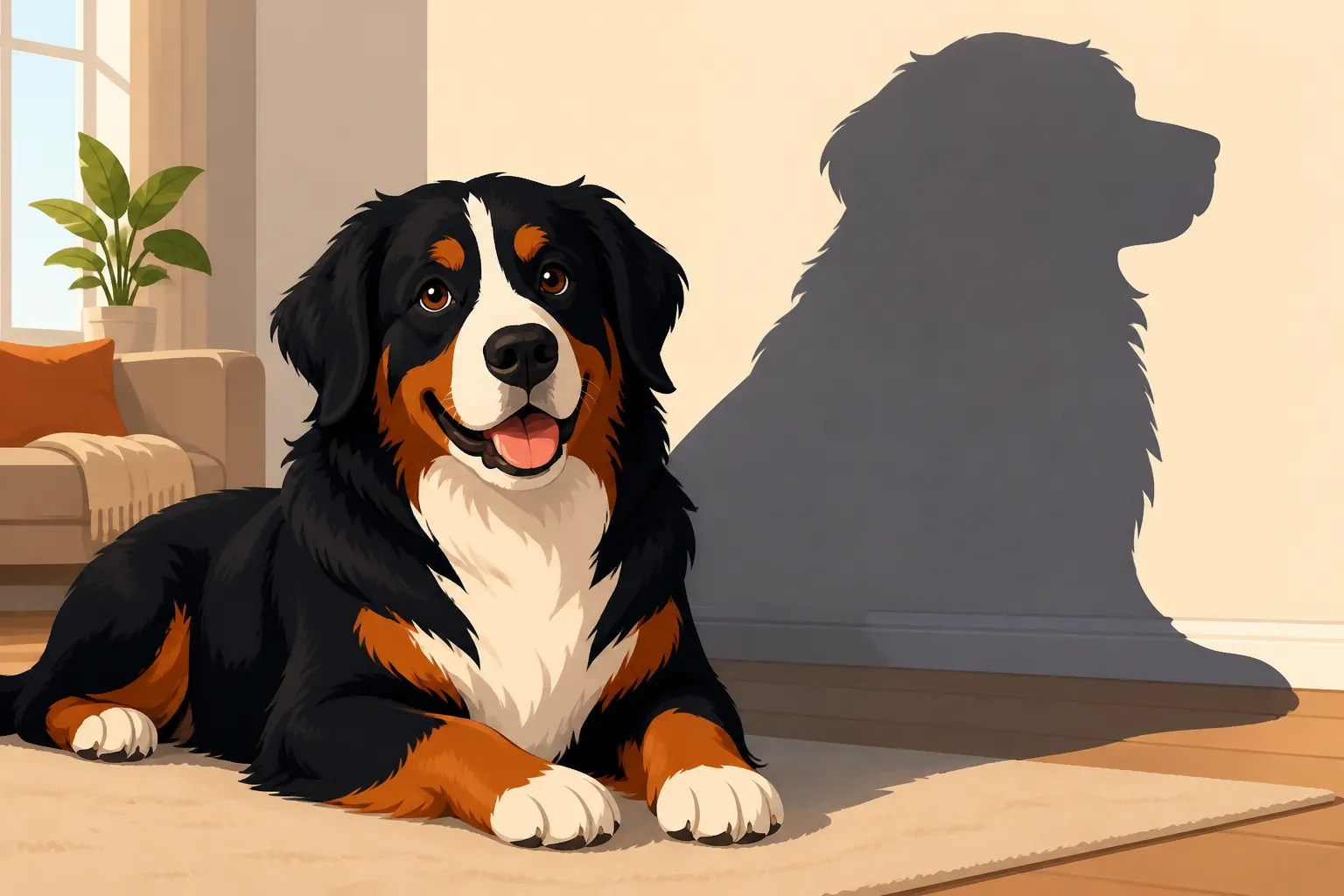
The Shadow a Bernese Mountain Dog Becomes Indoors
Anyone who has welcomed a Bernese Mountain Dog into their home knows that these gentle giants quickly become more than just pets; they become an ever-present, beloved shadow. While their desire to be near is incredibly endearing, it can also lead to practical challenges and sometimes, a little too much togetherness. This guide will explore why your Berner loves to be your constant companion, how to navigate the joys and quirks of their clingy nature, and strategies to ensure both you and your furry friend enjoy a harmonious, balanced life indoors.
Why Bernese Mountain Dogs Become Shadows
The phenomenon of a Bernese Mountain Dog following you from room to room, settling at your feet the moment you stop, or even nudging your hand for attention while you’re trying to cook, isn't just a random act of affection. It's deeply rooted in their history, their breed temperament, and the powerful bonds they form with their human families. Understanding these underlying reasons can help us appreciate this trait rather than just tolerate it.
Breed History and Instincts
Bernese Mountain Dogs originated in the Swiss Alps, where they served as all-around farm dogs. Their jobs involved everything from droving cattle and guarding property to pulling carts of milk and cheese to market. This wasn't a solitary job; they worked alongside their human companions, often in close quarters, relying on their bond and keen awareness of their surroundings. This historical context fostered a deep-seated instinct for proximity and collaboration with people. They weren't bred to wander off or be independent hunters; they were bred to be part of the family unit, and that historical drive for companionship carries through to today.
Imagine a farmer out in a vast pasture, perhaps with inclement weather closing in. His Berner would be right there, attentive, ready to assist, and always within earshot. This inherent trait translates into their modern behavior, making them feel most secure and purposeful when they are close to their "flock" – you! They consider themselves an integral part of your daily activities, whether that's working from home, watching television, or simply moving from the kitchen to the living room. It's less about being needy and more about their genetic programming to be a partner.
The Comfort of Proximity
For a Bernese Mountain Dog, being close to their human isn't just about fulfilling an ancient instinct; it's also a profound source of comfort and security. They are social creatures by nature, thriving on interaction and affection. When your Berner is lying at your feet, resting their head on your lap, or simply observing you from a few feet away, they are absorbing your presence, drawing reassurance from your steady rhythm and scent. This proximity reinforces their sense of belonging and safety within their pack.
Think about how you feel when you're around people you love and trust – there's a certain ease, isn't there? Your Berner feels that tenfold. The sound of your breathing, the subtle shifts in your body language, the rhythm of your movements – these are all signals of comfort and normalcy to them. Especially in a new environment or during times of change, their shadow-like behavior intensifies as they seek extra reassurance. It's their way of staying connected and making sure everything is alright in their world. This deep need for connection is a hallmark of the breed, a testament to their loving and devoted nature.
Bonding and Attachment Styles
Bernese Mountain Dogs form exceptionally strong bonds with their primary caregivers. They often develop a distinct attachment style that can be described as "secure" but intensely focused. This means they trust you implicitly and feel safe enough to explore their world, knowing you are their anchor. However, this security often manifests as a desire to keep you within sight or earshot. They truly want to be wherever you are, not out of a lack of confidence, but out of a deep, abiding love and loyalty.
Their attachment isn't just about physical closeness; it's also emotional. They are highly attuned to human emotions and can often pick up on your moods. If you're feeling down, your Berner might become an even closer shadow, offering silent support or a gentle nudge. This empathetic quality further strengthens their bond and their desire to be constantly present. It's like having a furry therapist who simply wants to share your space and your life, validating your emotions with their quiet presence. This strong attachment is what makes them such wonderful family dogs, but it also necessitates understanding their need for companionship.
Understanding the Bernese Mountain Dog's Drive to Be Near
While the "shadow" behavior is endearing, it’s helpful to delve deeper into what drives this intense desire for proximity. It’s not just about wanting to be loved; it's a complex interplay of instinct, personality, and how they perceive their role within your home.
The "Velcro Dog" Phenomenon
The term "Velcro dog" was practically coined for breeds like the Bernese Mountain Dog. These are dogs that seem to adhere to you, moving when you move, pausing when you pause. They're not just in the same room; they're often right next to you. This isn't laziness or a lack of personal space awareness on their part; it’s a profound manifestation of their social intelligence and their role as a companion animal. They learn your routines, your movements, and your habits, and they integrate themselves into them seamlessly.
For example, if you stand up from the couch, your Berner is likely to stir, lift their head, and potentially follow you to the kitchen, only to settle back down the moment you stop. They are constantly monitoring your activity, making sure they don't miss out on any potential interaction, or simply ensuring their "person" is still there. This constant vigilance, while sometimes a tripping hazard, is their way of participating in your life. It speaks volumes about how deeply they consider themselves intertwined with your existence. The Bernese Mountain Dog That Leans on Everyone touches on another aspect of their physical closeness, where they often use their body to communicate affection and connection.
Reading Your Berner's Cues
It's important to learn to distinguish between a Berner's natural inclination to be near and signs that their proximity might be driven by anxiety or a specific need. A content shadow dog will typically be relaxed, perhaps snoozing lightly, occasionally opening an eye to check your location, and then drifting back to sleep. They might get up and follow you but do so calmly, finding a new spot to settle just as readily. Their breathing will be even, their body language soft.
However, if your Berner seems overly restless, pacing, whining, panting excessively when you leave the room, or trying desperately to block your path, these could be cues that something more is at play. They might be trying to tell you they need to go out, or that they’re feeling anxious. Understanding the difference is key to a healthy relationship. For example, if you notice them suddenly pacing more or trying to intervene in your movements, it could be a simple need like a potty break, or it could be the early signs of a deeper unease. Observing these subtle shifts can help you respond appropriately and avoid reinforcing anxious behaviors.
The Line Between Affection and Anxiety
While the Bernese Mountain Dog's shadowing is largely driven by affection, it's crucial to recognize when it veers into unhealthy territory, specifically separation anxiety. A healthy bond means your dog enjoys your company but is also comfortable and secure when you're not physically present. A dog with true separation anxiety, however, experiences extreme distress when left alone, even for short periods. This can manifest as destructive behavior, excessive vocalization (like howling or barking), inappropriate urination or defecation, or even frantic attempts to escape.
The distinction lies in their emotional state when you are absent. A true shadow dog might be a bit mopey or sleep by the door when you're gone, but they don't panic. A dog with separation anxiety will show clear signs of distress. If you suspect your Berner's clinginess might be leaning towards anxiety, especially when you're gone, it's important to address it proactively. Early intervention can make a significant difference. The Bernese Mountain Dog That Cannot Bear Being Left explores this more deeply, offering insights into recognizing and managing genuine separation anxiety.
Navigating the Practical Challenges of an Indoor Shadow
Living with a large, affectionate "shadow" like a Bernese Mountain Dog can present some unique logistical challenges around the house. Their sheer size combined with their desire for proximity means you often need to adapt your movements and your home environment.
Tripping Hazards and Personal Space
Let's be honest: a 90-pound dog suddenly appearing behind your legs while you're carrying a hot cup of coffee is a recipe for disaster. Bernese Mountain Dogs, for all their gentle nature, aren't always aware of their considerable size, or the fact that they've positioned themselves perfectly in your blind spot. This can lead to frequent stumbles, accidental nudges, or even a full-on trip if you're not paying attention. It's a common complaint among Berner owners – one moment you're walking freely, the next you're navigating a furry landmine.
To mitigate this, many Berner owners develop a "Berner shuffle" – a habit of shuffling their feet slightly or scanning the floor before taking a step. You might also find yourself constantly saying "excuse me!" or gently redirecting your dog with a hand on their chest. Creating clear pathways and being mindful of where your dog typically likes to lie can also help. For instance, if they always lie at the threshold of the kitchen, you might place a comfy mat a few feet away to encourage them to settle there instead, giving you clear entry and exit. This isn't about pushing them away, but about safe cohabitation.
Doorway Blockades and Movement
Doorways and narrow hallways become prime real estate for a Bernese Mountain Dog who wants to be close. They'll often stretch out across a doorway, making passage a carefully orchestrated maneuver. Whether you're trying to carry laundry, push a stroller, or simply walk through with both hands full, their cozy blockade can be a charming but frustrating obstacle. This isn't out of defiance; it's simply where they've chosen to settle to be near you, often positioning themselves to watch both you and the general goings-on.
Managing this often involves teaching a "move" or "place" command. Having a designated spot just outside a high-traffic area, like a dog bed or mat, can be invaluable. When they're lying in the doorway, a gentle "move" command followed by a treat when they relocate can teach them to clear the path. Consistency is key here. You want them to understand that while their presence is cherished, certain areas need to remain open for safe human navigation. It’s all about creating clear boundaries for both of you.
Keeping Your Berner Safe Indoors
Beyond the occasional trip, a large shadow dog can encounter other safety concerns indoors. For instance, when you're cooking, they might be too close to hot surfaces or dropped food that isn't safe for them. Or perhaps they position themselves too near a rocking chair or a door that could swing open suddenly. Their desire to be involved can inadvertently put them in harm's way.
Consider establishing "off-limits" zones or using baby gates for short periods when you need uninterrupted space, like while preparing meals. A strong "stay" or "place" command is incredibly useful here. You can also create a comfortable, safe spot for them to observe you from a slight distance. For example, a large orthopedic dog bed from a brand you can easily find on Amazon, placed strategically in the corner of the kitchen, can give them a safe perch while you chop vegetables. This ensures they feel included without being in the direct line of fire. It’s about being proactive to prevent accidents for both human and hound.
Strategies for Managing Clingy Behavior
While your Berner's shadowing is a testament to their love, it’s beneficial for both of you to establish some boundaries and foster a degree of independence. This isn't about making them less affectionate, but about creating a more balanced and safer living situation.
Establishing a "Place" or Designated Area
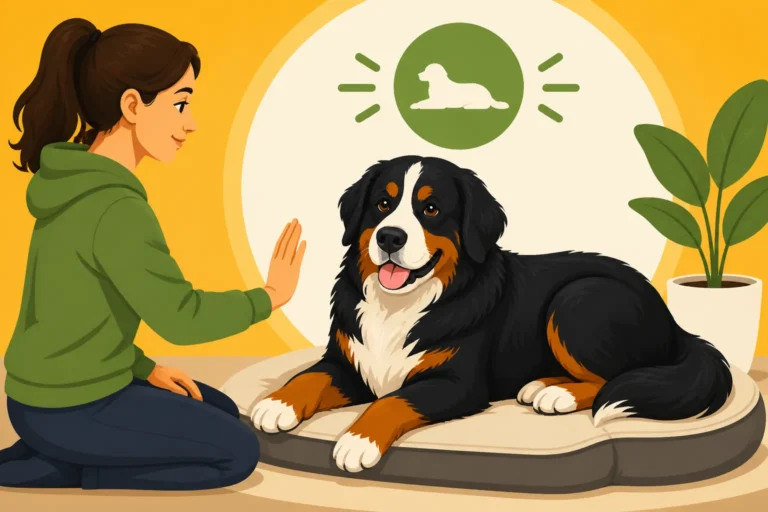
One of the most effective strategies for managing a shadow dog is to teach them a "place" command. This command instructs your dog to go to a specific designated spot – usually a dog bed, mat, or crate – and stay there until released. This provides them with a structured way to be present in the room without being directly underfoot. It’s a wonderfully clear boundary that respects their desire for proximity while giving you back some personal space.
To teach this, start by luring your dog to their chosen "place" with a treat. As soon as all four paws are on the mat, mark the behavior with a verbal cue like "yes!" or a clicker, and reward them. Gradually increase the duration they stay on the mat before rewarding and releasing them. Practice in different rooms, always ensuring their "place" is a comfortable spot where they can still see you. This helps them understand they can be near without always being on you. Teaching a Bernese Mountain Dog to Stay on a Mat offers detailed guidance on this important training.
Structured Alone Time
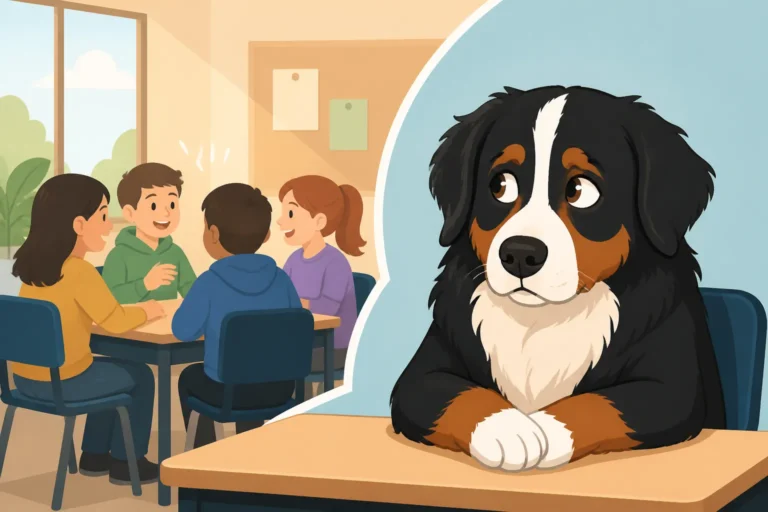
For a Bernese Mountain Dog, learning to be comfortable alone, even when you're home, is vital. This doesn't mean ignoring them, but intentionally setting up short periods where they aren't directly interacting with you. This could involve crating them with a high-value chew in another room for 15-20 minutes while you're still in the house, or simply having them settle in their "place" while you go about your business in an adjacent room. The goal is to gradually desensitize them to your absence, even if it's just from their immediate vicinity.
A great way to achieve this is through puzzle toys or long-lasting chews. Brands like Kong offer durable toys that can be stuffed with treats, keeping your Berner engaged and happy independently. Introduce these during planned periods of separation. For instance, give them a stuffed Kong in their crate, then step out of the room for a few minutes. Return before they finish or become anxious. This positive association with alone time builds their confidence and helps reduce the intensity of their shadowing when you eventually leave the house. Stretching the Hours a Bernese Mountain Dog Copes Alone provides more context on building this independence.
Enrichment to Encourage Independence
Mental and physical enrichment plays a huge role in fostering independence. A well-exercised and mentally stimulated Bernese Mountain Dog is generally a calmer, more content dog, less likely to feel the need to cling constantly. If their physical and mental needs aren't met, they might shadow you more out of boredom or restless energy.
- Daily Walks: Ensure your Berner gets regular, appropriate exercise for their age and health. This isn't just about potty breaks; it's about exploring, sniffing, and burning off energy.
- Training Sessions: Short, engaging training sessions throughout the day can provide excellent mental stimulation. Bernese Mountain Dogs enjoy learning, and even 5-10 minutes of obedience work can tire them out mentally.
- Puzzle Toys: Beyond the structured alone time, incorporating puzzle toys into their daily routine, especially interactive feeders, can keep their minds busy and encourage independent problem-solving. You can find a wide variety of these on Amazon.
- Chew Toys: High-quality, durable chew toys are essential for Berner puppies and adults alike, offering an outlet for natural chewing instincts and keeping them engaged.
By meeting these needs, you often find your Berner will be more inclined to settle peacefully in their own space, rather than constantly seeking your attention or proximity out of an unmet need.
Encouraging Independent Play and Space
Part of managing a "shadow" Berner is actively teaching them that it’s okay, and even rewarding, to engage with things other than you. This means introducing them to activities and environments where they can feel comfortable and entertained independently.
Interactive Toys and Puzzles
Interactive toys and puzzle feeders are fantastic tools for encouraging independent play. Unlike a simple squeaky toy, these require your dog to think and problem-solve to get a reward, engaging their minds for longer periods. Options range from simple treat-dispensing balls to more complex sniff mats and multi-stage puzzles.
Start with easier puzzles to build their confidence, then gradually introduce more challenging ones. Supervise them initially to ensure they understand the concept and don't get frustrated. These types of toys can be particularly useful when you need to focus on a task, like working from home or preparing a meal. Instead of your Berner watching your every move, they're happily occupied trying to extract a kibble from a tricky dispenser. You can explore many options for these kinds of enrichment items on Amazon, often with different difficulty levels to suit your dog's intelligence.
Creating a "Safe Zone"
Every Bernese Mountain Dog, even the most devoted shadow, benefits from having their own designated "safe zone" or retreat. This is a place where they can go to relax, feel secure, and simply be undisturbed. This could be a comfy dog bed in a quiet corner of the living room, a soft mat in your office, or a properly introduced crate. The key is that this space is theirs, and they learn that when they are there, they won't be bothered.
This "safe zone" becomes particularly important when you need to step away or when the household becomes busy. It gives them an alternative to following you or lying in a high-traffic area. Encourage its use with positive reinforcement – praise them when they voluntarily go there, offer a special chew, or simply let them rest peacefully. If you’ve introduced crate training properly, their crate can be a powerful safe zone, offering a den-like comfort. Crate Training an Adult Bernese Mountain Dog delves into how to make a crate a positive, comforting space.
Gradual Separation Training
True independence often comes down to gradual separation training, which is different from just leaving them alone. This is about systematically teaching your Berner that your coming and going is a normal, non-threatening part of life. Start small:
- Invisible Departures: Get up and leave the room for a few seconds, then return, without making a big deal out of it. Don't say goodbye, don't say hello.
- Increased Duration: Slowly extend the time you're out of sight. Go to another room, close the door, and come back after a minute, then two, then five.
- Pre-Departure Cues: Identify any routines that signal your departure (picking up keys, putting on shoes). Start doing these actions without actually leaving. This helps desensitize your dog to these cues, so they don't immediately associate them with panic.
The goal is to teach them that your departures are temporary and that you always come back. Consistency and patience are crucial. If you're struggling with this, especially if signs of anxiety are present, consider reaching out to a certified professional dog trainer or behaviorist. Resources like BAXTER & Bella offer online training programs that can guide you through these steps with expert advice, providing structured lessons to help build your Berner’s confidence when you’re not right there.
When the "Shadow" Behavior Becomes a Concern
While a Berner's clinginess is often charming, there are times when it can indicate a deeper issue that needs attention. Recognizing these signs is crucial for your dog's well-being and your peace of mind.
Signs of Separation Anxiety
As mentioned earlier, true separation anxiety goes beyond simple clinginess or mild disappointment when you leave. It's a debilitating condition for dogs, characterized by intense panic and distress when left alone. Key indicators include:
- Excessive Vocalization: Persistent barking, howling, or whining the entire time you are gone.
- Destructive Behavior: Chewing on doors, windowsills, furniture, or other household items, often focused on exit points.
- Inappropriate Urination/Defecation: Even if house-trained, a dog with separation anxiety might have accidents when left alone.
- Pacing and Restlessness: Constant movement, circling, or inability to settle.
- Excessive Drooling or Panting: These are physiological stress responses.
- Self-Harm: In severe cases, dogs may injure themselves trying to escape.
If you observe these signs, especially consistently, it's not a behavioral quirk but a serious welfare issue. It's not about being "mad" at your dog; it's about understanding their profound distress. Addressing separation anxiety often requires a multi-faceted approach, potentially involving medication, behavior modification, and lifestyle changes, often under the guidance of a vet or a certified professional. Howling From a Bernese Mountain Dog Left Behind dives into specific vocalization issues related to this condition.
Physical Health Considerations
Sometimes, a sudden increase in clingy, shadow-like behavior can be a subtle sign that your Bernese Mountain Dog isn't feeling well. Dogs are incredibly stoic, and rather than overtly showing pain or discomfort, they might seek increased proximity and reassurance from their trusted human.
Consider if there have been any recent changes:
- Pain or Discomfort: Is your Berner showing any subtle signs of lameness, stiffness, or reluctance to move? Joint issues are common in Bernese Mountain Dogs, and increased clinginess might be a quiet plea for comfort or protection. Arthritis in a Bernese Mountain Dog by Six is a relevant read here.
- Vision or Hearing Loss: As dogs age, their senses can decline. A dog with worsening vision or hearing might stick closer to you for guidance and security, especially in unfamiliar or low-light situations.
- Cognitive Decline: Older Berners can sometimes experience cognitive dysfunction, similar to dementia in humans. This can manifest as increased anxiety, disorientation, and a greater need for constant human presence.
If your Berner's shadowing behavior changes noticeably or is accompanied by other subtle shifts in appetite, energy, or demeanor, a trip to the veterinarian is always a good idea. Rule out any underlying medical causes before assuming it's purely behavioral.
Seeking Professional Help
When managing your Bernese Mountain Dog's shadow behavior feels overwhelming, or if you suspect it's escalating into separation anxiety or a health issue, don't hesitate to seek professional help. You don't have to navigate these challenges alone.
- Veterinarian: Your first point of contact should always be your vet to rule out any medical conditions contributing to the behavior. They can also provide referrals to veterinary behaviorists or certified dog trainers.
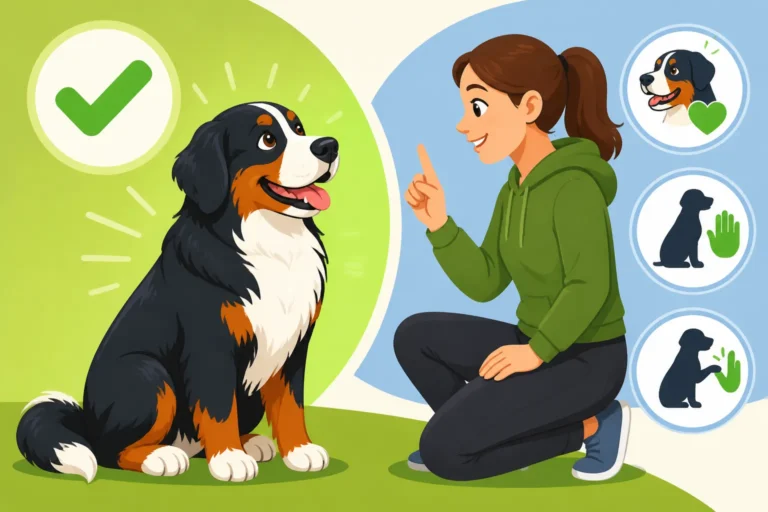
- Certified Professional Dog Trainer (CPDT-KA): A good trainer can help you implement effective behavior modification strategies, teach commands like "place" and "stay," and guide you through separation training protocols. Look for trainers who use positive reinforcement methods.
- Veterinary Behaviorist (Dip ACVB): These are veterinarians with advanced training in animal behavior. They can diagnose and treat complex behavioral disorders, including severe separation anxiety, often integrating medication with behavior modification plans.
Remember, a Bernese Mountain Dog's desire to be near is fundamentally a beautiful expression of their loving nature. With understanding, patience, and consistent training, you can embrace their companionship while also fostering their confidence and independence, leading to a happy, balanced life for everyone in the family.
| Strategy | Goal | How It Helps "Shadow" Berners | Key Considerations |
|---|---|---|---|
| "Place" Training | Defined personal space, structured presence | Teaches dog to settle in a specific spot, allowing owner freedom of movement | Consistency, positive reinforcement, comfortable "place" (e.g., orthopedic bed) |
| Structured Alone Time | Comfort with owner's absence (even nearby) | Builds confidence being independently occupied, reduces reliance on constant interaction | Start short, high-value chews/toys, return before anxiety, gradual duration increase |
| Interactive Toys/Puzzles | Mental engagement, independent problem-solving | Keeps dog occupied and mentally stimulated away from owner's direct attention | Vary difficulty, supervise initially, rotate toys to maintain interest |
| Creating a "Safe Zone" | Retreat for rest and security | Gives dog a designated, undisturbed area to relax, fostering self-soothing | Ensure comfort, positive association, respect their space when they're there |
| Gradual Separation Training | Reduces anxiety with departures | Systematically desensitizes dog to cues of owner leaving, proves owner always returns | No fuss departures/arrivals, start with seconds, use webcam to monitor, be patient |
| Adequate Exercise/Enrichment | Fulfills physical and mental needs | Tired, mentally satisfied dogs are less likely to seek constant attention out of boredom | Mix of physical and mental activities, tailored to age and health, daily routine |
Disclaimer
This article is for general informational purposes only and does not constitute professional advice. Laws, prices and regulations vary by location and change over time. Consult a qualified professional for guidance on your specific situation.