The Bernese Mountain Dog Against the Great Pyrenees
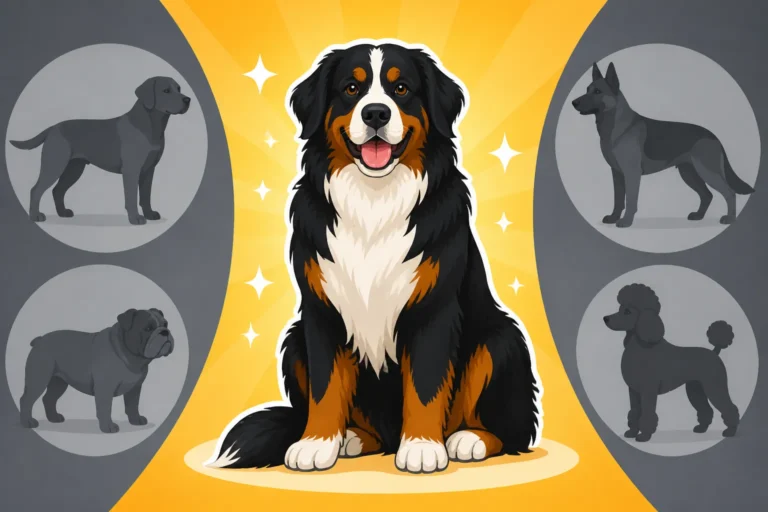
Choosing between a Bernese Mountain Dog and a Great Pyrenees can feel like choosing between two equally lovable giants. Both have thick coats, generous hearts, and serious space requirements, but their instincts and everyday habits differ in ways that matter. This guide compares their temperaments, grooming, exercise, training, and care so you can picture which dog fits your home.
Bernese Mountain Dog and Great Pyrenees at a glance
Their looks and size are only the beginning
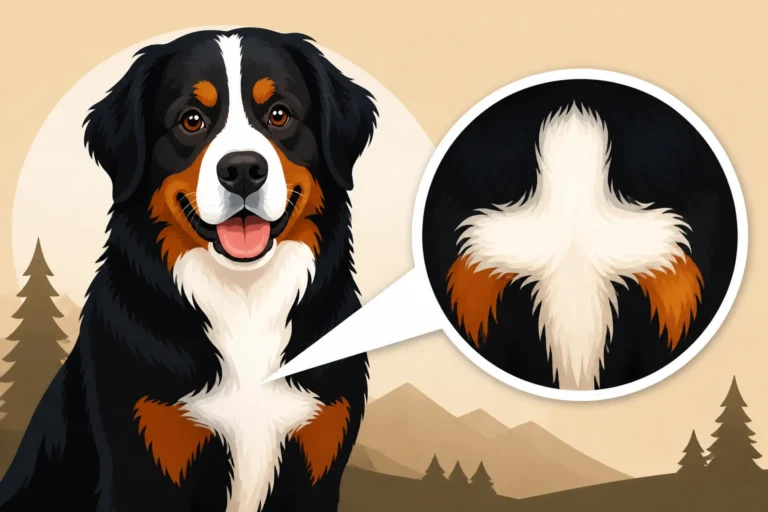
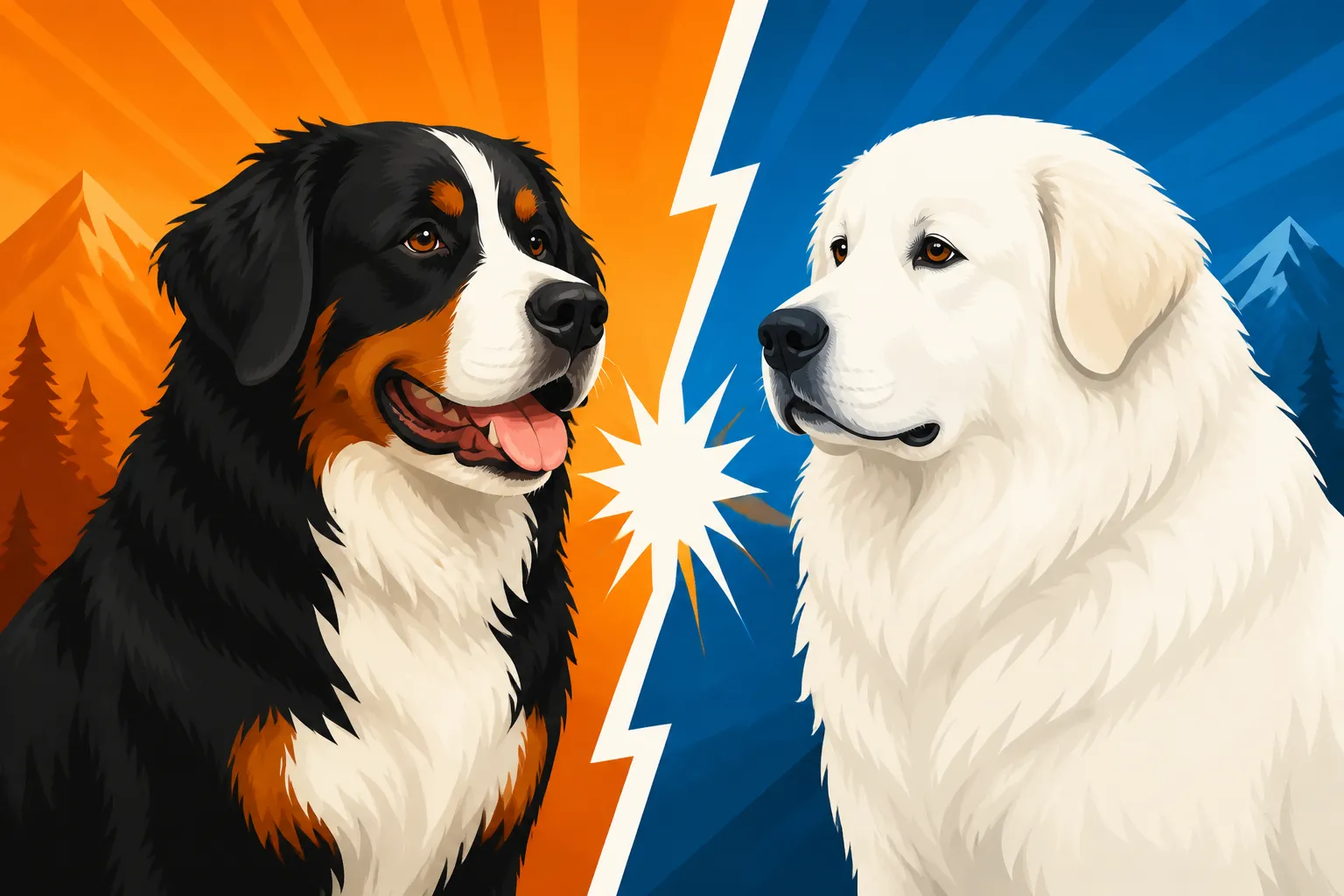
Both breeds are large, powerful dogs with weather-resistant double coats, but their appearances are quite different. The Bernese Mountain Dog is known for its black, white, and rust tricolor pattern, with a long coat and distinctive white markings. The Great Pyrenees is primarily white, sometimes with markings in shades such as gray, tan, or badger. Its coat and substantial frame give it a different silhouette, though individual dogs vary.
Size is worth considering, but it should not be the only deciding factor. Either breed may take up a lot of space on the sofa, block a narrow hallway, and be difficult to lift if injured or unable to climb into a vehicle. A prospective owner should plan for the dog in ordinary moments: getting through the front door, turning around in a small car, and navigating slick floors. The practical side of living with a giant dog is covered in How Big a Bernese Mountain Dog Gets.
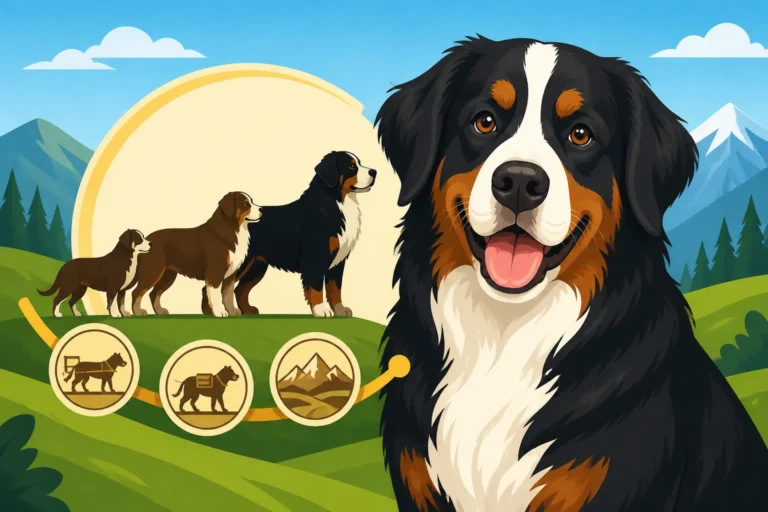
Their historical jobs help explain why they can feel so different despite sharing a mountain-dog image. Berners were versatile farm dogs, used for tasks that included pulling carts and moving livestock. Great Pyrenees dogs were developed as livestock guardians, expected to watch over animals and make decisions without constant direction from a person. Their backgrounds still influence how they respond to strangers, training, and activity.
The most useful comparison is their temperament
A Bernese Mountain Dog is often drawn to family life and enjoys being included in everyday routines. Many are affectionate, social dogs who want to be near their people, although temperament varies from one dog to another. A Berner may happily accompany the family on an outing and then settle nearby at home. That closeness is part of the appeal, but it can also mean the dog struggles if left alone for long stretches without preparation and support.
A Great Pyrenees can be deeply devoted to its household too, but its guardian instincts may make it more watchful and independent. It might investigate a sound outside or bark when it thinks something is approaching, even if the family regards the noise as unimportant. That behavior is not automatically a sign of poor training. It reflects a dog bred to notice changes and respond. If a quieter household is a priority, consider how comfortable you are with alert barking and a dog that may not look to you for every decision.
Neither breed is a guaranteed match for every home, and broad breed descriptions should not replace meeting individual dogs. Ask a breeder or rescue what the dog is like around visitors, other pets, children, and common household activity. For more on the Berner’s expected nature, see The Kind of Home a Bernese Mountain Dog Belongs In and Self-Confident and Good-Natured in the Bernese Mountain Dog Standard.
| Trait | Bernese Mountain Dog | Great Pyrenees |
|---|---|---|
| Traditional role | Versatile farm work, including drafting and droving | Livestock guardian |
| Coat appearance | Long tricolor coat | Predominantly white double coat, sometimes with markings |
| Typical household impression | Often people-oriented and eager to be involved | Often watchful, independent, and protective |
| Training approach | Patient, upbeat practice and clear routines | Patient practice that accounts for independent decision-making |
| Common management needs | Grooming, heat awareness, joint-friendly activity | Grooming, barking management, secure boundaries |
| Best fit to consider | A household wanting an involved companion | A household prepared for an independent guardian |
Training, exercise, and everyday behavior
Training a Berner is not the same as training a guardian
Berners are often responsive to reward-based training, especially when lessons are short, positive, and consistent. They can be sensitive to harsh handling, so repeated scolding may create confusion or make a dog reluctant to engage. A useful routine starts with basic skills such as coming when called, walking without dragging the handler, settling on a mat, and calmly greeting visitors. Practicing these skills while the dog is still manageable can prevent a large adolescent from rehearsing habits that are difficult to interrupt later.
Great Pyrenees dogs can learn household rules, but owners may find that reliable repetition does not always translate into instant obedience. A guardian breed may assess a situation and decide that its own response matters more than a familiar cue. That does not mean training is pointless; it means expectations should be realistic and safety should not depend on perfect recall. A securely fenced area, thoughtful introductions, and predictable routines can be more dependable than calling a dog back after it has become focused on a perceived concern.
Both dogs benefit from early, kind socialization. The goal is not to make every dog greet every person. It is to help the dog experience ordinary sights, sounds, people, and animals without becoming overwhelmed. For a Berner, socialization can support relaxed confidence around visitors. For a Great Pyrenees, it can help the dog learn which situations are routine and which require a response. Owners can explore the breed’s working background in What a Bernese Mountain Dog Did on a Swiss Farm and Whether a Bernese Mountain Dog Guarded Livestock.
Activity needs should match the individual dog
Neither breed should be treated as a machine that needs hours of strenuous exercise every day. Puppies, growing adolescents, healthy adults, and older dogs have different needs, and a dog’s health and body condition matter as much as its breed. Regular walks, sniffing time, gentle play, and brief training sessions can provide a balanced routine. Avoid assuming that a giant dog needs to run alongside a bicycle or tackle repeated high-impact jumps to be satisfied.
The Bernese Mountain Dog may enjoy being part of family activities, including appropriate walks and low-impact outdoor outings. Because the breed’s joints carry a large frame, steady conditioning and a lean body condition are sensible priorities. If a Berner slows down, limps, or seems reluctant to get up, do not automatically chalk it up to laziness or age. A change in movement can deserve veterinary attention. Every Pound a Bernese Mountain Dog's Hips Carry explains why weight management matters for the breed.
The Great Pyrenees may prefer to patrol a yard or keep watch over its surroundings rather than join every structured activity. That preference can be a poor fit for an owner who expects a dog to be constantly focused on games or commands. It also makes secure fencing important: a dog that feels responsible for monitoring its territory may roam if it finds an opening. Exercise should be planned around temperature, coat, fitness, and veterinary guidance rather than a one-size-fits-all schedule.
Heat and the home environment matter for both
Their thick coats suit colder conditions better than prolonged heat, and neither breed should be left to exercise hard in hot weather. Plan walks for cooler parts of the day, provide access to shade and fresh water, and let the dog rest indoors when conditions are uncomfortable. Heavy panting, weakness, unsteadiness, vomiting, or collapse can signal a medical emergency. Move a dog showing concerning heat-related signs to a cooler place and contact a veterinarian promptly.
A cool resting spot is useful even if the home is air-conditioned. Some owners compare fans, cooling mats, or other comfort items; if you shop through a retailer such as Chewy, check that a product is appropriately sized and follow its care instructions rather than assuming a gadget makes hot-weather exercise safe. The key protection is still reducing heat exposure and watching the dog closely. For breed-specific considerations, read Getting a Bernese Mountain Dog Through Summer.
Grooming, health, and the real cost of care
Expect regular brushing and plenty of hair
Both breeds have dense coats that need consistent attention. A Bernese Mountain Dog’s feathering and long coat can collect burrs, mud, and tangles, especially behind the ears, beneath the legs, and around the hindquarters. Brushing through the coat on a routine schedule is easier than waiting until loose undercoat and tangles have built up. During heavier shedding periods, the amount of hair around the home can feel startling if you have not lived with a double-coated dog before.
Great Pyrenees dogs also shed, and their pale coat can be conspicuous on dark clothing and furniture. Regular brushing helps remove loose hair and lets you check the skin for irritation, mats, or debris. Neither dog should be shaved just because the coat is inconvenient; the double coat plays a role in insulation, and coat care decisions are best discussed with a groomer or veterinarian who understands double-coated breeds. For Berner-specific techniques, Grooming a Bernese Mountain Dog's Long Tricolor Coat offers a closer look.
Plan for routine grooming tools and a place to brush a large dog comfortably. An online retailer such as Chewy can be one place to compare brushes, combs, and washable cleanup supplies, but the right tool depends on coat texture and the dog’s tolerance for grooming. Introduce handling gradually: reward calm standing, pause before the dog gets frustrated, and build up to longer sessions over time. A grooming table is not essential for every household, but a nonslip surface and help from another adult can make the process safer.
Health planning is part of choosing either breed
Both breeds can face health concerns associated with large dogs, including orthopedic problems and bloat, and individual risk varies. Bernese Mountain Dogs are also known for significant cancer concerns within the breed. That reality can be emotionally difficult to weigh when the breed’s affectionate nature is what first draws someone in. A thoughtful owner does not need to assume a dog will become ill, but should be prepared to seek veterinary care when something changes and to plan financially for unexpected treatment.
Before choosing a puppy, ask about the parents’ health testing and the health history of close relatives. A responsible breeder should be willing to discuss results and explain the limits of screening; no set of tests can promise a dog will never develop a serious condition. For an adult dog from rescue, request available medical records and ask what is known about previous mobility, breathing, and digestive issues. These conversations are more useful than relying on a vague assurance that a line is “healthy.”
Routine veterinary care, dental care, parasite prevention, and a suitable diet all add to the ongoing commitment. Food portions should be based on the individual dog’s body condition and needs, not on a guess based solely on breed or the amount printed on a bag. Chewy may be convenient for replenishing food or everyday care items, but a veterinarian should guide decisions about diets for growth, weight loss, allergies, or diagnosed illness. Learn more about breed-specific risks in The Bernese Mountain Dog Health Panel and Bloat in a Deep-Chested Bernese Mountain Dog.
Which breed is a better fit for your household
Choose based on the dog you want to live with
A Bernese Mountain Dog may suit a household looking for a large companion that enjoys being part of family routines and can participate in training and outings. That does not mean every Berner will be outgoing or easy to manage, nor does it mean the breed is low maintenance. Grooming, heat precautions, health planning, and the realities of a giant dog remain part of the picture. If companionship and close involvement are high on your list, consider how you will meet the dog’s social and practical needs day after day.
A Great Pyrenees may appeal to someone who respects a more independent dog and is prepared to manage guarding behavior, alert barking, and secure boundaries. It can be a poor match for a household that wants a highly biddable dog, lives with close neighbors who are sensitive to noise, or cannot provide reliable fencing. The right owner is not simply someone with a big yard; it is someone willing to understand the breed’s instincts and guide them safely.
Families with children should think about supervision and space, not just reputation. Any large dog can accidentally knock a child over, and children need to be taught not to climb on, startle, or crowd a resting dog. Introductions to resident pets also deserve planning, since individual compatibility cannot be guaranteed by breed label. For a detailed look at Berner family life, read A Bernese Mountain Dog Around Children.
Use a practical checklist before deciding
Before bringing home either breed, picture an ordinary week rather than an idealized weekend in the mountains. Who will brush the dog? What happens when you travel, work late, or need to take the dog to the veterinarian? Can your vehicle accommodate a large dog and help it enter safely? Is your home cool enough in summer, and are outdoor areas secure? Honest answers now can prevent avoidable stress later.
Meet adult dogs when possible, not only puppies. Ask owners what they find hardest: barking, hair, drool, independence, training, or medical care. Spend time around both breeds in calm settings and notice what feels manageable rather than merely charming. A confident puppy’s behavior is not a complete preview of adult temperament, so learn as much as you can about the parents and the environment in which the puppy is being raised.
There is no universally better choice between the Bernese Mountain Dog and the Great Pyrenees. The better match is the one whose instincts, care needs, and everyday behavior fit your household—and whose needs you can meet through the less glamorous parts of dog ownership as well as the joyful ones.
Disclaimer
This article is for general informational purposes only and does not constitute professional advice. Laws, prices and regulations vary by location and change over time. Consult a qualified professional for guidance on your specific situation.