Whether a Bernese Mountain Dog Smells
It's a common concern among Bernese Mountain Dog owners, or those considering bringing one of these magnificent giants into their lives: will my dog smell? The truth is, all dogs have a natural scent, but with a breed as large and richly coated as a Bernese, that "dog smell" can feel amplified, and sometimes, it can signal an underlying issue. This guide will dive deep into why your beloved Berner might carry a scent, what's considered normal, and most importantly, how to keep your home smelling fresh and your dog healthy.
Understanding the Natural "Dog Smell" of a Bernese Mountain Dog
Let's be real, no dog smells like a field of daisies every single day. There's a certain "dog smell" that's completely natural and healthy, stemming from their unique physiology. It's often subtle, a warm, musky scent that many dog lovers actually find comforting. With a Bernese Mountain Dog, however, their sheer size and luxurious double coat mean there's simply more surface area and more fur to potentially hold onto scents.
Think about it: dogs have natural oils on their skin and in their coats, which are essential for keeping their skin moisturized and their fur protected. They also have dander (dead skin cells) and a unique microbiome of bacteria and yeast that live on their skin. When all these elements are in balance, the smell is generally mild and pleasant. It’s when this balance is disrupted, or when external factors come into play, that the scent can become less than ideal.
Why Some Smell is Normal for Any Dog
Every dog has scent glands, including sebaceous glands that produce oils to keep their skin and coat healthy. These oils, along with dead skin cells and environmental factors, contribute to a dog's natural odor. For a Bernese, their thick, protective double coat, while beautiful, can sometimes act like a sponge, soaking up and holding onto these natural odors more readily than a dog with a short, single coat. This isn't a bad thing; it's just part of having a Berner. You'll often notice it most when they first come in from outside, or after a good nap in their favorite spot.
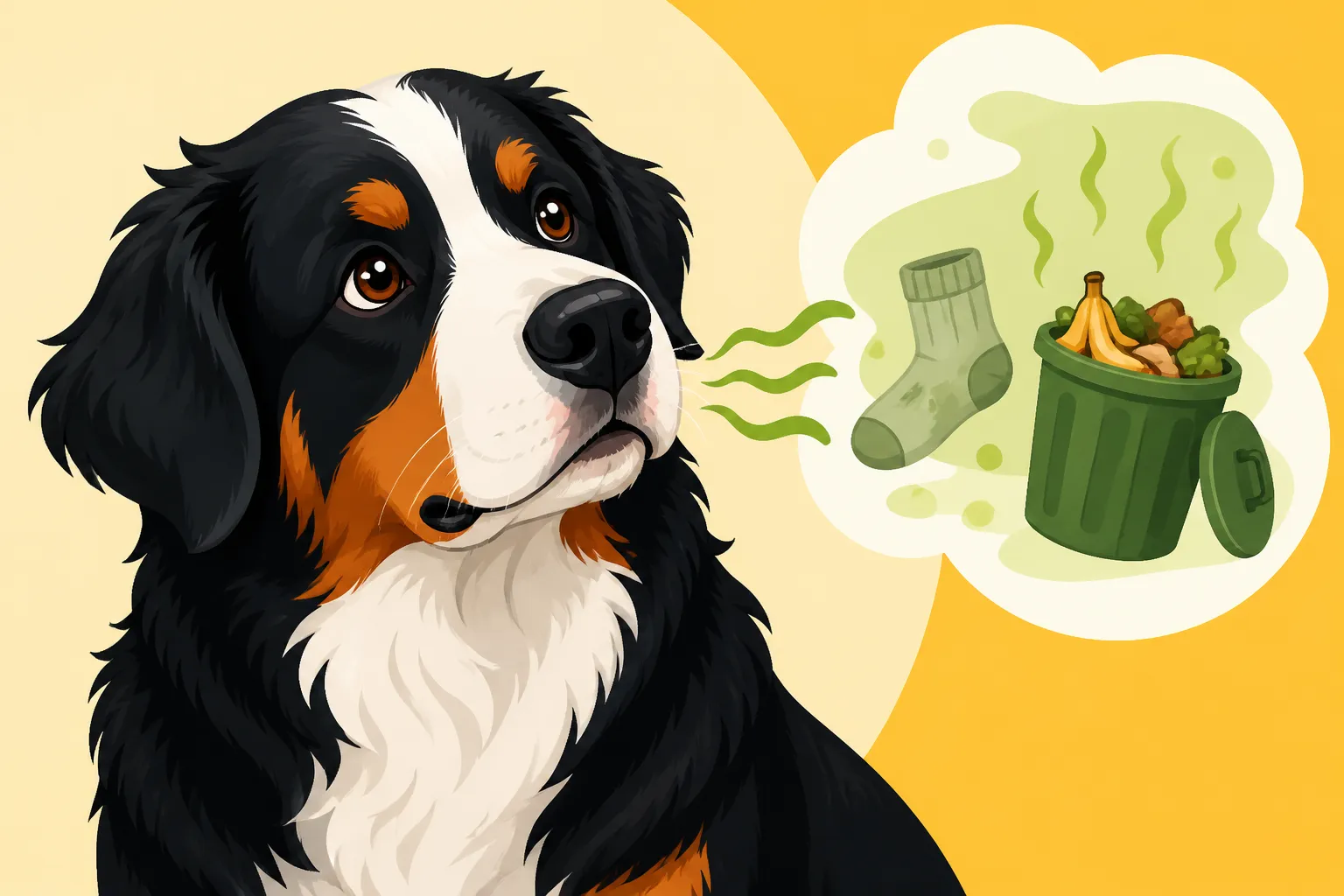
The trick is learning to differentiate between a healthy, normal dog scent and an unpleasant, persistent odor that might indicate a problem. A healthy Berner should have a relatively neutral smell, perhaps a faint, earthy aroma. If you bury your face in their fur (which, let's be honest, we all do!), you might get a whiff of that unique "dog" scent. This is normal. What's not normal is a smell that makes you recoil, or one that lingers in the air even after they've left the room.
How Coat Type and Lifestyle Influence Scent
The Bernese Mountain Dog's iconic double coat is truly a marvel, designed to protect them from the harsh elements of the Swiss Alps. It consists of a dense, woolly undercoat for insulation and a longer, coarser outer coat that repels water and dirt. This design, while functional, also means their fur can trap more moisture, debris, and microorganisms close to the skin. Imagine a really thick carpet – it holds onto things, right? A Berner's coat is similar.
Their lifestyle also plays a huge role. Berners typically love being outdoors, exploring, and engaging in all sorts of activities that can contribute to odor. A roll in a particularly muddy patch, a splash in a pond, or even just sniffing around a dewy garden can introduce moisture and foreign particles into their coat. And because they're such devoted family members, they spend a lot of time indoors, meaning any outdoor smells they pick up are coming inside with them. Keeping a clean house with a Berner involves constant attention to their coat. You might find yourself lint-rolling your furniture daily! Keeping a House Livable With a Bernese Mountain Dog
Common Causes of Unpleasant Odors in Bernese Mountain Dogs
When that lovely "dog smell" turns into something far less appealing, it's usually a sign that something is amiss. Unpleasant odors in Bernese Mountain Dogs can often be traced back to a few common culprits, ranging from skin issues to dental problems, and even just their adventurous spirit.
Skin and Coat Issues
The skin and coat are often the first place to look when a Berner develops an off-putting smell. Their dense fur can mask a lot of what's happening underneath, making it crucial for owners to be diligent in their grooming and health checks.
-
Allergies and Dermatitis: Just like people, Berners can suffer from allergies – environmental, food, or contact. These allergies often manifest as skin inflammation (dermatitis), leading to excessive scratching, licking, and chewing. This irritation can break the skin's barrier, creating a perfect environment for bacteria and yeast to overgrow. When yeast proliferates, it often produces a distinctive, musty, or Frito-like smell, while bacterial infections can result in a more pungent, almost rotten odor. If your Berner is constantly scratching and also smells, it's worth investigating for allergies. Itching Under a Bernese Mountain Dog's Thick Coat
-
Seborrhea: This condition involves abnormal production of sebum (skin oils), either too much (oily seborrhea) or too little (dry seborrhea). Oily seborrhea is particularly prone to causing a rancid, greasy smell. The excess oil creates a sticky environment where dirt, dander, and microorganisms readily accumulate, leading to further bacterial or yeast infections and a worsening odor. It often affects areas like the armpits, groin, and skin folds.
-
Matted Fur: Berners, with their long, thick coats, are highly susceptible to matting, especially behind the ears, in their "trousers" (the feathering on their hind legs), and under their belly. Mats trap moisture, dirt, and dead hair against the skin, creating a suffocating, airless pocket. This damp, confined space becomes a breeding ground for bacteria and yeast, leading to skin irritation, infections, and a very strong, often sour or moldy smell. Regular brushing is essential to prevent these painful and smelly mats. The Felt That Forms Behind a Bernese Mountain Dog's Ear
-
Dampness and Insufficient Drying: This is a big one for Bernese owners. Their double coat can take an incredibly long time to dry thoroughly after a bath, a swim, or even just a walk in the rain. If moisture gets trapped in the undercoat and isn't dried completely, it's like leaving a wet towel in a pile – it starts to smell mildewy. This isn't just unpleasant; it can also lead to skin infections from yeast and bacteria thriving in the moist environment. Always ensure your Berner is bone-dry after any wetting experience. How Long a Wet Bernese Mountain Dog Takes to Dry
Ear, Mouth, and Anal Gland Problems
Sometimes, the general "dog smell" isn't coming from the overall coat, but from specific areas that harbor infections or issues. These localized odors can be surprisingly potent and contribute significantly to your dog's overall scent profile.
-
Ear Infections: Bernese Mountain Dogs have floppy ears, which, while adorable, can create a warm, dark, and moist environment inside the ear canal – ideal for yeast and bacteria to flourish. An ear infection often produces a very distinct, sometimes sweet but decidedly unpleasant, odor. You might also notice redness, discharge, or your Berner shaking their head or scratching their ears more than usual. Regular ear checks and cleaning are vital for this breed. Recurring Ear Infections in a Bernese Mountain Dog
-
Dental Disease: Bad breath (halitosis) is a primary indicator of dental disease, and it can permeate a dog's entire presence. Plaque and tartar buildup on the teeth can lead to gingivitis (gum inflammation) and eventually periodontal disease, where bacteria infect the gums and bone supporting the teeth. These bacteria, along with decaying food particles, create sulfur compounds that smell foul. If your Berner has noticeable bad breath, it's not just a minor annoyance; it's a sign of a health issue that needs addressing. Gum Disease in an Older Bernese Mountain Dog
-
Anal Gland Issues: Dogs have two small anal glands located on either side of their anus, which produce a pungent, fishy-smelling fluid normally expressed when they defecate. Sometimes these glands can become impacted, infected, or abscessed, preventing proper expression. When this happens, the fluid can leak out, or the inflamed glands themselves can produce an incredibly strong, offensive, fishy odor. You might notice your Berner scooting their bottom on the ground, licking excessively, or a sudden, unexplained terrible smell.
Environmental and Behavioral Factors
Beyond health issues, a Bernese Mountain Dog's lifestyle and environment can also contribute to unwanted odors. Sometimes, the solution is as simple as changing a habit or two.
-
Rolling in Unsavory Things: This is almost a rite of passage for many dogs, and Berners are no exception. Give them a patch of mud, a questionable puddle, or even something less appealing left by wildlife, and many will enthusiastically roll in it. This immediately transfers external, foul smells directly into their thick coat, making them smell less like a mountain dog and more like… well, whatever they rolled in. A quick rinse or bath is usually the only remedy here.
-
Diet and Digestion: While less common than skin issues, some diets can contribute to a dog's overall body odor or cause excessive gas. Foods with low-quality ingredients, or those that your Berner is sensitive to, can sometimes lead to digestive upset, skin problems, or changes in how their skin oils smell. An overly gassy dog can certainly contribute to an unpleasant atmosphere! Discussing your dog's diet with your vet and considering high-quality, easily digestible foods might help. Brands like Ollie often focus on fresh, whole ingredients which can be beneficial for overall canine health, including skin and coat.
-
Lack of Regular Grooming: This is perhaps the most straightforward cause of an odorous Berner. Their magnificent double coat requires diligent care. Infrequent brushing allows dead hair, dander, and environmental debris to accumulate, creating a stale, dusty smell. Without regular bathing, sweat, oils, and dirt build up on the skin and coat, leading to a stronger, less pleasant natural dog odor. It's not just about aesthetics; consistent grooming is fundamental for odor prevention. How Often a Bernese Mountain Dog Should Be Brushed
Strategies for Managing and Preventing Bernese Mountain Dog Odor
The good news is that most sources of Bernese Mountain Dog odor are manageable with a consistent routine and a keen eye for potential problems. It truly comes down to proactive care.
Consistent Grooming Routine
This is your first and best line of defense against unwanted smells. A well-groomed Berner is usually a much fresher-smelling Berner.
-
Regular Brushing: Brushing your Bernese Mountain Dog isn't just about preventing mats; it's crucial for managing their scent. Daily or every-other-day brushing helps remove loose hair, dander, dirt, and distributes natural skin oils evenly, which can actually reduce odor buildup. Invest in a good quality undercoat rake and a slicker brush. The undercoat rake is invaluable for getting deep into their dense fur and removing dead undercoat, which can otherwise trap moisture and odor. You can find excellent grooming tools on platforms like Chewy or Amazon. Getting a Rake Down Through a Bernese Mountain Dog's Coat
-
Bathing: How often you bathe your Berner depends on their lifestyle and coat condition, but generally, a bath every 4-6 weeks is a good baseline. If they're particularly adventurous or have skin issues, more frequent baths might be necessary. Always use a dog-specific shampoo and conditioner to avoid irritating their skin. The most critical step after bathing is thorough drying. Their double coat needs a powerful force dryer (a high-velocity pet dryer, not a human hairdryer) to ensure every layer of their coat is completely dry. Otherwise, you're just inviting that mildewy smell. If home bathing feels overwhelming, consider a professional groomer who has the right tools and expertise for a giant, fluffy breed. Bathing a Bernese Mountain Dog That Fills a Tub
-
Ear Cleaning: Regularly checking and gently cleaning your Berner's ears is essential, especially with their floppy ear structure. Aim to check them a few times a week, especially after swimming. Use a vet-approved ear cleaning solution and cotton balls (never cotton swabs, which can push debris deeper into the ear canal). Gently wipe the visible parts of the ear. If you notice any redness, discharge, or a foul smell, it's time for a vet visit. How Often to Look Inside a Bernese Mountain Dog's Ear
-
Dental Care: Good oral hygiene can drastically reduce bad breath and improve your Berner's overall scent. Aim to brush your dog's teeth daily with dog-specific toothpaste. Dental chews and water additives can help, but nothing replaces manual brushing. Regular veterinary check-ups should include an oral exam, and your vet may recommend professional dental cleanings under anesthesia to address plaque and tartar buildup below the gumline.
Dietary Adjustments and Supplements
What goes into your Berner's body can influence what comes out, in terms of both waste and skin health. A high-quality, balanced diet is fundamental.
-
High-Quality Food: A diet rich in high-quality protein, healthy fats, and essential nutrients supports overall health, including skin and coat integrity. Some lower-quality foods can contain fillers or ingredients that might not agree with your dog, potentially leading to skin issues, digestive upset, or changes in body odor. Talk to your vet about the best food options for your Bernese Mountain Dog's specific needs and sensitivities.
-
Omega Fatty Acids: Supplements like omega-3 and omega-6 fatty acids can do wonders for skin and coat health. They help reduce inflammation, improve the skin barrier function, and can result in a healthier, shinier coat with less dander and potentially less odor. You can find these in fish oil supplements or in some premium dog foods.
Environmental Control and Lifestyle Habits
Sometimes, it's not the dog itself, but their immediate environment that needs a refresh.
-
Bedding and Living Spaces: Your Berner's bed, blankets, and favorite lounging spots can quickly accumulate hair, dander, and oils, becoming a significant source of odor in your home. Wash all dog bedding weekly with a pet-safe detergent. Regularly vacuum carpets, rugs, and upholstery. Consider investing in orthopedic beds with removable, washable covers. Orthopedic Beds Sized for a Bernese Mountain Dog
-
Outdoor Habits: After walks or outdoor play, especially if your Berner has indulged in a roll in something smelly, a quick wipe-down or rinse can prevent tracking odors indoors. Keep a supply of pet-safe wipes near the door for paws and lower legs. If they've had a dip in a pond, ensure they are dried thoroughly, or at least towel-dried, before they come back inside.
-
Vet Check-ups: Regular veterinary check-ups are crucial for catching potential health issues before they become major problems. Your vet can identify underlying conditions like allergies, infections, or dental disease that might be contributing to a strong odor. Don't hesitate to mention any unusual or persistent smells to your vet; it could be the first sign of something treatable. Seeing the Vet Twice a Year With a Berner
When to Seek Veterinary Advice for Persistent Odor
While a certain level of "dog smell" is normal, a persistent, strong, or unusual odor from your Bernese Mountain Dog is a red flag that warrants a visit to the veterinarian. Trust your nose – if something smells truly off, it probably is.
Recognizing "Red Flag" Smells
It's important to differentiate between a healthy, natural scent and an unhealthy one. Here's what to watch out for:
- Sudden, Strong, or Unusual Odor: If your Berner suddenly develops a potent smell that you haven't noticed before, or if their usual scent becomes overwhelmingly strong, it's a cause for concern. This could be a pungent, yeasty, rotten, fishy, or even sickly sweet smell. The key is the change and intensity.
- Associated Symptoms: A foul odor accompanied by other symptoms is a clear sign to seek veterinary care. These symptoms can include:
- Excessive itching, licking, or chewing: Often indicative of skin allergies, infections, or parasites.
- Redness, rash, or inflammation of the skin: Signs of dermatitis or infection.
- Hair loss or thinning coat: Can point to underlying skin conditions or hormonal imbalances.
- Discharge from ears, eyes, or other orifices: A clear sign of infection.
- Behavioral changes: Lethargy, loss of appetite, reluctance to be touched, or changes in personality can accompany illness.
- Visible mats or skin lesions: Areas where infection or irritation might be brewing.
For example, a strong, sweetish, yeasty smell, especially from the ears or paws, often points to a yeast infection. A truly putrid smell could indicate a bacterial skin infection or an abscessed anal gland. A very sour, musty smell might be chronic dampness or severe matting leading to skin breakdown. Don't try to self-diagnose; let a professional pinpoint the exact cause.
Diagnostic Steps and Treatment Options
When you bring your odorous Berner to the vet, they will conduct a thorough physical examination to try and identify the source of the smell. This typically involves:
- Full Physical Exam: Checking skin, coat, ears, eyes, mouth, and paws. They will look for any redness, inflammation, lesions, discharge, or dental issues.
- Specific Area Examination: Closely examining the ears for signs of infection (using an otoscope), the mouth for dental disease, and the anal glands for impaction or infection.
- Skin Diagnostics: If a skin issue is suspected, your vet may recommend specific tests such as:
- Skin scrapes: To check for mites.
- Cytology (tape prep or swab): To identify yeast or bacteria on the skin.
- Fungal culture: To test for ringworm.
- Biopsy: In some chronic or unusual cases, a small skin sample might be taken for microscopic examination.
- Blood Tests: In some instances, particularly if systemic health issues or allergies are suspected, blood work might be performed to check for hormonal imbalances (like hypothyroidism) or other internal conditions that can affect skin health.
Once a diagnosis is made, treatment will be tailored to the specific cause:
- Medicated Shampoos and Wipes: For skin infections or seborrhea, prescription shampoos, conditioners, or medicated wipes can be highly effective in controlling bacteria or yeast and soothing the skin.
- Antibiotics or Antifungals: Oral or topical medications may be prescribed to treat bacterial or yeast infections in the skin or ears.
- Allergy Management: If allergies are the root cause, treatment might involve anti-itch medications, allergy injections (immunotherapy), or a limited ingredient/hydrolyzed protein diet for food allergies.
- Dental Procedures: For dental disease, professional cleaning, scaling, and polishing under anesthesia might be necessary, and in severe cases, tooth extractions.
- Anal Gland Expression/Treatment: If anal glands are the problem, the vet can express them, or if infected, prescribe antibiotics or even perform surgery in rare, severe cases.
By working closely with your veterinarian and maintaining a consistent grooming and hygiene routine, you can keep your Bernese Mountain Dog smelling fresh and feeling fantastic.
| Odor Type | Potential Causes | Common Symptoms |
|---|---|---|
| Musty/Earthy | Yeast infection, damp coat, dirty bedding | Itching, redness, greasy skin, head shaking (ears), constant licking (paws) |
| Pungent/Foul | Bacterial skin infection, seborrhea, dirty coat | Redness, pustules, hair loss, scabs, greasy fur |
| Fishy | Anal gland issues | Scooting, excessive licking of hind end, strong, sudden fishy smell |
| Sweet/Sickly | Ear infection, some bacterial skin infections | Head shaking, ear scratching, discharge from ears, redness, pain |
| Rotten/Putrid | Severe dental disease, decaying wound | Bad breath, drooling, difficulty eating, visible lesions/wounds on body |
| Stale/Dusty | Accumulation of dander/dead hair, infrequent grooming | No specific health symptoms, just general "unfresh" smell, dusty coat |
Disclaimer
This article is for general informational purposes only and does not constitute professional advice. Laws, prices and regulations vary by location and change over time. Consult a qualified professional for guidance on your specific situation.